October weather in the US is rarely consistent. One morning brings a crisp 50-degree breeze, while the next afternoon feels closer to summer. For urban professionals, this unpredictability creates a specific problem: finding outerwear that looks polished enough for a client meeting but is durable and warm enough for a 20-minute walk or bike ride to the office. You need a coat that does not require a wardrobe change when you step inside. Most generic fashion advice fails here because it focuses on trends rather than function. This guide focuses on material weight, cut, and practical layering strategies to help you build a fall outerwear rotation that handles the commute, the office, and the evening after work.
Understanding Material Weight for Transitional Weather
The first step in choosing a coat is understanding how fabric weight translates to temperature resistance. In the US, fall temperatures vary wildly by region. In the Northeast, October might hover around 55°F (13°C) with high humidity. In the Midwest, it could drop to 40°F (4°C) by mid-month. In the South, it might stay above 70°F (21°C) until late November. Your coat choice must match your local average low temperature for the month.
Lightweight vs. Midweight vs. Heavyweight
Coat manufacturers often describe weight using terms like "light," "medium," or "heavy," but these lack standardization. Instead, look at the fiber content and weave density.
- Lightweight (Cotton Twill, Light Wool, Nylon): Best for 60°F–70°F (15°C–21°C). These materials are breathable and resist wind to a degree, but they offer minimal insulation. If your commute involves standing on a cold bus stop, this weight will not keep you warm. It is ideal for Southern states or early September in the North.
- Midweight (Wool Blends, Heavy Cotton, Quilted Nylon): Best for 45°F–55°F (7°C–13°C). This is the sweet spot for October. Wool blends trap air effectively without the bulk of pure heavy wool. Quilted nylon provides wind resistance and light insulation, making it excellent for bike commuters who need to shed heat quickly upon arrival.
- Heavyweight (Double-Faced Wool, Leather, Faux Fur): Best for below 45°F (7°C). These are typically winter coats. Wearing them in mild October weather leads to overheating, especially if you are commuting via transit or walking. They are also heavier, which can be tiring if you are carrying a bag.
For a daily professional commute, midweight is usually the correct starting point. If you are sensitive to cold, lean toward the heavier end of midweight (e.g., 80% wool, 20% cashmere). If you run hot or your office is heavily heated, choose a lighter midweight or a high-quality cotton canvas.
Why Material Matters for Durability
Durability is not just about warmth; it is about how the fabric handles friction. Daily commuting involves zipping up, putting on bags, sitting in chairs, and bending. Synthetic blends like polyester or nylon are more resistant to abrasion than pure natural fibers. However, they can look less polished. Wool blends offer a balance: they are durable enough for daily use and have a natural sheen that reads as professional. If you choose a synthetic coat, look for a matte finish rather than a shiny satin finish, as matte synthetics age better and hide wear patterns.
Consider the lining as well. A satin or viscose lining protects your inner clothes from friction and makes the coat easier to slip on and off. This is crucial for someone layering over a blazer. If the lining is rough or missing, you risk pilling or snagging your office wear. Check the product description for "satin lined" or "viscose lined" if this is a priority.
Fit, Length, and the Layering Equation
Many women buy coats based on their body size alone, ignoring the volume of the clothes they will wear underneath. This is the most common error. A coat that fits perfectly over a t-shirt will feel tight and restrictive over a sweater or blazer. You must calculate the "layering volume."
The Layering Rule
For a professional office look, you are likely wearing one of the following layers under your coat:
- Base Layer: A fitted turtleneck or blouse (approx. 1-2 inches of bulk at the chest).
- Mid Layer: A cardigan, lightweight sweater, or blazer (approx. 2-3 inches of bulk at the chest and shoulders).
- Total Bulk: Approximately 3-5 inches of additional girth around the torso and shoulders.
How to adjust your size: If you are between sizes, always size up. If you usually wear a Medium, try a Large in a coat intended for layering. The coat should allow you to raise your arms without pulling at the underarms. It should not gap at the back when you lean forward. If the coat is too tight, the zipper will strain, leading to early failure. A slightly loose fit also allows for air circulation, which helps regulate body temperature during active commuting.
Choosing the Right Length
Length affects both style and function. There is no single "correct" length, but specific lengths suit specific commute types.
- Crop (Above Hip): Best for bike commuters or those who sit in low-slung cars. It does not flap in the wind or catch on handlebars. However, it offers less coverage when sitting down, exposing the lower back. It pairs well with high-waisted pants or skirts to maintain modesty.
- Hip-Length (Mid-Thigh): The most versatile option. It covers the hips and lower back when sitting. It is easy to move in and does not restrict leg movement. This is the safest choice for office workers who walk to transit stops.
- Mid-Calf (Knee-Plus): Offers maximum wind and rain protection. It looks formal and elongating. However, it can be cumbersome in crowded subways or when climbing stairs. If you choose this length, ensure the hem is not so long that you trip over it. A 2-3 inch clearance from the hem to your shoes is ideal.
For a professional look, avoid lengths that fall in the "muffin zone" (just below the hip but above the knee) if you are wearing a skirt. This can create an unflattering silhouette. Instead, aim for a crisp break at the hip or a long, flowing line to mid-calf.
Sizing Notes for Online Shopping
Many affordable fashion items, particularly those shipped from international manufacturers, use Asian sizing. This is a critical detail for online shoppers. Asian sizes typically run 1-2 sizes smaller than US/EU sizes. If you are a US Medium, you may need a Large or X-Large in an Asian-sized coat. Always check the specific product details for a size chart. Look for measurements in inches or centimeters, not just S/M/L. If the product listing notes "Asian sizing runs 1–2 sizes smaller," follow that advice strictly. Also, allow for a 2-3 cm variance in measurements due to manual production. This means the coat might be slightly larger or smaller than the chart indicates. If you are on the borderline, choose the larger size to ensure layering room.
Product Comparison for Fall Outerwear Needs
While specific heavy winter coats are not always available in every online catalog, several versatile pieces can serve as foundational layers or transitional outerwear in milder climates. Below is a comparison of specific products that fit the criteria of affordable, versatile, and suitable for layering. Note that some items are dresses or tops that function as "wearable layers" or can be styled as outerwear in warmer fall regions.
| Product | Price | Type/Material | Options | Best For |
|---|---|---|---|---|
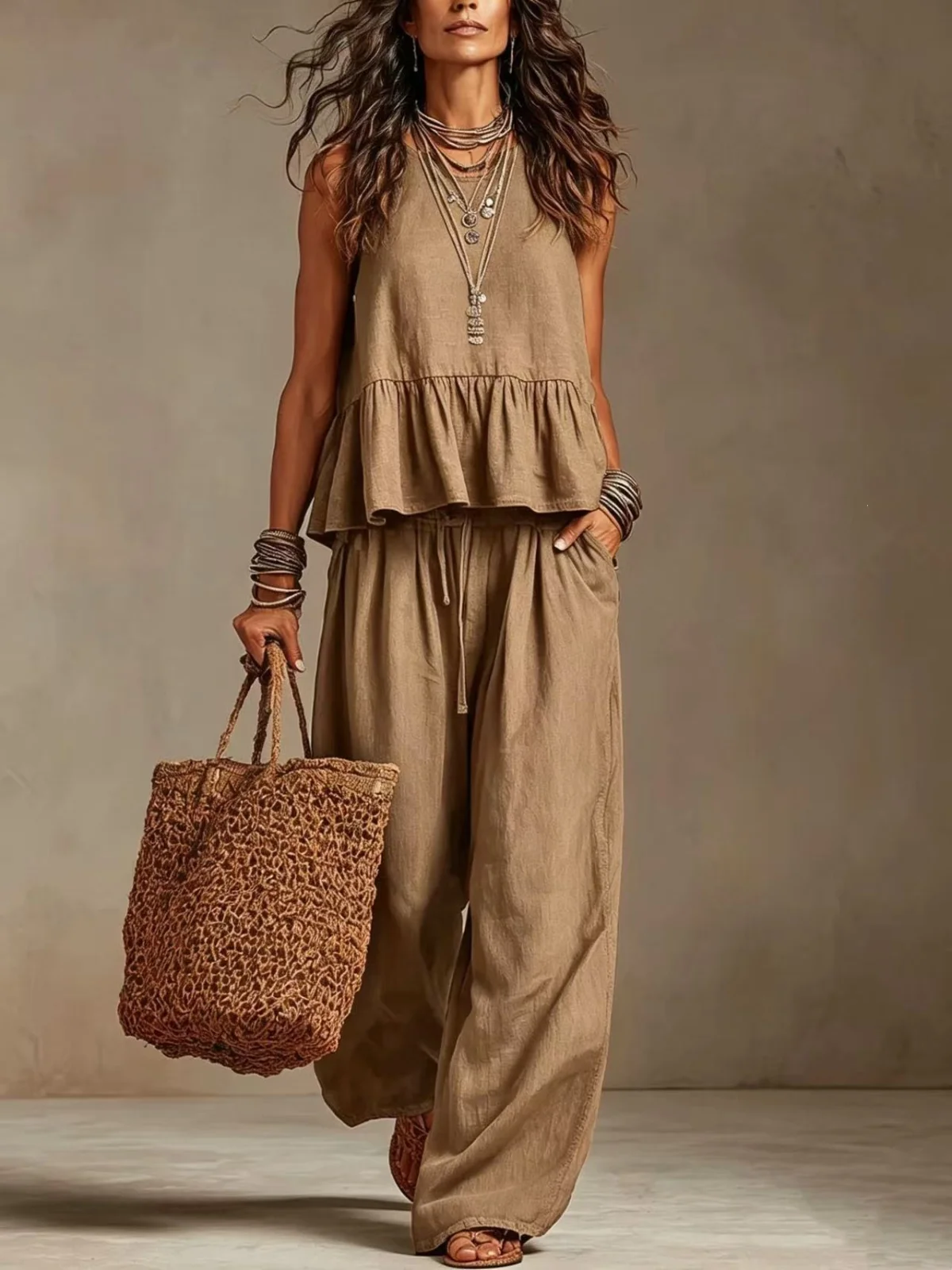
| V-neck Ruffle Hem Sleeveless Crop Top & High Waist Wide Leg Linen Pants Two Piece Outfit Set | $46.8 | Linen/Blend | 42 Color-Size options | Layering base for mild fall |
| Womens Long-sleeved Loose-fit Plaid Shirt Dress | $41.4 | Polyester | 15 Color-Size options | All-in-one transitional outfit |
| Rainbow Striped Pullover Casual Loose Long Sleeve Sweatershirt | $42.28 | Knit Blend | Varies | Mid-layer under a coat |
| Spring New Sexy Off-shoulder Pleated Dress | $39.12 | Polyester | 30 Color-Size options | Early fall/evening wear |
| Warm Feet Anywhere | $25.8 | Thermal Cotton/Battery | 1 Default | Cold feet during commute |
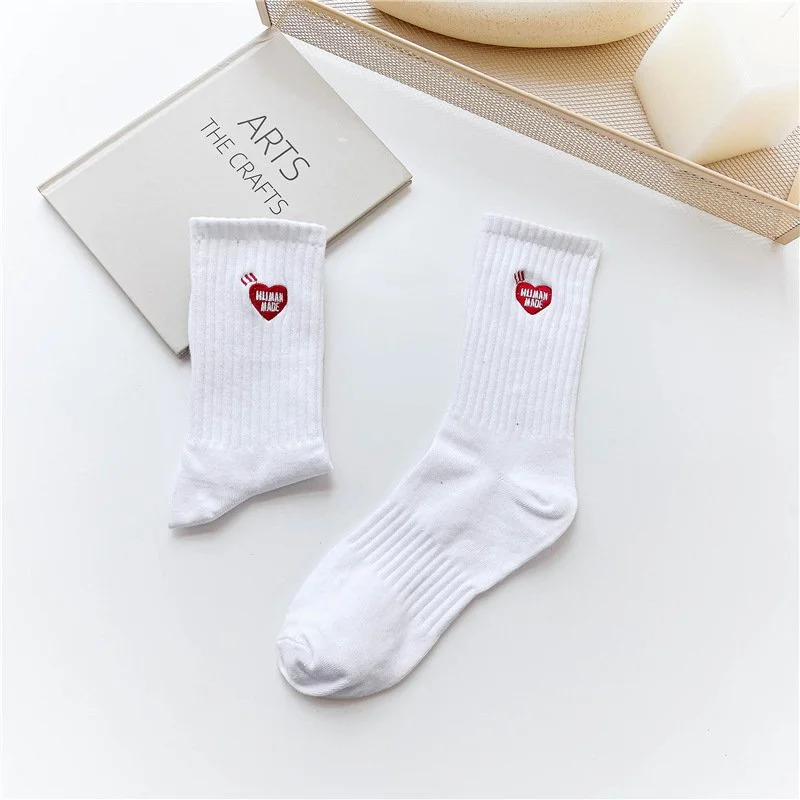
| Couple Love Stockings for Him and Her | $3.52 | 70% Cotton | 3 Color options | Comfort layer for legs |
1. V-neck Ruffle Hem Sleeveless Crop Top & High Waist Wide Leg Linen Pants Two Piece Outfit Set
This set provides a structured, professional silhouette that works well as a base layer for cooler days. The high-waisted pants offer coverage and warmth for the legs, while the crop top allows for layering with jackets or light coats. The linen blend breathes well, preventing overheating in mild weather.
Best for Professionals in mild climate zones (e.g., California, Florida) who need a polished two-piece set to wear under a light blazer or trench coat.- Pro: The high-waist design ensures the top stays tucked or sits neatly under a coat, maintaining a clean line.
- Pro: Linen is naturally breathable, making it suitable for variable temperatures where you might overheat indoors.
- Con: Linen wrinkles easily, so you may need to steam it before work if it is being worn as a visible layer.
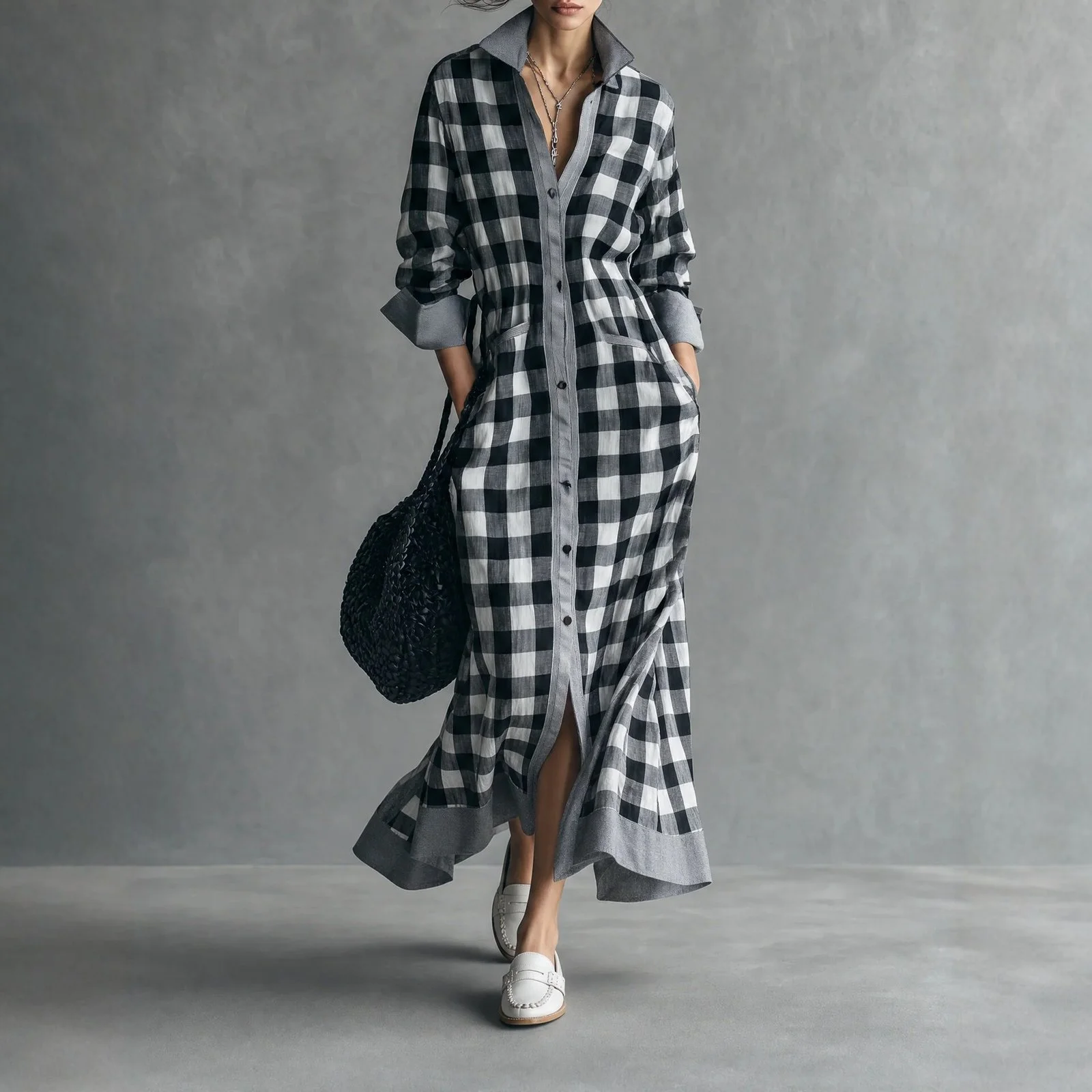
2. Womens Long-sleeved Loose-fit Plaid Shirt Dress
This polyester shirt dress offers a loose fit that accommodates layering underneath. The plaid pattern is a classic fall motif that reads as preppy and professional. The mid-waist style and loose cut make it easy to slip a cardigan or sweater underneath without creating bulk.
Best for Office workers who want a single-item outfit that can be styled with tights and boots, serving as a transitional piece for early fall.- Pro: Polyester is durable and resists wrinkles, making it low-maintenance for daily commuting.
- Pro: The loose fit provides ample room for mid-layers like sweaters without restricting movement.
- Con: Polyester is less breathable than natural fibers, which might feel warm if you are in a heated office for long periods.
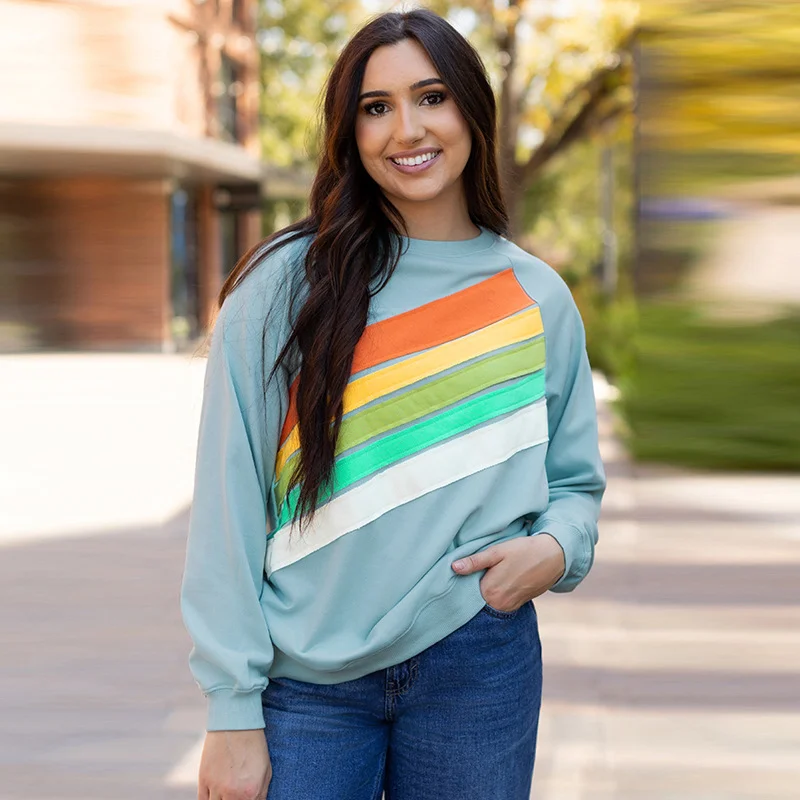
3. Rainbow Striped Pullover Casual Loose Long Sleeve Sweatershirt
This knit pullover serves as an excellent mid-layer. The loose fit allows it to be worn over a blouse or under a coat without adding excessive bulk. The long sleeves provide arm coverage, which is important for maintaining core warmth in cool weather.
Best for Commuters who need a versatile mid-layer that transitions from office to casual evening wear.- Pro: Knit materials are soft and comfortable against the skin, reducing the need for an additional base layer in mild weather.
- Pro: The striped pattern adds visual interest without being too loud for a professional setting.
- Con: Check the specific fabric blend, as some knits can pill over time with frequent friction from bags and coats.
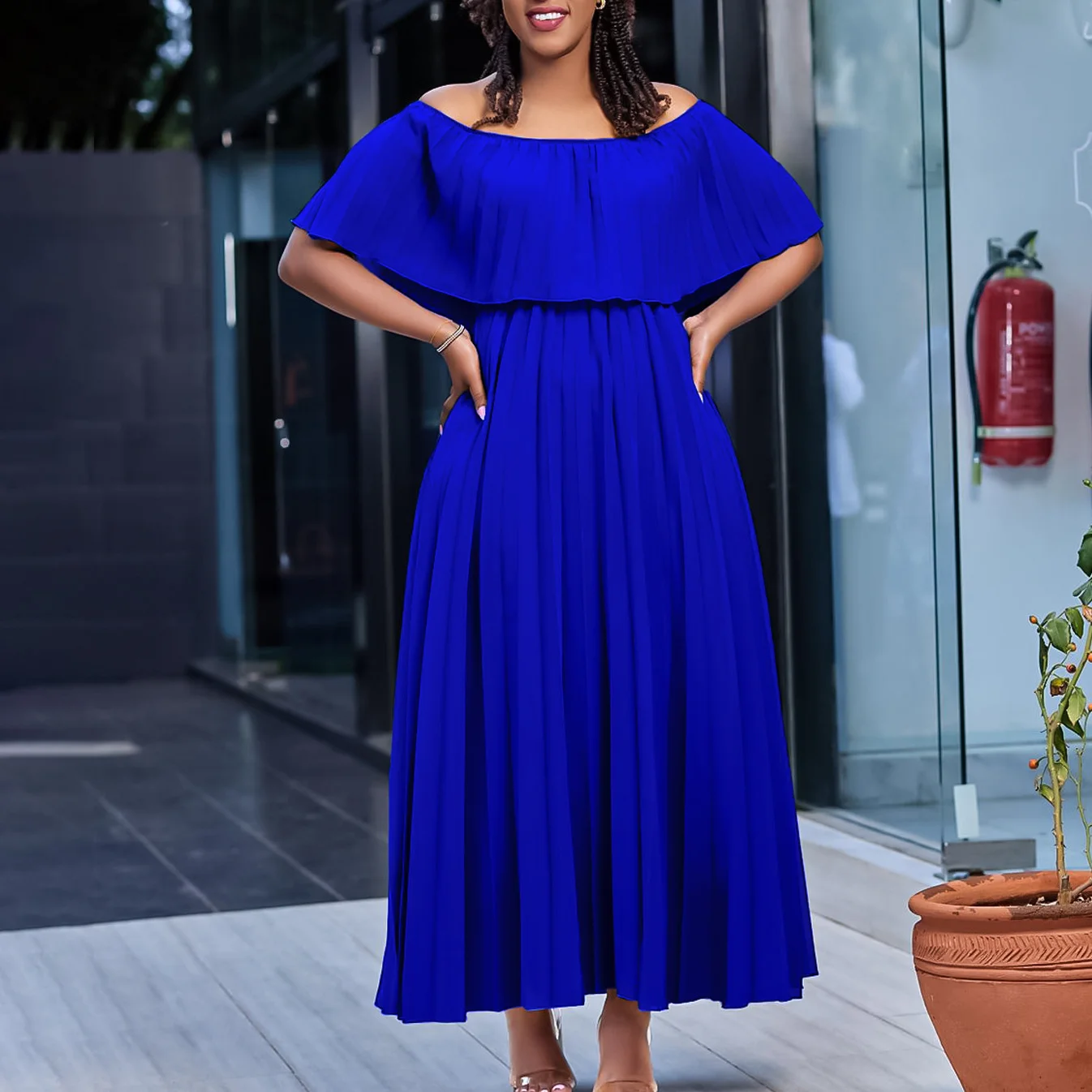
4. Spring New Sexy Off-shoulder Pleated Dress
This polyester dress is designed for elegant commuting in warmer transitional weather. The pleated skirt adds movement and style, while the solid color keeps the look sophisticated. It is best suited for early fall or milder regions where temperatures do not drop significantly.
Best for Professionals in mild climates who need a formal dress for client meetings that can be worn with a light cardigan or blazer.- Pro: The pleated design creates a flowing silhouette that looks professional and polished.
- Pro: Polyester fabric holds its shape well and is easy to care for.
- Con: The off-shoulder style may not be appropriate for all conservative office environments; check your dress code.
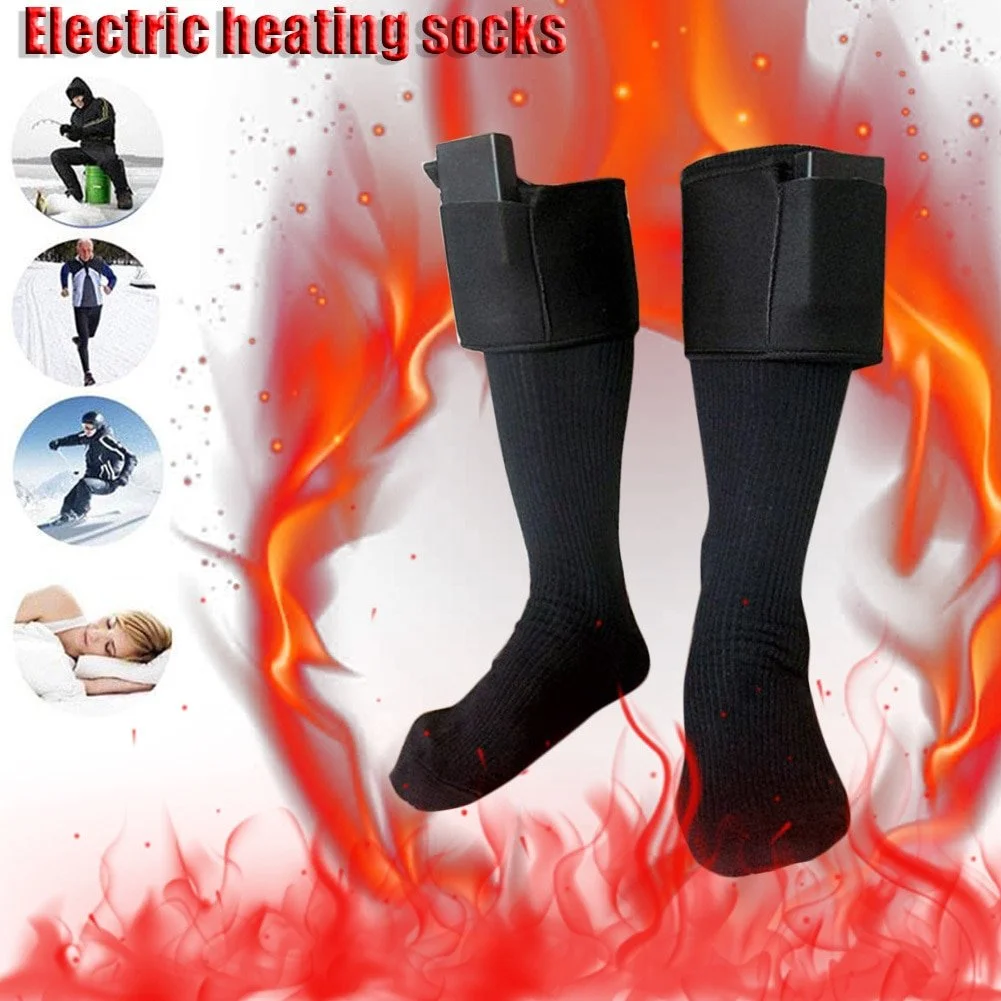
5. Warm Feet Anywhere
These electric heated socks provide targeted warmth for the feet, which are often the first body part to feel cold during a commute. They operate on a battery and feature thermal cotton for insulation. This is a functional accessory rather than a coat, but it is crucial for comfort in cold weather.
Best for Bike commuters or walkers who experience cold feet during outdoor transit in fall and winter.- Pro: Battery-operated heat allows you to regulate temperature, preventing overheating once you arrive at the office.
- Pro: Toe warming technology targets the specific area most prone to cold discomfort.
- Con: Requires charging and carrying a battery pack, which adds a small maintenance task to your routine.
6. Couple Love Stockings for Him and Her
These 70% cotton stockings offer a breathable, anti-friction layer for the legs. They are suitable for both men and women and provide a cozy base layer under tights or directly on the skin in mild weather. The cotton content ensures comfort and moisture management.
Best for Individuals who prefer a natural fiber base layer for their legs to prevent chafing and maintain comfort during long days.- Pro: Cotton is soft and hypoallergenic, making it suitable for sensitive skin.
- Pro: Anti-friction design reduces irritation from rubbing against shoes or other layers.
- Con: Cotton dries slower than synthetic materials, so they may feel damp if you sweat heavily during a bike commute.
Styling Coats Over Office Wear
Styling a coat for the office is about balance. You want to look put-together without appearing dressed up for a different occasion. The goal is a seamless transition from the street to the desk.
Matching Proportions
If you are wearing a structured blazer, choose a coat with a similar structure. A boxy, oversized coat over a fitted blazer creates a balanced, modern silhouette. Conversely, if you are wearing a loose, oversized sweater, choose a more tailored coat to define your waist and avoid looking shapeless. The "rule of thirds" applies here: aim for your coat to hit at a point that divides your height into pleasing proportions, typically at the hip or mid-thigh.
Color Coordination
Neutral colors are the safest bet for professional outerwear. Black, navy, camel, grey, and charcoal are versatile and go with most office wear. If you want to add color,