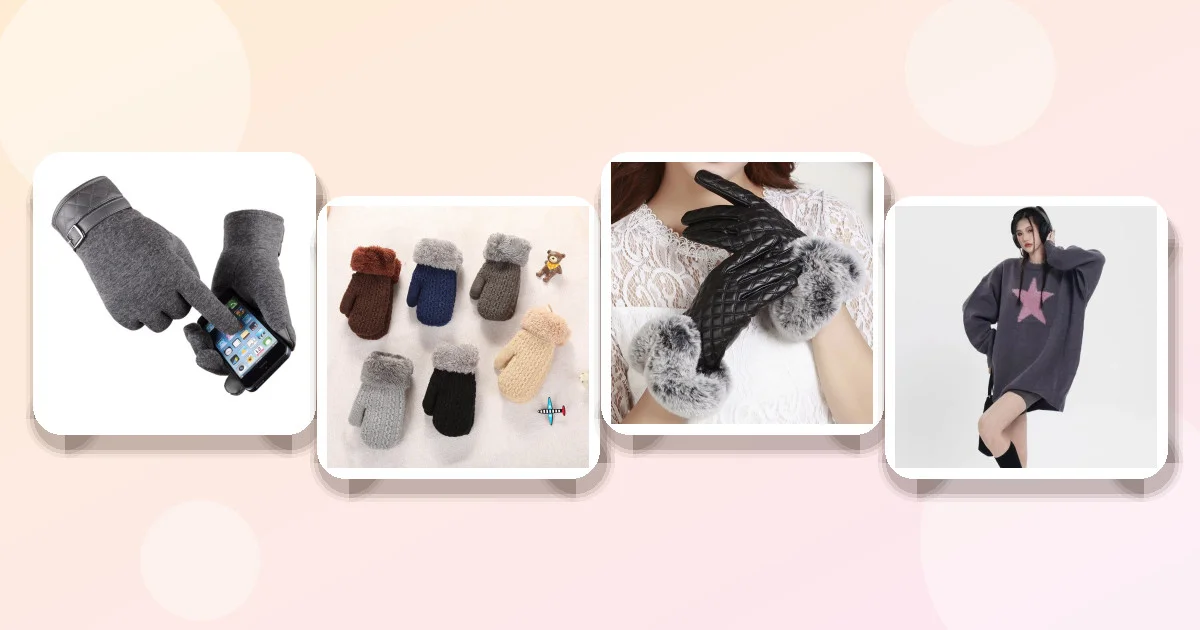
Your hands are the first thing that feels the cold when you step out of your car, and the last thing you want to deal with is numb, stiff fingers while unlocking your door or holding a coffee cup. Finding gloves that are warm enough for a -10°F morning but stylish enough for a work lunch, while also being durable enough to survive daily wear and tear, is a specific challenge. This guide walks you through the practical details of selecting the right material, length, and style for women's gloves, helping you avoid common fit issues and choose options that actually hold up in real-world winter conditions.
Why Materials Matter More Than Brand
The label on the box matters less than what the glove is actually made of. For daily commuting, you are dealing with a mix of conditions: dry cold, wind, and occasional moisture from slush or sweat. Understanding how different fabrics interact with your body heat helps you pick a glove that works rather than one that just looks good.
Natural Fibers vs. Synthetics
Wool is the gold standard for cold weather because it retains warmth even when wet. However, pure wool can be itchy for some people and requires gentle care. Acrylic, on the other hand, is a synthetic fiber that is machine washable, durable, and resistant to shrinking. While it doesn't breathe as well as wool, it is an excellent choice for high-activity days where you might get sweaty hands. Look for blends that combine the warmth of wool with the durability of acrylic if you want the best of both worlds.
The Role of Lining
A single layer of knit material is rarely enough for sub-freezing temperatures. The best cold-weather gloves feature a double-layer construction. The outer layer protects against wind and abrasion, while the inner layer traps heat. If a glove is described as "double-layer" or "knitted with a thick gauge," it is likely to provide significantly more insulation than a thin, single-knit beanie-style glove. Check the product description for mentions of "double-layer" or "thick" to ensure you are getting adequate insulation.
Leather and Imitation Leather
Leather gloves are excellent for wind protection and style, but they are not inherently warm. They block the wind, which prevents convective heat loss, but they do not generate insulation. For daily wear in moderate cold (20°F to 40°F), imitation leather gloves can be a stylish option that pairs well with coats. However, for extreme cold, leather alone is not enough; you need a lined leather glove or a knit glove worn underneath. Imitation leather is generally more affordable and easier to care for than genuine leather, making it a practical choice for those who want a polished look without the high maintenance cost.

How to Choose the Right Size and Fit
A glove that is too tight will restrict blood flow, making your hands colder. A glove that is too loose will let cold air in and trap cold air against your skin. The right fit allows for a small amount of air circulation while keeping the glove snug enough to prevent wind penetration. Here is how to determine the right size and features for your specific needs.
Measuring for Fit
Most women's gloves come in one-size-fits-all or small/medium/large options. To find your size, measure the circumference of your hand at the widest part, just below the knuckles. A circumference of 7-8 inches typically fits a small, 8-9 inches a medium, and 9-10 inches a large. If you are between sizes, size up for winter gloves. You want enough room to move your fingers and potentially add a thin liner if needed. If the product description does not specify sizing, check the return policy before purchasing, as fit can vary by brand.
Length: Wrist vs. Extended
The length of the glove matters more than you might think, especially if you drive. Standard gloves end at the wrist. In cold weather, cold air can creep up your sleeve and freeze the skin at your wrist, leading to discomfort and reduced dexterity. Extended-length gloves, or those with a ribbed cuff, cover the wrist and a small portion of the forearm. This is particularly important for drivers, as it prevents the "cold wrist" effect when you have your arm resting on the door or steering wheel. If you have long sleeves, ensure the glove cuff is long enough to stay in place when you move your arm.
Touchscreen Functionality
Many modern gloves feature touchscreen-compatible fingertips. This is usually achieved by weaving conductive thread (often silver or copper) into the thumb and index finger. While this is a convenient feature for checking your phone or GPS, it is not a requirement for warmth. If you use your phone frequently while commuting, look for gloves that explicitly state "touchscreen friendly" or "conductive thread." If you do not use your phone often, you can skip this feature and save money, as it does not add to the warmth of the glove.
Product Comparison: Best for Different Needs
Based on the specific needs of cold-weather commuting and daily wear, here are five options that cover a range of styles, materials, and price points. Each product serves a different purpose, from high-warmth knit gloves to stylish leather alternatives.
1. Stay Warm with Double-Layer Knitted Gloves
This option is a practical, high-value choice for everyday use. The double-layer construction provides extra insulation, while the soft acrylic material ensures durability and ease of care. The drop-resistant design helps keep the glove in place on your hand, preventing it from slipping off when you reach for your car keys or bag.
Double-Layer Knitted Gloves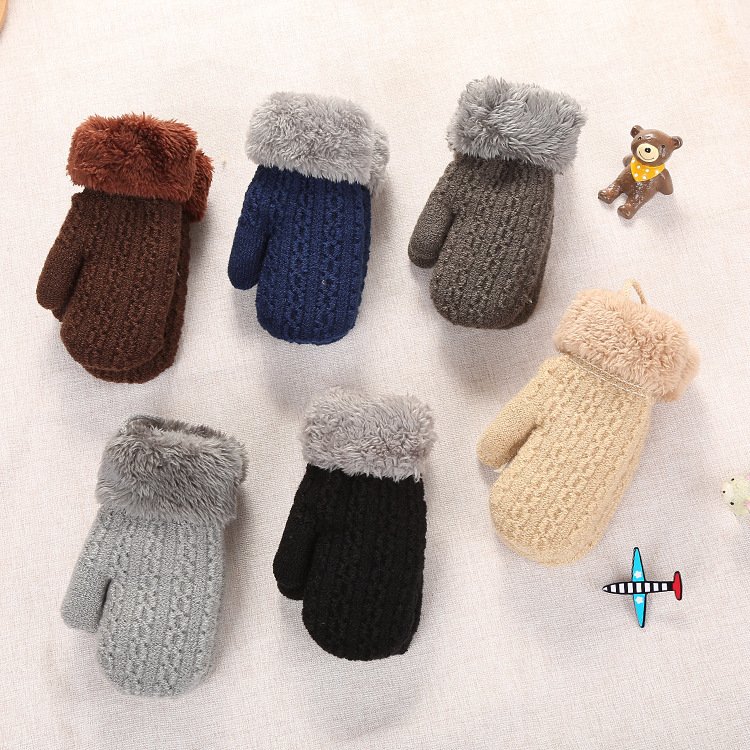
- Pro: Double-layer design offers superior warmth for the price.
- Pro: Acrylic material is durable and easy to care for.
- Con: Not as stylish as leather or wool, so it may look more casual.
2. Stay Warm with Touchscreen Gloves
These cashmere touchscreen gloves combine luxury with functionality. The cashmere material is naturally warm and soft, making them comfortable for extended wear. The touchscreen capability allows you to interact with your devices without removing your hands, which is useful for checking maps or messages while waiting for a bus or train.
Touchscreen Gloves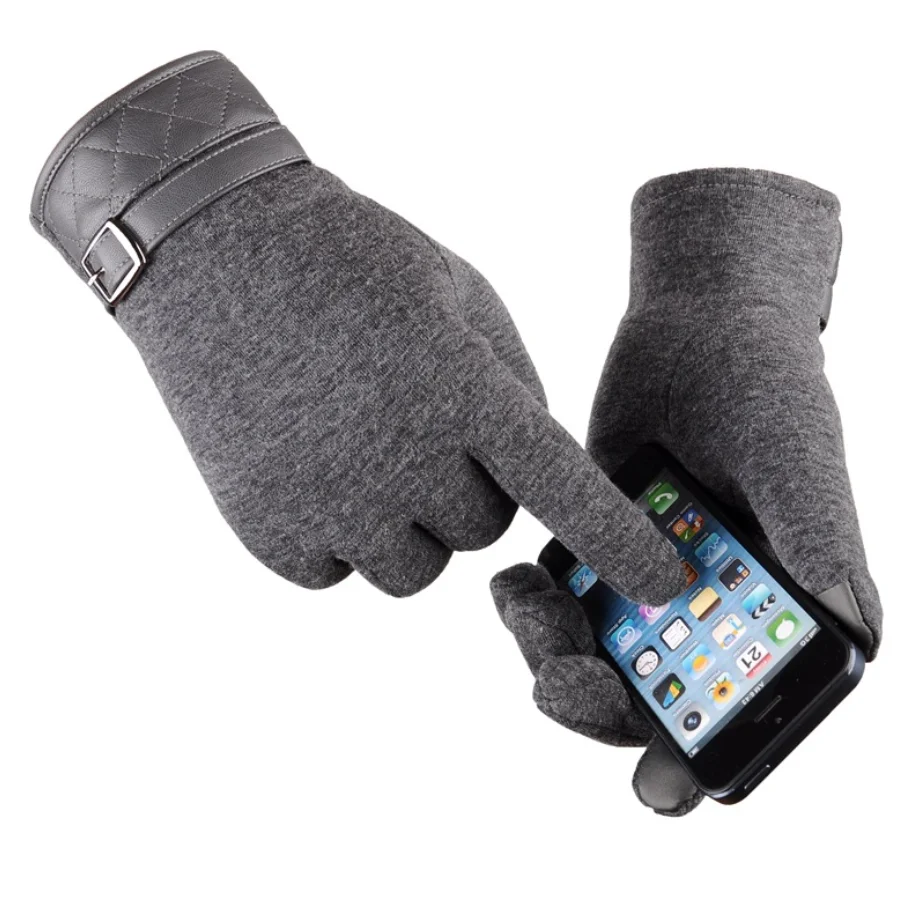
- Pro: Cashmere material is exceptionally soft and warm.
- Pro: Touchscreen functionality adds convenience for device use.
- Con: Cashmere requires gentle care and can be less durable than synthetic options.
3. Stay Warm in Style - Women's Leather Gloves
These imitation leather gloves offer a polished look that pairs well with coats and professional attire. They are suitable for mild to moderate cold weather, where wind protection is more important than extreme insulation. The one-size-fits-all design makes them easy to purchase without worrying about specific sizing, though you should still check your hand circumference to ensure a good fit.
Women's Leather Gloves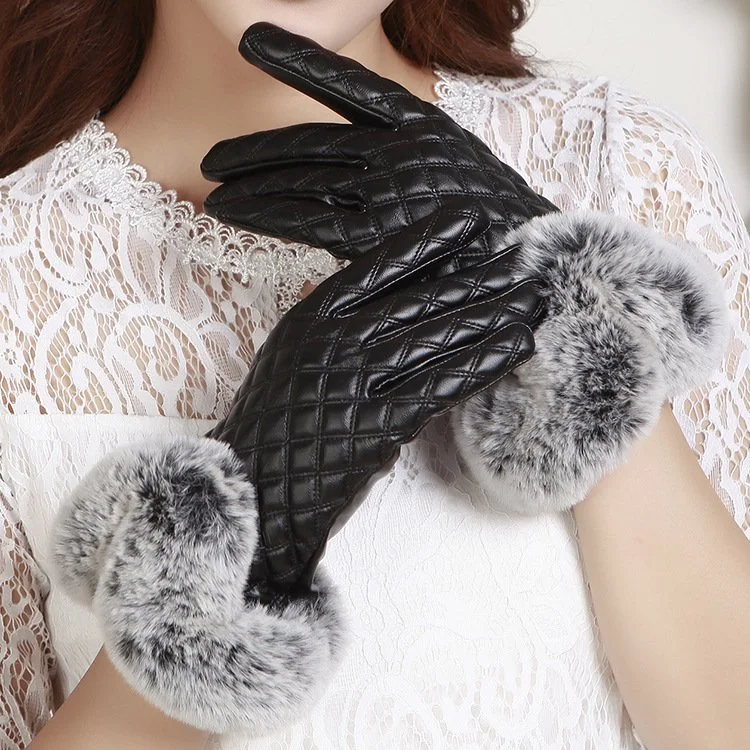
- Pro: Stylish design that complements a wide range of outfits.
- Pro: One-size-fits-all design simplifies the buying process.
- Con: Imitation leather may not be as wind-resistant or durable as genuine leather.
4. Cozy Winter Straight Tube Knit Sweater for Women
While this is a sweater, it is included here because it pairs well with gloves for a complete cold-weather look. The straight tube cut provides a streamlined silhouette that works well with fitted gloves. The acrylic material is soft and breathable, making it a comfortable layering piece for daily wear. It is a versatile option that can be styled for both casual and semi-formal settings.
Straight Tube Knit Sweater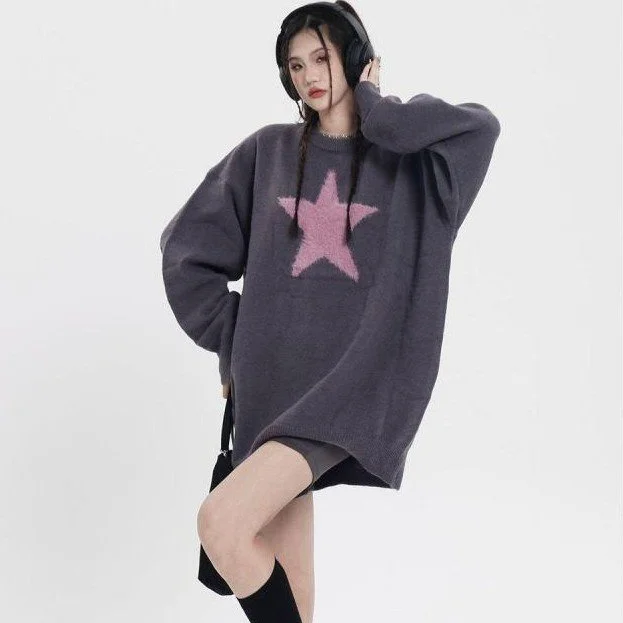
- Pro: Versatile style that works with many outfits.
- Pro: Soft, breathable acrylic material is comfortable for daily wear.
- Con: Not a glove, so it does not provide hand warmth on its own.
5. Cozy Embroidered Striped Fur Oversleeve for Women
This accessory is a unique option for those who want extra coverage and a touch of style. The fur oversleeve can be worn over gloves or sleeves to add extra warmth and protection from the wind. The alpaca wool blend provides natural insulation, while the embroidery adds a decorative element. It is a great way to add a pop of color and texture to a neutral winter wardrobe.
Embroidered Striped Fur Oversleeve
- Pro: Alpaca wool blend offers natural warmth and softness.
- Pro: Embroidered design adds a unique, stylish touch.
- Con: May be bulky and not suitable for all sleeve lengths or coat styles.
Comparison Table
| Product | Price | Type/Material | Options | Best For |
|---|---|---|---|---|
| Double-Layer Knitted Gloves | $6.08 | Acrylic, Double-Layer | 6 Colors | Daily commuting, durability |
| Touchscreen Gloves | $7.80 | Cashmere, Touchscreen | 4 Colors | Phone use, luxury feel |
| Women's Leather Gloves | $9.08 | Imitation Leather | 3 Colors | Stylish, moderate cold |
| Straight Tube Knit Sweater | $25.24 | Acrylic | 4 Color-Size Options | Layering, cohesive look |
| Fur Oversleeve | $16.72 | Polyester/Alpaca Wool | 1 Color-Size Option | Extra warmth, style accent |
Common Mistakes to Avoid When Buying Gloves
Even with the best materials, a glove can fail if it is the wrong fit or if you ignore basic care. Here are the most common errors that lead to uncomfortable or short-lived gloves.
Ignoring the Wrist Seal
Many people focus on the fingers and forget the wrist. If the glove ends abruptly at the wristbone, cold air will enter every time you move your arm. This is especially noticeable when driving or walking. Look for gloves with a ribbed cuff or a slightly extended length. If the glove is too loose around the wrist, it will slide down your hand, exposing your knuckles to the cold. A snug fit at the wrist is crucial for maintaining warmth.
Choosing Style Over Function
It is easy to get caught up in the color or pattern of a glove and forget to check the material. A thin, fashionable glove may look great but provide little insulation. Always prioritize the material and construction first. If a glove is made of a thin synthetic fabric without a lining, it will not keep your hands warm in freezing temperatures. Check the product description for keywords like "insulated," "double-layer," or "thick" to ensure you are getting the warmth you need.
Not Considering Dexterity
Some gloves are so bulky that you cannot pick up a credit card or type on a touchscreen. If you need to handle small objects frequently, look for gloves with a slim fit or a stretchy material. Bulky mittens are warmer than gloves but less dexterous. If you are choosing between a mitten and a glove, consider how often you need to use your fingers. For daily commuting, gloves are generally more practical, but mittens are warmer if you are mostly walking or cycling.
Neglecting Care Instructions
Many people throw their gloves in the dryer, which can shrink wool and damage synthetic fibers. Always read the care label. Wool gloves should be hand-washed or machine-washed on a gentle cycle with cold water and laid flat to dry. Acrylic gloves are more durable and can often be machine-washed, but air-drying is still recommended to maintain the shape. Proper care ensures that your gloves last for several seasons rather than just one.
Caring for and Styling Your Winter Gloves
Good gloves are an investment in your comfort. Taking a few minutes to care for them properly will extend their life and keep them looking new. Styling them well also ensures they complement your everyday wardrobe.
Care Tips for Different Materials
Wool and Cashmere: These natural fibers are delicate. Hand-wash them in cold water with a gentle wool detergent. Do not wring them out; instead, press the water out gently. Lay them flat on a towel to dry, reshaping the fingers as they dry. Avoid hanging them, as this can stretch the material. If you have cashmere gloves, like the Touchscreen Gloves, be extra gentle to maintain the softness and prevent pilling.
Acrylic and Synthetic: These materials are more durable. You can machine-wash them on a gentle cycle with cold water. Use a mesh laundry bag to protect the gloves from snagging on other items in the wash. Air-dry them flat to prevent shrinking. Acrylic gloves, such as the Double-Layer Knitted Gloves, are ideal for frequent washing because they hold their shape well.
Imitation Leather: Do not machine-wash imitation leather gloves. Wipe them down with a damp cloth to remove dirt and stains. If they get wet, dry them with a towel and let them air-dry away from direct heat sources. Avoid using harsh chemicals or alcohol, as these can damage the surface.
Styling for a Neutral Wardrobe
If your winter wardrobe is mostly neutral colors like black, gray, beige, and navy, you have several options for gloves. Black gloves are the most versatile and can be paired with almost any outfit. They are a safe choice for work and casual settings. Gray and beige gloves offer a softer look and can add a touch of warmth to a monochromatic outfit. If you want to add a pop of color, consider a wine red or purple glove, like the Women's Leather Gloves, which can serve as a statement piece without being too flashy.
When pairing gloves with a sweater, match the texture. A chunky knit sweater pairs well with a thick knit glove, while a sleek wool sweater looks better with a smooth leather or cashmere glove. The Straight Tube Knit Sweater In dark gray pairs well with gray or black gloves for a cohesive look. If you are wearing a coat with a fur collar, consider adding an Embroidered Striped Fur Oversleeve To tie the look together with a touch of texture and color.
Storing Gloves for the Season
At the end of winter, store your gloves in a cool, dry place. Avoid leaving them in a hot car or near a heater, as this can damage the material. Use a glove tree or hang them on a hook to maintain their shape. For wool and cashmere gloves, stuff the fingers with tissue paper to help them keep their shape. This simple step can prevent creasing and deformation over the summer months.