

You're heading out for a weekend in the woods as the leaves turn, and you need a sweater that keeps you warm without making you sweat. Below you’ll learn how to pick the right material, size, and features, plus a few accessories that fit the same outdoor vibe.
How to choose a camping sweater
Start with the fit. A sweater that’s too tight traps moisture, while one that’s too loose lets cold air circulate. Aim for a relaxed or slightly oversized cut that lets a thin base layer slip underneath.
Next, check the weight. For autumn camping, a 300‑400 g (10‑14 oz) fabric gives enough insulation without bulk. Anything lighter feels like a hoodie; anything heavier starts to act like a coat.
Look for features that matter on the trail: a high collar or mock‑neck to shield the throat, ribbed cuffs to keep wind out, and a zip or snap pocket for small essentials. If you plan to sit on wet logs, a quick‑dry interior lining helps.
Best materials for fall warmth
Wool blends (merino, alpaca, or mohair mixes) retain heat when damp and breathe well. A 30% merino‑40% acrylic blend, for example, offers softness, odor resistance, and easy care.
Fleece (polyester micro‑fleece) is lightweight, dries fast, and provides a soft hand feel. A 200 gsm fleece is a solid middle ground for September nights.
Avoid pure cotton. It absorbs sweat and stays wet, which can make you feel colder after a hike. If you see “cotton‑rich” on a label, treat it as a fashion piece, not a camp sweater.
Layering a sweater for a fall camping trip
Base layer
Choose a moisture‑wicking shirt of 150‑200 gsm polyester or merino. It pulls sweat away from skin, keeping the sweater dry.
Mid layer (the sweater)
Place the chosen wool‑blend or fleece sweater over the base. Its purpose is to trap warm air while still letting moisture escape.
Shell
Finish with a waterproof, breathable shell (e.g., 2.5 L Gore‑Tex or a DWR‑treated nylon). The shell blocks wind and rain; the sweater does the heating.
How to choose a sweater that’s easy to pack for a weekend trip
Look for a sweater that folds into a compact rectangle (no bulky sleeves). Some brands market “pack‑size” dimensions—aim for under 12 × 8 × 2 inches when folded.
Check the care label. Machine‑washable wool blends are far easier on a campsite than hand‑only pieces. If you need to wash on the road, a quick‑dry fabric saves time.

Product comparison
| Product | Price | Type / Material | Options | Best for |
|---|---|---|---|---|
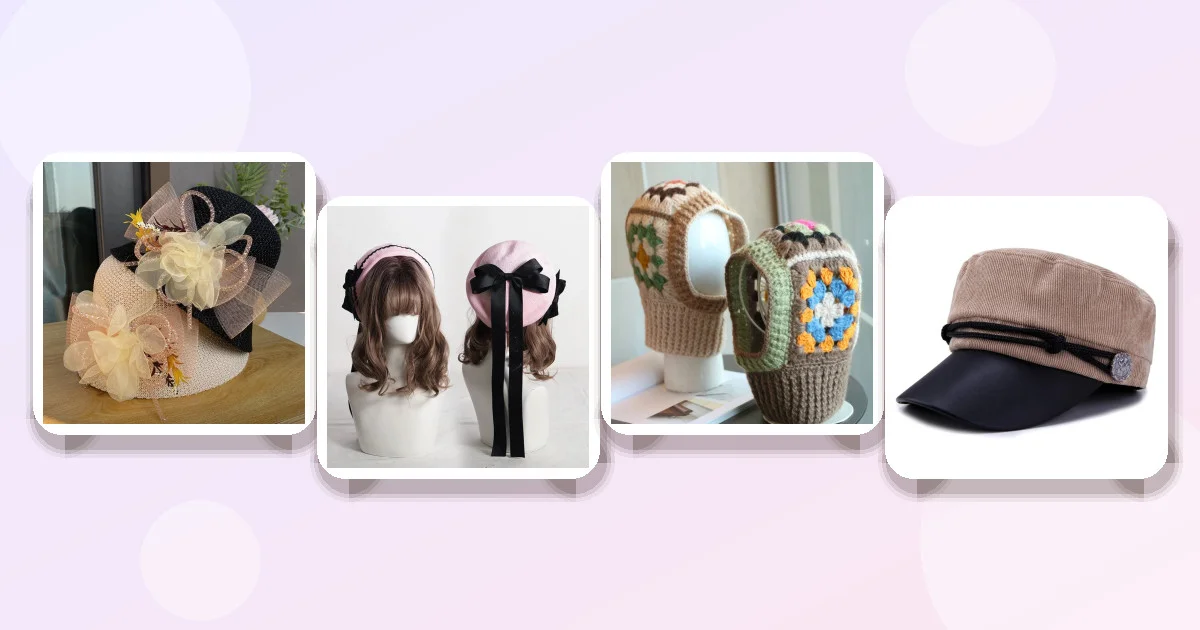
| Breathable Sun Hat | $17.04 | Knit sun‑shade hat | 6 color‑size combos | Sun protection on daytime hikes |
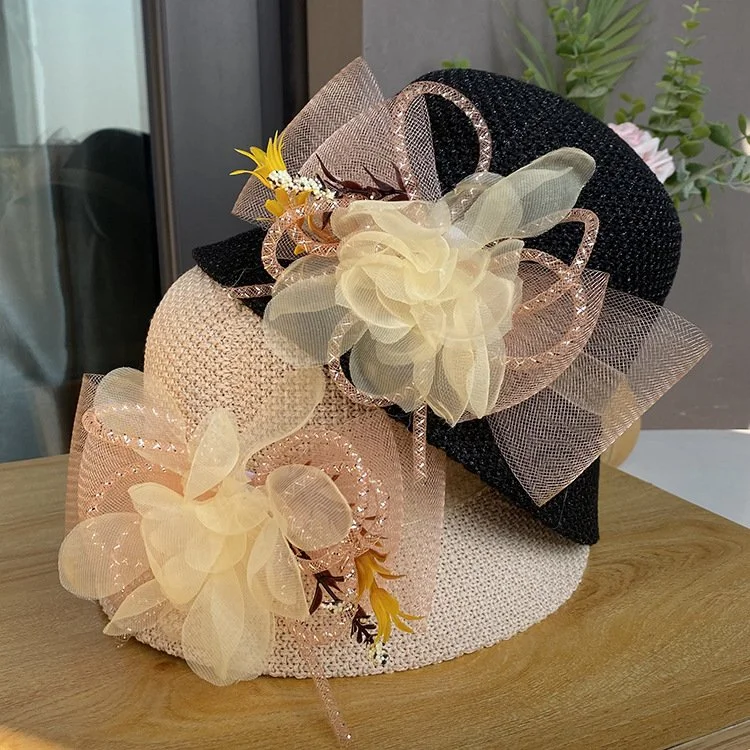
| Chic Bow Hat | $21.08 | Plaid knit with bow | 6 color‑size combos | Style‑focused campfire evenings |
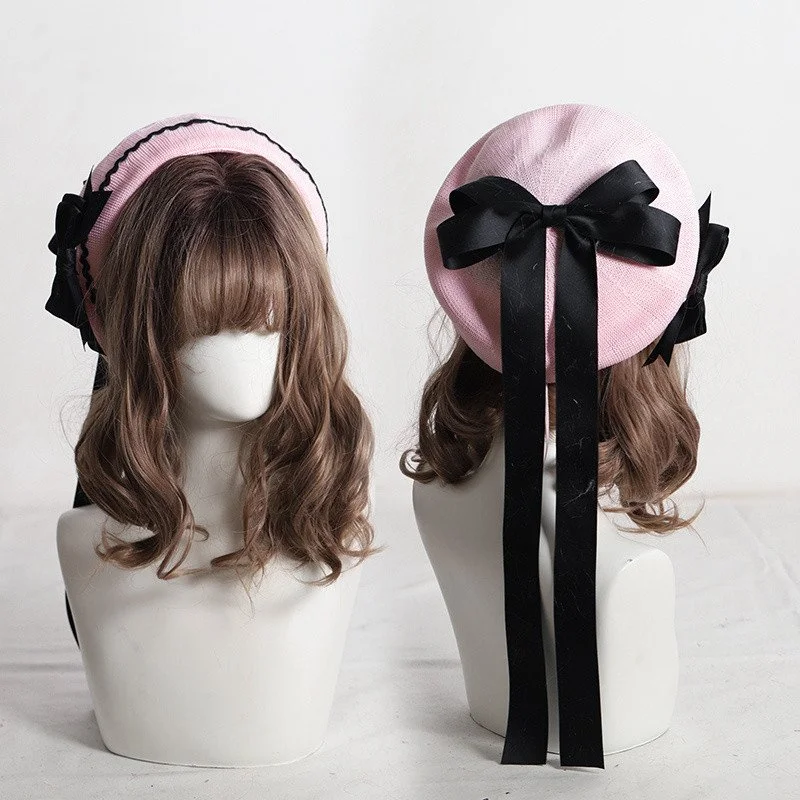
| Warm Wool Hat & Neck Warmer | $18.52 | Mohair knit cap + neckerchief | 3 colors, one size | Extra neck warmth around fire |
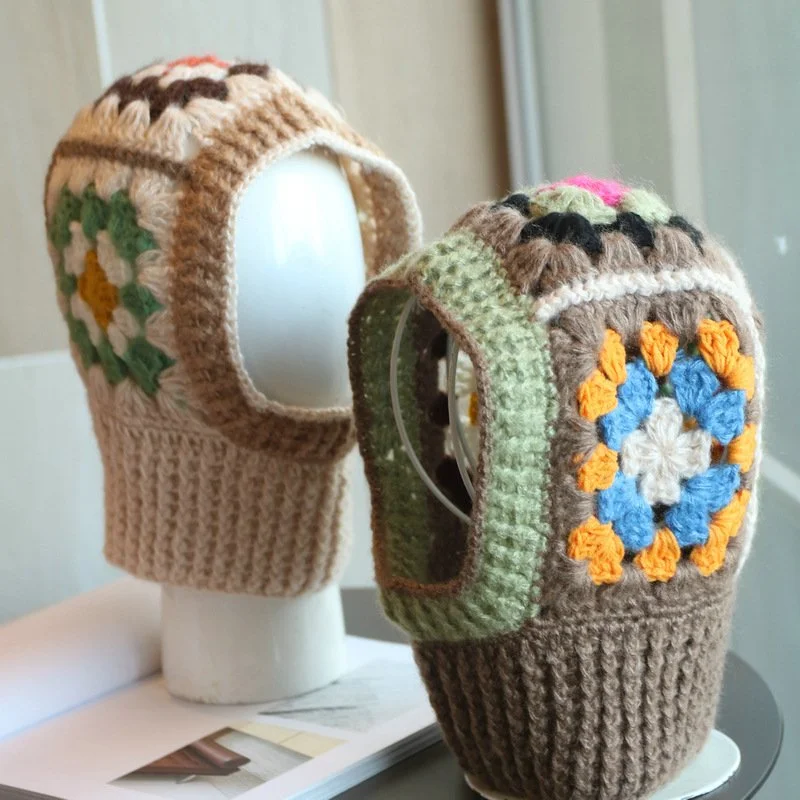
| Navy British Retro Flat‑top Hat | $6.48 | PU leather flat‑top | 5 colors, average size | Lightweight head coverage in mild weather |
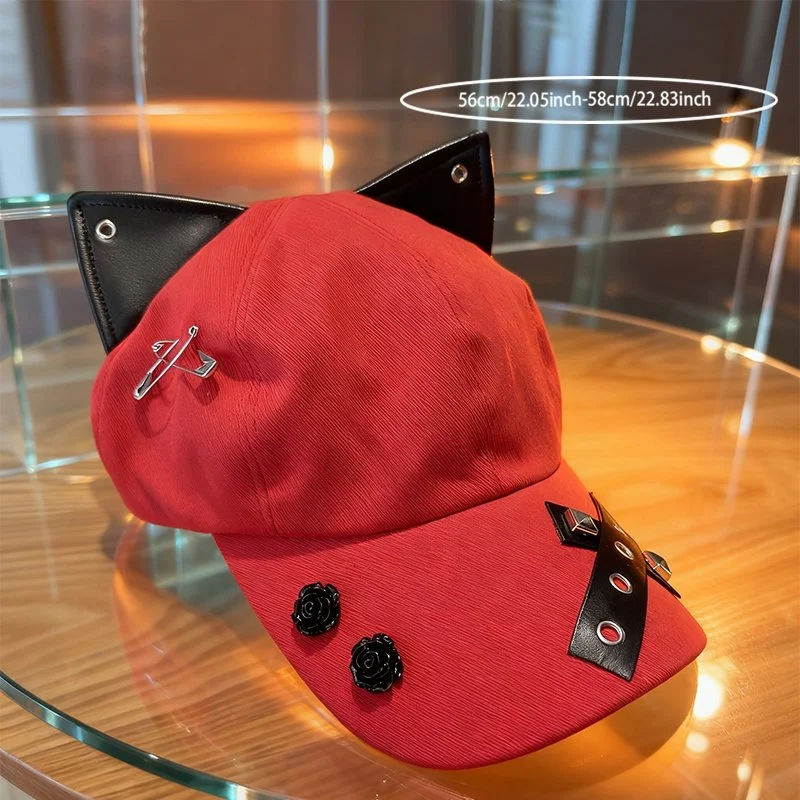
| Retro Cat Ears Flat Brim Hat | $23.88 | Polyester flat brim with cat ears | 12 style options | Playful look for campfire gatherings |
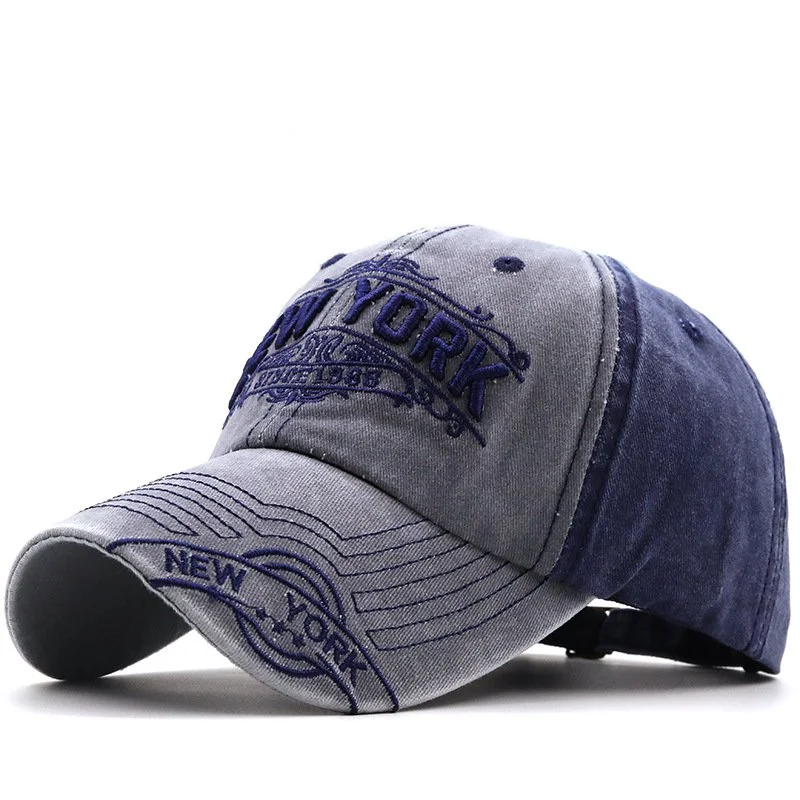
| Personalized Alphabet Embroidered Baseball Cap | $11.24 | Adjustable cotton cap | 5 colors, adjustable | Customizable headwear for group trips |
Common mistakes to avoid
- Choosing a sweater that’s “fashion first” – bright patterns often use thin cotton and won’t hold heat.
- Skipping a high collar – wind can strip heat from the neck, making you shiver even if the body stays warm.
- Relying on a single layer – the three‑layer system (base, mid, shell) is the most reliable way to stay dry and warm.
- Packing a sweater that wrinkles into a hard ball – it takes up space and can damage the fibers.
Care, styling, and usage tips
After a rainy night, air‑dry the sweater flat to keep its shape. If you have a wool blend, a gentle cycle on low heat works, but avoid fabric softener—it reduces wool’s natural odor control.
Style tip: Pair a neutral fleece sweater with a Breathable Sun Hat For daytime hikes; the hat’s knit construction lets heat escape while shading your face.
For evenings around the fire, a Warm Wool Hat & Neck Warmer Adds extra coverage without bulk, keeping the chin and throat protected.
Frequently asked questions
❓ What type of sweater is best for staying warm around a campfire?
A mid‑weight wool‑blend sweater with a high collar and ribbed cuffs works best; it traps heat while allowing moisture to escape, so you stay warm without overheating.
❓ How do I layer a sweater for a fall camping trip?
Start with a moisture‑wicking base layer, add the sweater as your mid layer, and finish with a waterproof breathable shell. This three‑step system manages sweat, retains heat, and shields from wind and rain.
❓ Can I wear a sweater while hiking in autumn weather?
Yes, as long as the sweater is breathable and not too bulky; a fleece or wool‑blend that folds easily into a pocket works for both hiking and campfire comfort.
❓ What material should I look for in a camping sweater?
Wool blends (merino, mohair) and polyester fleece are the top choices because they stay warm when damp and dry quickly.
❓ How to choose a sweater that’s easy to pack for a weekend trip?
Pick a sweater that folds into a rectangle under 12 × 8 × 2 inches, is machine‑washable, and has minimal accessories that could snag in a pack.
❓ Which women's sweaters are breathable yet warm for outdoor fall activities?
A 300‑400 g fleece or a 30% merino‑70% acrylic blend offers the right balance of breathability and insulation for hikes, campfires, and chilly evenings.
❓ Should I bring a hat with my sweater?
Yes, a hat protects heat loss from the head; a knit option like the Breathable Sun Hat Or the Warm Wool Hat & Neck Warmer Adds extra warmth without adding bulk.
Key takeaways
- Choose a mid‑weight wool blend or fleece sweater (300‑400 g) for the best warmth‑to‑weight ratio.
- Fit matters: a relaxed cut with a high collar and ribbed cuffs prevents wind chill.
- Layer with a moisture‑wicking base and a waterproof shell for all‑weather protection.
- Packability is crucial—look for sweaters that fold flat under 12 × 8 × 2 inches.
- Complement the sweater with a knit hat (e.g., Breathable Sun Hat) for head and neck warmth.
How we chose these products: The selections are based on the listed price, material type, color options, and how well each item fits the outdoor, packable, and warm criteria for a fall camping trip.
===HTML===


