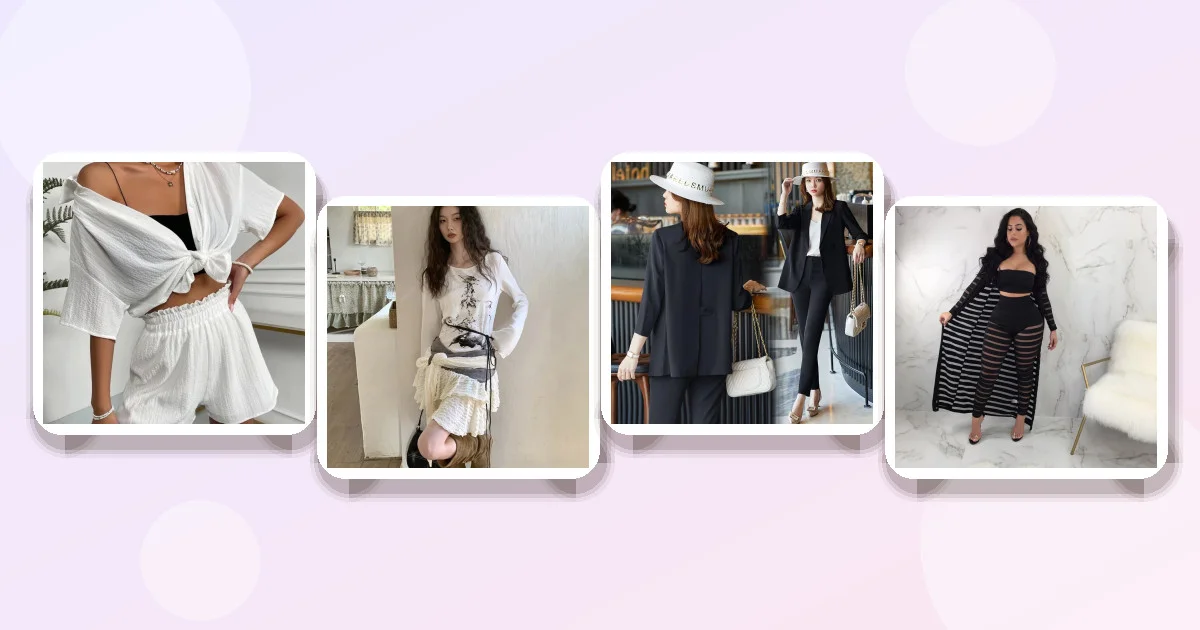
It is 6:00 AM, the air is crisp, and you are standing in front of your closet wondering how to look professional without freezing. The transition to fall often brings a wardrobe crisis: summer clothes are too thin, heavy winter coats are too bulky for the office, and you need something that bridges the gap. The solution is rarely a single item; it is the system of layering. This guide breaks down exactly how to use blazers as the anchor of your fall work attire, showing you how to pair them with specific tops and dresses to create looks that hold up from the morning commute to the evening meeting.
Why the blazer is your fall anchor
A blazer is not just a jacket; it is a structural element that defines the silhouette of your outfit. In the summer, you might rely on tops and bottoms to create shape. In the fall, the blazer provides that shape while adding a layer of warmth and formality. For professional women aged 25 to 45, the blazer serves a dual purpose: it signals competence and professionalism, but when styled correctly, it also allows for personal expression through texture and color.
The key to a chic fall work wardrobe is understanding that the blazer is the constant, while the layers underneath change as the temperature drops. A single well-fitted blazer can transform a basic t-shirt into a business-casual outfit or improve a simple slip dress into a sophisticated ensemble. This versatility is why it should be the core investment of your autumn rotation. You are not buying a blazer to wear once; you are buying a framework for dozens of different outfits.
When you think about your fall wardrobe, visualize the blazer as the box that holds everything else. If the box is too small, the clothes inside look cramped. If it is too large, the outfit loses its shape. The goal is to find a blazer that fits your body type and work environment, then build your layers around it. This approach saves time in the morning because you do not have to think about whether the whole outfit works; you just need to check if the top underneath looks good with the blazer’s lapel.
How to choose the right fit and fabric
Choosing the right blazer comes down to two main factors: fit and fabric. These two elements determine whether the blazer looks intentional or ill-fitting. Many people buy blazers that are slightly too big in hopes that they will fit better after washing, but this rarely works for structured garments. A blazer should fit snugly across the shoulders, as this is the part you cannot easily alter. If the shoulder seam falls off your bone, the blazer is too big. If it feels tight when you raise your arms, it is too small.
For the body of the blazer, you want enough room to fit a medium-weight sweater underneath. If you plan to wear thick turtlenecks, you may need to size up or choose a relaxed-fit style. However, if you buy a blazer that is too loose, you will look like you are wearing a sack. The waist should skim your body, not cinch tightly. A nipped waist can look elegant, but it can also become uncomfortable if you sit at a desk for eight hours.
Fabric matters for layering
The fabric of your blazer determines how it drapes and how warm it feels. For fall, wool blends are a standard choice because they are warm but not heavy. They have enough structure to hold their shape but enough drape to look soft. If you work in a colder climate or a building with poor heating, look for blazers with a higher wool content or a brushed finish, which adds texture and warmth. Cotton blazers are better suited for early fall or warmer offices, but they can wrinkle easily, which might not suit a busy workday. Linen is generally too casual and wrinkles too much for a professional fall setting.
When checking fabric, feel the weight of the material. A good fall blazer should feel substantial but not stiff. If it feels paper-thin, it will not provide enough warmth. If it feels like a heavy coat, it will be too bulky to layer over a sweater. Look for a balance. Also, check the lining. A fully lined blazer is more durable and easier to layer, but a half-lined blazer can be more breathable. For most office environments, a fully lined wool-blend blazer is the safest bet.
Size and sizing considerations
Always check the specific size chart for the brand you are buying from, as sizing varies significantly. If you are between sizes, consider your body shape. If you have a larger bust, size up to ensure the front of the blazer closes without pulling. If you have a larger waist, size down to ensure the shoulders fit, and consider having it taken in by a tailor. A tailor can easily take in the sides of a blazer, but it is much harder to let it out. This is a small investment that ensures the blazer fits your body perfectly.
Layering blazers over sweaters and tees
The most common way to wear a blazer in the fall is over a sweater or a top. The goal here is to create balance. If your blazer is structured and boxy, a slim top underneath creates a pleasing contrast. If your blazer is fitted, a slightly looser top can add volume and comfort. Avoid wearing a bulky sweater under a fitted blazer, as this will make the blazer look stretched and unflattering. Instead, choose fine-gauge knits or slim-fit tops that lay flat against your body.
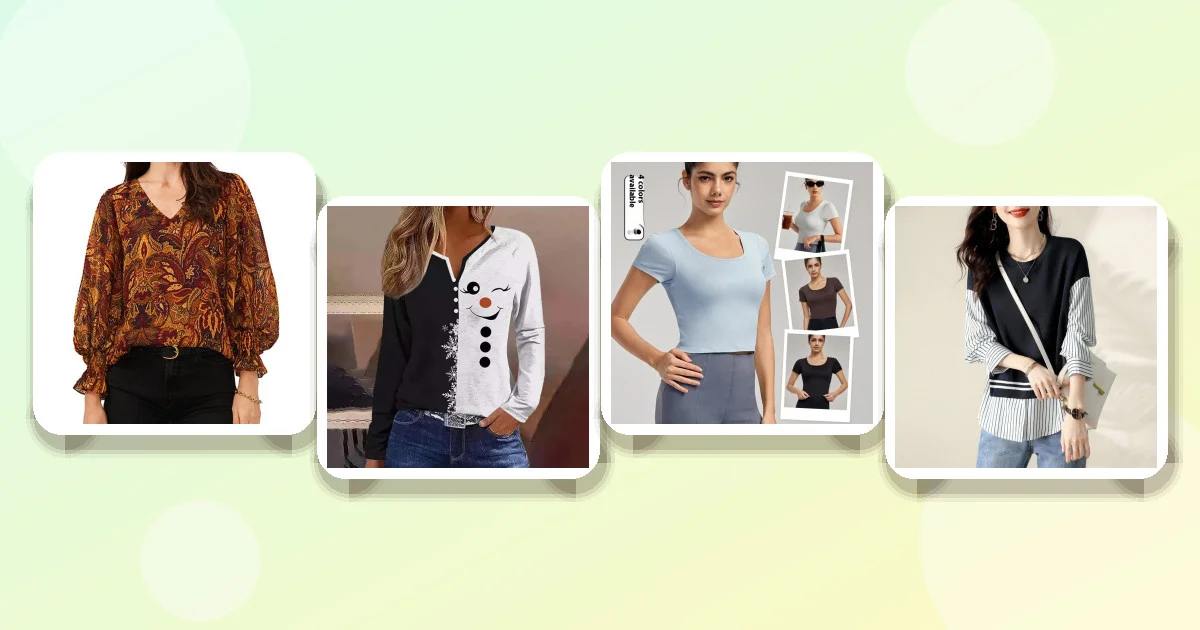
One versatile option is a slim-fit tee with unique details. For example, a Slim-Fit Striped Bishop Sleeve Tee Offers a casual chic look that works well under a blazer.
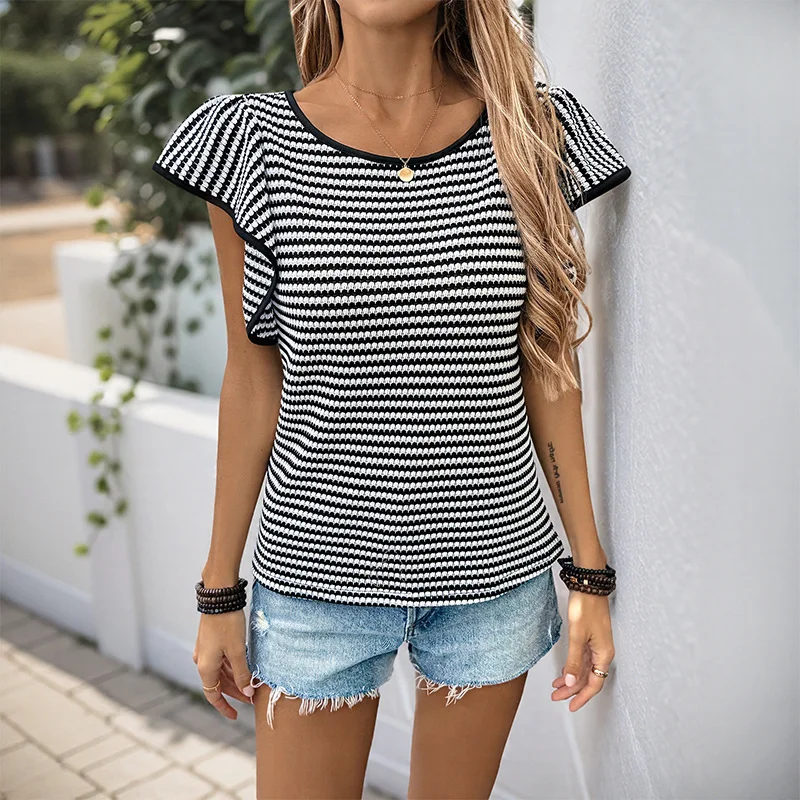
- Lightweight polyester is breathable and easy to care for.
- The striped pattern adds visual interest under a solid blazer.
- Check the fit, as slim-fit styles can be snug for some body types.
When layering a tee under a blazer, pay attention to the neckline. A crew neck or a small V-neck works best. A deep V-neck can look too informal under a structured blazer, while a high neck can look bulky if the blazer is not open. You can leave the blazer buttoned for a more formal look or unbuttoned for a relaxed vibe. In the fall, it is often best to leave the blazer unbuttoned over a tee, as it allows the layers to drape naturally and prevents the outfit from looking tight.
For cooler days, swap the tee for a turtleneck. A turtleneck is the ultimate fall layering piece. It adds warmth and a sophisticated touch. When wearing a turtleneck under a blazer, choose a neutral color like black, cream, or grey. This keeps the focus on the blazer. If your blazer has a pattern or a bold color, a neutral turtleneck balances it out. If your blazer is solid, you can experiment with a colored turtleneck to add a pop of color.
Another option for layering is a mesh or textured top. A Transparent Blue Printed Long-sleeved Small Stand Collar Mesh Short T-shirt Can add a layer of texture without adding bulk.

- Adds texture and depth to a plain blazer.
- The stand collar frames the face nicely.
- The transparent nature may require a layer underneath for modesty in a work setting.
When using a textured top like this, be mindful of the office dress code. If your workplace is strict, you may need to wear a camisole or a solid tank underneath to ensure coverage. The key is to keep the silhouette clean. A textured top should not add too much volume at the waist. If the top is too loose, the blazer will look bulky. Stick to fitted or slightly relaxed tops that follow the lines of your body.
Styling blazers with dresses
One of the easiest ways to create a polished fall look is to layer a blazer over a dress. This combination is timeless and works for almost any body type. The blazer adds structure to a loose dress, while the dress adds softness to a structured blazer. This balance is what makes the look chic. You can wear a blazer over a slip dress, a shirt dress, or a knit dress. The key is to choose a dress that has the right length and fit.
If you are wearing a blazer over a dress, the length of the blazer matters. If the blazer is long, the dress should be shorter to avoid looking overwhelmed. If the blazer is short, the dress can be longer. A mid-length dress is often the safest choice, as it works with both short and long blazers. The hem of the dress should fall just below the knee or at the knee. This creates a balanced silhouette.
A Womens Solid-color Elegant Asymmetrical Ruffled Dress Is a great option for this style.
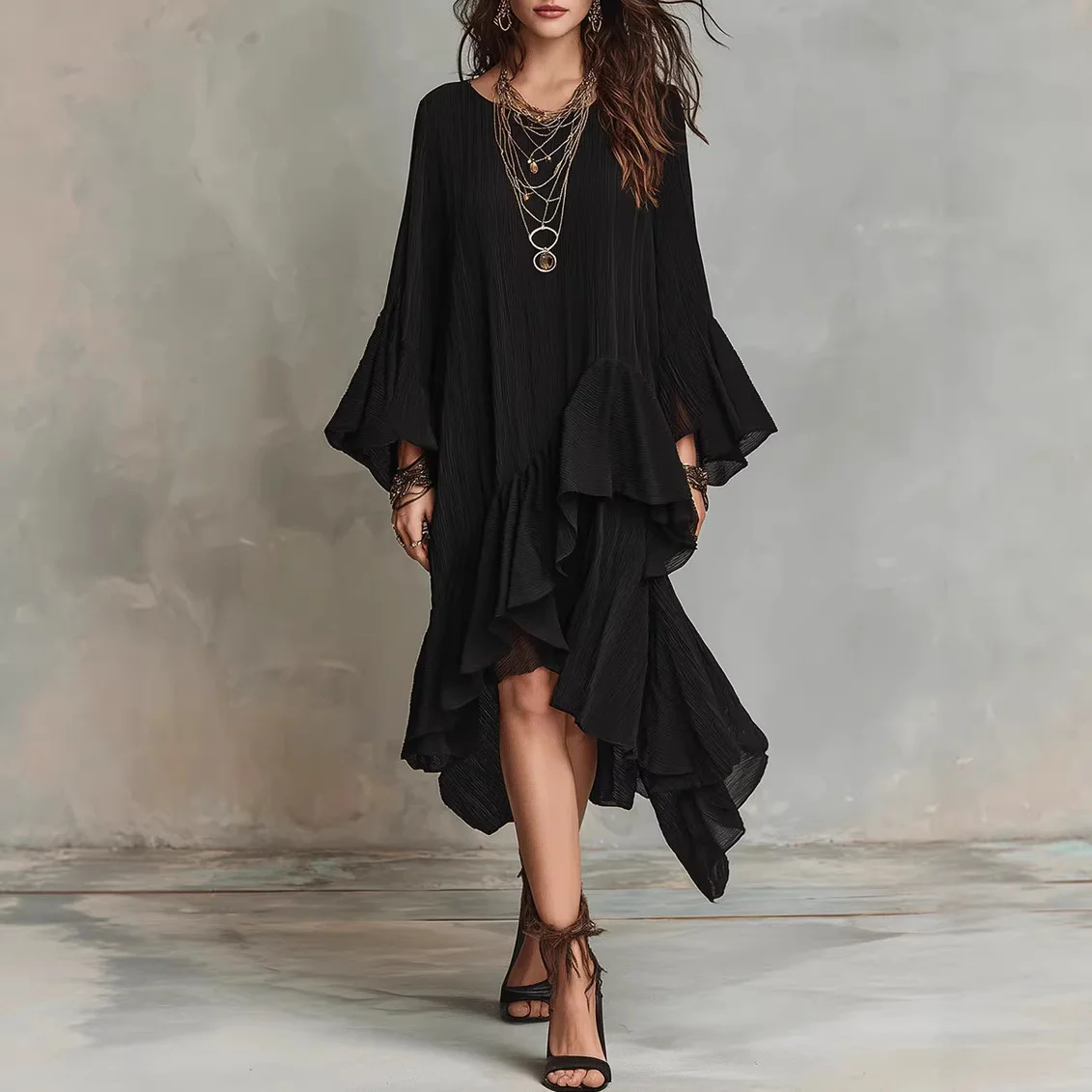
- The elegant commuter style makes it suitable for work.
- Available in a wide range of sizes for a better fit.
- Asian sizing runs small, so check the size chart carefully.
When styling a blazer over this type of dress, keep the blazer simple. A solid color works best. The ruffles on the dress provide enough visual interest, so you do not need a patterned blazer. Button the blazer for a more formal look, or leave it open for a relaxed vibe. If the dress is sleeveless, you can add a thin turtleneck or a long-sleeve top underneath for warmth. This creates a layered look that is perfect for fall.
Another option is a relaxed-fit dress. A Relaxed-fit Sleeveless Casual V-neck Vintage Dress with Buttons Offers a comfortable and casual look that can be dressed up with a blazer.

- Relaxed fit provides comfort for long workdays.
- Available in multiple colors and sizes.
- Asian sizing runs 1-2 sizes smaller, so size up if between sizes.
When wearing a blazer over a relaxed dress, be careful not to add too much volume. If the dress is loose, the blazer should be fitted to create a silhouette. If the blazer is also loose, the outfit can look oversized and unflattering. You can tuck in the front of the dress to define your waist, or leave it untucked for a more casual look. The V-neck of the dress pairs well with a blazer, as it creates a long line that is flattering for most body types.
Best blazer colors for fall work outfits
Color is a crucial part of a fall work wardrobe. The right colors can make an outfit look cohesive and polished. For fall, earthy tones and deep neutrals are the most versatile. These colors are easy to match with other pieces in your wardrobe and they reflect the season. You do not need to buy a new blazer in every color; you can build a rotation with just two or three key colors.
Neutral foundations
Start with a neutral blazer. Navy is the most versatile color for a work blazer. It goes with almost everything, from white to grey to black. It is also a professional color that works in any industry. Charcoal grey is another excellent choice. It is darker than navy, which makes it look more formal. It is also a good option if you want to look more serious or authoritative. Camel is a warmer neutral that adds a touch of softness to your outfit. It pairs well with denim, black, and white. These three colors form the foundation of a fall work wardrobe.
Accents and patterns
Once you have your neutral blazers, you can experiment with accents. A black blazer is a classic choice that works for both day and night. It is also a good option if you want to look slimming. White or cream blazers are a bold choice for fall, but they can look fresh and modern. They are best paired with darker bottoms to create contrast. Patterns like pinstripes or herringbone can add interest to a simple outfit. A pinstripe blazer looks professional and authoritative, while a herringbone blazer adds texture and warmth.
When choosing colors, consider your skin tone and the colors of your other work clothes. If you have a lot of black clothes in your wardrobe, a black blazer will be easy to use. If you prefer lighter colors, a navy or camel blazer will be more versatile. You do not need to match the blazer exactly to the other pieces; you just need to ensure that the colors work together. A simple rule of thumb is to keep the outfit to three colors or less. This creates a cohesive look.
Common mistakes to avoid
Even with the right pieces, it is easy to make styling mistakes that can ruin a look. Here are some common errors to watch out for.
Ignoring the shoulder fit
The most common mistake is buying a blazer that does not fit in the shoulders. A blazer that is too big in the shoulders will look sloppy and unprofessional. A blazer that is too small will pull at the seams and restrict movement. Always check the shoulder seam first. If it does not fit, the blazer is not the right size. Do not assume that a blazer will shrink or stretch to fit. It will not.
Layering too many bulky items
Another mistake is trying to pack too much into one outfit. Wearing a thick sweater, a long scarf, and a bulky blazer can make you look like a snowball. The goal is to layer for warmth, not for bulk. Choose thin, warm layers like fine-gauge knits or thermal tops. You can also add a cardigan or a vest underneath the blazer for extra warmth without adding bulk. Keep the layers streamlined.
Mismatched formality
Finally, make sure the formality of the blazer matches the rest of the outfit. A casual blazer with a formal dress can look disjointed. A formal blazer with a casual tee can look too stiff. Aim for a consistent level of formality. If you are wearing a blazer to work, make sure the other pieces are also work-appropriate. You can mix casual and formal elements, but keep the overall look balanced.
Care and maintenance tips
To keep your blazers looking their best, you need to take care of them properly. Blazers are structured garments, and they can lose their shape if not handled correctly.
Storage
Store your blazers on wide, padded hangers. This helps maintain the shape of the shoulders and prevents creasing. Do not hang a blazer on a thin wire hanger, as this can cause the shoulders to slump. If you have limited closet space, you can fold a blazer, but this may cause creases. If you fold it, place it on a shelf and smooth out the wrinkles.
Cleaning
Most blazers should be dry cleaned, but check the care label first. Some blazers can be hand washed, but this is rare. If you need to spot clean a blazer, use a damp cloth and a mild detergent. Test the detergent on a small, hidden area first. Do not rub the stain, as this can spread it. Blot gently. If you wear a blazer frequently, consider having it dry cleaned after every few wears to remove oils and dirt. This will keep the fabric fresh and extending the life of the garment.
Steaming
If your blazer develops wrinkles, use a steamer instead of an iron. Ironing can leave shine marks on the fabric, especially on wool. A steamer gently relaxes the fibers and removes wrinkles without damaging the material. Hang the blazer in the bathroom while you take a hot shower, and the steam will help remove light wrinkles. This is a quick and easy way to refresh your blazer before a meeting.
Product Comparison
The following table compares the recommended products based on their key attributes to help you decide which pieces fit your needs.
| Product | Price | Type/Material | Options | Best For |
|---|---|---|---|---|
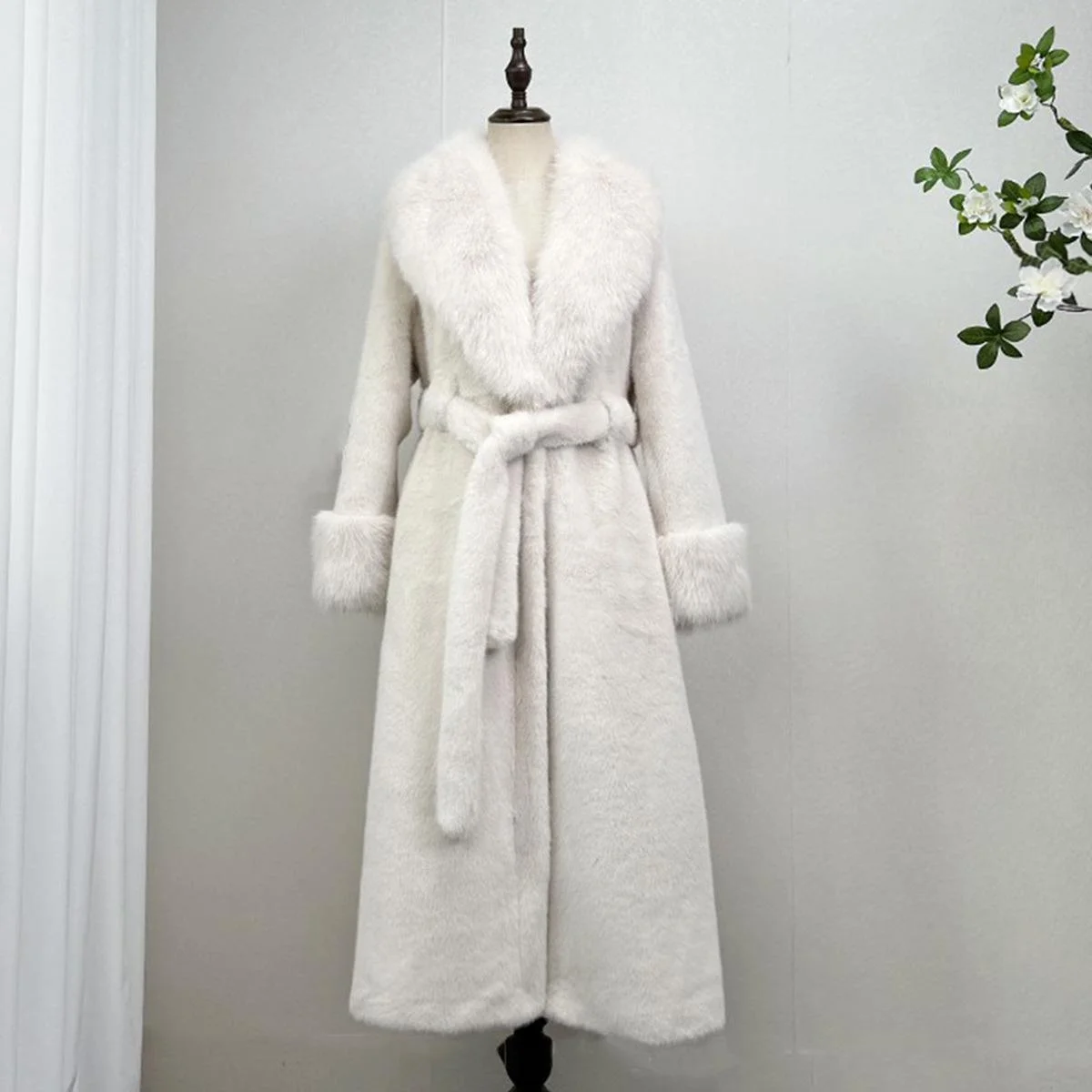
| Faux Mink Fur Coat with Leather Trim | $69.44 | Faux Fur/Leather | One-piece | Chic fall/winter nights |