
October is the month when your morning commute might be sunny and warm, but by lunch, the wind is cold enough to make you regret leaving your jacket at home. Many women struggle with this transitional period, often reaching for heavy winter coats that are too warm for the midday sun or thin summer tops that offer no protection against the evening chill. The solution isn't about buying more clothes; it's about understanding how to combine the pieces you already have. In this guide, we break down the mechanics of layering for women, focusing on specific combinations of tops that work for both casual weekends and professional workdays. You will learn which fabrics to look for, how to manage fit so you don't look bulky, and how to mix patterns and textures to create a polished look.
Building the Foundation: Base Layers
The base layer is the piece that touches your skin. Its primary job is moisture management and comfort, but it also sets the silhouette for the rest of your outfit. In October, you do not need heavy thermal underwear unless you live in a region with sub-freezing temperatures. Instead, you need lightweight, breathable fabrics that wick away sweat when you are walking to the office or moving around all day. A good base layer should be slim-fitting enough not to add bulk under your mid-layers, but not so tight that it restricts movement or leaves visible lines.
Why Fabric Matters for Base Layers
When selecting a top to wear closest to your body, pay close attention to the material composition. Cotton is soft and breathable, but it absorbs moisture and holds it against your skin, which can make you feel cold if you start to sweat. Synthetic blends, such as nylon and spandex, offer better elasticity and moisture-wicking properties. These fabrics stretch with your body and dry quickly, making them ideal for active days. Look for fabrics described as "high-elasticity" or "soft blends" to ensure comfort over long periods. The fit is equally important; a base layer that is too loose will bunch up under a sweater, creating uncomfortable lumps. A slim-fit or regular-fit top usually works best here.
Choosing the Right Cut
The cut of your base layer determines how it interacts with the next layer. If you plan to wear a structured blazer or a fitted cardigan, a seamless or smooth-finish camisole is a smart choice. It provides coverage without adding visual noise. For a more casual look, a standard tank top or a mid-length sling top works well. The length of the base layer is also a practical consideration. If you are wearing high-waisted pants or a skirt, a standard length is fine. However, if you plan to wear loose-fitting bottoms or expect to bend and move a lot, a slightly longer mid-length top prevents accidental exposure and keeps you covered if your mid-layer rides up.
One excellent option for a versatile base layer is the Lace Camisole with Splicing Back Support. This piece is made from high-elasticity nylon with spandex, which provides the necessary stretch and support for all-day wear. The splicing back design offers a unique aesthetic detail that can peek out if you choose a neckline that allows for it, though it is subtle enough for professional settings.

- Pros: High-elasticity nylon and spandex blend offers excellent stretch and comfort; available in multiple neutral colors like white, gray, and black.
- Con: The lace detail may not be suitable for very formal environments if visible, so check the neckline of your outer layers.
Another practical choice is the Comfortable Mid-Length Women's Sling Tops. These are made from soft polyester blends, which are durable and easy to care for. The mid-length cut provides extra coverage, making them a reliable option for those who prefer not to show their midriff or who are concerned about their top riding up during the day.
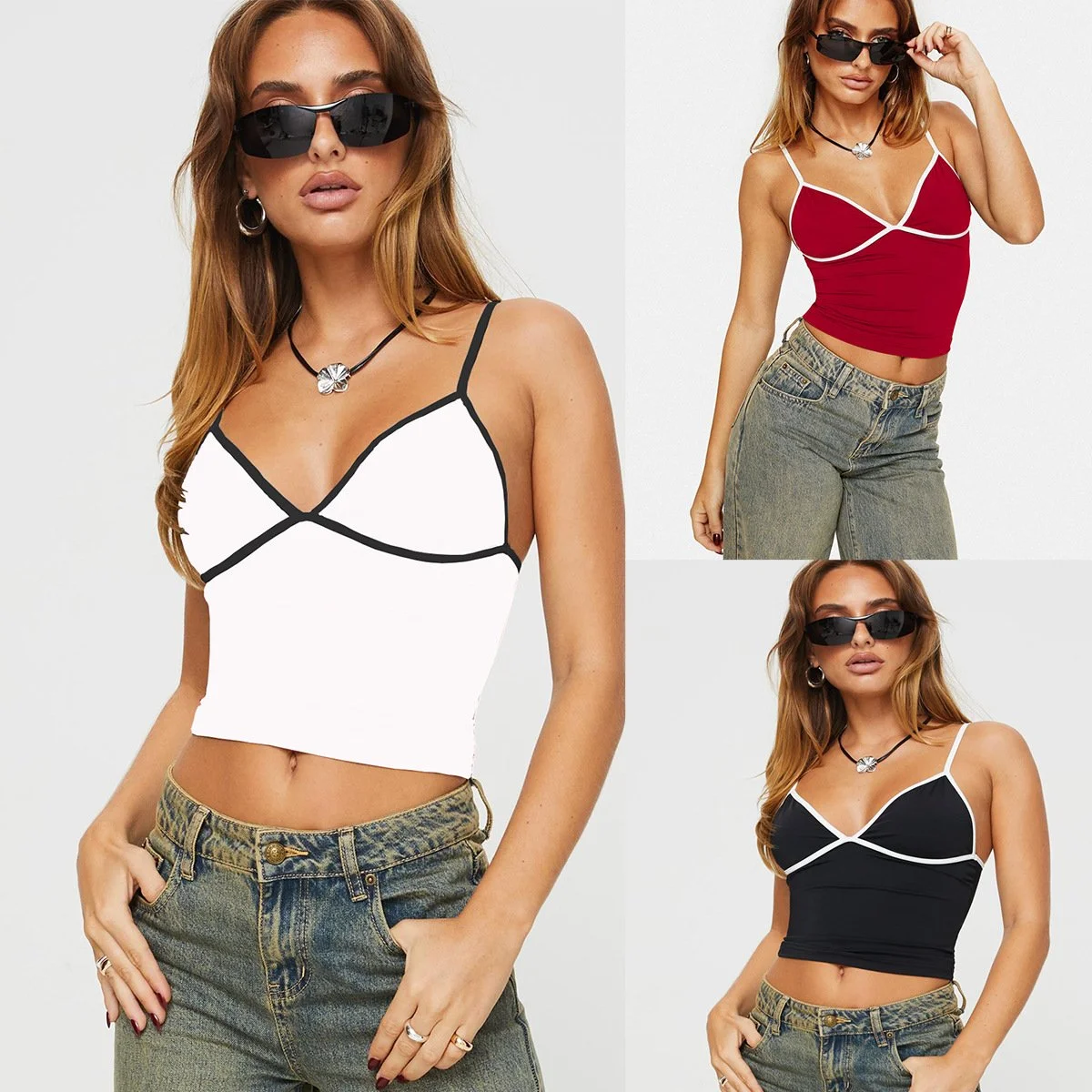
- Pros: Mid-length design offers better coverage than standard tanks; soft polyester blend is comfortable for daily use.
- Con: Polyester blends can retain odors if not washed frequently, so having a rotation of several tops is recommended.
The Mid-Layer: Adding Insulation and Style
The mid-layer is where you add both warmth and personality. This is the layer that people see when you remove your outer coat, or when you are indoors at work. It needs to be warm enough to keep you comfortable in a 55-degree (13-degree Celsius) office, but light enough that you won't overheat if the sun comes out. Common mid-layer pieces include long-sleeved t-shirts, blouses, and lightweight sweaters. The key to a successful mid-layer is balance. If your base layer is thin, your mid-layer can be slightly thicker. If your base layer is opaque and covers your torso, your mid-layer can be more delicate or patterned.
Blouses vs. Long-Sleeved Tees
Blouses are typically made from lighter, more flowing fabrics like chiffon, silk, or fine polyester. They add a touch of elegance and are ideal for work settings or dinner dates. However, they offer less insulation than knitted fabrics. For cooler October days, a blouse might need to be worn under a cardigan or blazer to be effective. Long-sleeved t-shirts made from knitted fabric, on the other hand, provide more inherent warmth. They are casual, easy to move in, and can be tucked or untucked depending on the vibe you want. When choosing a mid-layer, consider the neckline. A V-neck allows you to show a hint of the base layer, creating a layered look. A scoop neck is more versatile and can be worn open or closed.
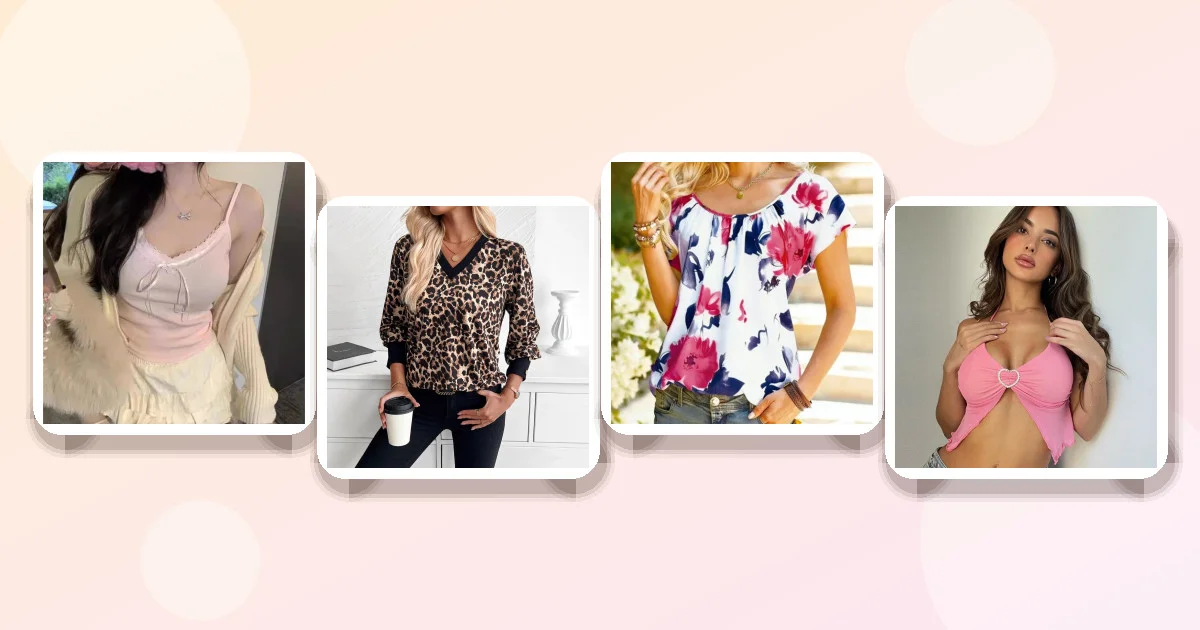
The Printed Sweater V-neck Long-sleeved T-shirt Top Is a prime example of a functional mid-layer. It is made from knitted fabric, which provides better insulation than a standard cotton tee. The houndstooth pattern adds visual interest without being overwhelming, making it a good choice for those who want to add a bit of style to a simple outfit. The V-neck design allows for easy layering over a camisole or tank top.

- Pros: Knitted fabric provides better insulation; V-neck design allows for easy layering over base tops.
- Con: The houndstooth pattern is specific, so it may not match as easily with bold prints in your wardrobe.
Adding Texture and Detail
Texture is a powerful tool in layering. A smooth base layer paired with a textured mid-layer creates visual depth. Ruffles, lace, or mesh details can add femininity and interest to an outfit. However, be mindful of how these details affect comfort. Ruffles can add bulk around the chest area, which might make a fitted blazer feel tight. Mesh or sheer elements can be too revealing for some settings, so they work best as part of a layered look where they are partially covered. When choosing a mid-layer with details, ensure that the fabric is soft against the skin, especially if you are wearing it over a thin base layer.
For those who want to add a touch of elegance, the Floral Ruffle Blouse for Women Is a strong option. It features a watercolor floral print and ruffle details, which add volume and softness to the silhouette. Made from soft polyester, it is comfortable and easy to wear. The short-sleeve design makes it ideal for layering under a cardigan or blazer, as the sleeves won't bunch up under the long sleeves of your outer layer.

- Pros: Soft polyester fabric is comfortable; ruffle details add visual interest and femininity.
- Con: Short sleeves mean it offers no arm coverage on its own, so it must be layered for actual warmth.
If you prefer a bolder, more modern look, the Sexy Pink Mesh Halter Vest Offers a unique twist. While it is described as a halter vest, its mesh fabric and slim fit make it a striking piece for those who want to experiment with layering. It is made from high elasticity milk silk fabric, which feels smooth against the skin. This piece is more about style than insulation, so it should be worn under a substantial outer layer like a denim jacket or a thick sweater.

- Pros: Unique mesh design adds a modern, trendy element; high elasticity fabric ensures a comfortable fit.
- Con: The halter neck and mesh design may not be appropriate for conservative workplaces or cold weather without heavy layering.
Outer Layers and Structure
While this guide focuses on tops, understanding how your outer layer interacts with your inner layers is crucial. The outer layer, such as a cardigan, blazer, or light sweater, is what traps the heat generated by your body and the insulation provided by your mid-layer. The fit of your outer layer is the most critical factor. If your outer layer is too tight, it will compress your mid-layer, reducing its insulating properties. If it is too loose, it may look sloppy and let in cold air. Aim for a relaxed fit that allows room for the layers underneath. Cardigans are particularly versatile because they can be worn open or closed. When worn open, they create a vertical line that can be slimming. When worn closed, they provide a cozy, contained look.
Matching Necklines and Sleeves
Coordinate the necklines of your layers to avoid a cluttered look. If your base layer has a high neckline, choose a mid-layer with a V-neck or scoop neck to create a step-down effect. If your base layer is a low-cut camisole, a higher-necked mid-layer can provide modesty and warmth. Sleeve length is another consideration. If your mid-layer has long sleeves, your outer layer should have sleeves that are not too short, or you should be prepared for your mid-layer sleeves to show. This can be a stylish choice if the fabrics and colors complement each other. For example, a knit sweater sleeve peeking out from under a blazer can look intentional and polished.
Color and Pattern Coordination
Neutral colors are the backbone of a layering wardrobe. Black, white, gray, navy, and beige can be mixed and matched easily. When introducing patterns, keep the rest of the outfit neutral. If your mid-layer is a houndstooth print, wear it with solid-colored base and outer layers. If your base layer is a solid color, you can experiment with a patterned mid-layer. The goal is to create a cohesive look where the layers work together rather than competing for attention. Pay attention to the scale of the pattern. A small print can be worn with a larger print if the colors are harmonious, but for beginners, sticking to one pattern per outfit is a safe bet.
How to Choose the Right Layering Pieces
Selecting the right pieces for your October wardrobe requires looking beyond just the visual appeal. You need to consider fit, fabric, and versatility. Here are the specific factors to check before you buy.
1. Check the Size Chart and Fit
Size varies significantly between brands and styles. Always check the size chart provided by the seller. Look for measurements in inches or centimeters for bust, waist, and length. For layering, you generally want a fit that is not overly tight. A "slim fit" is often a good starting point for base layers, as it is close to the body without being skin-tight. For mid-layers, a "regular" or "loose" fit allows for the thickness of the base layer underneath. If you are between sizes, size up for mid-layers and outer layers, and size down or true to size for base layers.
2. Evaluate the Fabric Composition
Read the fabric content on the product description. Natural fibers like cotton and wool are breathable and comfortable, but they can be less durable and may shrink. Synthetic fibers like polyester, nylon, and spandex offer stretch, durability, and moisture-wicking properties. A blend of both is often ideal. For example, a cotton-polyester blend offers the comfort of cotton with the durability of polyester. Look for keywords like "soft," "breathable," "stretchy," and "quick-dry." Avoid fabrics that are known to be itchy or rough against the skin, especially for base layers.
3. Consider the Versatility of the Piece
A good layering piece should work with multiple items in your wardrobe. Ask yourself: Can this be worn with jeans, chinos, and skirts? Can it be worn with a blazer, a cardigan, and a denim jacket? A neutral-colored, simple-cut top is more versatile than a highly patterned or uniquely cut one. Invest in a few high-quality, versatile pieces rather than many trendy, single-use items. This approach saves money in the long run and simplifies your morning routine.
4. Look for Practical Details
Small details can make a big difference in comfort and style. Check the type of closure (buttons, zippers, or none). Buttons can add structure, but they may dig in if you are wearing a tight base layer. Zippers are convenient but can be noisy. No-closure tops are the easiest to put on and take off. Check the sleeve length and whether they are adjustable. Check the hemline; a curved hem can look modern, while a straight hem is more traditional and easier to tuck. Look for reinforced seams, especially at the shoulders and underarms, as these areas experience the most stress during layering.
Product Comparison
To help you decide which pieces to add to your wardrobe, here is a comparison of the recommended products based on their key attributes. Note that prices and availability may change, so check the current listings for the most accurate information.
| Product | Type | Main Material | Price | Key Features | Best For |
|---|---|---|---|---|---|
| Lace Camisole with Splicing Back | Base Layer | Nylon/Spandex | $3.76 | High elasticity, splicing back, 5 colors | Stretchy, comfortable base for dresses/blazers |
| Printed Sweater V-neck Tee | Mid-Layer | Polyester Knit | $20.12 | Houndstooth pattern, V-neck, long sleeve | Casual, warm mid-layer with pattern interest |
| Floral Ruffle Blouse | Mid-Layer | Polyester | $21.24 | Watercolor floral, ruffles, short sleeve | Elegant, feminine layer under blazers |
| Sexy Pink Mesh Halter Vest | Statement Layer | Milk Silk | $14.44 | Mesh, halter neck, ultra-short | Trendy, bold accent for casual outings |
| Sexy Lace Camisole with Slit | Base/Statement | Polyester | $29.20 | Lace, slit detail, medium elastic | Stylish base with a unique design element |
| Comfortable Mid-Length Sling Tops | Base Layer | Polyester Blend | $12.72 | Mid-length, slim fit, 3 colors | Everyday coverage and comfort for layering |
Each of these products serves a different purpose in a layering strategy. The camisoles and sling tops are your foundation, providing a smooth, comfortable base. The V-neck tee and ruffle blouse are your mid-layers, adding warmth and style. The mesh vest and lace camisole with slit are more specialized pieces that can add a unique twist to your look. By mixing and matching these items, you can create a wide variety of outfits that are both functional and fashionable.
The Sexy Lace Camisole with Slit Detail Is another option for those who want a base layer with a bit more flair. It is made from soft polyester with medium elasticity, offering a comfortable fit. The slit detail adds a modern, edgy touch that can be seen when you move or when your outer layer is open. This piece is versatile enough to be worn under a blazer or a cardigan, depending on the occasion.

- Pros: Soft polyester fabric is comfortable; slit detail adds a modern, edgy touch.
- Con: The lace and slit design may not be suitableShop the storyAll products from this guide