

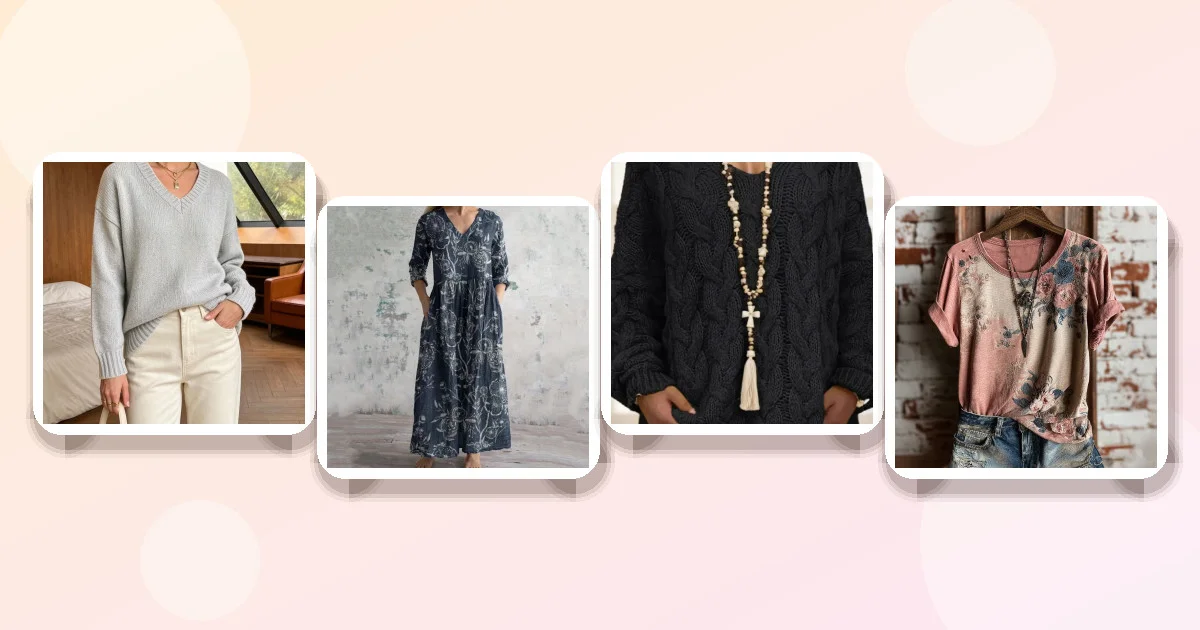
Layering is the trickiest part of building a fall wardrobe when you are wearing sizes 2X through 4X. The clothes you need for warmth often add inches to your silhouette, and the clothes that fit well in summer can feel restrictive when you add a sweater underneath. You do not have to choose between being cold and looking frumpy. You just need to understand how fabric weight interacts with your body’s shape and how specific cuts create or remove visual bulk. This guide focuses on practical fit strategies, material selection, and specific product recommendations that prioritize comfort and structure for cooler weather.
Sizing Up: How to Adjust Asian Charts for US Bodies
Most of the affordable plus-size options available online, particularly from Asian manufacturers, use sizing charts that are significantly smaller than US standards. This is the single biggest reason plus-size shoppers return items. If you buy your usual US size on an Asian chart, the garment will likely be too tight across the chest, hips, and shoulders. The good news is that the adjustment is simple and consistent.
The "Size Up" Rule
For the products featured in this guide, the manufacturer explicitly states that Asian sizing runs 1–2 sizes smaller than US/EU standards. If you are a US size 2X, you should generally look at a 3XL or 4XL on the Asian chart, depending on the specific garment's cut. If you are between two sizes, always choose the larger one. This is not about buying clothes that are "too big." It is about buying clothes that fit with ease. A garment that pulls at the seams when you sit down will look frumpy and feel uncomfortable. A garment with a little extra room allows for layering underneath without distorting the shape.
Checking Specific Measurements
While the general rule is to size up, you should always verify the specific dimensions. Look for the bust, waist, and hip measurements in inches. Compare these to your own body measurements. For a layered look, you typically want the outer layer to have at least 2–3 inches of extra room in the bust and waist compared to the layer underneath. If the garment is a knit or has stretch, it may fit closer to your body, but you still need that extra space for the layer beneath. If the garment is a structured fabric like polyester or cotton twill, you need even more room to avoid the "tent effect," where the fabric drapes straight down from the bustline, creating a boxy silhouette.
Keep in mind that manual measurements can vary by 2–3 cm (roughly 1–1.5 inches). This variance is normal for mass-produced clothing. If a measurement is on the borderline, assume it is on the smaller end and size up. It is better to have a slightly relaxed fit that you can hem or belt than a tight fit that restricts movement.

Fabric Weight: Choosing Materials That Drape, Not Pile
Fabric weight is the invisible factor that determines whether your outfit looks polished or messy. In plus-size fashion, heavy fabrics tend to add visual weight, while very light fabrics can look flimsy or cling to every contour. The sweet spot is mid-weight fabric that has enough body to hold its shape but enough drape to flow over your curves.
Why Polyester and Blends Work for Fall
Many of the best value plus-size fall pieces are made from polyester or polyester blends. While natural fibers like cotton and wool are breathable, they can be stiff or prone to shrinking. Polyester is durable, holds its shape well, and resists wrinkles. For fall layering, a mid-weight polyester knit or woven fabric is ideal. It provides warmth without the bulk of heavy wool. It also drapes smoothly over the body, which helps to create a streamlined silhouette. Look for fabrics described as "Terylene" or high-quality polyester, which are known for their smooth hand feel and durability.
Stretch vs. Structure
For base layers, you want stretch. A camisole or t-shirt with a little elastane or spandex will hug your body without adding bulk. This is crucial because if your base layer is bulky, it will show through your outer layers. For outer layers, you want a balance of stretch and structure. A sweater that is 100% polyester may not have much stretch, so it relies on its cut to fit. A knit with a bit of stretch will conform to your body more closely, which can be flattering if the cut is right. However, avoid fabrics that are too thin or slippery, as they can cling to problem areas. A medium-gauge knit is the gold standard for fall sweaters. It is warm enough for cool days but thin enough to layer over a t-shirt without looking like you are wearing a pillow.
Visual Weight and Color
While this guide focuses on fit and fabric, color also plays a role in perception. Darker colors tend to recede, making the body look smaller, while lighter colors advance. However, the most important factor is contrast. If you are wearing a light top under a dark sweater, the contrast can emphasize the layering. If you are wearing a dark top under a light sweater, the effect is reversed. For a streamlined look, try to match the tones of your layers. A gray t-shirt under a gray sweater creates a column of color that is visually cohesive. A stark white t-shirt under a black sweater can create a horizontal line at the hem if the t-shirt is longer than the sweater, which can break up the vertical line of your body.
The Layering Hierarchy: What Goes Under What
Layering is not just about stacking clothes. It is about creating a system where each layer serves a specific purpose. The base layer provides comfort and moisture management. The mid-layer provides warmth. The outer layer provides protection from the elements and defines your silhouette. In plus-size styling, the goal is to keep each layer as slim as possible while ensuring they work together.
Base Layer: The Foundation
Your base layer should be the thinnest item in your outfit. A camisole is ideal for this role because it has no sleeves and a low neckline, allowing it to disappear under your other layers. A short-sleeve t-shirt is also a good option, provided it is not too thick. Avoid heavy cotton t-shirts as base layers because they add bulk at the shoulders and arms. If you are running cold, you can add a long-sleeve thermal, but keep it slim-fitting. The key is that the base layer should not be visible from the outside, except perhaps at the neckline or hem if intended.
Mid-Layer: The Warmth Provider
The mid-layer is where most of your warmth comes from. This is typically a sweater, cardigan, or hoodie. For plus-size fall outfits, a regular-fit sweater is usually better than an oversized one. An oversized sweater can look great, but it adds width to your silhouette. A regular-fit sweater that is sized up for layering will provide warmth without adding unnecessary bulk. If you are wearing a thick sweater, keep your base layer very slim. If you are wearing a thin sweater, you can afford a slightly thicker base layer. The combination of the two determines the overall thickness of your torso.
Outer Layer: The Silhouette Definer
The outer layer is what people see first. It sets the tone for the outfit. A blazer, coat, or jacket defines your shape. For fall, a structured blazer or a medium-weight coat is ideal. These pieces should have enough room to fit over your mid-layer without pulling. If the outer layer is too tight, it will stretch out over time and lose its shape. If it is too loose, it will look like you are wearing a tent. The goal is a fit that is relaxed but intentional. A blazer with a waist definition or a coat with a belt can help to create a shape, even if the layers underneath are loose.
Managing the Hem
One of the most common mistakes in layering is having all layers end at the same length. This creates a horizontal line that can make your torso look shorter and wider. To avoid this, vary the lengths of your layers. If your base layer is a long t-shirt, your mid-layer should be slightly shorter, or you should tuck the base layer in. If your mid-layer is a long sweater, your outer layer should be longer, or you should leave the sweater untucked to create a layered look. The key is to create vertical lines that draw the eye up and down, rather than horizontal lines that cut across your body.
Recommended Plus-Size Fall Pieces
Based on the criteria of fit, fabric, and value, here are five specific pieces that work well for plus-size fall layering. Each of these items offers a different function in your wardrobe, from base layers to outerwear. They are all available in multiple sizes and colors, giving you options to mix and match.
1. Solid-Color Casual Knit
This is a versatile mid-layer sweater that works well for everyday wear. It is a solid color, which makes it easy to pair with other pieces. The knit fabric provides warmth without being too heavy. It is available in gray, which is a neutral color that goes with almost everything.
Solid-Color Women's Casual Knit in Plus Sizes
- Pro: The solid color and neutral gray shade make it incredibly versatile for mixing and matching with other fall pieces.
- Pro: The knit fabric offers a good balance of warmth and breathability, making it suitable for varying fall temperatures.
- Con: Available in limited sizes (1XL-3XL), so those who need larger sizes should check the specific measurements carefully.
2. V-Neck Long Dress
This maxi dress is a one-and-done option for fall. The V-neckline creates a vertical line that is flattering for many body types. The long length covers the legs, which is helpful in cooler weather. The polyester fabric is durable and holds its shape well.
Women's Plus Size V-neck Long Dress
- Pro: The V-neckline is universally flattering and allows for easy layering with a camisole or turtleneck underneath.
- Pro: The maxi length covers the legs, reducing the need for heavy pants or tights in mild fall weather.
- Con: The polyester fabric may not be as breathable as natural fibers, so it might feel warm in milder temperatures.
3. Casual Sweater
This is a basic, reliable sweater that can be worn as a mid-layer or a standalone top. It is available in a wide range of sizes and colors, making it easy to find the right fit. The regular length and regular sleeves make it a classic choice for fall.
Women's Plus Size Casual Sweater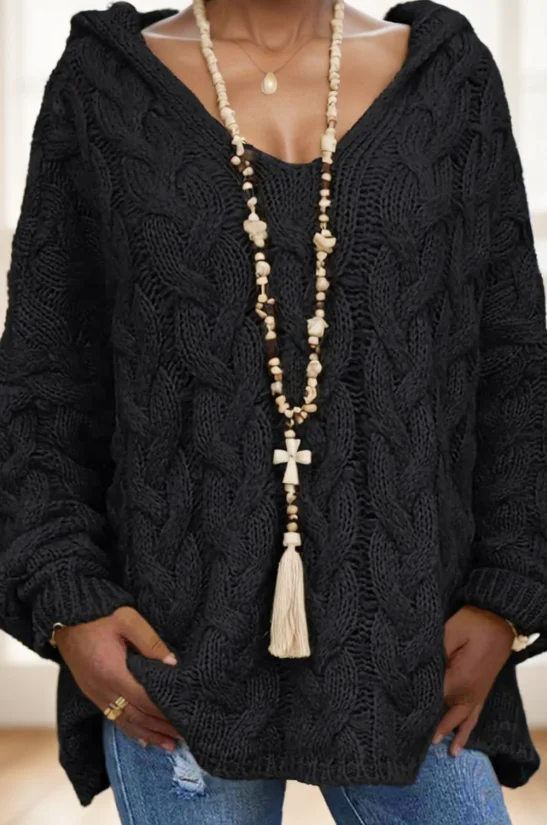
- Pro: Available in a wide range of sizes (S-3XL) and colors, increasing the likelihood of finding a good fit.
- Pro: The regular fit makes it easy to layer without adding too much bulk, especially when sized up appropriately.
- Con: The 100% polyester composition may pill over time if not cared for properly, so gentle washing is recommended.
4. Geometric Print Short Sleeve T-Shirt
This t-shirt is a great base layer option. The short sleeves make it easy to wear under a sweater or cardigan without adding bulk at the arms. The geometric print adds visual interest without being overwhelming. The regular fit ensures it sits smoothly under other layers.
Fashion Geometric Print Plus Size Short Sleeve T-shirt
- Pro: The short sleeves prevent bulk at the arms, making it an ideal layering piece under sweaters and jackets.
- Pro: The geometric print adds visual interest and breaks up the monotony of solid-colored fall layers.
- Con: The pattern may be too bold for some professional settings, so it is best for casual or creative work environments.
5. Loose-Fit Figure-Flattering Blouse
This blouse is a versatile top that can be worn as a mid-layer or a standalone piece. The loose fit provides comfort and allows for movement. The figure-flattering cut helps to create a balanced silhouette. It is a great option for those who want a more polished look than a t-shirt but the comfort of a blouse.
Plus-size Drawstring Loose-fit Figure-flattering Blouse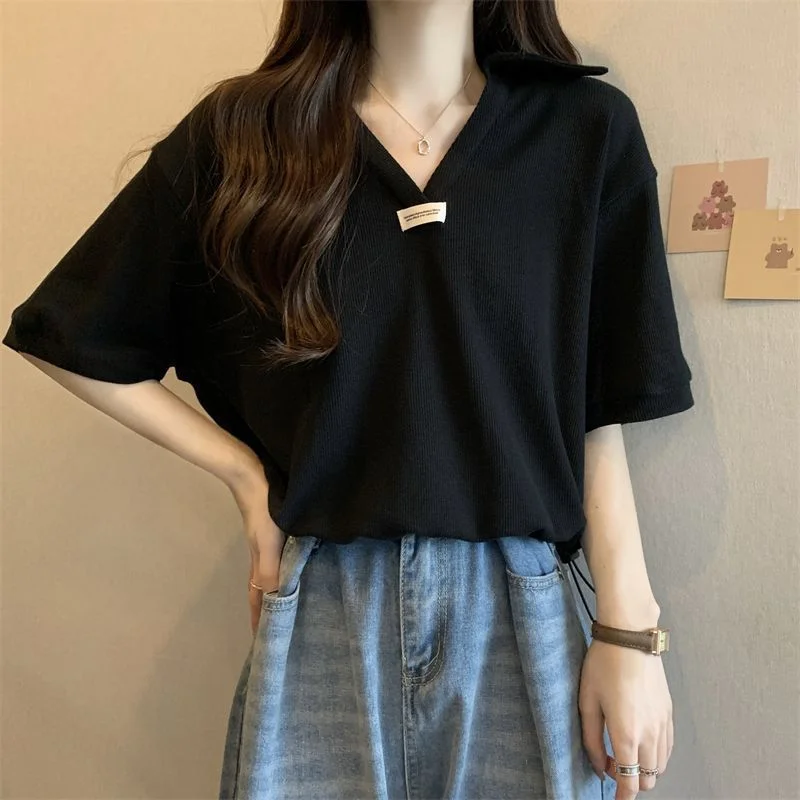
- Pro: The loose fit provides comfort and allows for easy movement, making it a great option for all-day wear.
- Pro: The figure-flattering cut helps to create a balanced silhouette, making it a flattering choice for many body types.
- Con: Specific fabric details are not provided, so you should check the product page for material composition to ensure it fits your comfort preferences.
Product Comparison Table
To help you decide which pieces to add to your cart, here is a comparison of the key attributes of each product. This table highlights the price, material, available options, and best use case for each item.
| Product | Price | Type/Material | Options (Sizes/Colors) | Best For |
|---|---|---|---|---|
| Solid-Color Casual Knit | $29.92 | Knit (Polyester blend likely) | Gray; 1XL-3XL | Reliable mid-layer sweater |
| V-Neck Long Dress | $19.44 | Polyester (Terylene) | 9 Colors; XS-4XL | One-piece fall outfit |
| Casual Sweater | $23.52 | 100% Polyester | 12 Options; S-3XL | Staple mid-layer |
| Geometric Print T-Shirt | $14.76 | Not specified (Likely Cotton/Poly) | Pink; S-4XL | Stylish base layer |
| Loose-Fit Blouse | $9.00 | Not specified | Not specified | Polished mid-layer |
As you can see, the prices range from $9 to $29.92, making these accessible options for building a fall wardrobe. The materials are primarily polyester, which is durable and easy to care for. The size ranges vary, but most offer options for plus sizes. When choosing, consider what role each piece will play in your outfit. The dress is a one-and-done option, while the t-shirt and blouse are base layers, and the sweaters are mid-layers.
Common Mistakes to Avoid
Even with the right pieces, it is easy to make mistakes that undermine your look. Here are three common errors to watch out for when layering plus-size fall outfits.
Ignoring the Sizing Chart
The most common mistake is buying your usual US size without adjusting for the Asian sizing chart. This results in garments that are too tight, causing pulling and bunching. Always check the specific measurements and size up if you are between sizes. A garment that fits too tightly will look frumpy and feel uncomfortable. It will also limit your ability to layer underneath. Taking a few extra minutes to check the sizing chart can save you the hassle of returns and exchanges.
Using Bulky Base Layers
Another common mistake is wearing a thick t-shirt or sweater as a base layer. This adds bulk to your torso and arms, which can make your outer layers look distorted. Instead, choose a slim-fitting camisole or a thin t-shirt as your base layer. This allows your mid-layer to sit smoothly on your body without adding unnecessary volume. If you are running cold, add a slim thermal layer rather than a bulky one. The goal is to keep each layer as slim as possible to create a streamlined silhouette.
Mismatching Hem Lengths
Finally, a common mistake


