Thanksgiving gatherings mean extra spills, and dull blankets can make your living room feel tired. This guide shows you how to clean and brighten blankets and throws with bleach without damaging the fibers, so your décor looks fresh for the holiday.
How to choose a blanket that can handle bleach
Bleach works best on sturdy, colorfast fabrics. Look for 100% cotton, polyester, or a cotton‑poly blend. These materials tolerate chlorine without shrinking or pilling.
Size matters
Measure your blanket before you start. A typical throw is 50 × 60 in (127 × 152 cm); larger lap blankets can be 70 × 80 in (178 × 203 cm). Knowing the dimensions helps you choose a tub that lets the blanket float freely.
Check the care label
Labels that read “Non‑bleachable” or “Dry clean only” mean you should skip chlorine. If the label says “Bleach when needed” you’re good to go. When in doubt, test a hidden corner.
Bleach‑to‑water ratio and safety
For most household blankets, a 1:30 ratio (1 cup bleach to 30 cups water) is safe. That’s roughly 2 tablespoons of bleach per gallon of water. Use cool water; hot water can set stains and increase fabric wear.
Why dilute?
Full‑strength bleach can break down fibers, especially on thinner knits. Dilution gives you the whitening power while protecting the weave.
Safety gear
Wear rubber gloves and work in a well‑ventilated area. Keep children and pets away, and have a bucket of clean water handy for emergencies.

Step‑by‑step guide to bleaching blankets
1. Pre‑test
Dip a cotton swab in the solution and press it onto an inconspicuous seam. Wait 30 seconds; if the color doesn’t change, you’re safe to proceed.
2. Prepare the soak
Fill a bathtub, large basin, or clean bucket with enough water to cover the blanket. Add the bleach at the 1:30 ratio and stir gently.
3. Soak
Submerge the blanket fully. For cotton throws, 5‑10 minutes is enough. Heavier blankets can stay up to 15 minutes, but never exceed 20 minutes.
4. Rinse
Drain the bleach water and rinse the blanket under cool running water until the water runs clear. This step removes residual chlorine that can cause yellowing later.
5. Machine wash
Run the blanket through a normal wash cycle with mild detergent. Add a cup of white vinegar in the rinse cycle to neutralize any remaining bleach odor.
6. Dry
Air‑dry flat or tumble on low heat. High heat can set any remaining stains and shrink cotton.
Product comparison
| Product | Price | Material / Type | Options | Best for |
|---|---|---|---|---|
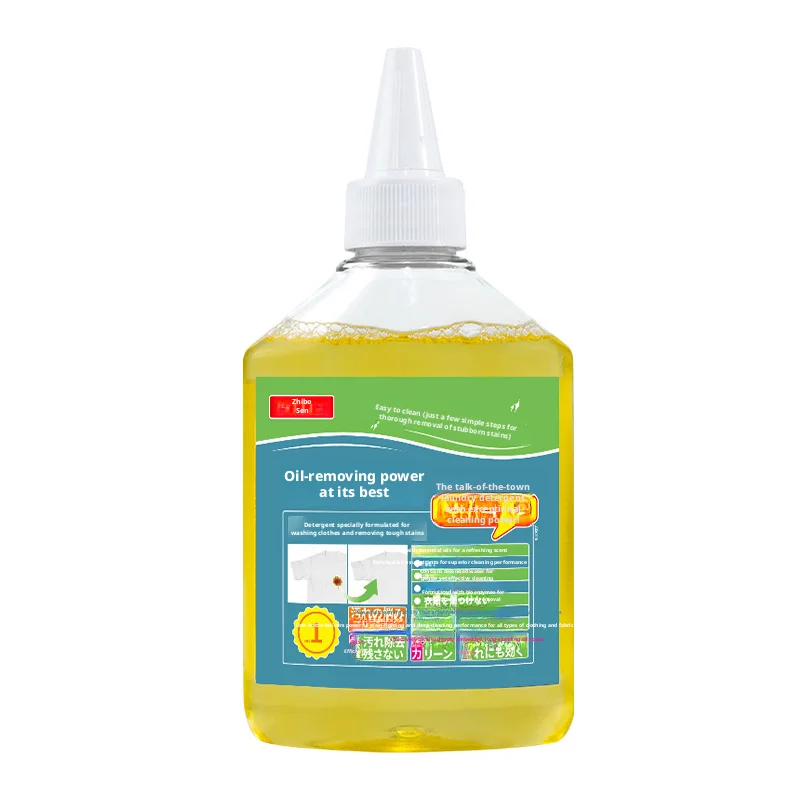
| Eco‑Friendly Laundry Stain Remover Concentrate | $4.44 | Plant‑based stain remover (liquid) | Portable bottle | Spot‑treating grease before bleaching |
| Mattress Pads 100% Polyester Jacquard Fabric | $303.4 | 100% polyester jacquard | 200 × 90 × 5 cm | Large polyester throws that can be bleached safely |
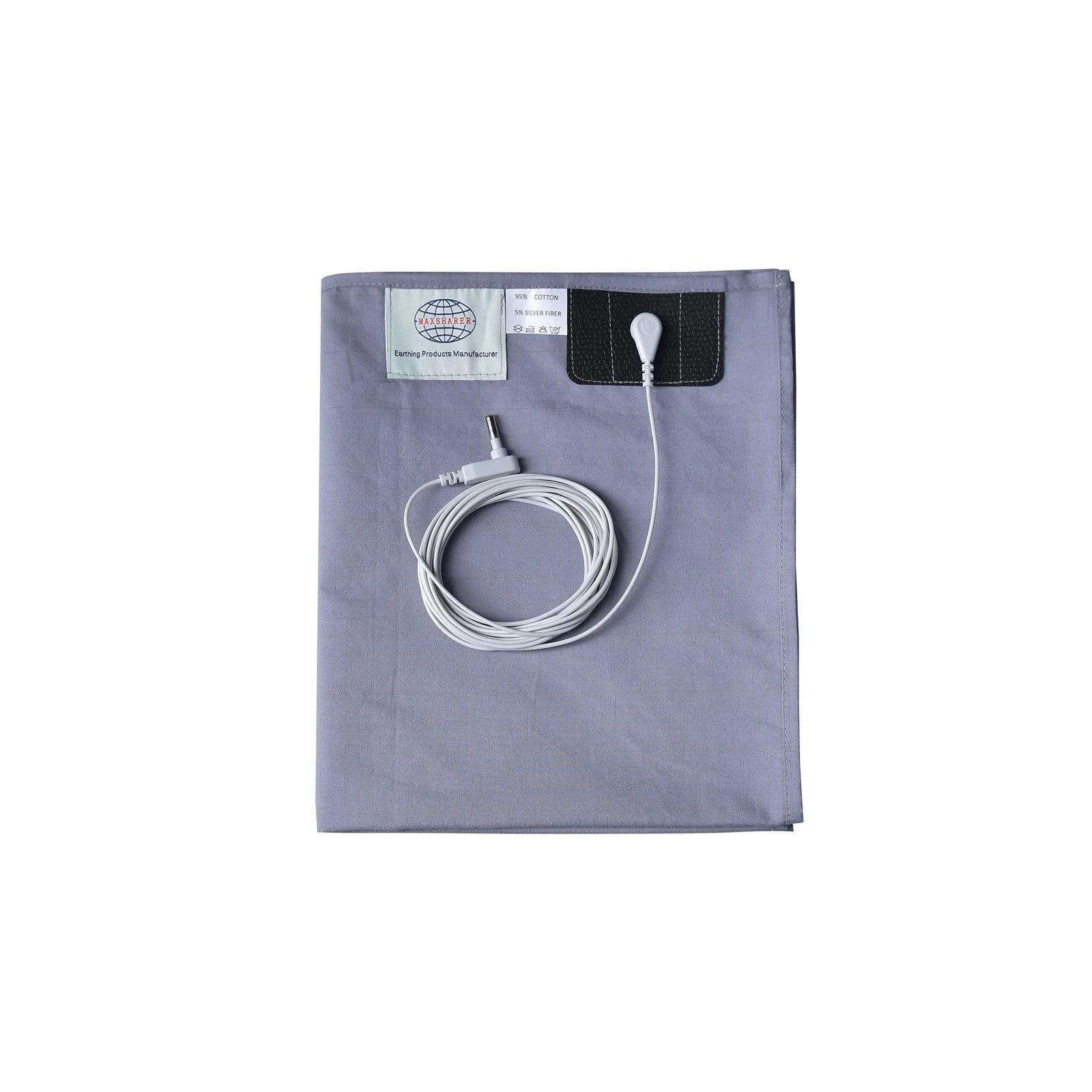
| Grounding Grounded Silver Fiber Antibacterial Fabric Anti‑static Bed Sheet | $51.72 | Silver fiber cloth | Various sizes & colors | Antibacterial throws for guests with allergies |
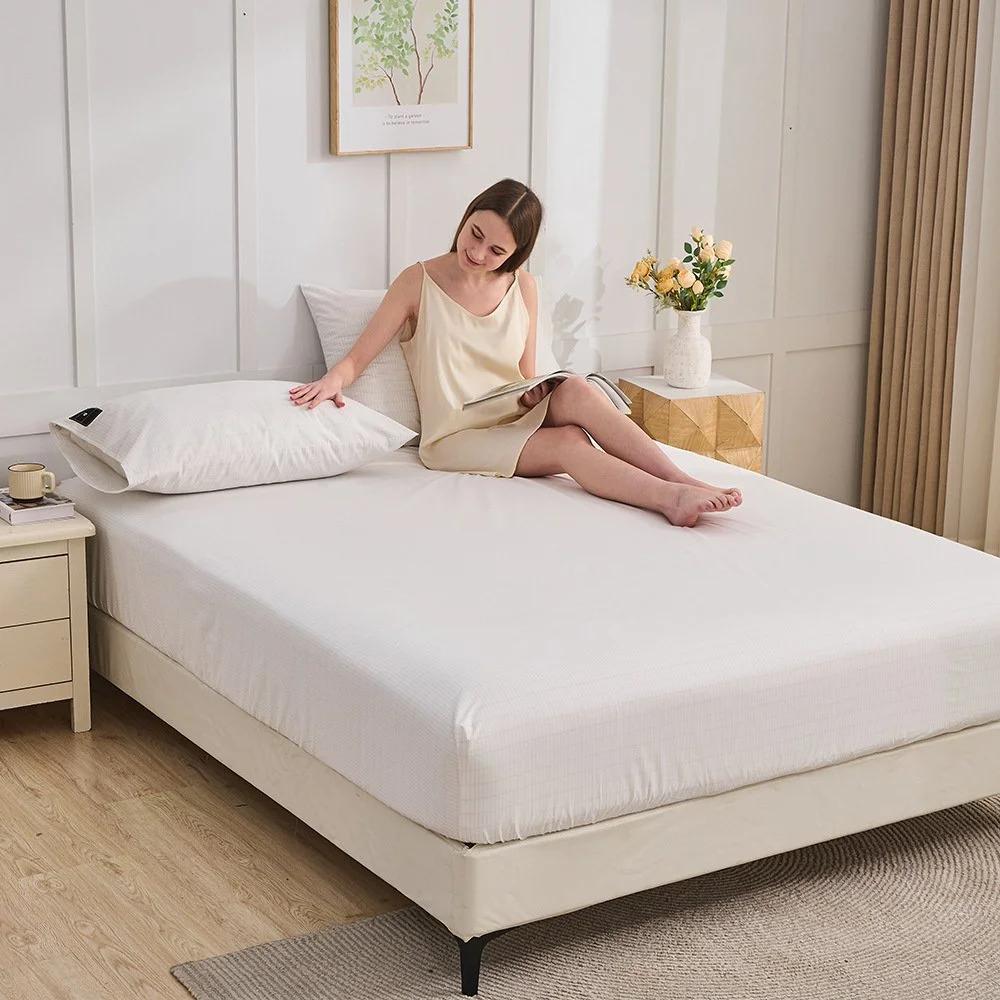
| Silver Fiber Antibacterial Anti‑static Grounding Fitted Sheet | $45.12 | High quality cotton | Multiple color‑size combos | Cotton blankets that can handle mild bleach |
| Three‑piece Set of 3D Digital Printed Sheets | $54.2 | Chemical fiber | US King 228 × 264 cm | Decorative throws with printed patterns (avoid bleach) |
| PTU Waterproof Cotton Fitted Sheet Moisture‑proof Anti‑dirty Bedspread | $21.24 | Chemical fiber | Various sizes | Water‑resistant blankets for spills (no bleach) |
Common mistakes to avoid
- Using hot water. Heat accelerates fiber breakdown and can set stains.
- Skipping the rinse. Residual bleach causes yellowing and weakens the weave.
- Bleaching colored wool. Wool reacts badly to chlorine and will shrink or become brittle.
- Leaving the blanket in solution too long. Over‑soaking leads to thinning and holes.
- Mixing bleach with ammonia or other cleaners. This creates toxic fumes.

Care, styling, and storage tips after bleaching
After you’ve brightened a blanket, keep it looking fresh by washing it with a mild detergent no more than once a month. Use the Eco‑Friendly Laundry Stain Remover Concentrate For spot stains before the next wash; its plant‑based formula won’t undo the bleach work.
Store throws folded in a breathable cotton bag rather than plastic. This prevents mildew and keeps the fibers from rubbing against each other.
When arranging your living‑room for Thanksgiving, pair a bleached Mattress Pads 100% Polyester Jacquard Fabric Throw with a textured rug. The polyester will stay bright, and the memory‑foam filling adds a plush feel for guests.
If you have guests with sensitivities, the Grounding Grounded Silver Fiber Antibacterial Fabric Anti‑static Bed Sheet Offers antimicrobial protection while still looking sleek. It isn’t bleach‑safe, so keep it separate from the items you plan to brighten.

Frequently asked questions
❓ How do I use bleach to clean a cotton throw blanket?
Mix 1 part chlorine bleach with 30 parts cool water, soak the cotton throw for 5‑10 minutes, rinse until water runs clear, then machine‑wash with mild detergent. This removes stains and restores brightness without harming the cotton.
❓ Can I bleach a wool blanket safely?
No. Wool reacts poorly to chlorine bleach, often shrinking or becoming brittle. Use a wool‑safe detergent and spot‑treat stains with a gentle enzyme cleaner instead.
❓ What’s the best bleach‑to‑water ratio for cleaning blankets?
A 1:30 ratio (about 2 tablespoons bleach per gallon of water) is safe for most cotton and polyester blankets. Adjust down if the fabric is thin or if you’re unsure.
❓ How long should I soak a blanket in a bleach solution?
For cotton throws, 5‑10 minutes is sufficient; heavier polyester blankets can stay up to 15 minutes. Never exceed 20 minutes to avoid fiber damage.
❓ Will bleach damage the colors on my holiday blanket?
Bleach will strip color from non‑colorfast fabrics. Test a hidden area first; if the color holds, the rest of the blanket can be safely treated.
❓ How do I rinse a blanket after bleaching it?
Drain the bleach water, then run the blanket under cool, running water until the water runs clear. Follow with a full wash cycle and a rinse with a cup of white vinegar to neutralize any lingering chlorine.
❓ Can I use bleach on patterned or printed throws?
Generally avoid bleach on printed or chemically dyed fabrics; the chemicals can cause fading or bleeding of the pattern.
❓ Is it okay to bleach a blanket that has metal threads or embellishments?
No. Chlorine can corrode metal threads and weaken sewn-on sequins or beads. Spot‑clean those areas with a mild detergent instead.
Key takeaways
- Use a 1:30 bleach‑to‑water ratio and cool water for safe whitening.
- Only bleach cotton, polyester, or cotton‑poly blends; never bleach wool or printed fabrics.
- Pre‑test a hidden spot to confirm colorfastness.
- Limit soak time to 5‑15 minutes depending on fabric weight.
- Rinse thoroughly, then wash with mild detergent and a cup of vinegar.
- Store blankets in breathable bags to keep them fresh for the next holiday.
How we chose these products: The selections were based on material composition, price, and suitability for the cleaning and usage scenarios described, using the specifications provided.
===HTML===