You have a drawer full of lightweight tank tops, but the temperature is dropping. You don't want to throw them away, yet wearing them alone feels too warm, and adding a thick sweater makes you look bulky. The solution is not to abandon these pieces but to integrate them into your fall rotation as strategic base layers. This guide shows you how to use existing tank tops to create polished, comfortable outfits that work in temperatures ranging from the mid-60s to the low 70s Fahrenheit.
How to choose the right tank for layering
Not every tank top works as a base layer. The wrong fit or fabric can add unwanted volume, creating a "lumpy" appearance under your outerwear. When selecting or checking your existing tanks for fall use, focus on cut, fabric weight, and neckline.
Fit and cut: Slim is non-negotiable
For layering, you need a tank that hugs the body without digging in. Look for a "slim-cut" or "bodycon" description. If the tank is boxy or has significant drape, it will bunch up under a blazer or sweater. A slim cut ensures that when you pull on a cardigan, the silhouette remains smooth. Check the shoulder straps; they should be wide enough to distribute weight if you plan to wear a backpack, but narrow enough not to show over a blazer lapel.
Measure your bust and compare it to the specific size chart of the item. Many online retailers, especially those shipping from Asia, use smaller sizing standards. If you are between sizes, size up for a base layer. A tank that is too tight will leave marks on your skin and feel restrictive after eight hours of wear. A tank that is too loose will create wrinkles and bulk at the waistline.
Fabric weight: Mid-weight is the sweet spot
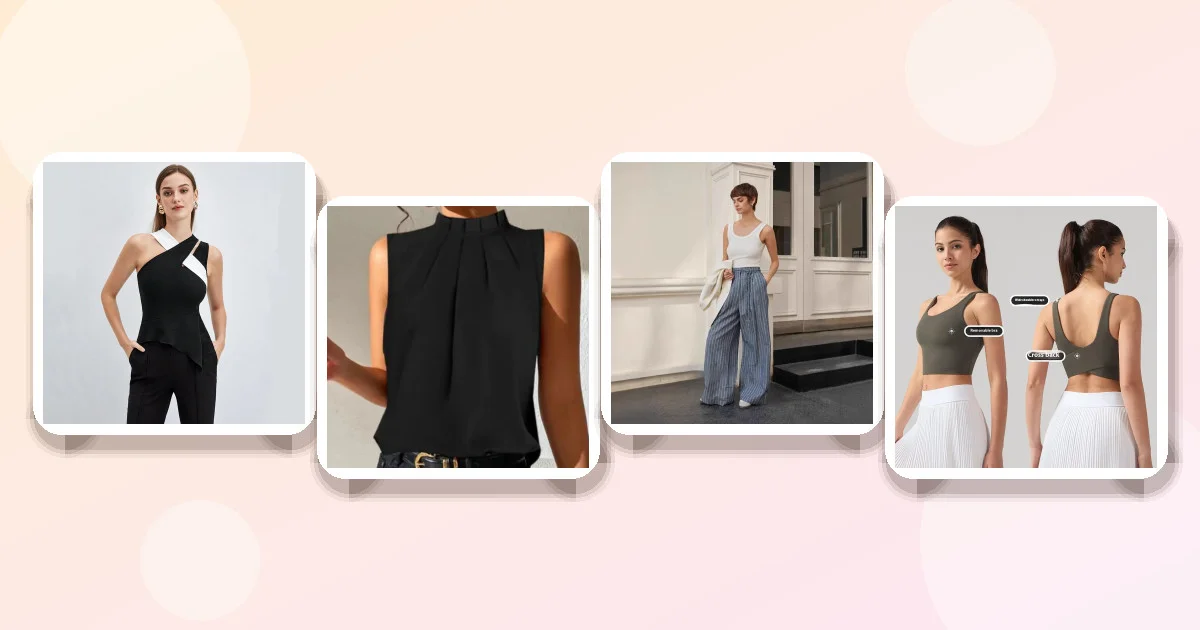
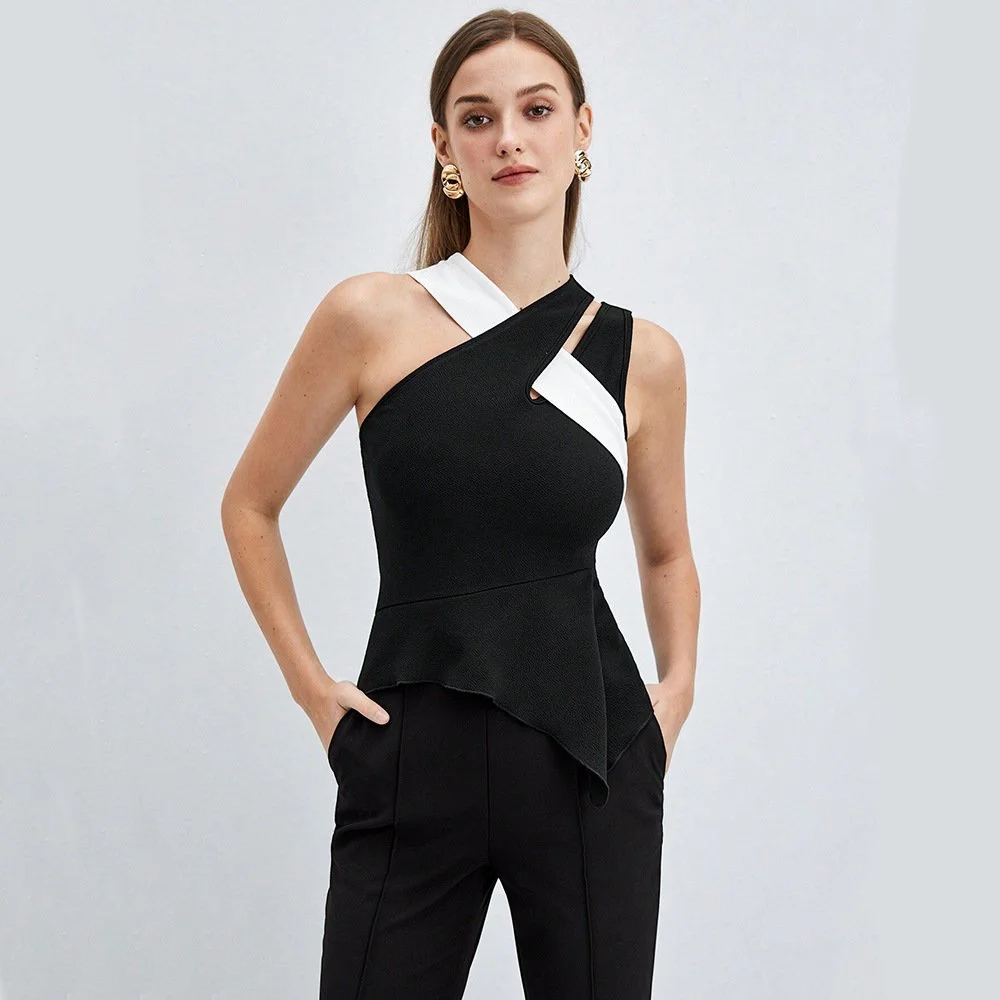
Ultra-thin mesh tanks are too flimsy for fall; they cling to every imperfection underneath and offer no modesty if your outer layer is sheer. Heavy cotton tanks are too thick to layer under anything tight. The ideal fabric is mid-weight with a slight stretch. Look for blends like cotton-spandex or viscose-polyester. These fabrics have enough body to lie flat against your skin but enough elasticity to move with you. Avoid 100% polyester if you tend to overheat, as it does not breathe as well as cotton or viscose. However, for sheer blouses, a smooth synthetic blend like the Trendy Cross Strap Vest Can work well because it has a sleek finish that doesn't show through thin fabrics as much as textured cotton might.
Neckline and strap visibility
Consider what will be visible. If you plan to wear the tank under a V-neck cardigan or an open blazer, the neckline will be seen. A scoop neck or square neck is versatile. If you are wearing it under a button-down shirt that is unbuttoned to the navel, a higher neckline or a built-in bra cup (like the Summer Camisole with Built-in Bra) can provide support and prevent the shirt from gaping.
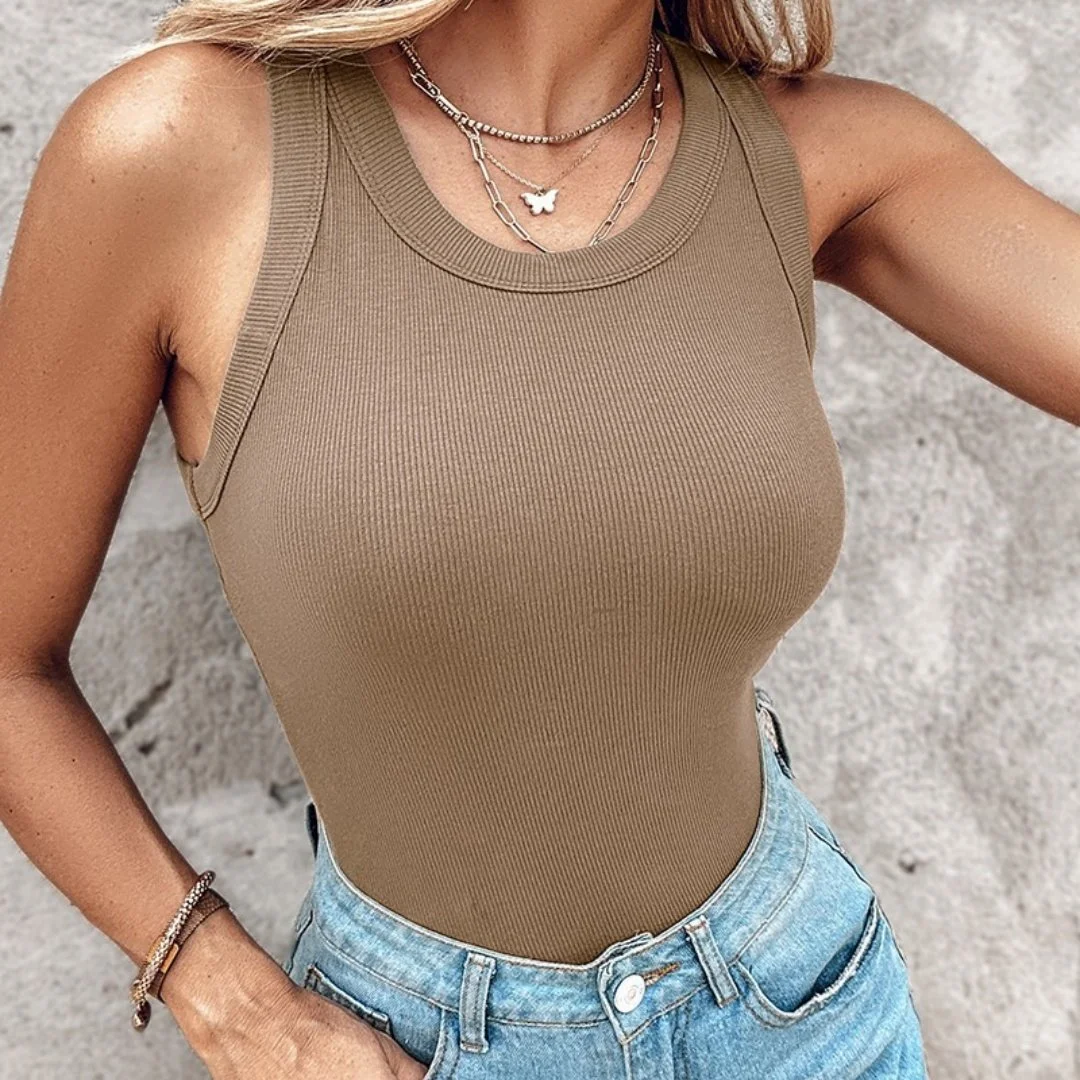
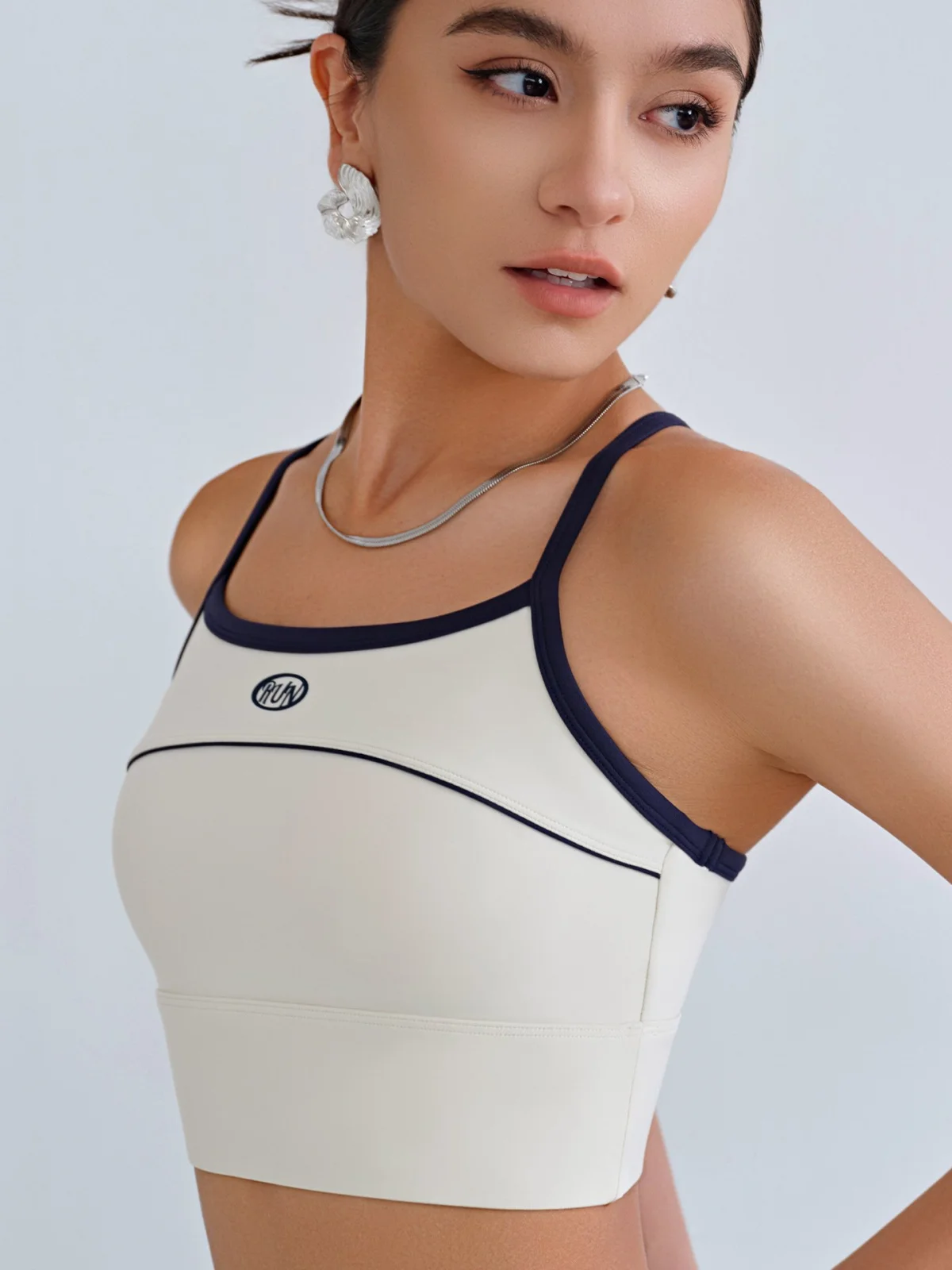
For under-sweater looks, the neckline matters less, but the strap width becomes crucial. Thin spaghetti straps can dig into the shoulders when wearing a heavy wool sweater. Wider straps or a racerback design distribute the weight better. The High-Impact Sports Bra Features a racerback design, which is excellent for this purpose because it keeps the back smooth under tight-knit sweaters without creating a cross of fabric that can bunch up.
5 specific layering looks for fall
Here are five concrete ways to style your tanks for the transition season. Each look targets a specific temperature range and setting, ensuring you have options for work, weekends, and evening events.
Look 1: The Office Power Layer (Blazer + Tank + Trousers)
Temperature range: 65°F–75°F (18°C–24°C)
Setting: Professional office or business casual meeting
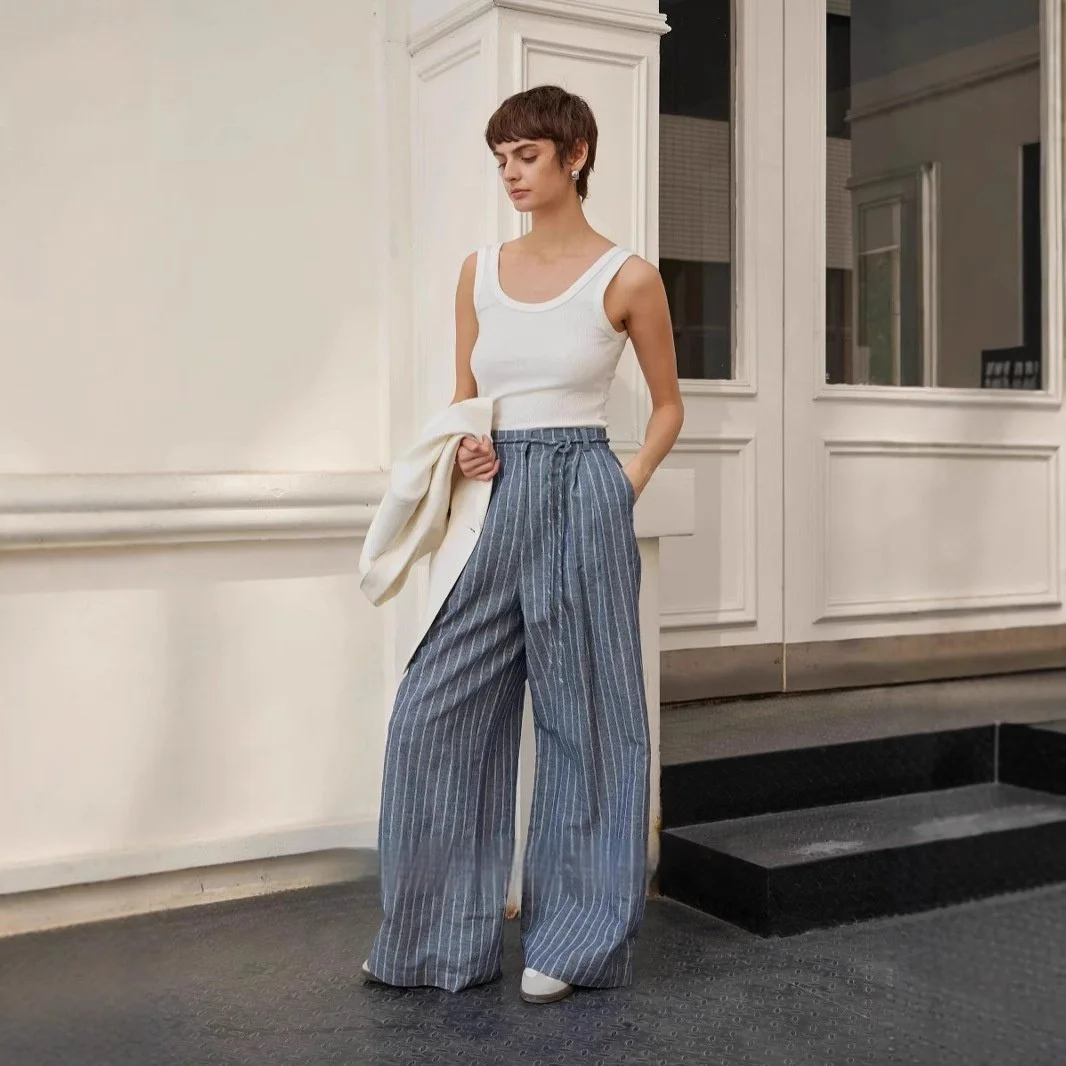
This look replaces the traditional silk blouse with a structured tank top. The key is structure. Choose a tank with a defined neckline and no excessive stretch. Pair it with a tailored blazer and high-waisted trousers.
Why it works: The blazer adds shoulders and structure, while the tank provides a clean, minimalist chest area. It looks intentional, not like you forgot to put on a second layer. The contrast between the soft fabric of the tank and the crisp wool or cotton of the blazer creates visual interest.
Styling tip: Keep the tank in a neutral color like black, gray, or white. If your blazer is navy, a white tank brightens the face. If your blazer is black, a gray tank adds depth. Avoid bright colors underneath a dark blazer unless you want the tank to be the focal point, which can be distracting in a professional setting.
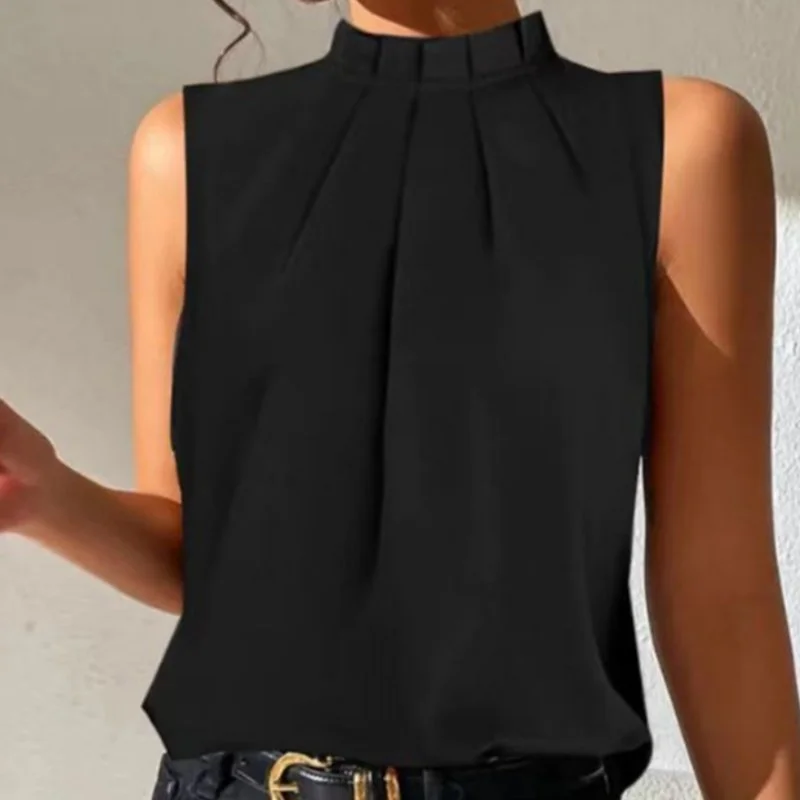
For this look, a slim, stretchy vest is ideal. The Summer Black Sleeveless Slim Vest Is a good candidate because it is designed for layering and has a breathable polyester construction that won't overheat you on a warm day in the office.
Look 2: The Cozy Cardigan Stack (Tank + Chunky Knit + Jeans)
Temperature range: 55°F–65°F (13°C–18°C)
Setting: Weekend brunch, casual Friday, or errands
This is the most common mistake area. Many people wear a thick tank under a thick sweater, resulting in a "swimsuit under a puffer" effect. Instead, use the tank as a thermal barrier. It keeps your core warm without adding bulk to the arms or torso.
Why it works: The cardigan provides the warmth, and the tank provides the modesty and comfort. When you take off the cardigan in a heated car or building, you are still dressed appropriately. The tank prevents the sweater from clinging to your skin, which can be uncomfortable after a long day.
Styling tip: Choose a tank with a slightly higher back. When you sit down or bend over, a low-back tank can ride up. A medium-length tank covers the midsection adequately. If you are wearing a chunky cable knit, choose a smooth-fabric tank to avoid texture-on-texture bulk.
Look 3: The Sheer Transition (Tank + Sheer Blouse + Skirt)
Temperature range: 60°F–70°F (16°C–21°C)
Setting: Date night, creative workplace, or evening events
Sheer blouses are a fall staple, but they are impractical alone. A tank top underneath solves the modesty issue while maintaining the airy aesthetic. This look blurs the line between summer and fall, making it perfect for variable weather.
Why it works: The sheer fabric adds light and texture, while the tank provides a solid base. It creates a layered silhouette that looks expensive and thoughtfully curated. The contrast of opaque and transparent fabrics is visually appealing.
Styling tip: Match the color of the tank to the color of the skirt or the blouse if you want a monochromatic look. For example, a black tank under a white sheer blouse with black trousers creates a classic, sharp outfit. Ensure the tank is seamless or has flat seams to avoid visible lines through the sheer fabric.
Look 4: The Dress Base (Tank + Slip Dress + Cardigan)
Temperature range: 55°F–65°F (13°C–18°C)
Setting: Casual dinner, gallery opening, or relaxed weekend
Slip dresses are often too thin for fall. Wearing them alone requires a heavy coat, which you might not want when you are indoors. Adding a tank top underneath allows you to wear the dress in cooler weather without a heavy outer layer, or with just a light cardigan.
Why it works: The tank adds warmth to the torso, which is your core. It also prevents the slip dress from being see-through. This look is effortless because the tank is hidden, but it significantly extends the wearability of the dress.
Styling tip: Choose a tank that is slightly shorter than the dress. If the tank is longer than the dress, it will show at the hem, which can look messy. A knitted vest top can work here if you want a bit more texture. The Comfortable Waist-Controlled Knitted Vest Top Is designed for layering under dresses and has a medium elastic design that moves with your body.
Look 5: The Active-Ready Layer (Sports Bra + Oversized Blazer + Leggings)
Temperature range: 50°F–60°F (10°C–15°C)
Setting: Gym-to-office, casual travel, or active weekends
This look bridges the gap between activewear and street style. A sports bra is not just for the gym; it can be a stylish base layer when paired with oversized tailoring. This is particularly useful if you have an early morning workout before work.
Why it works: The sports bra provides support and a clean silhouette. The oversized blazer adds shape and professionalism. Leggings or bike shorts complete the look with comfort. It is practical, comfortable, and looks modern.
Styling tip: Choose a sports bra with a smooth back and no visible logos. The Breathable Fitness Bra for Women Offers high support and breathability, making it a functional base layer.
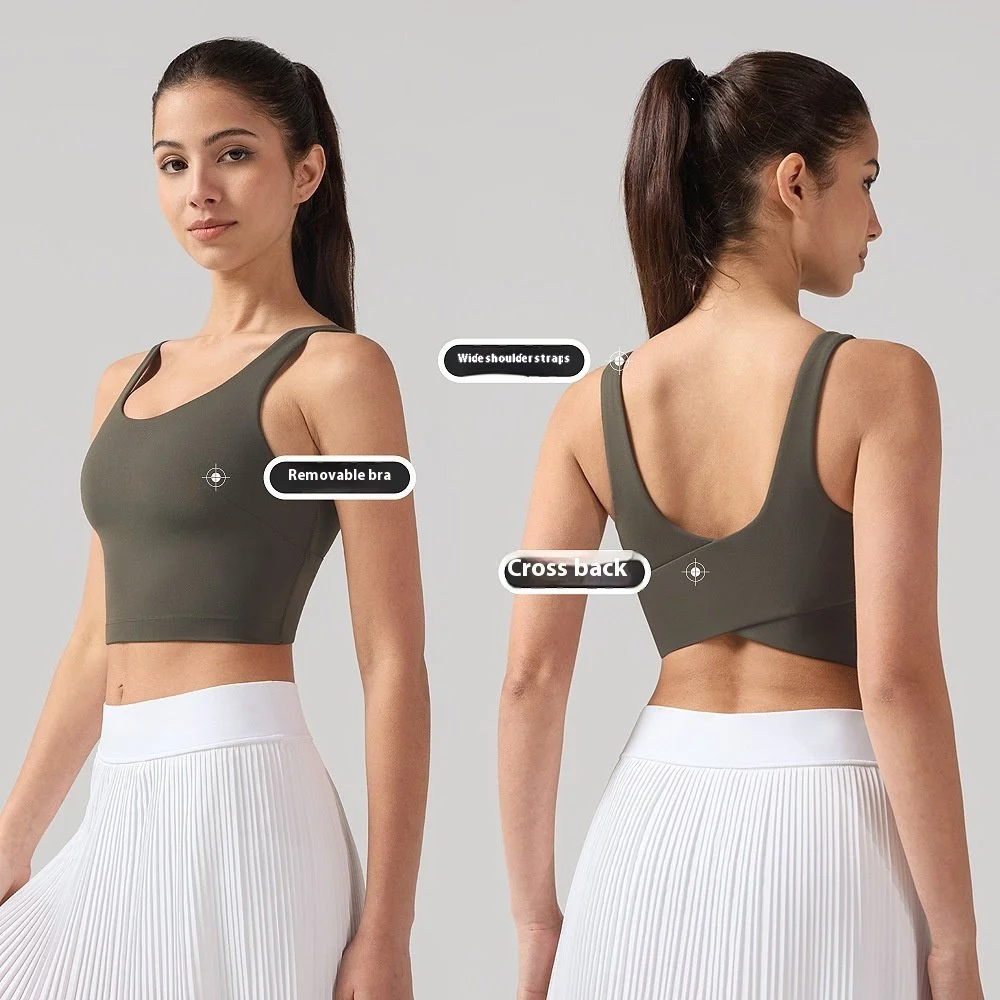
Pair it with an oversized blazer and tailored trousers or leggings. Keep the color palette neutral (black, gray, beige) to maintain a polished look. This outfit is ready for a quick coffee run or a casual meeting.
Product comparison: Best tanks for this season
Here is a comparison of the recommended products based on their specific features, price points, and best use cases. All prices are current at the time of writing but may change.
| Product | Price | Material/Type | Key Features | Best For |
|---|---|---|---|---|
| Trendy Cross Strap Vest | $16.04 | Stretchy Polyester | Cross strap design, slim cut, 4 size options | Layering under blazers or wearing alone for casual outings |
| Summer Black Sleeveless Slim Vest | $18.80 | Breathable Polyester | Slam cut, sizes S-XXL, Asian sizing note | Everyday layering, office wear, warm days |
| Comfortable Waist-Controlled Knitted Vest Top | $37.16 | Soft Shop the story
All products from this guide
|