After the turkey is carved and the pies are gone, you’re left with a mountain of leftovers that can quickly turn soggy or spoil. This guide shows you exactly how to pack, store, and reheat everything so you waste less, stay organized, and keep your fridge from looking like a disaster zone.
How to choose the right containers
Size matters. A standard turkey breast slice fits best in a 2‑quart container, while mashed potatoes need a shallow 1‑quart box to cool evenly. Look for airtight lids with a silicone seal; they keep moisture out and prevent freezer burn if you plan to freeze.
Material is the next filter. Glass is sturdy but heavy; BPA‑free plastic is lightweight and stackable. If you’re concerned about odors, choose containers with a built‑in vent that can be closed after the food cools.
What to look for
- Capacity: 0.5‑2 qt for sides, 3‑4 qt for turkey chunks.
- Lid seal: silicone gasket or click‑lock.
- Transparency: clear walls let you see contents without opening.
- Dishwasher safe: saves time on cleanup.
Packing leftovers the right way
Cool food quickly before it hits the container. Spread turkey pieces on a rimmed baking sheet and let them sit 20 minutes at room temperature, then transfer to the container. For soups and gravies, pour into a shallow pan first; this reduces cooling time and prevents bacterial growth.
Leave a half‑inch of headroom in each container. That space allows expansion if you freeze the item and gives the lid room to seal properly.
Portion control
Divide the feast into meal‑size portions. A 1‑qt box of stuffing is enough for two servings, while a 2‑qt box of mashed potatoes can serve a family of four. Portioning now means you only reheat what you need, preserving texture and flavor.
Organizing a small fridge efficiently
Start with a “zone” system: top shelf for ready‑to‑eat items (sliced turkey, cranberry sauce), middle shelf for sides, bottom drawer for raw or high‑moisture foods (gravy, soups). Use a slim, stackable bin to corral smaller containers.
Place the heaviest containers on the bottom to keep the fridge level. If you have a door shelf, store condiments and pre‑sliced cheese there—they’re low‑temperature tolerant and free up interior space.
Space‑saving tip
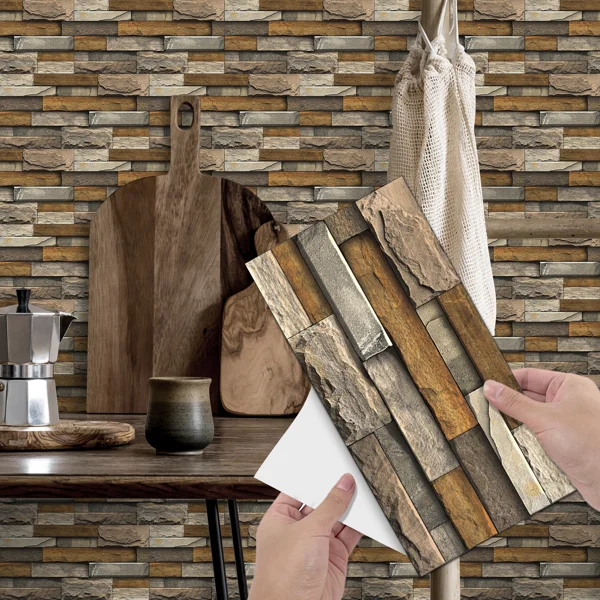
Use a Marble Splash‑proof Wallpaper On the inside of your fridge door (if it’s a removable PVC sheet) to create a non‑stick surface that lets containers slide in and out without sticking.

Special containers for gravy and sauces
Gravy and cranberry sauce need containers with a tight seal and a pour‑spout. Small 0.5‑qt plastic jars with flip‑top lids work well; they prevent spills when you shake the container to reheat.
If you prefer glass, choose a small mason‑style jar with a silicone lid. The glass won’t absorb flavors, so you can reuse it for future sauces without lingering turkey taste.

Labeling and stacking for quick reheating
Write the date, food name, and reheating instructions on a piece of masking tape. Stick the tape on the lid where it’s visible without opening the container. Use a color‑coded system: red for proteins, green for veggies, blue for sauces.
Stack containers by “heat‑time” – items that need 5 minutes on high go on top, those that need 10 minutes on the bottom. This way you can pull the right box without digging through the fridge.
Label example
“Turkey – 2024‑11‑22 – Microwave 2 min high, then 30 sec stir.” Clear, concise, and it eliminates guesswork.
Common mistakes to avoid
- Putting hot food straight into the fridge – it raises the overall temperature and can spoil other items.
- Using containers without a proper seal – leads to freezer burn and odors.
- Over‑stacking – prevents air circulation and slows cooling.
- Forgetting to label – you’ll waste time guessing what’s inside.
Product comparison
| Product | Price | Material | Options | Best for |
|---|---|---|---|---|
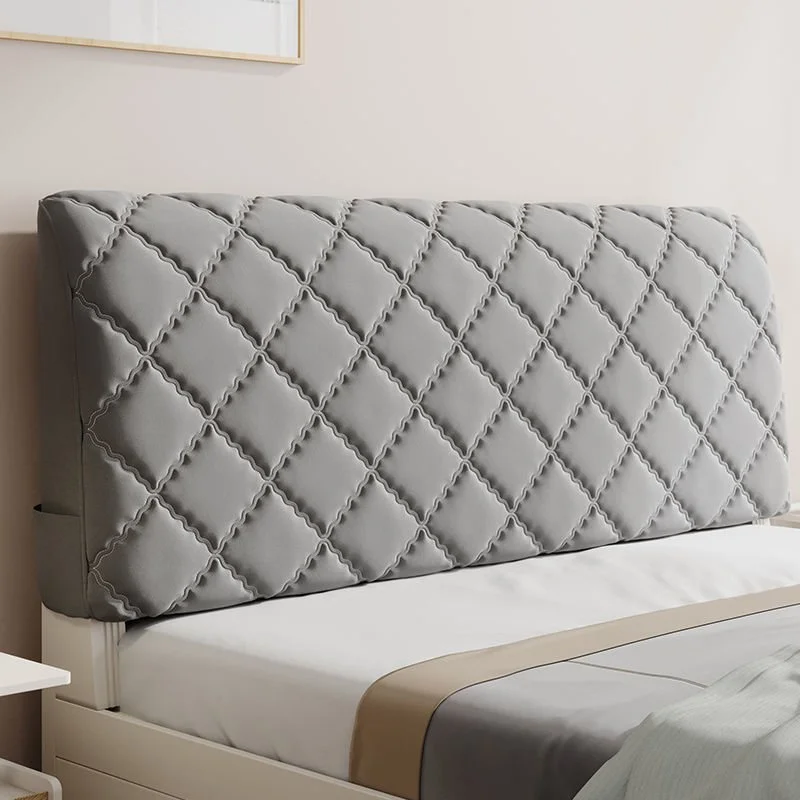
| Simple Modern Dust Cover | $19.32 | Cotton & hemp | 5 sizes, 1‑meter lengths | Protecting pantry doors or shelving from dust while you store containers. |
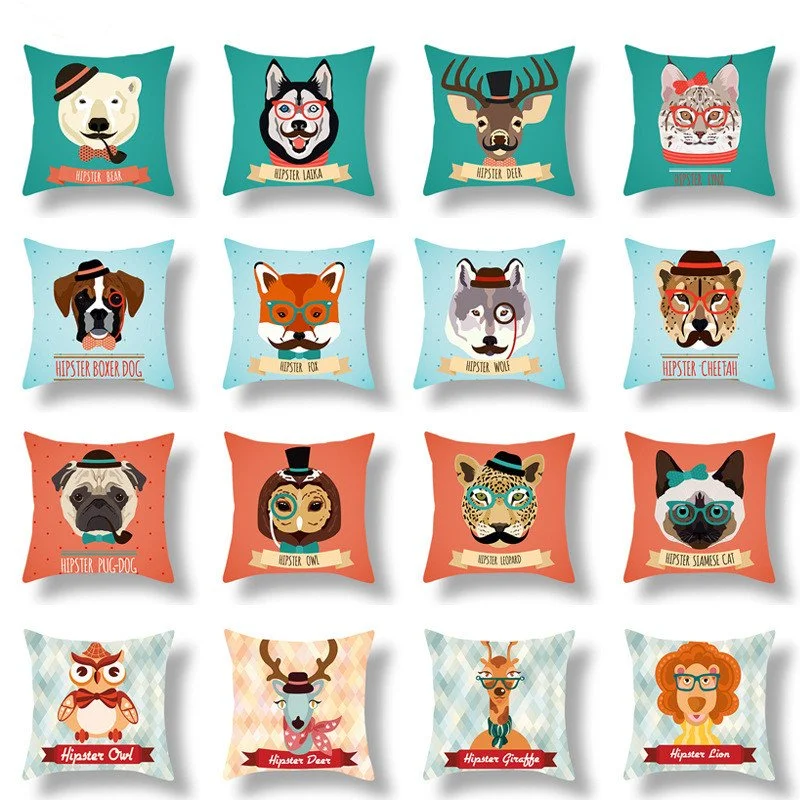
| Animal Creative Cushion Cover | $3.88 | Short plush | 45 × 45 cm, 19 colors | Soft liner for fridge shelves to prevent scratches from heavy containers. |
| Home Cute Peach Skin Pillowcase | $3.12 | Linen, peach‑skin imitation | 45 × 45 cm, 15 styles | Reusable cloth wrap for covering open containers during transport. |
| Hotel Homestay Corduroy Pillow Cover | $18.52 | 100% cotton corduroy | 50 × 50 cm outer, 45 × 45 cm inner | Insulating sleeve for frozen turkey portions to keep cold longer. |
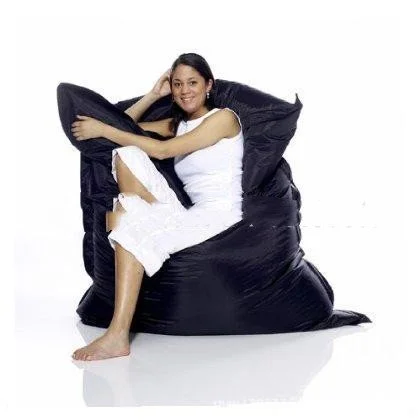
| Outdoor Floating Bean Bag | $70.56 | Waterproof Oxford cloth | 140 × 180 cm, 8 colors | Large, waterproof mat for setting down hot dishes without damaging countertops. |
| Marble Splash‑proof Wallpaper | $60.60 | PVC, waterproof & oil‑proof | 12, 24, 48 pcs | Removable liner for fridge doors or pantry shelves to keep surfaces clean. |
Frequently asked questions
❓ What are the best containers for storing turkey leftovers?
A BPA‑free, airtight plastic container with a silicone seal and a 2‑quart capacity works best; it fits most fridge shelves and keeps moisture out.
❓ How long can cooked Thanksgiving food stay fresh in the fridge?
Most cooked items stay safe for 3‑4 days if stored at 40 °F (4 °C) or lower and sealed properly.
❓ Can I reuse my holiday serving dishes for leftovers?
Yes, as long as the dishes are dishwasher‑safe, have a tight‑fitting lid, and are not made of porous materials that absorb odors.
❓ What’s the easiest way to organize leftovers in a small fridge?
Create zones—top shelf for ready‑to‑eat, middle for sides, bottom drawer for sauces—and use stackable bins to keep containers upright and visible.
❓ Do I need special containers for gravy and cranberry sauce?
A small, leak‑proof container with a pour‑spout or flip‑top lid prevents spills and makes reheating in the microwave easier.
❓ How should I label and stack leftover containers for quick reheating?
Label each lid with date, food name, and reheating time, then stack by heat‑time so the quickest‑reheat items are on top.
❓ Can I freeze leftovers in the same containers I use for the fridge?
Only if the containers are rated for freezer use; otherwise transfer to a freezer‑safe bag to avoid cracking.
❓ Is it okay to store leftovers uncovered for a short time?
No; even a brief uncovered period can let bacteria grow and cause odors, so always seal promptly.
Key takeaways
- Choose airtight, BPA‑free containers sized for each dish.
- Cool food to room temperature before sealing to prevent bacterial growth.
- Use a zone system in the fridge to keep proteins, sides, and sauces separate.
- Label every container with date and reheating instructions.
- Stack by reheating time for fast access.
- Protect shelves with soft liners like the Animal Creative Cushion Cover To avoid scratches.
How we chose these products: We matched each item’s material, size, and price to the specific storage and organization needs outlined above; prices and availability can change.