Hosting Thanksgiving dinner often means transforming your dining room into a space that feels both elegant and comfortably lived-in. You want your guests to feel the warmth of the home the moment they walk in, but you also need the floor to withstand the chaos of moving chairs, carrying heavy platters, and feet that might slip on a polished surface. The right floor coverage is not just about decoration; it is a functional tool that defines the dining zone and adds the tactile comfort that makes a house feel like a home. This guide walks you through how to choose, size, and layer rugs and mats to create a Thanksgiving table setting that is as practical as it is beautiful. You will learn specific sizing rules, material comparisons, and styling techniques that work for both small apartments and larger dining rooms.
- Why Floor Coverage Matters for Thanksgiving Hosting
- The Sizing Guide: How Big Is Big Enough?
- Choosing the Right Materials for Warmth and Durability
- Layering Techniques: Adding Texture and Definition
- Product Comparison: Rugs and Mats for the Dining Zone
- Common Mistakes to Avoid When Styling Your Dining Room
- Care, Styling, and Maintaining Your Setup
Why Floor Coverage Matters for Thanksgiving Hosting
Many people focus entirely on the table itself—centerpieces, linens, and place settings—while ignoring the floor. This is a missed opportunity for comfort. A hard wood or tile floor under a dining table can make the space feel cold and hard, both literally and visually. When guests pull their chairs back to talk, they are standing on that hard surface. If the rug is too small, the back legs of the chairs sit on the bare floor. This creates an unstable base, causing chairs to tip or slide when guests stand up with a full plate of turkey. It also creates a visual break that makes the dining set look disjointed.
Furthermore, rugs act as acoustic dampeners. A dining room with hard surfaces tends to echo. The clatter of silverware, the sound of chairs scraping, and the noise of conversation can become overwhelming in an echoey space. A plush area rug absorbs these sounds, making the room feel quieter and more intimate. For a holiday like Thanksgiving, where the goal is connection and conversation, this acoustic softening is a subtle but powerful benefit. It lowers the overall noise floor of the room, allowing people to hear each other without raising their voices.
Finally, rugs define the hosting zone. In open-plan living spaces, the boundary between the dining area and the living room is often ambiguous. A large rug clearly marks where the dining table belongs. It tells guests, "This is where you eat, sit, and gather." It creates a psychological anchor that helps organize the flow of the room. When you are moving between the kitchen and the dining area, the rug provides a safe, non-slip path. This is especially important on Thanksgiving when feet may be cold or when there is a risk of spills from hot gravy or cranberry sauce. The rug is the foundation of a cozy, safe, and stylish Thanksgiving table setting.
The Sizing Guide: How Big Is Big Enough?
The 24-Inch Rule
The most common mistake in rug sizing is buying a rug that is just barely large enough to fit under the table. This is a trap. The standard rule for a dining room rug is that it must extend at least 24 inches (about 60 cm) beyond the edge of the table on all sides. Why 24 inches? This is the average distance a chair leg travels when a person sits down and then stands up. If the rug is smaller, the back legs of the chairs will be on the hard floor while the front legs are on the rug. When a guest stands up, the chair will pivot unevenly, often causing the back legs to lift or the chair to tip slightly. This is awkward and potentially dangerous, especially if the guest is holding a heavy tray.
To calculate the size you need, measure your table width and length. Add 48 inches (4 feet) to both dimensions. For example, if you have a 60-inch by 36-inch table, you need a rug that is at least 108 inches by 84 inches. In feet, that is a 9-foot by 7-foot rug. If your table is larger, say 72 inches by 42 inches, you would need a rug that is at least 120 inches by 90 inches, or a 10-foot by 7.5-foot rug. Always err on the side of larger. A rug that is slightly too big can be tucked under the table or trimmed if necessary, but a rug that is too small cannot be made bigger.
Small Dining Rooms and Round Tables
If you have a small dining nook or a round table, the 24-inch rule still applies, but the shape of the rug matters. For round tables, a round rug is often the best aesthetic choice because it mirrors the shape of the table. However, round rugs are harder to find in large sizes. If you cannot find a round rug that is large enough, a rectangular rug is a perfectly acceptable alternative. Just ensure that the corners of the rug do not interfere with the movement of the chairs. For very small spaces, such as a breakfast nook, you might consider a smaller rug that only covers the area under the chairs and the table, but be cautious. If the rug is too small, it may look like a doormat rather than an area rug. In these cases, it is often better to skip the rug under the table and use a runner instead, or to use a non-slip pad under a smaller rug to keep it in place.
Measuring for Renters and Tight Spaces
If you are a renter or have a fixed layout that does not allow for a large rug, you have options. You can use a non-slip rug gripper to secure a smaller rug in place. This prevents it from sliding when chairs are moved. You can also consider using a rug pad underneath, which adds cushioning and stability. For those with very limited budget or space, a long runner that runs the length of the table can be a stylish alternative. It does not provide the same level of comfort under the feet as a full area rug, but it adds texture and color to the dining zone. Just be aware that a runner does not protect the floor from chair feet in the same way a full rug does, so you may want to use chair foot protectors to prevent scratching.
Choosing the Right Materials for Warmth and Durability
Faux Fur and Plush Textures
For a cozy Thanksgiving vibe, plush materials are your best friend. Faux fur rugs are popular for their soft, inviting texture. They look luxurious and add a layer of visual warmth to the room. However, they are not the most durable option. Faux fur rugs can trap crumbs, spills, and pet hair. If you have a lot of guests or are serving messy foods like mac and cheese or meatballs, a faux fur rug may require more frequent cleaning. It is also important to consider the pile height. A rug with a very long pile (over 2 inches) can be difficult to walk on and may catch on chair legs. A medium pile (1 to 2 inches) is usually the sweet spot for dining areas. It provides enough softness for comfort but is manageable for cleaning and movement.
Chenille and Jacquard Weaves
Chenille and jacquard rugs offer a different aesthetic. They are often flatter than faux fur rugs and have a more structured, traditional look. Chenille is a soft, fuzzy fabric, often made from cotton or synthetic fibers. It is durable and resistant to wear, making it a good choice for high-traffic dining areas. Jacquard rugs are woven with intricate patterns, often in a vintage or Persian style. These rugs add visual interest and can anchor a more formal dining room. They are generally easier to clean than faux fur rugs because the fibers are shorter and tighter. They do not trap crumbs as easily and can be vacuumed more effectively. If you want a rug that will last for many Thanksgiving seasons, a chenille or jacquard rug is a smart investment.
Synthetic Fibers and Machine Washability
When it comes to practicality, synthetic fibers like polyester and polypropylene are hard to beat. They are durable, stain-resistant, and often machine washable. This is a huge advantage for holiday hosting. If someone spills red wine or gravy on the rug, you can simply spot clean it or, in some cases, wash the entire rug in a large washing machine. Natural fibers like wool are beautiful and durable, but they require professional cleaning and are more expensive. For a Thanksgiving table setting, you want a rug that can handle the mess without causing you stress. A machine-washable rug gives you peace of mind. It allows you to focus on your guests rather than worrying about a permanent stain. Just check the care label before buying to ensure the rug is suitable for machine washing.
Non-Slip and Safety Features
Regardless of the material, the base of the rug is crucial for safety. A rug that slides around is a tripping hazard. Look for rugs with a non-slip backing or use a rug pad underneath. A rug pad adds cushioning, which makes the space under the table more comfortable to stand on. It also extends the life of the rug by reducing friction with the floor. If you are using a small mat or runner, ensure it has a non-slip backing. This is especially important if you are placing it in a high-traffic area like the entrance to the dining room or near the kitchen. A secure rug is a safe rug. Do not compromise on this aspect for the sake of style.
Layering Techniques: Adding Texture and Definition
The Base Layer: The Area Rug
The base layer is your large area rug. This is the foundation of your Thanksgiving table setting. It should be in a neutral or earthy tone that complements your table linens and centerpieces. Think creams, beiges, grays, or muted browns. These colors are versatile and will not clash with your fall color palette. The base rug should be large enough to accommodate the table and chairs, as discussed in the sizing guide. It sets the tone for the room and provides the primary comfort and safety benefits. Choose a material that fits your lifestyle and cleaning preferences. If you want maximum softness, go for faux fur. If you want durability and ease of care, go for chenille or synthetic.
The Accent Layer: Runners and Mats
Once you have your base rug, you can add accent layers to create visual interest. A long runner that runs down the center of the table is a classic choice. It adds a strip of color or pattern that ties the table setting together. You can layer a shorter, textured mat on top of the runner for extra depth. For example, a wool or jute mat over a silk or cotton runner creates a nice contrast in textures. This layering technique is especially effective if your base rug is a solid color. The accents add visual complexity without overwhelming the space. You can also use smaller mats to define specific zones, such as a serving station or a place where guests can wait for a seat. These small mats add a touch of thoughtfulness and organization to your hosting setup.
Defining the Hosting Zone
If your dining room is part of an open-plan space, you can use rugs to define the hosting zone more clearly. Place a large rug under the dining table to anchor the eating area. Then, place a smaller rug or mat in front of the table, where guests might stand while waiting to be seated. This creates a clear path and a designated waiting area. It also adds a layer of comfort for guests who might be standing for a while. You can also use a rug to separate the dining area from the living room. Place a rug under the dining table and another under the sofa or coffee table in the living area. This creates two distinct zones within the same space, helping to organize the flow of the room. The key is to keep the colors and styles cohesive so the space feels unified rather than fragmented.
Adding Texture with Plush Rugs
For a truly cozy feel, consider adding a plush rug in a corner of the dining room or near the serving table. This is not a functional rug for walking, but rather a decorative element that adds softness and warmth. A fluffy round rug can be placed near the window or in a corner where guests might sit and chat. It adds a touch of luxury and invites people to relax. This is a great way to incorporate a softer, more casual element into a formal dining space. It shows that you are thinking about the comfort of your guests and creating a space that is both beautiful and inviting. Just be mindful of the size and placement to ensure it does not interfere with foot traffic.
Product Comparison: Rugs and Mats for the Dining Zone
Selecting the right products for your Thanksgiving table setting depends on your specific needs, budget, and style preferences. Below is a comparison of five different rugs and mats that can serve different roles in your dining room setup. Each product has its own strengths and limitations, so choose the one that best fits your situation.
| Product Name | Type/Material | Key Options/Sizes | Price | Best For |
|---|---|---|---|---|
| Fluffy Round Rug Carpets | Faux Fur, Plush | Round, 100cm-200cm, Various Colors | $12.32 | Adding cozy texture to corners or small nooks |
| New Diatomaceous Earth Non-slip Bathroom Floor Mat | Diatom Mud, Geometric | Rectangular, 40x60cm-60x90cm, Gray/Navy/Green | $4.00 | Small accent mats near serving stations or entryways |
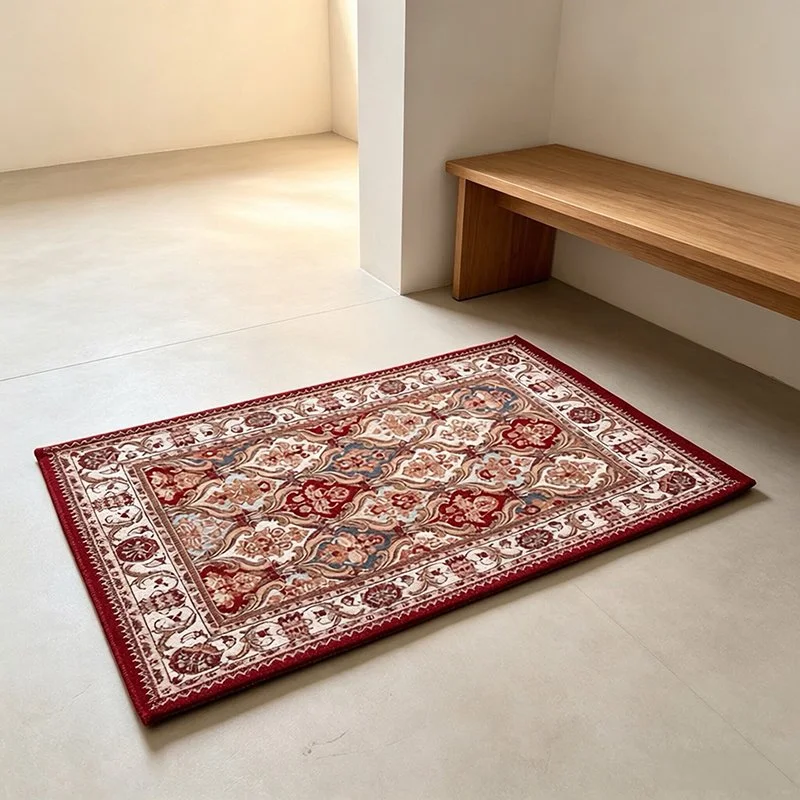
| 1pc Persian Style Vintage Style European Style Chenille Jacquard Small Area Rug | Chenille Jacquard | Rectangular, 50x80cm, Wine Red | $12.88 | Adding vintage pattern and color to a table runner or small zone |
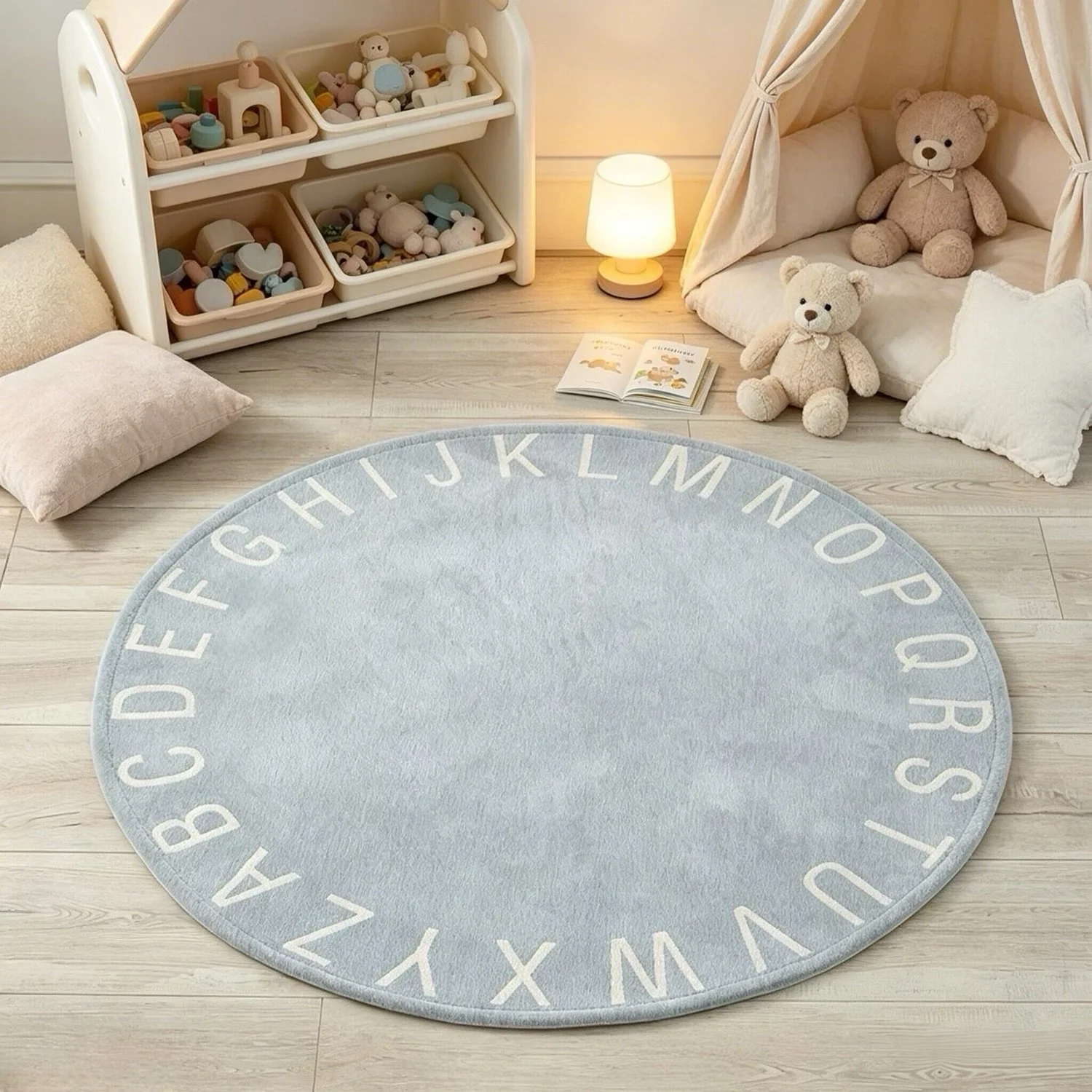
| 1pc Abcdefg Letters Round Carpet | Soft Carpet | Round, 120cm, Light Blue | $43.68 | Family-friendly dining areas or kids' zones |
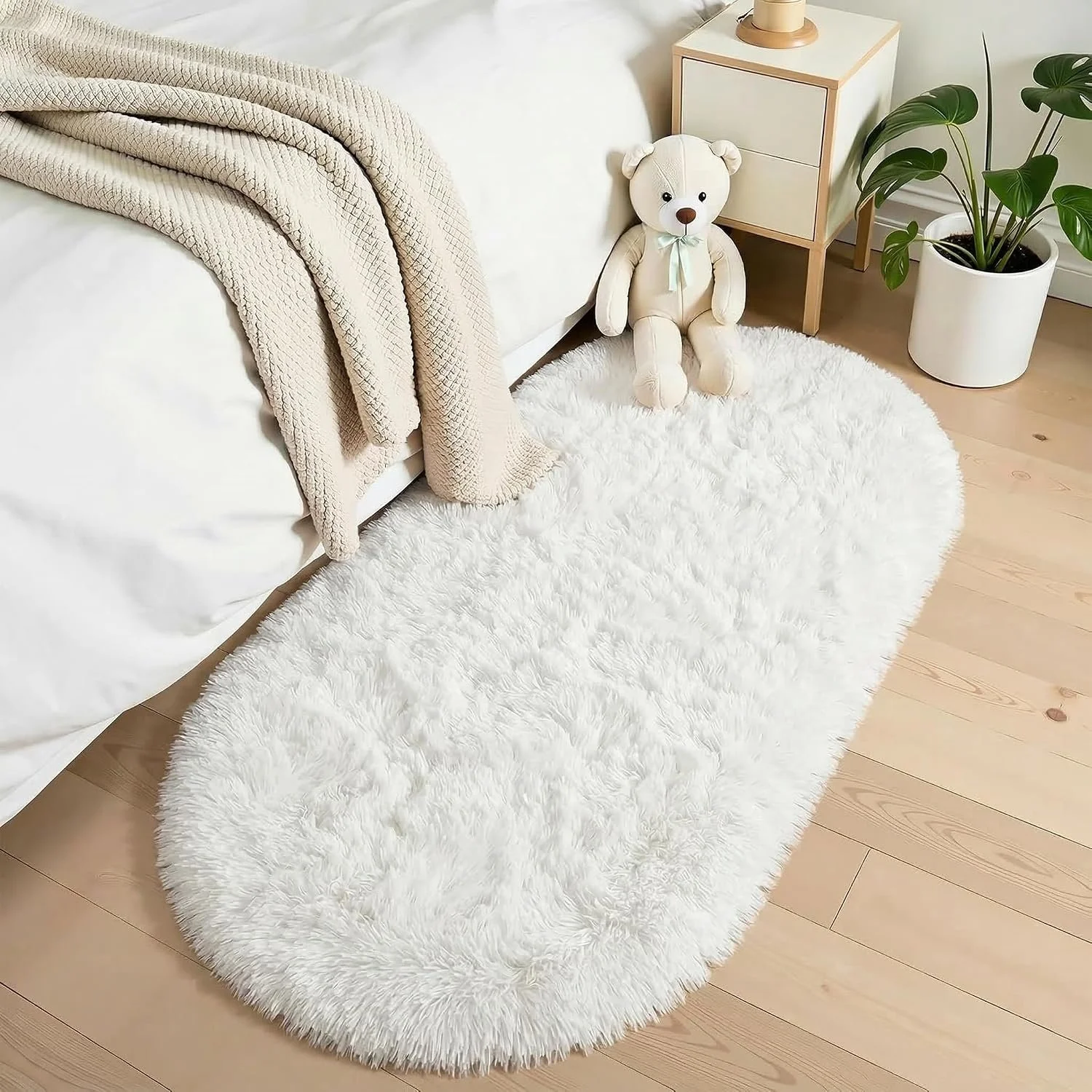
| Ivory Fluffy Oval Rug 2.6x5.3 Ft | Fluffy, Washable | Oval, 2.6x5.3 Ft, White | $223.96 | Small dining nooks or accent areas requiring high-end softness |
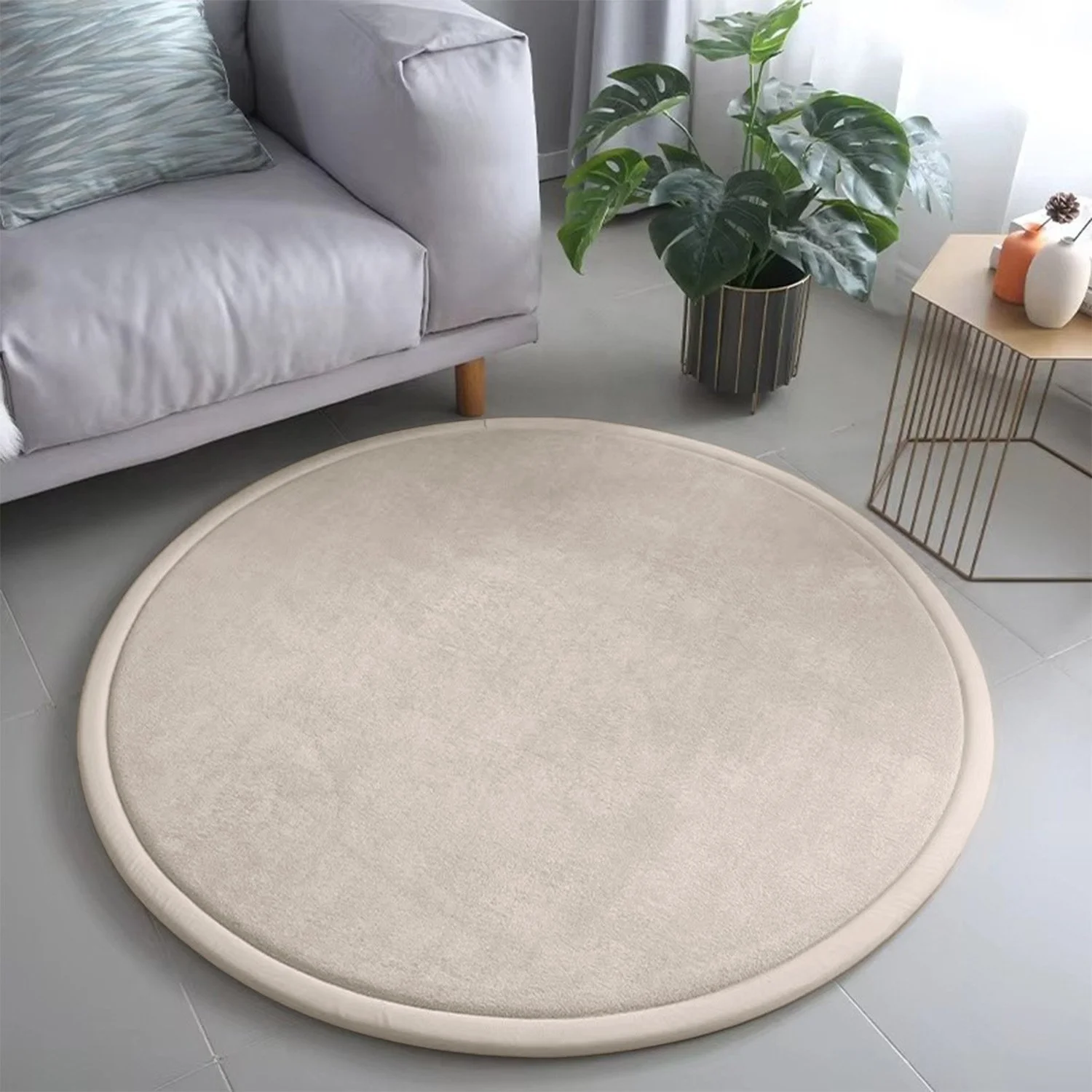
| Round Thickened Sponge Floor Mat | Polyester Fiber, Sponge | Round, 80cm-120cm, Beige, 15-20mm Thick | $22.76 | Defining small circular zones or adding cushion under chairs |
Fluffy Round Rug Carpets for Living Room Decor Faux Fur Carpet Kids Room Long Plush Rugs for Bedroom Shaggy Ar Is a budget-friendly option for adding a touch of luxury to your dining space. It is made of faux fur and comes in a round shape, which makes it versatile for placement in corners or next to the table. The thickness is approximately 1.77 inches, providing a good amount of cushioning. It is available in several sizes, from 100 cm to 200 cm, and in colors like pink, brown, white, red wine, beige, and grey. The red wine and beige options are particularly suitable for a Thanksgiving theme, as they complement fall colors.
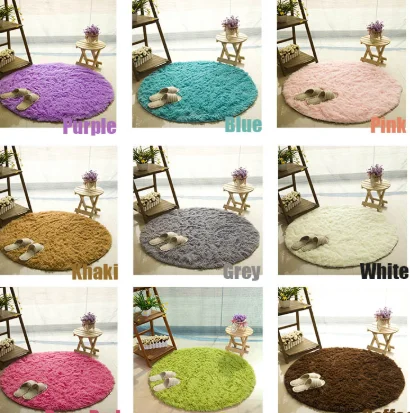
- Pro: Very affordable at $12.32, allowing you to experiment with texture and color.
- Pro: Available in multiple sizes and warm-toned colors that fit a fall aesthetic.
- Con: Faux fur can trap crumbs and pet hair, so it requires regular vacuuming or shaking out.
New Diatomaceous Earth Non-slip Bathroom Floor Mat Is a practical, small mat that can be used in unexpected places. Made from diatom mud, it has a geometric pattern and is machine washable. It comes in sizes ranging from 40x60 cm to 60x90 cm, and in colors like gray, navy blue, and dark green. While it is marketed as a bathroom mat, its non-slip properties and modern minimalist style make it suitable for use as a small accent mat in the dining room. You could place it near the serving table or as a small welcome mat at the entrance to the dining area.