Autumn is the ideal season for hiking. The crowds are thinner, the leaves are turning, and the air is crisp. But that crisp air can turn chilly fast, and sudden afternoon showers are common. Many hikers arrive at the trailhead underdressed, freezing by the time they reach the summit, or getting soaked because they skipped a proper outer layer. The key is not just buying "a jacket," but building a system. You need to understand how fabrics interact, how to size for layers, and which specific features actually matter on the trail versus those that are just marketing fluff. This guide walks you through the exact steps to choose a reliable women's jacket for fall hiking, focusing on practical durability, comfort, and value.
Why Layering Beats One Big Jacket
There is a common misconception that you need one heavy, insulated parka to handle fall weather. In reality, a single bulky jacket is often less effective than a layered system. When you hike, your body generates significant heat. If your outer layer is too thick or non-breathable, you will sweat. That sweat cools rapidly as you stop to look at views or eat a snack, leaving you damp and cold. A layered system allows you to adjust your insulation level dynamically. You can remove a base layer when you are climbing steep sections and add it back when you rest in the shade.
The Three-Layer System
For fall hiking, you generally need three distinct layers. The first is the base layer, which sits against your skin. Its job is to wick moisture away. The second is the mid-layer, which traps heat. The third is the outer shell, which protects you from wind and rain. When selecting a "jacket" for this guide, we are primarily focusing on the outer shell or a versatile mid-layer that can serve as outer protection in mild conditions. Understanding this distinction helps you avoid buying a heavy insulated puffer that you cannot use if the sun comes out, or a thin windbreaker that offers zero warmth when the temperature drops below 40 degrees Fahrenheit.
Consider the variability of fall weather. A morning might start at 55 degrees with sun, but by 2 PM, a front could move in, dropping the temperature to 45 degrees with wind. A single thick jacket forces you to choose between overheating in the morning or freezing in the afternoon. A packable shell lets you stuff it in your pack when it is warm and pull it on when the wind picks up. This flexibility is the core reason experienced hikers carry shells rather than relying solely on heavy coats.

Fabric Types: What Actually Keeps You Warm
Not all fabrics perform the same way in mid-autumn conditions. The right material depends on whether you are expecting rain, wind, or just cool air. Here is a breakdown of the most common fabrics used in women's hiking jackets and how they function.
Softshell Fabrics
Softshells are a favorite for fall because they offer a balance of stretch, breathability, and wind resistance. They are usually made from a blend of polyester and elastane. They feel more like a sweatshirt than a rain jacket, which makes them comfortable for long walks. However, they are not waterproof. They are water-resistant, meaning they can handle light drizzle or a brief shower, but they will soak through in sustained rain. If your fall hikes are mostly in dry, cool conditions, a softshell is an excellent choice. It allows for greater freedom of movement, which is helpful for scrambling over rocks or navigating dense brush.
Hardshell Fabrics
Hardshells are designed for protection. They use membranes like Gore-Tex or proprietary water-resistant coatings to keep rain out while letting sweat vapor escape. These jackets are stiff and make a crinkling sound when you move. They are best for rainy or windy days. In fall, if you are hiking in coastal areas or regions with frequent rain, a hardshell is non-negotiable. The downside is that they are less breathable than softshells. If you are hiking in mild, dry weather, a hardshell can make you feel hot and stuffy. Always check the breathability rating, often measured in grams per square meter per 24 hours (g/m2/24hr). Higher numbers mean better breathability.
Insulated Fleece and Down
While often categorized as mid-layers, some jackets combine insulation with a shell. Fleece jackets are great for cold, dry days. They are lightweight and warm but offer no protection from wind or rain. Down jackets are the warmest for their weight, but they lose their insulating properties when wet. For fall, down is usually overkill unless you are hiking in late autumn at high altitudes. It is better to save down for winter. For standard fall hikes, a synthetic insulated shell (often called a "puffer" with a windproof face) is a safer bet because it retains warmth even if it gets damp.
When looking at product descriptions, pay attention to the specific blend. 100% cotton is generally a poor choice for hiking jackets because it absorbs moisture and dries slowly, leading to rapid heat loss. Look for synthetic blends like polyester or nylon, or natural fibers like merino wool for base layers, but stick to synthetics for the outer shell to ensure durability and quick drying.
How to Choose the Right Size for Layers
Fit is where most people go wrong. If you buy a jacket that fits perfectly when you are wearing a thin t-shirt, it will feel tight and restrictive when you add a fleece or a hoodie underneath. The goal is to buy a jacket that allows for layering without restricting your arm movement or causing the fabric to bunch up uncomfortably.
Checking the Fit for Layers
When trying on a hiking jacket, wear the thickest mid-layer you plan to use. If you only have a light fleece, try it on with a thicker hoodie. The jacket should feel like it is hugging your torso but not squeezing. You should be able to raise your arms above your head without the shoulder seams pulling down. If the sleeves are too short, you will lose warmth at your wrists, which is a common complaint in fall. Look for adjustable cuffs to help seal out wind. If the jacket has a drawstring at the hem, you should be able to cinch it tightly without feeling like you are being strangled. This ensures that cold air does not slip up from the bottom when you are moving quickly.
Also, consider the shoulder width. Many women’s jackets are cut with a narrower shoulder slope for aesthetic reasons. However, for hiking, a slightly boxier cut often allows for better mobility. If you have broader shoulders, do not size down just because the brand suggests it for a "slim fit." Comfort and function should trump fashion on the trail. A jacket that restricts your range of motion will lead to fatigue and discomfort over a long distance.
Measuring for Accuracy
If you are buying online, always check the specific size chart for that brand. Sizing varies wildly between manufacturers. A Medium in one brand might fit like a Large in another. Measure your chest, waist, and hips in inches or centimeters. Compare these numbers to the brand's chart. If you are between sizes, size up. It is easier to cinch a jacket that is slightly too big than it is to stretch one that is too tight. Additionally, check the sleeve length measurement from the shoulder seam to the cuff. This is often overlooked but critical for keeping wind out.
Essential Features for Fall Trails
Beyond fabric and fit, specific design features determine how usable a jacket is on the trail. Some features are critical for safety and comfort, while others are purely cosmetic. Here is what to look for.
Hoods and Collars
A hood is essential for fall hiking. Weather can change quickly, and a hood provides protection for your head and neck, which are major areas of heat loss. Look for a hood that is adjustable with drawstrings on both sides. A single drawstring often pulls the hood unevenly, exposing one side of your face. The hood should also fit over a beanie if you plan to wear one. If the hood is too small, it will press against your forehead and eyes, which is annoying and dangerous if it obstructs your vision. A high collar that zips all the way up to your nose is also beneficial for blocking wind.
Pockets and Storage
You need secure places to store your phone, map, and snacks. Look for at least two hand pockets with zippers, not just flaps. Flap pockets can let wind and rain in, and items can fall out if you stumble. Some jackets have a chest pocket, which is convenient for quick access to a map or a camera. However, be wary of pockets that are too deep or located in awkward positions that rub against your skin when you are wearing a backpack. The zippers should be sturdy and easy to operate with gloves on, just in case. If you are carrying a large pack, check that the jacket does not have bulky seams that will rub against the pack straps.
Ventilation
Underarm zippers, often called "pit zips," are a big upgrade for active hikers. They allow you to release excess heat and moisture without unzipping the entire jacket. This is particularly useful on steep climbs where you are generating a lot of body heat. If a jacket does not have pit zips, look for other ventilation options, such as mesh-lined pockets or a back vent. Without adequate ventilation, you will sweat inside the jacket, which can lead to chafing and a damp, cold feeling when you stop moving.
Weight and Packability
For fall hiking, you want a jacket that is lightweight and packable. You will likely be carrying it in your pack for parts of the hike. A jacket that weighs less than 10 ounces is ideal. It should compress into a small stuff sack that fits easily into a side pocket of your daypack. If the jacket is too bulky, it will take up valuable space in your pack, forcing you to carry less food or water. Packability is a direct reflection of the fabric and construction. Thinner, high-tech fabrics are usually more packable but may be less durable than thicker, heavier materials.
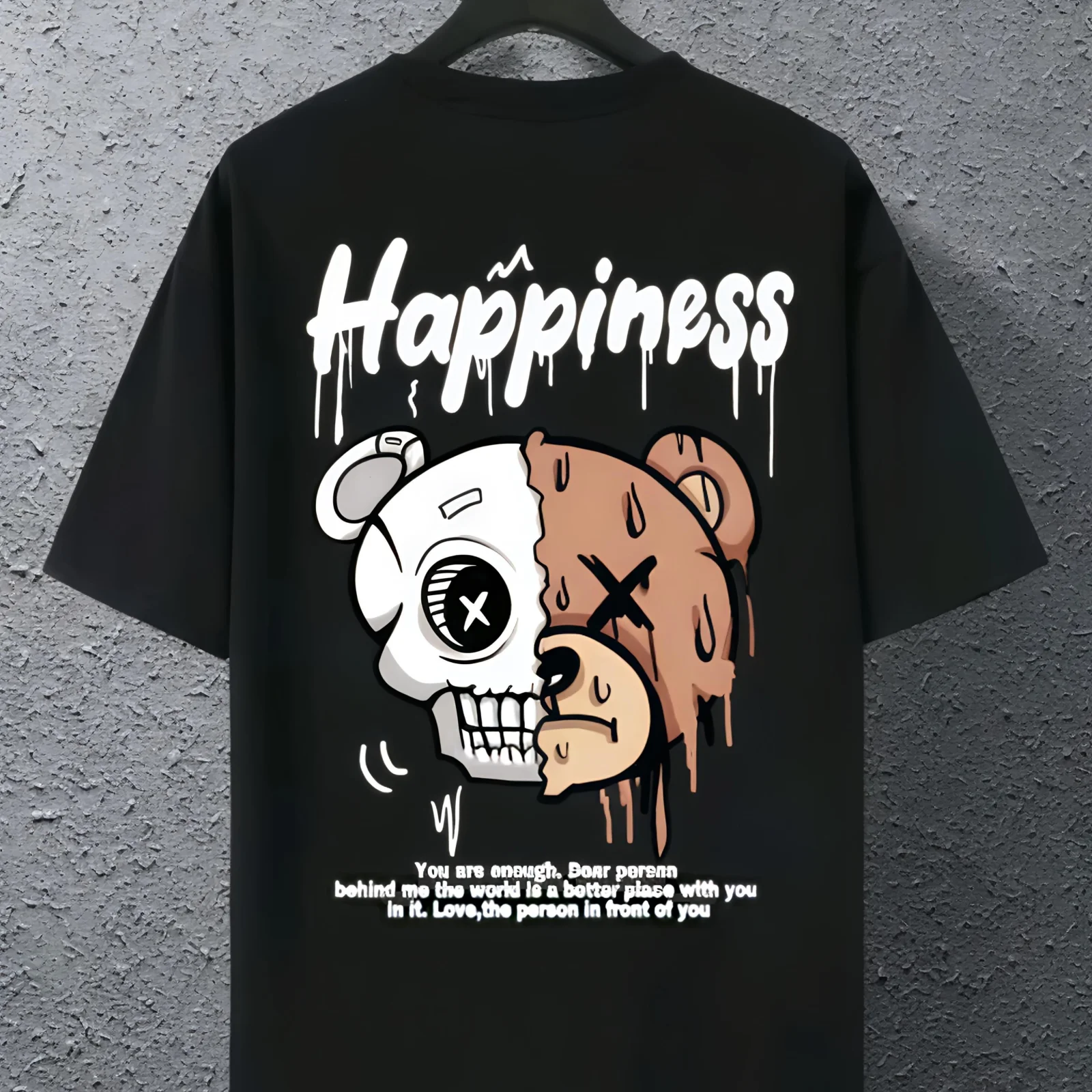
Product Comparison: Lightweight Options
While traditional hardshells are the standard for serious mountaineering, many fall hikers prefer versatile, lightweight tops that can serve as a mid-layer or a light outer shell. The following products are lightweight options that focus on breathability and comfort. They are not waterproof hardshells, but they offer excellent moisture management for dry-to-mild fall conditions. Use this comparison to understand the differences in material, fit, and intended use.
| Product | Price | Material/Type | Options | Best For |
|---|---|---|---|---|
| Printed Linen Long-Sleeve Shirt | $14.76 | Linen, 3D Print | 9 Styles/Sizes | Layering base in mild fall |
| Green Lace Backless Halter Top | $16.64 | Polyester, Lace | 4 Colors/Sizes | Warm, dry days; style focus |
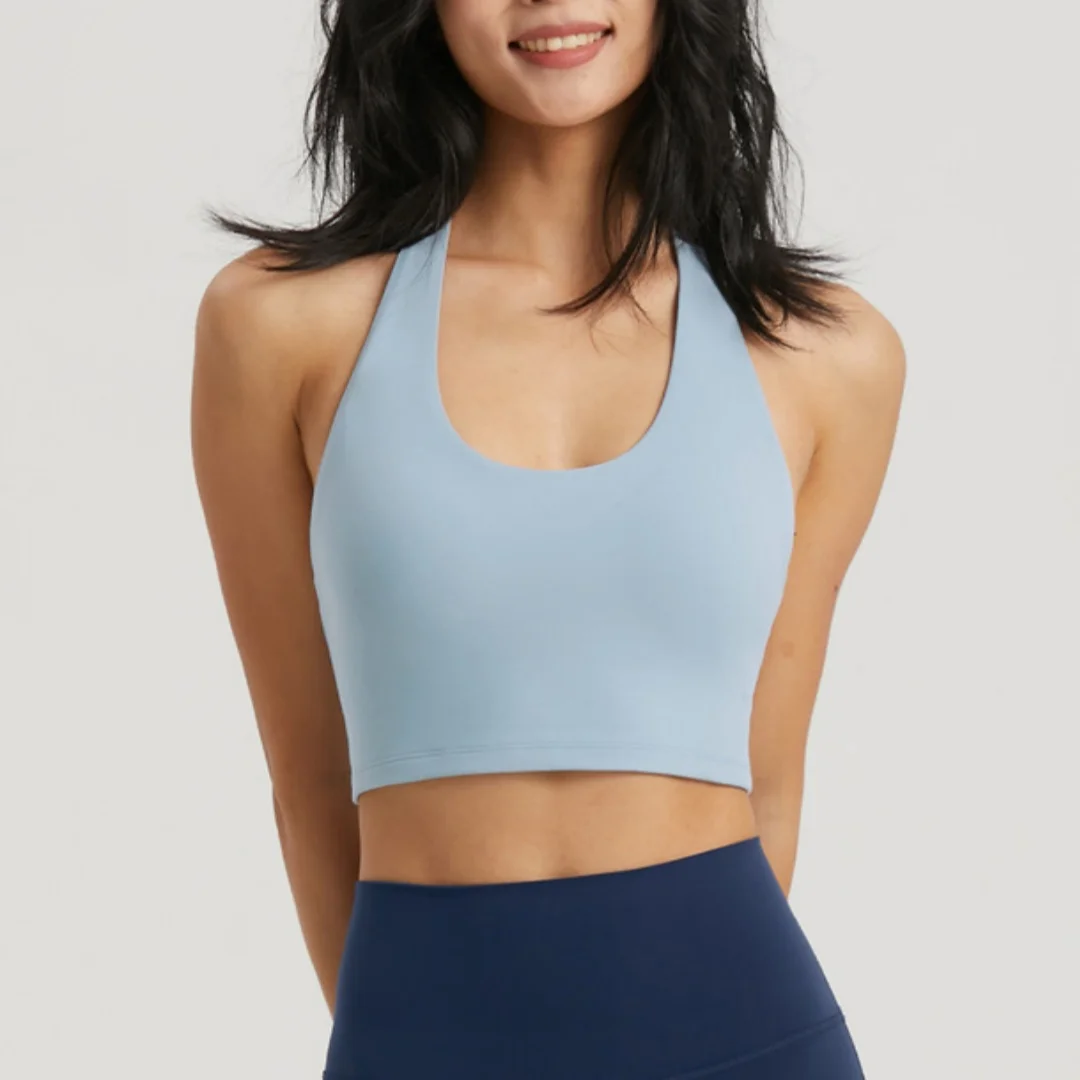
| Halter Yoga Vest | $20.48 | Lightweight, Breathable | 12 Colors/Sizes | High-activity, low-chill days |
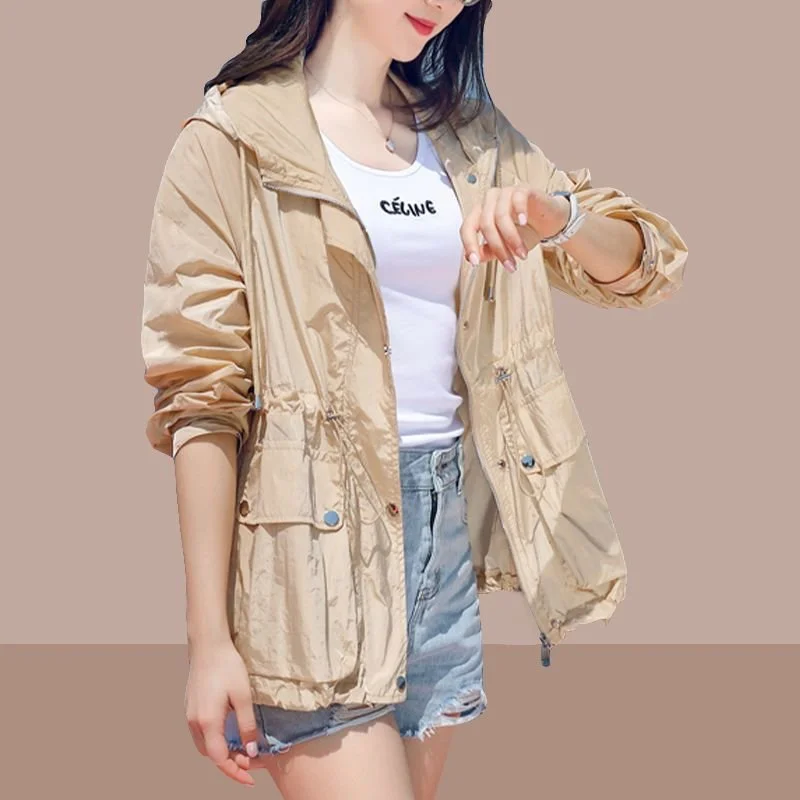
| Women's Lightweight Breathable Sun Protection Hoodie | $38.20 | Ultra-thin, Breathable | 18 Colors/Sizes | Wind protection; urban-to-trail |
| Summer Loose Short-Sleeve T-Shirt | $8.44 | Polyester | 8 Colors/Sizes | Base layer; extreme budget |
| Quick-Dry Retro Summer T-Shirt for Babies | $17.84 | Quick-dry Polyester | 4 Colors/Sizes | Not for adult hiking; baby gear |
It is important to note that these items are primarily lightweight tops and light outerwear, not heavy-duty insulated jackets. They are best suited for hikers who are primarily looking for breathable layers to manage moisture during active movement in mild fall weather. They do not provide significant insulation for cold nights or heavy rain. If your primary need is a heavy winter coat or a fully waterproof rain shell, these specific items may not be sufficient on their own. However, they can form the foundation of a layered system when paired with a proper mid-layer and shell.
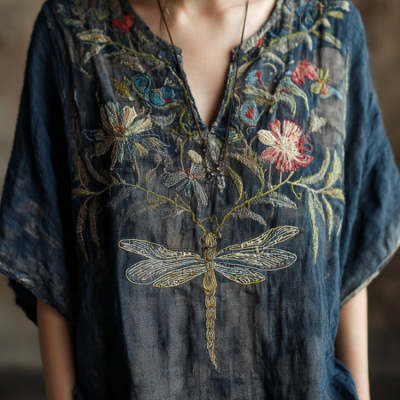
Printed Linen Long-Sleeve Shirt
This top features a stylish 3D printed pattern and is made from airy, breathable linen. It offers a relaxed fit, making it a comfortable option for layering. Linen is a natural fiber that is known for its breathability and ability to wick moisture, though it wrinkles easily. It is not a technical hiking fabric, but its lightness makes it a viable base layer for warmer fall days.
Best for Hikers who want a stylish, breathable base layer for mild autumn mornings or for casual trails where fashion matters as much as function.
- Pros: Highly breathable natural fiber; stylish pattern for post-hike wear.
- Limitation: Linen does not dry as quickly as synthetics and wrinkles significantly, which may not be ideal for rugged, wet environments.
Green Lace Backless Halter Top
This top is made from breathable polyester with a lace design and a backless cut. It has a slim fit and medium stretch, with a short 40 cm length. The polyester fabric wicks moisture effectively, keeping you cool during activity. The backless design allows for maximum air circulation, which is useful for preventing overheating in mild weather.
Best for Hikers in very mild fall climates who prioritize style and ventilation, or those using this as a base layer for a warm afternoon hike.
- Pros: Excellent ventilation due to backless design; lightweight polyester wicks sweat.
-
Limitation: The backless design offers no👍 RecommendedShop the storyAll products from this guide