


Walking to a train station in sub-freezing temperatures is a daily battle for many women in the Midwest and Northeast. You want to look put-together when you arrive at work, but you also need to survive the walk without feeling like you are wearing a sleeping bag. The key is not just adding more clothing, but adding the right types of clothing in the correct order. This guide walks you through a practical layering strategy. We will look at specific materials, sizing considerations, and how to mix casual and professional pieces to create a functional outfit that works for your daily routine.
Understanding the Science of Layering
Layering is not just about stacking clothes; it is about managing moisture and trapping air. When you walk in cold weather, your body generates heat and sweat. If that sweat stays on your skin, it cools you down rapidly once you stop moving or enter a wind tunnel. The goal of a winter commute outfit is to move moisture away from your body, trap warm air, and block wind and precipitation.
The Three-Zone System
Most effective winter outfits follow a three-zone system. Each zone has a specific job. If one zone fails, the whole system suffers. Understanding these roles helps you choose pieces that work together rather than against each other.
Zone 1: The Base Layer. This is the layer closest to your skin. Its primary job is moisture management. It should fit snugly to avoid creating air pockets that trap cold air, but not so tight that it restricts blood flow. For commuting, where you are walking and then standing, a synthetic or merino wool base layer is ideal. Cotton is generally poor for this role because it absorbs moisture and holds it against your skin, leading to a chilling effect.
Zone 2: The Mid-Layer. This is your insulation layer. It traps the warm air generated by your body. This is where your women's sweaters come in. The material here determines how much warmth you retain. Wool is a top choice because it insulates even when damp. Fleece is another option, but it can be less durable and more prone to pilling. The fit of the mid-layer is critical for aesthetics. It should be slim enough to fit under a coat without creating bulk, but loose enough to allow the base layer to breathe.
Zone 3: The Outer Shell. This layer protects you from the elements. It blocks wind, rain, and snow. It does not necessarily generate heat; it protects the heat generated by the inner layers. For a commute, you need a coat that is long enough to cover your mid-thigh or knees, depending on how far you walk. The fit should be relaxed enough to accommodate the layers underneath without pulling at the shoulders or arms.
Why Fit Matters More Than Thickness
Many people make the mistake of buying an oversized sweater for warmth. In reality, excessive bulk in the mid-layer prevents the outer coat from sitting correctly. A tight, well-fitted base layer and a moderately fitted mid-layer create a streamlined look. This allows your outer coat to close properly, sealing in heat. If your layers are too bulky, you are forced to leave your coat open, which lets cold air in and warm air out. The result is that you are colder than you would be with slimmer layers. Prioritize fit over volume when selecting your commute wardrobe.

Choosing the Right Base Layer
The base layer is the foundation of your winter commute outfit. It is the layer you will feel most, so comfort is key. You do not need a high-tech athletic base layer if you are just walking to a nearby station, but you do need something that wicks moisture and fits well. This is where specific product choices can make a big difference in your daily comfort.
Material Considerations
For a daily commuter, polyester is a practical and affordable choice. It is durable, easy to wash, and dries quickly. Merino wool is a premium option that offers natural temperature regulation and odor resistance, but it requires more careful care. If you are sensitive to friction, look for base layers with flatlock seams. These seams lie flat against the skin and reduce irritation during long walks.
We recommend looking for a base layer that is labeled as "figure-hugging" or "slim fit." These terms indicate that the garment is designed to sit close to the body without being compressive. This is important for layering, as a loose base layer will create bunching under your sweater.
Women's Long-sleeve Base Layer, Figure-hugging Knit Top Is a practical option for this role. It is made from polyester, which is a reliable material for wicking moisture. The figure-hugging fit ensures it stays put under your other layers, providing a smooth foundation for your mid-layer sweater.

- Pro: Polyester material is durable, quick-drying, and easy to machine wash, making it low-maintenance for daily use.
- Pro: The figure-hugging design prevents bunching under mid-layers, ensuring a streamlined silhouette.
- Con: Asian sizing runs 1–2 sizes smaller than US/EU standards; you must size up if you are between sizes to ensure a proper fit.
Sizing and Fit Check
When buying base layers, especially from international brands, pay close attention to sizing. The product above notes that Asian sizing runs smaller. If you are a US size Medium, you might need a Large or XL in this brand to get the "figure-hugging" fit without it feeling like a second skin. Always check the specific measurements in the product description. A base layer that is too tight will restrict movement and circulation, while one that is too loose will negate the benefits of the layering system.

Selecting the Ideal Mid-Layer Sweater
The mid-layer is where you express your personal style while maintaining warmth. This is the layer that defines your look. You want a sweater that is warm enough to keep you comfortable during the walk but stylish enough to wear to the office. The material and texture of the sweater play a huge role in both function and appearance.
Wool vs. Blends
Wool is the gold standard for mid-layers in cold weather. It is naturally insulating, moisture-wicking, and odor-resistant. However, pure wool can be expensive and requires hand washing or dry cleaning. Wool blends, which mix wool with acrylic, nylon, or polyester, offer a good balance of warmth, durability, and ease of care. For a commuter, a wool blend is often the most practical choice. It provides the warmth of wool without the high maintenance cost.
When selecting a sweater, look for a knit that is dense but not thick. A fine-gauge knit will look more polished and fit better under a coat than a chunky cable knit. Cable knits are great for standing around, but they add bulk that can make your coat look ill-fitting. If you prefer the look of a cable knit, choose a fitted cut to minimize the bulk.
Color and Style for Versatility
For a winter commute, neutral colors are your best friend. Black, navy, grey, and camel are versatile colors that can be mixed and matched with various outer coats and accessories. A solid-colored sweater is easier to style than a patterned one, especially if you are aiming for a professional look. However, if you work in a creative field, a subtle pattern or a unique texture can add interest to your outfit without breaking the professional code.
We recommend investing in a few staple sweaters in neutral colors. This allows you to mix and match with different base layers and outer coats. For example, a black turtleneck can be worn under a camel coat for a classic look, or under a black puffer jacket for a more casual vibe.
New Stylish Elegant And Minimalist Everyday Casual Womens Shirt Offers a minimalist aesthetic that works well as a mid-layer or a standalone piece in milder winter days. Its elegant design allows it to transition from commute to office easily. While the specific material is not detailed in the available facts, its classification as an everyday casual shirt suggests a fabric suitable for daily wear.

- Pro: The minimalist design is versatile and easy to pair with various outerwear and accessories.
- Pro: Elegant styling makes it suitable for both casual and professional settings.
- Con: Detailed material specifications are not provided, so you should check the product listing for fabric composition to ensure it provides adequate warmth for your specific climate.
Neckline and Collar Considerations
The neckline of your mid-layer sweater affects both warmth and style. Turtlenecks and mock necks provide extra coverage for the neck, which is a critical area for heat retention. They also look polished under coats. Crew necks are more casual and can be paired with a scarf for additional warmth. V-necks are less common for winter commuting because they expose the neck, but they can be layered with a high-neck base layer to maintain warmth.
If you are sensitive to cold air, a turtleneck is the best choice. It creates a barrier against the wind and keeps your neck warm. When choosing a turtleneck, look for one that is not too tight around the neck. It should sit comfortably without constricting your breathing or causing discomfort.

Outerwear and Essential Accessories
Your outerwear is the first line of defense against the elements. It needs to be wind-resistant and, ideally, water-resistant. The length of your coat depends on your commute. If you are walking less than ten minutes, a hip-length coat may be sufficient. If you are walking longer distances or waiting for a train, a mid-thigh or knee-length coat will provide better coverage and warmth.
Coat Fit and Functionality
When trying on a coat, wear the layers you plan to wear underneath. This ensures that the coat closes properly and allows for easy movement. You should be able to raise your arms and turn around without the coat pulling. Look for coats with functional pockets that are deep enough to hold your hands and keep them warm. Some coats have zippered pockets, which are useful for securing your phone or keys while you walk.
Material matters for the outer layer. Wool coats are stylish and provide some insulation, but they are not as wind-resistant as technical fabrics. A wool coat is a good choice if you prefer a classic look and live in a dry, cold climate. If you live in a wet, windy climate, a coat with a water-resistant outer shell is a better option. You can layer a wool sweater under a technical coat for a mix of style and function.
The Importance of Headwear
Your head is one of the largest areas of heat loss on your body. Wearing a hat is non-negotiable for a winter commute. The type of hat you choose depends on your style and the specific needs of your commute. Beanie hats are casual and easy to wear, but they may not provide enough coverage for very cold days. A wider-brimmed hat or a hat with a band can provide more coverage and a more polished look.
Warm Wool Fisherman Hat Is a stylish option for cold weather. Made from wool, it provides warmth and has a big brim and bow detail that adds a touch of elegance. This hat is suitable for women who want to maintain a stylish appearance while staying warm during their commute.
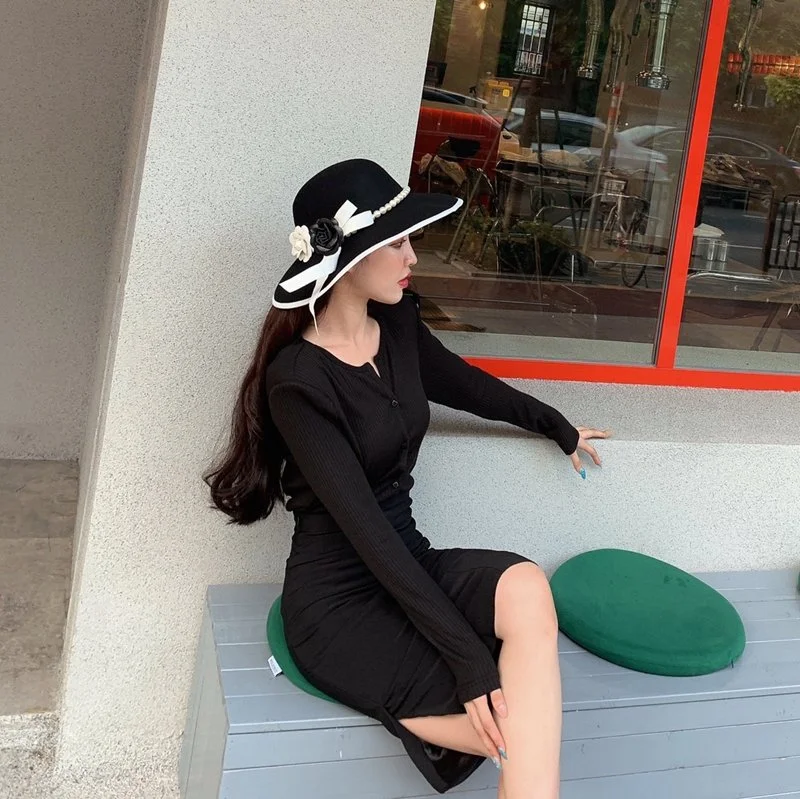
- Pro: Wool material provides excellent insulation for cold weather conditions.
- Pro: The elegant black design with a bow detail adds a fashionable touch to any winter outfit.
- Con: The big brim may interfere with hair styling or fit under certain coats; check the size options (S or M) to ensure a comfortable fit.
Other Essential Accessories
Beyond hats, there are a few other accessories that can enhance your winter commute. Gloves or mittens are essential for keeping your hands warm. Mittens are warmer than gloves because they allow your fingers to share heat, but gloves are more dexterous. If you need to use your phone or keys frequently, gloves may be the better choice. Look for gloves with a touchscreen-compatible index finger to avoid having to remove them to use your device.
Scarves can add an extra layer of warmth around your neck and face. A long, thin scarf can be wrapped multiple times for added insulation. A thicker scarf can be worn once for a bold look. Scarves are also a great way to add color or pattern to a neutral winter outfit. They are easy to pack in a bag if you are not sure how cold it will be when you leave home.
Product Comparison and Recommendations
To help you make an informed decision, here is a comparison of the products discussed in this guide. Each product serves a specific role in the layering system. Understanding their strengths and limitations will help you build a wardrobe that works for your needs.
| Product | Price | Type/Material | Options | Best For |
|---|---|---|---|---|
| Women's Long-sleeve Base Layer | $15.44 | Polyester | 4 (Khaki Light S-XL) | Durable, easy-care base layer for daily commuting |
| New Stylish Elegant Shirt | $28.52 | Not specified | Not specified | Minimalist mid-layer or standalone top for transitional weather |
| Warm Wool Fisherman Hat | $81.92 | Wool | 2 (Black S, Black M) | Stylish, warm headwear for cold weather |
| English Letter T-Shirts | $8.44 | Not specified | Not specified | Casual, whimsical layer for travel or everyday wear |
| Womens Creative Casual Loose Plaid Shirt | $12.76 | Not specified | Not specified | Casual, loose-fitting shirt for layering or standalone wear |
| Summer Satin Flat Top Hat | $11.96 | Satin/Straw | 9 (Various colors) | Summer sun protection and style; not for winter |
As you can see, the products vary in price and purpose. The base layer and the plaid shirt are affordable options that can be mixed and matched. The wool hat is a higher-end investment that provides both warmth and style. The summer hat is included for completeness but is not suitable for winter commuting. It is important to choose products that fit your specific needs and climate.
Building Your Wardrobe
Start with the essentials. A few base layers, two or three mid-layer sweaters, and a good hat are the core of a winter commute wardrobe. You can add more pieces as you identify gaps in your outfit. For example, if you find that your hands are always cold, invest in a pair of high-quality mittens. If you find that your coat is too warm, you might need a lighter mid-layer.
Consider your budget when building your wardrobe. You do not need to buy everything at once. Start with the most essential pieces and add more as you go. Look for sales and discounts to save money. Many retailers offer discounts on winter clothing in the early spring, which can be a good time to buy next year's wardrobe.
Common Mistakes to Avoid
Even with the best products, you can still end up cold or uncomfortable if you make common layering mistakes. Here are some of the most frequent errors and how to avoid them.
Wearing Cotton as a Base Layer
Cotton is a natural fiber that absorbs moisture. When you sweat, cotton holds that moisture against your skin. As the moisture evaporates, it cools your skin. This is why cotton is often called "cotton kills" in outdoor contexts. For a winter commute, where you are walking and then standing, cotton can leave you feeling chilled. Always choose synthetic or wool base layers for cold weather activities.
Ignoring Sizing Differences
Many online retailers use different sizing standards. A US Medium may not be the same as an Asian Medium. This


