Many women in sizes 14 and up feel that layering is a zero-sum game: add warmth and lose style, or look stylish and feel cold. The reality is that bulk comes from poor fit and fabric mismatches, not from the act of layering itself. When you understand how different silhouettes interact, you can create outfits that are warm, comfortable, and visually streamlined. This guide breaks down the specific mechanics of layering for fuller figures, focusing on how to choose the right base layers, how to fit your mid-layers, and which fabrics actually work together. You will learn how to read size charts for accuracy, how to balance proportions, and how to use specific pieces to create a polished look that works for daily wear or casual outings.
Understanding Why Layers Look Bulky
Bulk is not inherent to plus size bodies; it is a result of how fabric volume accumulates. When you stack multiple layers, each one adds a certain amount of "air" and material thickness. If every layer is loose and thick, the total volume multiplies, creating a silhouette that feels heavy and unshapely. The goal of effective layering is to create contrast in fit and texture. If your bottom layer is fitted, your middle layer can be relaxed. If your middle layer is structured, your outer layer can be softer. This contrast allows the eye to follow the lines of your body rather than getting lost in a cloud of fabric.
The Rule of Contrasting Fits
The most reliable way to avoid a bulky look is to alternate between fitted and loose fits. A common mistake is wearing a loose, baggy t-shirt under a loose, baggy sweater. This creates a boxy shape from the shoulders to the hips. Instead, try a slimmer-fitting top under a relaxed pullover. The slimmer top defines your torso, while the relaxed pullover provides warmth and comfort without adding excessive width. Conversely, if you prefer to wear a loose base layer, ensure your outer layer is more structured or cropped to define the waist.
The Impact of Fabric Thickness
Fabric weight matters as much as fit. Heavy knits like chunky cable knits or thick fleece add significant volume. Lighter fabrics like merino wool, thin cotton, or smooth polyester add warmth with less bulk. When layering in fall, you often need only one medium-weight layer and one light base layer. If you are in a very cold environment, you might need two medium layers, but you should ensure at least one is smooth and thin. Avoid stacking two thick, textured fabrics, such as a chunky sweater over a heavy flannel shirt. This combination adds inches to your frame and can make you feel restricted in movement.
Vertical Lines and Silhouette
Layering creates horizontal lines where the hem of one garment meets the next. These lines can cut your body into segments, making you look shorter and wider. To counteract this, choose layers that create vertical flow. A longline turtleneck under a sweater creates a single continuous line from neck to waist. A v-neck sweater over a collared shirt draws the eye down the center of the chest. Avoid hemlines that sit exactly at the widest part of your body, such as the mid-thigh or the hips, as these emphasize width. Instead, aim for hemlines that end at the narrowest part of your waist or just below the hip for a smoother transition.
Choosing the Right Base Layers
Your base layer is the foundation of your outfit. It determines how the rest of the layers sit on your body. For plus size women, the base layer should be smooth, flat, and not too tight. A base layer that is too tight will dig into your skin and create visible lines under your outer layers. A base layer that is too loose will bunch up and create extra volume. The ideal base layer fits close to the body but allows for easy movement. It should be made of a fabric that wicks moisture or at least does not trap heat excessively, depending on your activity level.
Fit Guidelines for Base Layers
When selecting a base layer, check the size chart carefully. Many plus size brands use different sizing standards. A size 14 in one brand may be similar to a size 16 in another. Look for specific measurements in the size chart, such as bust, waist, and hip. Compare these to your own measurements. If you are between sizes, consider your body shape. If you have a larger bust, you may need to size up to avoid pulling across the chest. If you have a smaller waist, you may want to size down to avoid excess fabric at the midsection. Always check the sleeve length. Short sleeves on a base layer can be uncomfortable when you raise your arms, especially under a sweater. Long sleeves are generally more versatile for layering.
Fabric Choices for Comfort
Cotton is a popular choice for base layers because it is breathable and soft. However, cotton can retain moisture, which may make you feel cold if you sweat. Polyester is a synthetic option that is often used in performance wear. It is durable, quick-drying, and resistant to wrinkles. Many of our recommended tops are made of polyester, which makes them easy to care for and long-lasting. Blends of cotton and polyester offer a balance of comfort and durability. For sensitive skin, look for fabrics that are labeled as "soft" or "brushed." Avoid rough textures like heavy denim or coarse wool directly against the skin, as these can cause irritation and itching.
Neckline Considerations
The neckline of your base layer affects how it looks under a sweater. Crew necks are the most versatile and work with almost any outer layer. V-necks are great for adding a vertical line and can be worn with or without a necklace. Scoop necks are deeper and may show more skin, which is a matter of personal preference. If you are wearing a high-neck sweater, a crew neck base layer is ideal. If you are wearing a v-neck sweater, a v-neck or scoop neck base layer can create a cohesive look. Avoid high necklines under high necklines, as this can create a puffy look around the chin and neck area. A flat, smooth neckline helps to keep the look clean and streamlined.
Mid-Layer Fits and Fabrics
The mid-layer is the primary source of warmth and style in your outfit. This is where you can play with fit, color, and texture. For plus size women, the mid-layer should fit well across the shoulders and chest. If the shoulders are too tight, the sweater will pull across the chest and create diagonal lines. If the shoulders are too loose, the sweater will slide down your back and create excess fabric. The ideal fit is one where the shoulder seam sits exactly at the edge of your shoulder. The body of the sweater should skim your body rather than cling to it. A relaxed fit is often more flattering than a skinny fit for mid-layers, as it provides room for a base layer underneath.
Shoulder Fit and Structure
Structure in the shoulder area helps to define your silhouette. Look for sweaters with sets-in sleeves, which are sewn in at the shoulder seam. This creates a clean line from the neck to the arm. Raglan sleeves, where the sleeve is one piece with the body, can be more comfortable but may add volume around the arms. Drop-shoulder styles, where the seam sits lower on the arm, are very trendy but can make your arms look shorter and your torso look wider. If you choose a drop-shoulder style, ensure the fit is not too loose. A fitted drop-shoulder sweater can look chic, but a baggy one can look sloppy. Pay attention to the length of the sweater. A sweater that ends at the hip is generally the most flattering for most body types. A sweater that ends at the mid-thigh can shorten your legs, while one that ends at the waist can create a horizontal line.
Texture and Visual Weight
Texture adds visual interest but also adds visual weight. Chunky knits, cables, and ribbing all add texture. If you are wearing a textured mid-layer, keep the rest of your outfit simple. Pair a chunky knit with smooth leggings or jeans. If you are wearing a smooth, flat-knit sweater, you can add texture with your accessories or your base layer. Consider the color of your mid-layer. Darker colors are generally more slimming, but this is not a hard rule. Bright colors can be very flattering if they suit your skin tone. The key is to ensure that the color does not clash with your other layers. Neutral colors like black, gray, navy, and cream are the easiest to layer because they go with everything. If you are wearing a patterned mid-layer, keep your base layer solid to avoid a busy look.
Length and Proportions
The length of your mid-layer affects your overall proportions. A sweater that is too short can ride up when you sit or bend, exposing your waist or back. A sweater that is too long can swallow your frame and make you look shorter. Aim for a length that ends at the hip or just below. If you have a longer torso, you may prefer a longer length to balance your proportions. If you have a shorter torso, a cropped or hip-length sweater can help to create the illusion of longer legs. Tucking in your base layer can help to define your waist and prevent the hem of the sweater from bunching up. However, only tuck in your base layer if it is made of a thin, smooth fabric. Thick or bulky fabrics will create a visible bump at the waist when tucked in.
Product Comparison and Recommendations
Selecting the right pieces is crucial for a successful layering strategy. Our collection offers a range of options that cater to different styles and needs. Below are specific recommendations based on their fit, fabric, and versatility. Each product has been chosen for its ability to function well as part of a layered outfit. Note that sizing can vary, so always check the specific size chart for each item before purchasing.
Base Layer Options
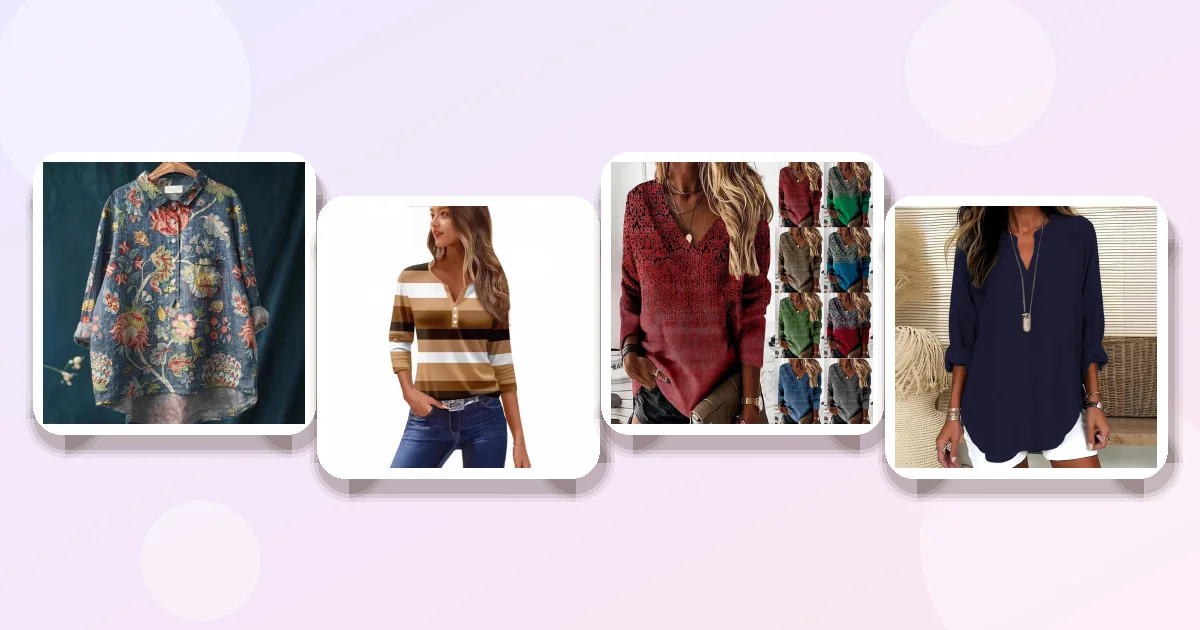
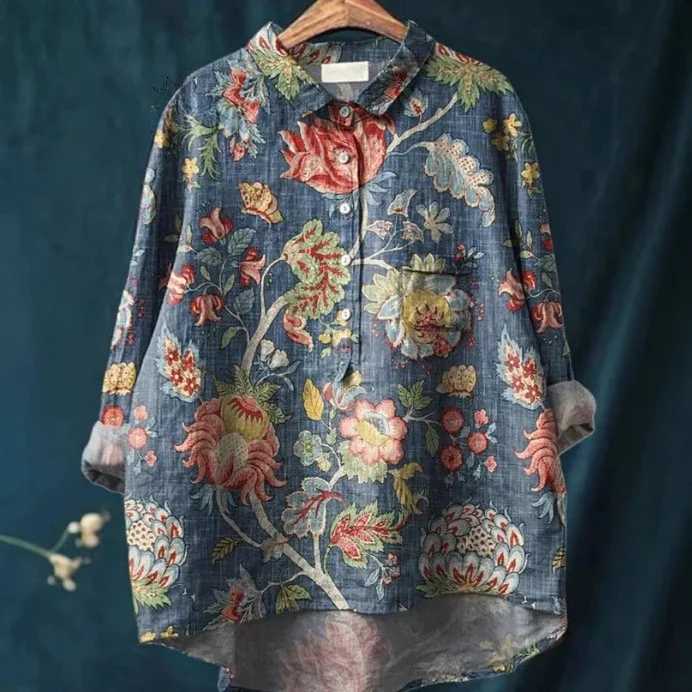
Loose Print Crew Neck Casual Plus Size Women's T-shirt Is a versatile option for everyday wear. It features a loose fit and a crew neck, making it suitable for layering under both fitted and loose outer layers. The casual style makes it ideal for weekend outings or relaxed work environments. Best for Women who want a comfortable, easy-to-wear base layer for casual settings.
- Loose fit allows for easy movement and layering.
- Crew neck is versatile and works with most outer layers.
- Check the size chart to ensure the loose fit is not too baggy for your preference.
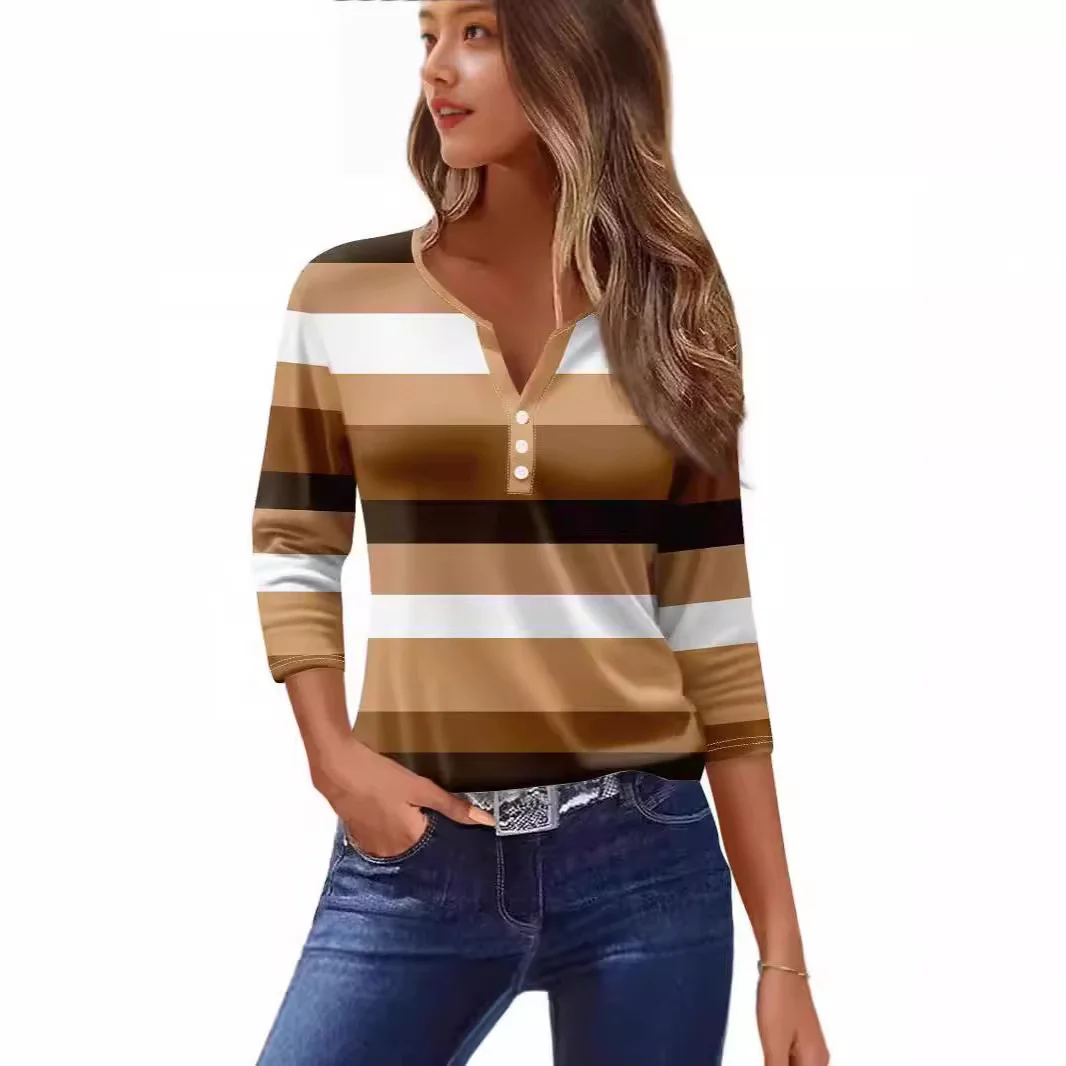
Women's T-shirt V-neck Half-open Tube Three-button Printed 34 Sleeves Top Offers a unique design with a V-neck and three-button detail. The polyester fabric is durable and easy to care for. The 3/4 sleeve length makes it a great option for transitional weather, where you want coverage without the bulk of long sleeves. Best for Women who want a stylish base layer with a distinctive detail for a polished look.
- V-neck creates a vertical line that is flattering for many body types.
- Polyester fabric is wrinkle-resistant and long-lasting.
- 3/4 sleeves may not provide enough coverage in very cold weather without arm warmers.
Mid-Layer and Top Options
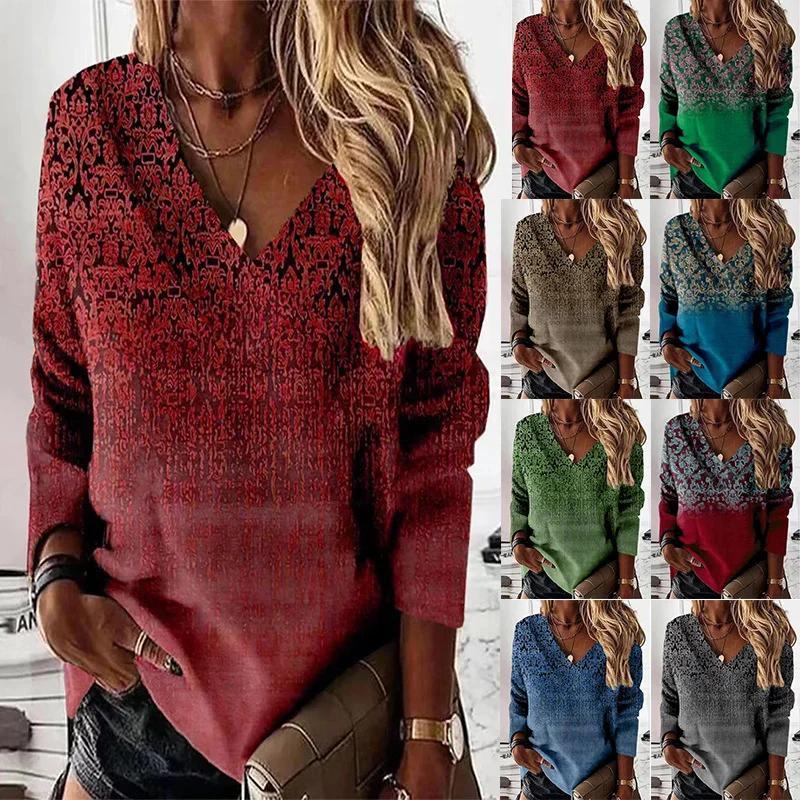
Retro Printed V-neck Long-sleeved T-shirt For Women Is a lightweight option that can be worn as a base layer or a light mid-layer. The mid-length of 65cm makes it long enough to stay tucked in or worn untucked without riding up. The regular fit provides a balanced silhouette that is neither too tight nor too loose. Best for Women who want a lightweight layer for mild fall days or as a base under a sweater.
- Mid-length hemline helps to maintain a clean silhouette.
- Regular fit is comfortable and allows for layering underneath.
- Lightweight fabric may not be sufficient for very cold temperatures on its own.
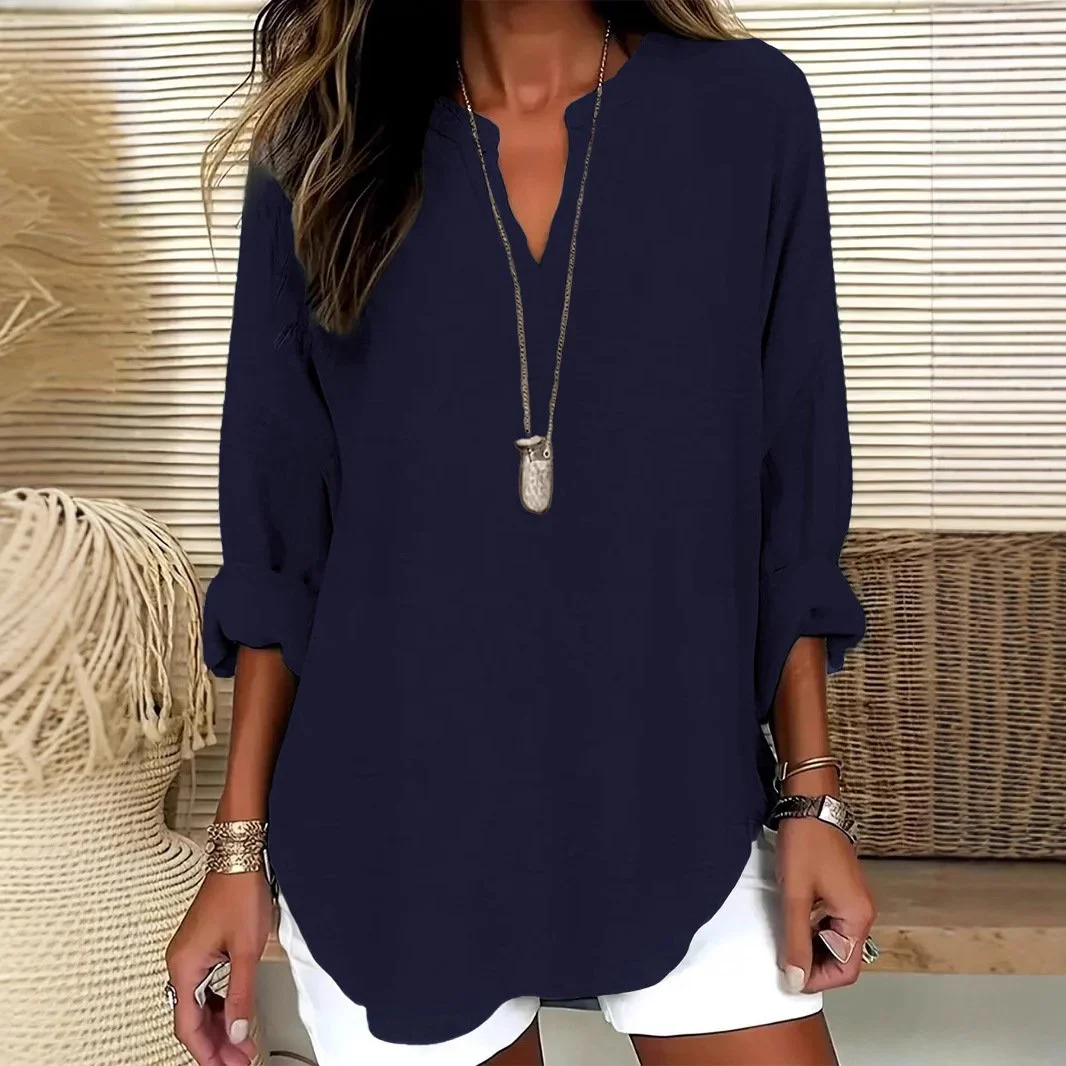
Women's V-Neck Drop-Shoulder Long-Sleeve T-Shirt Features a loose fit and drop-shoulder design. This style is trendy and comfortable, making it a good option for casual layering. The V-neck adds a vertical element to the design. Best for Women who prefer a relaxed, casual style and want a comfortable layer for everyday wear.
- Drop-shoulder design offers a modern, relaxed look.
- Loose fit provides comfort and ease of movement.
- Drop-shoulder style can add volume to the upper body, so consider your shoulder width when choosing.
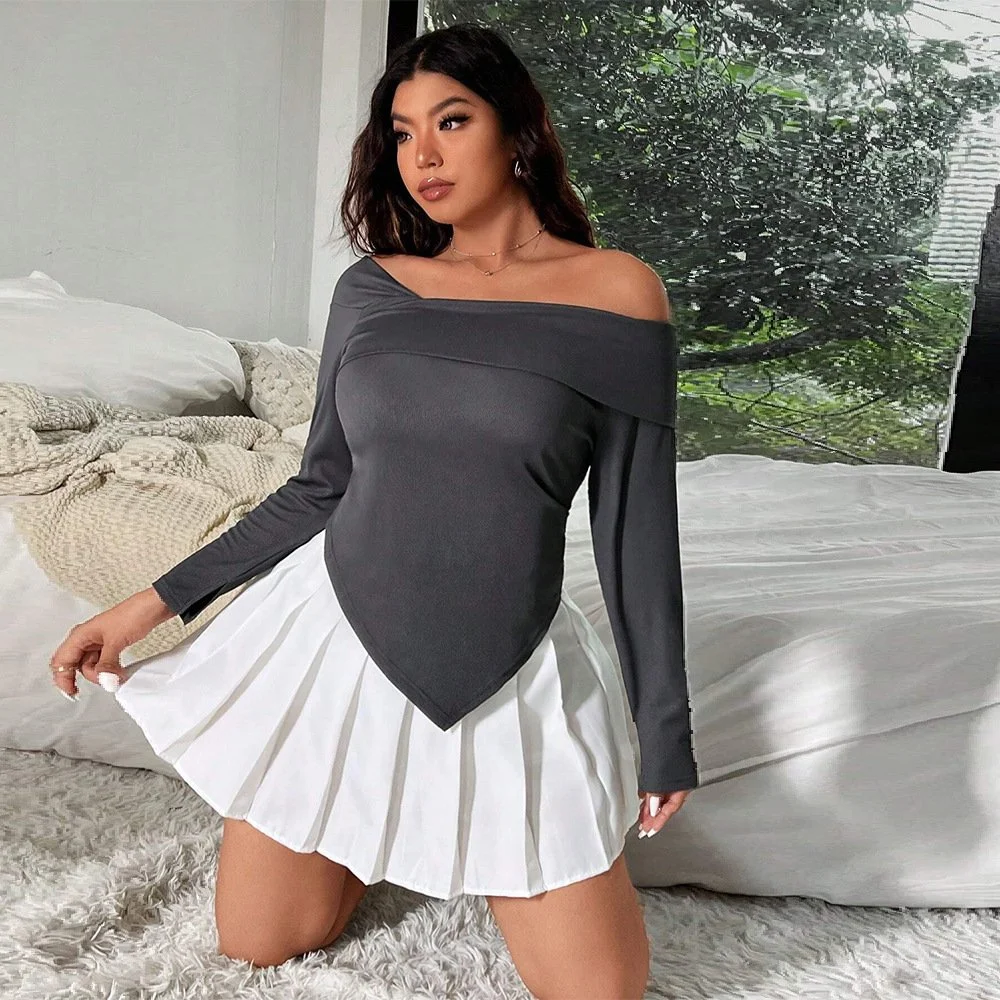
Sexy Off-Shoulder Plus Size Crop Top Sweater Is a more fashion-forward option. The off-shoulder design and cropped length make it a statement piece. The slim fit helps to define the waist, which can be flattering when paired with high-waisted bottoms. Best for Women who want to add a touch of style and definition to their outfit for nights out or casual chic events.
- Off-shoulder design adds visual interest and shows off the arms.
- Cropped length can help to define the waist when paired with high-waisted pants.
- Only available in limited sizes (1XL-3XL), so check availability for your specific size.
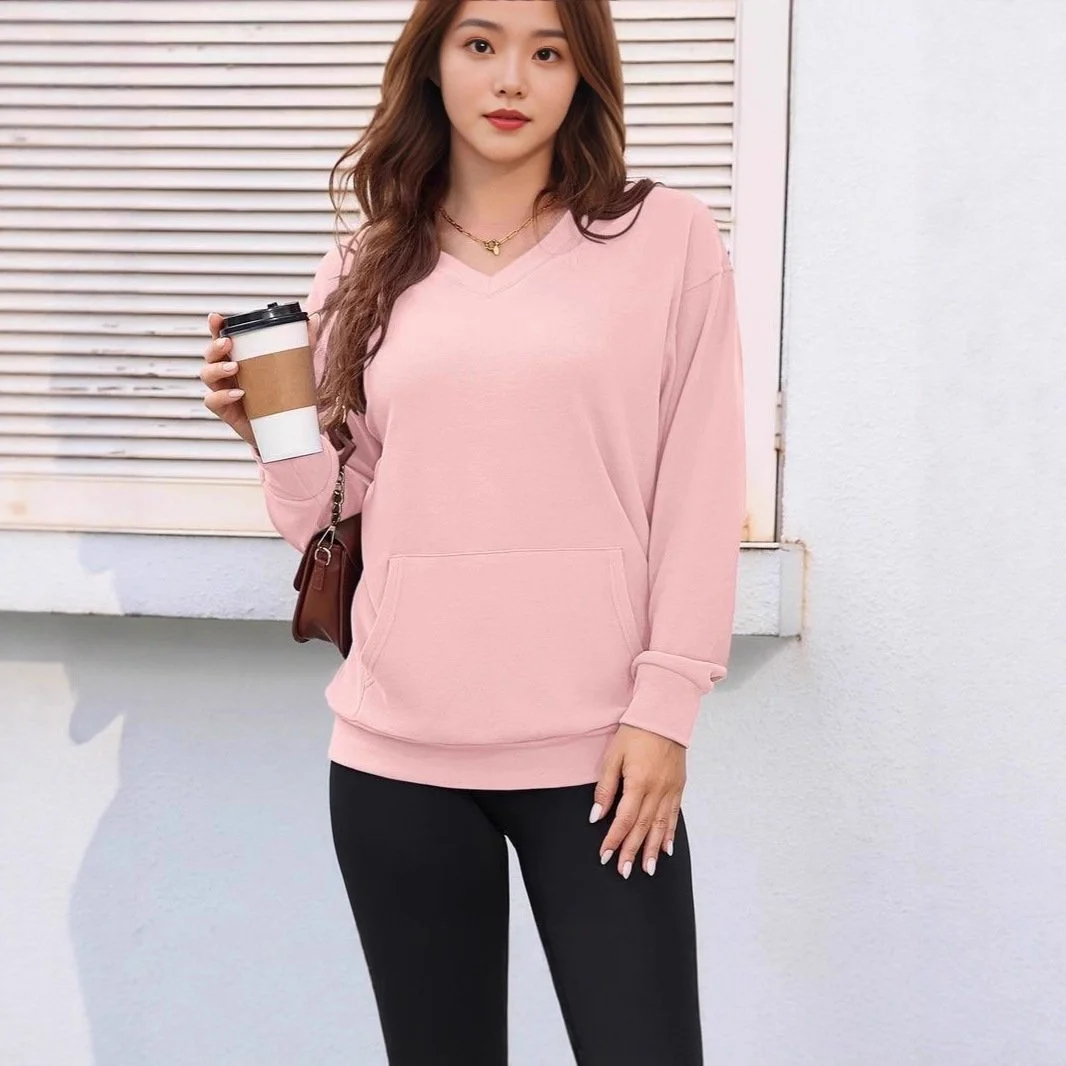
Women's Plus Size Long Sleeve Casual Loose Pullover Is a reliable mid-layer option. The relaxed fit and long sleeves provide warmth and comfort. The loose style allows for easy layering over a base layer without feeling restrictive. Best for Women who want a warm, comfortable mid-layer for everyday wear and lounging.
- Relaxed fit offers comfort and ease of movement.
- Long sleeves provide full coverage and warmth.
- Loose fit may require tucking in the base layer to avoid bulk at the waist.
Comparison Table
| Product | Price | Type/Material | Key Features | Best For |
|---|---|---|---|---|
| Loose Print Crew Neck T-shirt | $20.56 | Blouse/Shirt, Casual | Loose fit, Crew neck | Everyday casual base layer |
| V-neck 3/4 Sleeve Top | $15.44 | Blouse/Shirt, Polyester | V-neck, 3/4 sleeve, Button detail | Polished transitional layer |
| Retro Printed V-neck Long-sleeve | $15.44 | Blouse/Shirt, Polyester | Mid-length (65cm), Regular fit | Lightweight base or mid-layer |
| V-Neck Drop-Shoulder Tee | $18.12 | Blouse/Shirt, Casual | Loose fit, Drop shoulder | Relaxed casual wear |
| Off-Shoulder Crop Top Sweater | $20.08 | T-Shirt, Polyester | Off-shoulder, Cropped, Slim fit | Statement piece, waist definition |
| Loose Pullover | $17.44 | T-Shirt, Casual | Relaxed fit, Long sleeve | Warm mid-layer for everyday |
Common Mistakes to Avoid
Even with the right pieces, certain styling choices can undermine your layering efforts. By avoiding these common pitfalls, you can ensure that your outfit looks intentional and polished. These mistakes are easy to make, but they are also easy to fix once you know what to look for.
Wearing Multiple Loose Layers
One of the most common mistakes is wearing a loose base layer under a loose mid-layer. This creates a boxy silhouette that lacks definition. To fix this, ensure that at least one layer is fitted or semi-fitted. If you love loose layers, consider tucking in your base layer to create a waistline. Alternatively, choose a mid-layer that is slightly more structured or has a defined waist. The goal is to create contrast, not uniformity.
Ignoring Shoulder Fit
Shoulder fit is often overlooked, but it is one of the most important aspects of a well-fitted layer. If the shoulders of your sweater are too tight, the fabric will pull across your chest and create diagonal lines. If they are too loose, the sweater will slide down your back and create excess fabric. Always check the shoulder measurement in the size chart. The shoulder seam should sit exactly at the edge of your shoulder. If you have broader shoulders, you may need to size up in the body to ensure the shoulders fit correctly. If you have narrower shoulders, you may need to look for styles with adjustable straps or a more fitted cut.
Choosing the Wrong Hemline
Hemlines that sit at the widest part of your body can emphasize your width. Avoid hemlines that end