October 2026 is going to be a busy month for Zach Bryan fans. The tour schedule is packed, and the weather is turning unpredictable. One minute it's a pleasant 65 degrees, and the next, a cold front rolls in, dropping temperatures into the 40s by the time the encore hits. You want to look good in photos, but more importantly, you want to be able to stand in a crowd for three hours without shivering. The challenge is balancing that "country-chic" aesthetic with practical warmth. You don't want to look like you're dressed for a ski trip, but you also don't want to freeze. This guide breaks down exactly how to build an outfit that handles the temperature swings of a fall outdoor show. We will look at specific layering techniques, material choices, and sizing considerations to help you decide what to pack. We will also highlight specific affordable pieces that fit this style, from base layers to outerwear, so you can put together a complete look without overspending.
- The Foundation: Choosing Your Base Layer
- The Cozy Mid-Layer: Sweaters and Dresses
- The Outer Shell: Wind and Rain Protection
- Sizing and Fit: Avoiding the Common Pitfalls
- Product Comparison: Price, Material, and Fit
- Common Mistakes to Avoid
- Styling and Care Tips for Concert Wear
- Frequently asked questions
- Key takeaways
The Foundation: Choosing Your Base Layer
The base layer is the most critical part of your concert outfit, even if it’s the least visible. Its job is to move moisture away from your skin. When you are standing in a dense crowd, your body generates heat and sweat. If that sweat stays on your skin, it cools down rapidly once the wind picks up, making you feel much colder than the actual temperature. You want a fabric that wicks moisture. Cotton is a good option for casual wear because it is breathable and soft, but it holds onto moisture. If you are prone to sweating, consider a synthetic blend or a thin merino wool blend, though for a casual concert setting, high-quality cotton is often sufficient if the layer is not too thick.
For a Zach Bryan show, the vibe is relaxed but put-together. A simple long-sleeve t-shirt or a fitted blouse works well here. You want something that doesn’t bunch up under your mid-layer. Avoid heavy fabrics like denim or thick twill for the base layer, as they add bulk and can make you feel overheated if the sun is out during the day.
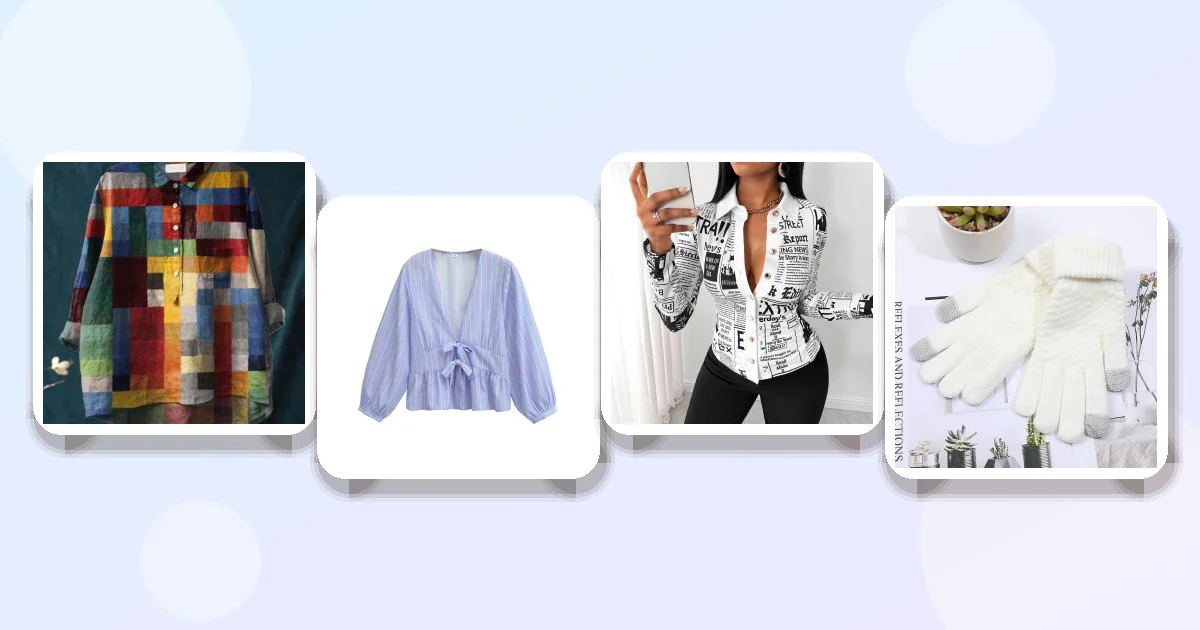
Womens Color-Block Striped Long-Sleeve T-Shirt Is a practical option for this layer. It is categorized as a blouse or shirt, offering a casual look that fits the country-western aesthetic. The color-block striped pattern adds a visual element that keeps the outfit from looking too plain, which is useful for concert photography. It sits at the bottom of our price range, making it an easy swap if you find a better base layer in your closet.

Best for Fans who prefer a low-maintenance base layer that can be worn alone on warmer days or layered easily without adding bulk.
- Pros: The striped design adds visual interest without requiring complex styling; the long sleeve provides initial arm coverage for mild chill.
- Cons: Specific fabric composition is not detailed in the product facts, so check the material tag for breathability if you are a heavy sweater.
When choosing your base, pay attention to the fit. A fitted base layer is easier to layer than an oversized one. If the base layer is too loose, it will create air pockets that trap cold air against your body when combined with other layers. A snug, but not tight, fit ensures that your mid-layer sits smoothly against your torso.
The Cozy Mid-Layer: Sweaters and Dresses
The mid-layer provides insulation. This is where you generate the "cozy" factor. For fall concerts, a sweater or a sweater dress is a strong choice. A sweater dress offers the advantage of being a single piece that covers your torso and legs, reducing the number of layers you need to manage. However, you must consider the movement. You will be standing, sitting on the ground, and potentially dancing. The fabric needs to have some stretch or enough room to move without restricting your range of motion.
Material matters here. Knit fabrics are standard for this layer. They trap air, which keeps you warm. Look for a medium-weight knit. A very thin knit won't provide enough insulation, while a very chunky knit will be difficult to fit under an outer jacket. The goal is a balance where you are warm but not so bulky that you can't move comfortably.
Winter Outfit a Full Set of French Retro Dresses for Women Is listed in the sweater category but described as a dress with a shoulder strap style. It is made from ice silk, which is a synthetic material often used for its smooth texture and drape. The product description notes that it is a single piece with a conventional thickness. The "French Retro" style suggests a more polished, structured look compared to a slouchy chunky knit. This piece offers 30 color and size options, ranging from S to 3XL, with variations like "Brown Belt Delivery" and "Red Belt." The inclusion of a belt in the name suggests a cinched waist, which can help define your silhouette under an outer layer.
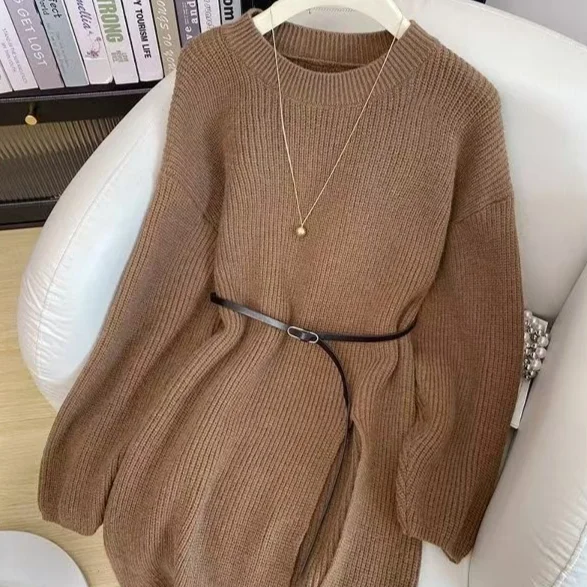
Best for Fans who want a dressier, polished look for day-to-night transition, or those who prefer a one-piece outfit to minimize layering complexity.
- Pros: The shoulder strap and belt design offer a structured silhouette that looks intentional rather than just "dressed for warmth"; extensive size range (S-3XL) allows for a better fit match.
- Cons: Ice silk is not a natural insulating fiber like wool; it may not provide the same level of warmth as a thick knit in very cold temperatures, so you may need a heavier outer layer.
If you choose a dress as your mid-layer, consider the length. A midi-length dress is often the most practical for concerts. It is long enough to cover your thighs for warmth when sitting on the ground, but short enough that it doesn't tangle around your ankles when you are walking or dancing. A maxi dress can drag in the dirt or grass, which is a practical concern for outdoor venues.
Alternatively, a simple crewneck sweater over a t-shirt is a classic approach. This allows for adjustability. If you get hot, you can take off the sweater. If it gets cold, you have the extra layer. The key is to avoid sleeves that are too long or too short. Elbow-length sleeves can feel awkward when you are raising your hands to sing or take photos. Full-length sleeves are generally safer for concert wear.
The Outer Shell: Wind and Rain Protection
The outer layer is your defense against the elements. In fall, wind is often the bigger enemy than the raw cold. A light wind can drop the perceived temperature by 10 to 20 degrees. Your outer layer needs to block this wind. It does not need to be a heavy winter parka, but it should be substantial enough to create a barrier between your mid-layer and the air.
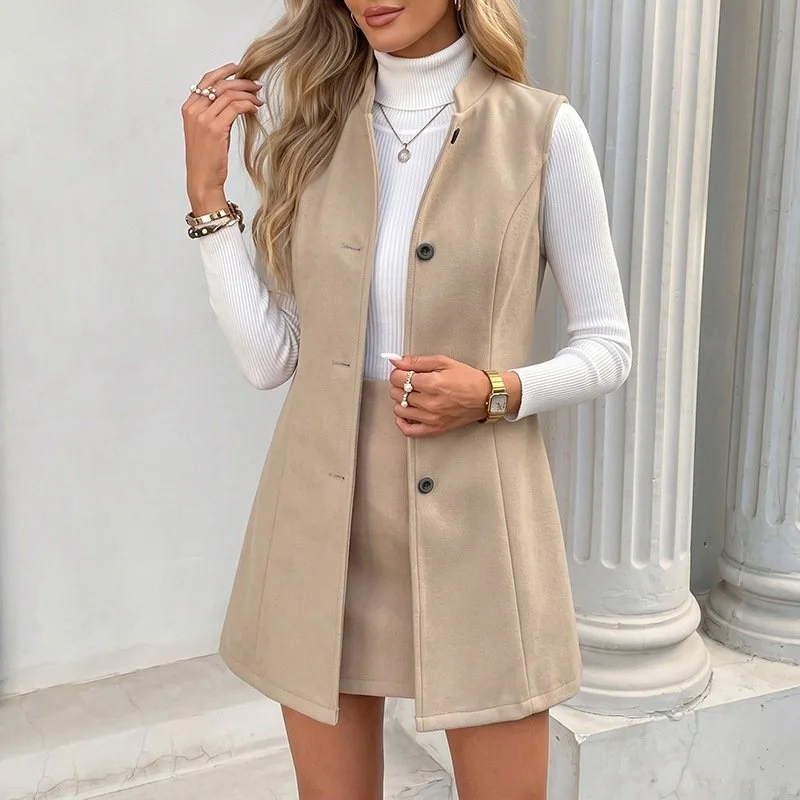
Vests are a popular choice for concerts because they leave your arms free for movement. A long vest is particularly effective because it covers your back and abdomen, which are key areas for retaining body heat. The length is crucial. A hip-length vest leaves your lower back exposed, which will get cold quickly. A knee-length or mid-thigh length vest provides better coverage.
Versatile Long-length Coat Vest for Women Is made from soft polyester with a 3D embossed pattern. It is available in sizes S to XL (with L and XL listed as LXL in the options, likely a typo for L and XL). The polyester material is generally wind-resistant, which is exactly what you need for an outdoor venue. The "long-length" description suggests it extends past the hips, offering the coverage mentioned above. The 3D embossed pattern adds a textural element that makes the piece look more designed than a basic utility vest.
Best for Fans who anticipate wind or rain and want arm mobility for dancing and singing, or those who want a piece that can be worn for casual errands after the show.
- Pros: Polyester construction offers good wind resistance; the long length provides significant core coverage, keeping your torso warm.
- Cons: Polyester can feel less breathable than natural fibers, potentially leading to overheating if the temperature rises significantly during the day; check the size chart carefully as the option list has some ambiguity with "LXL."
If you prefer a full coat, look for something with a hood. A hood is more practical than a separate hat because it stays in place. However, if you are wearing a knit hat with ear protection, a hooded coat might be too bulky. In that case, a coat without a hood works well. The key is to ensure the coat is not so heavy that you feel restricted. You want to be able to raise your arms easily. A stiff, structured coat can be uncomfortable if you are holding a phone up for an hour.
Color matters for the outer layer, too. Neutral tones like khaki, black, gray, or beige are versatile. They match almost any mid-layer or base layer. Bright colors can be fun, but they show dirt and grass stains more easily. If you are sitting in the grass, a light-colored coat will likely get scuffed. Darker or earthy tones are more forgiving in an outdoor setting.

Sizing and Fit: Avoiding the Common Pitfalls
Sizing is where many concert outfits fall apart. You look great in the mirror, but by the second song, you are adjusting your hem or pulling at your sleeves. The biggest issue with online shopping for concert wear is the variance in sizing standards. US, EU, and Asian sizing are not interchangeable. If you are used to US sizing, an Asian-sized garment will likely run 1 to 2 sizes smaller. This is a critical detail for the dress mentioned above.
Always check the specific measurements provided by the seller, not just the letter size. A "Medium" in one brand is not the same as a "Medium" in another. Look for chest, waist, and length measurements. Compare these to a garment you already own that fits well. Use a measuring tape, not just your eye. If you are between sizes, the general rule for layering is to size up. You need room for the base layer and the mid-layer. If the outer layer is too tight, it will compress the insulating air pockets in your mid-layer, reducing its warmth.
For the Winter Outfit a Full Set of French Retro Dresses for Women, the product facts explicitly state that Asian sizing runs 1–2 sizes smaller than US/EU. If you are between sizes, choose the larger one. The facts also note a 2–3 cm variance due to manual measurement. This means you should expect some inconsistency between pieces, even within the same brand. If you are a US Medium, you should likely order a Large or XL in this Asian-sized garment. Always verify by measuring yourself. Your chest measurement should be at least 2 inches larger than the garment's chest measurement for a comfortable fit over a base layer.
For the Versatile Long-length Coat Vest for Women, the options list includes "Khaki-S, Khaki-M, Khaki-L, Khaki-XL." The description says "S-LXL," which is likely a typo for S to XL. You should refer to the specific size chart provided on the product page. Vests are less forgiving than dresses in terms of fit. If the armholes are too tight, you will feel restricted when you move your arms. If the vest is too loose, wind will seep in around the sides. A slim, but not tight, fit is ideal for a vest. The shoulders should align with your natural shoulder line. If the seams hang down your arms, it is too big. If they pull across your back, it is too small.
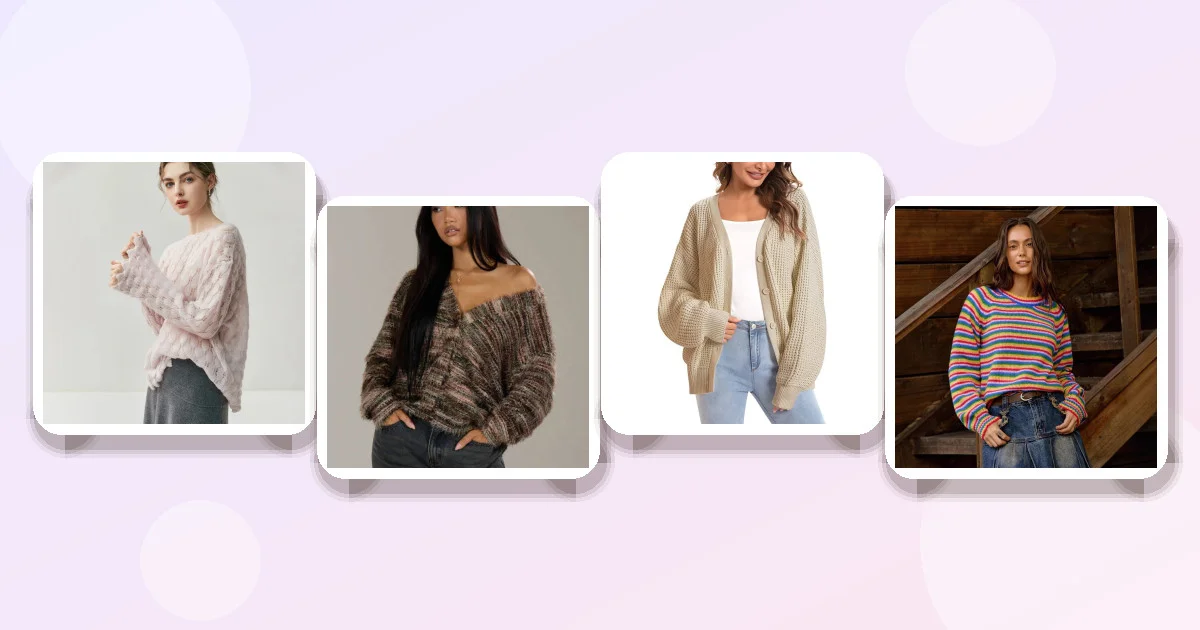
Don’t forget your accessories. Hats, scarves, and socks also have sizing considerations. The Warm Knit Hat with Scarf and Ear Protection Is a free-size item. This means it is designed to stretch to fit most head sizes. However, "free size" can still vary. If you have a larger head, check the dimensions if available, or look for reviews that mention fit. The ear protection feature is a key selling point here. It eliminates the need for a separate pair of ear muffs, which is convenient for a concert where you might be moving around a lot. The scarf is built-in, which means it stays with the hat. You can’t lose it in the crowd. This is a practical advantage for a busy venue.
Product Comparison: Price, Material, and Fit
Here is a breakdown of the products discussed, focusing on the attributes that matter most for a concert outfit: price, material, options, and best use case. This table helps you see where each item fits in your budget and style plan.
| Product | Price | Material/Type | Options Available | Best For | ||
|---|---|---|---|---|---|---|
| Womens Color-Block Striped Long-Sleeve T-Shirt | $17.88 | Blouse/Shirt (Specs not detailed) | Not specified in facts | Base layer for mild chill; casual aesthetic. | ||
| Winter Outfit a Full Set of French Retro Dresses | $23.76 | Ice Silk / Dress / Sweater category | 30 options (S-3XL, various colors/belts) | Polished one-piece outfit; requires size-up for US fit. | ||
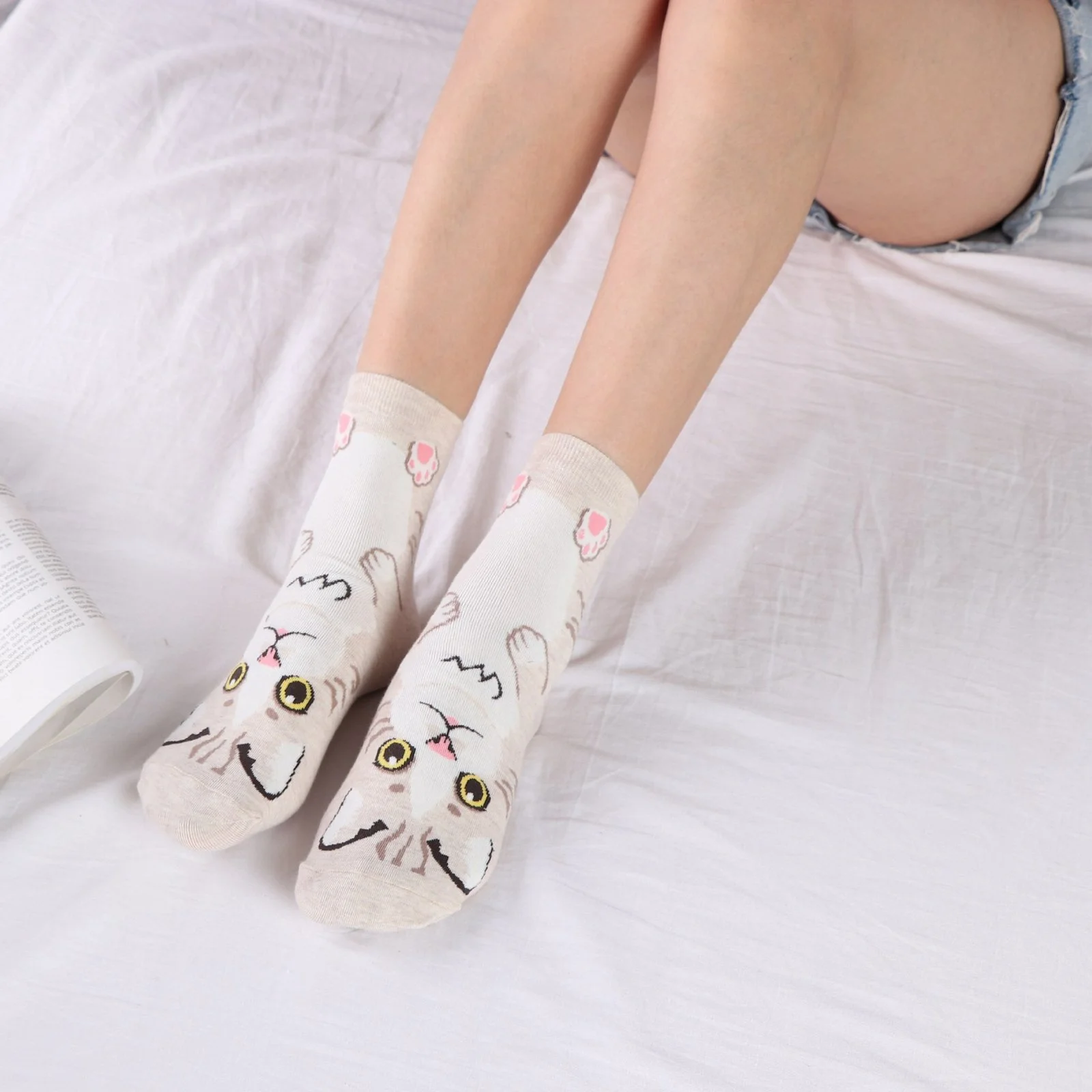
| Cute Cat Socks | $2.12 | Cotton / Animal design | 6 options (Colors, Average Size) | Everyday comfort; adding a playful touch to the outfit. | Not specified in facts | Base layer for mild chill; casual aesthetic. |
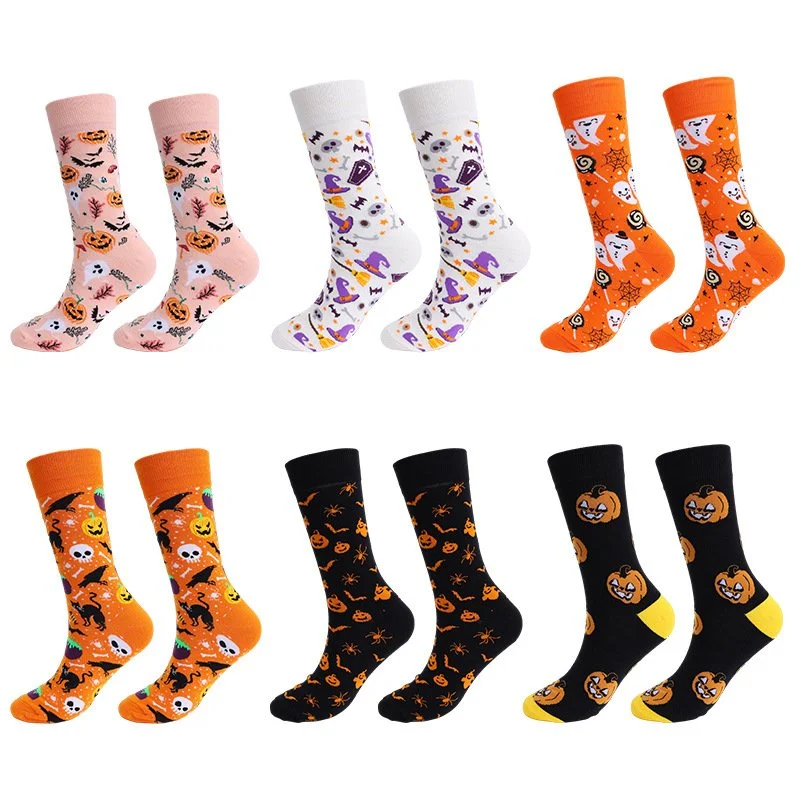
| Customizable Cartoon Skull Socks | $4.36 | Cotton / Pumpkin skull design | 12 options (Styles) | Spooky/fall theme; sweat absorption. | ||
| Warm Knit Hat with Scarf and Ear Protection | $4.76 | Acrylic fiber / Hat-Scarf-Ear combo | 4 options (Colors, Free Size) | Cold weather head coverage; windproof. | ||
| Versatile Long-length Coat Vest | $31.24 | Polyester / Long vest | 4 options (Khaki, S-XL) | Wind protection; arm mobility for dancing. |
Looking at the table, you can see a clear range of prices. The socks are the most affordable items, making them easy to swap out if you already have good socks in your closet. The dress and the vest are the most expensive items in this set, which makes sense given that they are larger, more complex garments. The base layer t-shirt is mid-range in price. This allows you to allocate your budget where it matters most: the outer layer and the mid-layer are the primary sources of warmth. The accessories (hat and socks) are low-cost additions that significantly impact comfort.
Material-wise, there is a mix of synthetic and natural fibers. The hat is acrylic, which is durable and easy to care for. The socks are cotton, which is breathable and comfortable against the skin. The vest is polyester, which is wind-resistant. The dress is ice silk, a synthetic that drapes well but may not be as insulating as wool. This mix is practical. You want synthetic or engineered fabrics for the outer shell to handle the elements, and natural or breathable fabrics for the base layer to manage moisture. The mid-layer is where you have more flexibility, depending on how cold it is expected to be.
Common Mistakes to Avoid
Even with the right pieces, you can make mistakes that ruin your comfort or style. Here are the most common errors fans make when dressing for a fall concert.
1. Ignoring the Sizing Difference
As mentioned, Asian sizing is smaller than US sizing. If you order a "Medium" from an Asian seller expecting it to fit like a US "Medium," you will likely be disappointed. This is the most common mistake. Always measure yourself and compare to the specific garment measurements. Do not rely on the letter size alone. If the product description says "Asian sizing," assume it is at least one size smaller than your usual US size. When in doubt, size up. It is easier to tie a belt or fold a hem than to rip a seam that is too tight.
2. Over-Layering for the Day, Under-Layering for the Night
Many fans dress for the high temperature of the afternoon. They wear a light t-shirt and a thin cardigan. By the time the