Buying a t-shirt that feels great off the rack but clings, wrinkles, or shrinks after one wash is a common frustration. The problem rarely lies in the fit; it lies in the fabric. Cotton, linen, modal, and synthetic blends each behave differently under heat, movement, and washing. This guide breaks down the specific properties of these materials so you can match the fabric to your daily reality, whether you are sitting at a desk, commuting in traffic, or walking to a meeting. We will look at how each material handles heat, moisture, and wear, and provide specific product options that fit different needs and budgets.
Understanding the Big Three: Cotton, Linen, and Blends
Most everyday t-shirts fall into one of three material categories: natural fibers (cotton and linen), semi-synthetic fibers (modal), or synthetic blends (polyester and rayon). Each has distinct physical properties that affect how the shirt feels against your skin and how it performs over the course of a day.
Cotton: The Breathable Standard
Cotton is a natural plant fiber known for its softness and ability to absorb moisture. It is the default choice for a reason: it is hypoallergenic, easy to care for, and generally affordable. However, not all cotton is the same. "Cotton" on a label can refer to a wide range of weaves, from heavy jersey to lightweight voile.
- Pros: Highly breathable, softens with each wash, absorbs sweat well, and is durable if cared for properly.
- Cons: Retains moisture longer than synthetics, which can feel clammy in humid weather. It is prone to shrinking if washed in hot water and tends to wrinkle easily.
Linen: The Heat Fighter
Linen is made from the flax plant and is structurally different from cotton. It has a coarser texture and a distinctive slub (irregularity) in the weave. This structure creates air pockets that allow heat to escape, making linen the premier fabric for hot climates.
- Pros: Excellent thermal regulation, highly durable (gets stronger when wet), and naturally resistant to odors. It dries quickly.
- Cons: Wrinkles significantly, which some view as a feature and others as a flaw. It can be stiff or scratchy if the linen is not processed or blended with softer fibers like cotton or viscose.
Blends and Synthetics: The Practical Compromise
Blends combine two or more fibers to balance their properties. A common blend is cotton-polyester, which adds the wrinkle resistance and shape retention of polyester to the breathability of cotton. Modal is a semi-synthetic fiber made from beechwood pulp. It is known for its silk-like smoothness and drape.
- Pros: Blends often resist shrinking and wrinkling better than pure naturals. Modal is incredibly soft and drapes well, making it ideal for office wear where a polished look is required.
- Cons: Pure polyester is less breathable and can trap heat and odor. Blends may not have the same "natural" feel as pure cotton or linen. Modal can be delicate and requires gentle washing to maintain its shape.
How to Choose the Right Fabric for Your Lifestyle
Choosing the right t-shirt fabric is less about personal preference and more about matching the material's properties to your environment and activity level. Here is how to narrow down your options based on your specific needs.
For Hot and Humid Climates
If you live in a region where summer temperatures stay high and humidity is prevalent, prioritize breathability and quick-drying capabilities. Heavy cotton can become a wet towel in these conditions. Instead, look for:
- Linen or Cotton-Linen Blends: These fabrics allow air to circulate through the weave, keeping your skin cool. Look for a loose fit to enhance airflow.
- Lightweight Cotton Voile: If you prefer the feel of cotton, choose a very light weight (under 4 oz per square yard) to reduce moisture retention.
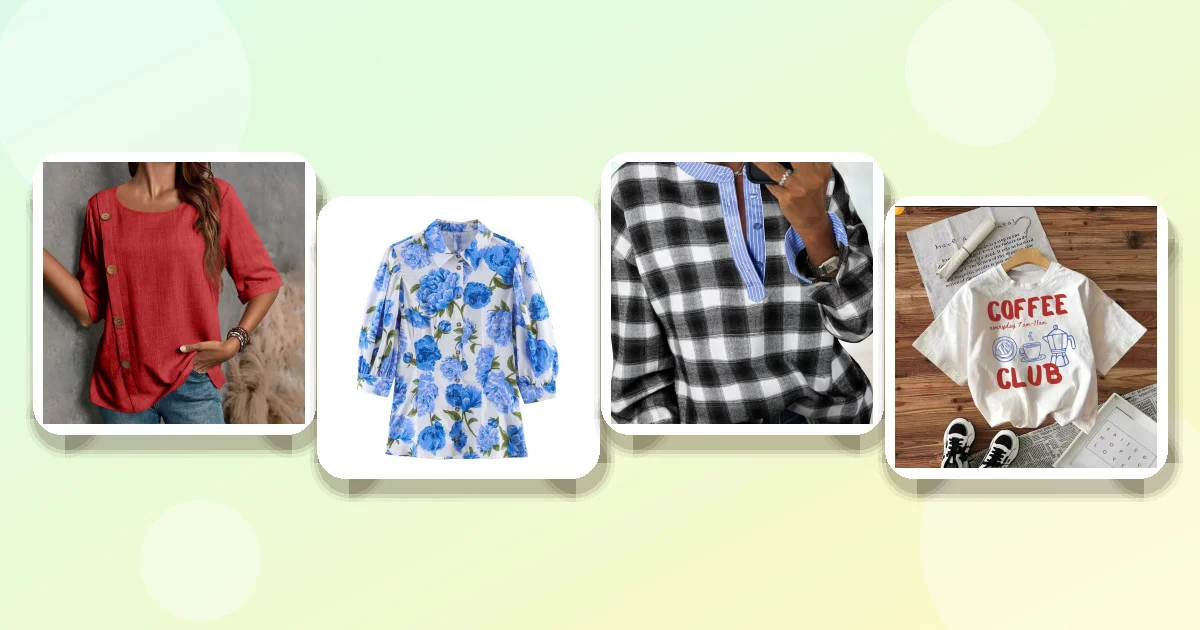
Avoid heavy 100% cotton tees in humidity, as they will cling to your body once you break a sweat. A Loose-Fit Cotton-Linen Button-Up Top Is an excellent example of this approach, offering a breathable structure that stays cool without sacrificing style.
Best for Women working in warm offices or living in humid subtropical climates who need a layer that feels light and airy.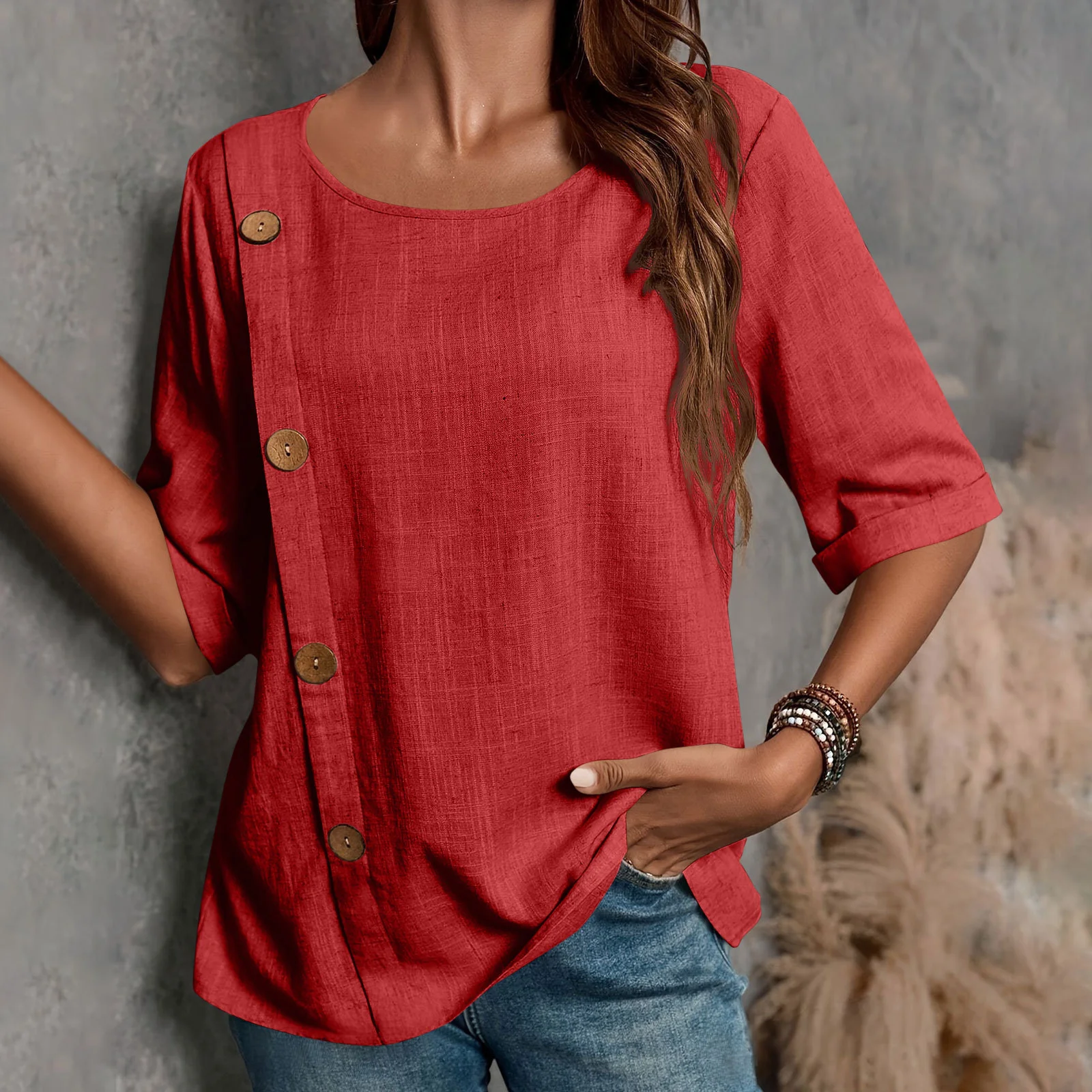
- Pro: The linen content significantly improves heat dissipation compared to pure cotton.
- Pro: The loose fit allows for maximum airflow, reducing the "cling" factor.
- Con: Linen wrinkles easily, so this is not ideal if you need a crisp, ironed look for formal meetings.
For Office and Professional Settings
In a professional environment, you need a fabric that looks polished, resists wrinkles, and maintains its shape throughout a long day of sitting. Pure cotton can look rumpled by the afternoon, and linen can look too casual for some corporate cultures.
- Modal or Modal Blends: Modal has a smooth, drapey quality that looks expensive and professional. It resists pilling and holds its shape well.
- Cotton-Polyester Blends (50/50 or 60/40): These offer the best of both worlds: the breathability of cotton and the structural integrity of polyester. They are less likely to shrink or wrinkle.
If you need a shirt that can transition from a desk to a client lunch without looking creased, a structured blend is often the safer bet. The V-Neck Waffle-Knit Casual Tee Offers a textured look that hides minor wrinkles and provides a professional silhouette.
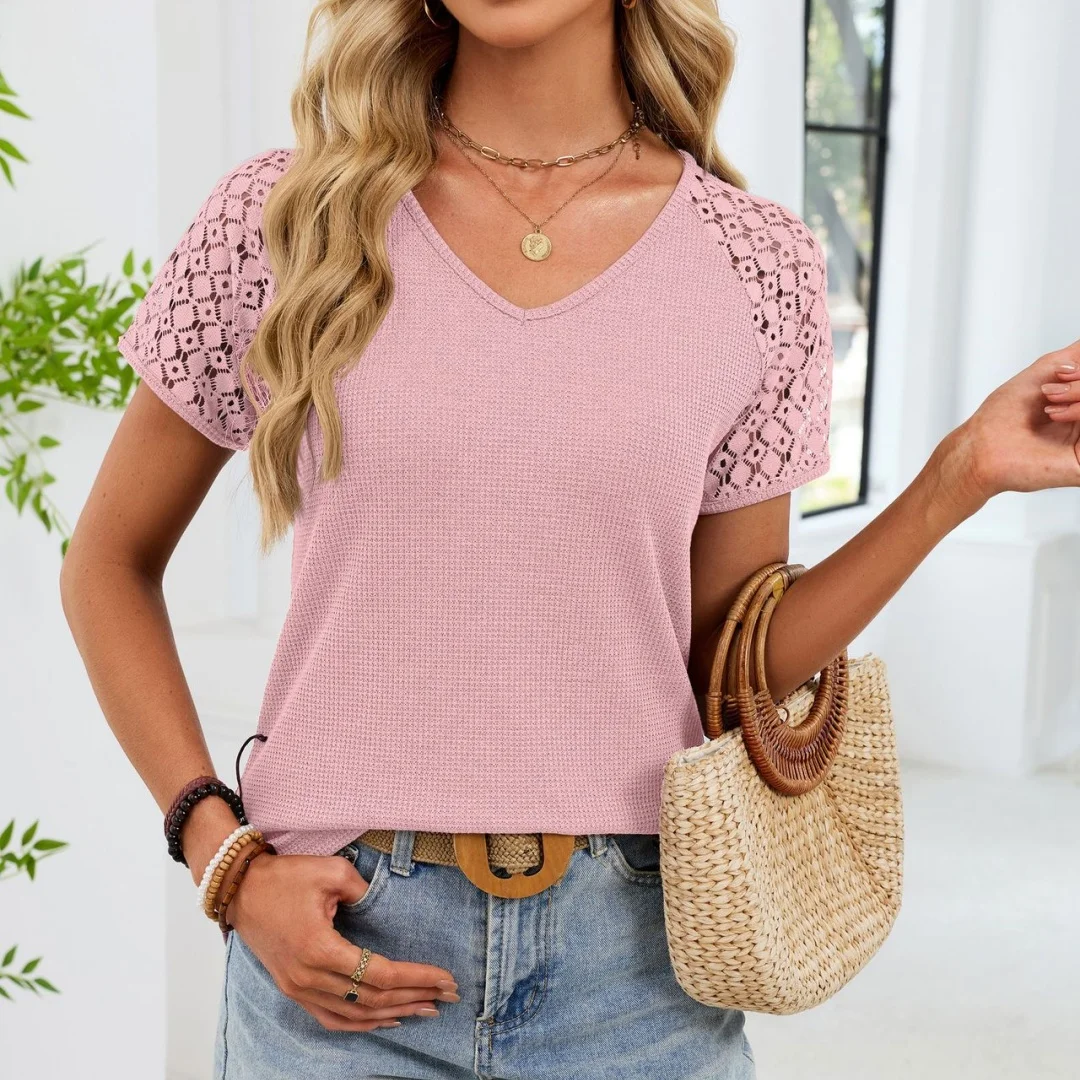
- Pro: The waffle-knit texture adds visual interest and helps with breathability through the raised pattern.
- Pro: Available in neutral colors like navy, gray, and black, making it easy to pair with slacks or skirts.
- Con: Waffle knits can be slightly thicker than standard jersey cotton, which may feel warmer in very high heat.
For High Activity or Travel
If your day involves a lot of movement, commuting, or travel, you need a fabric that is durable, resists odor, and dries quickly. Cotton is heavy when wet, and linen can be bulky. Synthetics and high-performance blends are often better suited for active lifestyles.
- Polyester or Nylon Blends: These fibers are hydrophobic, meaning they repel water. They wick sweat away from the skin and dry rapidly. They are also highly durable and resistant to stretching out.
- Performance Cotton Blends: Some manufacturers treat cotton with finishes to improve moisture-wicking and shrink resistance. Check the label for "performance" or "anti-pilling" treatments.
For travel, you want something that packs small and doesn't require ironing. A 100% polyester shirt is the most packable option, though it is less breathable. The Casual Loose Print Shirt Top Is made from 100% polyester, making it a practical, low-maintenance option for travelers.
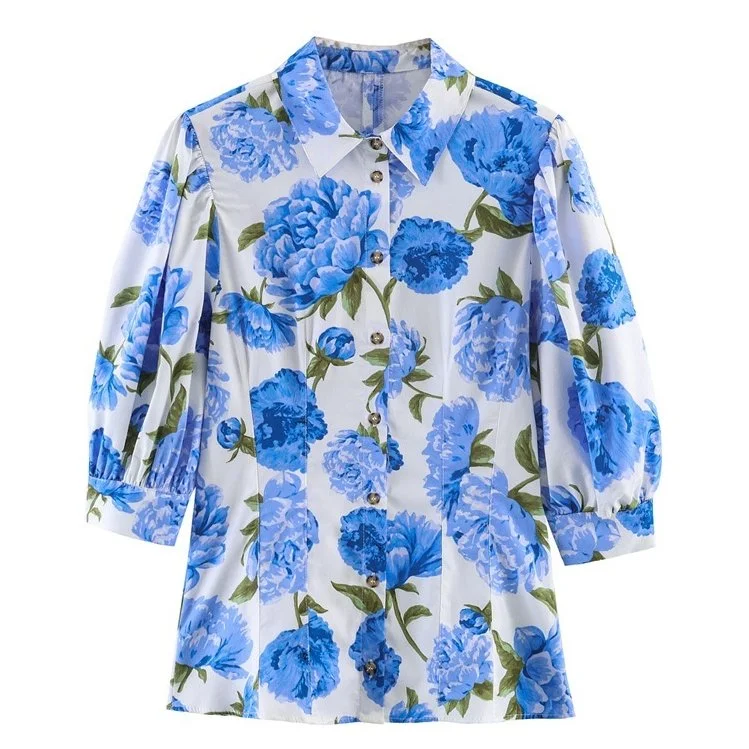
- Pro: 100% polyester construction ensures the shirt will not shrink in the wash and will dry fast.
- Pro: The loose fit allows for ease of movement and layering.
- Con: Polyester is less breathable than natural fibers, so it may feel warmer in direct heat. Sizing runs small, so check the measurements carefully.
For Sensitive Skin
If you have sensitive skin or eczema, the fiber content is critical. Synthetic fibers like polyester can trap heat and moisture against the skin, potentially causing irritation. Rough linen can also be abrasive.
- 100% Cotton (Ring-Spun or Combed): These processes remove short, coarse fibers, resulting in a smoother, softer fabric that is less likely to irritate.
- Organic Cotton: Grown without pesticides or chemical fertilizers, organic cotton is often softer and free from residual chemicals that can trigger sensitivities.
Always check the care label for dyes and finishes. Many sensitive skin sufferers prefer undyed or naturally dyed cotton. The Loose Cotton Printed Summer T-Shirt Is made from breathable cotton, which is generally a safe bet for most skin types, though the print may contain dyes that could irritate very sensitive individuals.
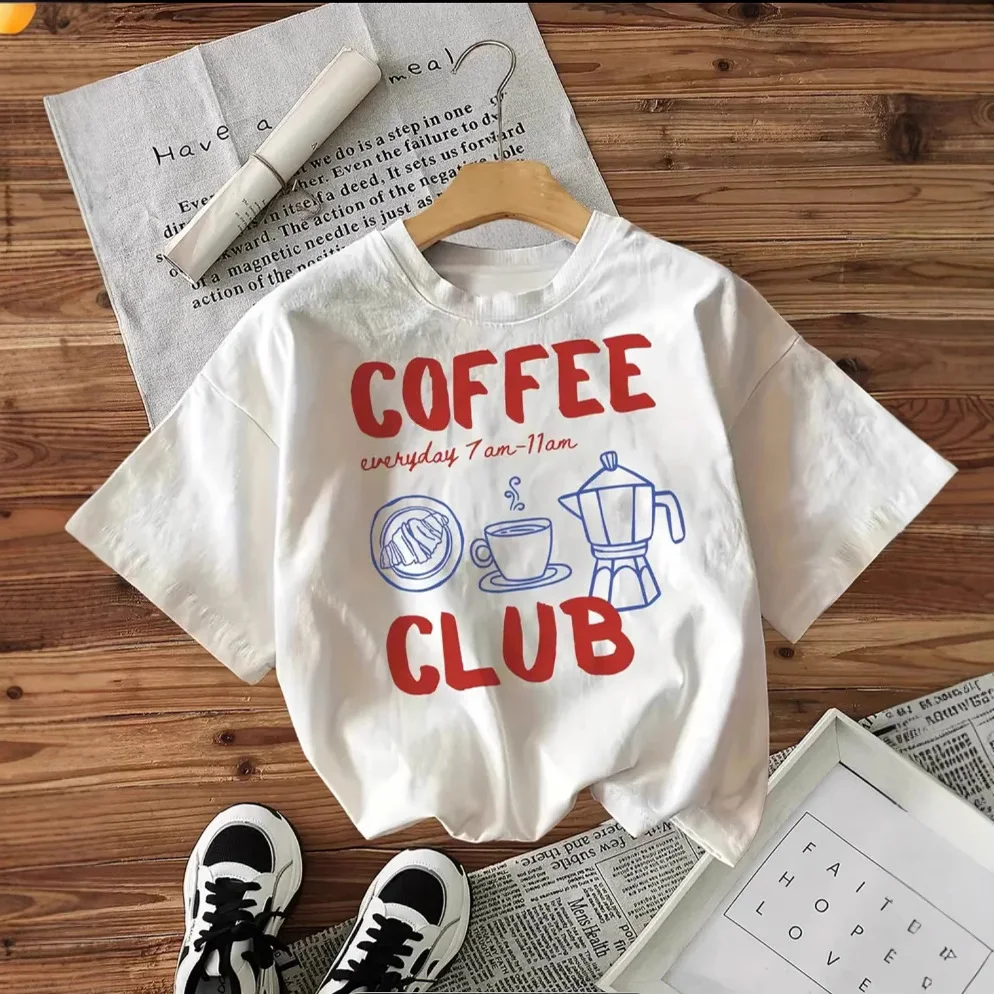
- Pro: 100% cotton is breathable and generally hypoallergenic.
- Pro: The loose fit reduces friction against the skin.
- Con: Cotton can shrink if not washed in cold water. The printed design may fade over time if not washed inside out.
Product Comparison: Our Top Picks
The following table compares the recommended products based on their material, price, and specific use cases. Note that "Best For" reflects the specific strengths of the fabric and cut as described in the product details.
| Product | Material | Price | Key Feature | Best For |
|---|---|---|---|---|
| Loose-Fit Cotton-Linen Button-Up Top | Cotton-Linen Blend | $16.56 | High breathability, loose fit | Hot climates, casual workdays |
| Casual Loose Print Shirt Top | 100% Polyester | $23.88 | Wrinkle-resistant, quick-dry | Travel, active lifestyles |
| Women's Casual Fashion Patchwork Plaid Shirt | Not specified | $27.96 | Stylish plaid pattern, patchwork design | Statement pieces, layering |
| Loose Cotton Printed Summer T-Shirt | 100% Cotton | $12.08 | Soft, breathable, retro print | Everyday casual wear, sensitive skin |
| V-Neck Waffle-Knit Casual Tee | Cotton Waffle-Knit | $16.76 | Textured, breathable, professional look | Hybrid work, creative offices |
| Cross-Border Women'S Fashion Casual Solid Color Comfortable Pocket Pullover Long Top | Not specified | $13.72 | Pocket detail, slight transparency | Layering, casual outings |
Note on Product 3 and 6: Detailed material specifications were not provided for the Women's Casual Fashion Patchwork Plaid Shirt Or the Cross-Border Women'S Fashion Casual Solid Color Comfortable Pocket Pullover Long Top. You should check the product listing for specific fiber content before purchasing, especially if you have fabric sensitivities or specific durability needs. The plaid shirt is a strong option for those who want a more structured, fashion-forward piece, while the pocket pullover offers a practical, casual look with the added utility of a pocket.
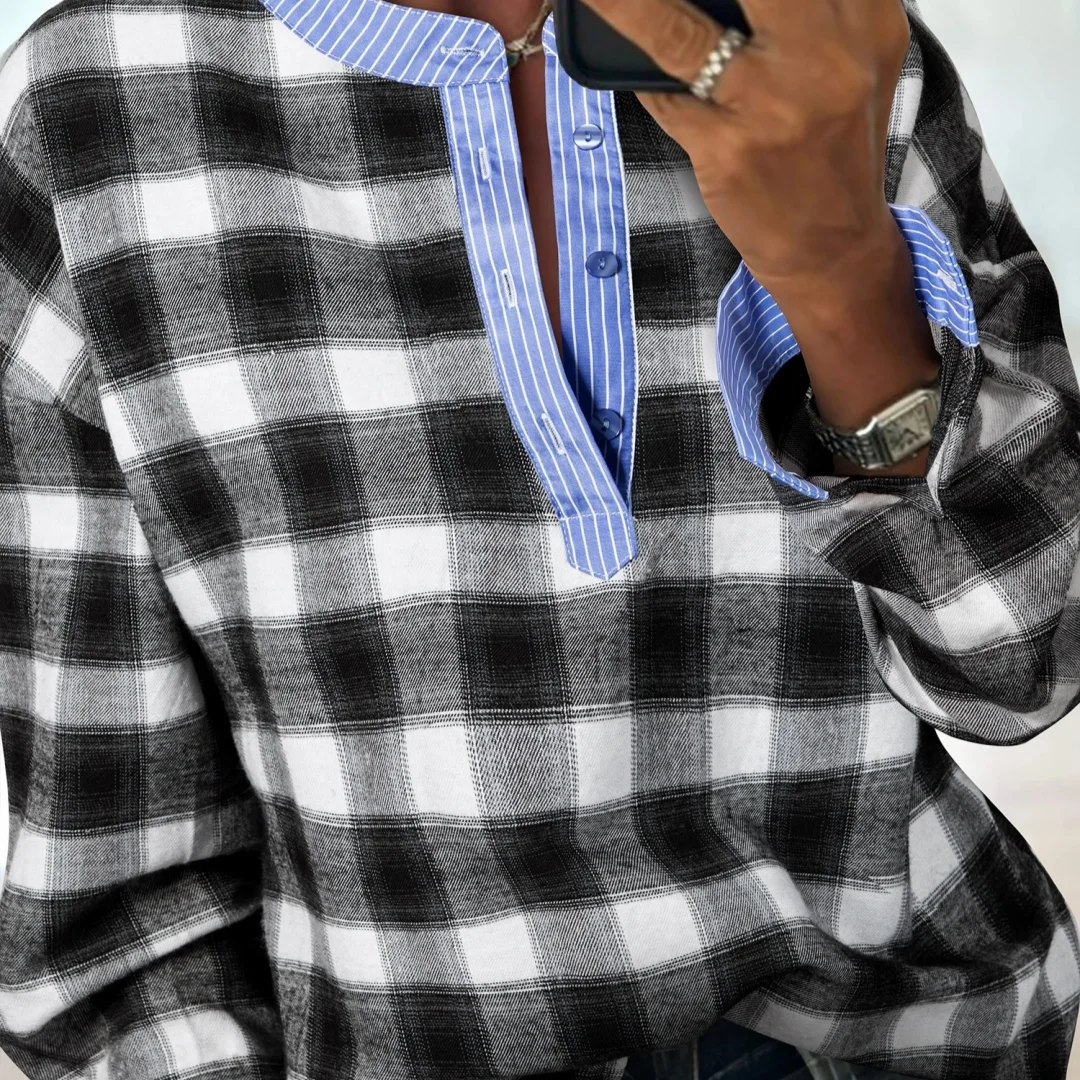
- Pro: The patchwork plaid design makes it a statement piece that stands out.
- Pro: Casual fashion style suitable for weekend wear.
- Con: Material composition is not specified, so you must verify if it meets your comfort or allergy requirements.
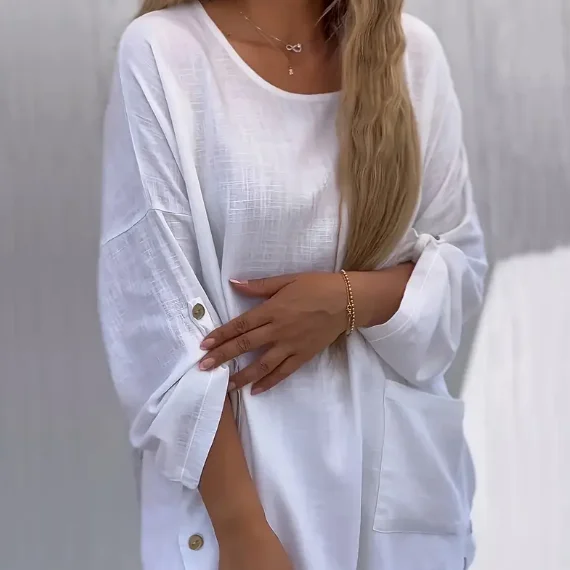
- Pro: Includes a pocket, which is rare and useful for carrying small items like keys or cards.
- Pro: The slight transparency allows for stylish layering over tank tops or bras.
- Con: Transparency may require careful selection of undergarments. Material details are not provided.
Common Mistakes to Avoid When Buying T-Shirts
Even when you understand the fabrics, small oversights can lead to a shirt that doesn't perform as expected. Here are the most common errors shoppers make and how to avoid them.
Ignoring the Weave Density
Two shirts can both be "100% Cotton" but feel completely different. The difference often lies in the weight (GSM - grams per square meter) and the weave. A heavy, tight weave will be opaque and structured, while a light, open weave will be sheer and flowy. If you are buying online, look for the fabric weight. For summer, aim for under 150 GSM. For winter layering, 200+ GSM is better. Buying a heavy cotton tee for a hot summer day is a frequent mistake that leads to overheating.
Not Checking Sizing Charts for Blends
Natural fibers like cotton and linen shrink, while synthetics like polyester do not. However, blends can behave unpredictably. Always check the specific size chart for the item, not just your usual size in that brand. For example, the Casual Loose Print Shirt Top Notes that Asian sizes may run smaller than European and American sizes. If you are between sizes, size up, especially for linen or cotton, which may shrink slightly after the first wash despite pre-shrinking treatments.
Assuming "Breathable" Means "Cool"
Breathability refers to the ability of air to pass through the fabric. Coolness refers to the fabric's ability to dissipate heat. A thick, breathable cotton shirt will allow air to pass through, but it may still feel warm because the fabric itself retains heat. In humid conditions, where sweat doesn't evaporate easily, a light linen or synthetic blend is often cooler than a thick cotton shirt, even if the cotton is technically "breathable." Match the fabric weight to the humidity level, not just the temperature.
Overlooking Care Instructions
Many high-quality fabrics, especially modal and linen, require specific care to maintain their integrity. Washing a linen shirt in hot water and drying it on high heat will cause significant shrinkage and stiffness. Always read the care label before buying. If you are not willing to hand-wash or dry-clean a piece, choose a durable cotton or polyester blend that can withstand machine washing and tumble drying.
Care and Styling Tips for Longevity
Proper care extends the life of your t-shirts and keeps them looking new. Here are specific tips for maintaining different fabrics.
Caring for Cotton and Linen
- Wash in Cold Water: This prevents shrinking and color fading. Use a gentle cycle.
- Air Dry When Possible: Tumble drying can weaken the fibers over time and cause shrinkage. Hanging your shirts to dry helps maintain their shape and reduces wrinkles.
- Iron While Damp: If you need to remove wrinkles, iron linen and cotton while they are still slightly damp. This makes the fibers more pliable and easier to smooth out.
-
Pre-Treat Stains: Apply a stain remover to sweat stains or food spills before washing. Cotton absorbs stains quickly, so prompt treatment is key.Shop the storyAll products from this guide