Cold weather commutes are a daily test of comfort. You want your head to stay warm, but you also don’t want to look like you’re ready for a ski trip while waiting for the subway. The wrong hat can slide off in the wind, trap too much heat, or clash with your work attire. This guide cuts through the noise to help you pick the right headwear for your specific routine. We’ll look at material science, fit mechanics, and style rules so you can choose a hat that works as hard as you do.
How to Choose the Right Cold Weather Hat
Choosing a hat isn’t just about picking a color you like. It’s about engineering a barrier between you and the elements. Three factors determine success: fit, coverage, and material composition. If you get these right, the style follows naturally.
Fit: The 10-Minute Test
Most commuter hats come in "one-size-fits-all" or standard medium sizes. However, head circumference varies significantly. The average adult female head size ranges from 54 cm to 58 cm (about 21 to 23 inches). When trying on a knit hat, it should sit comfortably on the forehead without digging in. You should be able to fit one finger between the hat and your scalp. If it’s too loose, it will fall off when you duck into a subway car or bike under a bridge. If it’s too tight, it can cause headaches and reduce blood flow, which paradoxically makes your head feel colder once the hat is removed.
Coverage: Ears and Neck
Your ears and the top of your neck are the most exposed areas to wind chill. A standard beanie covers the crown and the tops of the ears. If you are walking or biking, you need a hat that covers the entire ear. Look for "ear protection" or "bucket" styles that drape lower. For car commuters, a standard beanie is sufficient because the car interior provides insulation. For outdoor commuters, lower coverage is non-negotiable for comfort.
Structure vs. Softness
Soft knits conform to your head and hair, making them easier to wear for long periods. Structured hats, like fedoras or wide-brim styles, hold their shape. Structured hats are better for formal office environments because they don’t crush your hairstyle as much when you take them off. Soft knits are better for active commutes because they move with you and are easier to pack if you forget them.
Material Matters: Wool, Fleece, and Blends
The material determines how the hat manages moisture and temperature. There is no single "best" material; there is only the best material for your specific sweat and wind profile.
Wool and Wool Blends
Wool is the gold standard for cold weather. It is naturally insulating, meaning it traps air close to your body. More importantly, wool is hydrophobic at the fiber level; it can absorb up to 30% of its weight in moisture before feeling wet. This is crucial for commuters. If you get slightly sweaty walking to the train, a wool hat will keep you dry and warm. Synthetic fleece, by contrast, holds onto moisture. If you sweat in a fleece hat, it stays damp and cold, leading to a "chilly" feeling that lasts for hours.
Look for "wool blend" on product labels. Pure wool can be itchy for some people. Blends with acrylic or nylon add durability and reduce itchiness while retaining most of the insulating properties. A high-quality wool blend is durable, resists pilling, and maintains its shape over many washes.
Breathability and Ventilation
If you commute by bike, you generate significant body heat. A thick, dense wool hat might overheat you. In this case, look for a lighter gauge knit or a blend with higher synthetic content that wicks moisture away more aggressively. You don’t want to be dripping sweat inside your hat, only to freeze when you stop at a red light. Breathability is the key metric for active commuters.
Wind Resistance
Knit hats are porous. Wind penetrates the gaps between the yarns, carrying heat away from your head. This is fine for walking in calm weather. It is not fine for biking in a 20 mph headwind. If wind is a major factor, you need a hat with a tighter knit or a wind-proof liner. Some hats have a fleece lining on the inside, which acts as a barrier against wind while the wool exterior handles the cold.
Hats for Specific Commute Scenarios
Your commute dictates your hat. A hat that works perfectly for a 10-minute walk to the office will fail miserably on a 30-minute bike ride. Here is how to match the hat to the mode of transport.
The Bike Commuter
Biking creates two problems: wind chill and sweat. You need a hat that stays on securely and manages moisture. A loose beanie will fly off. A tight beanie will cause sweat. The ideal bike hat is a snug-fitting, ear-covering beanie made from a breathable wool blend. It should have a ribbed cuff that grips the back of your head without being painful. If you wear a helmet, the hat must be thin enough to fit under it without creating pressure points. If you don’t wear a helmet, the hat must be thick enough to provide the primary layer of warmth.
For this scenario, we recommend the Warm Winter Ear Protection Beanie for Women.

- Pro: Specifically designed for ear protection, which is critical for wind chill during biking.
- Pro: Made from a soft wool blend that balances warmth with breathability.
- Con: The one-size fit may be too loose for very small heads or too tight for very large heads; check the stretch factor before buying.
The Subway and Bus Rider
Public transit is a low-activity environment. You are standing or sitting, often in a crowded space where temperatures fluctuate. You need a hat that is easy to put on and take off. A structured hat or a foldable knit is ideal. You want something that doesn’t require you to fix your hair for ten minutes every time you step out of the car. A simple, solid-color beanie is the most practical choice here. It’s unobtrusive, warm, and disappears when you take it off.
For this scenario, the Stay Warm in Style: Knitted Wool Hats for Women Is a strong contender.
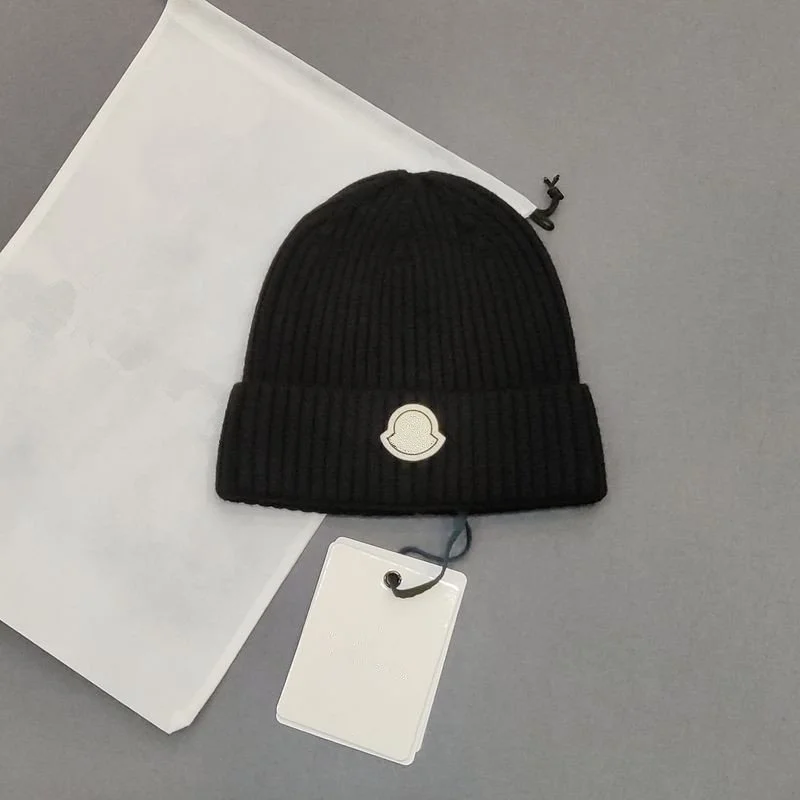
- Pro: Available in eight color options, including neutral tones like black, navy, and camel that match most winter coats.
- Pro: One-size-fits-all design simplifies the buying process for frequent travelers.
- Con: Being a standard knit, it may not provide enough wind protection for extreme outdoor exposure before entering the station.
The Long Walk
If you walk more than 15 minutes to work, your head will get cold. You need a hat that covers your ears and neck. A standard beanie often leaves the back of the neck exposed. A "bucket" or "basin" style hat drapes lower, providing extra coverage for the ears and the nape of the neck. This style is also excellent for windy days because the brim helps block wind from the front.
Consider the Warm Woolen Basin Hat For this purpose.
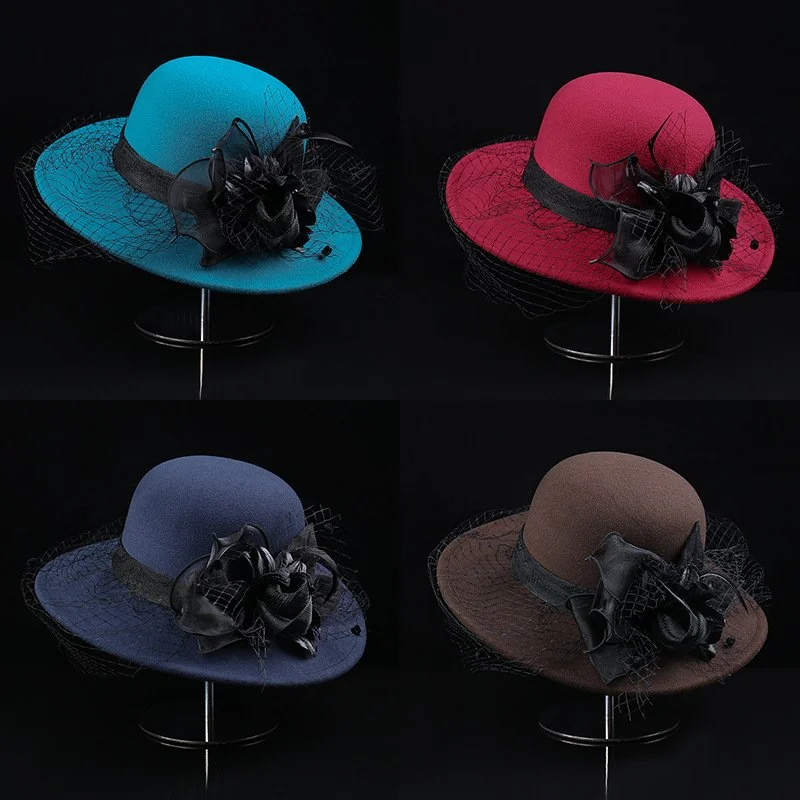
- Pro: The dome crown and floral patterns offer a stylish alternative to plain beanies, suitable for casual office environments.
- Pro: Woolen material provides consistent warmth without excessive bulk.
- Con: The floral pattern may not suit a strict corporate dress code; stick to solid colors if your workplace is formal.
The Office Professional
Entering a professional office in a messy, slouchy beanie can undermine your polished appearance. You need a hat that looks intentional. A structured fedora, a clean beret, or a neat, flat-brimmed wool hat works well. These styles hold their shape, so when you remove them, your hair stays relatively intact. They also signal that you are dressed for the occasion, not just for the weather.
For a professional touch, look at the European and American Popular Woolen Top Color Matching Flat Brim Fedora Jazz Hat.
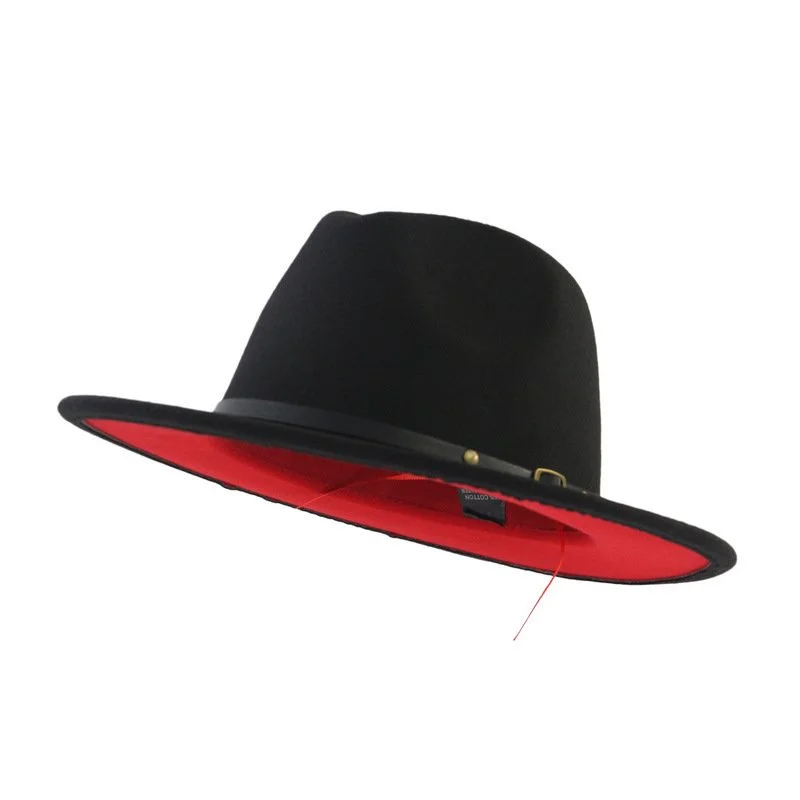
- Pro: Structured flat brim adds polish and frames the face, making it suitable for professional settings.
- Pro: Color-matched top and brim create a cohesive, designed look rather than a "winter accessory" look.
- Con: Asian sizing runs smaller; you must measure your head and size up if you are between sizes to avoid a tight fit.
The Outdoor Event or Errand Runner
For days when you are out for extended periods, such as grocery shopping, meetings, or outdoor events, you need a hat that offers maximum coverage and style. A wide-brimmed hat provides shade from snow and wind, while also serving as a fashion statement. These hats are less about practicality in extreme cold and more about looking put-together in mild winter weather.
The Woolen Wide Brim Hat Fits this niche.
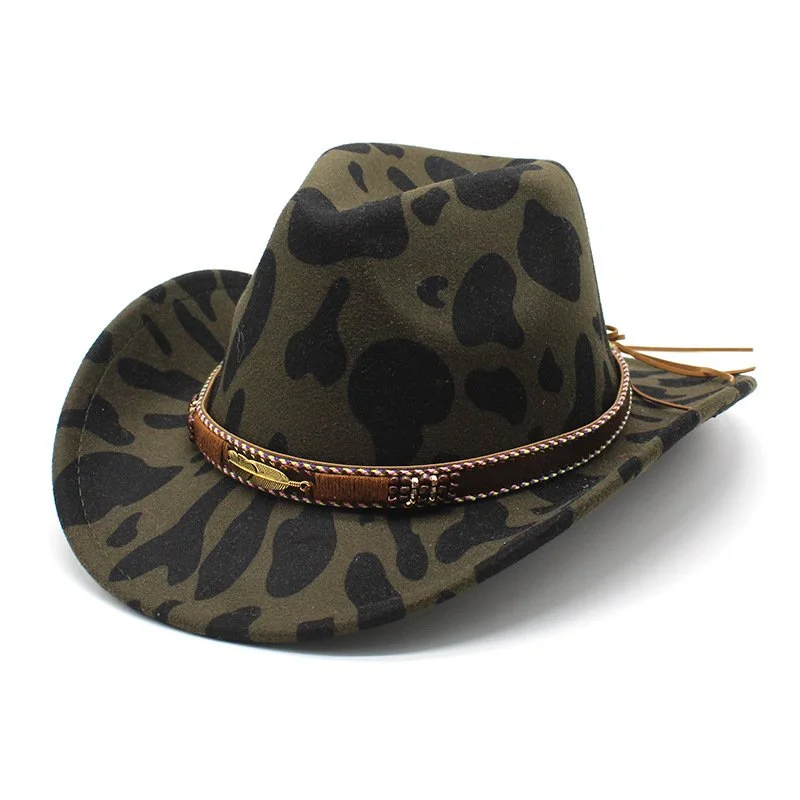
- Pro: Wide brim offers protection from wind and snow, and the bell crown adds a unique ethnic aesthetic.
- Pro: Available in six colors, including earthy tones like khaki and camel that pair well with trench coats.
- Con: Not ideal for heavy snow or extreme cold due to open brim design; better for mild autumn or early winter.
The Layering Option
Sometimes, a hat alone isn’t enough, or you want to add a layer of warmth without a bulky coat. A knitted cape or cowl can be worn over a hat or under a coat to protect the neck and shoulders. This is useful for bike commuters who need to keep their neck warm without a scarf that might get caught in the spokes.
The Stay Warm in Style with Solid Color Knitted Cape Serves as a versatile layering piece.

- Pro: Scandinavian-inspired design adds a stylish layer to casual winter looks.
- Pro: One-size-fits-most design makes it an easy addition to any wardrobe.
- Con: It is a cape, not a hat, so it does not cover the top of the head; it must be paired with a separate headwear item.
Product Comparison at a Glance
Here is a quick comparison of the six options based on price, material, and primary use case. Use this table to narrow down your choices based on your budget and commute style.
| Product Name | Price | Type/Material | Key Feature | Best For |
|---|---|---|---|---|
| Knitted Wool Hats | $38.60 | Wool Blend | 8 Color Options | Subway/Bus Commutes |
| Woolen Basin Hat | $13.76 | Wool | Floral Pattern, Dome Crown | Casual Walks |
| Ear Protection Beanie | $64.12 | Wool Blend | Full Ear Coverage | Bike Commutes |
| Fedora Jazz Hat | $9.40 | Woolen | Structured Flat Brim | Office Professional |
| Wide Brim Hat | $12.00 | Woolen | Wide Brim, Bell Crown | Outdoor Events |
| Knitted Cape | $24.40 | Warm Material Blend | Scandinavian Style | Layering/Neck Warmth |
Note on Pricing: Prices listed are current at the time of writing and can change. Always check the product page for the latest price and availability.
Common Mistakes to Avoid
Even with the right hat, you can still make your commute uncomfortable. Here are the most common errors and how to fix them.
Ignoring Sizing Variations
Many online hats, especially those manufactured in Asia, use different sizing standards than US/EU brands. A "Medium" in one brand might be a "Small" in another. Never buy a structured hat without measuring your head. Use a soft tape measure around the widest part of your head (just above the ears). If you are between sizes, always size up for structured hats, as they cannot stretch. For knit hats, you can size down if you prefer a tighter fit, but be aware that a too-tight hat will cause headaches.
Overlooking Wind Penetration
Knit hats are not windproof. If you are biking or walking in a direct headwind, the wind will pass through the knit and cool your head rapidly. This is why "ear protection" styles are recommended for active commutes. If you stick with a standard beanie, pair it with a windbreaker or a scarf that covers the neck and ears. Do not rely on a thin knit hat alone for high-wind conditions.
Choosing the Wrong Color for Your Wardrobe
Black is the default choice, but it can look harsh against pale skin or a light-colored coat. Consider your winter wardrobe palette. If you wear a lot of navy, camel, or grey, choose a hat in a matching neutral tone. A hat in a color that clashes with your coat will look accidental. Neutral tones like beige, charcoal, and navy are the safest bets for professional and casual wear alike.
Forgetting About Hair Management
If you have long hair, a tight beanie can crush it flat for hours. When you remove the hat, your hair may look disheveled. This is a common complaint among commuters. To mitigate this, choose a hat with a wider brim or a looser fit that allows your hair to fall naturally underneath. Alternatively, keep a small brush or spray bottle in your bag to refresh your hair before entering the office. Structured hats are better for this because they don’t compress the hair as much when removed.
Not Considering Helmet Compatibility
If you bike with a helmet, ensure your hat is thin enough to fit underneath. A thick, puffy beanie will create pressure points and make the helmet uncomfortable. Look for "slim fit" or "thin knit" beanies designed for helmet wear. If the hat is too thick, it may shift the helmet’s position, compromising safety and comfort.
Care, Styling, and Maintenance
Cold weather hats take a beating. They get wet from snow, sweat, and rain. They get crushed in bags. Proper care extends their life and keeps them looking good.
Washing Wool Hats
Wool is delicate. Machine washing can shrink it or felt the fibers, ruining the hat. Always hand wash wool hats. Use cold water and a gentle wool detergent. Do not wring the hat out; instead, press the water out with a towel. Reshape the hat and lay it flat to dry. Never put a wool hat in the dryer. Heat will shrink it. If your hat gets sweaty, air it out after each use. This prevents odor buildup and reduces the need for frequent washing.