Planning a Thanksgiving dinner often brings a specific anxiety: how do you make the table look festive and warm without it feeling like a craft fair project? You want guests to feel comfortable, but you also don’t want to spend the entire afternoon wrestling with wrinkled fabrics or mismatched napkins. The key is understanding how different materials interact and how simple layering techniques can create visual interest without adding visual noise. This guide breaks down exactly which fabrics work best for holiday hosting, how to measure for the perfect fit, and which specific items can improve your setup with minimal effort.
Understanding Fabrics: Linen vs. Cotton vs. Blends
The foundation of your table setting is the fabric itself. Different materials drape differently, wrinkle at different rates, and absorb stains in unique ways. For a Thanksgiving dinner, where spills are a possibility and comfort is paramount, the choice of fiber matters more than the pattern.
Linen: The Texture King
Linen is the gold standard for a "cozy" aesthetic because of its natural irregularity. It has a slub texture that catches light in a way smooth fabrics do not. However, linen wrinkles. This is not a flaw in the context of a home dinner; it is a feature. A crisp, ironed linen tablecloth can look stiff and formal, which might contradict the warm, inviting vibe of a family Thanksgiving. Embrace the wrinkles. If you are using a linen tablecloth, consider using a table runner to add structure. Linen is also highly breathable and durable, making it a long-term investment for your dining room.
Cotton: The Practical Workhorse
Cotton is easier to care for than pure linen. It holds a shape better, making it ideal for structured looks. For a modern, clean look, a high-thread-count cotton tablecloth is a safe bet. It is less likely to show minor stains immediately compared to lighter linens, and it is generally more affordable. If your priority is ease of cleaning and a tidy appearance, cotton is the superior choice. It pairs well with linen accents to balance structure with softness.
Cotton-Linen Blends: The Best of Both Worlds
Cotton-linen blends offer the texture of linen with the stability of cotton. They are less prone to severe wrinkling than pure linen but still have that relaxed, organic look. This is often the most practical choice for holiday entertaining because it is forgiving. You can toss a cotton-linen tablecloth on the table, give it a light shake, and it will look intentionally relaxed rather than messy. These blends are also durable, holding up well to repeated washing cycles.
Choosing the Right Sizes: Runners, Cloths, and Napkins
One of the most common reasons table settings look "off" is incorrect sizing. A runner that is too short looks like a belt; one that is too long can dangle dangerously into the path of guests. Getting the measurements right is the first step to a polished look.
Tablecloth Sizing
For a standard dining table, the tablecloth should drop down the sides of the table by at least 6 to 8 inches. If you want a more dramatic, formal look, you might aim for a 12-inch drop. For a casual, cozy Thanksgiving, a 6- to 8-inch drop is usually sufficient. Measure the length and width of your table, then add the desired drop to both sides. For example, if your table is 6 feet long and 3 feet wide, and you want an 8-inch drop, your tablecloth should be approximately 7 feet 4 inches long and 4 feet 8 inches wide. Always check the specific dimensions of the product you are buying, as sizes can vary between manufacturers.
Table Runner Sizing
Table runners should be at least half the length of the table, but often longer. A good rule of thumb is to have the runner extend 12 to 18 inches past each end of the table. This creates a sense of flow and allows you to place centerpieces or decorative items on the overhang. If your table is 6 feet long, a runner that is 8 to 9 feet long will work well. Runners come in various widths; 10 to 14 inches is a standard width that works well on most tables. Wider runners (18+ inches) can look chunky and may overpower smaller tables.
Napkin Sizing
Standard cloth napkins are typically 18 by 18 inches or 20 by 20 inches. These sizes are large enough to fold into various shapes and provide adequate coverage for the lap. Smaller napkins (12 by 12 inches) can look disproportionate on a full-sized place setting. Larger napkins (24 by 24 inches) are often used for formal events or to create dramatic drapes. For a cozy, home-style Thanksgiving, 18 by 18 inches is the sweet spot. It is substantial enough to feel special but not so large that it becomes cumbersome to fold or handle.
Building a Modern Cozy Color Palette
Traditional Thanksgiving colors are orange, yellow, and deep red. While these are effective, they can sometimes look dated or overly "pumpkin spice." A modern, cozy palette leans toward neutrals with warm undertones. This approach allows the food and the people to be the stars of the show, while the table setting provides a warm backdrop.
Neutral Foundations
Start with a neutral base. Beige, cream, oatmeal, and light gray are excellent choices. These colors are versatile and easy to match with other elements in your home. They also reflect light, making the dining room feel brighter and more open. If you have a dark wood table, a light neutral tablecloth or runner will create a beautiful contrast. If your table is light, a slightly darker neutral can add depth.
Warm Accents
Once you have a neutral base, introduce warm accents through napkins, runners, or small decorative elements. Rust, terracotta, olive green, and mustard yellow are all warm colors that evoke the fall season without being too bright. These colors pair well with the neutral base and add a sense of warmth and comfort. Avoid using more than two or three accent colors, as this can quickly become visually chaotic.
Textural Contrast
Color is only half the battle; texture is the other half. Even if you stick to a monochromatic palette, varying the textures of your linens can create visual interest. A smooth cotton tablecloth paired with a textured linen runner and a plush cotton napkin will look dynamic and layered. This is where natural fibers really shine, as they have inherent texture that synthetic fabrics lack.
Layering Techniques for Depth and Texture
Layering is the secret to a table that looks styled without being cluttered. It involves combining different fabrics, sizes, and textures to create a sense of depth and dimension. The key is to keep it simple and intentional.
The Base Layer
The base layer is your tablecloth. It should be the largest and most neutral element. It sets the tone for the entire setting. If you are using a patterned tablecloth, keep it subtle, such as a small gingham or a faint floral. If you are using a solid color, you have more freedom with the other layers. Ensure the base layer is smooth and free of major wrinkles, as this provides a clean canvas for the rest of the setting.
The Middle Layer: Runners
Table runners are the middle layer. They add length and structure. You can use one long runner down the center of the table, or two shorter runners on either side. If you are using a runner, make sure it is centered. Place it on the table before setting the plates. The runner should be the second most prominent element after the tablecloth. It is a great place to introduce a different texture or a subtle color accent.
The Top Layer: Napkins and Accents
Napkins are the top layer and the most personal element of the setting. They are the first thing guests see when they sit down. Choose napkins that complement the runner and tablecloth. If the runner is textured, smooth napkins can provide a nice contrast. If the runner is smooth, textured napkins can add interest. Fold the napkins in a simple, elegant style, such as a rectangle or a fan. Avoid overly complex folds that can unravel during the meal.
Adding Greenery and Decor
Finally, add greenery and other decorative elements on top of the layers. Eucalyptus branches, pine sprigs, or dried wheat can be placed directly on the runner or tablecloth. Candles in glass holders can also be added for warmth. Keep the height of these elements low so that they do not obstruct the view between guests. The goal is to create a sense of abundance without blocking sightlines.
Product Comparison and Recommendations
While the principles of fabric and sizing are universal, having the right specific items makes execution easier. Below are five products that fit into a modern, cozy Thanksgiving table setting. Each serves a specific purpose, from adding texture to providing comfort for seated guests.
1. Linen Printed Pillowcase
Linen Printed Pillowcase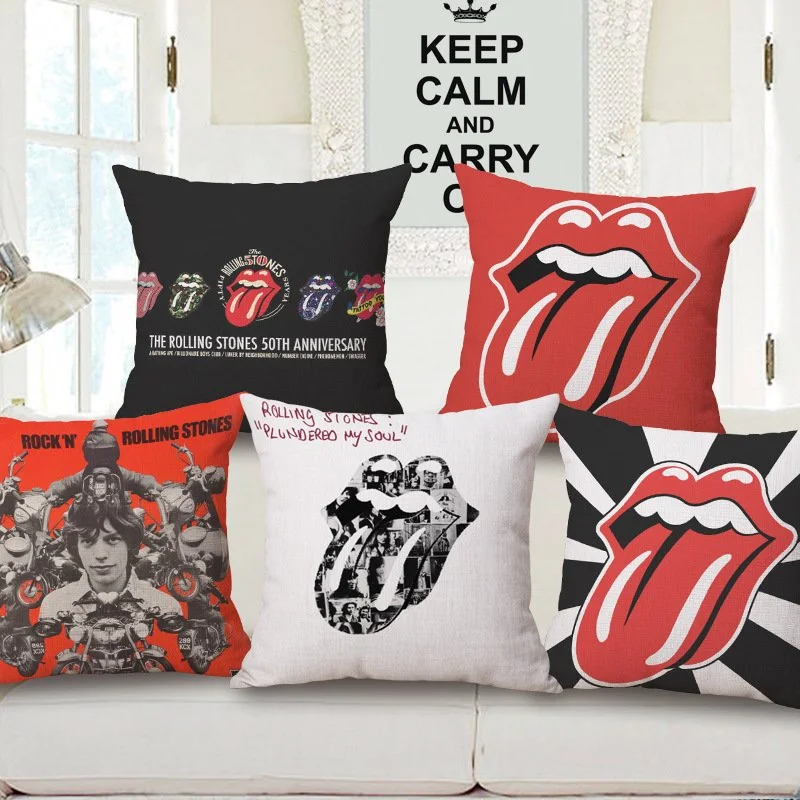
- Pro: Made from linen, which matches the texture of other natural fiber table linens for a cohesive look.
- Pro: Affordable price point allows you to experiment with different colors or patterns.
- Con: Asian sizing runs 1–2 sizes smaller than US/EU standards, so check the specific dimensions if you are using it to cover a standard US pillow.
2. Christmas Cushion Holiday Pillowcase Cotton and Linen
Christmas Cushion Holiday Pillowcase Cotton and Linen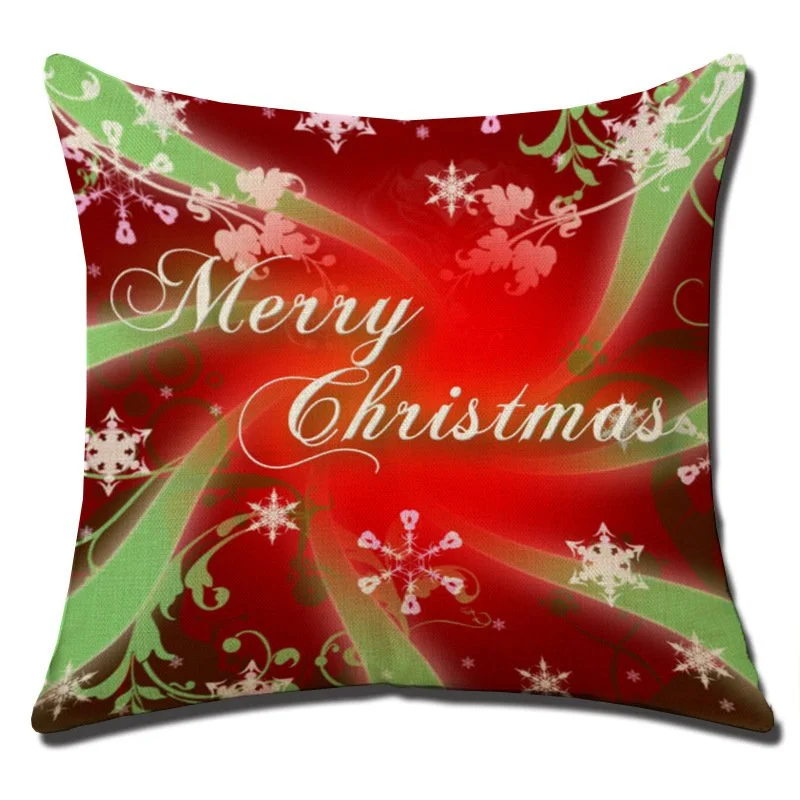
- Pro: The cotton-linen blend offers good durability and a soft, textured feel.
- Pro: Multiple color options allow for customization to match your specific holiday palette.
- Con: The 45x45cm size is smaller than standard US pillow covers (which are often 20x20 inches or 50x50cm), so it may fit loosely on larger pillows.
3. Christmas Cotton and Linen Pillowcase Cartoon Print
Christmas Cotton and Linen Pillowcase Cartoon Print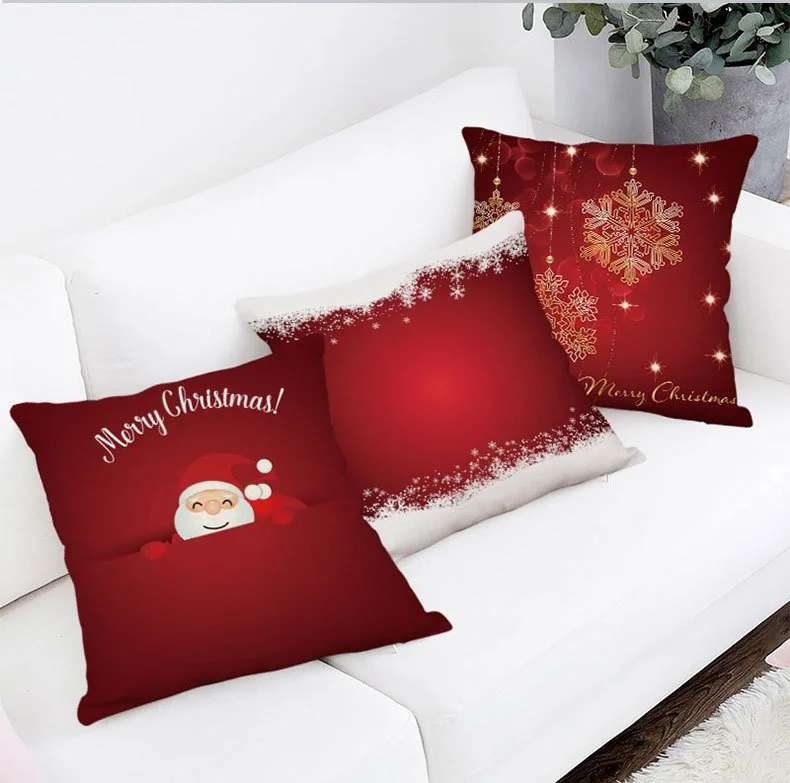
- Pro: The cartoon design adds a unique, personal touch that can make the table feel more welcoming for kids.
- Pro: The red color is a classic holiday hue that pairs well with traditional green and white accents.
- Con: Limited to one color and size option, which reduces flexibility in matching other decor elements.
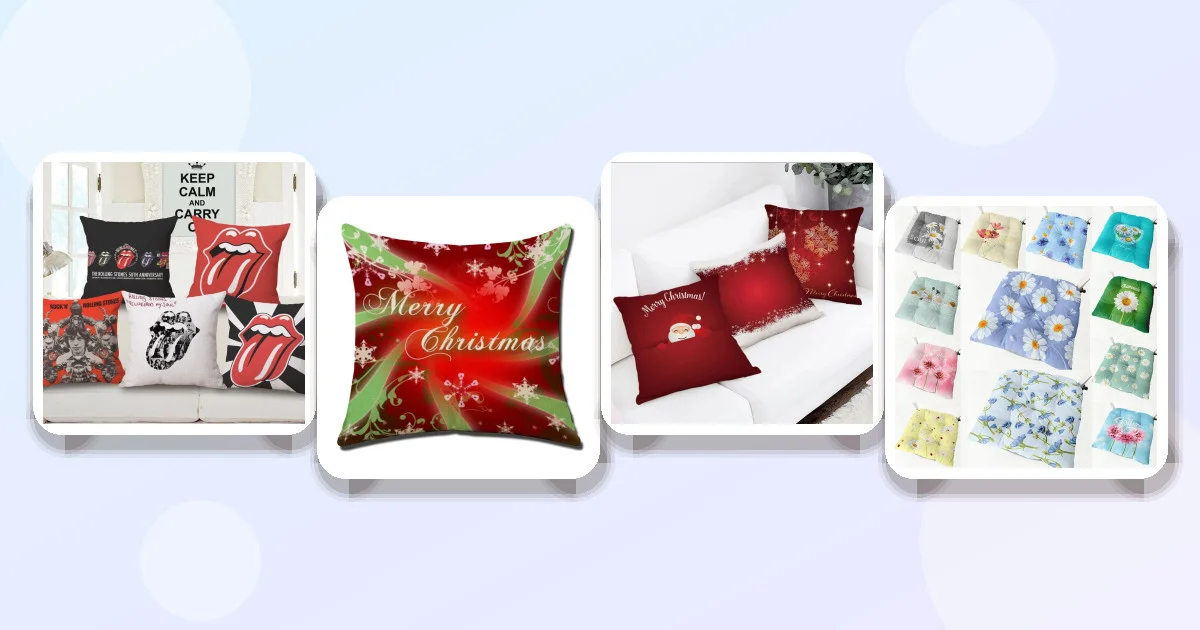
4. Daisy Thick Square Round Cotton Linen Chair Cushion
Daisy Thick Square Round Cotton Linen Chair Cushion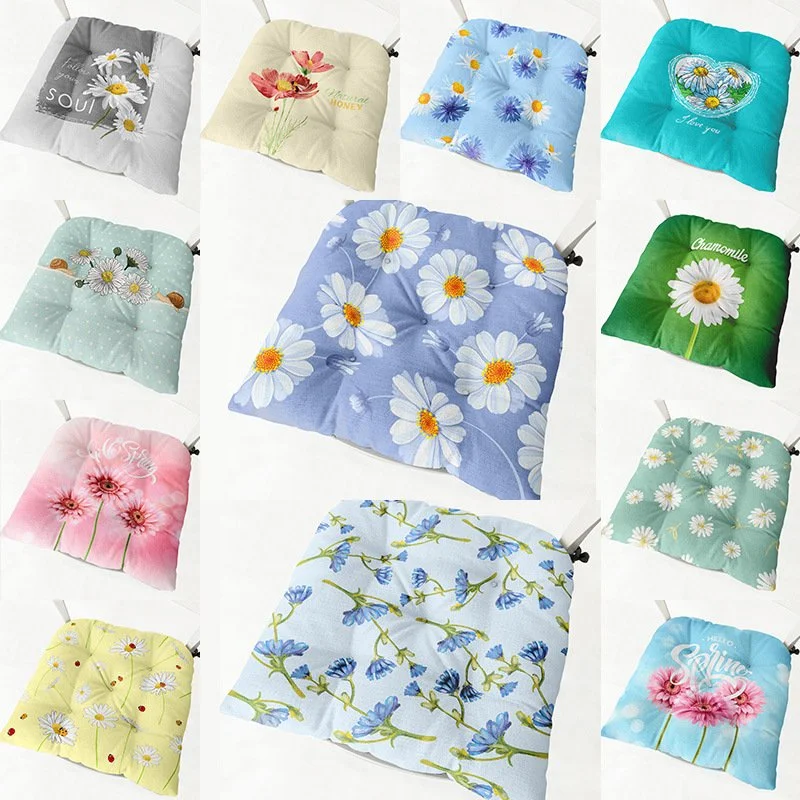
- Pro: High weight (360g) indicates a thick, substantial cushion that won't flatten out during the meal.
- Pro: Wide variety of colors and shapes allows you to match your existing chair style and table palette.
- Con: The "plush" material description for the fleece version may be less breathable than the cotton-linen option, so choose the cotton-linen for better airflow in a warm dining room.
5. Mural Decoration Sofa Living Room Linen Pillowcase
Mural Decoration Sofa Living Room Linen Pillowcase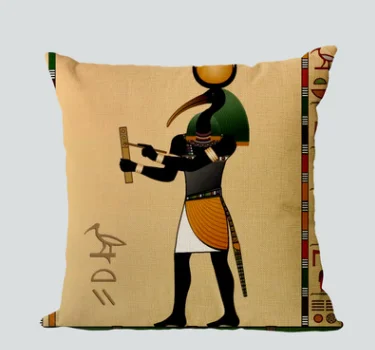
- Pro: Pure linen material matches the texture of high-quality table linens, creating a unified look.
- Pro: Modern style and 12 color options make it easy to find a shade that complements your Thanksgiving palette.
- Con: Like other Asian-sized products, it may run smaller than US standards, so verify dimensions if you plan to use it with standard US pillows.
6. 1pc French Pastoral Style Floral Pattern Round Carpet
1pc French Pastoral Style Floral Pattern Round Carpet, Suitable for Decorating Living Rooms and Bedrooms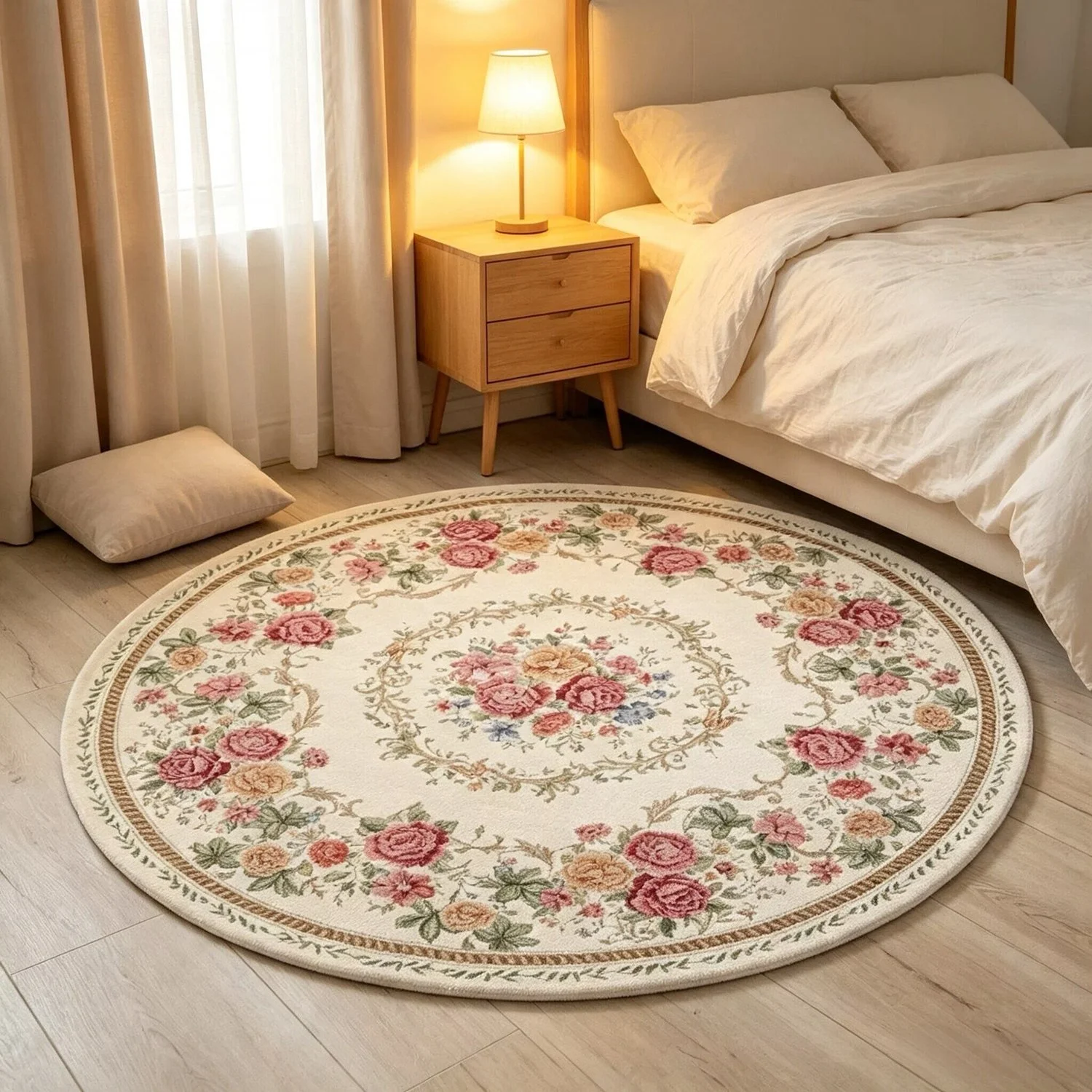
- Pro:Shop the storyAll products from this guide