You probably have a drawer full of sweaters that look perfect when you pull them out, but you’ve noticed the shoulders stretching or the texture getting fuzzy after a few seasons. This happens because knitted fabrics are vulnerable to gravity, humidity, and pests if you treat them like cotton t-shirts. The difference between a sweater that lasts three years and one that lasts a decade comes down to how you prepare it for the off-season. In this guide, you will learn the specific steps to clean, fold, and protect your wool, cashmere, and acrylic knits so they stay in excellent condition year after year.
Why Proper Storage Matters for Knits
Knitted fabrics are structurally different from woven fabrics. A woven shirt holds its shape because the threads are interlaced tightly. A sweater holds its shape because the yarn is looped together. This makes it elastic but also vulnerable. Gravity pulls on the weight of the fabric, causing the shoulders and elbows to stretch if the sweater is hung. Moths are attracted to the natural oils in wool and cashmere, which remain on the garment even if it looks clean. Pilling occurs when fibers rub against each other or against rough surfaces, weakening the knit structure over time.
When you store a sweater incorrectly, you are essentially setting up conditions for damage. Humidity can cause wool to shrink or develop mildew. Direct sunlight fades the dye. Poor folding creates permanent creases in the ribbing. By understanding these specific risks, you can take targeted actions to mitigate them. The goal is not just to put the sweater away, but to preserve its structural integrity and aesthetic quality for the next several years.
The Three Main Threats
Gravity and Stretching: Hanging a heavy wool sweater on a standard hanger causes the shoulders to widen. The weight of the fabric pulls down on the shoulder seams. Over one season, this might be subtle. Over five years, the sweater becomes baggy and loses its silhouette. This is why hanging is generally discouraged for heavy knits.
Insect Damage: Moth larvae feed on keratin, a protein found in wool, cashmere, and silk. Adult moths lay eggs on the fabric. The larvae then hatch and chew holes in the sweater. This damage is irreversible. You cannot repair a moth-eaten hole without visible patching. Prevention is the only viable strategy.
Fiber Fatigue and Pilling: Every time a sweater is worn, the fibers experience friction. If the sweater is stored in a cramped space or rubbed against other rough fabrics, this friction continues even when you are not wearing it. This leads to pilling, where small balls of fiber form on the surface. While pilling can be shaved off, excessive pilling indicates that the knit is weakening. It can also make the sweater feel scratchy and look worn.
The Pre-Storage Cleaning Protocol
You must clean a sweater before storing it, even if it only looks clean. Sweat, skin oils, and environmental dust accumulate on the fibers. These residues are food sources for moths and bacteria. If you store an unwashed sweater, you are inviting pests into your closet. The cleaning method depends on the material composition of the sweater.
Washing Wool and Cashmere
For pure wool or cashmere sweaters, hand washing is the safest method. Fill a basin with cool water and add a small amount of wool-specific detergent. Submerge the sweater and let it soak for 10 to 15 minutes. Do not agitate, twist, or wring the fabric. This causes felting, where the fibers shrink and mat together permanently. Instead, gently press the water out. Roll the sweater in a clean, absorbent towel to remove excess moisture. Lay it flat on a drying rack or a clean towel in a well-ventilated area. Reshape it to its original dimensions while it dries. Never hang it wet, as the weight of the water will stretch the fabric significantly.
If your sweater is delicate or has embellishments, dry cleaning is an option. However, frequent dry cleaning can strip natural oils from wool, making it brittle over time. Use dry cleaning only when the care label recommends it or if the sweater is heavily soiled. Always check the care tag for specific instructions. If the tag says "Dry Clean Only," follow that instruction strictly. If it says "Hand Wash," avoid the dry cleaner to preserve the fiber quality.
Washing Acrylic and Blends
Acrylic sweaters are synthetic and more durable than wool. They can often be machine washed on a gentle cycle in cold water. Use a mesh laundry bag to protect the sweater from snagging on other items. Avoid high heat, as acrylic can melt or warp under dryer temperatures. Air dry these sweaters as well. Hanging them to dry can cause stretching, so lay them flat or hang them over a clothesline by the hem, ensuring the weight is distributed evenly. Check the care label for any specific warnings about bleach or fabric softeners. Fabric softeners can coat the fibers, making them feel stiff and reducing their breathability over time.
Regardless of the material, ensure the sweater is completely dry before storing it. Even a slight amount of dampness can lead to mildew or musty odors. If you live in a humid climate, allow extra time for drying. You can use a fan to speed up the process, but do not use a heater or direct sunlight, which can damage the fibers and fade the color.
How to Fold Sweaters Correctly
Folding is the most critical step in sweater storage. The way you fold determines how the fabric rests during the off-season. A poor fold creates sharp creases that can become permanent. A good fold distributes the weight evenly and minimizes stress on the seams. The goal is to create a compact, flat shape that fits neatly in a drawer or shelf without being compressed too tightly.
The Standard Flat Fold
Start by laying the sweater flat on a clean surface, front side down. Smooth out any wrinkles with your hands. Fold the sleeves inward, bringing the shoulder seams to the center of the back. This creates a rectangular shape. Then, fold the sweater in half or thirds, depending on the size of your storage space. For a standard crew neck pullover, folding it into thirds usually works best. The bottom hem should align with the neckline, and the sleeves should be tucked inside. This method keeps the shoulders from bearing any weight. It also allows you to stack multiple sweaters without crushing the one at the bottom.
Folding Cardigans
Cardigans require a slightly different approach because of the button placket. Button the cardigan up before folding. This prevents the buttons from snagging on the fabric and keeps the shape structured. Fold the sleeves inward just like a pullover. Then, fold the cardigan in half lengthwise. If the cardigan is long, you can fold it into thirds to make it more compact. Ensure the buttons are facing inward so they do not poke through the fabric and create holes. This method protects the fabric and keeps the cardigan looking neat when you pull it out of storage.
Using Acid-Free Tissue Paper
Acid-free tissue paper is a big upgrade for long-term storage. It cushions the sweater and prevents direct contact with other fabrics. Place a sheet of tissue paper inside the collar and down the center of the sweater. This adds volume and prevents the knit from compressing too much. You can also place a sheet of tissue paper between each folded sweater in a stack. This barrier reduces friction between the sweaters, which helps prevent pilling. The tissue paper also absorbs any residual moisture, keeping the sweaters dry. Use plain white tissue paper to avoid any risk of dye transfer, although acid-free paper is designed to be colorfast. Replace the tissue paper annually to ensure it remains fresh and effective.
Choosing the Right Protection Materials
Once your sweaters are cleaned and folded, you need to choose the right storage containers and pest deterrents. The environment in which you store your sweaters is just as important as the folding technique. You want to create a cool, dry, and dark space that is inaccessible to moths and other pests.
Cedar Blocks and Moth Repellents
Cedar is a natural moth repellent. The scent of cedar oil is unpleasant to moths and discourages them from laying eggs in your closet. You can buy pre-made cedar blocks or cut your own from cedar wood. Place a few blocks in your sweater drawer or on the shelf where you store your knits. Cedar blocks are reusable; you can refresh their scent by lightly sanding them with fine-grit sandpaper once or twice a year. This exposes fresh wood and releases more oil. Avoid using synthetic moth balls, which contain naphthalene or paradichlorobenzene. These chemicals are toxic and can leave a strong, lingering odor that is difficult to remove from wool. They can also damage the fabric over time.
If you prefer a non-wood option, lavender sachets are a popular alternative. The scent of lavender is also disliked by moths. Place a sachet in each drawer or fold one into the stack of sweaters. Lavender sachets are inexpensive and easy to replace. However, the scent fades quickly, so you may need to replace them more often than cedar blocks. You can also use dried bay leaves or cloves, which have natural repelling properties. Combine these natural deterrents with good hygiene practices to create a multi-layered defense against pests.
Storage Containers
Choose breathable storage containers for your sweaters. Plastic bins can trap moisture, leading to mildew. Instead, use cotton or canvas bags, or store them in open drawers or on shelves. If you must use a bin, ensure it has ventilation holes or use a bin with a lid that does not seal airtight. You can also use vacuum-sealed bags, but this is generally not recommended for wool and cashmere. Compressing the fibers can cause them to mat and lose their loft. If you use vacuum bags, do so sparingly and for short periods. For long-term storage, breathable storage is always better. Keep your closet organized and decluttered. A cluttered closet makes it harder to keep things clean and can trap humidity. Use a dehumidifier in your bedroom or closet if you live in a humid climate. This helps maintain a low humidity level, which is ideal for storing natural fibers.
Sweater Options for Long-Term Wear
Choosing the right sweater is part of the storage equation. Some materials are inherently easier to maintain than others. When selecting sweaters for your collection, consider the material, fit, and intended use. Here are a few options that balance quality, price, and versatility.
Value-Friendly Knits
If you are looking for affordable options that offer good style, consider knits with synthetic or blended fibers. These are often more durable and easier to care for than pure wool.
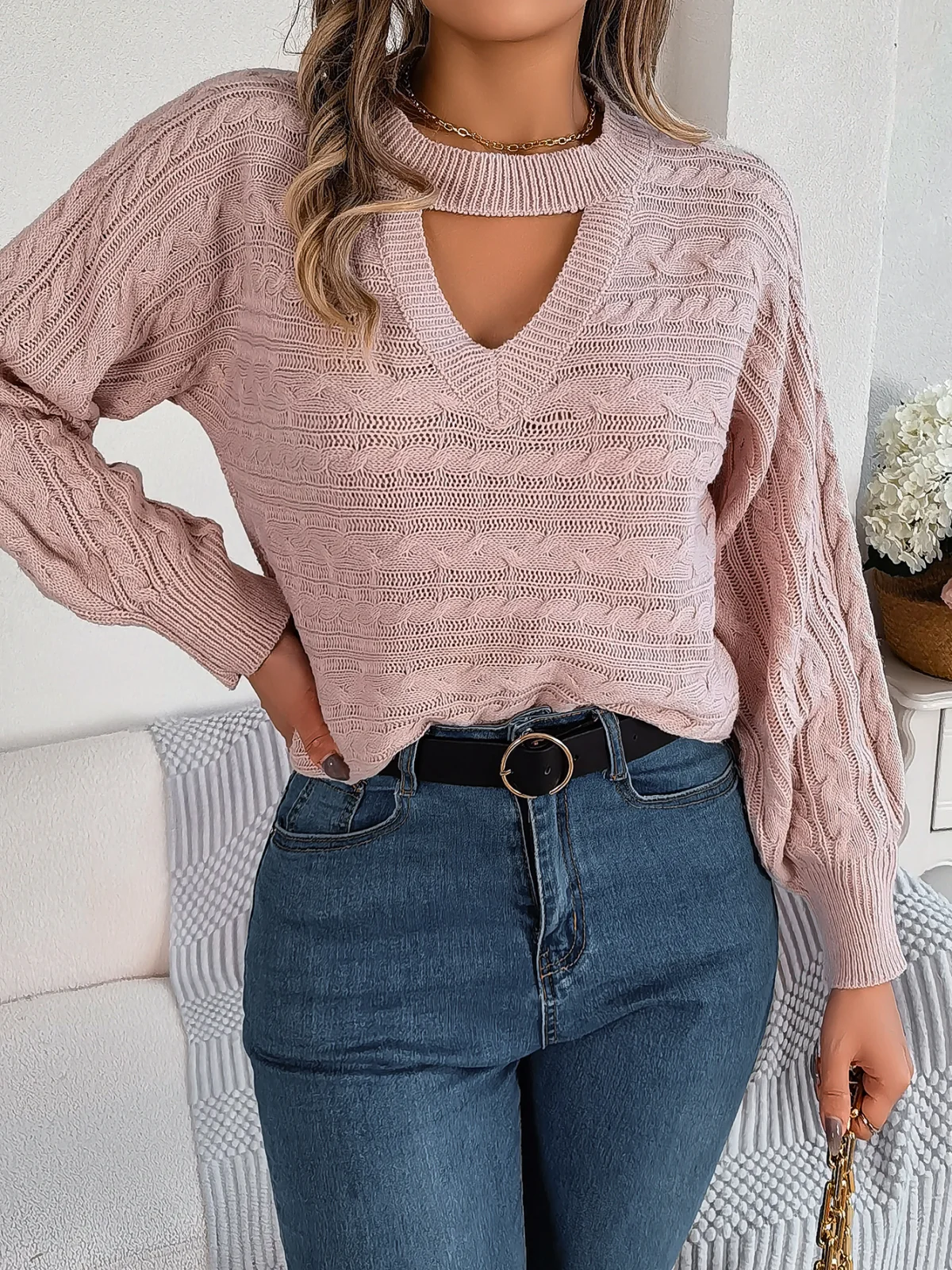
-
Women Casual Hollow Out Cable Knit Long Sleeve Pullover Sweater
Best for Those seeking a trendy, textured look at a low price point.
- Pros: Affordable at $31.96; unique hollow-out cable design adds visual interest.
- Pros: Available in multiple colors including Pink, Gray, and Burgundy.
- Con: Asian sizing runs small; check measurements carefully to ensure a comfortable fit.
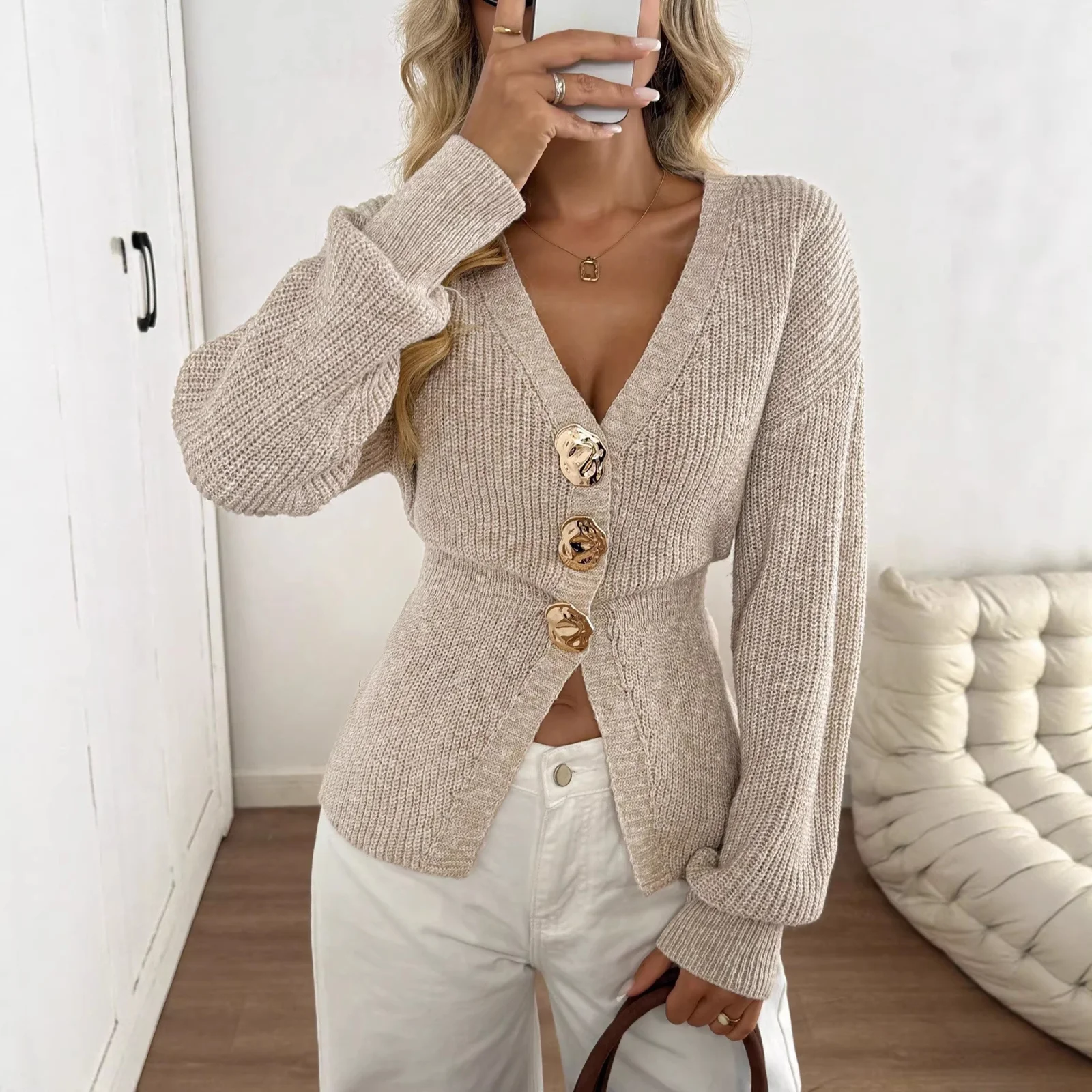
-
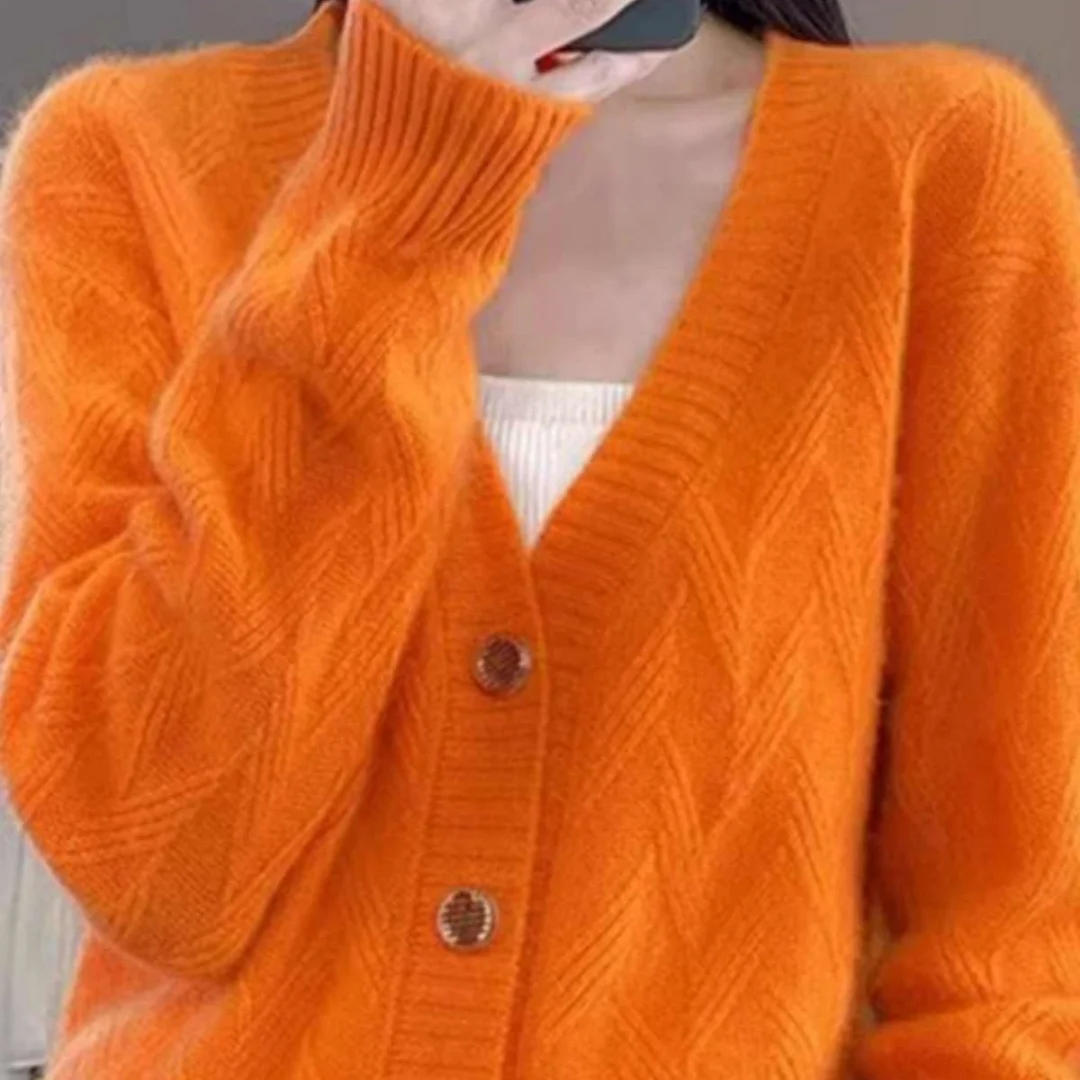
Fashion V-neck Button-up Knit Cardigan Sweater
⭐ Editor's pickBest for Adding a layer to casual outfits without breaking the bank.
- Pros: Button-up design offers versatility for layering.
- Pros: Regular length makes it easy to tuck or wear over pants.
- Con: Limited color options; only available in Apricot shades.
Mid-Range and Premium Options
For sweaters that you plan to wear frequently and keep for many years, investing in higher-quality materials is worth it. These sweaters hold their shape better and feel more luxurious against the skin.
-
Women's Plush Printed Knitted Pullover with Round Neck and Leopard Print
⭐ Editor's pickBest for Statement pieces that add personality to a basic wardrobe.
- Pros: Polyester material is durable and easy to wash.
- Pros: Available in multiple sizes from S to XL.
- Con: Synthetic feel may not be as soft as wool for sensitive skin.
-
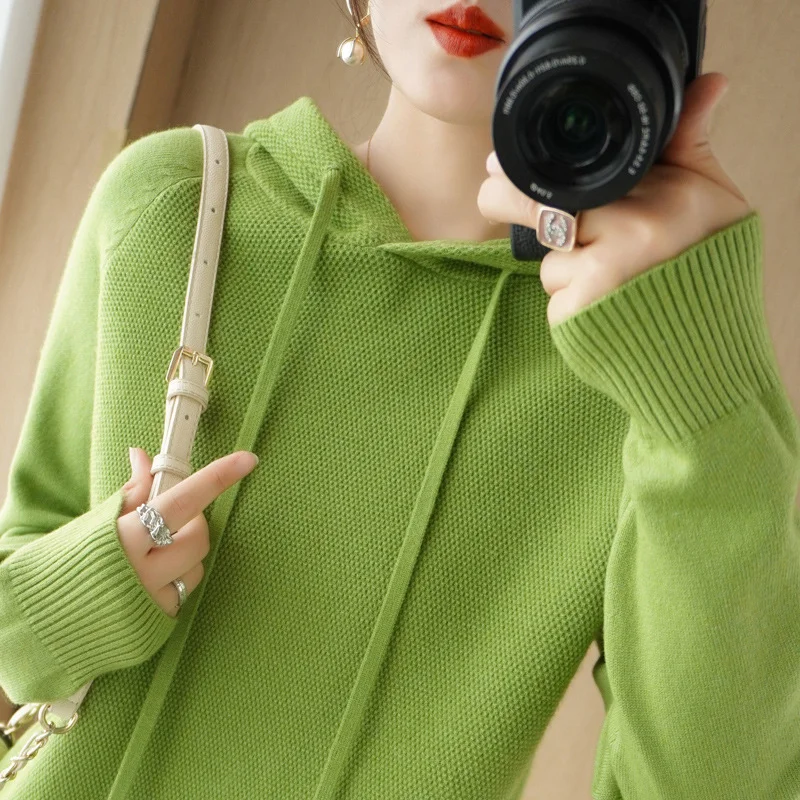
Thick Sweater Base Layer Coat Top Hooded Wool Knit Sweater
⭐ Editor's pickBest for Cold weather layering under coats or wearing alone for warmth.
- Pros: Loose fit provides comfort and ease of movement.
- Pros: Extensive size range from M to 3XL.
- Con: Heavy weight may require more careful handling when folding to avoid strain on seams.
-
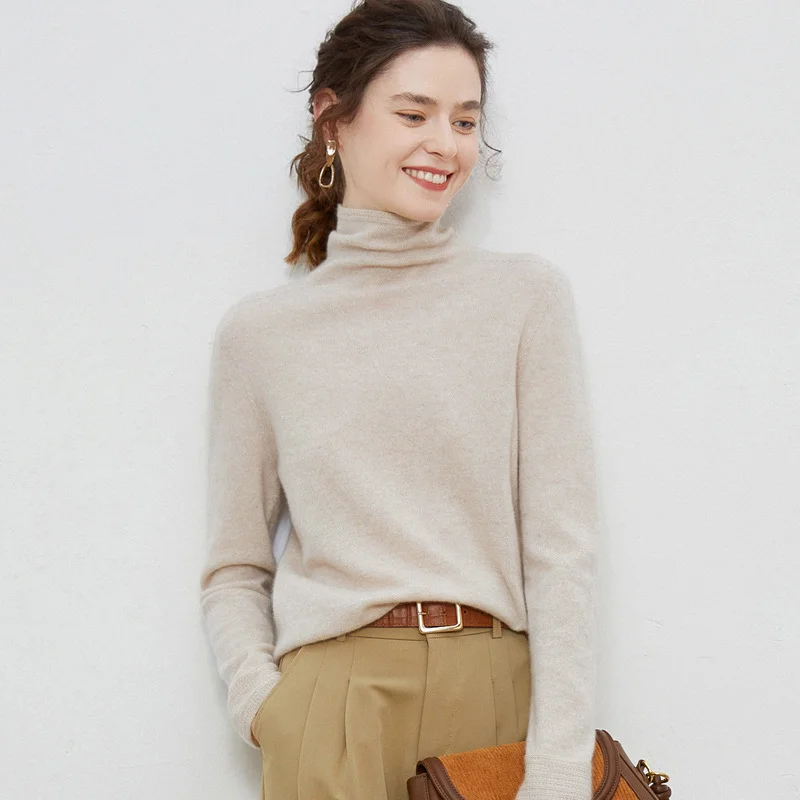
New Women's Loose-fit Ribbed Turtleneck Cropped Knit Pullover Sweater
⭐ Editor's pickBest for Stylish, modern looks with high-quality wool content.
- Pros: Made of wool, offering natural warmth and breathability.
- Pros: Cropped length pairs well with high-waisted bottoms.
- Con: Wool requires specific hand-washing or dry cleaning to prevent shrinking.
-
V-neck Long-sleeved Knitted Cardigan Simple and Loose-fitting Sweater Coat
⭐ Editor's pickBest for A premium, elegant option that blends wool and cashmere.
- Pros: Blend of 50% Wool and 5% Cashmere offers softness and durability.
- Pros: Commuter style makes it suitable for office wear.
- Con: Higher price point at $65.68; requires careful storage to protect cashmere fibers.

Comparison Table
| Product | Price | Material/Type | Key Features | Best For |
|---|---|---|---|---|
| Women Casual Hollow Out Cable Knit | $31.96 | Knit Pullover | Hollow out design, Asian sizing | Budget-friendly trendy looks |
| Plush Printed Leopard Pullover | $37.16 | Polyester | Leopard print, S-XL sizes | Durable statement pieces |
| Thick Hooded Wool Knit | $23.32 | Wool Knit | Hooded, loose fit, M-3XL | Warmth and layering |
| V-neck Wool/Cashmere Cardigan | $65.68 | 50% Wool, 5% Cashmere | Commuter style, S-2XL | Premium everyday wear |
| Ribbed Turtleneck Cropped Pullover | $59.04 | Wool | Cropped, ribbed, S-XXL | Modern, stylish wool options |
| V-neck Button-up Cardigan | $34.68 | Knit Cardigan | Button-up, Apricot color | Affordable layering |
Common Mistakes to Avoid
Even if you follow the basic steps, small errors can ruin your sweaters over time. Avoiding these common mistakes is crucial for long-term preservation.
Hanging Heavy Sweaters
Never hang a heavy wool or cashmere sweater on a standard hanger. The weight of the fabric will pull the shoulders out of shape. If you must hang a sweater, use a wide, padded hanger and fold the sweater over the bar with the sleeves tucked in. However, folding is always the safer option. Hanging is only acceptable for lightweight, structured knits that do not stretch easily. When in doubt, fold. A drawer or shelf is a better storage location than a closet rod for most sweaters.
Storing in Direct Sunlight
UV rays from sunlight can fade the color of your sweaters and weaken the fibers over time. Store your sweaters in a dark closet or drawer. If your closet has a window, consider using curtains or blinds to block direct sunlight. Even indirect light can cause fading over several years. If you store sweaters in a bedroom with a window, rotate them occasionally to ensure even exposure, but it is better to keep them in a completely dark space. This is especially important for brightly colored or dyed sweaters, which are more susceptible to fading.