When an unexpected cold snap hits in October, you need a fast, affordable way to add warmth without turning the thermostat up. This guide walks you through picking the right blankets and throws, how to layer them, and how to keep them in good shape.
How to choose blankets and throws for a freeze
Material matters
Cotton blends (pure cotton surface with polyester filler) give breathable warmth that won’t trap excess heat. Fleece and flannel are thicker and trap more air, making them ideal for the coldest nights. Milk fiber behaves like a soft, lightweight down alternative; it adds insulation without feeling heavy.
Size and fit
Measure the mattress or couch width and add 10‑15 cm on each side for a comfortable drape. For a twin bed, a blanket around 140 cm wide works well. Asian sizing runs 1‑2 sizes smaller than US standards, so if you’re between sizes, pick the larger option.
Weight and loft
A 200‑gram per square meter (gsm) blanket feels light enough for daytime use but still provides a warm layer at night. Fleece throws typically range from 300‑400 gsm, giving a noticeable temperature boost.
Budget vs. Longevity
Budget‑friendly options under $30 can still be durable if the filler is polyester fiber. Higher‑priced pieces often use thicker flannel or specialty fibers that last longer under frequent washing.
Product comparison
| Product | Price | Material | Size options | Best for |
|---|---|---|---|---|
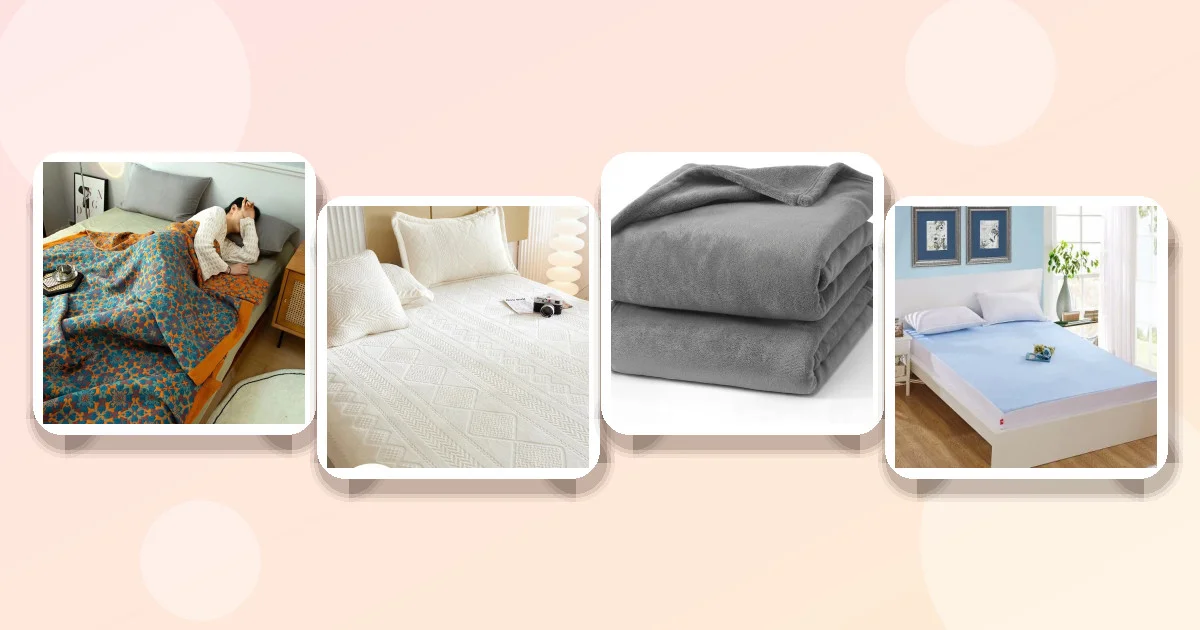
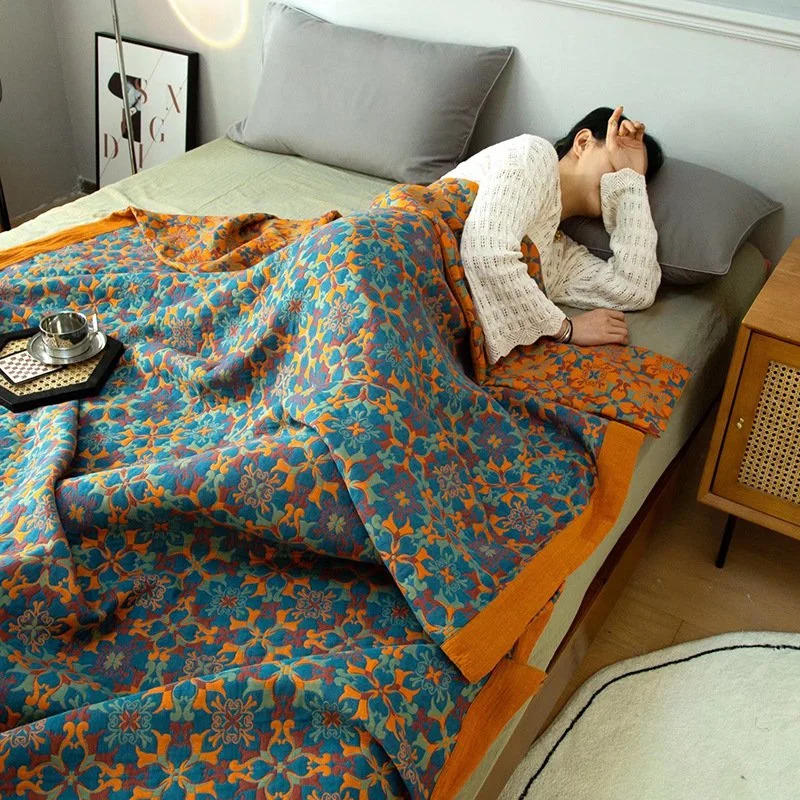
| Pure Cotton Light Luxury Three‑layer Yarn Blanket | $25.20 | Pure cotton surface, polyester fiber filler | 150 × 200 cm, 220 × 240 cm, etc. | Base layer on beds or sofas |
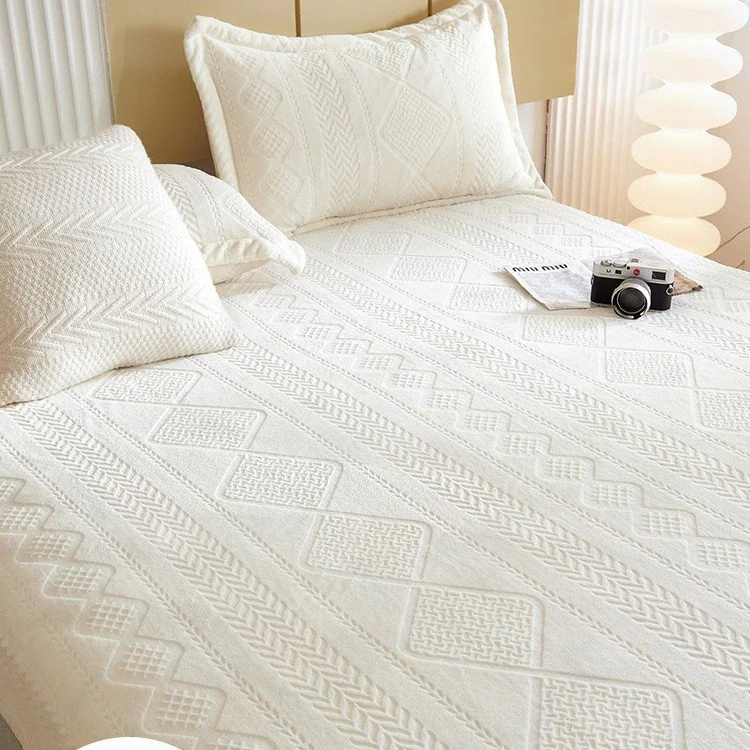
| Milk Fiber Flannel Fleece Bedspread | $43.12 | Milk fiber (soft, insulating) | 120 × 200 cm, 150 × 200 cm, 180 × 200 cm, 200 × 220 cm | Mid‑weight extra warmth |
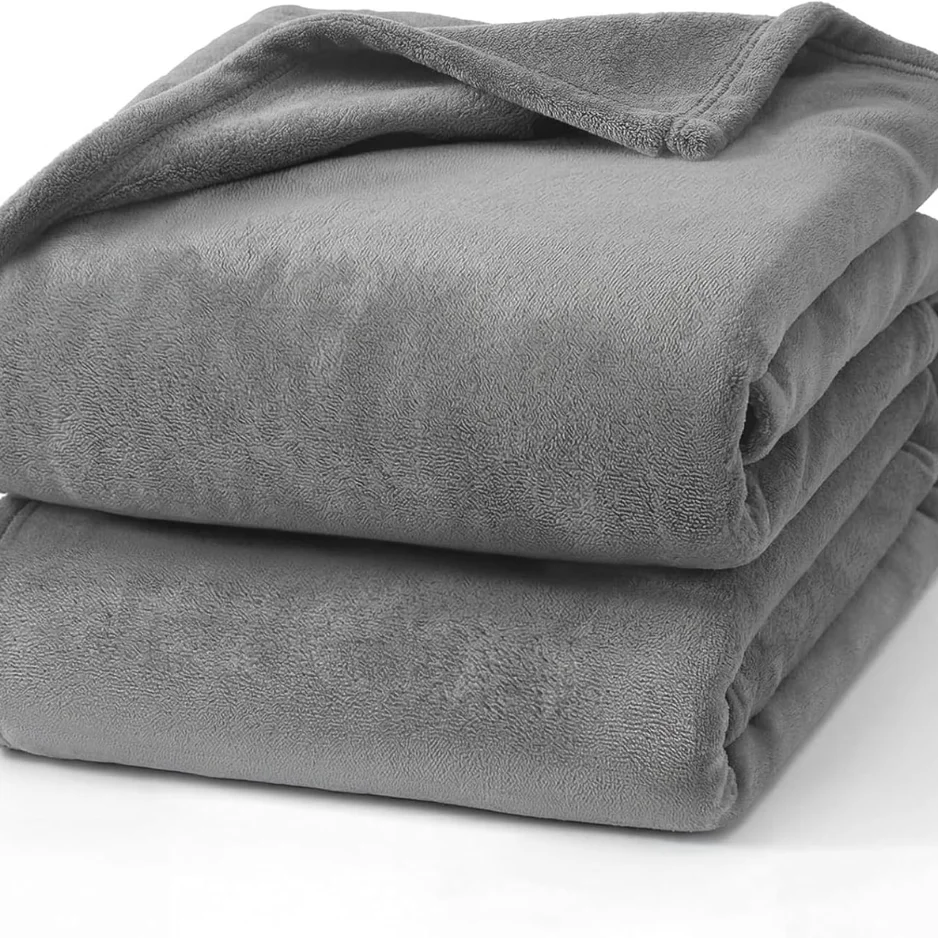
| Grey Fleece Blanket | $159.96 | Soft flannel/fleece | One size (check dimensions with seller) | Heavy‑duty throw for very cold evenings |
| Cotton Waterproof Bed Sheet | $36.16 | 100 % cotton terry + TPU waterproof membrane | 1.2 × 2 m, 1.5 × 2 m, 1.8 × 2 m, 2 × 2.3 m | Protective layer under blankets |
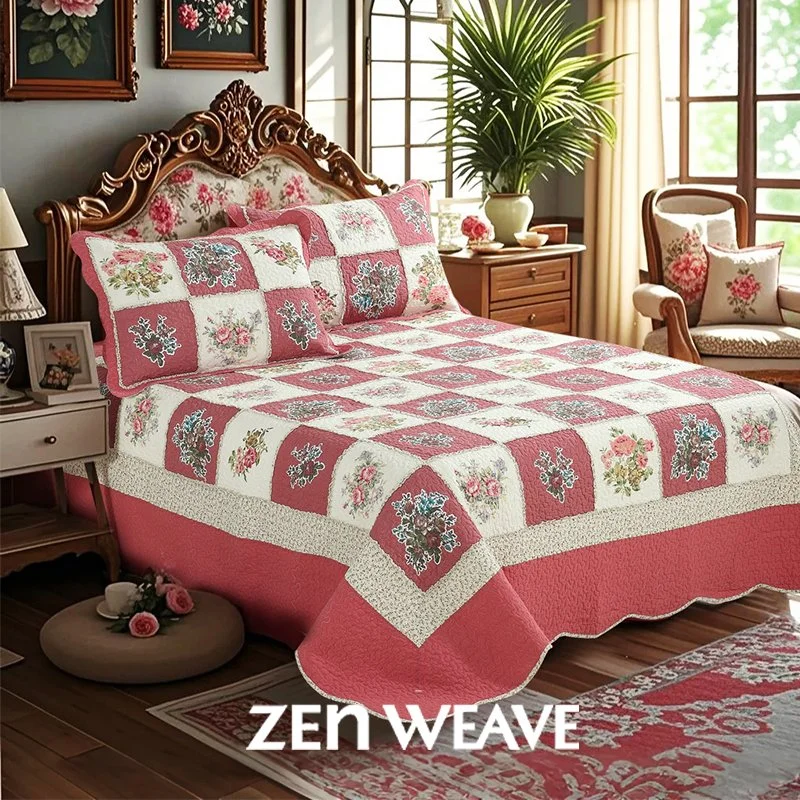
| Vintage Floral Patchwork Quilted Bedspread Set | $156.84 | Cotton‑filled quilting | Set includes coverlet, pillow shams | Decorative, reversible warmth |
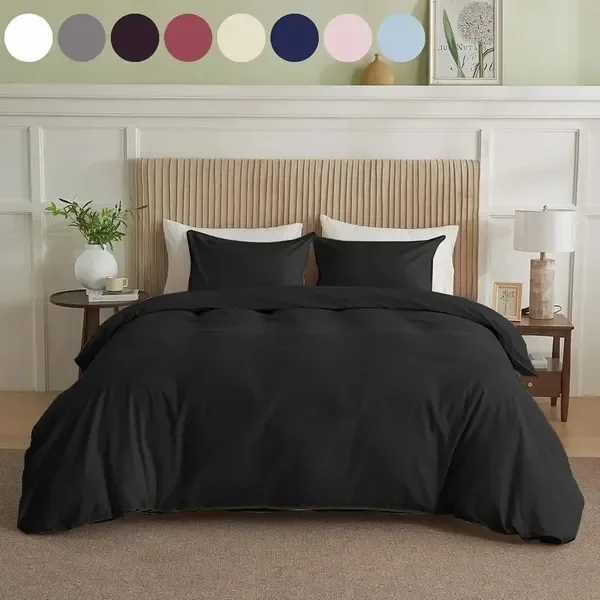
| Serta Simply Clean Duvet Cover King | $78.84 | Polyester blend (standard duvet cover) | King size | Easy‑to‑wash outer layer |
Layering strategy: blanket + throw
Step 1 – Base layer
Start with the Pure Cotton Light Luxury Three‑layer Yarn Blanket. Its cotton surface feels cool to the touch, so you won’t overheat while you’re moving around. Best for Anyone who wants breathable warmth without bulk.
- Soft, natural feel
- Lightweight enough for daytime use
- Con: limited loft for extreme cold
Step 2 – Mid layer
Add the Milk Fiber Flannel Fleece Bedspread. Milk fiber traps air like down, raising the R‑value without adding weight. Best for Families who need an extra 2‑3 °F boost.
- Insulating yet breathable
- Multiple size options for twin, full, queen
- Con: thicker profile may feel bulky on small sofas
Step 3 – Top throw
Finish with the Grey Fleece Blanket For the coldest nights. Its dense fleece holds heat close to the body. Best for Evenings when the thermostat stays below 60 °F.
- Heavy, very warm
- Neutral color fits most décor
- Con: not ideal for hot summer days
Protective underlay
If you have a moisture‑prone basement or pet accidents, place the Cotton Waterproof Bed Sheet Under the base blanket. It stops liquid from soaking into the filler. Best for Renters who need a removable barrier.
- Water‑tight membrane
- Easy to wash
- Con: adds a slight rustle when you move
Common mistakes to avoid
- Choosing the wrong size. A blanket that’s too small leaves gaps where cold air slips in. Measure first, then select the larger Asian size if you’re on the cusp.
- Relying on a single thin layer. Cotton alone can feel chilly when the temperature drops below 55 °F. Pair it with a fleece or flannel piece.
- Over‑stacking heavy throws. Too many thick layers trap moisture, making you feel damp. Two layers (base + mid) are usually enough; add a third only for the coldest nights.
- Neglecting care instructions. Washing a fleece blanket with hot water can flatten its loft. Follow the care tips below.

Care, styling, and usage tips
Washing fleece and flannel
Machine wash on a gentle cycle with cold water. Use a mild detergent, skip fabric softener (it can coat fleece fibers), and tumble dry low or air‑dry flat.
Maintaining cotton blankets
Pure cotton surfaces tolerate warm water, but high heat can shrink the fabric. Dry on low heat or line‑dry. Iron on a medium setting if wrinkles bother you.
Storing for the off‑season
Fold blankets loosely and place them in a breathable cotton bag. Avoid plastic bins; they trap moisture and can cause mildew.
Styling tips
Use the vintage floral quilt set (Vintage Floral Patchwork Quilted Bedspread Set) as a decorative top layer on a guest room. Its reversible design lets you switch colors without buying another set.
Frequently asked questions
❓ What type of blanket is best for a sudden cold snap?
A cotton‑blend base blanket topped with a fleece or flannel throw works best; the cotton stays breathable while the fleece adds the needed heat boost.
❓ How many throws should I buy for a family of four?
Two to three medium‑sized throws (around 150 × 200 cm each) give each adult a personal layer and leave a spare for kids or guests.
❓ Can I layer a blanket and a throw for extra warmth?
Yes—start with a thin cotton blanket, add a mid‑weight flannel or milk‑fiber bedspread, then finish with a heavy fleece throw for the coldest nights.
❓ What material keeps me warm without overheating?
Milk fiber and lightweight fleece provide insulation while still allowing moisture to escape, reducing the risk of overheating.
❓ How do I care for a fleece throw during winter?
Wash on a gentle cycle with cold water, skip fabric softener, and tumble dry low or air‑dry flat to keep the loft intact.
❓ What size blanket fits a twin bed for extra warmth?
A blanket about 140 cm wide (roughly 55 in) and 200 cm long (about 78 in) drapes nicely over a twin mattress and leaves room to tuck in.
❓ Can a waterproof sheet help with cold weather?
A waterproof sheet won’t add warmth, but it protects the filler from spills and moisture, which can make a blanket feel colder.
❓ Is a thick quilt worth the extra cost?
If you expect multiple freezes each year, a thicker quilt like the Vintage Floral Patchwork Quilted Bedspread Set Offers lasting warmth and style, justifying the higher price.
Key takeaways
- Start with a breathable cotton base; add flannel or fleece for extra heat.
- Measure your bed or sofa and choose the larger Asian size if you’re on a boundary.
- Two to three throws are enough for a family of four; keep a spare for guests.
- Wash fleece on gentle cycles, avoid fabric softener, and dry low.
- Use a waterproof cotton sheet as a protective underlay when needed.
How we chose these products: We selected items that cover a range of materials, sizes, and price points, matching the needs of families facing an unexpected freeze.