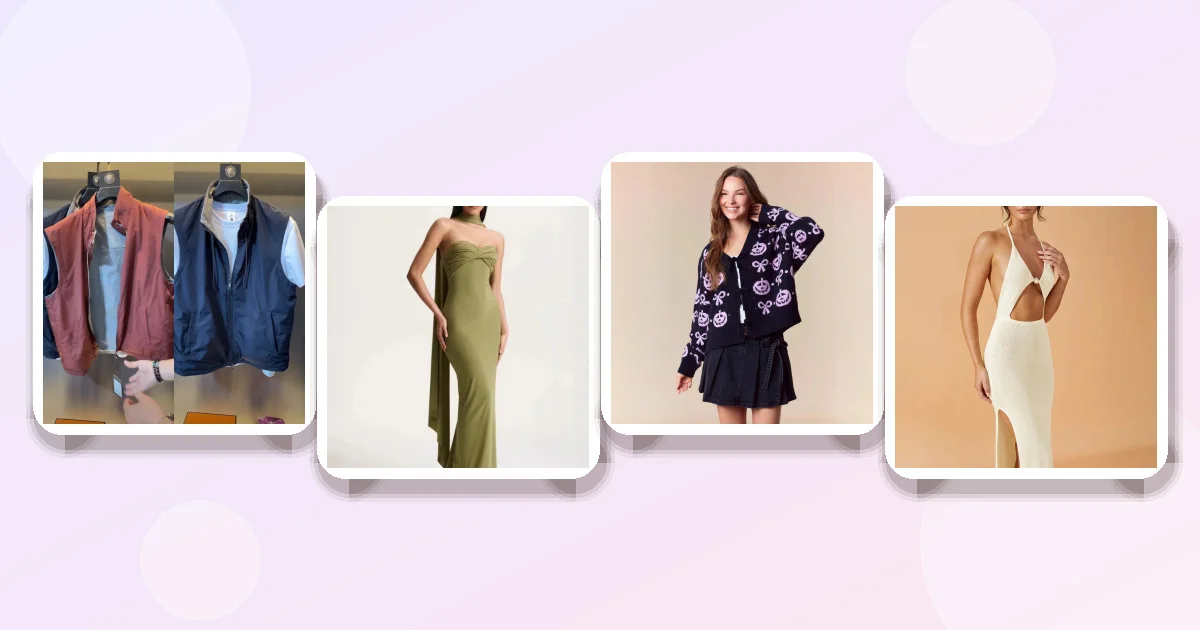
Planning a family picnic in the crisp air of autumn comes with a specific set of challenges. You want to look put-together for photos, but you also need to be able to chase toddlers, sit on a blanket for hours, and handle sudden temperature swings without freezing or sweating. The right top is the foundation of this outfit. It needs to be comfortable enough for physical activity, durable enough for grass and crumbs, and stylish enough that you feel confident wearing it. This guide walks you through exactly how to select the best women's t-shirt for these conditions, focusing on practical fabric choices, fit considerations, and smart layering techniques that keep you dry and warm.
- Choosing the Right Fabric for Fall Weather
- Fit and Sizing for Comfort and Movement
- Color Choices for Outdoor Settings
- Layering Strategies for Changing Temperatures
- Complementary Accessories for the Picnic
- Common Mistakes to Avoid
- Care and Maintenance for Outdoor Wear
- Frequently asked questions
- Key takeaways
Choosing the Right Fabric for Fall Weather
The single most important factor in choosing a t-shirt for a fall picnic is the fabric. Weather in the fall is unpredictable; it might be sunny and 65 degrees (18°C) in the morning and drop to 50 degrees (10°C) by evening. Your shirt needs to manage moisture and provide a baseline level of insulation without trapping heat. Here is how to evaluate the material options.
Cotton: The Breathable Standard
Cotton is the most common material for casual t-shirts, and for good reason. It is soft, breathable, and hypoallergenic, making it a safe choice for sensitive skin. For a fall picnic, look for a mid-weight cotton, often labeled as 4-5 oz per square yard. A lightweight cotton (3 oz or less) will feel too thin and may become see-through when wet with dew or sweat. A heavy cotton (6 oz or more) can feel stiff and heavy if you are active. Mid-weight cotton strikes the right balance, offering enough substance to block a light breeze while still allowing air circulation.
Cotton Blends: Adding Durability and Stretch
If you find that 100% cotton wrinkles too easily or lacks shape retention, consider a cotton blend. A blend of 95% cotton and 5% spandex (lycra) adds just enough stretch to move with your body, which is helpful if you are bending down to help with kids or reaching for food. The spandex also helps the shirt maintain its fit after washing. Another option is a cotton-polyester blend, which dries faster than pure cotton. If you anticipate sweating during active play, a blend with 20% or more polyester will wick moisture away from your skin more effectively than pure cotton. However, pure cotton feels more natural and breathable, so if activity levels will be low, stick with cotton or a high-cotton blend.
Knit Weight and Texture
Pay attention to the knit of the fabric. A tight, fine knit looks more polished and professional but can feel less cozy. A looser, heavier knit, such as a jersey knit, offers more warmth and a relaxed, casual aesthetic that suits a picnic setting. Check the texture as well; a brushed finish on the inside of the shirt can provide extra softness against your skin, which is a nice touch for a long day outdoors. Avoid fabrics that feel rough or scratchy, as these can become irritating after hours of wear, especially when layered under a jacket.
Fit and Sizing for Comfort and Movement
Fit is crucial for both comfort and layering. A t-shirt that is too tight will restrict movement and make it difficult to add a layer underneath. A shirt that is too loose can catch on branches or feel cumbersome when you are trying to manage children. The goal is a relaxed but structured fit.
The Relaxed Fit Advantage
For a fall picnic, a relaxed or "regular" fit is generally superior to a slim fit. A relaxed fit allows for freedom of movement in the arms and shoulders, which is essential if you are lifting kids or carrying items. It also creates space for a thin thermal layer or a light sweater underneath without bulging. When trying on a shirt, raise your arms overhead. If you feel pulling across the chest or shoulders, the size is too small for layering. The hem should hit at mid-hip; this length ensures the shirt stays tucked in if you choose to tuck it, or falls neatly over pants if you leave it untucked, without riding up when you sit or bend.
Sleeve Length Considerations
Sleeve length affects how well you can layer. Short sleeves are versatile but offer less protection from the wind. Long sleeves provide more coverage but can feel hot if the sun is out. A three-quarter sleeve is an excellent compromise for fall. It offers arm coverage without the bulk of a full long sleeve, and it pairs well with a light cardigan or jacket. If you opt for short sleeves, ensure the shoulder seam sits exactly on the edge of your shoulder. If it falls off the shoulder, the shirt is too large; if it digs in, it is too small. Proper shoulder fit is the foundation of a good t-shirt silhouette.
Neckline and Collar
The neckline should sit comfortably around your neck without gaping or digging in. A classic crew neck is versatile and works well with most layers. A v-neck can create a longer line and works well with a scarf or choker if you are layering. Avoid necklines that are too low, as they can expose skin to the wind and may not sit well under a jacket collar. The collar itself should be reinforced to prevent stretching out over time, a common issue with cheap t-shirts.
Color Choices for Outdoor Settings
Color plays a significant role in how a t-shirt performs and looks in an outdoor setting. For a fall picnic, you want colors that complement the environment and are practical for potential spills or dirt.
Earth Tones and Neutrals
Earth tones such as olive green, rust, mustard, terracotta, and cream are ideal for fall. These colors blend easily with autumn foliage and create a cohesive, stylish look. They are also forgiving with minor dirt or grass stains, which are inevitable when spending time outdoors with children. Neutral colors like navy, charcoal, and white are also excellent choices. Navy and charcoal are dark enough to hide stains but light enough to pair with almost any jacket. White is fresh and bright but requires careful handling, as grass stains and food spills are highly visible. If you choose white, bring a backup or be prepared to clean it carefully.
When selecting a color, consider the rest of your outfit. A neutral t-shirt serves as a blank canvas, allowing you to wear bold-colored pants or a vibrant jacket. A colored t-shirt can tie together an outfit if you match it with complementary accessories. For example, a rust-colored t-shirt pairs well with olive pants and a brown jacket. This coordination makes you look intentional and put-together without needing to think too hard about matching.
Pattern and Print
While solid colors are the safest bet for a classic look, patterns can add personality. Small-scale patterns, such as fine stripes, polka dots, or subtle floral prints, are less overwhelming and easier to layer than large, bold graphics. Avoid large, bright graphics if you are planning to wear a patterned jacket, as this can create visual clutter. A simple, well-placed logo or a small vintage-style print can add interest without being distracting. Remember that patterns can make it harder to match accessories, so keep the rest of your outfit simple if you choose a patterned t-shirt.
Layering Strategies for Changing Temperatures
Layering is the key to staying comfortable in fall weather. The t-shirt is your base layer, and what you wear over it depends on the temperature and your activity level. Here are three effective layering strategies for a picnic.
The Light Layer: Cardigan or Light Jacket
If the temperature is mild (55-65°F / 13-18°C), a light layer is sufficient. A thin knit cardigan or a denim jacket works well over a t-shirt. These layers provide warmth without adding bulk. They are easy to remove if the sun comes out and easy to put back on if the sun goes down. A denim jacket adds a casual, rugged element to the outfit, while a cardigan offers a softer, more feminine look. Both options allow for easy movement and are practical for sitting on a blanket. Ensure the t-shirt you choose has a smooth texture so it doesn't bunch up under the layer.
The Mid Layer: Fleece or Hoodie
For cooler temperatures (45-55°F / 7-13°C), a mid-weight layer is necessary. A fleece pullover or a light hoodie provides significant warmth while still allowing for breathability. These layers are ideal for active days where you might be moving around a lot. A hoodie offers the added benefit of a hood, which can protect your head from wind or light rain. When layering a hoodie over a t-shirt, choose a t-shirt with a simple neckline to avoid visible lines. A crew neck t-shirt under a hooded sweatshirt creates a clean, streamlined look. This combination is casual, comfortable, and highly functional for family outings.
The Heavy Layer: Insulated Jacket
If the forecast calls for cool weather (below 45°F / 7°C), you will need a heavy outer layer. An insulated jacket or a wool coat can be worn over a t-shirt and a mid-layer. In this case, the t-shirt serves primarily as a moisture-wicking base layer. Choose a t-shirt made from a blend that dries quickly, as you may sweat more under heavy insulation. The fit of the t-shirt is less critical in this scenario, as it will be hidden, but it should still be comfortable against your skin. Avoid synthetic fabrics that can feel clammy under heavy layers unless you are very active. A cotton blend is a safe choice for this type of layering.
Complementary Accessories for the Picnic
While the t-shirt is the core of your outfit, accessories can enhance both functionality and style. Hats, in particular, are useful for protecting your head and ears from the wind and sun. Here are some options from our selection that pair well with a fall picnic outfit.
If you are dealing with a breezy day, a windproof hat is essential. The Thickened Windproof Cycling Hat for Women Is a practical choice.
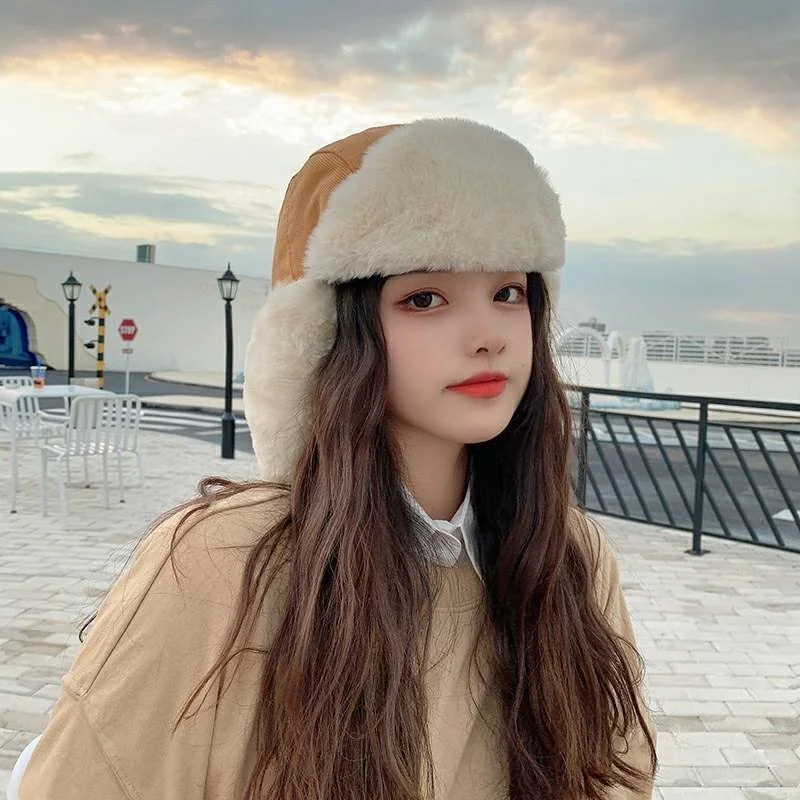
- Windproof acrylic material keeps the chill out.
- Available in neutral colors like khaki and black that match fall wardrobes.
- Not suitable for very hot days as it is designed for insulation.

- One-size-fits-most design ensures easy comfort for most head sizes.
- Available in 8 colors, including vibrant options like rose red and navy blue.
- Acrylic fabric may not be as durable as cotton or wool for heavy use.

- Asymmetric design adds visual interest to a simple outfit.
- Washed fabric gives a vintage, lived-in feel.
- The ripped design may not appeal to those who prefer a clean, classic look.

- Wool material provides excellent warmth and comfort.
- Check fur ball design adds a playful, stylish detail.
- May not provide as much wind protection as a fitted cap.
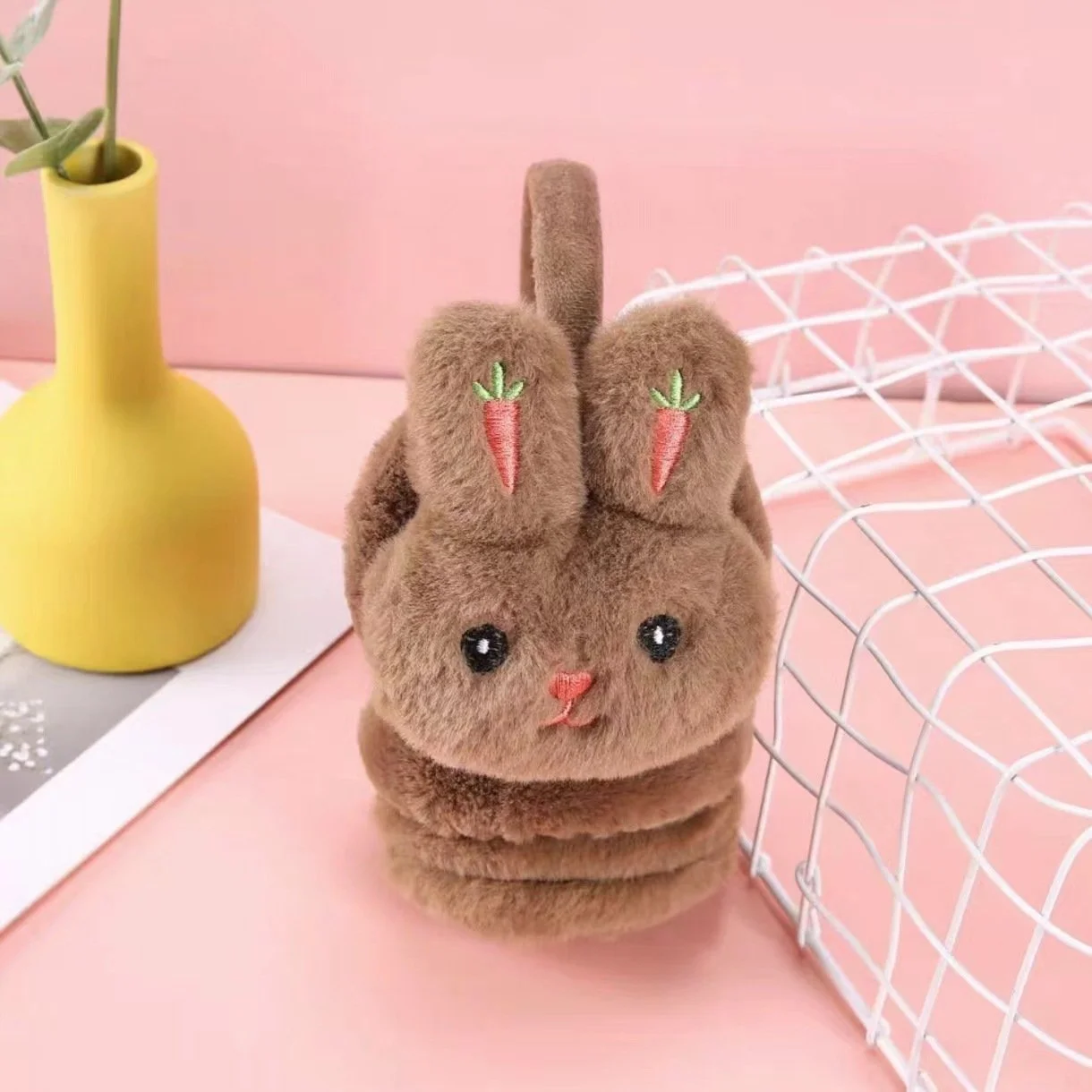
- Plush material is soft and comfortable for sensitive skin.
- Available in fun rabbit designs that kids will love.
- Only protects the ears, so not sufficient for full head warmth in very cold weather.

- Includes a matching scarf for comprehensive warmth.
- Wool material is durable and insulating.
- May be too warm for mild fall days, leading to overheating.
Common Mistakes to Avoid
Even with the best intentions, it is easy to make mistakes when selecting clothing for a fall picnic. Avoiding these common errors will help ensure you are comfortable and stylish throughout the day.
Wearing Fabric That Is Too Thin
One of the most common mistakes is wearing a t-shirt that is too lightweight for the weather. A sheer or very thin cotton shirt may look fine in a sunny studio but will feel chilly and offer little protection from the wind outdoors. Always check the weight of the fabric. If the shirt is see-through when held up to the light, it is likely too thin for fall. Choose a mid-weight fabric that provides opacity and a bit of body.
Ignoring Layering Space
Another frequent error is choosing a t-shirt that is too tight to allow for layering. If you need to add a sweater or jacket, a tight-fitting t-shirt will create bunching and discomfort. Always try on your t-shirt with a thin layer underneath to ensure there is enough room for movement. If you cannot raise your arms comfortably or feel restricted in the shoulders, the shirt is too small for your layering needs.
Choosing Colors That Show Dirt Easily
White and light pastel t-shirts can look elegant, but they are practical nightmares for a picnic. Grass stains, food spills, and dirt from playing with kids will be visible immediately. If you choose a light color, be prepared to deal with stains or have a backup shirt. Darker colors and earth tones are more forgiving and practical for outdoor settings. Consider the likelihood of getting dirty when selecting your color.
Neglecting Fabric Care
Failing to check the care instructions before buying is a common oversight. Some fabrics shrink significantly in the dryer, while others require delicate washing. If you are unsure how to care for the fabric, avoid buying it. Choose a t-shirt made from a durable fabric that is easy to wash and dry. This will ensure your shirt looks good and lasts for many picnics to come.
Care and Maintenance for Outdoor Wear
Proper care is essential to keep your t-shirt looking fresh and lasting a long time. Outdoor wear is subject to more wear and tear than indoor clothing, so following the right care instructions is important.
Washing Instructions
Always read the care label on your t-shirt before washing. Most cotton and cotton-blend t-shirts can be machine washed in cold water. Cold water helps prevent shrinking and color fading. Use a gentle detergent to avoid damaging the fabric. Avoid using bleach, as it can weaken the fibers and cause discoloration. If your t-shirt has a print or graphic, turn it inside out before washing to protect the design from abrasion. Air drying is the best way to preserve the shape and color of your t-shirt. If you must use a dryer, use a low heat setting and remove the shirt while it is still slightly damp to prevent over-drying and shrinkage.
Stain Removal
Grass stains and food spills are common at picnics. Treat stains as soon as possible for the best results. For grass stains, apply a stain remover or a mixture of dish soap and water to the affected area. Gently rub the fabric together to work the solution into the fibers. Rinse with cold water and wash as usual. For food stains, blot the area with a damp cloth to remove excess residue, then apply a stain remover. Avoid hot water, as it can set certain stains, especially protein-based ones like blood or eggs. Pre-treating stains before washing significantly improves the chances of complete removal.
Storage
Store your t-shirts in a cool, dry place to prevent mold and mildew. Fold them neatly and place them in a drawer or on a shelf. Avoid hanging t-shirts for long periods, as this can stretch the shoulders and distort the shape. If you have a large collection, consider using dividers or stacking them vertically to make it easier to find the shirt you need. Proper storage helps maintain the fit and appearance of your t-shirts, ensuring they are ready for your next outdoor adventure.