You know the specific discomfort of sitting in stadium seats when the air temperature drops ten degrees in twenty minutes. You packed for sunny 65-degree weather, but now your arms are cold, and your jacket is too heavy to put on without overheating. The solution isn't just buying a thicker coat; it's mastering the art of strategic layering. This guide walks you through a practical, step-by-step system for building a flexible outfit using specific types of sweaters, blouses, and accessories. You will learn how to interpret sizing charts for Asian-made apparel, which materials hold heat best for sitting still versus standing in wind, and how to style these pieces so you look intentional, not bundled up in panic.
Understanding the October Temperature Curve
Outdoor football games in October present a unique thermal challenge because the temperature fluctuates significantly over the four-hour event. The tailgate often starts in the morning sun, where temperatures might feel comfortably in the 60s or low 70s. By kickoff, the sun may be lower, and wind chill can make the air feel 5 to 10 degrees colder. By the fourth quarter, if the game is late, the temperature can drop into the 40s or 50s, especially if you are sitting in the upper decks without direct sun.
This volatility means a single, heavy garment is rarely the right choice. If you wear a heavy parka when it is 65 degrees, you will sweat, and that sweat will make you colder when the temperature drops. If you wear a light t-shirt, you will be miserable by halftime. The goal is modularity. You need pieces that can be easily added or removed without taking off your shoes or struggling with awkward zippers while sitting in a narrow stadium seat. Understanding this curve helps you prioritize pieces that are easy to manage in a crowded environment.
Wind Chill vs. Actual Temperature
Stadiums are open-air structures, which means wind chill is a major factor. A breeze of just 10 mph can make a 55-degree day feel like 48 degrees. This is why wind protection is often more important than pure insulation. A thin layer that blocks wind can be more effective than a thick layer that is porous. When selecting your mid-layer and shell, consider fabrics that are dense enough to block airflow but thin enough to layer. Knits with a tight gauge and synthetic blends with a smooth finish tend to perform well in this regard.
Activity Level Changes
Your body temperature changes based on what you are doing. During the tailgate, you are walking, standing, and talking, which generates body heat. Once you sit down in the stadium, your metabolic rate drops, and you retain less heat. This shift means you often need to add a layer when you sit down and remove it when you stand up to get a drink or use the restroom. Your outfit should accommodate this shift without requiring you to reorganize your entire wardrobe on your lap. Loose-fitting outer layers or open-front cardigans are easier to manage during these transitions than button-down shirts or tight-fitting jackets.
The Three-Layer System: Base, Mid, and Shell
A reliable layering system consists of three distinct functions: moisture management, insulation, and protection. By separating these functions into different garments, you can adjust each layer independently. For example, if you are too hot, you can remove the shell without losing your insulation. If you are too cold, you can add the shell without removing the base layer. This flexibility is the key to comfort during long outdoor events.
Layer 1: The Base Layer
The base layer sits directly against your skin. Its primary job is to manage moisture. Cotton is often recommended for casual wear, but for cold-weather layering, it has a drawback: it holds moisture. If you sweat in a cotton t-shirt, it stays wet and cold against your skin. For a cold October game, look for a base layer made from a blend that wicks moisture or a smooth synthetic fabric that dries quickly. A simple, slim-fit long-sleeve top works well here. It should not be bulky, as it needs to fit under other layers without creating lumps or pulling.
If you prefer the feel of natural fibers, a fine-gauge cotton crewneck is acceptable, provided you are not expecting heavy sweating. However, for maximum comfort in fluctuating temperatures, a synthetic or cotton-synthetic blend is often a practical choice. The fit should be close to the body but not restrictive. You want to be able to move your arms freely when raising them to cheer or grab a drink.
Layer 2: The Mid-Layer (Insulation)
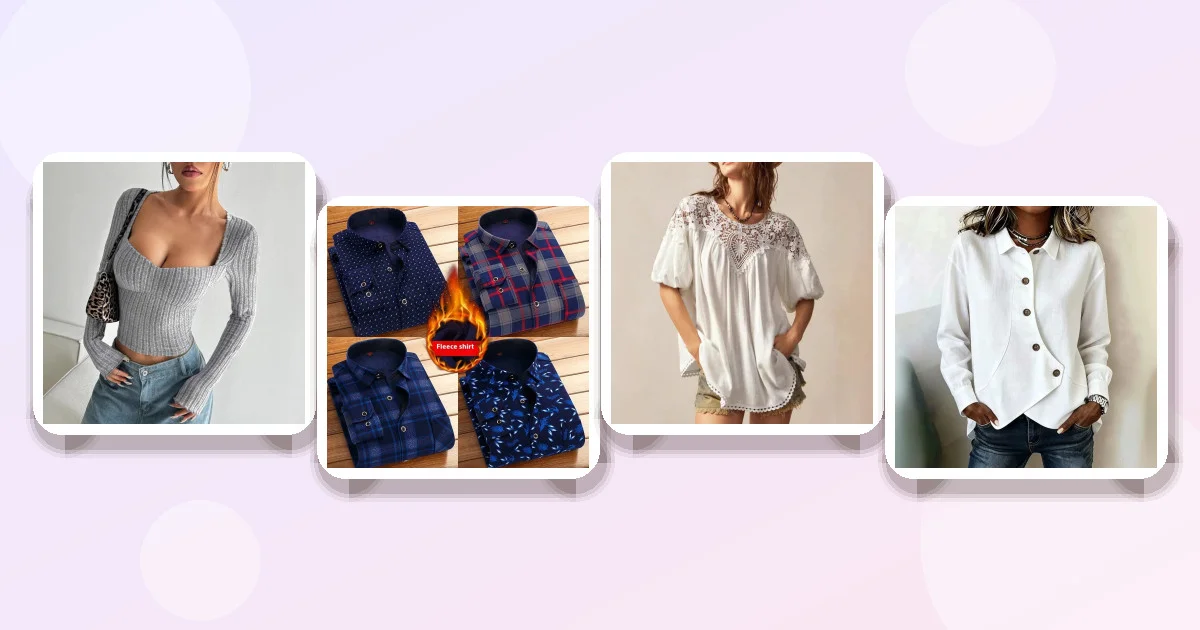
The mid-layer is where you trap heat. This is where your sweaters and blouses come in. For a cold day, you want a material that holds air pockets, which trap body heat. Knitted sweaters are ideal for this because the structure of the knit creates these air pockets. Look for sweaters with a medium to thick gauge. A thin, fine-gauge sweater may not provide enough insulation on its own. A thicker knit, such as a chunky cable or a dense ribbed knit, provides better warmth without adding too much bulk.
Alternatively, a structured blouse made from a slightly heavier fabric can serve as a mid-layer. A long-sleeve blouse with a smooth finish can be worn over a base layer to add a barrier against the wind. This is particularly useful if you are wearing a thin sweater underneath. The combination of a knit sweater and a smooth blouse creates a double barrier that is more effective than either alone. The fit of the mid-layer should be relaxed enough to accommodate the base layer but not so loose that it slips off your shoulders when you move.
Layer 3: The Shell (Protection)
The outermost layer protects you from wind and light rain. For a fall football game, you do not need a heavy winter coat unless the forecast predicts sub-freezing temperatures. A lightweight outerwear piece, such as a shawl jacket or a thin windbreaker, is usually sufficient. The key feature here is wind resistance. A fabric that is dense and smooth will block wind better than a porous knit. If you are wearing a knitted mid-layer, a smooth outer shell will prevent the wind from penetrating the knit and cooling you down.
Length is also a consideration. A mid-length jacket (hitting at the hip or just below) provides better coverage than a cropped jacket, especially when sitting in stadium seats. When you sit, a cropped jacket can ride up, exposing your lower back. A mid-length piece stays in place better. Additionally, look for pieces that are easy to put on and take off. Zip-front or open-front styles are easier to manage than button-down coats, which can be fiddly to fasten while balancing a drink or a phone.
How to Choose the Right Sweaters and Blouses
Selecting the right garments involves looking beyond just the color and style. You need to evaluate the material, fit, and specific features that will impact your comfort. Many online retailers sell apparel with Asian sizing, which differs significantly from US and EU standards. Understanding these differences is crucial to avoid ordering a size that is too small or too large.
Understanding Sizing: Asian vs. US Standards
Many affordable fashion brands, including those selling sweaters and blouses, use Asian sizing. This typically runs 1 to 2 sizes smaller than US/EU sizing. For example, an "M" in Asian sizing is often equivalent to an "S" in US sizing. If you are a US Medium, you should likely order a Large in Asian sizing. If you are between sizes, the general advice is to choose the larger size. This is especially important for layering. You need enough room in the mid-layer to fit over a base layer without feeling tight.
Always check the specific size chart for each item. Look for measurements in centimeters and convert them to inches if needed. A 2–3 cm variance is common due to manual measurement, so do not expect perfect precision. If the size chart lists chest, waist, and length measurements, compare them to a garment you already own that fits well. For sweaters, check the body width and sleeve length. For blouses, check the shoulder width and armhole size to ensure you can move your arms comfortably.
Material Selection for Cold Weather
The material of your sweater or blouse determines how well it insulates and how it feels against your skin. Cotton is soft and breathable but holds moisture. Polyester is durable, holds its shape, and dries quickly, but it can feel less natural. Blends of cotton and polyester offer a balance of softness and durability. For cold weather, you want a fabric that is thick enough to trap heat but not so thick that it adds excessive bulk.
Knitted sweaters made from cotton or cotton blends are a good choice for mid-layer insulation. Look for terms like "thickened" or "integral velvet" in the description, which indicate a denser knit that provides more warmth. For blouses, a smooth polyester or polyester-spandex blend is ideal for a base or mid-layer because it is less likely to show wrinkles and dries quickly if you get a little sweaty. Avoid heavy, textured fabrics for your base layer, as they can create friction and discomfort when layered under other clothes.
Fit and Silhouette for Layering
The fit of each layer determines how well the outfit works together. Your base layer should be slim-fit. A bulky base layer will make the mid-layer look baggy and create a "lumpy" appearance. Your mid-layer should be relaxed but not oversized. You want enough room to move, but not so much that the fabric bunches up when you sit. Your shell layer should be loose enough to fit over the mid-layer without pulling at the shoulders or sleeves.
Consider the neckline of each piece. A V-neck sweater allows you to layer a high-neck base layer without creating a crowded look at the neck. A crew-neck sweater can be worn over a collared blouse, but the collar may peek out, which can be stylish or messy depending on your preference. A shawl collar jacket or a V-neck cardigan provides a clean line that frames the face and allows for easy adjustment of the layers underneath. Avoid high, tight necklines on your base layer if you are wearing a crew-neck sweater, as this can feel restrictive.
Recommended Products for Game Day
Based on the principles of layering and the need for flexible, warm, and stylish options, here are specific products that fit this use case. These items are selected for their material, fit, and versatility. Note that prices and availability can change, so check the current listing for the most up-to-date information.
Base and Mid-Layer Options
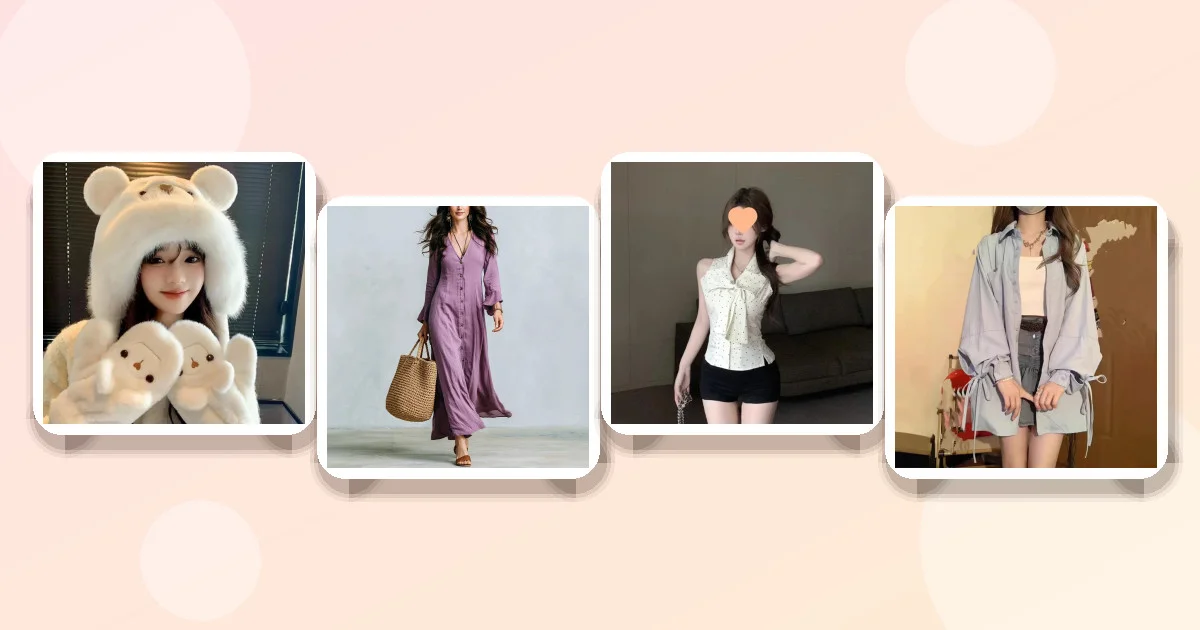
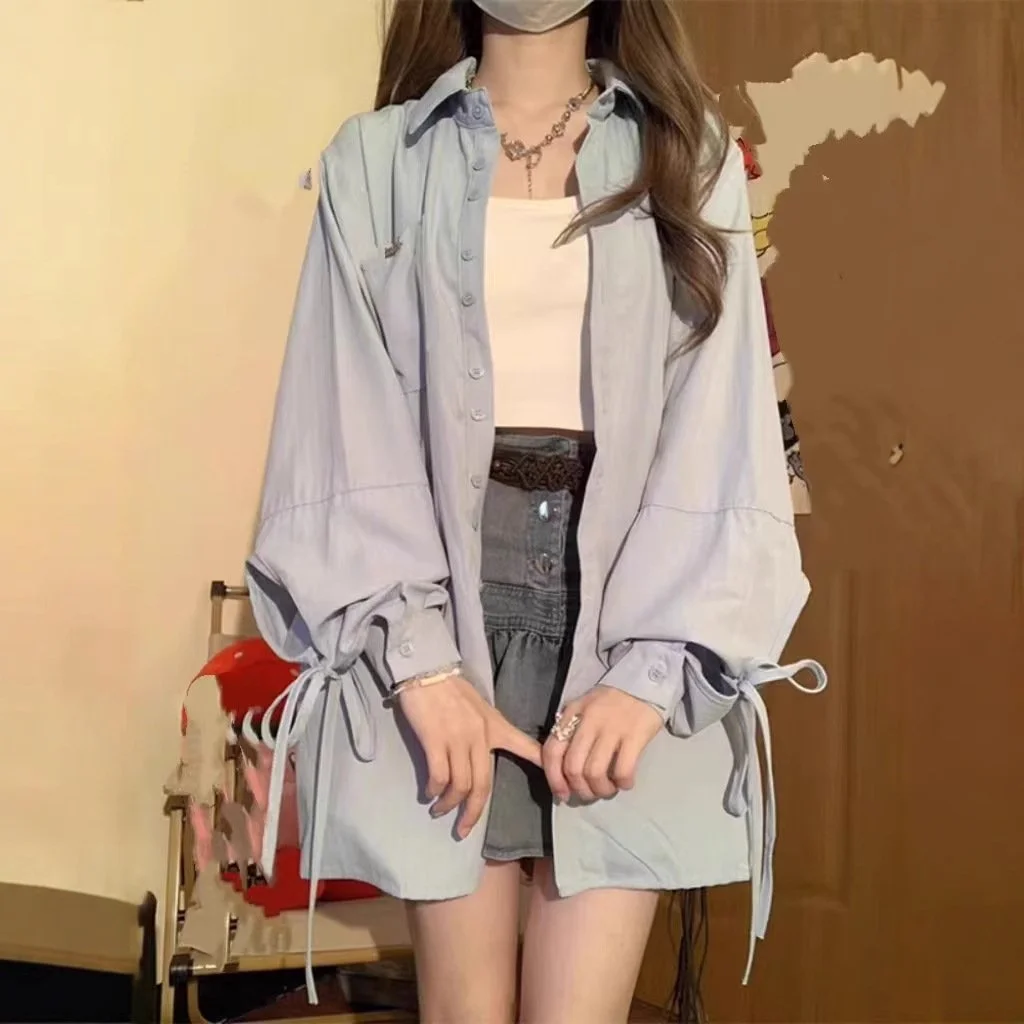
For the base layer, a lightweight, comfortable blouse is a solid choice. The French Blue Bow Long Sleeve Blouse Is a good option for a mid-layer or base layer depending on the temperature. It is made from soft polyester, which is smooth and comfortable against the skin. The long sleeves provide coverage, and the bow detail adds a touch of style without being distracting.
- Best for Women who want a structured mid-layer that looks polished under a jacket.
- Pros: Soft polyester material is comfortable for all-day wear; the slim fit allows for easy layering without bulk.
- Con: Only available in one color (Blue) and limited size range (S-XL), so check your size carefully.
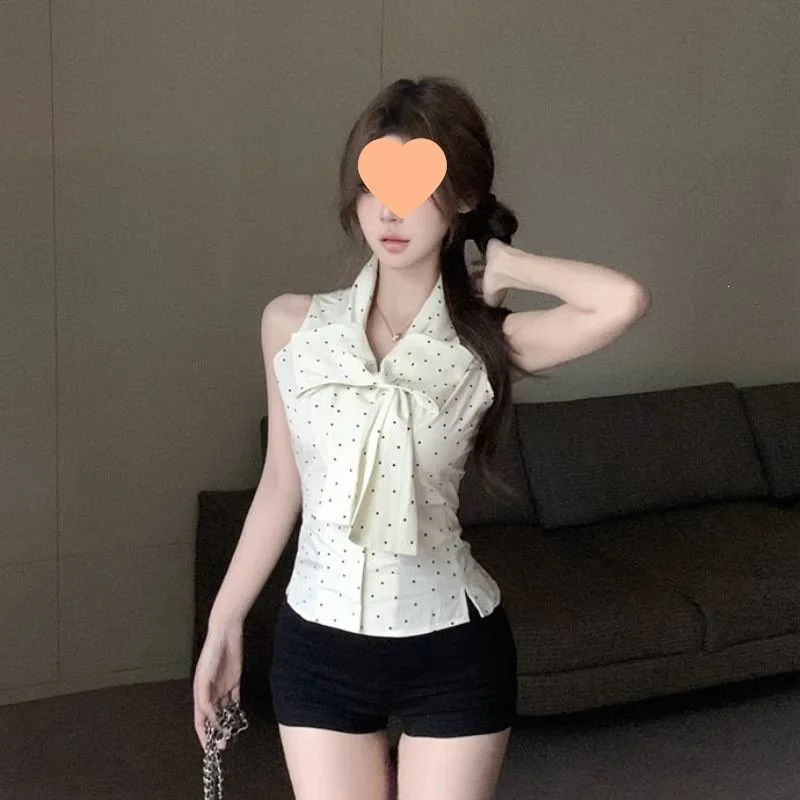
If you need a lighter base layer or a layer for warmer parts of the day, the Polka-dot Chiffon Blouse Is a good option. It is made from a polyester-spandex blend, which provides stretch and comfort. The short sleeves make it ideal for layering under a cardigan or sweater, as it won't add too much heat. The slim-fit design ensures it stays tucked in or lies flat under other layers.
- Best for Layering under a chunky sweater or cardigan when the temperature is mild.
- Pros: Stretchy fabric moves with your body; the whimsical pattern adds visual interest.
- Con: Short sleeves offer no arm coverage on their own; not suitable as a standalone mid-layer in cold weather.
Insulating Sweaters and Dresses
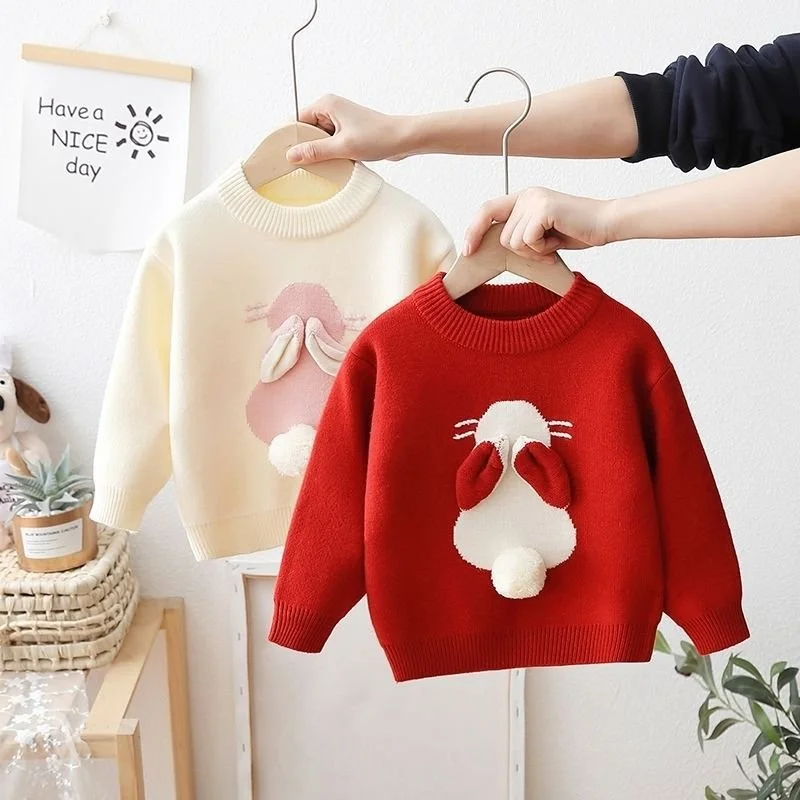
For a substantial mid-layer or a one-piece option, the Girls' Knitted Thickened Integral Velvet Sweater Is worth considering. Despite the name "Girls'", the sizing is based on height (90-140 cm), which corresponds to smaller adult or teen sizes. The material is cotton, and the knit is thickened, providing good insulation. The integral velvet lining adds an extra layer of warmth.
- Best for Smaller-framed women or teens who need a thick, warm knit layer.
- Pros: Thickened knit and velvet lining provide significant warmth; cotton material is breathable.
- Con: Sizing is height-based and runs small (Asian sizing); not suitable for taller or larger adults without careful measurement.
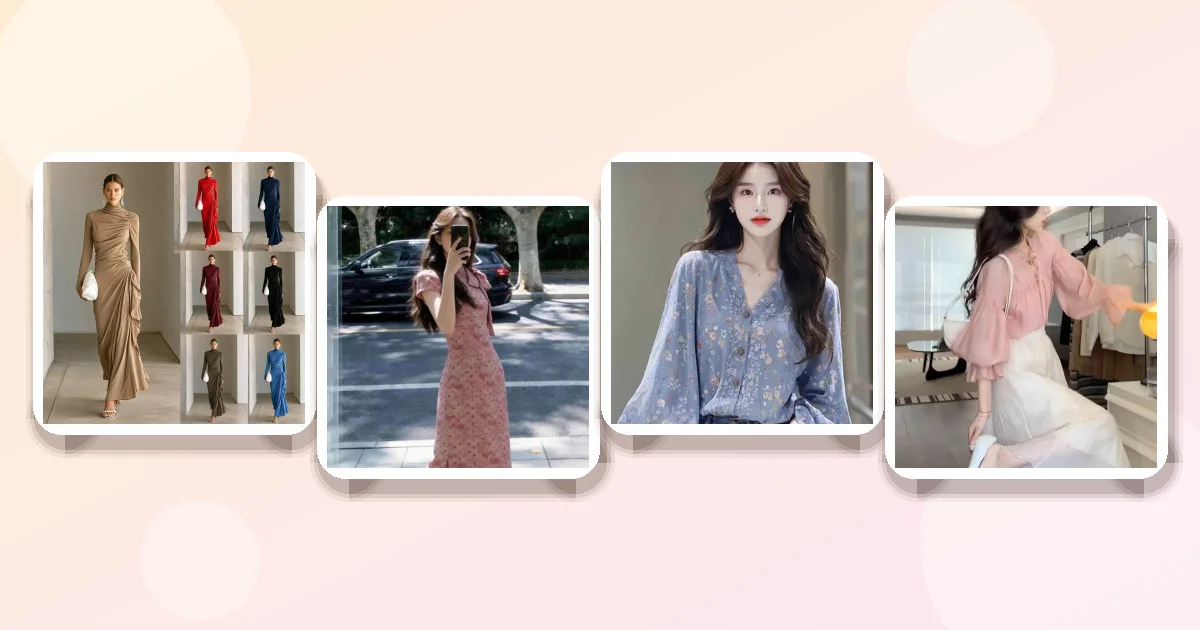
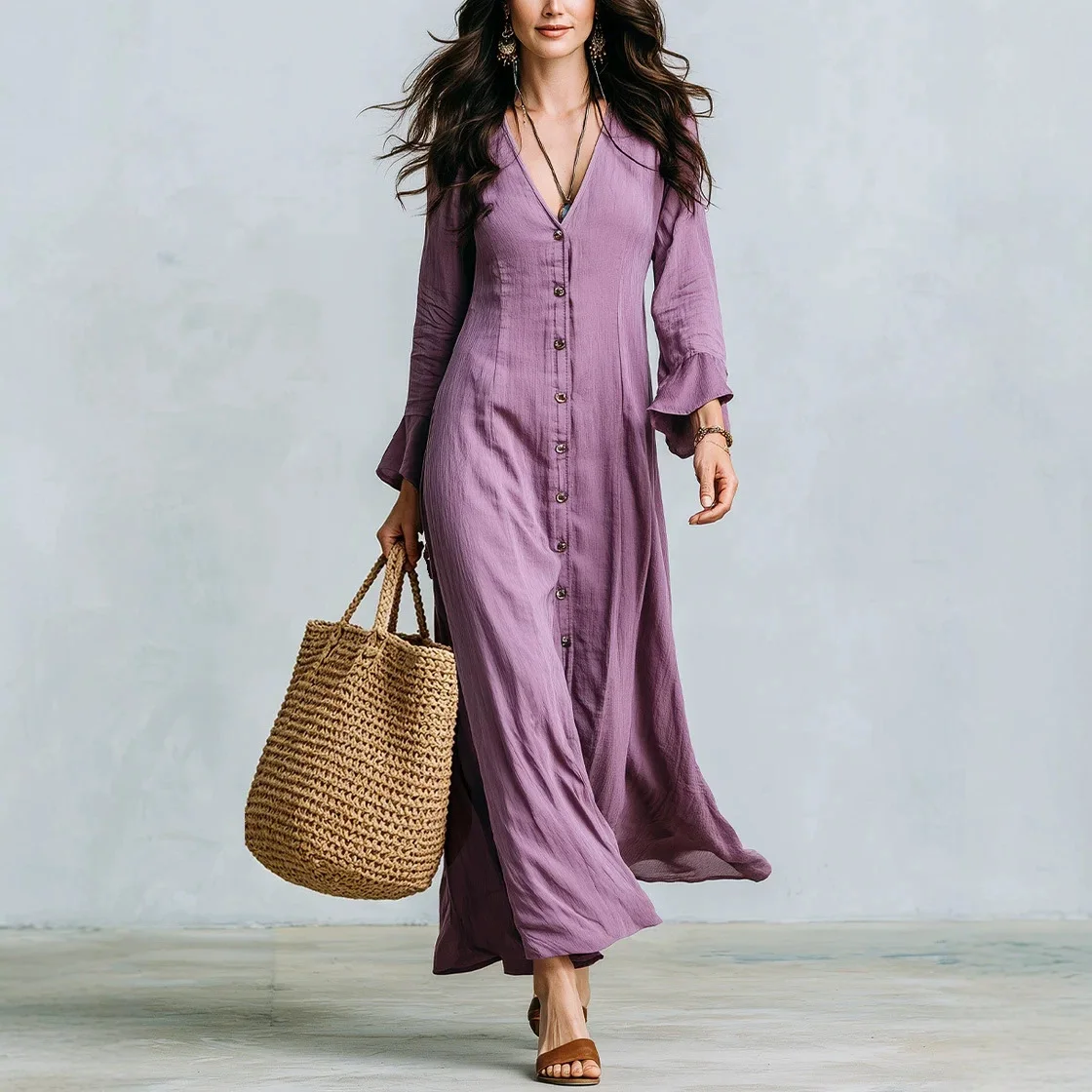
For a one-piece outfit that can serve as a base or mid-layer, the Womens French-style V-neck Defined-waist Dress Is a versatile option. It is made from polyester and features a V-neck and defined waist. The A-line silhouette allows for movement, and the high waist can help with comfort when sitting.
- Best for Women who prefer a dress as a base layer under a jacket or cardigan.
- Pros: Defined waist provides structure; V-neck allows for easy layering of necklines.
- Con: Polyester material may not be as breathable as natural fibers; sizing runs small (1-2 sizes smaller than US/EU).
Outerwear and Accessories
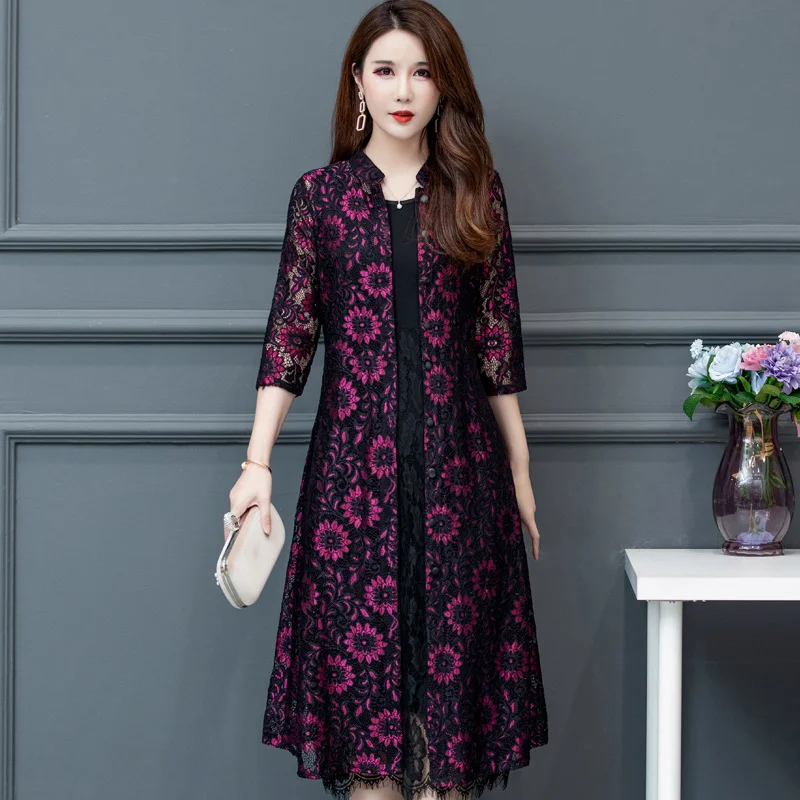
For the shell layer, the Womens Lightweight Outerwear Printed Shawl Jacket Is a practical choice. It is made from polyester and is thin, making it easy to pack or wear over other layers. The mid-length cut (65-80 cm) provides good coverage for the torso. The shawl collar adds a touch of elegance, and the lightweight nature ensures it won't overheat you if the sun comes out.
- Best for Blocking wind during the tailgate or in the stadium without adding bulk.
- Pros: Lightweight and easy to layer; mid-length provides coverage for the lower back when sitting.
- Con: Thin material may not provide enough warmth on its own in very cold weather; limited size range (XL-5XL).
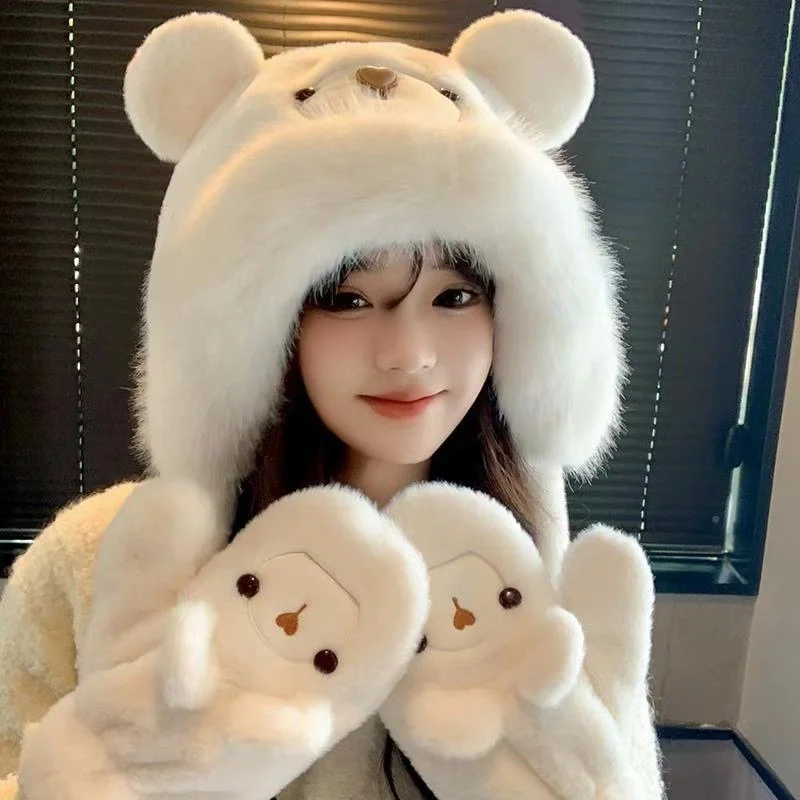
To complete the look and add extra warmth to your extremities, the Warm Winter Hat & Gloves Is a useful accessory. It is a handmade embroidery wool blend hat and gloves set. The wool blend provides warmth, and the windproof design helps protect against the chill. The set is available in neutral colors that match most outfits.
- Best for Adding extra warmth to your hands and head during cold spells.
- Pros: Wool blend material is warm; windproof design blocks chilling breezes.
- Con: One-size-fits-most may not suit all hand sizes; embroidery may not appeal to those who prefer a minimalist look.
Product Comparison Table
| Product | Price | Type/Material | Key Options | Best For |
|---|---|---|---|---|
| Warm Winter Hat & Gloves | $6.96 | Wool Blend / Knit | 3 Colors, M Size | Extremity warmth, wind protection |
| French-style V-neck Dress | $30.76 | Polyester / Dress | 3 Colors, S-3XL | One-piece base/mid layer, structured look |
| Polka-dot Chiffon Blouse | $26.00 | Poly-Spandex / Top | 2 Patterns, S-3XL | Light base layer, under sweater |
| French Blue Bow Blouse | $12.48 | Polyester / Top | 1 Color, S-XL | Structured mid-layer, office-casual style |