Walking out of a heated car into a 65-degree office can leave you shivering by 10 AM, while the afternoon meeting at 2 PM might make you feel like you’re wearing a parka. The challenge isn’t just about staying warm; it’s about maintaining a polished, professional appearance while managing significant temperature fluctuations. You need an outfit that works hard to regulate your body temperature but looks effortless when you step into a conference room. This guide breaks down the practical mechanics of layering, focusing on fabric composition, fit adjustments, and specific product combinations that balance comfort with professional standards.
Understanding Heat: Why Layering Works
Heat retention in the office depends on trapping air. A single thick sweater often traps air poorly and can feel clammy when you do move. Layering creates multiple pockets of still air, which act as insulators. The key is managing moisture. If your base layer traps sweat against your skin, you will feel cold as the sweat evaporates. Therefore, the first layer should be breathable and moisture-wicking, while the second layer should be insulating but not overly bulky.
The Three-Layer System
For office environments, a three-layer system is often overkill unless the office is freezing. A two-layer system (base + mid) plus an outer shell (blazer/cardigan) is the sweet spot.
- Base Layer: This sits against your skin. It should be thin, smooth, and breathable. Think fine-gauge knits, cotton tees, or silk blouses. Its job is to manage moisture and provide a smooth foundation for the next layer.
- Mid Layer: This is your primary insulator. A sweater or cardigan fits here. It should be substantial enough to hold heat but slim enough to fit under a blazer or jacket. Wool and cashmere blends are ideal here because they are lightweight yet warm.
- Outer Layer: The blazer, trench coat, or jacket. This protects against drafts from windows or AC vents. It should have a relaxed enough cut to allow the mid-layer to sit comfortably without pulling at the shoulders.
Why "Thin" Doesn't Mean "Cold"
Many professionals make the mistake of assuming that a thinner garment equals less warmth. In reality, a high-quality, tightly knit wool sweater is often warmer than a thick, loose acrylic sweater. The density of the fibers matters more than the thickness of the fabric. A thin, dense layer traps air more efficiently than a thick, porous one. This allows you to look sleek and professional while staying warm.
The Fabric Guide: Knits vs. Cotton vs. Wool
Choosing the right fabric is the single most important factor in successful layering. Different materials interact with your body heat and moisture in distinct ways. Understanding these differences helps you select garments that work together rather than fight against each other.
Cotton: The Breathable Base
Cotton is the gold standard for base layers in office settings. It is breathable, soft, and affordable. However, cotton absorbs moisture and holds it against the skin. If you tend to sweat easily, cotton can become damp, leading to a chill when you move. For this reason, cotton is best used as the innermost layer under a sweater, not as the primary insulator. A cotton button-down shirt or a slim-fitting cotton tee is ideal for this role. It provides a smooth surface for the sweater to slide over, reducing friction and bulk.
Synthetic Knits: Polyester and Acrylic
Polyester and acrylic are common in affordable sweaters. They are durable and wrinkle-resistant, which is great for travel. However, they are not very breathable. They can trap heat and cause you to overheat quickly, especially in a climate-controlled office. If you choose a synthetic sweater, look for one with a "hollow" or open-knit structure. This allows air to circulate, preventing the clammy feeling. Avoid thick, dense synthetic sweaters as your mid-layer if you are prone to overheating.
Wool and Wool Blends: The Warmth Workhorses
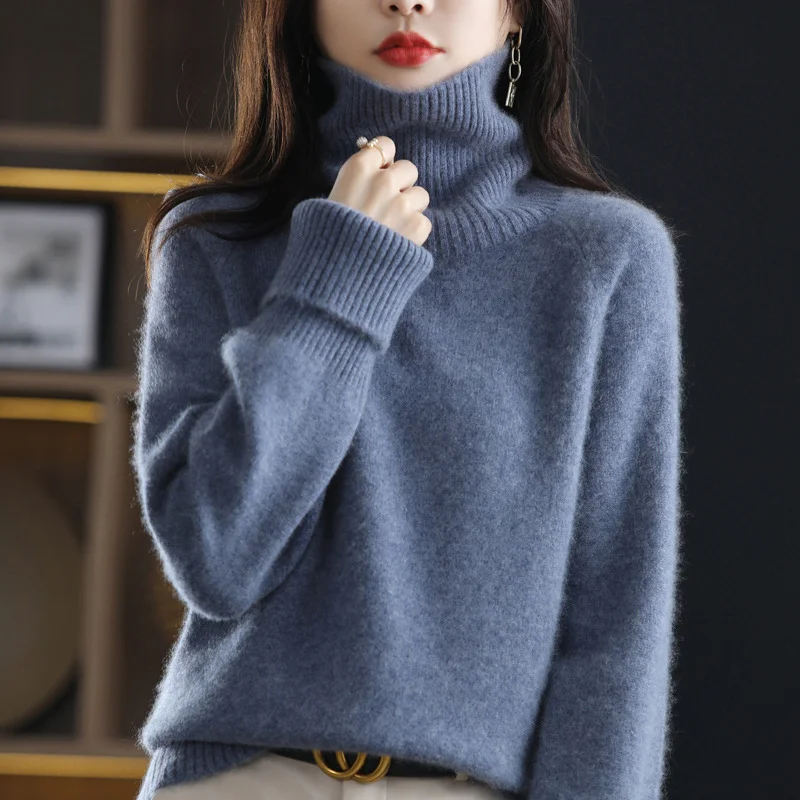
Wool is the best natural fiber for warmth-to-weight ratio. It is naturally insulating, moisture-wicking, and odor-resistant. Merino wool, in particular, is fine, soft, and non-itchy, making it suitable for layering against the skin or under a blouse. Wool sweaters are lightweight but warm, allowing you to fit them under a blazer without adding significant bulk. If your budget allows, invest in a wool or wool-blend sweater for your office wardrobe. It will outperform synthetic alternatives in both comfort and longevity.
Cashmere: The Premium Option
Cashmere is the highest quality natural fiber for layering. It is incredibly soft, lightweight, and warm. A cashmere sweater is thin enough to wear under a fitted blazer but warm enough to keep you comfortable in a cold office. The downside is cost and care. Cashmere requires gentle washing and can pill if not cared for properly. If you are new to luxury knits, a wool-cashmere blend offers a balance of durability and softness.
Fit and Sizing: Avoiding the Bulk Trap
Fit is just as important as fabric. A sweater that is too tight will compress the insulating air pockets, reducing warmth. A sweater that is too loose will create excess fabric, leading to a bulky silhouette that looks unprofessional under a blazer. The goal is a "relaxed fit" that allows for movement and layering without adding unnecessary volume.
Understanding Asian Sizing
Many affordable online sweaters use Asian sizing, which runs significantly smaller than US/EU sizes. If you are buying a sweater from an international retailer, you must size up. A US size M is often an Asian size L or XL. Always check the specific size chart provided by the seller. If you are between sizes, choose the larger one. This is especially important for layering, where you need room for a base layer underneath.
Measuring for Layering
To ensure a sweater fits well for layering, measure your chest and waist with a soft tape measure. Then, check the sweater’s measurements (if provided) or compare it to a sweater you already own that fits well. Look for a sweater that has about 1-2 inches of ease in the chest. This allows for a base layer underneath without pulling at the shoulders or arms. For the sleeves, ensure they are long enough to cover your wrists when your arms are extended, but not so long that they bunch up at the cuffs. Bunched cuffs can look sloppy and restrict movement.
The "Blazer Test"
Before buying a sweater for office wear, perform the "Blazer Test." Put on the sweater and then put on your blazer. Sit down, stand up, and raise your arms. If the blazer pulls at the buttons or feels tight across the back, the sweater is too bulky. You want to be able to move freely without the blazer distorting. If the sweater is too thick, consider a thinner version or a different cut, such as a cropped or slim-fit style.
Product Comparison: Our Top Picks
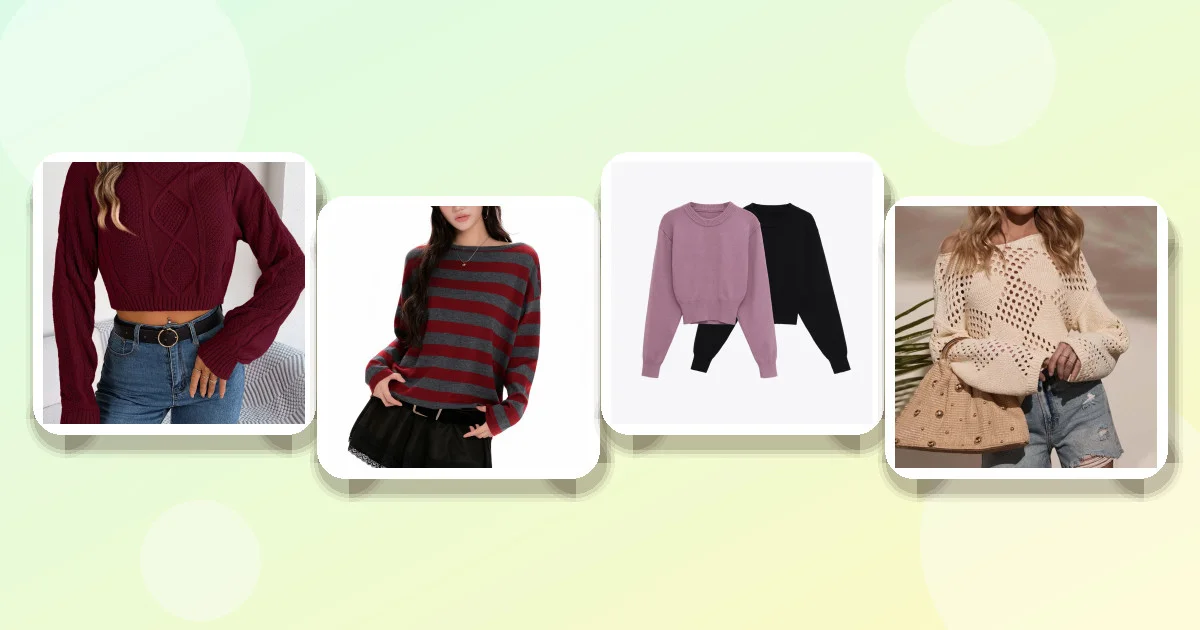
We have selected six products that offer a range of styles, fabrics, and price points to suit different needs and budgets. These items are chosen for their suitability for office layering, considering factors like fit, material, and versatility.
| Product | Price | Material | Fit/Style | Best For |
|---|---|---|---|---|
|
Women Casual Solid Color Cable Knit Long Sleeve Cropped Pullover |
$27.96 | Knit (likely acrylic/wool blend) | Cropped, Regular | Adding texture without length |
|
Women's Red-striped Long-sleeve Knit Sweater
⭐ Editor's pick
|
$86.16 | Knit | Loose Fit, One Size | Statement piece for casual Fridays |
|
European and American Style Fashionable Round-neck Long-sleeve Plain Knit Sweater
⭐ Editor's pick
|
$32.52 | Polyester | Regular Fit | Wrinkle-resistant everyday wear |
|
Hollow-out Off-shoulder Long Sleeve Knitted Sweater
⭐ Editor's pick
|
$29.84 | Polyester fiber | Thin, Off-shoulder | Light layering for mild cold |
|
Loose Laid-back Thickened Long-sleeve Wool Knit Sweater
⭐ Editor's pick
|
$114.88 | Wool | Loose, Commute | Maximum warmth in cold offices |
|
American Retro Blue Plaid Shirt Long Sleeve Women
⭐ Editor's pick
|
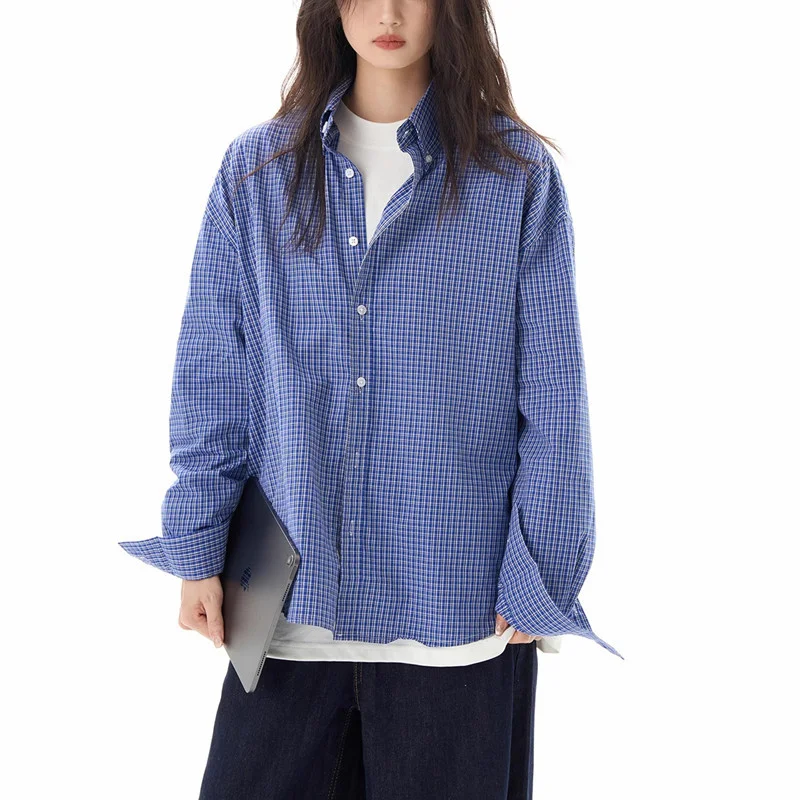
$21.88 | Cotton | Loose, Mid-length | Base layer under sweaters |
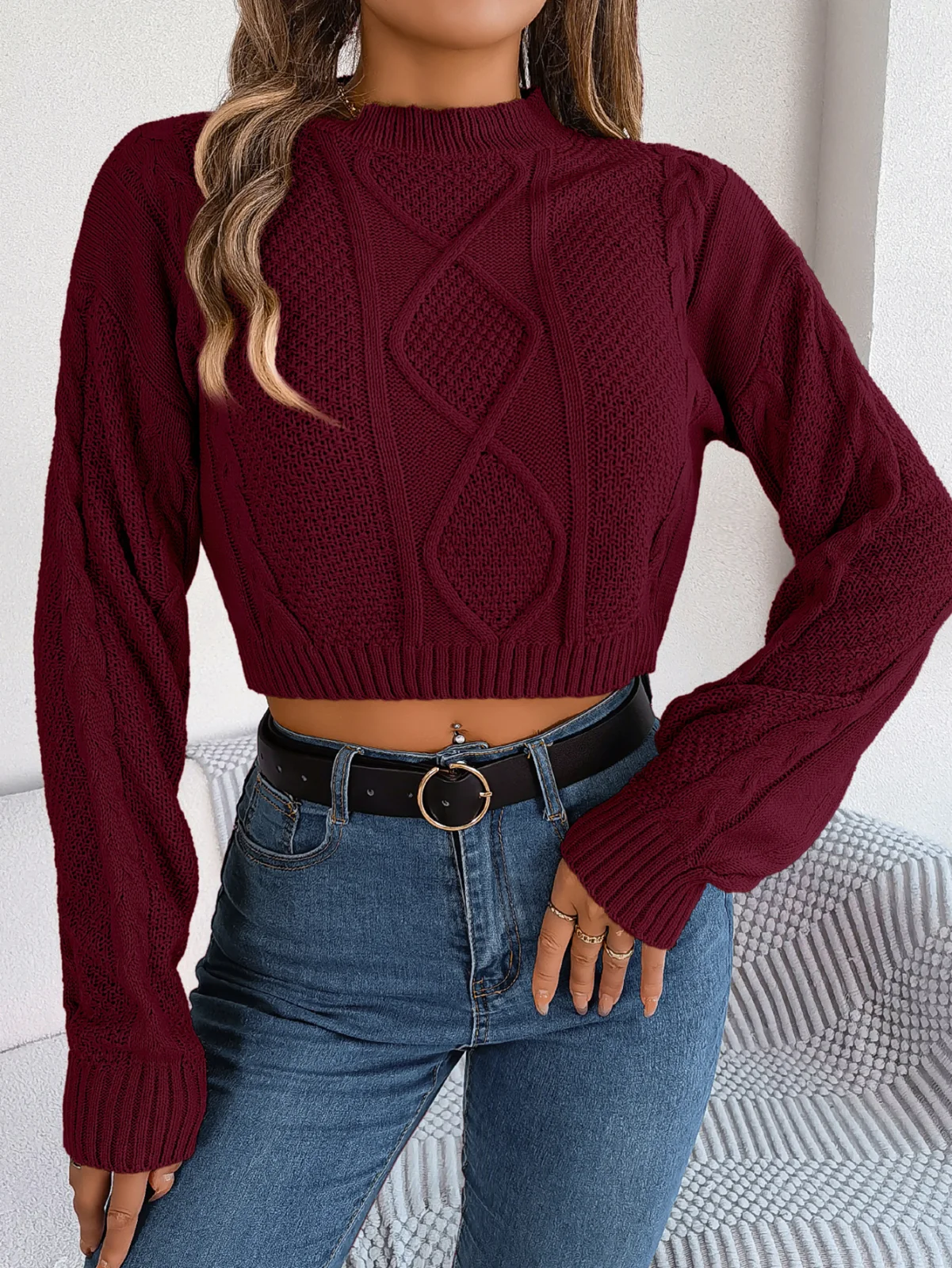
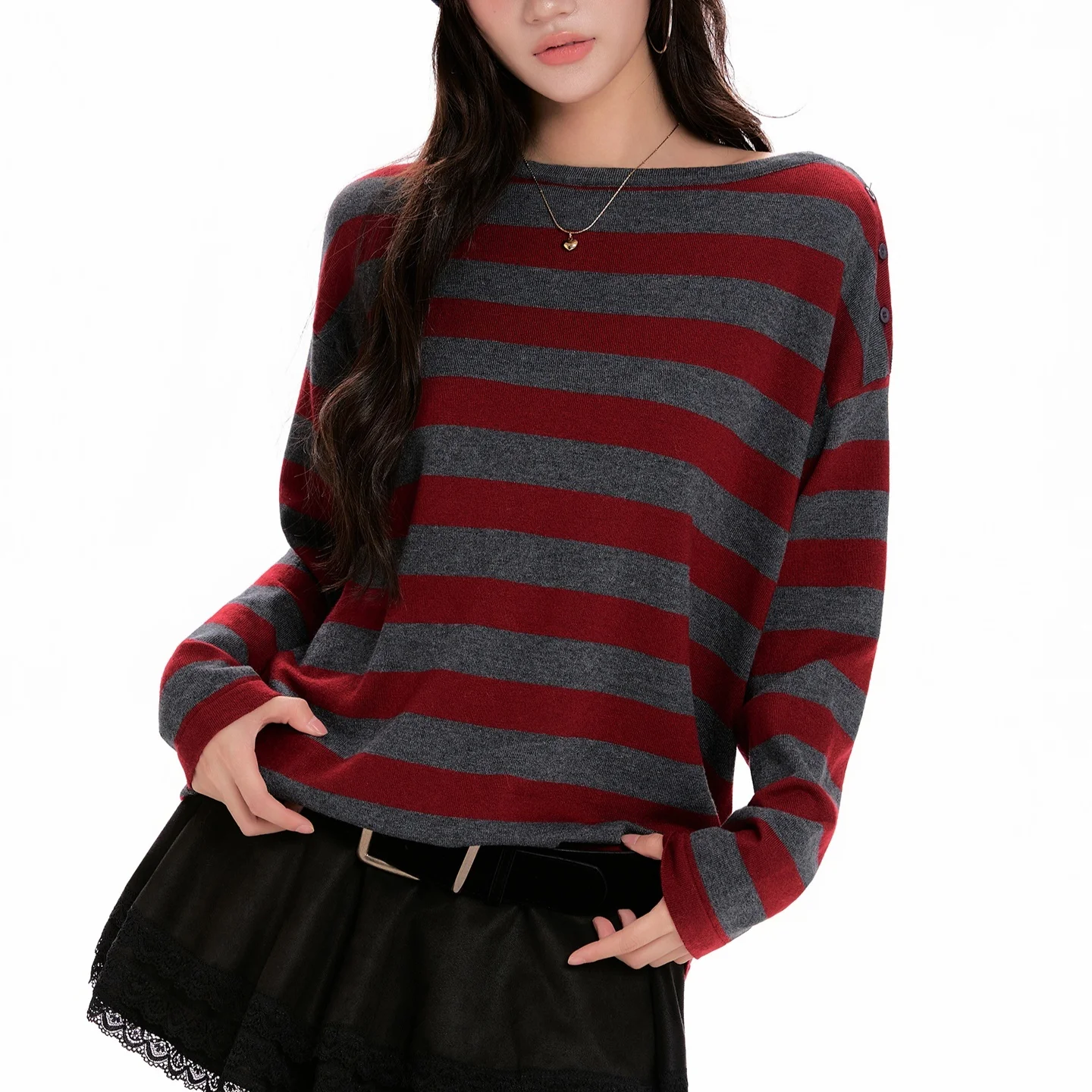
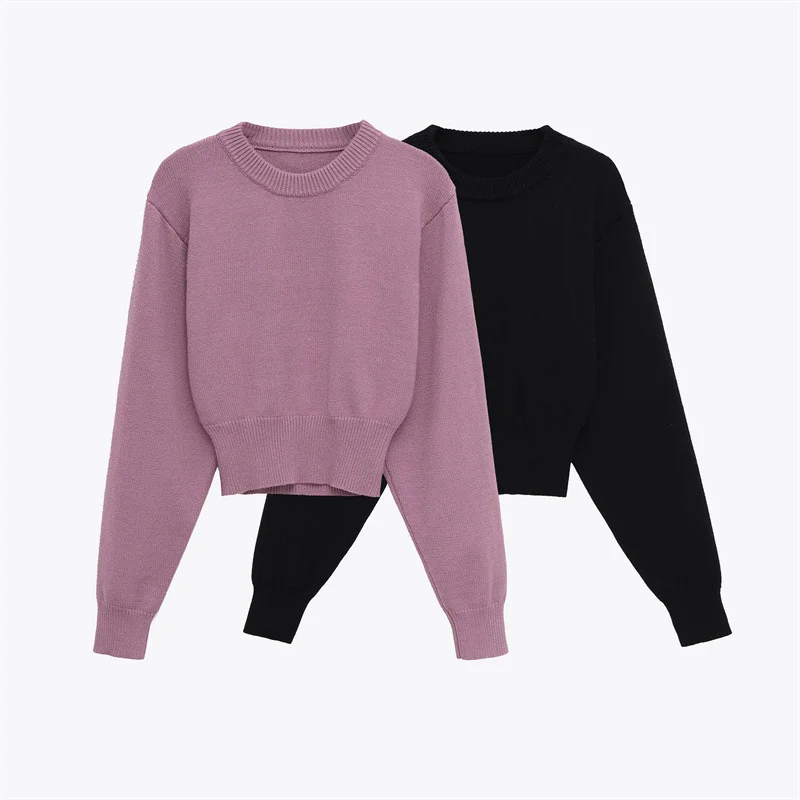
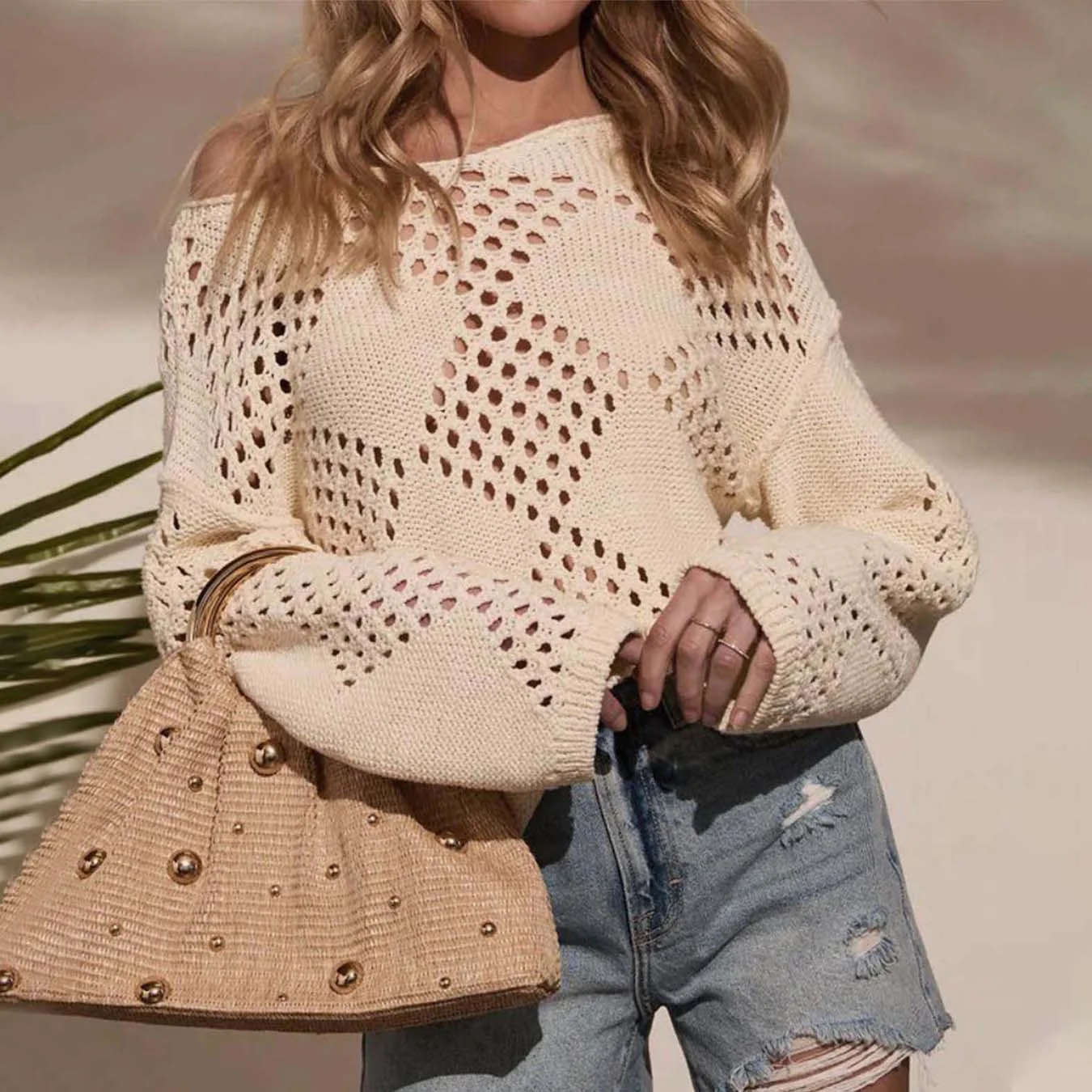
1. Women Casual Solid Color Cable Knit Long Sleeve Cropped Pullover
This cropped pullover features a classic cable knit design in solid colors like burgundy, gray, and army green. The cropped length makes it easy to tuck into high-waisted trousers or pair with a mid-rise skirt without adding excess bulk at the waistline.
Best for Women who want to add texture to their outfit without the length of a full-bodied sweater, particularly when wearing high-waisted bottoms.
- Pro: Cropped fit prevents bunching at the waist, keeping the silhouette clean under a blazer.
- Pro: Solid colors in earthy tones (burgundy, gray, army green) are versatile and easy to match with neutral blazers.
- Con: Asian sizing runs 1-2 sizes smaller than US/EU; you must size up to ensure a proper fit for layering.
2. Women's Red-striped Long-sleeve Knit Sweater
This loose-fit sweater features a bold red-striped pattern. The one-size-fits-all design offers a relaxed silhouette that is comfortable for all-day wear. The loose fit allows for easy movement and accommodates base layers underneath.
Best for Casual Fridays or creative offices where a statement piece is appropriate, and for those who prefer a relaxed, non-restrictive fit.
- Pro: Loose fit provides ample room for layering without feeling tight.
- Pro: The striped pattern adds visual interest and can help break up the monotony of a solid blazer.
- Con: One-size-fits-all may not fit everyone perfectly; check the specific dimensions if you have a unique body shape.
3. European and American Style Fashionable Round-neck Long-sleeve Plain Knit Sweater
This plain, round-neck sweater is made from polyester, making it durable and resistant to wrinkles. It comes in black and pink, offering simple, versatile color options. The regular fit provides a balanced silhouette that is neither too tight nor too loose.
Best for Professionals who need a low-maintenance, wrinkle-resistant sweater for daily wear, especially if you travel frequently.
- Pro: Polyester fabric is wrinkle-resistant, so it looks fresh even after sitting in a car or plane.
- Pro: Neutral colors (black, pink) are easy to pair with various blazers and trousers.
- Con: Polyester is less breathable than natural fibers, which may lead to overheating in warmer offices.
4. Hollow-out Off-shoulder Long Sleeve Knitted Sweater
This thin, hollow-out sweater features an off-shoulder design in apricot. The open-knit structure allows for air circulation, making it a lightweight layering option. It is suitable for milder cold or as a top layer over a thermal base.
Best for Offices that are cool but not freezing, or for those who prefer a lighter, more delicate layering option.
- Pro: Thin, hollow-out design is lightweight and easy to pack for travel.
- Pro: Off-shoulder style adds a feminine touch to professional outfits.
- Con: May not provide sufficient warmth on its own in very cold offices; best used as a top layer over a thermal base.
5. Loose Laid-back Thickened Long-sleeve Wool Knit Sweater
This thickened wool sweater is designed for commute-inspired elegance. The wool material provides excellent insulation, keeping you warm in cold environments. The loose fit ensures comfort and allows for layering underneath.
Best for Women working in very cold offices or those who tend to run cold, as wool provides superior warmth-to-weight ratio.
- Pro: Wool material is naturally insulating and moisture-wicking, keeping you warm and dry.
- Pro: Loose fit provides ample room for layering without feeling restrictive.
- Con: Higher price point compared to synthetic options; requires careful care to prevent pilling.
6. American Retro Blue Plaid Shirt Long Sleeve Women
This cotton plaid shirt features a loose, mid-length cut in a blue color. The cotton fabric is breathable and soft, making it an ideal base layer. The retro plaid pattern adds a casual, artistic touch to professional outfits.
Best for Use as a base layer under a sweater or cardigan, or as a standalone top for casual business settings.
- Pro: Cotton fabric is breathable and comfortable against the skin, ideal for base layering.
- Pro: Plaid pattern adds visual interest and can be worn in multiple configurations (tucked in, open, or as a jacket).
- Con: Cotton can wrinkle easily, so it may require ironing or steaming to maintain a crisp appearance.
Styling Strategies for the Office
Once you have the right fabrics and fits, styling them correctly ensures you look professional and put-together. Here are some specific strategies for combining blouses and sweaters in an office setting.
The Turtleneck and Button-Down Combo
Pairing a turtleneck with a button-down shirt is a classic office look. Start with a slim-fitting turtleneck in a neutral color (black, white, gray, or navy). Over this, wear a button-down shirt with the collar open. The shirt should be slightly longer than the turtleneck to create a layered effect. Tuck the shirt into your trousers or skirt. This combination is warm, professional, and versatile. It works well with a blazer, especially if the blazer is a structured cut that contrasts with the softness of the knits.
Using a Blouse as a Base Layer
A silk or satin blouse can add a touch of luxury to an office outfit. Wear it under a thin, open-knit sweater or cardigan. The sheen of the blouse contrasts nicely with the matte texture of the knit. Choose a blouse with a subtle pattern or a solid, rich color to make it stand out. This combination is perfect for meetings or client-facing days where you want to look polished and elegant. Ensure the blouse is smooth and free of wrinkles to maintain a clean look.
Layering with a Cardigan
A cardigan is a versatile layering piece that can be worn over a blouse or a t-shirt. Choose a cardigan in a neutral color that matches your blazer or trousers. Wear it open for a relaxed look, or