You know the struggle: it’s 60 degrees outside, you’re wearing a blazer, and you’re sweating. Or, it’s 45 degrees, you’re wearing a heavy knit, and you look like a stuffed sausage. The fall work wardrobe lives in that narrow gap between too hot and too cold, and layering is the only way to navigate it. But doing it right is tricky. A poorly chosen blouse can ruin the entire outfit, adding unwanted volume or creating awkward lines. This guide gives you the specific technical details to get it right: which necklines work, which fabrics to avoid, and how to manage sizing so your outfit looks intentional, not accidental.
- The Neckline Math: Matching Tops and Sweaters
- Fabric Selection: Why Material Matters More Than Style
- The Sizing Strategy: How to Fit a Blouse Under Knits
- Product Comparison: Options for Your Fall Rotation
- Styling Techniques for Different Sweater Types
- Common Mistakes to Avoid When Layering
- Care and Maintenance for Layered Tops
- Frequently asked questions
- Key takeaways
The Neckline Math: Matching Tops and Sweaters
The most common mistake in layering is ignoring how the neckline of the top interacts with the neckline of the sweater. These two elements create the focal point of your torso. If they clash, the outfit looks unfinished. If they complement each other, the outfit looks polished. Here is the logic behind the pairings that work.
Crewneck Sweaters Need a Point or a V
A crewneck sweater has a wide, open neckline that exposes a large area of the chest. If you wear a simple crewneck t-shirt or a high-neck blouse underneath, you create a "flat" look. It can appear boxy and uninteresting. To add dimension, you need a neckline that creates a vertical line or a point.
A V-neck blouse is the standard solution. The V-shape draws the eye downward, elongating the torso and breaking up the horizontal line of the crewneck. Another option is a pointed collar, such as a button-down shirt. The tips of the collar peeking out from the sweater create a sharp, professional detail. This pairing is particularly effective in office settings because the collar adds structure. It signals that you are dressed for work, even if the sweater is casual.
When choosing a V-neck blouse for this purpose, pay attention to the depth of the V. If the V is too shallow, it won’t show enough to make an impact. If it is too deep, it may dig into your skin or look unprofessional depending on the office dress code. A medium-depth V, which sits just below the collarbone, is usually the safest bet. It provides enough visual interest without being distracting.
V-Neck Sweaters Need a Collar or a High Neck
A V-neck sweater already creates a vertical line. If you wear another V-neck underneath, you get a double V. This can look messy and overly casual. The goal here is to fill the space or create a contrast.
A button-down shirt with a collar is the classic choice. The collar sits neatly inside the V, adding a layer of structure. You can leave the top button undone for a relaxed look or buttoned up for a more formal appearance. Alternatively, a turtleneck or a mock neck provides a smooth, continuous line. This is a warmer option for colder days. However, be careful with the thickness of the neck. A thick turtleneck under a thin V-neck sweater will bunch up and look bulky. A thin, fitted mock neck is the better choice for this combination.
For a more modern look, consider a square neckline or a boat neck blouse under a V-neck sweater. The horizontal line of the boat neck contrasts with the vertical line of the V, creating a balanced geometric effect. This works well with looser, oversized sweaters because it fills out the upper chest area without adding bulk.
How to Choose the Right Neckline for Your Face Shape
While the sweater-blouse pairing is the primary concern, your face shape also plays a role. If you have a round face, a V-neck or a pointed collar helps to elongate your features. If you have a long face, a crewneck or a boat neck can help balance the proportions. However, for work, professionalism usually trumps face-shape optimization. Stick to the pairings that look structured and clean. A well-fitted collar or a clean V is always a safe choice.
Fabric Selection: Why Material Matters More Than Style
You can have the perfect neckline, but if the fabric is wrong, the layer will fail. The main goal is to add warmth without adding bulk. This means you need fabrics that are thin, smooth, and breathable. Thick, textured fabrics will push against the sweater, creating wrinkles and making the sweater fit tighter than intended.
Best Fabrics for Under-Layering
Cotton and Cotton Blends: Cotton is breathable and soft. A fine-knit cotton t-shirt or a lightweight cotton button-down works well. Look for fabrics labeled as "jersey" or "poplin." These are thin weaves that lay flat against the body. Avoid heavy cottons like flannel or thick twill, which are too bulky for layering under knits.
Modal and Viscose: These are semi-synthetic fibers derived from wood pulp. They are smoother and lighter than cotton. They drape well, which means they won’t bunch up as much. If you are wearing a tight-fitting sweater, a modal blouse is a good choice because it moves with you.
Polyester Blends: Not all polyester is bad. High-quality polyester blends can be very thin and smooth. They are also durable and resistant to wrinkles. This is useful for commuting. If you are wearing a blouse under a sweater, you want it to look crisp when you take the sweater off at the office. A polyester-cotton blend holds its shape well. However, ensure it is breathable. Some cheap polyesters trap heat and cause sweating.
Silk or Silk Blends: Silk is the ultimate under-layer fabric. It is incredibly thin, smooth, and breathable. A silk blouse under a sweater looks luxurious and feels comfortable. The downside is that silk is delicate and requires careful washing. It can also be expensive. For daily office wear, a silk-cotton blend offers a good middle ground.
Fabrics to Avoid
Thick Knits: You might be tempted to layer a thick sweater under another sweater, but this is rarely a good idea. It creates too much bulk. If you need extra warmth, layer a thin top under a thick sweater, not two thick items.
Textured Fabrics: Fabrics with a visible texture, like cable knits, ribbed knits, or heavy corduroy, create friction. They will catch on the sweater and create unsightly bumps. Stick to smooth, flat fabrics.
Heavy Linen: Linen is great for summer, but it is too thick and wrinkly for fall layering. It will wrinkle under the pressure of the sweater and look disheveled.
The Sizing Strategy: How to Fit a Blouse Under Knits
Sizing is where most layering goes wrong. A blouse that fits perfectly on its own will not fit well under a sweater. You need to account for the extra layer. The goal is a fit that is close to the body but not tight. If the blouse is too loose, it will bunch up at the waist and hem. If it is too tight, it will stretch the sweater and create visible lines.
Understanding Asian vs. US Sizing
Many affordable blouses and tops are manufactured in Asia. These items often run smaller than European or American sizes. If you are used to US sizing, you may need to size up. For example, a US Medium might fit like an Asian Small. Always check the size chart provided by the seller. Look at the chest, waist, and length measurements in centimeters or inches. Compare these to your own measurements or to a garment you already own that fits well.
If you are between sizes, size up. It is better to have a slightly loose blouse that you can tuck neatly than a tight blouse that pulls at the buttons or seams. A loose blouse also allows for more movement, which is important if you are commuting or sitting at a desk.
Key Measurements to Check
Chest Width: This is the most important measurement for layering. Measure across the chest, from armpit to armpit. Add 2-3 inches to your body measurement to allow for the sweater. If the blouse chest width is less than your body chest width, it will be too tight.
Length: The blouse should be long enough to stay tucked in or cover your waist when untucked. If you plan to tuck it in, it should be at least 2 inches longer than your natural waist. If you plan to leave it untucked, it should hit at the hip. A blouse that is too short will ride up when you sit or move.
Sleeve Length: If the sweater has long sleeves, the blouse sleeves should not be visible. If the sweater has short sleeves or three-quarter sleeves, the blouse sleeves should be a standard long sleeve. Check the sleeve length measurement from the shoulder to the cuff. It should match your arm length or be slightly longer.
Product Recommendations for Layering
Based on the need for a thin, well-fitting layer, here are some options from our selection. Each has specific features that make it suitable for different layering scenarios.
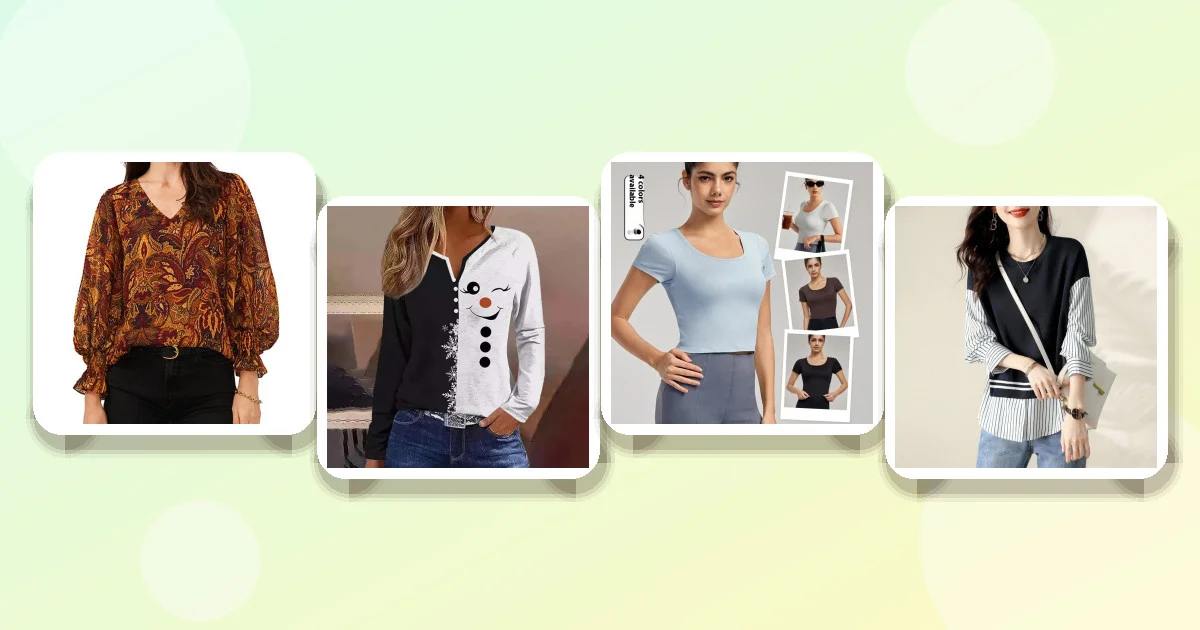
Printed V-neck Long T-shirt Loose Top For Women

- Lightweight polyester fabric minimizes bulk and resists wrinkles.
- V-neck shape complements crewneck sweaters for a clean look.
- Asian sizing runs small; check the size chart carefully before buying.
Semi-Fixed Chest Pad Breathable Fitness T-shirt

- Artificial cotton fabric is soft and breathable, reducing sweat.
- Semi-fixed chest pad provides a smooth silhouette without a bra.
- Asian sizing runs small; size up if between sizes.
Vibrant 3D Digital Print Casual Sweet Women's T-Shirt

- Slim fit prevents bunching under tighter sweaters.
- Wide size range ensures a better fit for various body types.
- It is a sweatshirt category item; check if the fabric thickness is suitable for your sweater.
Graceful Striped False Two-Piece Women's Patchwork Sweater
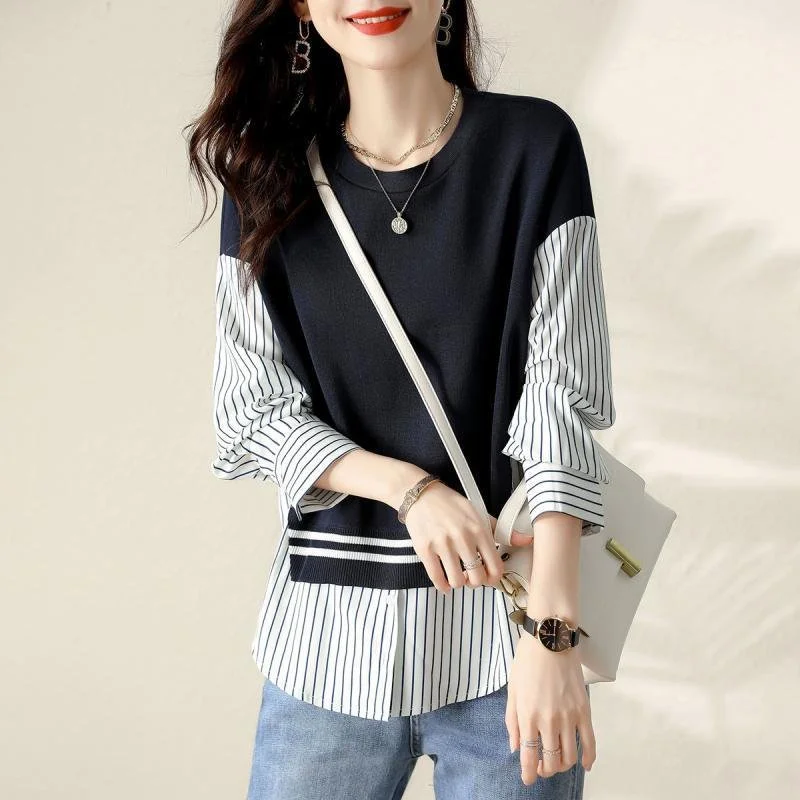
- Loose fit allows for easy movement and comfort.
- Striped pattern adds visual interest without needing a patterned blouse.
- It is a sweater, not a blouse; use it as the outer layer, not the inner layer.
Cozy Oversized Zip-Up Hoodie for Fall & Winter
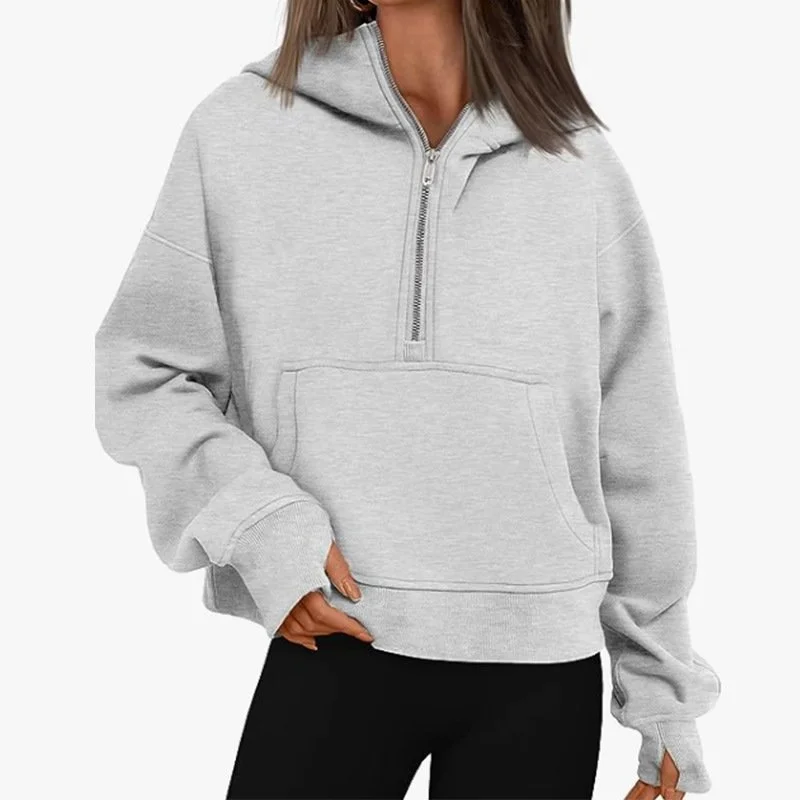
- Zip-up design allows for easy temperature adjustment.
- Loose fit accommodates a thick base layer underneath.
- It is a hoodie; may be too casual for formal office settings.
Women's Printed Hooded Sweatshirt | Stylish Pullover
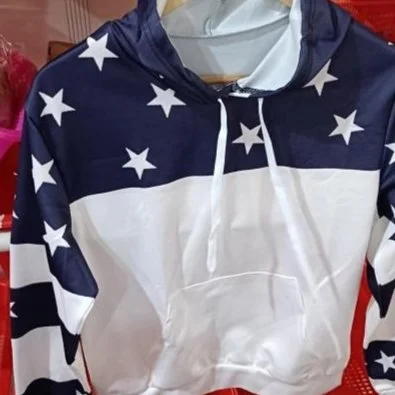
- Slim fit minimizes bulk under outer layers.
- Cozy hood provides extra warmth for the neck.
- It is a sweatshirt; check the fabric weight to ensure it doesn’t add too much bulk.
Product Comparison: Options for Your Fall Rotation
Here is a quick comparison of the products listed above to help you decide which ones fit your specific needs. Note that prices and availability can change.
| Product Name | Price | Type/Material | Size Range | Best For |
|---|---|---|---|---|
| Printed V-neck Long T-shirt | $16.76 | Polyester / Blouse | S-XL | Casual layer under crewneck |
| Vibrant 3D Digital Print T-Shirt | $17.44 | Sweatshirt / Pullover | S-5XL | Slim base layer |
| Semi-Fixed Chest Pad T-shirt | $33.84 | Artificial Cotton / Blouse | S-XL | Structured, smooth layer |
| Graceful Striped Patchwork Sweater | $35.16 | Sweater / Knit | M-3XL | Outer layer with layered look |
| Cozy Oversized Zip-Up Hoodie | $27.20 | Hoodie / Sweatshirt | S-XL | Casual outer layer |
| Women's Printed Hooded Sweatshirt | $21.28 | Sweatshirt / Pullover | XS-4XL | Slim, active layer |
When choosing from this list, consider the role of the garment in your layering stack. If you need a thin, smooth layer to wear under a sweater, look at the blouses and t-shirts (Items 1, 2, and 3). If you need an outer layer that looks like it has been layered, look at the sweaters and hoodies (Items 4, 5, and 6). Mixing and matching these allows you to create different outfits for different temperatures and settings.
Styling Techniques for Different Sweater Types
Once you have the right blouse and sweater, how you style them matters. Small details like tucking, buttoning, and hem length can make or break the look. Here are specific techniques for different sweater types.
Fitted Sweaters
Fitted sweaters hug the body. If you wear a loose blouse underneath, it will create visible lines and bunching. The solution is to wear a slim-fit blouse. A slim blouse lies flat against the body and does not add bulk. Tuck the blouse in to create a clean line at the waist. If the blouse has a collar, button it up to keep it neat. A V-neck blouse works well here because the V-shape is less likely to wrinkle than a crewneck.
Avoid wearing a bulky blouse under a fitted sweater. The sweater will stretch over the bulk, distorting the shape of the sweater and making you look larger than you are. If you want to wear a loose blouse, pair it with a looser sweater instead.
Oversized Sweaters
Oversized sweaters have a lot of extra