It is 55 degrees outside. You are wearing a nice shirt, but the wind cuts through. You reach for your thickest sweater, put it on, and realize you can’t button your jacket. Or worse, you button it, and the fabric bunches up around your waist, creating a boxy, uncomfortable shape. This is the classic fall layering trap. Most sweaters are designed to be worn as standalone pieces, not as middle layers. When you add a blazer, trench coat, or puffer jacket on top, the cumulative thickness can ruin your silhouette.
This guide solves that problem. We will look at the specific mechanics of layering: how fabric weight affects movement, how neckline choice interacts with outerwear, and how to read sizing charts to find the "just right" fit. We will also review five specific sweaters that work well as middle layers, ranging from budget-friendly basics to structured options. By the end, you will know exactly what to look for when shopping, so you can stay warm without sacrificing style or mobility.
Understanding Fit: The Key to Avoiding Bulk
Fit is the single most important factor in successful layering. A sweater that fits perfectly on its own might look terrible under a coat if it is too tight or too loose. The goal is a "relaxed" fit, not an "oversized" fit. These terms are often used interchangeably in marketing, but they have different mechanical implications for layering.
Relaxed vs. Oversized Fit
A relaxed fit sweater has enough room between your body and the fabric to allow for a shirt underneath, but it still follows the general line of your torso. It should not pull at the shoulders or bind across the chest. When you look in the mirror, the fabric should hang smoothly from your shoulders rather than pooling at the elbows or hem.
An oversized fit, on the other hand, is designed to be boxy. The shoulders often drop below the actual shoulder point. While this looks stylish as a standalone piece, it becomes problematic when layered. If you put a blazer over an oversized sweater, the blazer’s shoulder seams will sit on top of the sweater’s dropped shoulders. This creates a double-shoulder effect that looks sloppy and adds significant visual width. For layering, avoid sweaters with intentionally dropped shoulders unless you plan to wear the outer jacket open and unstructured.
Sizing Up: The Asian Size Factor
Many affordable sweaters are manufactured in Asia, where sizing standards differ from US and European norms. A size "M" in an Asian-manufactured sweater is often equivalent to a US "S" or even "XS." This is a critical detail for layering. If you buy a size that is too small, the sweater will compress against your body. When you add a second layer, this compression creates friction and makes it difficult to move your arms.
Conversely, if you buy a size that is too large, the fabric will bunch up when you sit down or raise your arms. For layering, you want a size that allows you to move freely but stays close to your body. Check the specific garment measurements (chest width, sleeve length, total length) provided in the product description. Compare these numbers to a sweater you already own that layers well. If the chest measurement of the new sweater is 2-3 inches larger than your current layering sweater, it is likely the right size for you.
The Shoulder Seam Rule
Regardless of the size label, the shoulder seam is your most reliable fit indicator. Stand in front of a mirror and hold the sweater up. The seam where the sleeve meets the body should land exactly on the edge of your shoulder bone. If it falls on your upper arm, the sweater is too big. If it rests on your neck or collarbone, it is too small. When layering, a seam that sits precisely on the shoulder allows the outer jacket’s shoulder to align with it, creating a clean, continuous line. This alignment is what prevents the "bulky" look. It makes the layers appear as one cohesive unit rather than a stack of separate items.
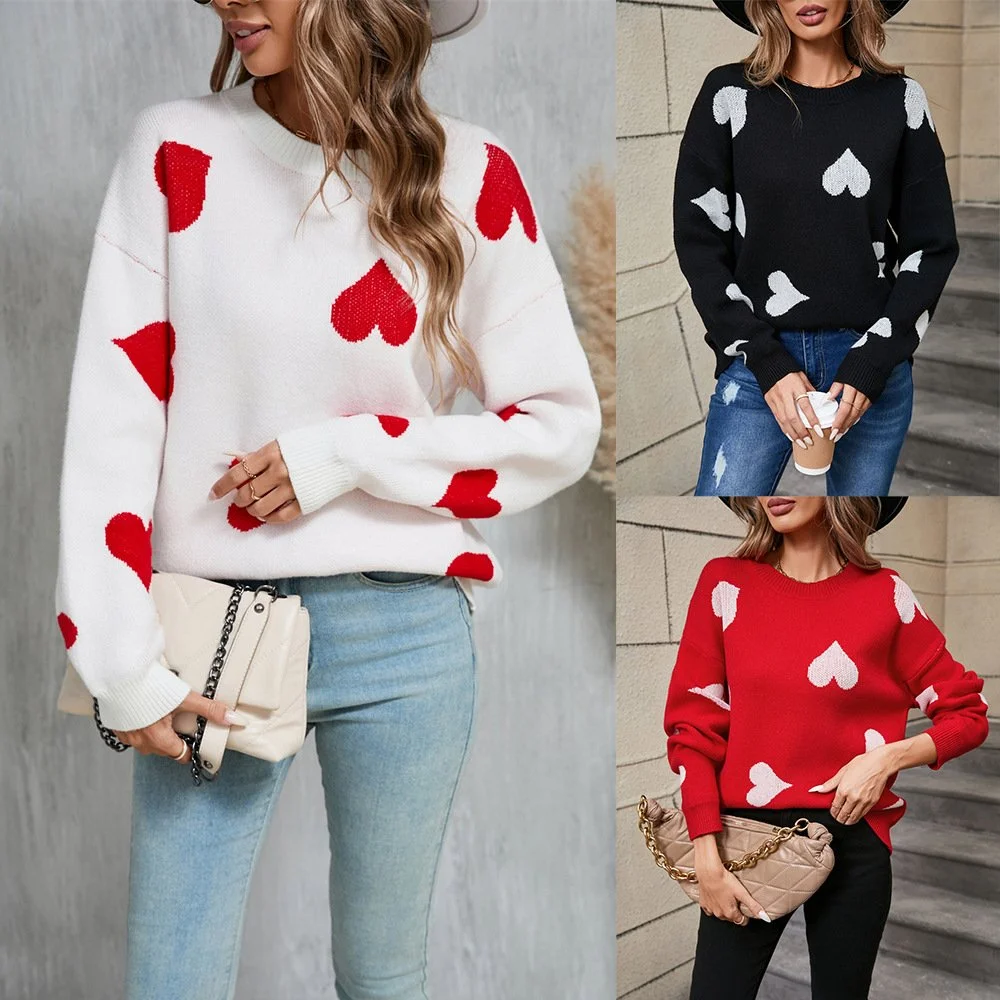
Fabric Weight: Light vs. Medium Knits
Not all knits are created equal. The weight of the fabric determines how much insulation you get and how much bulk you add. For layering, you generally want to avoid heavy, chunky knits and opt for medium or light weights. These fabrics provide warmth through trapped air but do not add significant thickness to your silhouette.
Why Chunky Knits Fail as Middle Layers
Chunky knits are made with thick yarns and large stitches. They are designed to be the outermost layer or the only layer. The yarn itself is bulky, and the open weave creates a lot of texture. When you put a jacket over a chunky knit, the texture of the yarn presses against the inner fabric of the jacket, creating a rough, uncomfortable surface. More importantly, the sheer volume of the yarn adds inches to your torso. If you are wearing a fitted blazer or a tailored trench coat, a chunky knit will distend the fabric, causing it to pull at the buttons and crease awkwardly. Save chunky knits for days when you are not wearing a structured outer layer.
The Sweet Spot: Medium-Weight Knits
Medium-weight knits are the ideal middle layer. They are dense enough to provide warmth but thin enough to slide easily under a jacket. These sweaters often have a finer gauge, meaning the yarn is thinner and the stitches are tighter. This creates a smooth surface that glides under outerwear. Look for terms like "fine gauge," "merino blend," or "cotton blend" in the product description. These fabrics tend to drape well, following the curves of your body rather than standing out from it.
One advantage of medium-weight knits is their versatility. They can be worn alone on mild days and layered on colder days without looking overdressed. A medium-weight crew neck sweater over a shirt looks professional and polished. A chunky knit over a shirt often looks sloppy because the proportions are off. The medium weight balances the visual weight of the shirt underneath and the jacket over top.
Material Composition and Breathability
The material of the sweater also affects how it layers. Synthetic fibers like acrylic and polyester are common in affordable sweaters. They are durable and easy to care for, but they can trap heat. If you are active, synthetic sweaters can make you sweat, which is uncomfortable when you are wearing multiple layers. Natural fibers like cotton and wool are more breathable. Cotton is cool to the touch and wicks moisture, making it a good choice for early autumn. Wool is warmer and regulates temperature better, making it ideal for late autumn and winter. A blend of cotton and acrylic offers a balance of softness and durability. Check the fiber content to ensure the sweater suits your activity level. If you spend most of the day sitting in an office, a cotton-acrylic blend is comfortable. If you are walking long distances, a wool blend or fine cotton might be better for breathability.
Neckline Choice: Matching Inner and Outer Layers
The neckline of your sweater determines how it interacts with both the shirt underneath and the jacket over top. A mismatched neckline can create visual clutter or physical discomfort. The goal is a smooth transition from the inner layer to the outer layer.
Crew Neck: The Versatile Standard
The crew neck is the most versatile neckline for layering. It sits at the base of the neck and provides a clean, simple line. It works well over collared shirts because it does not interfere with the collar. If you wear a button-down shirt with a collar, the crew neck sweater sits neatly over the collar points, creating a classic, professional look. It also works well under v-neck jackets or open cardigans. Because it does not have a deep opening, a crew neck provides more coverage and warmth around the neck. This is useful if your outer jacket is open or has a low neckline.
One limitation of the crew neck is that it can look boxy if the sweater is too tight. Ensure there is a small gap between the neckband and your skin. This gap allows the collar of your shirt to breathe and prevents the sweater from feeling constricting. If you have a longer neck, a crew neck can be very flattering. If you have a shorter neck, ensure the neckline is not too high, as it can shorten the appearance of your neck.
V-Neck: Adding Vertical Lines
A V-neck sweater creates a vertical line that draws the eye downward. This is helpful for creating a slimming effect. It is particularly good for layering over a turtleneck or a high-neck shirt. The V-shape breaks up the heaviness of a high neck and adds visual interest. It also allows the collar of your shirt to be visible, which adds a layer of detail without adding bulk. If you are wearing a blazer with a lapel, a V-neck sweater can complement the V-shape of the lapel, creating a cohesive look.
However, V-necks require more attention to fit. If the V is too deep, it can expose the shirt underneath in a way that looks accidental. If it is too shallow, it may not provide enough separation from the shirt. Aim for a V that ends at the sternum. This depth is generally flattering and works well with most shirt styles. V-necks are also easier to adjust; you can pull the shirt collar up or down to change the look.
Turtleneck: Warmth with Caveats
Turtlenecks are excellent for warmth, but they can be tricky to layer. The high collar adds volume around the neck. If you wear a turtleneck under a jacket with a high collar, such as a hooded puffer or a stand-collar coat, the two collars can press against each other, causing discomfort and making your head look like it is resting on a pillow. This is the "bulky neck" effect.
To layer a turtleneck successfully, pair it with a jacket that has a lower neckline or an open front. For example, a turtleneck under a trench coat or a blazer works well because the jacket’s collar does not crowd the turtleneck. If you must wear a turtleneck under a high-neck jacket, choose a turtleneck with a slim, rolled collar rather than a bulky, folded one. This reduces the thickness at the neck. Alternatively, you can fold the turtleneck down to create a mock neck, which is lower and less bulky.
Recommended Sweaters for Layering
Selecting the right sweater for layering comes down to matching the garment’s construction to your specific outfit needs. The following five sweaters represent different approaches to layering, from casual base layers to structured office wear. Each is selected for its ability to function as a middle layer without adding excessive bulk.
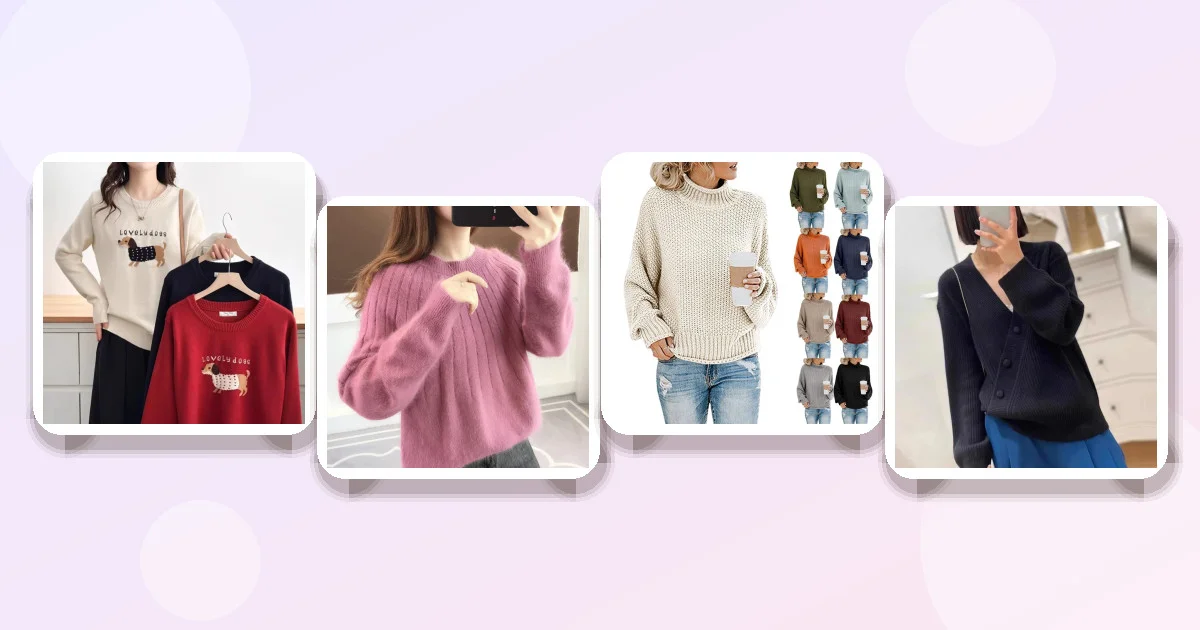
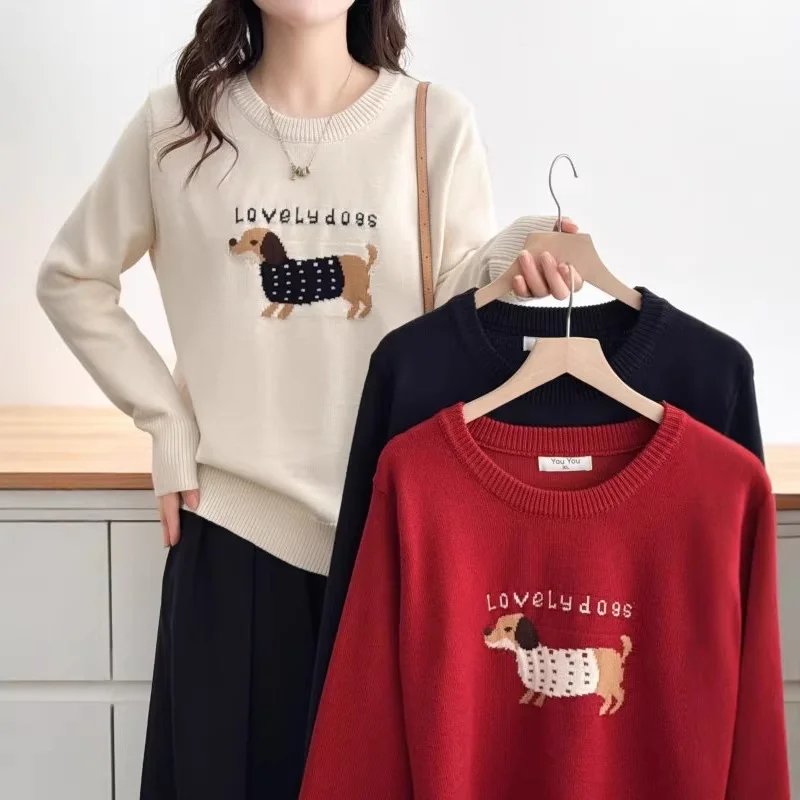
1. Cartoon Puppy Jacquard Crew-neck Pullover
This pullover features a playful cartoon puppy pattern and offers a loose fit. It is designed as a base layer top, meaning it is intended to be worn underneath other garments. The crew neck provides standard coverage, and the loose fit allows room for a shirt or blouse underneath. The pattern adds visual interest, which can be beneficial if your outer layer is solid and plain. The soft, cozy knit suggests a comfortable hand feel, which is important for layers you wear all day.
Best for Casual days when you want a fun, personal touch under a denim jacket or a casual blazer. It works well if your outer layer is neutral, allowing the pattern to peek out at the neckline or hem.
- Pro: The loose fit ensures there is ample room for an underlying shirt without feeling tight.
- Pro: The crew neck is versatile and works well with both collared and round-neck shirts.
- Con: The patterned design is less formal; check if the style fits your workplace dress code before using it for office wear.
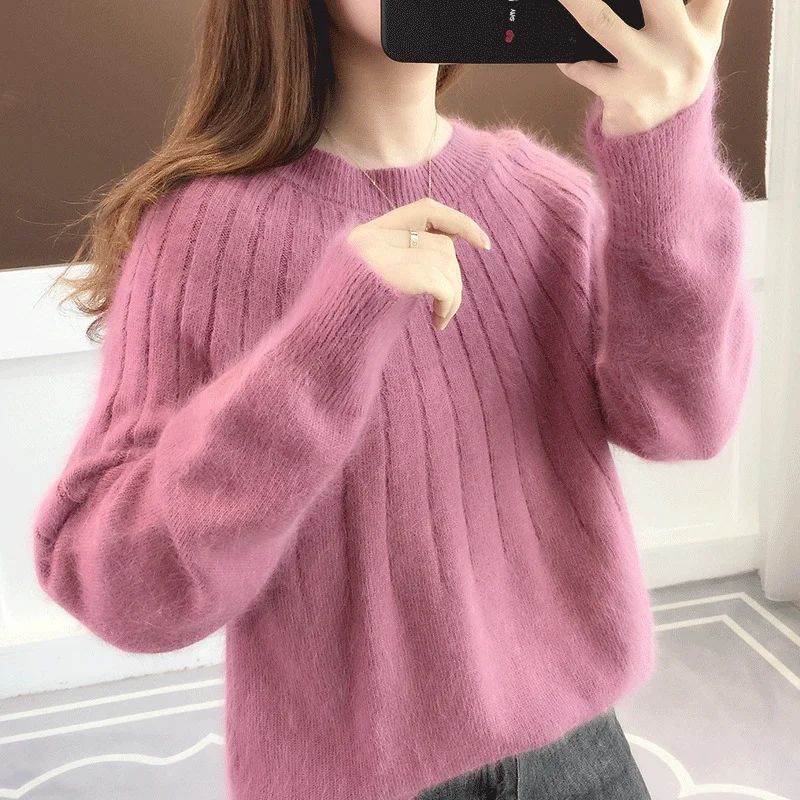
2. Womens Solid Color Short Pullover
This is a simple, solid-color pullover with a round neck and a loose fitting cut. It is categorized as both outerwear and a base layer, indicating its versatility. The "short" length suggests it may sit higher on the waist, which can be beneficial for layering over jeans or skirts without adding length to your torso. The one-size-fits-all design makes it easy to try on, but it also means the fit is fixed and may not accommodate a wide range of body types perfectly. The polyester fabric is durable and easy to care for, making it a practical option for frequent layering.
Best for Creating a streamlined look under a long coat. The shorter length prevents the sweater from extending past the hem of your outer layer, which can look messy. It is also a good budget-friendly option for experimenting with layering styles.
- Pro: The short length keeps the silhouette compact, reducing the risk of fabric bunching at the waist.
- Pro: Solid colors are always easier to layer than patterns, as they blend in with various outerwear colors.
- Con: One-size-fits-all can be hit-or-miss; you must check the specific measurements to ensure it fits your torso and arm span comfortably.
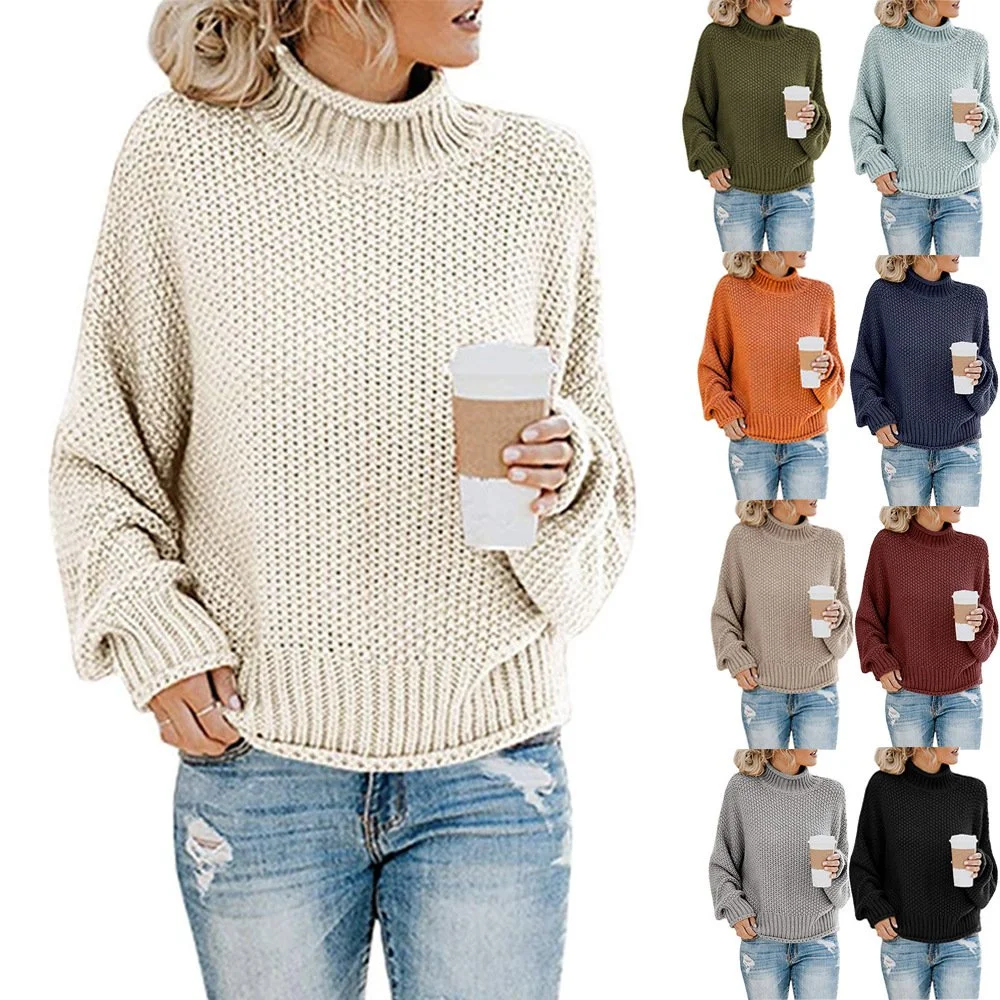
3. Solid Turtleneck Pullover Sweater
This turtleneck is made from an acrylic and cotton blend, offering a balance of warmth and softness. It is a long-sleeved, knitted top designed for winter fashion but can serve as a base layer in early autumn. The turtleneck provides significant neck coverage, which is useful if you are sensitive to cold air. The availability in many colors (99 options) means you can match it to your existing wardrobe easily. The acrylic component makes it durable and resistant to shrinking, which is helpful for garments that are frequently washed.
Best for Cold days when you need extra neck warmth under a jacket with a low neckline or an open front. It is a good choice for pairing with blazers or trench coats to add a layer of warmth without a separate scarf.
- Pro: The turtleneck design offers excellent warmth and protection for the neck, reducing the need for additional accessories.
- Pro: The wide range of color options makes it easy to find a shade that complements your outerwear.
- Con: The high collar can feel bulky under jackets with high necklines; ensure your outer layer has enough room or a lower neck opening.
4. Womens Stylish V-neck Knitted Base Top
This V-neck sweater is described as a medium thickness, making it a solid middle-weight option for layering. It features princess sleeves, which are cut in a way that can provide a more tailored fit around the arms. The pullover style is simple and easy to wear. The V-neck design creates a vertical line that helps to elongate the torso, which can be flattering for many body types. The availability in black and white makes it a versatile staple that can be paired with almost any color of shirt or jacket.
Best for Office wear where a polished, professional look is required. The V-neck pairs well with collared shirts, and the medium weight ensures it doesn't add too much bulk under a blazer.
- Pro: The V-neck allows for a classic, professional look when layered over a button-down shirt.
- Pro: The medium thickness is ideal for layering, providing warmth without excessive bulk.
- Con: The princess sleeve cut may feel restrictive for some; check the sleeve length and shoulder fit to ensure comfort when moving your arms.
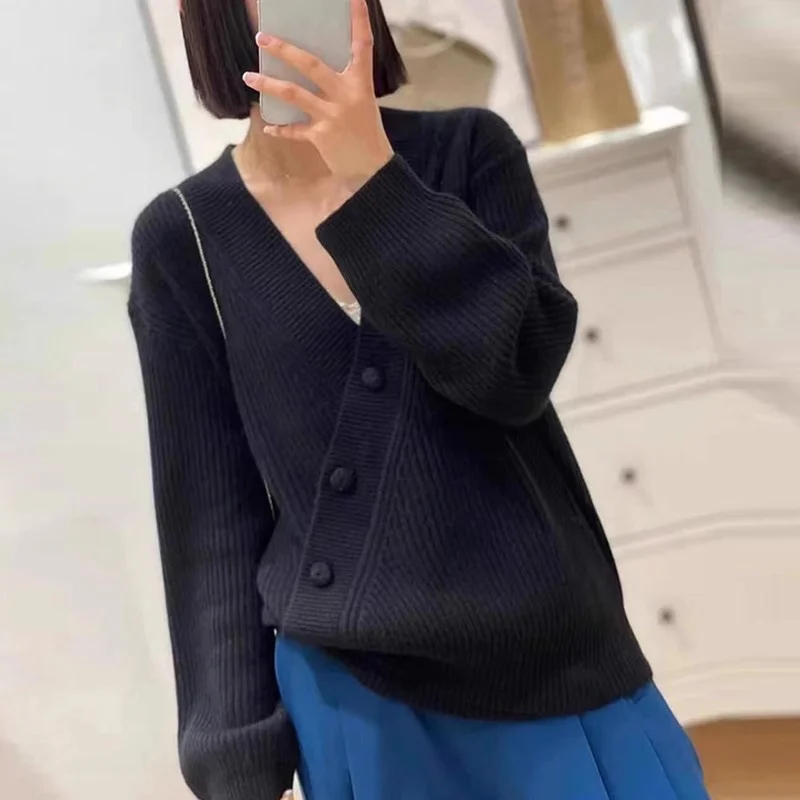
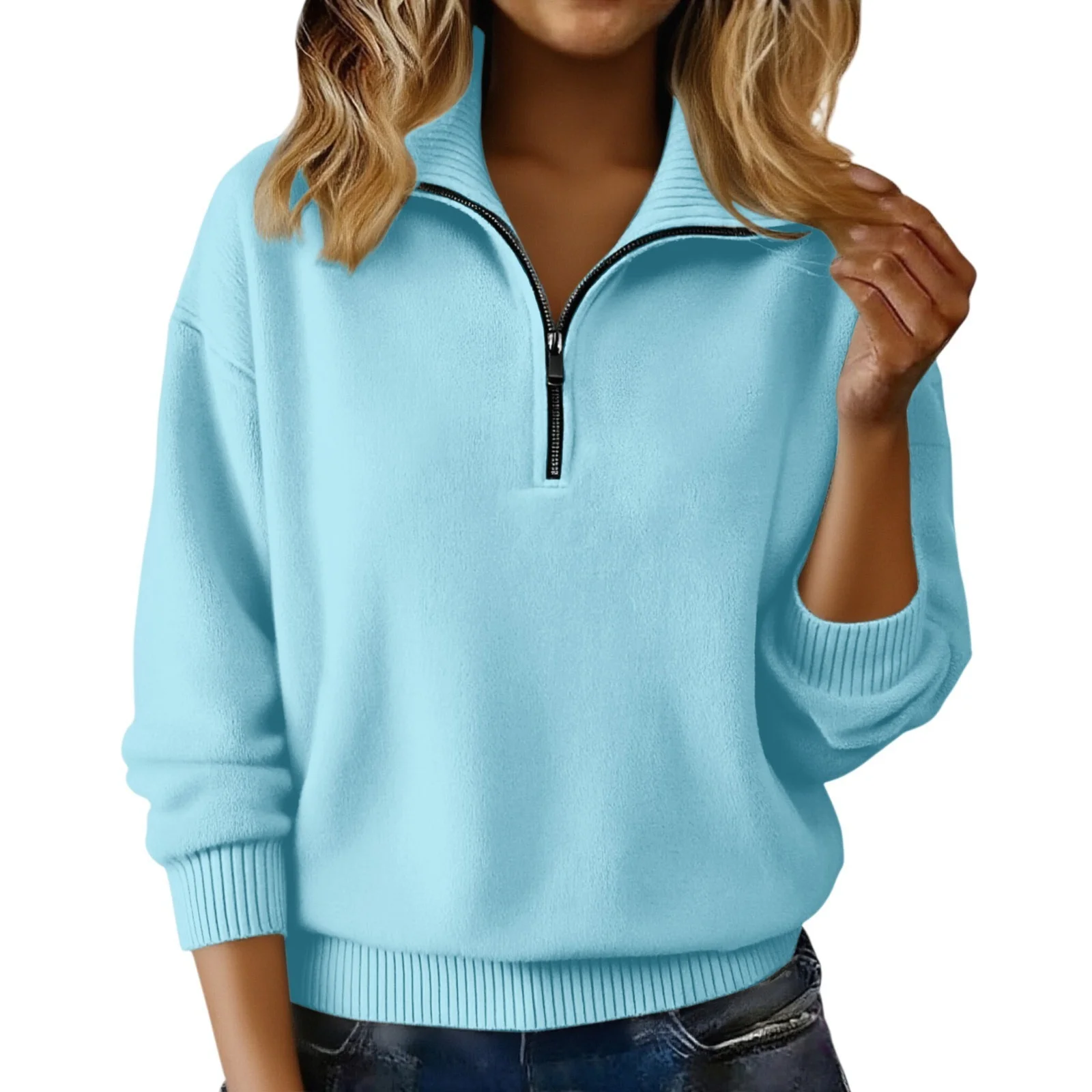
5. Women's Solid Color Lapel Zip Pullover Sweater
This sweater features a lapel and a zip front, giving it a structured, cardigan-like appearance. It is described as a loose 3D casual top for autumn. The zip front allows for easy adjustment of the fit; you can zip it all the way up for warmth or leave it open for ventilation. The lapel adds a touch of sophistication, making it a good choice for transitional weather when you need something more than a basic t-shirt but less than a full coat. The solid color design keeps it versatile.
Best for Transitional days when you need a layer that can be easily adjusted. It works well as a middle layer under a coat or as a standalone piece on mild days. The zip front is particularly useful if you tend to run hot or cold.
- Pro: The zip front offers versatility in fit and ventilation, allowing you to adjust the layer as needed.
- Pro: The lapel design adds a structured, polished look that pairs well with both casual and semi-formal outerwear.
- Con: The loose 3D cut may add more volume than a fitted pullover; ensure it sits smoothly under your outer layer to avoid bulkiness.
Product Comparison Table
The following table compares the five recommended sweaters based on key attributes relevant to layering. Use this table to quickly identify which sweater best fits your specific needs, such as neckline preference, fabric type, or budget.
| Product | Price | Neckline | Material/Weight | Fit/Sizing | Best For |
|---|---|---|---|---|---|
| Cartoon Puppy Jacquard Crew-neck Pullover Shop the story
All products from this guide
|