It is 6:00 PM in October. The sun has already set, the air outside is crisp, and you are settling in for the evening. But your living room feels a bit too open, a bit too cold, and maybe a little impersonal. You want that specific "hygge" feeling where you want to stay in and not go out, but you do not know how to get there without spending a fortune or moving heavy furniture. This guide cuts through the noise. We will look at specific dimensions, material choices, and styling tricks that make a room feel instantly warmer. You will learn how to pick a rug that fits your layout, how to layer blankets so they do not look like an afterthought, and which small accents make the biggest difference. No vague advice about "adding warmth." Just specific, actionable steps you can execute this weekend.
- Why Texture Matters More Than Color in Autumn
- How to Choose the Right Area Rug Size for Your Layout
- The Art of Layering Throws and Pillows
- Product Comparison: Affordable Accents for Your Space
- Common Mistakes to Avoid When Styling for Fall
- Care and Styling Tips for Long-Lasting Comfort
- Frequently asked questions
- Key takeaways
Why Texture Matters More Than Color in Autumn
Many people think changing the color palette is the most important step in seasonal decorating. While swapping cool blues for warm terracottas helps, texture is what actually makes a room feel physically warmer. When you sit on a sofa, your body registers the tactile feedback of the fabric beneath you. Smooth, flat surfaces like leather or tightly woven synthetic fabrics can feel cold to the touch in cooler months. Textured surfaces, such as chunky knits, linen, or shaggy wool, trap air and provide immediate tactile comfort. In a cozy fall living room, texture is the primary signal to your brain that it is time to relax.
Think about the difference between a smooth satin pillow and a rough linen one. The satin looks sleek, but the linen feels grounded and substantial. In autumn, you want that sense of substance. You want materials that have weight and depth. This does not mean you need to buy expensive cashmere throws. It means paying attention to the weave. A simple cotton throw with a waffle weave or a pillow cover with a visible linen grain adds visual and tactile complexity to a room. This complexity draws the eye and invites touch, which are the two main drivers of the "cozy" sensation.
The Role of Light and Shadow
Texture also interacts with light. In the short, low-angle light of autumn evenings, textured surfaces create soft shadows. A flat, smooth wall or a smooth rug reflects light uniformly, which can feel stark or clinical. A textured rug or a pile of woven blankets breaks up that light, creating a softer, more diffused glow. This is why a room with lots of texture feels more intimate. The shadows soften the edges of the room, making it feel smaller and more enclosed, which is psychologically comforting when the weather turns cold. If your living room has a lot of white walls or light-colored hardwood floors, adding textured elements is the fastest way to ground the space.
Choosing Materials for Tactile Warmth
Not all textures are created equal when it comes to warmth. You want materials that are breathable but have enough body to feel substantial. Linen is a top choice because it wrinkles naturally, adding to its relaxed aesthetic, and it is durable enough for frequent use. Cotton is versatile and easy to care for, making it ideal for everyday throws. Wool is the gold standard for warmth, but it is more expensive and requires specific care. For budget-friendly options, look for polyester blends that mimic the look of wool or linen. These synthetic materials are often softer and easier to wash, which is a significant advantage if you have pets or young children. The key is to mix at least two different textures in any single seating area. For example, pair a smooth linen pillow with a chunky knitted throw. This contrast prevents the room from looking monotonous and adds depth to the visual composition.
How to Choose the Right Area Rug Size for Your Layout
The rug is the foundation of any living room layout. If the rug is too small, it makes the room feel disjointed and the furniture look like it is floating. If it is too large, it can overwhelm the space. Choosing the correct size depends entirely on your furniture arrangement. There are three main scenarios to consider: the standard sofa setup, the sectional layout, and the open-plan living area. Each requires a different rug dimension to achieve that balanced, grounded look that defines a cozy fall living room.
Scenario 1: The Standard Sofa and Coffee Table
This is the most common living room setup: a sofa facing a television or a window, with a coffee table in the center. For this layout, the golden rule is that the front legs of the sofa and the armchairs (if you have them) should sit on the rug. The coffee table should also be fully on the rug. A 5x7 foot rug is the standard size for this arrangement. It is large enough to anchor the seating area but small enough to leave some floor space visible, which helps the room feel airy. If your sofa is particularly long, or if you have two armchairs facing each other, a 6x9 foot rug might be necessary to ensure all furniture legs are supported. Do not skimp on size here. A rug that is too small will make the room feel cramped and the furniture look unstable.
Scenario 2: The Sectional Sofa
Sectionals are popular because they maximize seating, but they are tricky to rug. Because the furniture is L-shaped or U-shaped, you need a rug that can accommodate the turn. A 7x10 foot or 8x10 foot rug is typically required for a standard sectional. The goal is to have the rug extend at least 18 to 24 inches beyond the front of the sofa on the open sides. If the rug tucks under the sofa, make sure it is flat and does not bunch up, as this can be a tripping hazard. For very large sectionals that wrap around three sides, you may need a custom-sized rug or a very large 9x12 foot rug. If you are renting and cannot buy a custom rug, look for a large rectangular rug and place it so that the main seating area is covered, even if the chaise lounge part extends off the edge. This is a common compromise and looks perfectly fine if the rug is centered under the primary seating zone.
Scenario 3: The Open-Plan Living Area
If your living room flows into a dining area or a kitchen, defining the boundaries is crucial. You need a rug that clearly marks the living room zone without blocking traffic flow. In this case, size is less important than placement. You want the rug to be large enough to hold the entire seating group (sofa, chairs, coffee table) but small enough to leave a clear path of at least 30 inches to the next piece of furniture or wall. A 8x10 foot rug is often the sweet spot for open-plan spaces. It is substantial enough to define the area but flexible enough to fit in most standard living rooms. Avoid placing the rug in the middle of the traffic path. If people have to step over the rug to get to the kitchen, it will become a nuisance and get dirty quickly. Keep the rug contained within the seating area.
Height and Pile: What to Look For
Once you have the size right, consider the pile height. For a cozy fall living room, you generally want a medium to high pile. A low-pile rug is durable and easy to vacuum, but it feels hard underfoot. A high-pile rug, like a shag or a plush wool rug, feels like walking on clouds. However, high-pile rugs can be difficult to clean and may look bulky under low furniture. A medium pile is the most versatile option. It provides enough cushioning for comfort but is flat enough to work with most furniture heights. If you have pets, avoid high-pile rugs, as they are prone to shedding and trapping fur. A medium-pile rug with a tight weave is easier to maintain and still looks cozy. Check the product description for "pile height" or "density" to get an idea of how thick the rug will be. If the information is missing, look at the product images closely. A rug with deep shadows in the pile is usually thicker and softer.
The Art of Layering Throws and Pillows
A rug anchors the floor, but throws and pillows anchor the furniture. This is where you add the personal touch and the specific "fall" feel. The goal is to create a look that is relaxed and lived-in, not stiff and hotel-like. You want to use layering to create visual interest and provide extra warmth for movie nights or reading sessions. The key is to mix textures, sizes, and slightly different shades of the same color family. This creates a cohesive look that feels intentional but not overly curated.
How to Drape a Throw Blanket
There are three common ways to style a throw blanket on a sofa, each with a different effect. The first is the "tuck and drape" method. You tuck one end of the blanket under the seat cushion and let the other end hang over the arm. This looks neat and organized. It is best for smaller throws or when you want a cleaner look. The second method is the "casual fold." You fold the blanket in thirds and drape it over the arm, letting the ends hang down evenly. This adds visual weight to the arm of the sofa and looks very relaxed. The third method is the "pool." You simply pile the blanket in a corner of the sofa or on a chair. This looks the most effortless and is great for guests who might want to grab it. For a cozy fall living room, the casual fold or the pile is usually the best choice. It signals that the room is for comfort, not for display. Avoid making the blanket look too perfect. A slightly rumpled look is more inviting than a crisp, ironed look.
Pillow Placement: The Rule of Threes
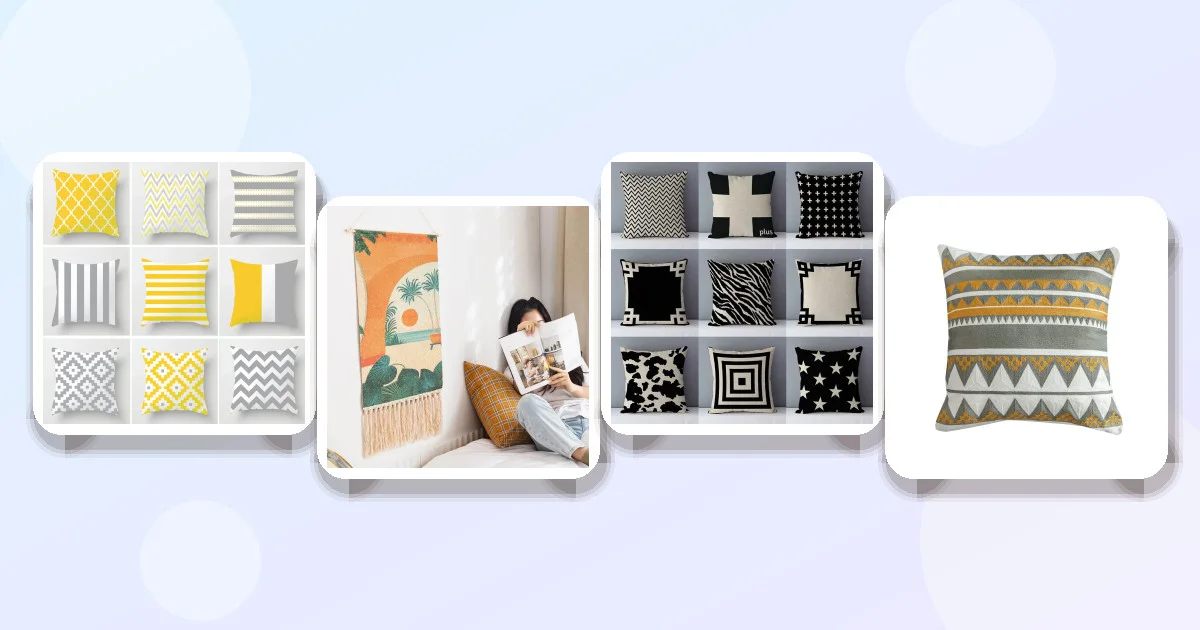
Pillows are the easiest way to add color and texture to a sofa. The general rule is to use an odd number of pillows, usually three or five, to create a balanced look. For a standard three-seater sofa, three pillows are perfect. Place one on each end and one in the center. For a larger sofa, five pillows work well: two on each end and one in the center. The key is to vary the sizes and textures. Do not use five identical pillows. It looks like a hotel lobby. Instead, mix a large linen pillow with a smaller cotton pillow and a medium-sized textured pillow. This creates a pyramid shape that is visually appealing. You can also use one large lumbar pillow at the back and two smaller pillows in front of it. This adds depth to the seating area. When choosing pillows, look for covers that are easy to remove and wash. You will want to change them seasonally, so having a set of covers that can be swapped out is a practical investment. The Geometric Abstract Home Decoration Printing Pillow Case Is a great option for adding a modern touch to your sofa.
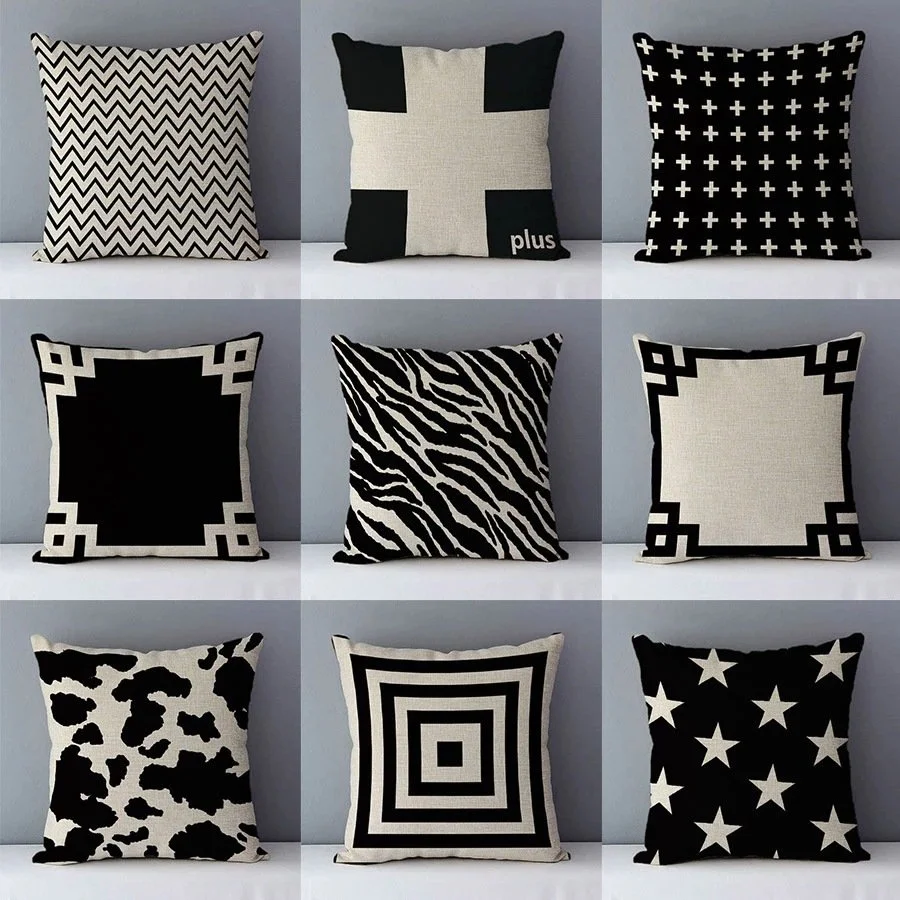
- Made of linen, which offers a natural, textured look that fits well with autumn aesthetics.
- Affordable price point allows you to buy multiple covers to create a layered look.
- Limitation: It is a cover only, so you need to provide your own pillow core, and the 45x45cm size is smaller than standard US 18x18 pillows.
Mixing Patterns and Solids
If you are mixing patterns, keep the scale in mind. Do not mix two large-scale patterns, as this can look chaotic. Instead, pair a large pattern with a small pattern or a solid. For example, pair a large floral pillow with a small striped pillow and a solid linen pillow. This creates a hierarchy of visual interest. The eye is drawn to the largest pattern first, then moves to the smaller details. This technique works well in a cozy fall living room Because it adds complexity without overwhelming the senses. You can also mix different types of patterns, such as geometric and organic. A geometric print on one pillow and a floral print on another can work well if they share a common color thread. Look for a color that appears in both patterns and use that as your anchor. For example, if both patterns have rust or olive green, those colors will tie the look together. This is a simple but effective way to make a room feel cohesive.
Product Comparison: Affordable Accents for Your Space
Creating a cozy atmosphere does not require a large budget. You can transform a room with a few well-chosen accents. The products below are affordable options that can help you achieve that layered, textured look. They are all in the "Covers Mats & Cushions" category, making them easy to swap out as seasons change. Here is a breakdown of what each product offers and how it fits into your fall styling plan.
| Product | Price | Type/Material | Key Options | Best For |
|---|---|---|---|---|
| Simple Striped Super Office Home Sofa Pillowcase | $3.68 | Cover / Crystal super soft | 8 styles, 45x45cm | Adding a soft, striped accent to a sofa or chair. |
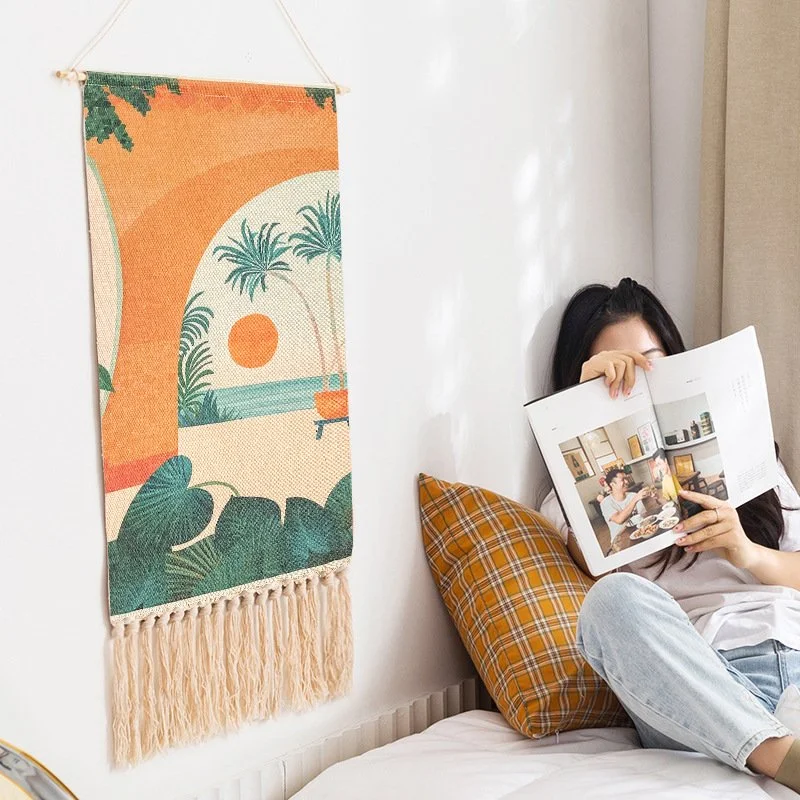
| Hand-woven Homestay Tassel Tapestry Decoration Painting | $15.04 | Tapestry / Hand-woven | 7 designs, 70x50cm | Adding vertical interest and a bohemian touch to a wall. |
| Geometric Abstract Home Decoration Printing Pillow Case | $3.72 | Cover / Linen | 8 styles, 45x45cm | Introducing modern geometric patterns to a neutral space. |
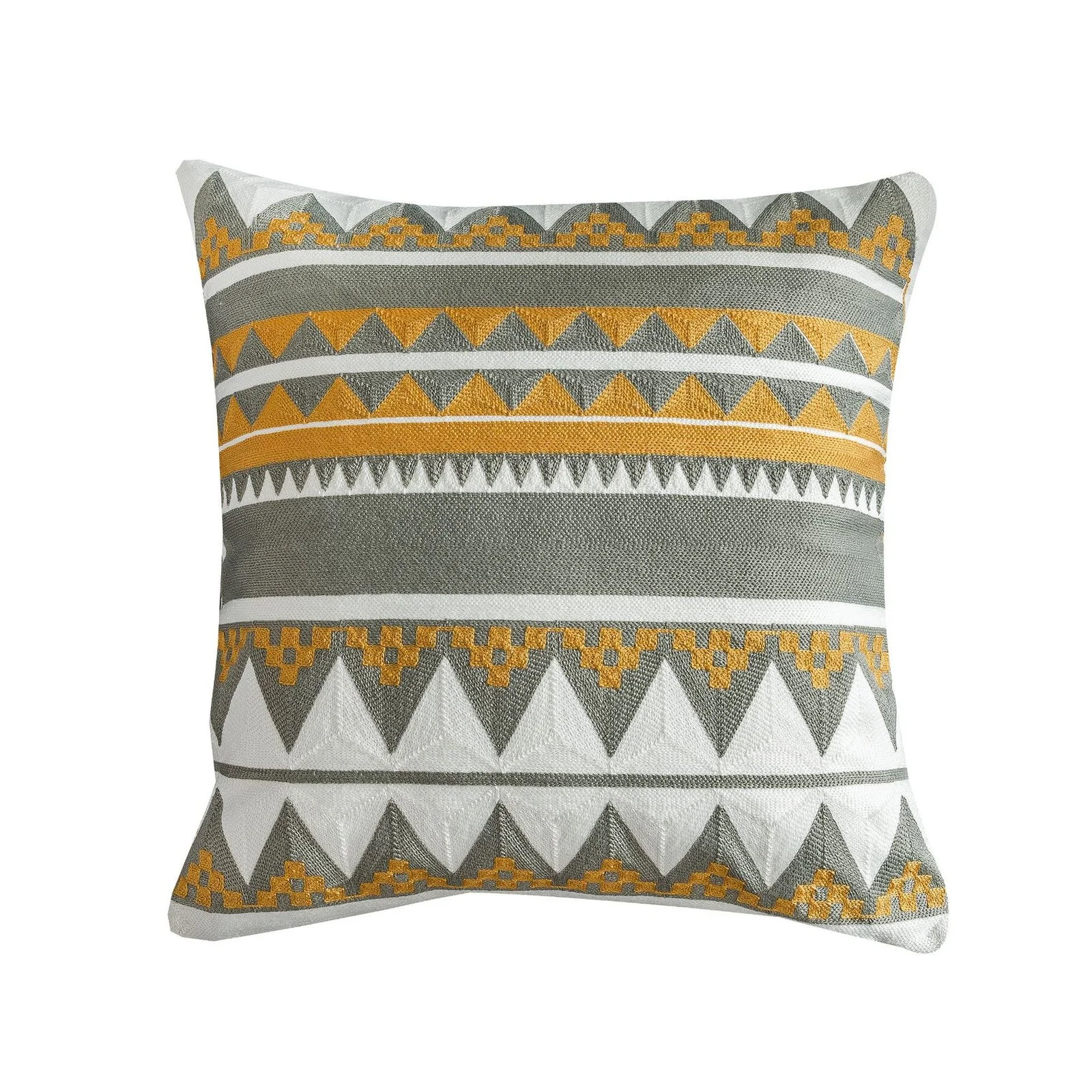
| Taobao Hot Sale New Nordic Simple Home Embroidery Pillow | $13.60 | Full Pillow / Cotton & PP Cotton | 8 color/pattern options | Quickly adding a finished look with a ready-made embroidered cushion. |
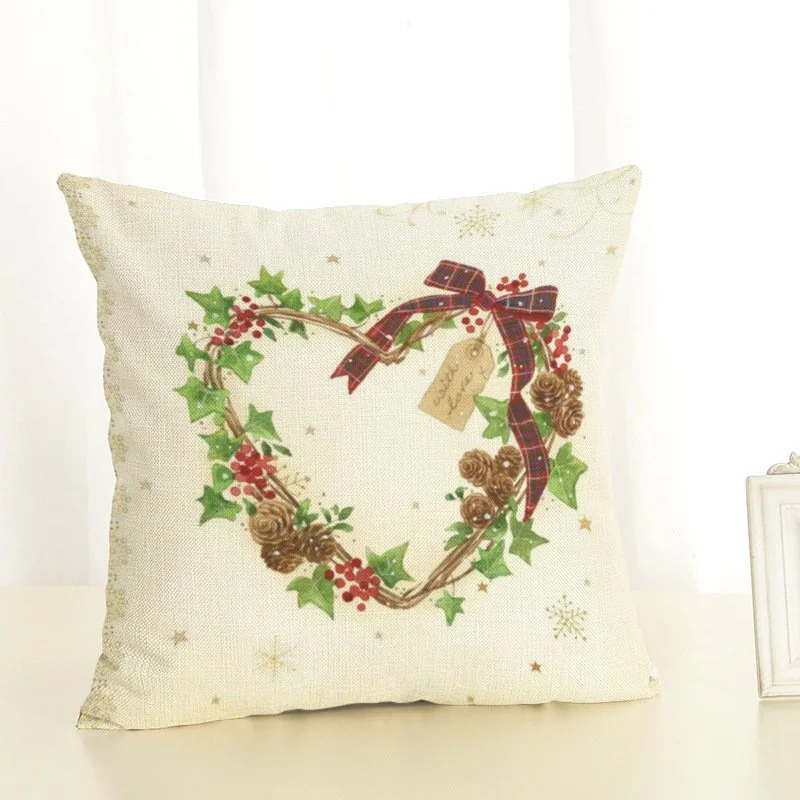
| Christmas Print Home Sofa Without Core Cushion Cover | $3.64 | Cover / Linen & Chemical fiber | 5 styles, 45x45cm | Seasonal holiday styling (save for later in the year). |
| Home Cushion Cushion Pillow Cushion Cover | $4.76 | Cover / Polyester | 7 colors, 45x45cm | Basic, durable pillow covers for high-traffic areas. |
Each of these products serves a specific purpose in your cozy fall living room Strategy. The pillow covers are the most versatile. You can buy several in different colors and patterns to create a layered look on your sofa. The tapestry adds a different dimension to the room. It is not just a flat object; it has tassels and a hand-woven texture that adds depth to a wall. This is particularly useful if you have a blank wall above a sofa or in a reading nook. The embroidered pillow is a standalone piece, so you do not need to buy a core. This makes it a quick and easy way to add a new accent without extra work. The Christmas print cover is included here for completeness, but it is best saved for the holiday season. For now, focus on the neutral and earth-toned options to establish your fall palette.
Why These Products Work for Fall Styling
The Simple Striped Super Office Home Sofa Pillowcase Is a great starting point for many people. Stripes are a classic pattern that never goes out of style. They add visual interest without being too loud. The "crystal super soft" material suggests a smooth, comfortable feel, which is ideal for a pillow you might cuddle with. At under $4, it is an affordable way to experiment with a new look. If you do not like the result, you can easily swap it out. The Hand-woven Homestay Tassel Tapestry Decoration Painting Is a bit more of an investment at $15, but it offers a unique aesthetic. The "Nordic" style and "Plants and flowers" pattern fit perfectly with the natural, organic vibe of autumn. The tassels add a playful element that can soften a room with hard lines. This is particularly useful in a minimalist space that might feel a bit cold. The tapestry adds warmth and personality without taking up floor space.
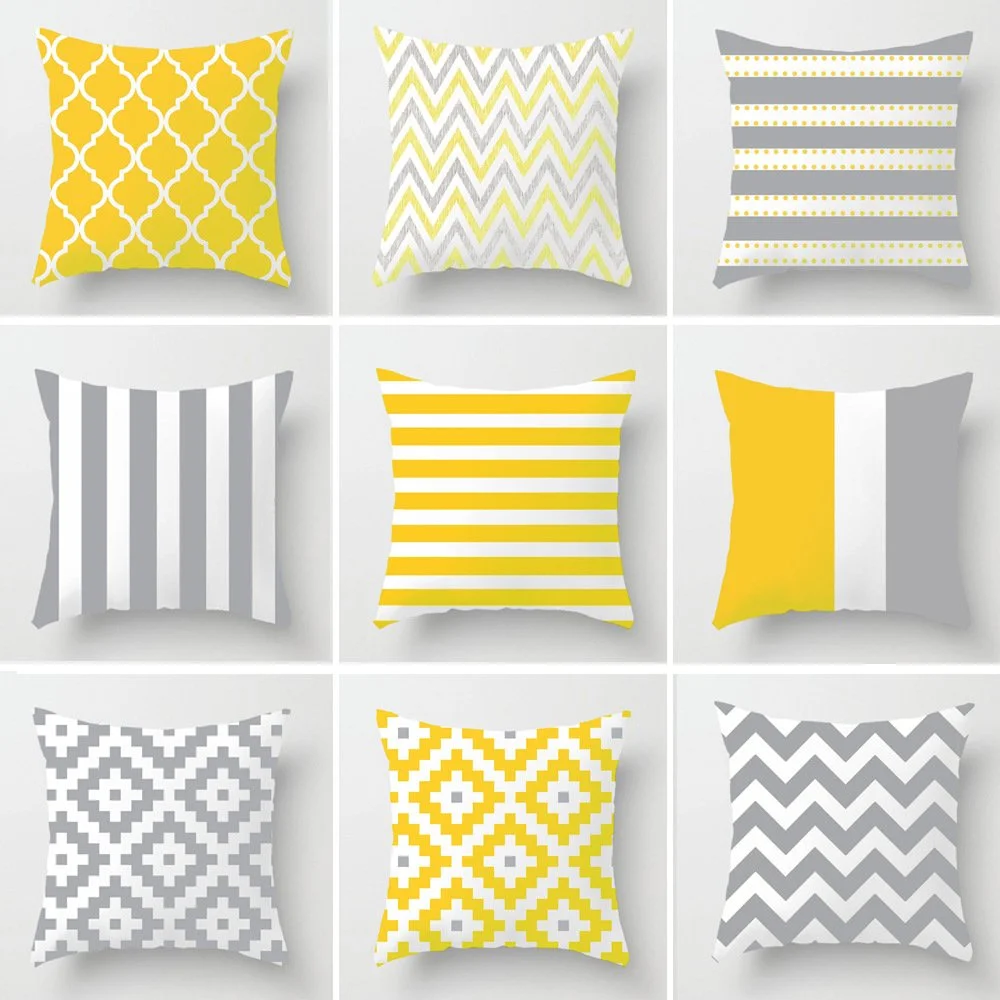
- Very affordable, allowing you to buy multiple covers to match a palette.
- Soft material enhances the tactile comfort of the seating area.
- Limitation: It is a cover only, so you must have a compatible pillow core, and the Asian sizing (45x45cm) is smaller than standard US pillows.
The