


You're hitting the trails when the leaves are turning and the air is crisp. Below you’ll learn how to pick sweaters that trap heat without overheating, how to layer without bulk, and which styles look great against a backdrop of fall color.
How to choose the right sweater
Material matters
For fall hikes you want a fabric that moves moisture away from skin but still feels warm when you stop. Cotton‑blend base layers (like a cashmere‑trimmed cotton sweater) wick light sweat and dry quickly. Acrylic knits provide decent insulation and are lighter than wool, while polyester cardigans add a soft drape without adding weight.
Weight and thickness
October temperatures on most mid‑elevation trails range from 45°F to 60°F (7°C‑15°C). A 200‑300 g/m² knit is usually enough; anything thicker feels like a coat and can cause overheating during steep climbs.
Fit and sizing
Asian sizing runs 1–2 sizes smaller than US/EU. If you’re between sizes, size up. Look for a 2–3 cm variance in measurements—try the garment on or check the size chart before you buy.
Features to look for
- Ribbed cuffs or a V‑neck to seal out wind.
- Flat seams that reduce chafing on the shoulders.
- Colors that don’t show dirt quickly (earth tones, navy, gray).
Product comparison
| Product | Price | Material | Fit/Length | Best for |
|---|---|---|---|---|
| Cable‑knit Cardigan | $29.84 | Knitted (unspecified) | Long‑sleeve, V‑neck, regular length | Casual layering over a base layer |
| Diamond Plaid Sweater | $27.20 | Polyester | Round neck, cardigan style | Warm mid‑weight layer with pattern |
| Mink Inner Wear | $20.40 | Mink | Pullover, regular length | Lightweight base layer for extra warmth |
| Hollow‑out Off‑shoulder Knit | $25.20 | Acrylic | Long‑sleeve, regular length | Stylish top layer on milder days |
| Patchwork Knitted Sweater | $27.88 | Medium‑weight knit (unspecified) | Loose‑fit, regular length | Comfortable mid‑layer for cooler evenings |
| Cashmere Lace‑trimmed Base | $25.20 | Cotton (cashmere‑trimmed) | Short length, slim fit | Base layer that wicks and adds softness |
Individual product highlights
Best for Hikers who want a quick‑change outer layer on chilly mornings.
- Patterned stripes add visual interest on the trail.
- V‑neck lets you layer a high‑collar base without bulk.
- Con: Sizing runs small; check the chart before ordering.

- Polyester wicks light sweat.
- Classic plaid looks good against autumn foliage.
- Con: No stretch; may feel restrictive if you layer thickly.

- Lightweight mink fabric traps heat.
- Available in bright colors for easy visibility.
- Con: Limited size range; check weight capacity.
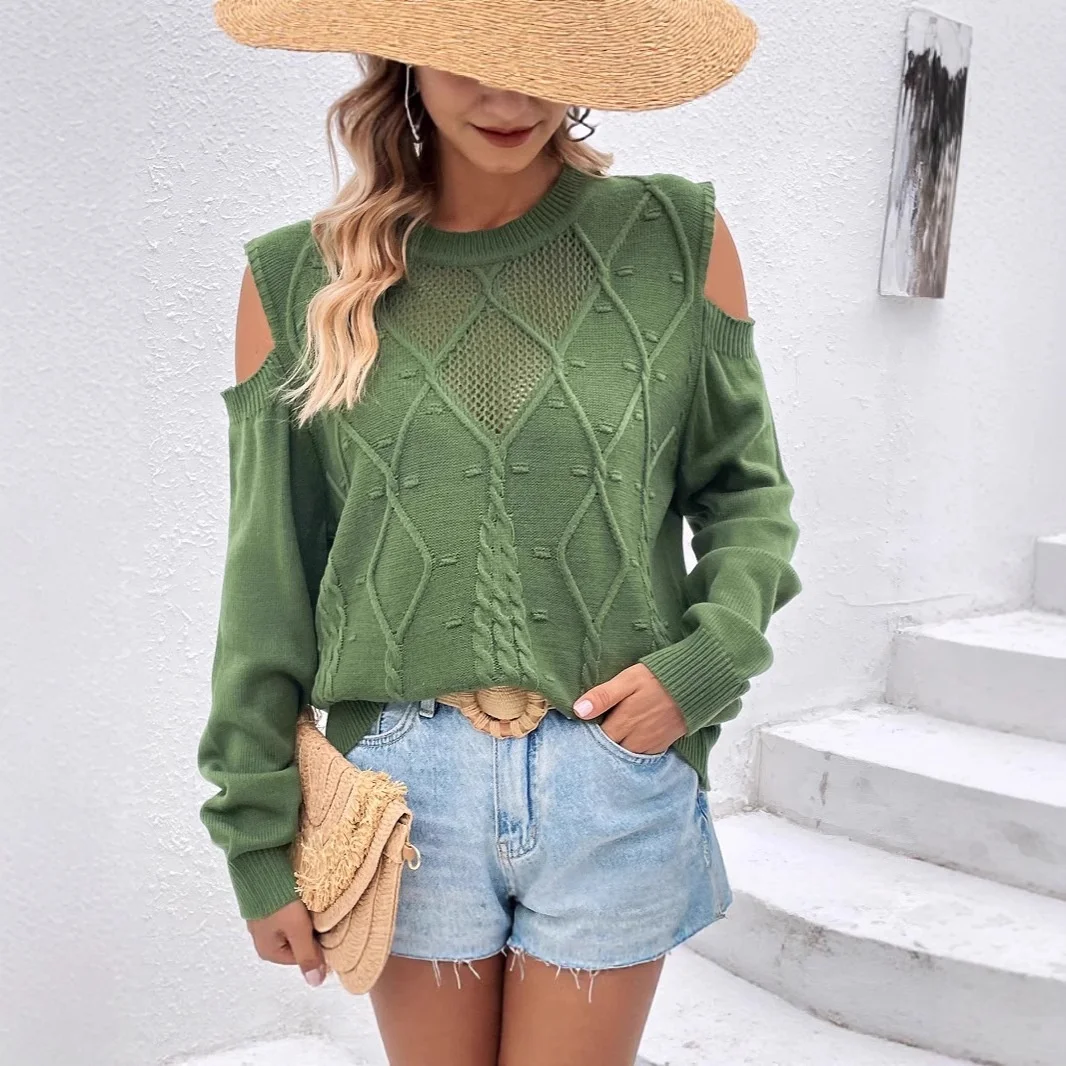
- Acrylic is quick‑dry and resists wind.
- Off‑shoulder cut adds a fashionable touch.
- Con: Open design can let wind in on windy ridges.
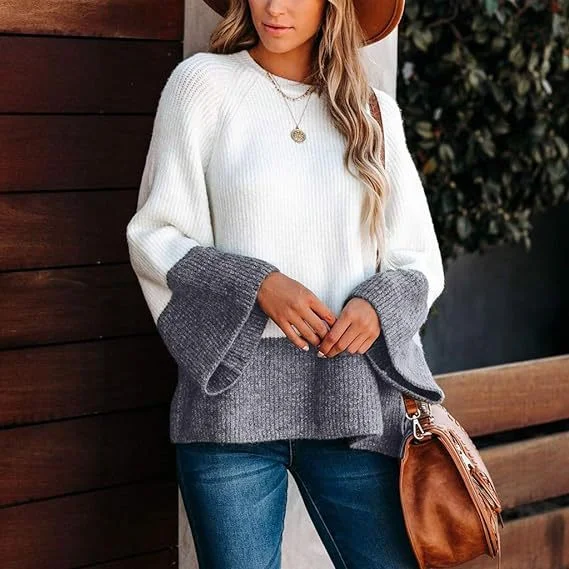
- Medium thickness balances warmth and packability.
- Loose fit allows easy layering.
- Con: Only gray‑white color option.

- Cotton core wicks moisture; cashmere trim adds softness.
- Short length prevents bulk under jackets.
- Con: Slim fit may feel tight over thick thermals.
Common mistakes to avoid
- Choosing a sweater that’s too thick for the temperature; you’ll overheat on the ascent.
- Skipping a base layer; even a thin cotton‑cashmere piece makes the outer knit more effective.
- Ignoring sizing quirks; Asian cuts can feel restrictive on a long hike.
- Relying on “fashion‑first” details like off‑shoulder cuts in windy conditions—they can let cold air in.
Care, styling, and usage tips
Washing fleece and acrylic
Turn the sweater inside out, use a gentle cycle with cold water, and avoid fabric softener. Hang dry to keep the knit shape.
Layering strategy
Start with the Cashmere Lace‑trimmed Base, add the Mink Inner Wear If it’s below 50°F, then top with the Patchwork Knitted Sweater Or the Cable‑knit Cardigan Depending on wind.
Color coordination
Earth tones—olive, navy, brown, and muted greens—blend with fall foliage and hide trail dust. Bright accents (pink or apricot) can be useful for visibility in low‑light conditions.
Frequently asked questions
❓ What type of sweater is best for layering on a fall hike?
A lightweight, breathable base layer (cotton or cashmere) topped with a medium‑weight knit or polyester cardigan works best because it traps heat while moving moisture away.
❓ How thick should a hiking sweater be for October temperatures?
Aim for a fabric weight around 200‑300 g/m²; this provides warmth without the bulk that can cause overheating on steep climbs.
❓ Can I wear a women's sweater over a thermal shirt for hiking?
Yes, as long as the sweater isn’t too tight; a slim‑fit base layer under a regular‑fit knit keeps you insulated without restricting movement.
❓ Which women's sweaters are moisture‑wicking and warm?
Polyester options like the Diamond Plaid Sweater Wick light sweat, while cotton‑cashmere blends such as the Cashmere Lace‑trimmed Base Add warmth.
❓ What colors and styles look good on the trail in autumn?
Muted greens, navy, gray, and earth tones blend with foliage; patterns like plaid or subtle stripe add visual interest without standing out too much.
❓ How do I care for a fleece sweater after a hike?
Wash on a gentle cycle with cold water, skip fabric softener, and air‑dry flat to maintain loft and prevent pilling.
❓ Can I wear a sweater as a standalone top in early fall?
On milder days (above 60°F) a thin knit like the Hollow‑out Off‑shoulder Knit Can be worn alone, but bring a light shell if wind picks up.
Key takeaways
- Start with a cotton‑cashmere base layer for moisture management.
- Choose a mid‑weight polyester or acrylic knit for the main insulating layer.
- Size up if you’re between Asian and US sizes; a snug base is fine, but the outer layer should allow movement.
- Earthy colors hide trail grime and complement fall scenery.
- Follow gentle wash instructions to keep knits soft and durable.
How we chose these products: We matched each sweater’s material, weight, and price to the layering needs of October hikes, using the specifications provided.
===HTML===


