It is 55 degrees outside, but the wind is picking up. You are wearing a thin cotton tee, and you are already shivering. You reach for a heavy winter coat, but it feels like overkill. This is the classic fall wardrobe dilemma: finding the right middle ground between too hot and too cold. Many women struggle with layering because they buy sweaters that are either too tight to fit over other clothes or too bulky to look professional. The solution is not just buying more sweaters; it is buying the right ones. You need pieces that act as a structural bridge between your base layer and your outerwear. In this guide, we will break down exactly how to select the right fit, fabric, and length. We will show you how to build three distinct outfits for different fall scenarios: the smart-casual office look, the weekend casual ensemble, and the transitional evening outfit. By the end, you will know precisely what to look for when you shop, saving you from buying items that sit in your closet unused.
Understanding Fit: The Foundation of Layering
Fit is the single most important factor in successful layering. A sweater that fits perfectly on its own will often fail when layered over a blouse or shirt. If the sweater is too tight, it pulls against the base layer, creating horizontal lines across your torso and making the outfit look cramped. If it is too loose, it swallows your body, hiding your shape and adding unnecessary bulk. The goal is a "relaxed fit." This means the sweater should have enough room to accommodate a medium-weight base layer without clinging to your arms or waist.
Measuring for Layering
When shopping for layering sweaters, do not rely on your usual size. Instead, focus on specific measurements. Check the body width. For a standard layering sweater, the body width (measured from armpit to armpit) should be at least 2 inches wider than your natural bust measurement. This extra space allows for a blouse underneath. Next, check the sleeve length. Sleeves should hit at the wrist bone when your arms are relaxed. If the sleeves are too long, they will bunch up at the cuffs when you wear a shirt underneath, creating a messy look. If they are too short, they will ride up when you move, exposing your wrists and letting the cold in.
Length is equally critical. A sweater intended for layering over a skirt or trousers should hit at the hip bone. If it is shorter, it will ride up when you sit, exposing your midriff. If it is longer, it will bunch at the waist, adding visual weight. For layering over a dress, a slightly longer length (mid-thigh) can work, but it requires careful balancing with slim-fitting bottoms. Always consider how you will wear the sweater. If you plan to tuck it in, it needs to be long enough to stay tucked even when you bend over. If you plan to wear it untucked, it needs a hem that lies flat against your body, not a flared or curved hem that creates gaps.
The Shoulder Seam
The shoulder seam is where many sweaters fail. It should sit exactly on the edge of your shoulder, not slide down toward your elbow. A dropped shoulder can look stylish on its own, but when layered, the extra fabric creates a hump at the back of the neck and shoulders. This is particularly problematic when wearing a structured jacket over the sweater. The shoulder seam should be flat and aligned with your natural shoulder line. If the sweater has a raglan sleeve (where the seam goes from collar to underarm rather than shoulder to underarm), it offers more freedom of movement, which can be helpful for layering, but it can also add bulk. Be cautious with raglan styles if you are smaller-framed.
Consider the neckline as well. A high neck or turtleneck can be difficult to layer over a collared shirt because the collar of the shirt may stick out awkwardly. A crew neck or boat neck is generally easier to layer over a blouse. If you prefer a turtleneck, choose one with a soft, thin roll that can fold down easily. This allows you to adjust the height of the neck as the temperature changes throughout the day. The neckline should not be so tight that it compresses the base layer underneath, which can cause discomfort and restrict breathing.
Fabric Matters: Warmth vs. Weight
Not all sweaters are made equal. The fabric determines how warm the sweater is, how it feels against your skin, and how it holds up over time. For fall layering, you want a fabric that provides moderate warmth without being too heavy. You also want a fabric that is breathable enough to prevent overheating when you move indoors. Pure wool is excellent for warmth, but it can be itchy for some people and requires careful care. Cotton is breathable and soft, but it does not retain heat well and can become heavy when damp. Synthetic fibers like polyester are durable and affordable, but they can trap heat and odor. The best option for many people is a blend. A mix of wool and acrylic, or cotton and polyester, often provides the best balance of comfort, warmth, and ease of care.
Natural Fibers vs. Synthetics
Natural fibers like wool, cashmere, and cotton have distinct advantages. Wool is naturally insulating, meaning it keeps you warm even when damp. It also resists odors better than synthetics, which is a plus if you are wearing the sweater for long periods. Cashmere is incredibly soft and warm, but it is expensive and prone to pilling. Cotton is hypoallergenic and easy to care for, but it is not as insulating as wool. If you are sensitive to wool, look for merino wool, which is finer and less likely to itch. Cashmere is a luxury option that feels indulgent, but it requires dry cleaning or very gentle hand washing to maintain its shape.
Synthetic fibers have their place in a layering wardrobe. Polyester is strong, lightweight, and holds its shape well. It is ideal for sweaters that you plan to wear frequently and wash often. However, polyester does not breathe as well as natural fibers, so it can make you sweat if you are active. Acrylic is a wool substitute that is affordable and easy to care for. It is less insulating than wool but more durable than cashmere. A blend of 50% wool and 50% acrylic is a common choice for fall sweaters. This combination offers some of the warmth of wool with the durability and ease of care of acrylic. When shopping, always check the label for the fiber content. Avoid sweaters with high percentages of synthetic fibers if you tend to overheat. Look for at least 50% natural fiber for better breathability.
Weight and Thickness
Sweater weight is usually categorized as light, medium, or heavy. For fall layering, a medium-weight sweater is usually the sweet spot. A light-weight sweater may not provide enough insulation when layered over a thin base layer. A heavy-weight sweater may be too warm for mild fall days and too bulky to fit under a jacket. Medium-weight knits are dense enough to trap heat but thin enough to fit comfortably over a blouse. Look for terms like "mid-gauge" or "standard weight" on the product description. If the description does not specify the weight, look at the photos. A sweater with a tight, dense knit is usually heavier and warmer than one with an open, loose knit. An open knit allows air to circulate, which can make the sweater feel lighter and less insulating. For layering, a tighter knit is generally preferable because it holds its shape better over other clothes.
Texture also plays a role in how a sweater layers. A smooth, flat knit lies flat against the body and is easier to layer under a jacket. A chunky, textured knit adds bulk and visual interest, but it can be difficult to fit under a structured blazer. If you plan to wear your sweaters under jackets, choose smooth knits. If you plan to wear them as the outer layer, you have more freedom to choose textured or chunky styles. Consider the seasonality of the fabric. Wool and cashmere are better for cooler temperatures, while cotton and linen blends are better for mild fall days. Build your wardrobe with a mix of both so you can adapt to changing weather.
Three Distinct Layering Looks for Fall
Having the right sweaters is only half the battle. You also need to know how to style them for different activities. Fall is a transitional season, so your outfits need to be versatile. Here are three distinct looks that cover the most common fall scenarios: the smart-casual office look, the weekend casual ensemble, and the transitional evening outfit. Each look uses a different type of sweater and layering technique to achieve the right balance of warmth and style.
Look 1: The Smart-Casual Office Look
This look is professional but comfortable. It is suitable for offices with moderate temperatures and for meetings that require a polished appearance. The key is to combine a structured base layer with a soft, neutral-colored sweater. Start with a well-fitting blouse or button-down shirt. Choose a fabric that drapes well, such as silk, satin, or a lightweight cotton. Next, layer a medium-weight crew neck or boat neck sweater over the blouse. The sweater should be in a neutral color like beige, grey, navy, or black. These colors are versatile and easy to match with trousers or skirts. Keep the sweater smooth and free of excessive texture so it fits neatly under a blazer or coat. Pair the outfit with tailored trousers or a pencil skirt. Add a belt to define your waist if the sweater is slightly loose. Finish the look with closed-toe shoes, such as loafers or ankle boots. This look is polished but not stiff, making it appropriate for most professional settings.
For this look, a boat neck sweater works particularly well because it frames the neck in a way that complements a collared shirt. The wide neckline of the sweater allows the collar of the shirt to peek out, adding a touch of formality. If you prefer a turtleneck, choose a slim, ribbed style in a dark color. Tuck the turtleneck into your trousers or skirt to create a clean line. Avoid bulky turtlenecks, as they can look overwhelming when layered over a shirt. The goal is a streamlined silhouette that looks intentional, not accidental. This look is perfect for days when you are in the office for most of the day but need to step out for lunch or a meeting in a cooler environment.
Look 2: The Weekend Casual Ensemble
This look is relaxed and comfortable. It is suitable for errands, casual outings, and days when you do not need to look formal. The key is to prioritize comfort and ease of movement. Start with a simple tee or tank top as your base layer. Choose a fabric that is soft against the skin, such as cotton or modal. Next, layer a chunky knit or textured sweater over the base layer. The sweater can be in a more vibrant color or pattern than the office look. Think earth tones, mustard yellow, rust orange, or deep green. These colors are on-trend for fall and add visual interest to the outfit. Pair the sweater with jeans or leggings. If you are wearing jeans, choose a straight or wide leg cut to balance the bulk of the chunky sweater. If you are wearing leggings, choose a sweater that is long enough to cover your hips. Finish the look with sneakers or ankle boots. This look is effortless and stylish, making it a go-to for casual days.
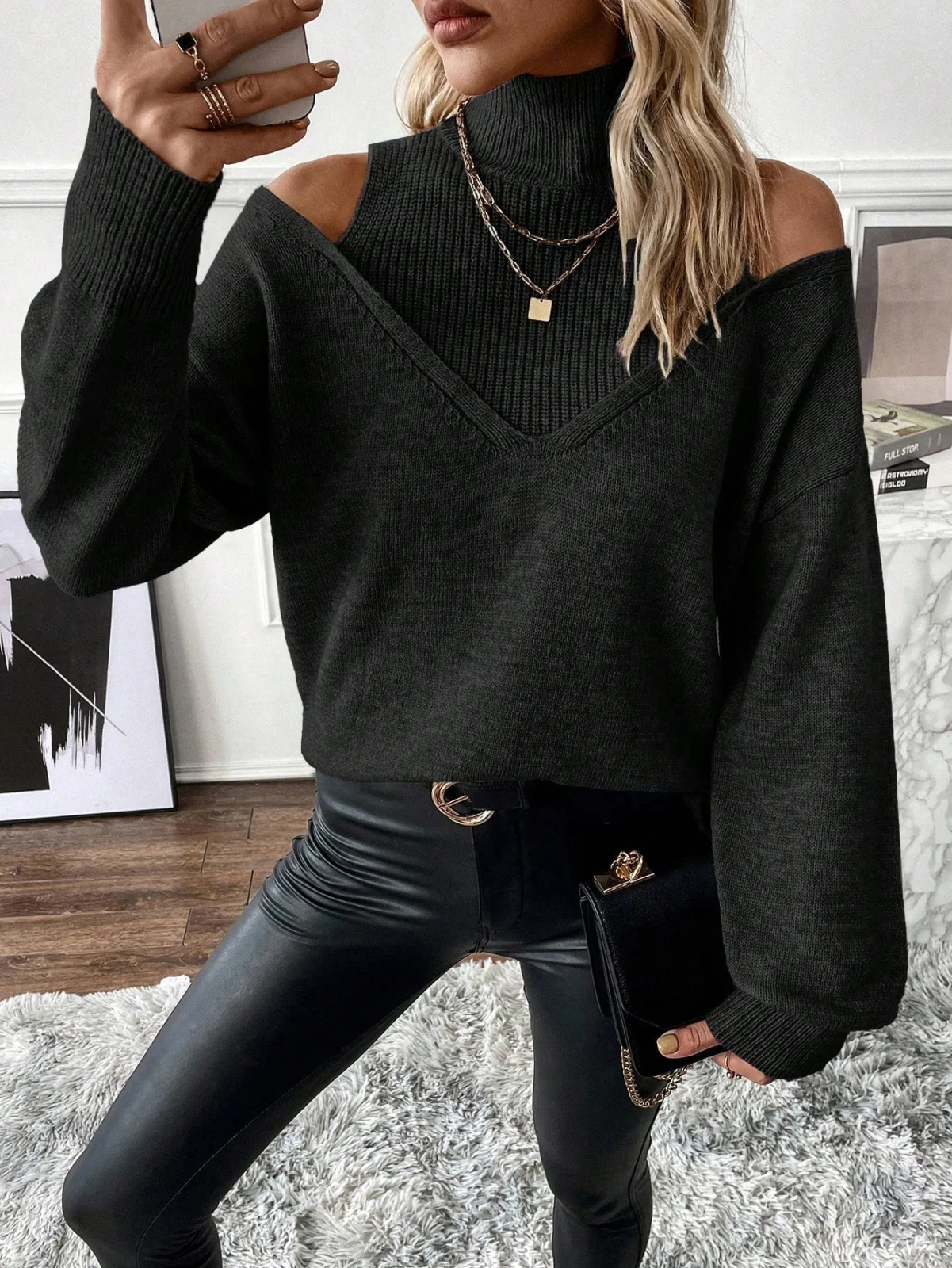
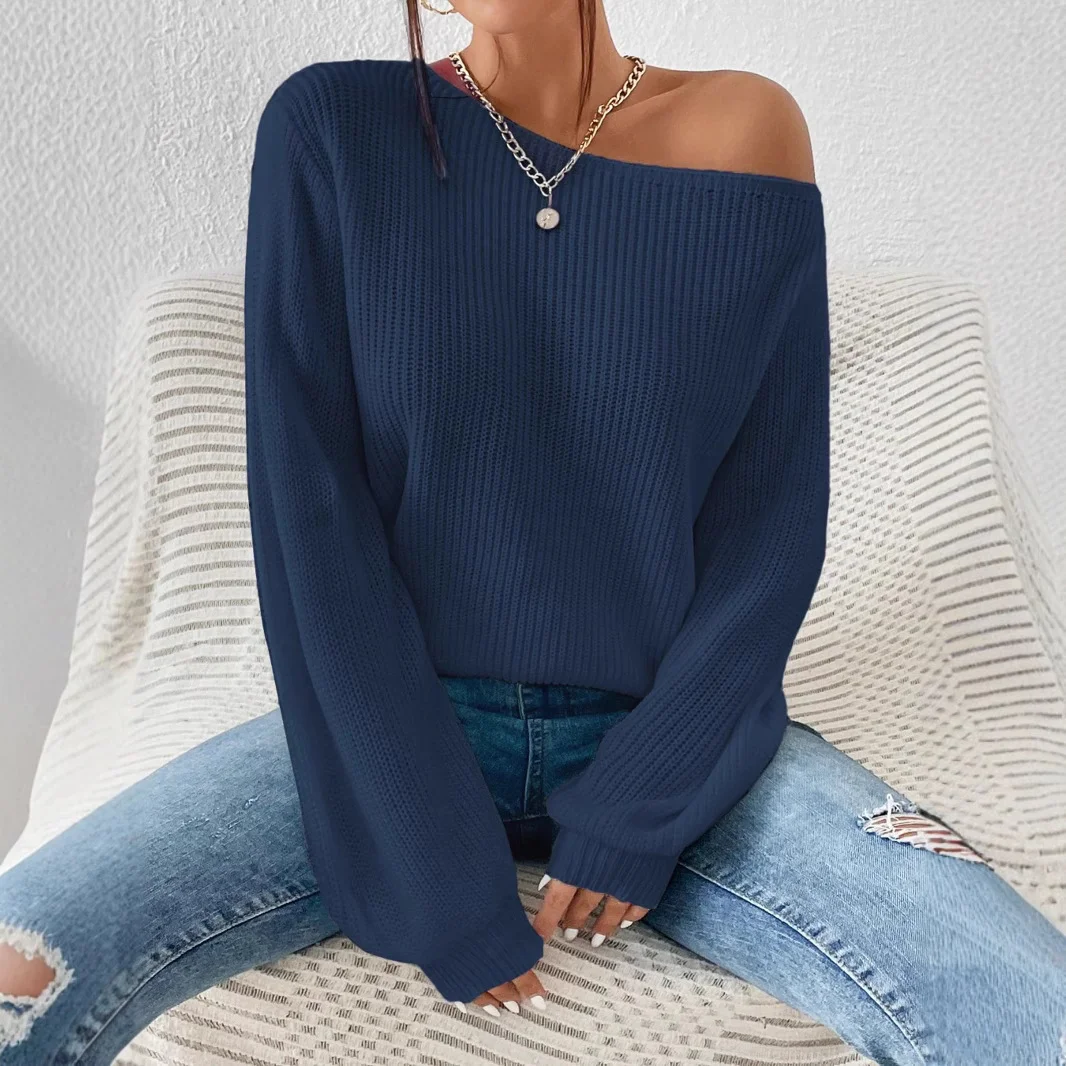
For this look, an off-the-shoulder or cold shoulder sweater can add a feminine touch. These styles show a bit of skin, which can balance the bulk of a chunky knit. If you are cold, layer a scarf over the sweater to cover the exposed shoulder. A scarf also adds another layer of warmth and can be easily removed if you get too warm. This look is flexible and can be adjusted based on the temperature. If it is a mild day, you can wear the sweater alone. If it is a cooler day, you can add a denim jacket or leather jacket over the sweater. The key is to keep the proportions balanced. If the top is bulky, the bottom should be slim, and vice versa. This creates a harmonious silhouette that looks put-together without trying too hard.
Look 3: The Transitional Evening Outfit
This look is dressed up but not overdone. It is suitable for dinners, dates, and events that require a smart-casual dress code. The key is to combine elegant fabrics with a cozy sweater. Start with a slip dress or a satin blouse as your base layer. Choose a fabric that has a slight sheen, such as satin or silk. Next, layer a fine-gauge knit sweater over the base layer. The sweater should be thin and delicate, not chunky. This creates a contrast between the softness of the knit and the smoothness of the base layer. The sweater can be in a neutral color or a rich jewel tone like emerald green or sapphire blue. Pair the outfit with tailored trousers or a midi skirt. Add heeled boots or pumps to improve the look. Finish with statement jewelry, such as long earrings or a bold necklace. This look is sophisticated and warm, making it perfect for evening activities.
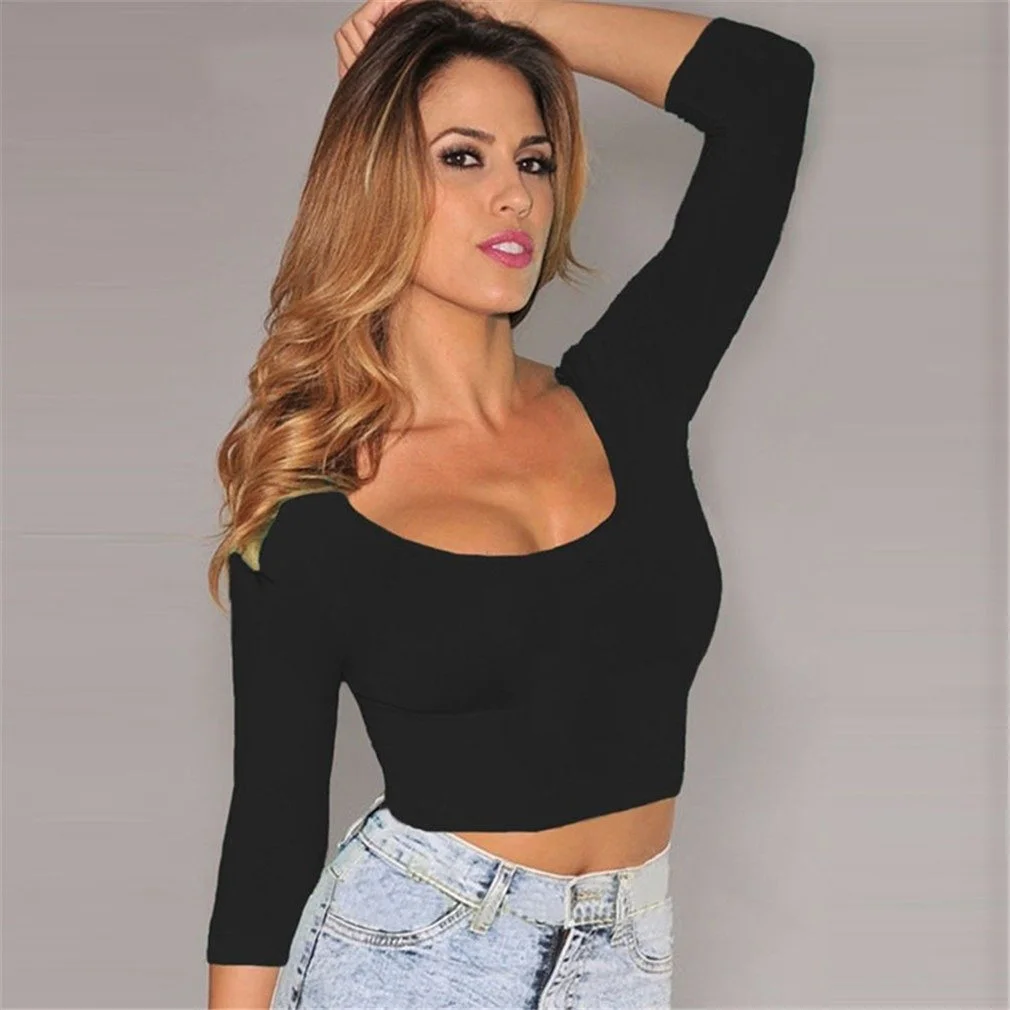
For this look, a long-sleeve crop top or a fitted blouse can be a great base layer. The crop top adds a modern edge to the outfit, while the sweater provides warmth and coverage. If you are wearing a dress, choose a sweater that is long enough to cover your hips when you sit. This prevents the sweater from riding up and exposing your midriff. A belt can be used to cinch the sweater at the waist, creating a defined silhouette. This look is versatile and can be worn in different settings. It is warm enough for a cool evening but elegant enough for a nice restaurant. The key is to keep the fabrics complementary. The smoothness of the satin or silk contrasts beautifully with the texture of the knit, creating a visually interesting outfit.
Product Comparison: Best Sweaters for Layering
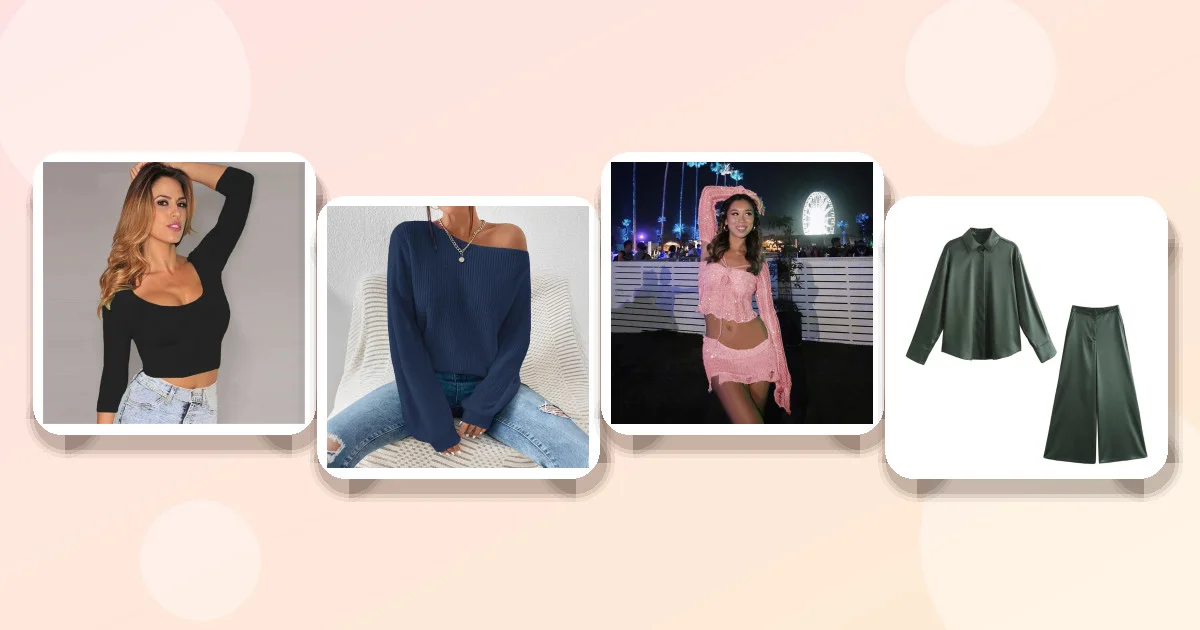
Below is a comparison of the specific products selected for this guide. Each product serves a different purpose in a fall layering wardrobe. Use this table to identify which pieces fit your needs based on price, material, and intended use.
| Product | Price | Type/Material | Options | Best For |
|---|---|---|---|---|
| Sexy Long Sleeve Crop Top Women's Blouses | $7.84 | Blouse (Material not specified) | 8 Color/Size combos | Base layer for casual outings |
| Commute Style Off-the-shoulder Pullover | $25.88 | Polyester Knit | 33 Color/Size combos | Relaxed weekend layering |
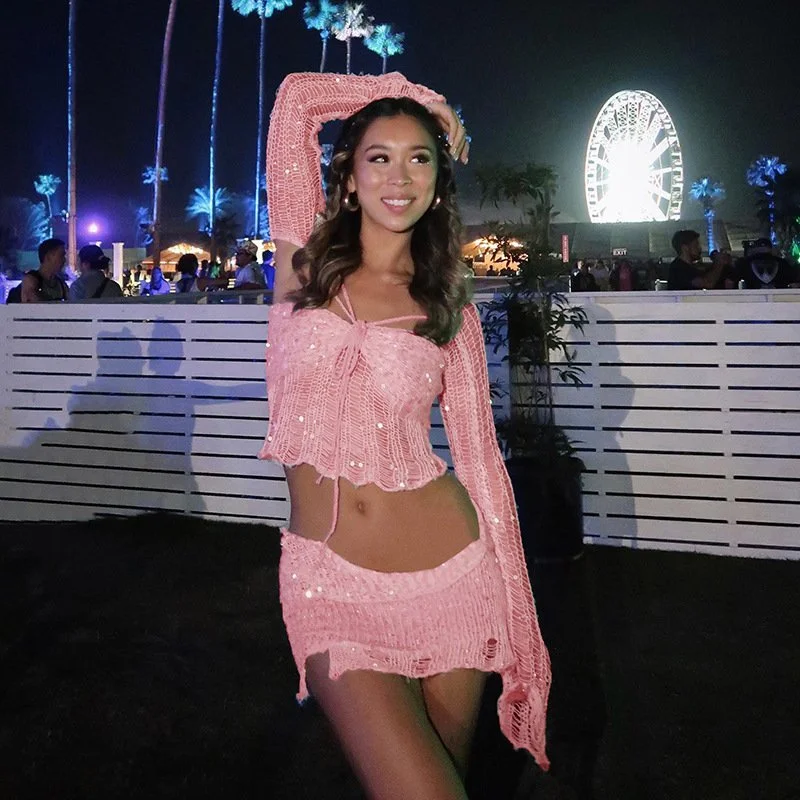
| Sequin Long Sleeve Sweater Set | $43.40 | Polyester Jumpsuit Set | 6 Color/Size combos | Statement evening wear |
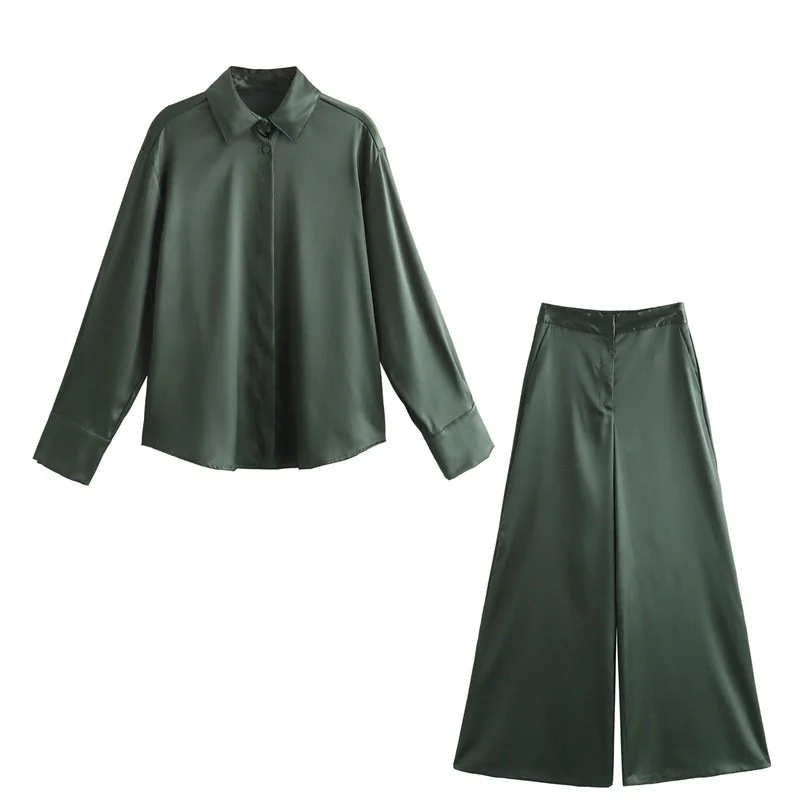
| Wide Leg Satin Pants Set | $27.44 | Satin 2-Piece Set | 12 Size options | Smart-casual base layer |
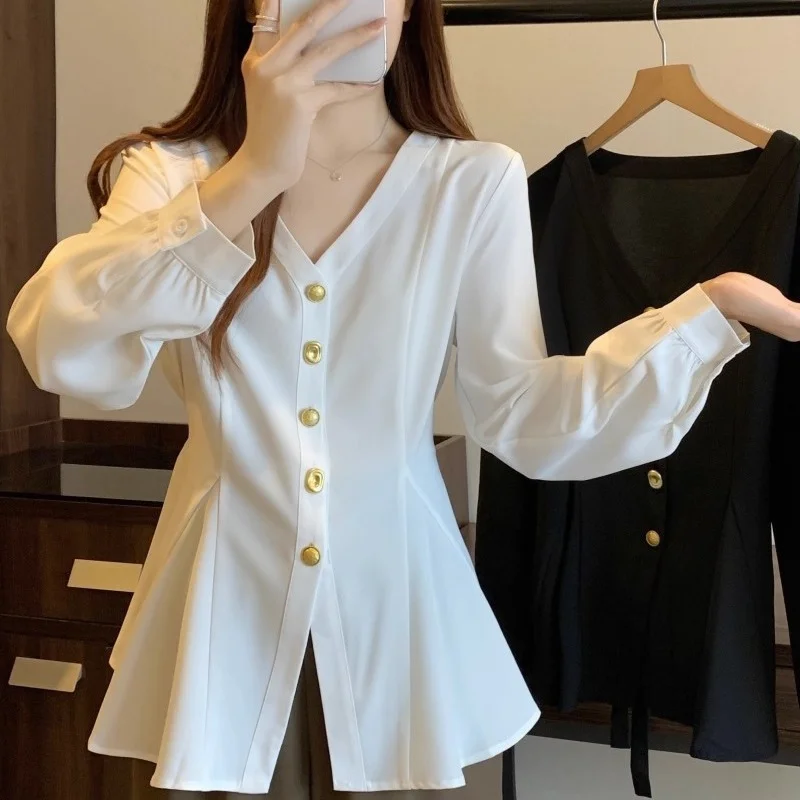
| Stylish And Versatile Button-down Commuter Shirt | $34.64 | Shirt (Material not specified) | Not specified | Professional office layering |
| Cold Shoulder 2 in 1 Sweater | $22.88 | 100% Polyester | 18 Color/Size combos | Modern casual look |
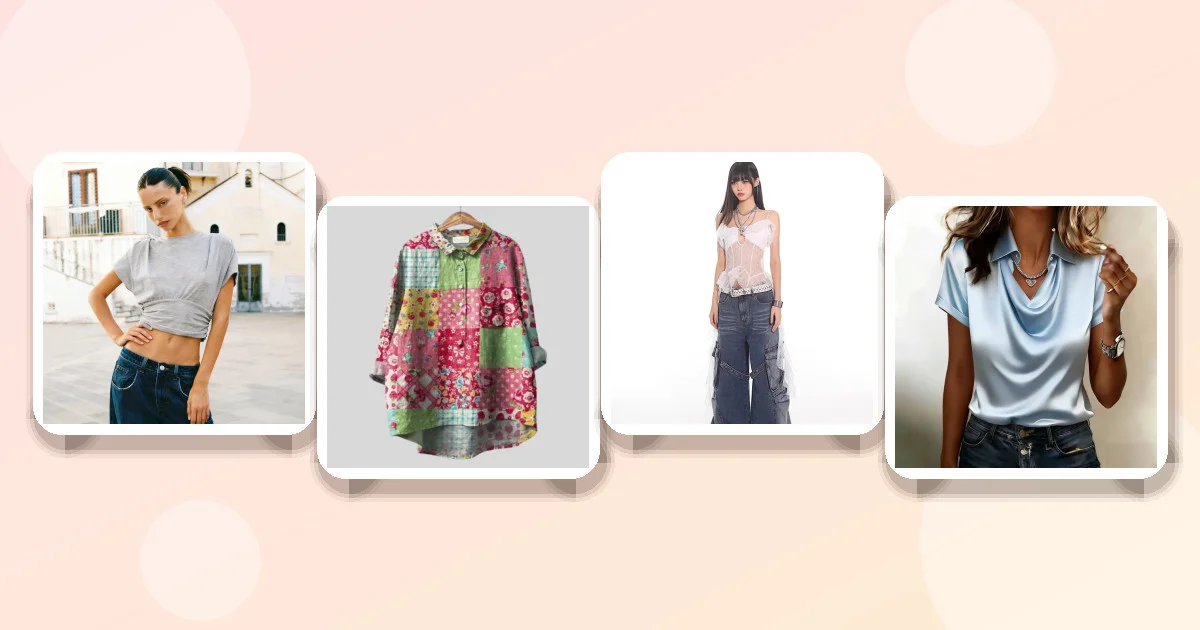
Sexy Long Sleeve Crop Top Women's Blouses Is a budget-friendly option for building a base layer. It is a long sleeve crop top designed for casual wear. Best for Women who need an affordable, slim-fit base layer to wear under chunky sweaters for everyday casual outings.
- Very affordable price point, allowing you to buy multiple colors.
- Slim fit design creates a clean silhouette under loose sweaters.
- Material composition is not listed, so you should check the tag for comfort and care instructions.
Commute Style Autumn and Winter New Personalized Off-the-shoulder Pullover Knitting Solid Color Loose Leisure Is a loose-fitting knit sweater designed for comfort. It features an off-the-shoulder neckline and is made from polyester. Best for Women who want a relaxed, low-maintenance sweater for weekend errands or casual weekend layering.
- Loose fit provides ample room for layering over thicker base layers.
- Polyester material is durable and easy to care for.
- Asian sizing runs small, so you must size up to ensure a proper fit for layering.
Sequin Long Sleeve Sweater Ripped Lace-up Jumpsuit Set for Women Is a statement piece that combines a sweater and skirt. It is made from polyester and features sequin detailing. Best for