You're hitting the trails when the leaves are turning and the air starts to bite. Below you'll learn which glove features matter most, how to size them, and which of our five picks fit each scenario.
How to Choose the Right Pair
1. Insulation level
October temperatures on the trail range from 45‑55°F (7‑13°C) at lower elevations to the low 30s (0‑2°C) higher up. Look for gloves with light to medium insulation—typically a thin fleece or sheepskin lining. Heavy, bulkier insulation can cause sweating, which then chills you when the wind picks up.
2. Waterproof vs. Water‑resistant
Light rain or early‑morning dew calls for a waterproof membrane (e.g., PU coating) that still lets moisture escape. A fully waterproof glove will have a sealed seam or a waterproof rating; if you only see “water‑resistant,” expect some seepage after prolonged exposure.
3. Breathability
Materials like leather with a PU finish, or a blend of synthetic fleece, allow sweat to evaporate. Avoid pure rubber or thick neoprene if you plan to hike for more than an hour; they trap heat and can leave your fingers numb.
4. Fit and dexterity
Measure the circumference of your hand just below the knuckles and compare it to the glove’s sizing chart. A snug fit prevents cold air from entering, but you still need enough room to zip a pocket or adjust straps. For women who wear a medium shirt, a glove labeled “Medium” or “One‑size‑fits‑most” usually works, but check the listed palm circumference when available.
5. Touchscreen compatibility
Most trail maps are on phones, and you’ll likely need to check your GPS. Gloves with conductive fabric on the thumb and index finger let you tap without removing them. This feature adds a thin layer of material, so it doesn’t affect warmth.
6. Mittens vs. Gloves
Mittens trap more heat because fingers share a pocket, but they reduce grip and dexterity. If you’ll be using trekking poles or need to adjust buckles, gloves are safer. For short, low‑intensity walks, mittens can feel cozier.
Product Comparison
| Product | Price | Material / Insulation | Waterproof? | Touchscreen | Best for |
|---|---|---|---|---|---|
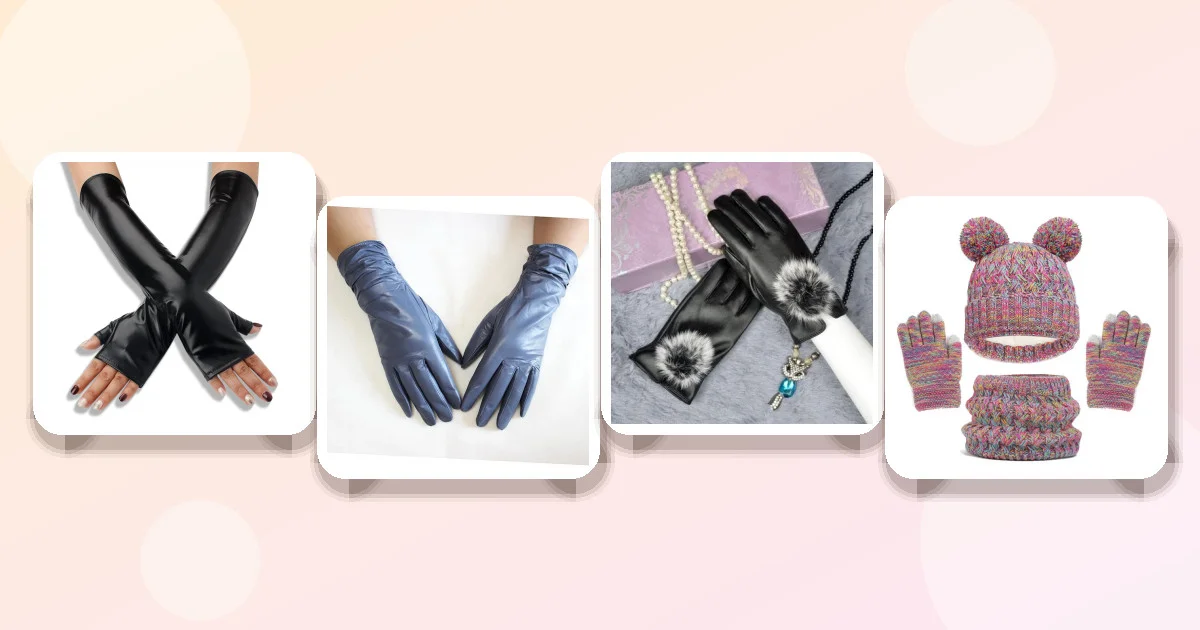
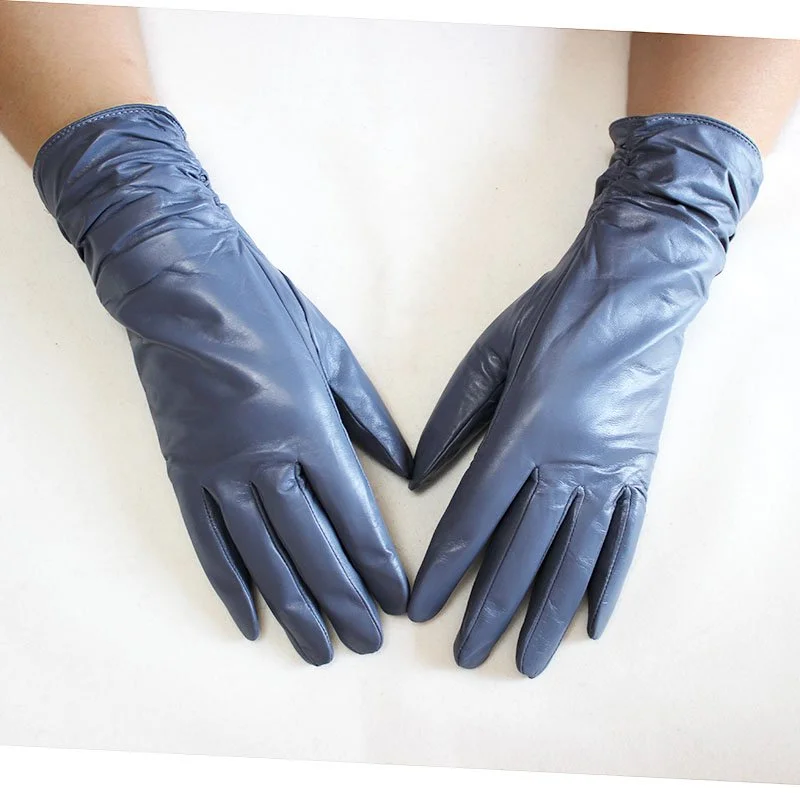
| Silver Leather Finger Gloves | $4.6 | Leather with patent finish | Yes | Yes (open fingers) | Light rain, quick‑dry, tech‑friendly hikes |
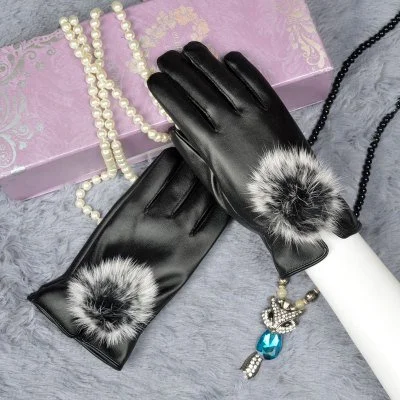
| Warm Leather Gloves | $50.36 | Leather + sheepskin lining | Yes | No | Colder days, extra warmth |
| Warm Riding Gloves | $4.48 | PU leather, insulated | Yes | No | Budget waterproof option, short rides |
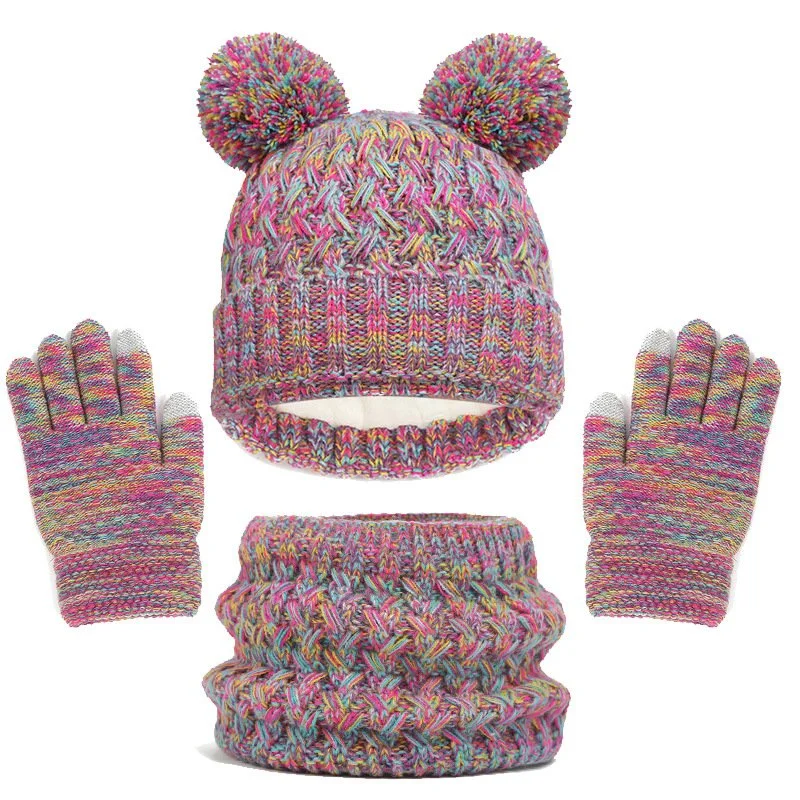
| Women's Insulated Ski Gloves | $15 | Waterproof/windproof synthetic | Yes | No | Active cycling or skiing, one‑size fit |
| Black Leather Ruffled Half‑Finger Gloves | $39.4 | Sheepskin leather | No | No | Style‑focused, dry‑day wear |
Product spotlights
Best for Light‑rain hikes where you need to use your phone.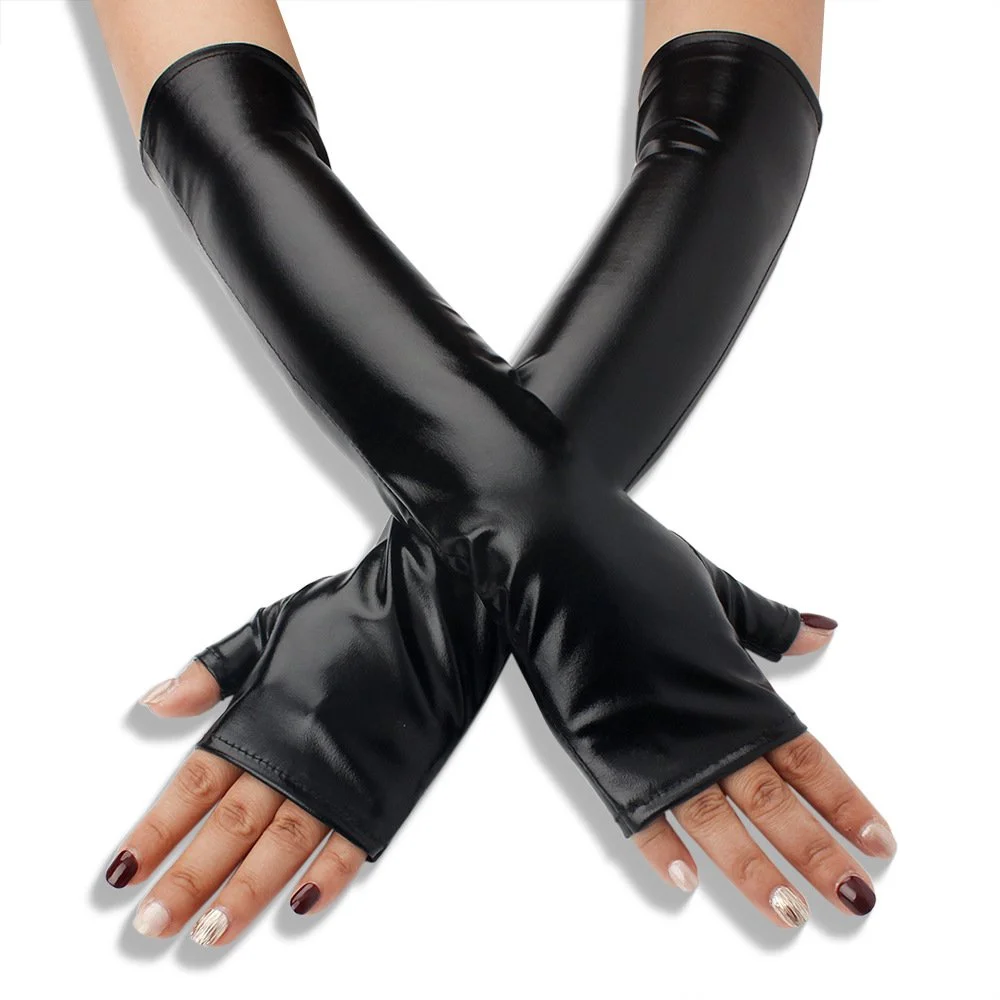
- Waterproof, quick‑dry leather finish
- Touchscreen compatible open‑finger design
- Con: Open fingers reduce overall warmth in very cold wind
- Sheepskin lining provides strong insulation
- Fully waterproof leather exterior
- Con: No touchscreen capability; may feel bulky for precise tasks
- Insulated PU leather keeps hands warm
- One‑size‑fits‑most simplifies buying
- Con: Lack of touchscreen means you’ll need to remove them for phone use
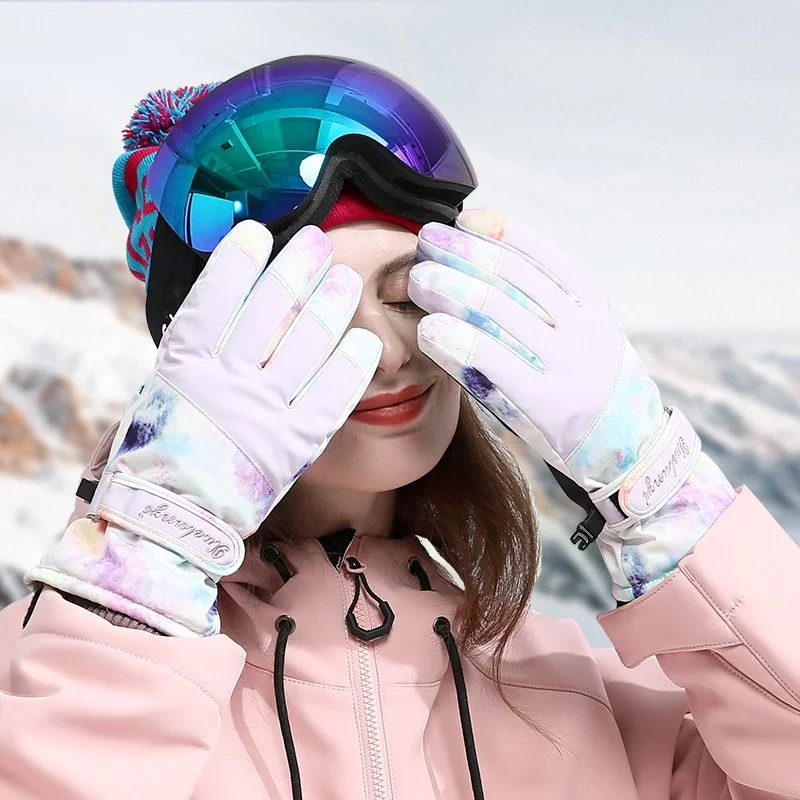
- Waterproof & windproof synthetic shell
- One‑size design fits most women
- Con: No touchscreen; design geared toward sport rather than casual hiking
Black Leather Ruffled Half‑Finger Gloves
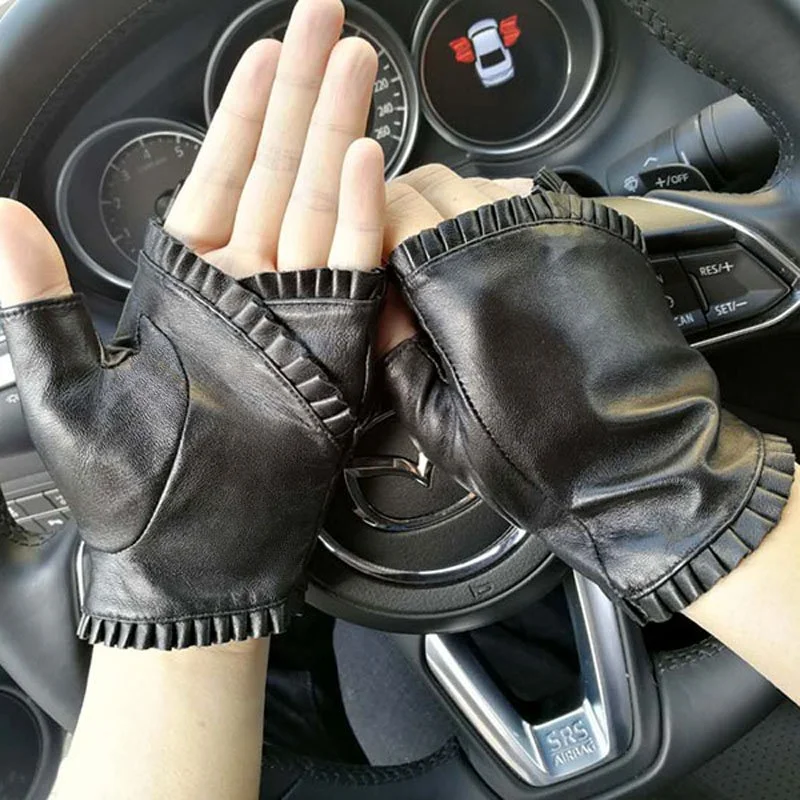
- Elegant ruffle detail adds fashion flair
- Natural sheepskin leather feels soft
- Con: Not waterproof and not washable; best for dry conditions
Common Mistakes to Avoid
- Choosing “all‑season” gloves for October. They often compromise on insulation and waterproofing, leaving you cold or soggy.
- Ignoring fit. Gloves that are too loose let cold air in; too tight restricts blood flow, making you feel colder.
- Skipping breathability. Heavy, non‑breathable shells trap sweat, which freezes when temperatures dip.
- Buying only for looks. A beautiful leather pair looks great but may lack the waterproof seal you need for misty mornings.
- Forgetting touchscreen needs. If you rely on a phone for navigation, a glove without conductive material forces you to take them off repeatedly.
Care, Styling, and Usage Tips
- Dry before storing. Hang gloves upside down after a wet hike to let moisture evaporate.
- Spot‑clean leather. Use a damp cloth for the Silver Leather Finger Gloves; avoid submerging.
- Layer wisely. On very cold days, wear a thin liner glove (silk or synthetic) under a waterproof shell for extra warmth without bulk.
- Match colors to your gear. A bright red glove can double as a safety signal on foggy trails.
- Check seams. Water can leak through poorly sealed stitching; tape seams with waterproof tape for added protection.
Frequently asked questions
❓ What features should I look for in women's hiking gloves for October?
Look for lightweight insulation, a waterproof membrane, breathable material, a snug but flexible fit, and optional touchscreen compatibility. These features keep you warm, dry, and able to check your phone without removing the gloves.
❓ Are mittens better than gloves for early‑fall trail walking?
Mittens retain heat better because fingers share a pocket, but they reduce grip and dexterity. For most trail walking where you need to adjust straps or use trekking poles, gloves are the safer choice.
❓ How waterproof do women's hiking gloves need to be for light rain?
A fully waterproof glove with sealed seams will keep hands dry in light rain; a water‑resistant glove may get damp after prolonged exposure. For October hikes, aim for a waterproof rating.
❓ Which women's glove material stays warm but lets my hands breathe?
Leather with a PU finish (as in the Silver Leather Finger Gloves) and sheepskin‑lined leather both provide warmth while allowing moisture to escape, making them good breathable options.
❓ Do I need touchscreen‑compatible gloves for fall hikes?
If you rely on a phone or GPS, touchscreen‑compatible gloves save time and keep your hands from getting cold while you tap the screen. Otherwise, they’re a nice convenience but not essential.
❓ What size should I buy for women's gloves if I wear a medium shirt?
A medium shirt typically correlates with a “Medium” glove size; check the product’s palm circumference. One‑size‑fits‑most options (like the Warm Riding Gloves) work for most hand sizes, but verify the listed measurements if available.
❓ Can I wear the same gloves for biking and hiking?
Yes, if the gloves are waterproof, insulated, and have a good grip, they’ll work for both activities. The Women's Insulated Ski Gloves, for example, are designed for active winter sports and handle bike handlebars well.
❓ How often should I replace my hiking gloves?
Replace them when the waterproof coating peels, insulation compresses, or seams split—usually after 1‑2 seasons of regular use in wet conditions.
Key takeaways
- Prioritize waterproof, breathable leather or synthetic shells for October rain.
- Light to medium insulation (fleece or sheepskin) balances warmth and sweat management.
- Fit matters: measure hand circumference and compare to the product’s size chart.
- Touchscreen compatibility is a small convenience that can keep you warmer.
- Mittens keep you warmer but sacrifice grip; choose gloves for most trail work.
- Maintain gloves by drying them properly and spot‑cleaning leather.
How we chose these products: We matched each glove’s material, waterproof rating, price, and sizing options to the specific needs of early‑fall hiking, focusing on warmth, breathability, and practical features.