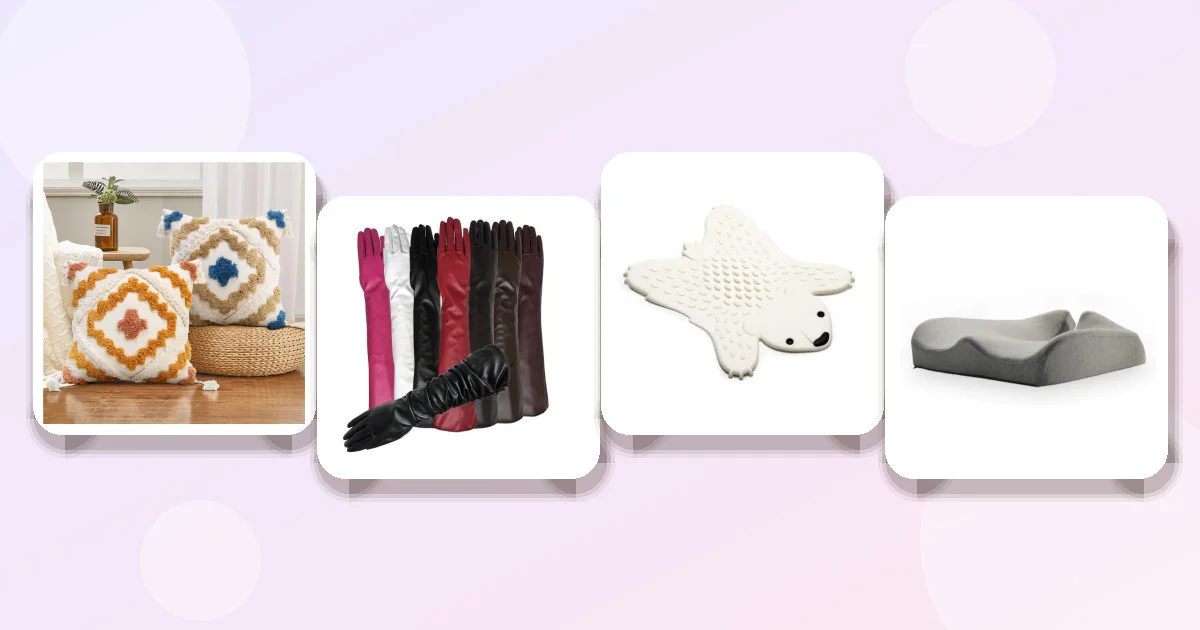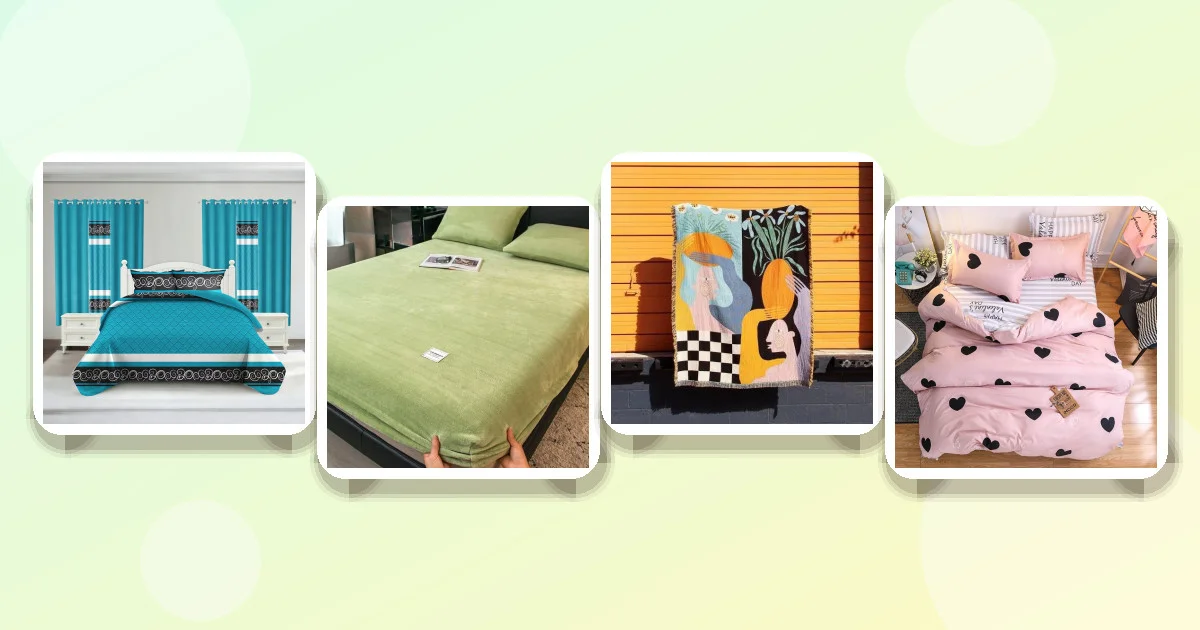
You're living in a small space and want a rug that pulls the room together without drowning the floor. Below you’ll find a step‑by‑step guide that walks you through measuring, choosing shape, and styling, plus product picks that fit tight budgets and limited square footage.
How to measure your floor for a rug
Step 1: Sketch the layout
Grab a sheet of graph paper, draw your room to scale (1 square = 1 ft), and mark furniture footprints. This visual helps you see how much open floor you really have.
Step 2: Decide the furniture anchor
Most small‑room rugs sit under the front legs of a sofa or the legs of a chair. Measure the distance between those front legs; the rug should be at least that long.
Step 3: Add clearance
Leave 6‑12 in of bare floor around the rug’s edge. In a 10 × 12 ft room, a 5 × 8 ft rug leaves about 2 ft of space on the short side and 3 ft on the long side, which feels balanced without crowding.
Choosing the right rug size
Here are the most common sizes for rooms under 150 sq ft:
- 4 × 6 ft (120 × 180 cm) – fits a compact sofa and a coffee table.
- 5 × 8 ft (150 × 240 cm) – works when you want the rug to extend under the front legs of a larger sofa.
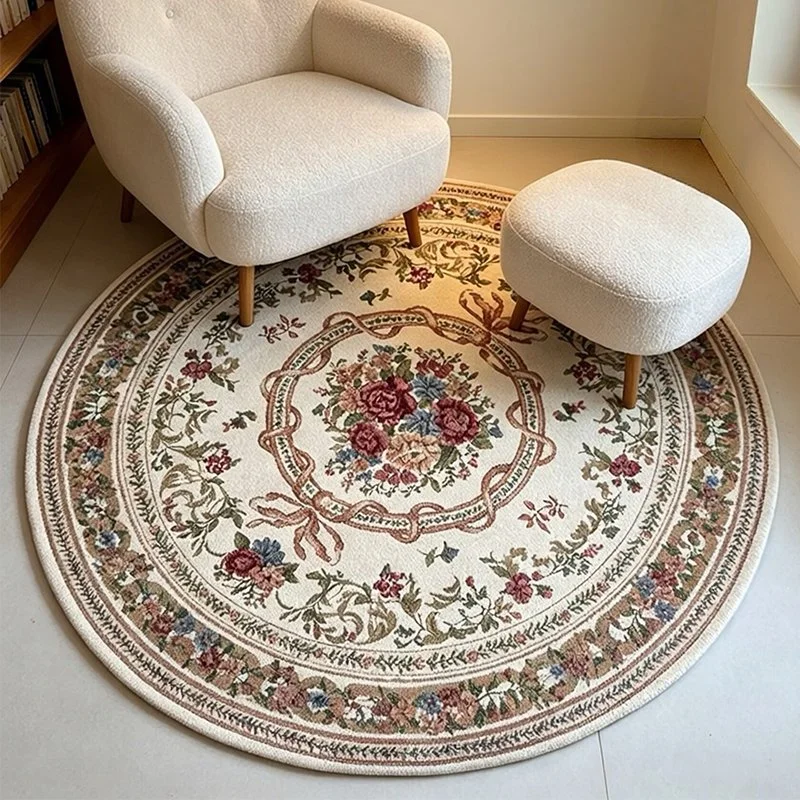
- 90 cm round – ideal for a centered coffee table in a square or narrow layout.
When you have a 10 × 12 ft room, start with a 5 × 8 ft rectangle. If the room feels cramped, drop to a 4 × 6 ft rug and let the sofa legs sit on the floor for a lighter look.
Best rug shapes for narrow rooms
Rectangles are the safest bet because they echo the linear shape of most sofas and wall‑to‑wall windows. A round rug can soften a narrow space if you place it under a low coffee table; the 90 cm round rug adds a focal point without extending to the walls.
Do you need a rug pad for a small rug?
Yes, even a 90 cm round rug benefits from a thin pad. A pad prevents slipping, protects hardwood, and adds a modest cushion. Look for pads that are ¼‑½ in thick; thicker pads can make a small rug look bulky.
How to layer rugs in a small living room without looking cluttered
Choose a base rug that covers the main traffic area (e.g., a 4 × 6 ft rectangle). Add a smaller accent rug—like a 90 cm round—under the coffee table. Keep the color palette limited to two tones to avoid visual chaos.
Product comparison
| Product | Price | Type / Material | Size Options | Best for |
|---|---|---|---|---|
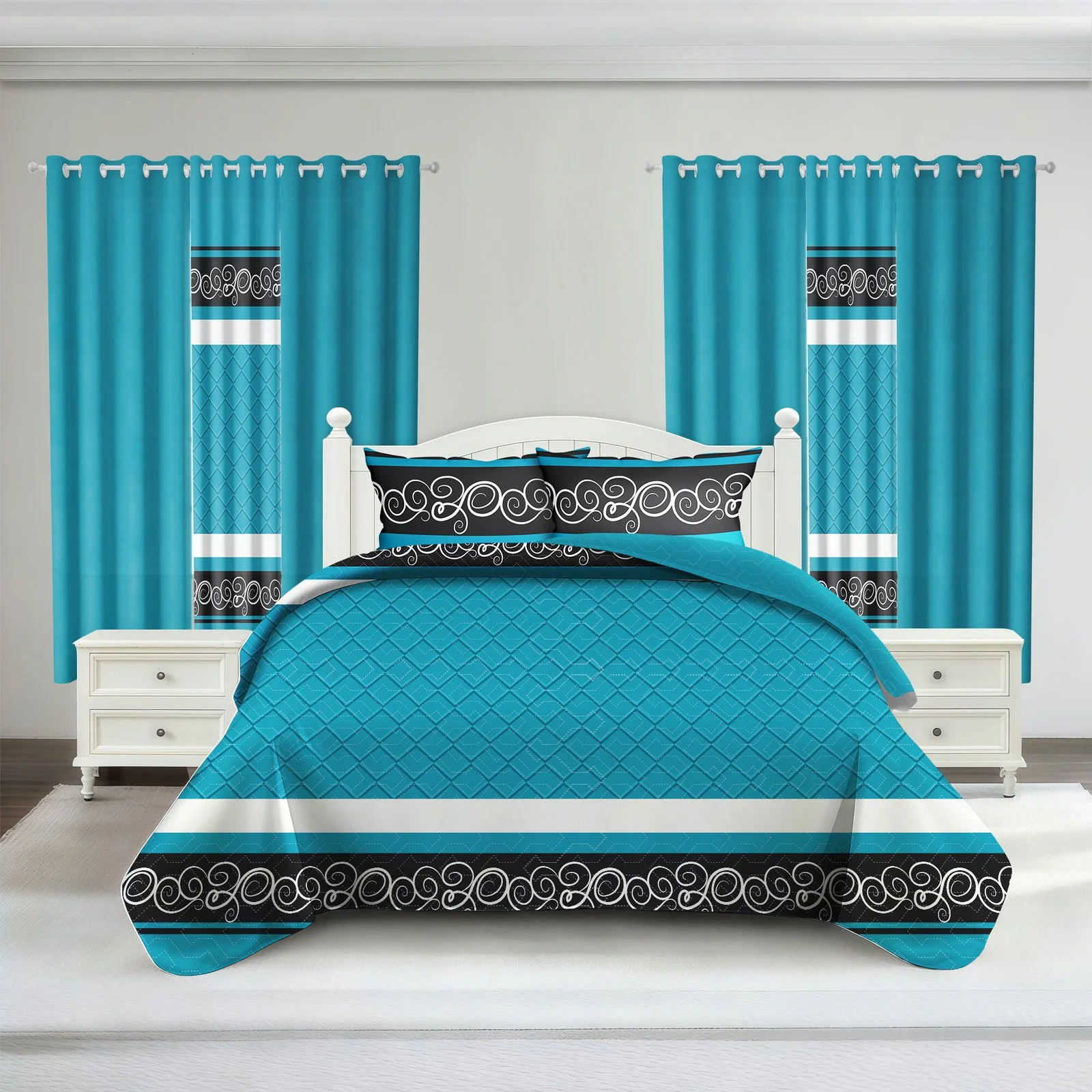
| Blue & Black Boho Quilted Bedspread Set | $180 | Microfiber | TwinXL, Queen, King, Cal King | Renters who want a coordinated bedroom look |
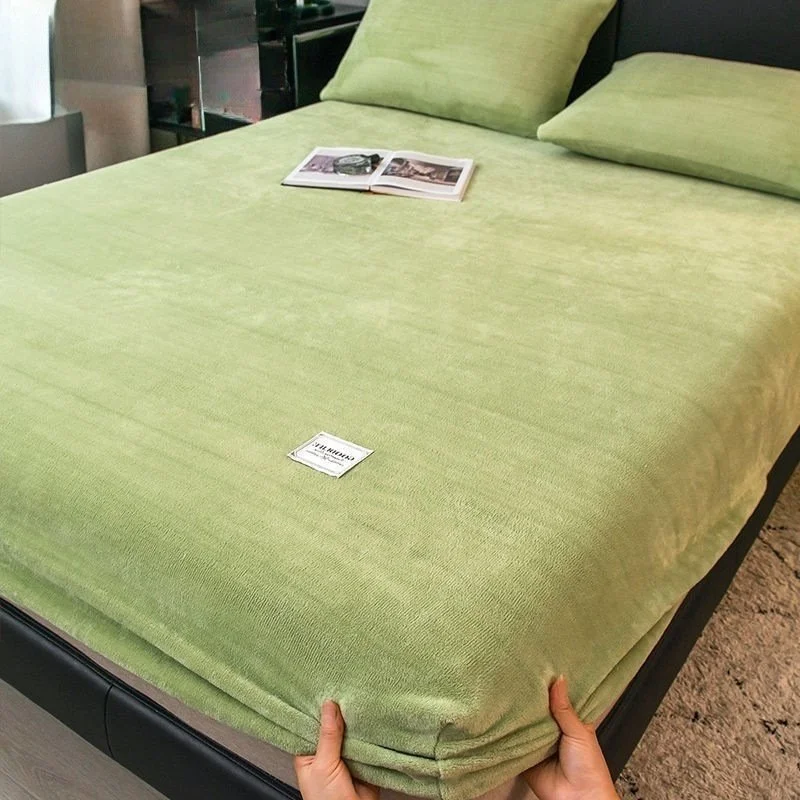
| Milk Fiber Non‑slip Coral Flannel Sheet | $25.36 | Bamboo fiber | 90‑200 cm up to 200‑220 cm | Students needing a breathable single‑bed sheet |
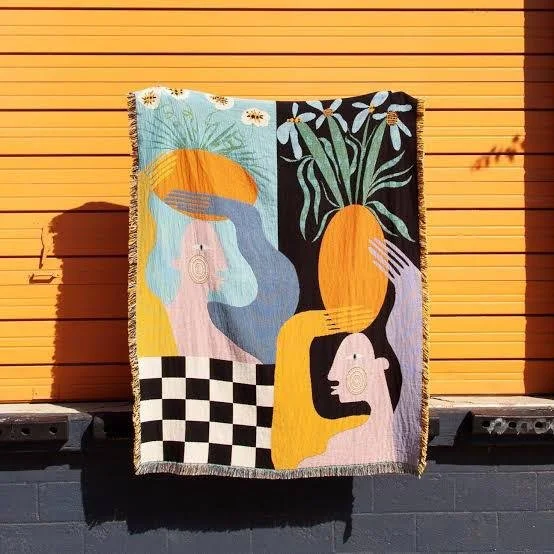
| Artist Tapestry Sofa Blanket | $22.04 | Polyester fiber | 130 × 160 cm, 180 × 130 cm | Small‑room dwellers looking for a decorative throw |
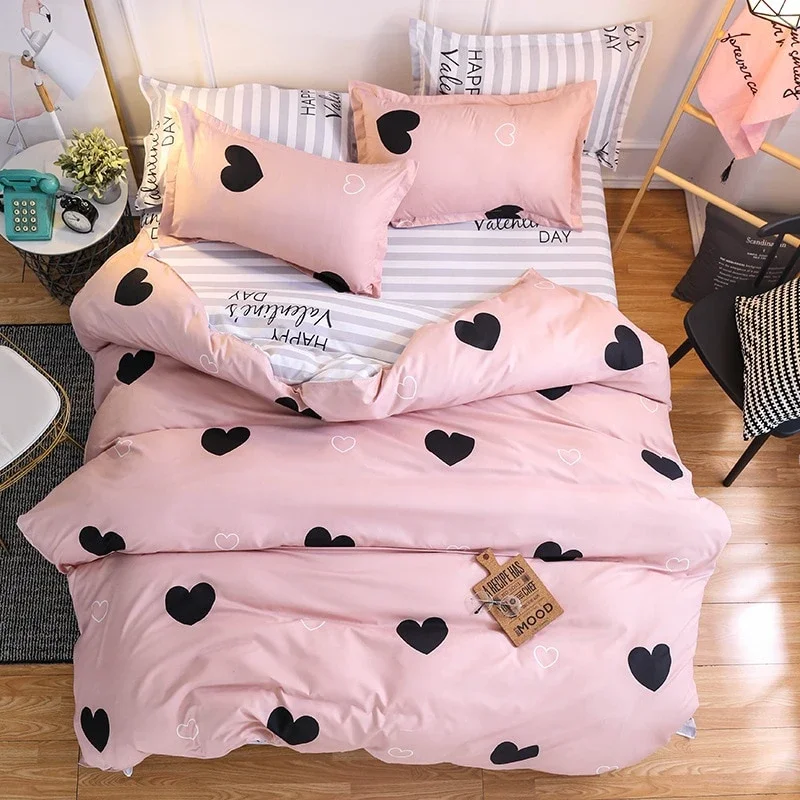
| Betty Mooi Bedlinnen Set | $35.20 | Not specified | Pink 1.5 m, Pink 2.2 m, Black 1.5 m, Black 2.2 m | First‑time homeowners needing a simple bedding set |
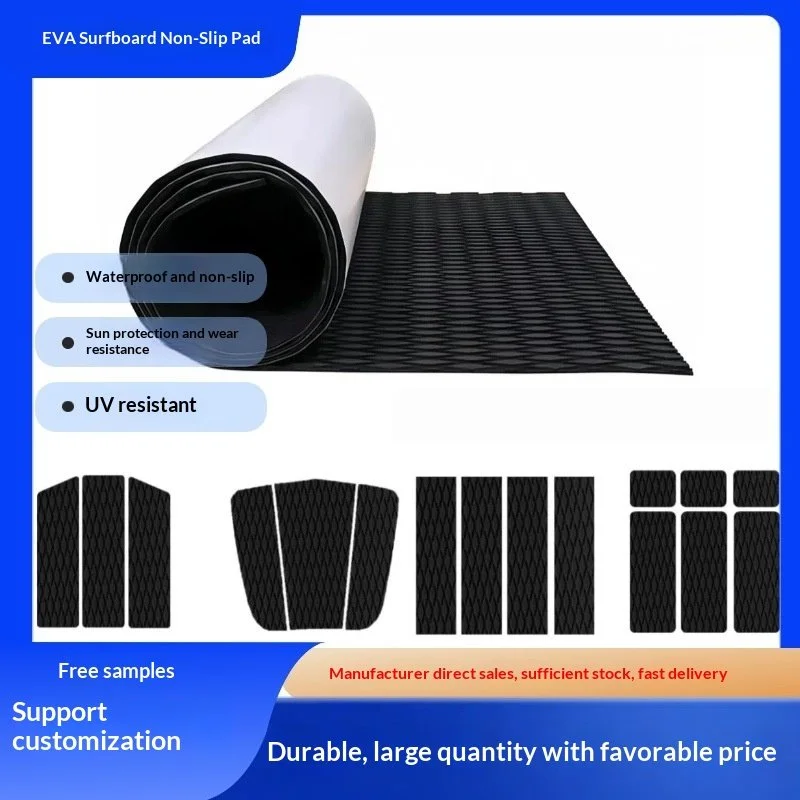
| Eva Surfboard Anti‑slip Mat | $24.84 | Eva | 120 × 30 cm, 240 × 45 cm, 240 × 60 cm, 240 × 90 cm | Anyone who wants a sturdy, non‑slip mat for entryways |
| Vintage European Round Rug | $25.28 | Not specified | 90 cm diameter | Small rooms needing a round accent rug |
Common mistakes to avoid
- Choosing a rug that’s too large. It forces furniture to sit on the rug, making the room feel cramped.
- Ignoring clearance. Less than 6 in of bare floor can make the space look boxed in.
- Skipping a rug pad. Without a pad, a small rug slides, especially on hardwood.
- Mixing too many patterns. In a small room, one patterned rug plus solid accessories works best.
Care and styling tips
Vacuum a small rug weekly to keep dust from building up on hardwood. Spot‑clean spills with a mild detergent and a soft cloth; avoid soaking the rug, which can cause shrinkage. Pair a 90 cm round rug with a low‑profile coffee table and a sofa blanket For a cohesive look.
Frequently asked questions
❓ What rug size should I buy for a 10x12 living room?
A 5 × 8 ft (150 × 240 cm) rectangle works well; it leaves enough floor space around the edges while covering the front legs of a standard sofa.
❓ How do I measure my floor for a rug in a small apartment?
Measure the distance between the front legs of your sofa or the space you want the rug to occupy, then subtract 6‑12 in on each side for breathing room.
❓ Can a rug be too big for a tiny living room?
Yes. If the rug forces all furniture legs onto the surface, the room feels squeezed; aim for at least a 6‑in border of exposed floor.
❓ What rug shape works best in a narrow living space?
Rectangular rugs follow the room’s length, while a 90 cm round rug works as an accent under a coffee table without extending to the walls.
❓ Do I need a rug pad for a small rug?
A thin (¼‑½ in) pad is recommended to prevent slipping and protect the floor, even for rugs as small as 90 cm.
❓ How to layer rugs in a small living room without looking cluttered?
Start with a base rectangle (4 × 6 ft) and add a smaller round rug (90 cm) under the coffee table; keep colors within two tones.
❓ Can I use a non‑slip mat as a rug in a small space?
Yes, the Eva Surfboard Anti‑slip Mat Can double as a functional rug for entryways or a narrow hallway.
❓ Is a polyester throw a good substitute for a rug?
A polyester throw like the Artist Tapestry Sofa Blanket Adds texture but won’t protect the floor; use it on top of a rug for extra style.
Key takeaways
- Measure the space between front legs of furniture, then add 6‑12 in clearance.
- For a 10 × 12 ft room, a 5 × 8 ft rug is a safe default.
- Rectangular rugs suit narrow rooms; a 90 cm round works as an accent.
- Always use a thin rug pad to prevent slipping and protect flooring.
- Layer a base rectangle with a smaller round rug for visual interest without clutter.
How we chose these products: The selections match the size ranges, material considerations, and budget constraints typical for renters and first‑time homeowners in small living spaces; prices and availability can change.
===HTML===