
October marks the turning point where summer blouses feel too thin and heavy coats are still months away. You know the struggle: the office air conditioning is aggressive, but your commute requires enough warmth to stay comfortable without looking bulky. Many professional women struggle with this transition, often ending up in layers that look either too casual or too hot.
This guide provides a practical framework for building a fall work wardrobe. We will focus on specific fabric weights, silhouette management, and sizing adjustments that make the difference between a sloppy heap and a polished look. You will learn how to mix blouses and sweaters for both the office and the commute, ensuring you look sharp from the train platform to the conference room.
Sizing and Fit: The Critical First Step
Layering fails most often because of fit, not style. When you add a sweater over a blouse, the total thickness of the fabric increases significantly. If your base layer is too tight, the outer layer will pull at the seams, creating unsightly tugging around the arms and torso. If your outer layer is too tight, you will feel restricted and the fabric will stretch out of shape over time.
The Asian Sizing Adjustment
Many affordable, high-quality knits and blouses are manufactured in Asia. These garments typically run 1 to 2 sizes smaller than standard US or EU sizing. This is a crucial detail that many buyers overlook, leading to ill-fitting layers. If you are between sizes, always choose the larger option. For example, if you usually wear a Medium in US sizing, you should likely order a Large in Asian sizing.
Additionally, manual measurements for these items can vary by 2 to 3 cm. This variance is normal but significant when layering. Check the specific measurement chart for each item if available. If the chart is not provided, look for reviews that mention fit. A "slim" fit in Asian sizing is often equivalent to a "regular" or "true" fit in US sizing. However, for layering, you want a bit of ease. You should be able to slide two fingers between your torso and the sweater without pulling the fabric tight.
Shoulder Seam Placement
The shoulder seam is the anchor point for professional looks. When layering, the shoulder seam of the sweater should sit exactly where your shoulder ends, not slide down your arm. If the seam slides down, the sweater will look sloppy and unstructured. If the seam pulls forward, it is too tight. For blouses worn under sweaters, the shoulder seam is less critical as it will be hidden, but the armholes should not be so tight that they dig into your skin when you raise your arms. This ensures comfort during your commute and in the office.
Fabric Weights for Layering
Fabric weight determines how much warmth you get and how much bulk you carry. For a fall commute, you want mid-weight fabrics that provide insulation without adding excessive volume. Heavy winter knits are too warm for October, while lightweight cottons are too thin.
Blouse Fabrics
For the base layer, look for fabrics that are smooth and thin. Silk, satin, and fine polyester blends are ideal. These fabrics slide easily under knits, reducing friction and bulk. A silk blouse adds a touch of luxury and drapes well, maintaining a professional appearance even when tucked into trousers. Avoid heavy cotton or linen blouses for layering, as they add thickness and can crease, making the outfit look messy. Smooth fabrics also help the outer sweater hang straight, enhancing the overall silhouette.
Sweater Fabrics
For the outer layer, mid-weight knits are the sweet spot. Look for blends that include wool, cotton, or viscose. Wool provides natural warmth and breathability, making it ideal for variable fall temperatures. Cotton blends are softer and easier to care for, though they may not be as warm. Viscose fibers offer a drapey, elegant look that mimics more expensive materials. Avoid chunky cable knits for daily office wear, as they add too much bulk and can make you look larger than your actual size. Instead, opt for fine-gauge knits or relaxed V-necks that provide warmth without the visual weight.
Thermal Properties
Consider the thermal properties of the fabrics you choose. Wool traps air, providing excellent insulation. Cotton absorbs moisture, which can feel cold if you sweat during your commute. Synthetic blends like polyester are durable and retain warmth, but they may not breathe as well. For a professional environment, you want to avoid overheating, which can lead to discomfort and visible sweating. A combination of a breathable blouse and a mid-weight sweater allows you to adjust your comfort level by removing the outer layer if the office is warm.
5 Outfit Formulas for the Fall Commute
Having a few reliable outfit formulas takes the guesswork out of getting dressed in the morning. Here are five combinations that balance professionalism and warmth, using the products listed in this guide.
1. The Classic V-Neck Layer
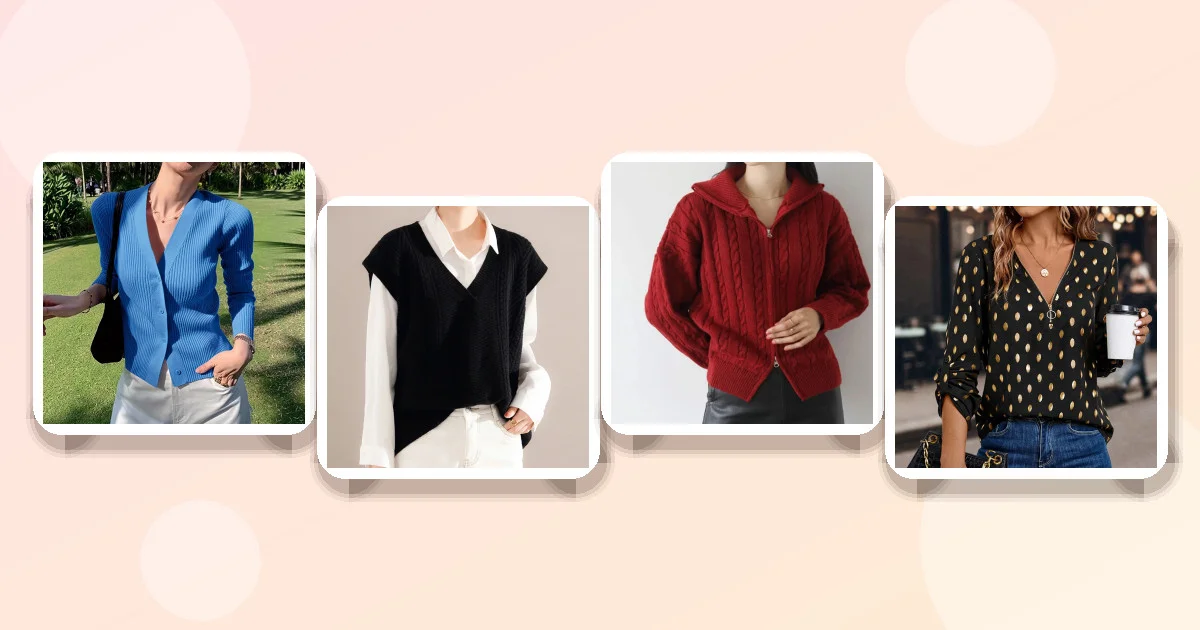
This is the most versatile and professional look. Start with a structured blouse in a solid color or subtle print. Layer a relaxed V-neck sweater over it. The V-neck allows the collar and a small portion of the blouse to show, creating a layered effect that looks intentional and polished. This formula works well for meetings and client interactions. The relaxed fit of the sweater ensures you can move comfortably during your commute. Choose neutral colors for the sweater, such as gray, beige, or black, to keep the look professional. Add a belt or tuck the blouse in to define your waist.
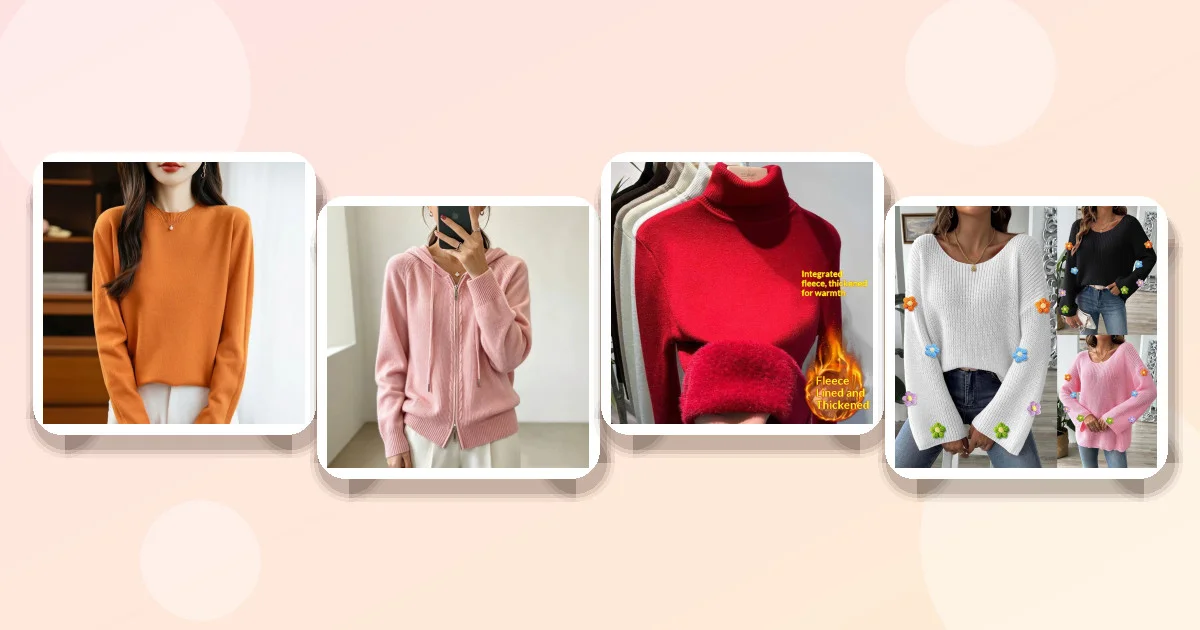
Casual, Elegant Knit Sweater Best for Women who want a versatile, professional base layer for daily office wear.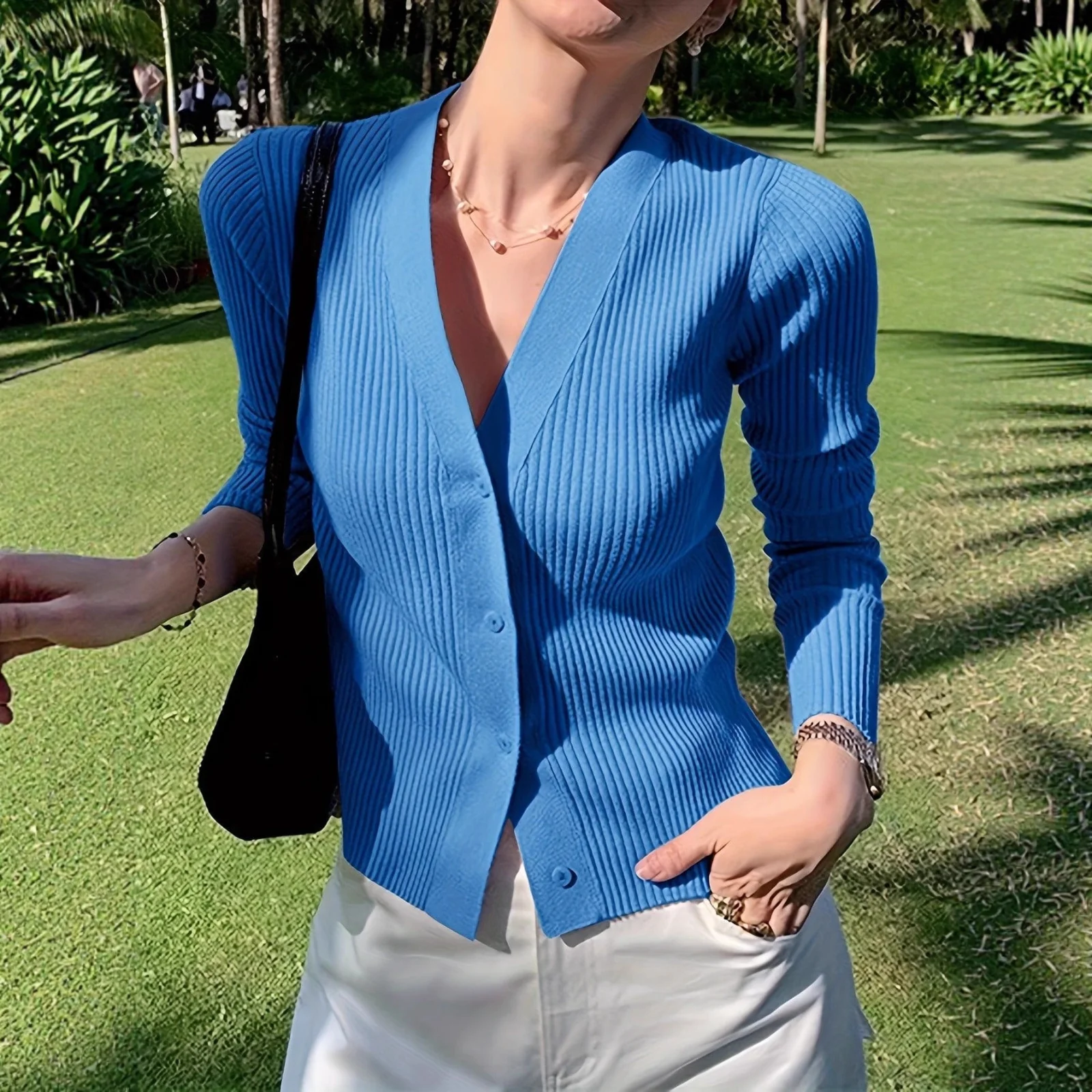
- Relaxed V-neck design allows for easy layering over blouses.
- Affordable price point makes it easy to build a capsule wardrobe.
- Asian sizing runs small; you must size up to accommodate a layer underneath.
2. The Cardigan Over Blouse
For a more structured look, use a cardigan instead of a pullover. A cardigan can be worn open or buttoned, giving you flexibility to adjust your warmth throughout the day. Pair a printed or jacquard blouse with a neutral cardigan. This combination adds texture and visual interest without looking too casual. The open front of the cardigan creates vertical lines, which can be flattering for many body types. This outfit is ideal for days when you need to transition from a cooler commute to a warmer office. You can easily remove the cardigan and drape it over your chair or armrest.
Japanese-style Christmas Cable-knit Sweater Jacket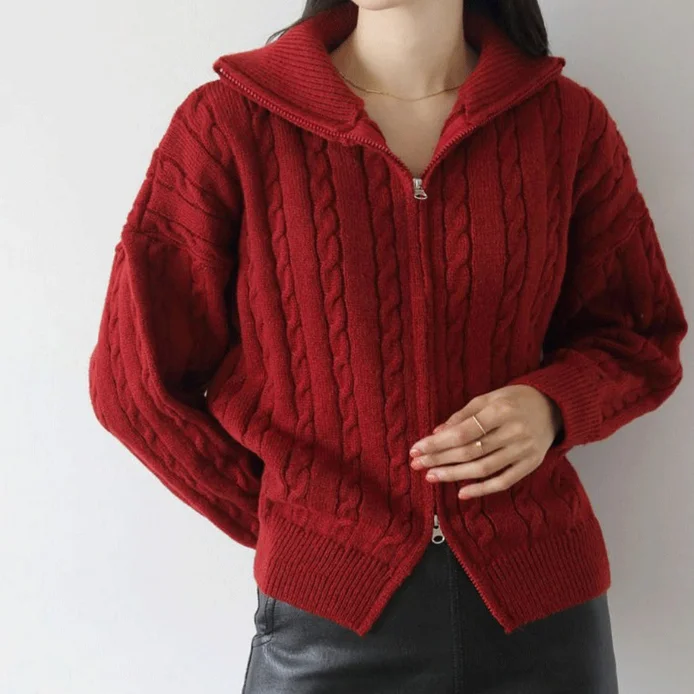
- Cardigan style offers adjustability for varying office temperatures.
- Thick material provides substantial warmth for colder commutes.
- Material is listed as "Other," so check the care label for specific washing instructions.
3. The Vest Layering Trick
On milder fall days, a vest can provide warmth without the bulk of sleeves. Layer a long-sleeve blouse under a knitted V-neck vest. This creates a sophisticated, layered look that is easy to move in. The vest adds color or texture to the outfit while keeping your arms free. This is a great option for women who feel hot quickly or who have a lot of mobility during their day. The slim fit of the vest helps maintain a streamlined silhouette. Choose a vest in a contrasting color to your blouse to make the layering stand out.
Women's Korean-style Knitted Sweater V-neck Vest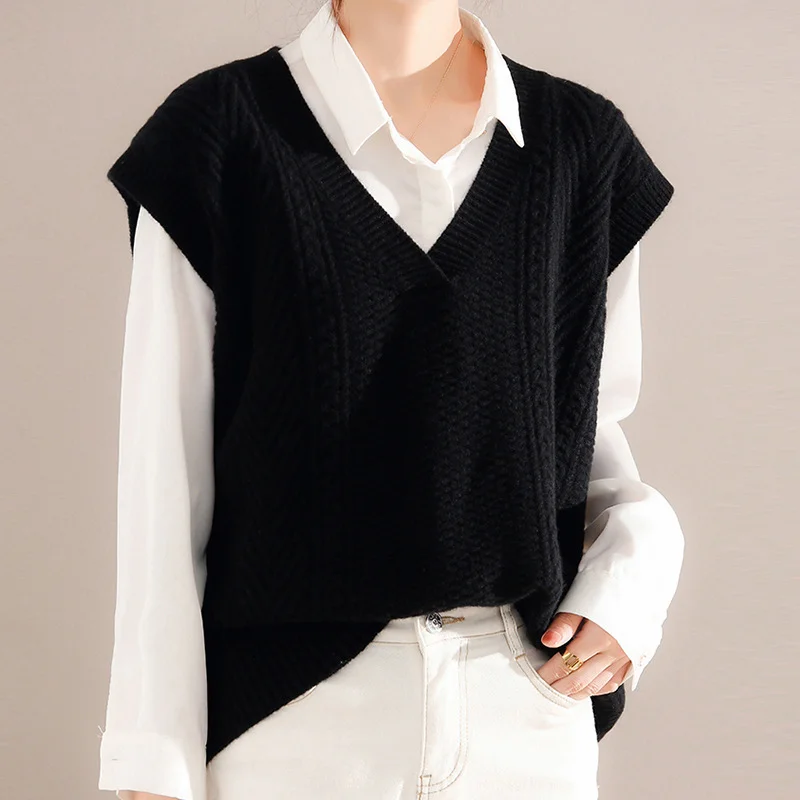
- Free size offers a specific fit, but check the 50cm length to ensure it covers your torso appropriately.
- Viscose fiber material provides a soft, drapey feel.
- Limited size options (Free size only) may not fit all body types comfortably.
4. The Printed Blouse Statement
Use a printed blouse as the focal point of your outfit. Pair an elegant printed blouse with a solid, neutral sweater. The print adds visual interest and personality, while the neutral sweater keeps the look professional. This formula works well if you want to stand out without breaking dress code. Choose a sweater in a color that matches one of the colors in the print to create cohesion. The long sleeves of the blouse can be visible at the cuffs if the sweater sleeves are slightly shorter, adding another layer of detail. This is a great way to wear a statement piece in a conservative environment.
Elegant Long-sleeve V-neck Printed Blouse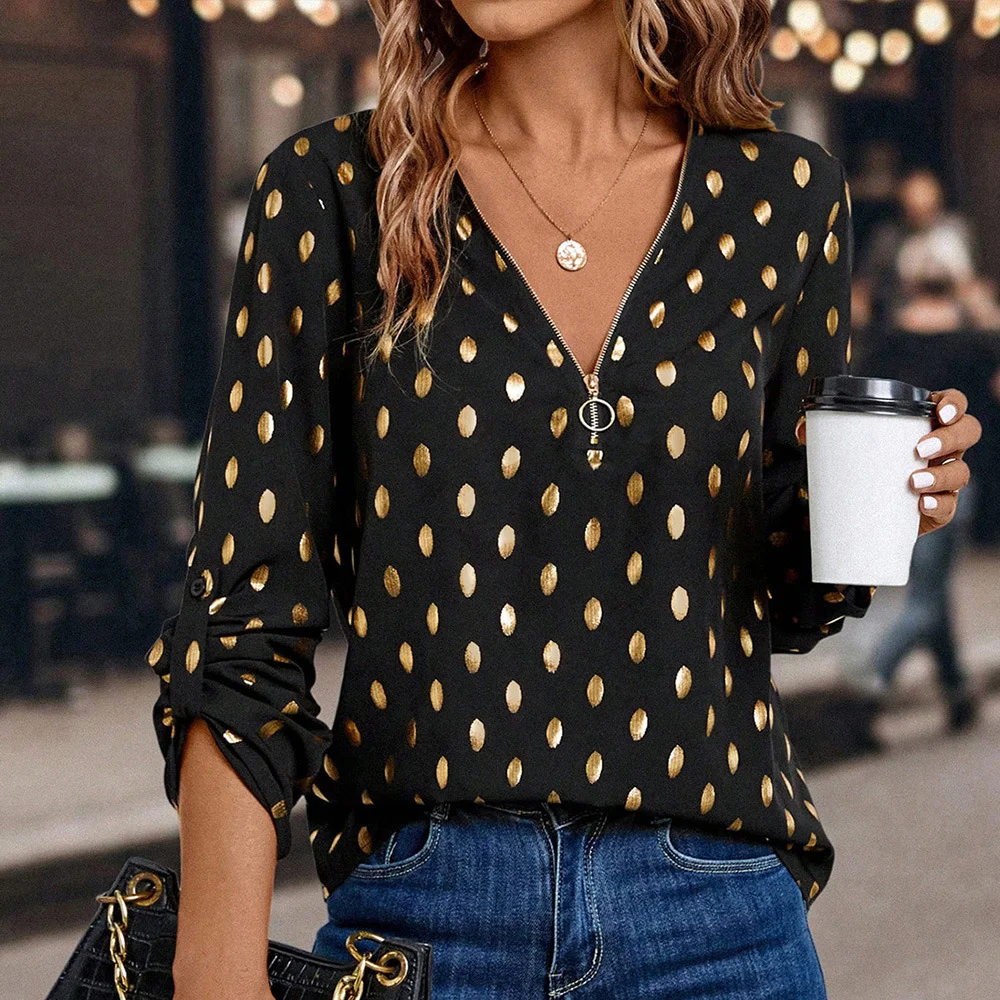
- Printed design offers a unique look compared to solid blouses.
- V-neck cut allows for easy layering under sweaters or vests.
- Specific fabric composition is not listed, so check the care label to ensure it layers well with knits.
5. The Textured Knit Look
For a more casual Friday or a creative workplace, use a textured knit shirt as your base layer. A jacquard lace knit shirt adds depth and interest without the need for a separate sweater on milder days. If it is colder, layer a thin cardigan over it. The texture of the lace knit provides a sophisticated look that is distinct from standard office wear. This outfit is versatile and can be dressed up or down. The long sleeves and structured fit make it appropriate for professional settings. Choose a neutral color for the outer layer to let the texture of the shirt shine.
Elegant Jacquard Lace Knit Long Sleeve Shirt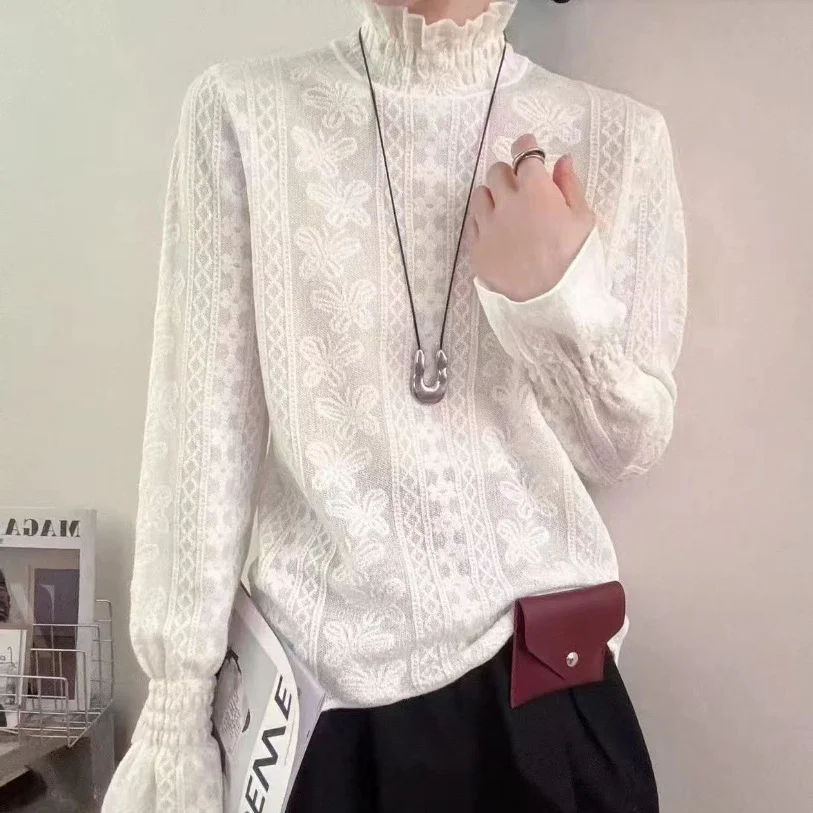
- Jacquard lace knit provides unique texture and visual interest.
- Can be worn solo or as a base layer for additional warmth.
- Knit material may stretch over time; check the fit before purchase.
Product Breakdown and Comparison
To help you choose the right pieces for your wardrobe, here is a comparison of the products featured in this guide. Each item serves a specific purpose in a layered fall outfit. Consider your climate, office dress code, and personal style preferences when selecting these items.
| Product | Type/Material | Price Range | Size Options | Best For |
|---|---|---|---|---|
| Casual, Elegant Knit Sweater | Knit, Relaxed V-neck | $31.16 | Asian Sizing (Size up) | Everyday office layering |
| Korean-style Knitted Vest | Viscose Fiber, V-neck | $19.44 | Free Size (50cm length) | Mild weather, arm mobility |
| Japanese-style Cardigan | Thick Knit, Cardigan | $39.12 | S, M, L (Asian Sizing) | Colder commutes, flexible warmth |
| Printed Blouse | Long-sleeve, V-neck | $20.12 | Check product page | Adding visual interest |
| Jacquard Lace Shirt | Knit, Long-sleeve | $30.52 | Check product page | Textured, single-layer look |
| Ribbing Off-shoulder Top | Polyester, Slim Fit | $17.84 | S, M, L, XL, XXL | Base layer under open cardigans |
The Ribbing Bottoming Sweater Off-the-shoulder Slim Knit Long-sleeved Top Is a versatile base layer. Its slim fit and polyester material make it ideal for wearing under open cardigans or vests. The off-shoulder design adds a modern touch, but be aware that it may not be appropriate for all professional environments if the neckline is visible. It is best worn under a garment that covers the shoulders. The wide range of sizes (S to XXL) makes it accessible for many body types. The polyester fiber is durable and easy to care for, making it a practical choice for daily wear. However, polyester may not breathe as well as natural fibers, so consider this if you tend to overheat. This top is a cost-effective way to add a layer of warmth without adding bulk.
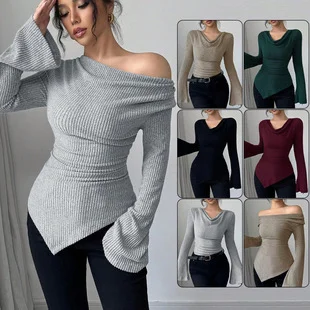
- Wide size range (S-XXL) ensures a better fit for diverse body shapes.
- Polyester material is durable and easy to wash.
- Off-shoulder design may be too casual for strict professional environments if visible.
Common Mistakes to Avoid
Even with the right pieces, certain mistakes can undermine your professional look. Here are the most common errors to avoid when layering for fall.
Ignoring Sizing Variance
As mentioned, Asian sizing runs smaller. Many buyers order their usual size and end up with a garment that is too tight. This is especially problematic for layering. If the sweater is too tight, it will pull at the seams and create an unflattering silhouette. Always check the size chart and size up if you are between sizes. Do not assume that a "Medium" in one brand is the same as a "Medium" in another. Measure your chest, waist, and hips, and compare them to the garment's measurements. This simple step can save you the hassle of returns and ensure a better fit.
Mixing Too Many Patterns
When layering, keep patterns to a minimum. If you are wearing a printed blouse, choose a solid sweater. If you are wearing a patterned sweater, choose a solid blouse. Mixing multiple patterns can look chaotic and unprofessional. If you want to mix patterns, ensure they share a common color and have similar scale. For example, a small floral print can be paired with a large stripe if the colors match. However, for a professional environment, it is safer to stick to one patterned piece and one solid piece. This creates a balanced and polished look.
Choosing the Wrong Neckline
The neckline of your base layer should complement the neckline of your outer layer. If you are wearing a V-neck sweater, a crew neck or V-neck blouse will show nicely. If you are wearing a crew neck sweater, a V-neck blouse will create a layered effect. Avoid high necklines under high necklines, as this can look bulky and uncomfortable. The goal is to create a harmonious transition between the two layers. A mismatched neckline can draw attention to the neck area and make the outfit look disjointed. Pay attention to how the collars interact when you try on the outfit.
Neglecting Fabric Weight
Using fabrics that are too heavy or too thin can ruin the look of a layered outfit. A thick, chunky sweater over a heavy cotton blouse will create excessive bulk. A thin, flimsy blouse under a heavy sweater may not provide enough warmth or structure. Aim for mid-weight fabrics that balance warmth and bulk. The fabric of the base layer should be smooth and thin, while the outer layer should be mid-weight and structured. This combination ensures that the outfit looks polished and comfortable. Pay attention to the drape of the fabrics; they should hang well and not cling or puff out.
Care and Maintenance Tips
Proper care extends the life of your layered wardrobe and keeps your clothes looking professional. Follow these tips to maintain the quality of your blouses and sweaters.
Washing Instructions
Always check the care label before washing. Most knits are delicate and should be hand-washed or machine-washed on a gentle cycle with cold water. Avoid using hot water, as it can cause shrinking and damage the fibers. Use a mild detergent that is suitable for delicate fabrics. Avoid bleach