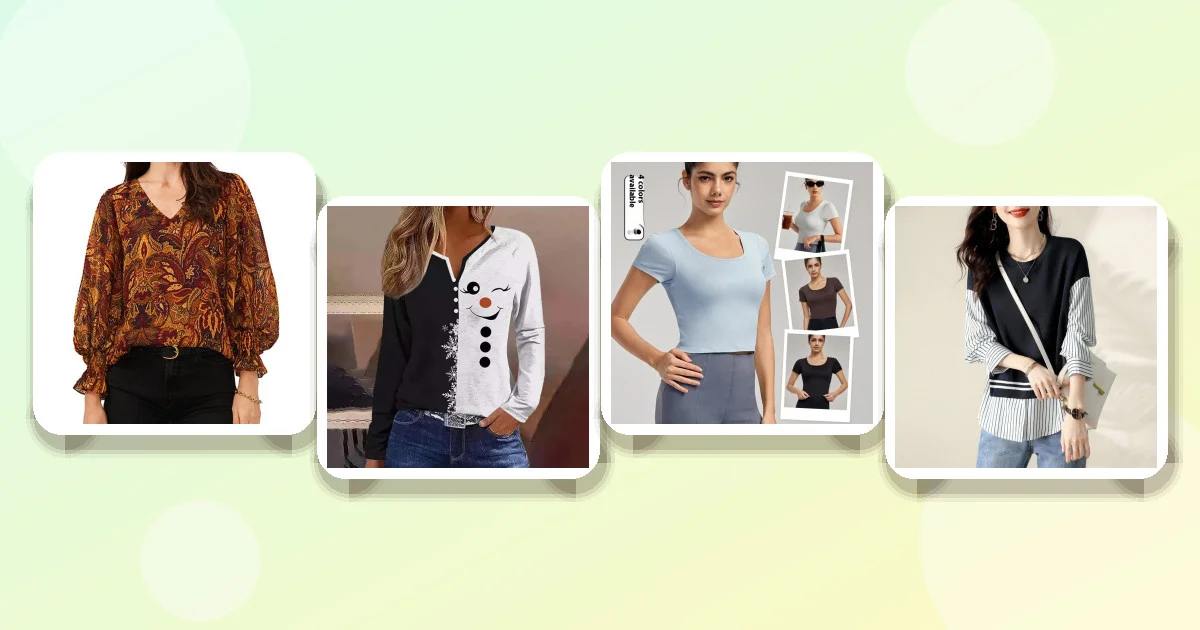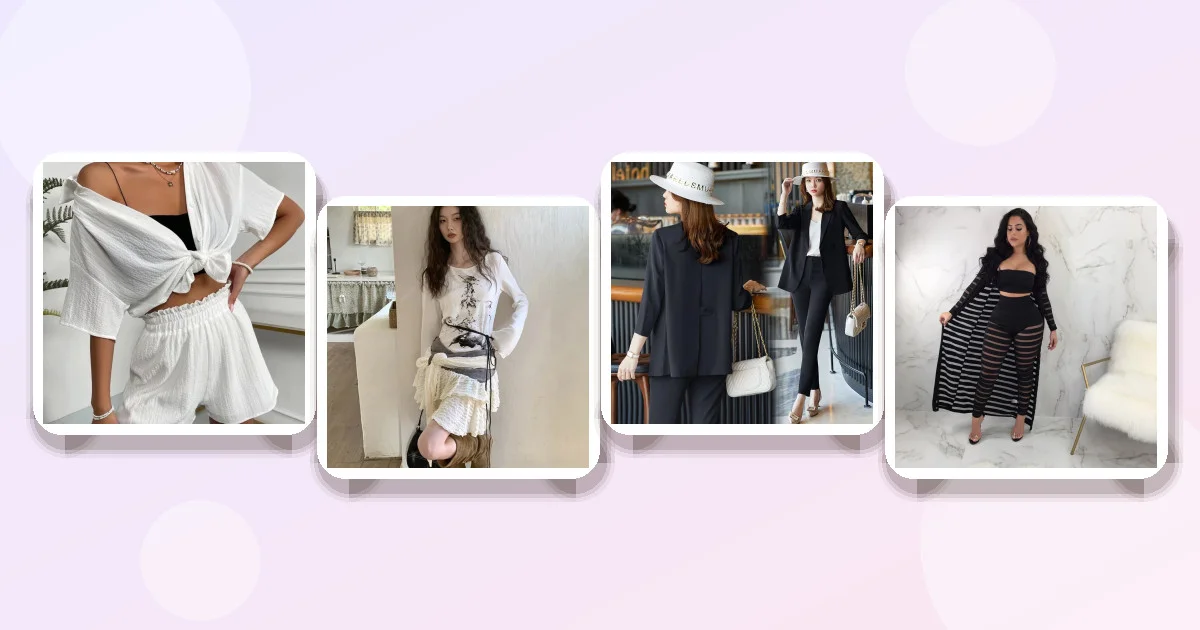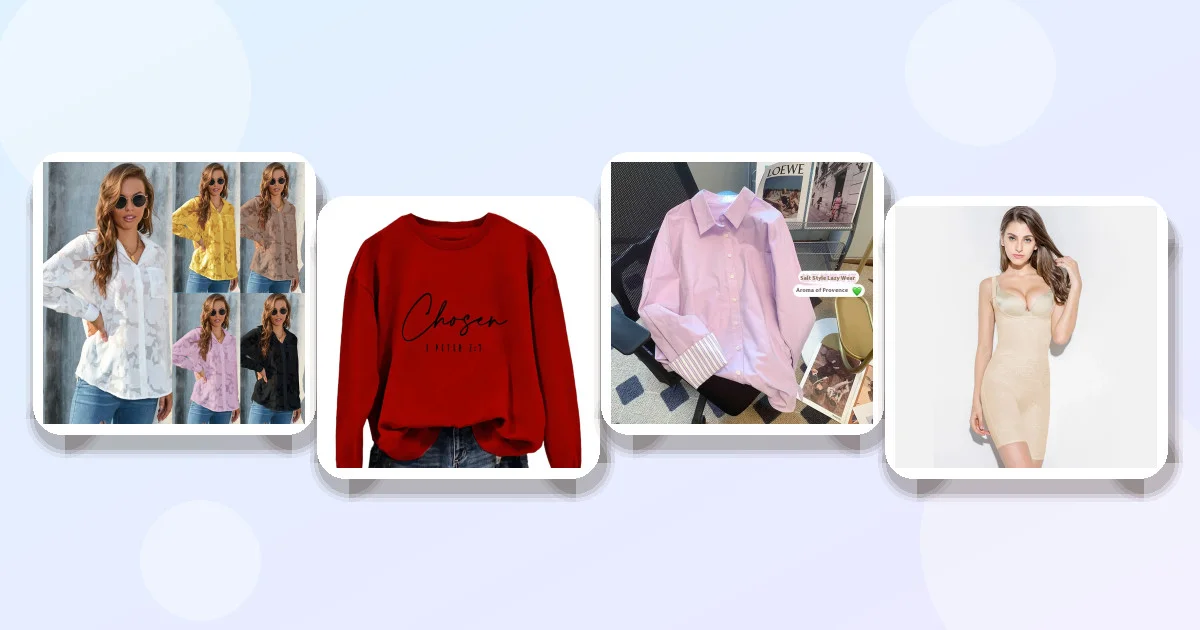
Traditional layering advice often fails women with curvier figures. You follow the rules, stack a turtleneck under a heavy cardigan, and suddenly your outfit looks boxy and unflattering. The issue is rarely your size; it is usually the combination of thick fabrics and poor fit. This guide focuses on practical techniques for selecting and combining plus size garments. You will learn which fabrics to avoid, how to judge fit before buying, and specific ways to style sweaters under jackets or over tops to keep your lines clean.
Fit Fundamentals: The Base Layer Rule
The foundation of successful plus size sweater layering is the base layer. Most bulk comes from wearing two or three layers of medium-weight fabric. To prevent this, your base layer must be slim-fitting. It should hug your torso without digging in or leaving excess fabric that bunches up when you lift your arms. A base layer that is too loose creates a "second skin" of air and fabric that adds visual volume. A base layer that is too tight shows every line through the sweater above it, which can be uncomfortable and unflattering. The goal is a smooth, continuous line from your shoulder to your waist.
Choosing the Right Base Size
When shopping for base layers, especially shirts or thin knits, check the size chart against your actual measurements, not your usual size. Asian sizing, common in many online retailers, runs significantly smaller than US and European sizing. If a product lists sizes S through XL but notes that Asian sizes are 1 to 2 sizes smaller, you likely need to size up. For example, if you wear a US Large, you may need an XL or even XXL in Asian-sized garments. Always measure your chest, waist, and hip. Compare these numbers to the garment’s specific measurements in inches or centimeters. If you are between sizes, choose the larger size for base layers. You want zero stretching across the chest and waist when wearing the shirt alone.
Neckline and Sleeve Length
The neckline of your base layer dictates how much of it will show. If you are layering under a crew neck sweater, a high neck or mock neck base is ideal. It provides warmth without peeking out awkwardly. If you are wearing a V-neck sweater, a standard crew neck or scoop neck base works well. Sleeve length is another critical detail. Base layer sleeves should end exactly at your wrist bone. If they are too short, they ride up when you move, exposing your wrists. If they are too long, they bunch at the cuff under your sweater, creating a puffy, uneven hem. Look for sleeves with a slight taper or a ribbed cuff that grips the wrist to stay in place.
For a versatile base layer that works under almost any sweater, consider a simple, unadorned top. The Luxury Short-sleeve T-shirt Top for Women Is a good example of a slim-fit foundation piece, though for fall layering, you will typically want long sleeves. This specific item is made from high-quality spandex fabric with a brushed texture, offering stretch and comfort.

- Spandex fabric provides excellent stretch, ensuring a close fit without restriction.
- Brushed texture adds a layer of warmth without significant bulk.
- Short sleeves limit its use as a standalone fall base; it is best for layering under long-sleeve options or in milder weather.
Fabric Selection: Why Thin Beats Thick
Fabric weight is the primary driver of bulk. Many women instinctively reach for the thickest sweater available to stay warm. However, thick fabrics are rigid. They do not drape over curves; they stand away from the body, creating a cylindrical shape that adds visual weight. Thin fabrics, on the other hand, drape. They follow the natural curves of your body. When you layer a thin fabric under a medium-weight sweater, the combined warmth is often greater than a single thick sweater because the air trapped between two thin layers is a better insulator than the air trapped inside one thick layer.
Best Fabrics for Layering
Look for these materials in your base layers and mid-layers:
- Cotton: Breathable and soft. A thin cotton tee or long-sleeve shirt is an excellent base. It wicks moisture away from the skin, keeping you comfortable as the temperature changes throughout the day.
- Merino Wool: Thin merino wool is incredibly warm for its weight. It regulates temperature and resists odor. A merino turtleneck is a premium option for base layering under sweaters.
- Spandex/Elastane Blends: Fabric with 5-10% spandex stretches to fit your body closely. This eliminates gaps where cold air can enter. Look for "slim fit" or "body fit" descriptions, which usually indicate a higher percentage of elastic fibers.
- Chiffon: While not warm on its own, chiffon is ultra-thin and drapes beautifully. It adds a layer of texture and visual interest without adding any physical bulk. It is ideal for layering under a light cardigan or blazer.
Fabrics to Avoid
Be cautious with these materials when layering:
- Heavy Fleece: Fleece is bulky and does not drape. It creates a rigid barrier that adds volume. If you need fleece warmth, wear it as your outermost layer, not under a sweater.
- Thick Cable Knits (as a base): Never wear a chunky cable knit under another sweater. The texture is too pronounced and the weight is too high. It will make your outfit look heavy and unbalanced.
- Stiff Synthetics: Some polyester blends are stiff and do not move with your body. They can create a boxy silhouette. Stick to soft, draping synthetics or natural fibers.
If you are looking for a lightweight top to layer under a heavier sweater, the Plus Size Women's Loose Top Casual Chiffon Shirt Is a great option. Chiffon is one of the thinnest fabrics available, meaning it adds zero bulk.

- Ultra-thin fabric ensures no added volume to your silhouette.
- Loose fit allows for easy layering over various base sizes.
- Not warm on its own; requires a warmer layer underneath or over it for cold days.
Styling Techniques: Under Jackets and Over Tops
Once you have the right fabrics and fit, the next step is how you combine them. Layering is about balance. If your top is voluminous, keep your bottom half streamlined. If your top is layered, keep your accessories minimal. Here are specific techniques for common fall scenarios.
Layering Under a Coat or Blazer
When wearing a sweater under a coat, the goal is to minimize the number of visible edges. A clean line from your neck to your waist is key. Avoid turtlenecks that are too high, as they can look puffy when compressed by a coat collar. Instead, try a mock neck or a simple crew neck. If you are wearing a blazer, which is more structured than a coat, you can afford a slightly thicker sweater. However, ensure the sweater’s shoulder seam aligns with your actual shoulder. If the sweater’s shoulder is too wide, it will push the blazer’s shoulder out, creating a boxy look. If it is too narrow, the blazer will pull at the back. A relaxed fit sweater that skims the body works best here.
The Purple Striped Polo Collar Shirt Women's Long-sleeved Top Offers a structured yet soft option for this type of layering. The polo collar adds a touch of style that peeks nicely out of a blazer or cardigan.

- Polo collar adds visual interest without the bulk of a turtleneck.
- Long sleeves provide full coverage for fall weather.
- Asian sizing runs small; you must size up to ensure a comfortable fit under outerwear.
Layering Over Tops
When wearing a sweater over a top, the top should be visible at the hem and possibly the sleeves. A 1-2 inch peek of the base layer at the hem adds length and breaks up the visual block of the sweater. This technique is particularly effective for plus size wearers because it creates vertical lines that elongate the torso. Ensure the base layer is long enough to stay tucked in or hang straight, depending on your preference. If you tuck your base layer, make sure the sweater is long enough to cover the tuck when you sit down. A mid-length sweater is often ideal for this, as it sits at the hip and doesn’t ride up excessively.
For a casual, layered look, the Trendy Plus Size Sweaters for Women Provides a loose-fitting pullover option. These sweaters are designed for casual streetwear and offer a relaxed silhouette.
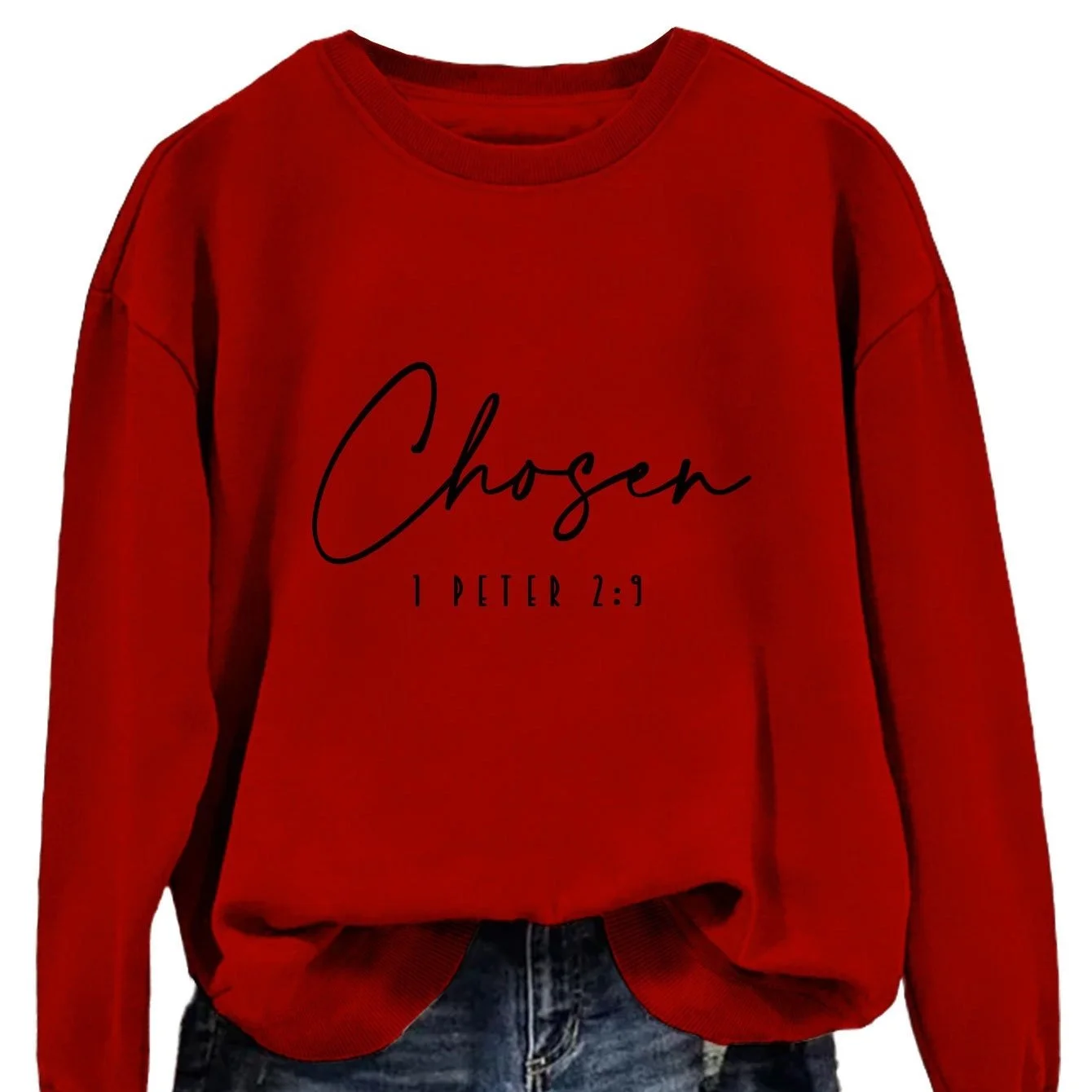
- Loose fit allows for easy layering over thicker base layers without feeling tight.
- Available in bold colors to add personality to your fall wardrobe.
- Loose fit may add volume if not balanced with slim bottoms; check the specific fit description for your body type.
The Turtleneck Dilemma
Turtlenecks are a classic fall layer, but they can be tricky for plus size figures. A tight turtleneck can dig into your neck and create a "pinched" look at the chin. A loose turtleneck can look puffy and add width to your upper body. The solution is a medium-weight turtleneck with a bit of stretch. It should sit comfortably against your neck without compressing. If you are wearing a thick sweater over the turtleneck, consider a shorter turtleneck (mock neck) to reduce the amount of fabric stacked at the neck. Alternatively, wear the turtleneck as your outermost layer under a coat, skipping the middle sweater layer entirely. This reduces the total number of layers to two, minimizing bulk.
Product Comparison: Our Tested Picks
Below is a comparison of the products we recommend for building a plus size layering wardrobe. Each serves a different role in the layering stack.
| Product | Price | Type/Material | Options | Best For |
|---|---|---|---|---|
| Plus Size Women's Loose Top Casual Chiffon Shirt | $19.12 | Chiffon (Blouse) | Various sizes | Zero-bulk layering under blazers |
| Trendy Plus Size Sweaters for Women | $12 | Knit/Pullover (Sweatshirt category) | 98 Color-Size options | Casual, loose-fitting outer layer |
| Purple Striped Polo Collar Shirt Women's Long-sleeved Top | $39.12 | Striped Fabric (Blouse) | 4 Color-Size options | Smart-casual layer under jackets |
| Postpartum Slimming Tights | $12.32 | Shaping Tights (Jumpsuits category) | 12 Color-Size options | Shaping base for smooth silhouette |
| Autumn and Winter New Women's Tassel Long-sleeved Top Loose Casual Plaid Shirt Coat Women | $27.88 | Polyester (Blouse/Shirt Coat) | 48 Color-Size options | Mid-length layer for fall transitions |
| Luxury Short-sleeve T-shirt Top for Women | $23.76 | Spandex (Blouse) | 10 Color-Size options | Stretchy, slim foundation layer |
The Postpartum Slimming Tights Are a unique addition to this list. While not a sweater, they serve a critical function in layering: smoothing the silhouette beneath loose garments.
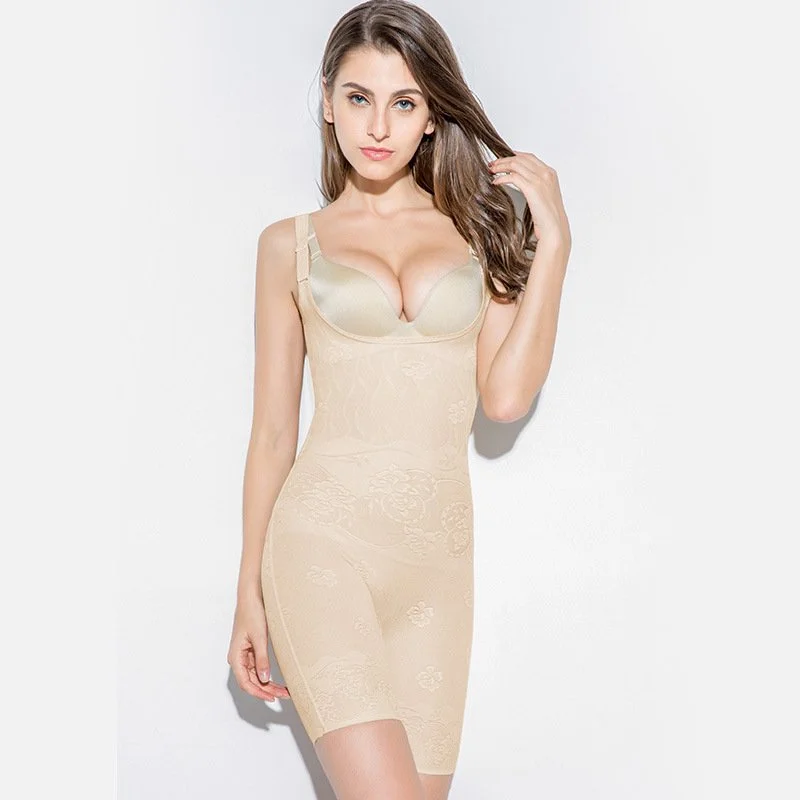
- Waist support and hip lift help create a streamlined look under bulky layers.
- One-piece design prevents shifting during movement.
- Shaping compression may not be comfortable for all body types; check fit carefully.
The Autumn and Winter New Women's Tassel Long-sleeved Top Loose Casual Plaid Shirt Coat Women Is a mid-length option that bridges the gap between a top and a light jacket.
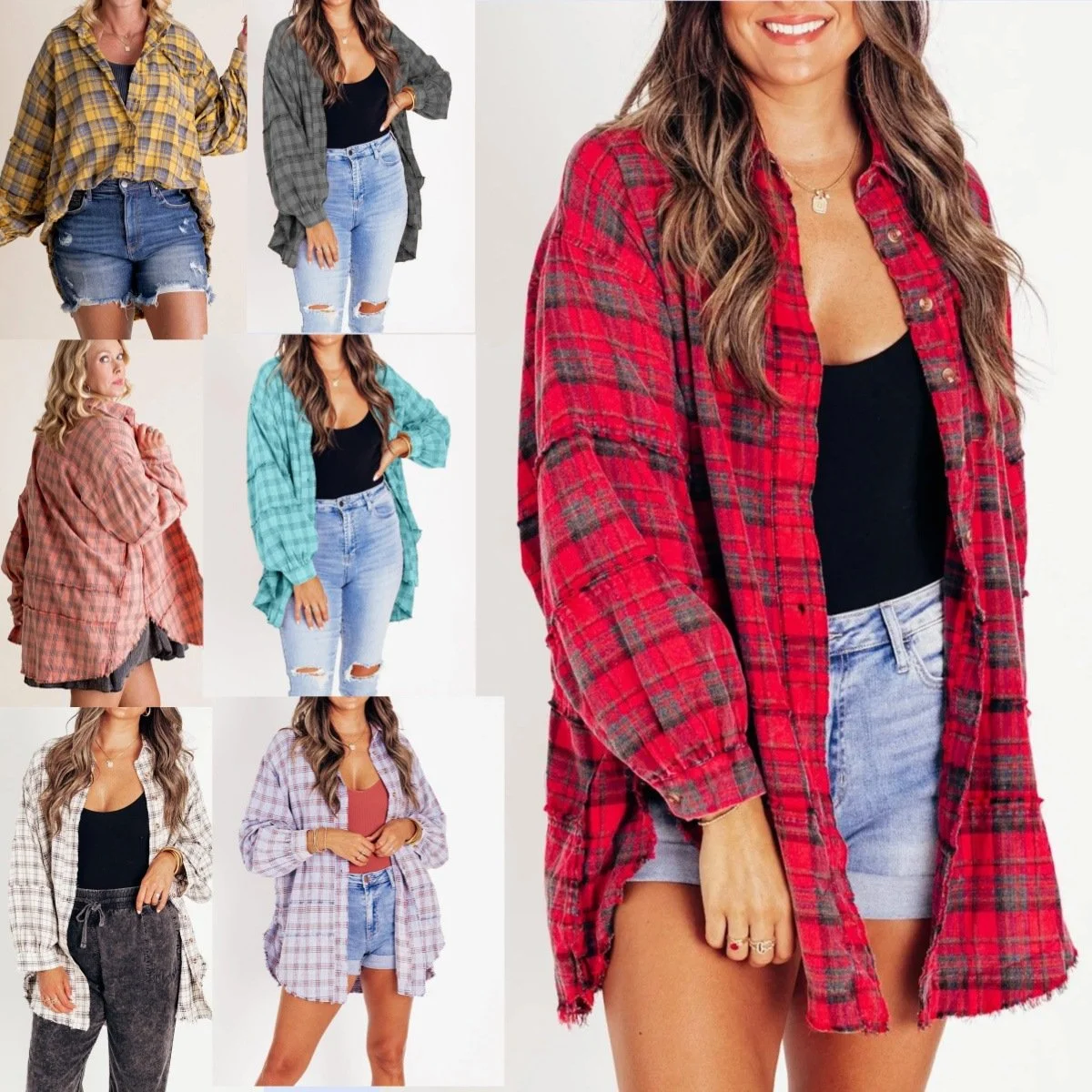
- Mid-length cut offers more coverage than a standard shirt.
- Tassel details add visual interest without weight.
- Polyester material may not breathe as well as natural fibers; size up due to Asian sizing.
Common Mistakes to Avoid
Even with the right products, certain styling errors can ruin a layered look. Here are the most common mistakes to watch out for.
Mistake 1: Layering Thick Over Thick
This is the number one cause of bulk. If your base layer is a heavy cotton long-sleeve and your sweater is a chunky cable knit, you are doubling the volume. One of these layers must be thin. If you love chunky knits, pair them with a thin silk or cotton base. If you prefer a slim base, pair it with a medium-weight sweater, not a heavy one. The total thickness of your layers should be manageable. If you cannot comfortably raise your arms or sit down without the fabric feeling restrictive, your layers are too thick.
Mistake 2: Ignoring Shoulder Fit
Shoulder seams are the anchor of your fit. If the sweater’s shoulder seam falls past your actual shoulder, the entire garment will hang wider, creating a boxy shape. This is especially noticeable under a blazer. Always check the shoulder measurement in the product description. If it is not listed, compare the garment’s chest width to your own. A relaxed fit sweater should have a chest measurement that is 4-6 inches larger than your actual chest measurement. Anything more, and it will look like a tent.
Mistake 3: Mismatched Hem Lengths
If your base layer is much longer than your sweater, it will peek out unevenly, especially when you move. This can look messy and add visual clutter. Aim for a base layer that is 1-3 inches shorter than your sweater. If you are wearing a shirt coat or a longer top, ensure the layer underneath is short enough to be hidden or intentionally styled. Consistent hem lines create a clean, polished look.
Mistake 4: Forgetting About Bottoms
Layering adds volume to your top half. To balance this, keep your bottom half streamlined. Avoid baggy jeans or wide-leg pants when wearing a layered top. Slim-fit jeans, leggings, or tailored trousers work best. They create a contrast that highlights the layering without adding bulk. If you are wearing a loose sweater, pair it with slim bottoms to maintain proportion.
Care and Maintenance Tips
Proper care extends the life of your layered wardrobe and keeps garments looking their best.
Washing Knits
Knit sweaters can stretch out if washed incorrectly. Always check the care label. Most