You know the struggle. You dress for the temperature in your car or on the train, get to the office, and the air conditioning hits you like a wall of ice. You add a cardigan, but it looks messy. You wear a thick turtleneck, but you feel like you're wearing a wetsuit by 10 AM. Or you stick to a thin blouse and shiver through your morning meetings. The problem isn't that you don't have enough clothes; it's that you don't have the right *layers* for a variable environment. Hybrid work demands versatility. You need outfits that look polished enough for a client call but comfortable enough for a two-hour commute and a desk that might be 68 degrees one hour and 80 degrees the next. This guide cuts through the noise. We will look at specific necklines, fabrics, and fits that solve these problems. You will learn how to build a capsule of sweaters and blouses that actually work together, so you can stop overpacking and start dressing with confidence.
- The Foundation: Why Blouse Selection Matters More Than the Sweater
- Necklines That Work: Crew, V-Neck, and Turtleneck
- Fabric Guide: What to Wear for Office Air Conditioning
- Fit and Proportion: How to Avoid Looking Bulky
- Product Comparison: Our Top Picks for Layering
- Common Mistakes to Avoid When Layering
- Care and Styling Tips for Longevity
- Frequently asked questions
- Key takeaways
The Foundation: Why Blouse Selection Matters More Than the Sweater
Most people focus on the sweater first. They buy the cute cardigan or the trendy turtleneck and then realize they can't wear it over anything. The truth is, the base layer determines how successful your sweater layering will be. If your base layer is too thick, too shiny, or has a neckline that clashes with the sweater, the whole outfit fails. You need a base that is thin enough to disappear under a knit, but structured enough to hold its shape.
Why "Thin" Doesn't Mean "Sheer"
When we say thin, we mean lightweight fabric that drapes well. Chiffon, fine cotton, and light polyester blends are ideal. These fabrics do not add bulk. They create a smooth line under your sweater. If you wear a thick, textured cotton shirt under a fine-gauge sweater, the texture of the shirt will show through the knit, making the outfit look messy. You want the base layer to be a neutral canvas. It should not compete for attention. If you are wearing a patterned sweater, the base must be solid. If the sweater is solid, the base can have a subtle pattern, but keep it small-scale like a fine plaid or micro-dots.
The Role of the Collar
The collar of your base layer is the only part that will likely be visible. This means it needs to be crisp and well-fitted. A collar that collapses or wrinkles easily will make you look unkempt, even if the rest of the outfit is perfect. Look for blouses with collars that have some body to them. They should stand up slightly when buttoned but lay flat comfortably when open. The collar size should match your neck circumference. If it's too tight, it will pull when you button it. If it's too loose, it will gap awkwardly at the throat.
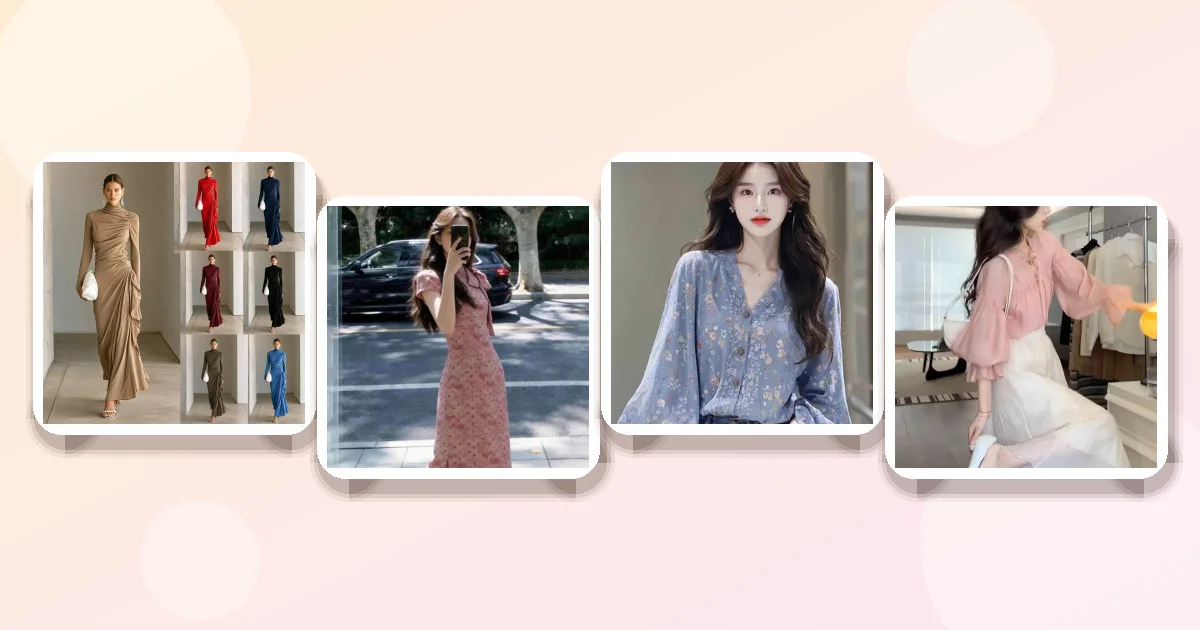
For a versatile base that works under almost any sweater, consider the Elegant Chiffon Button-Down Shirt for Women. It features a breezy, loose fit that transitions effortlessly from office commutes to weekend outings. The lightweight chiffon material ensures zero bulk under a knit, and the button-down style provides a clean, professional line. The loose fit allows for easy movement and layering without feeling constricted.
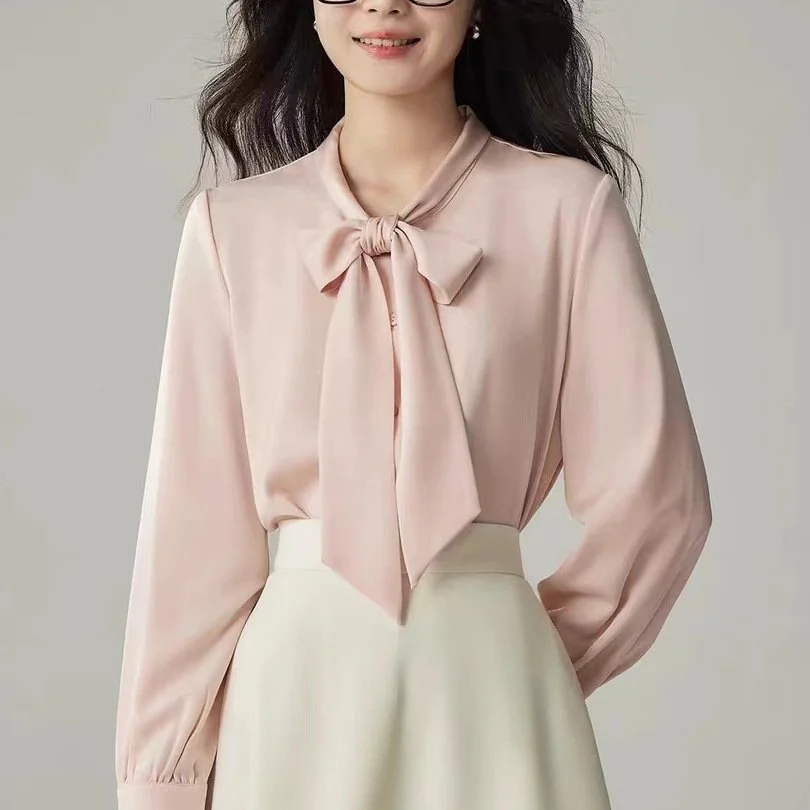
- Lightweight chiffon prevents bulk, allowing for smooth layering under tight-fitting sweaters.
- Loose fit ensures comfort during long commutes and desk work, reducing the need to adjust clothing.
- Con: Chiffon can be static-prone in dry office environments; consider a fabric softener or dryer sheet to reduce cling.
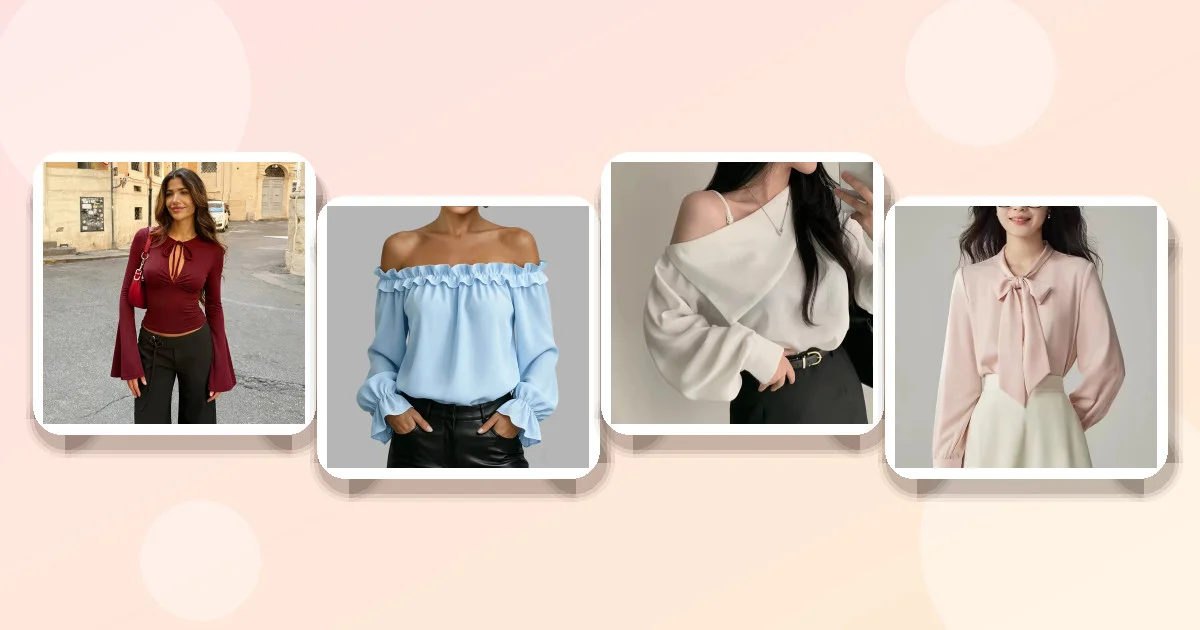
If you prefer a slightly more structured base that still remains lightweight, the Elegant Korean Off‑Shoulder Blouse Offers a different approach. Made from soft PVC and spandex, it has a loose fit and princess sleeves. While an off-shoulder style is often associated with evening wear, the beveled collar and structured fabric make it a unique option for layering. It creates a distinct shoulder line that can peek out from under a cropped sweater or a cardigan worn open. This is a bolder choice, but it works if you want your base layer to add a touch of modern architecture to a classic sweater look. The spandex content provides stretch, meaning it will move with you rather than pulling at the seams when you reach for a coffee mug or type on a keyboard.
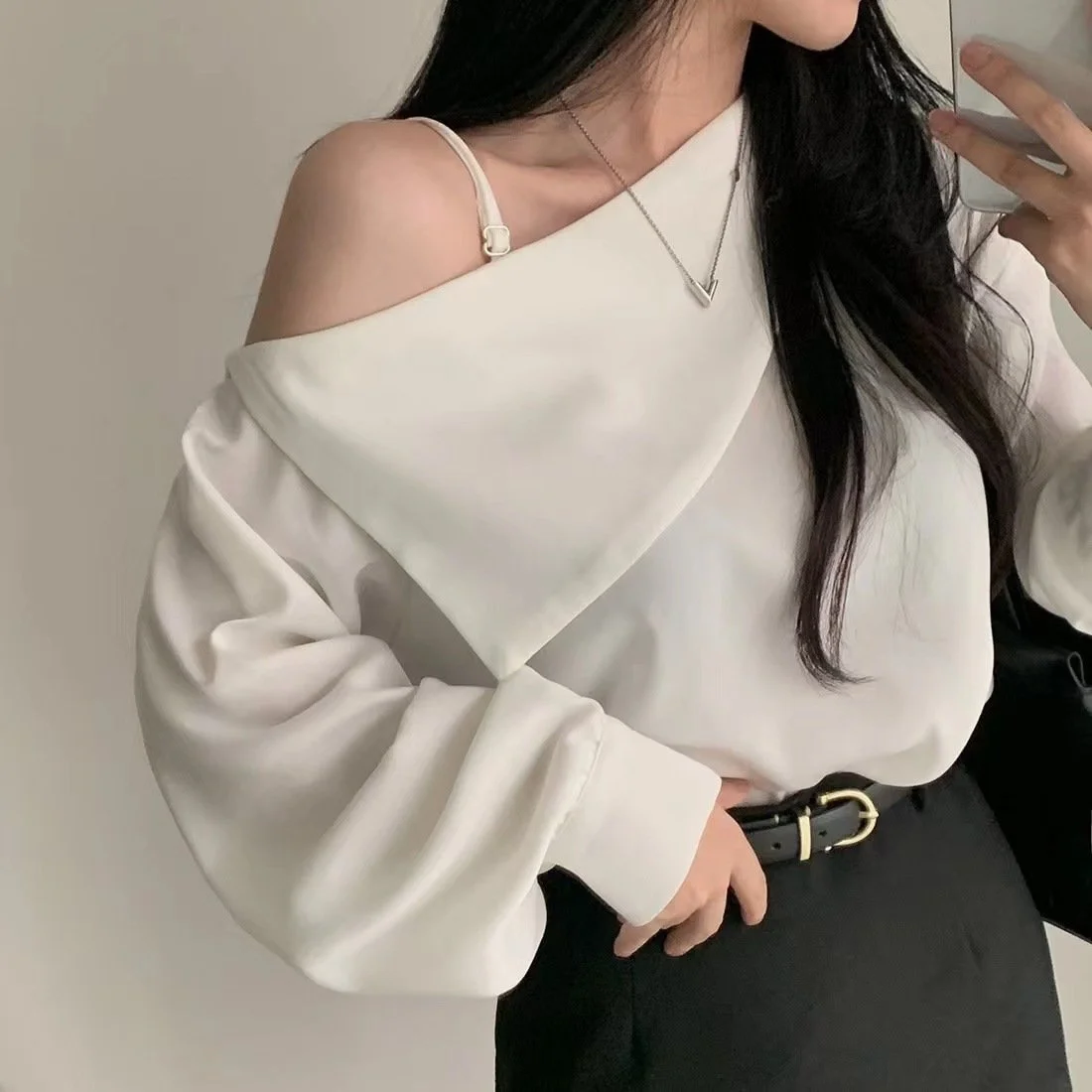
- Stretchy spandex fabric ensures the blouse moves with your body, preventing pulling or gaping during active work days.
- The princess sleeves and beveled collar create a structured silhouette that stands out under open cardigans.
- Con: The off-shoulder design may not be appropriate for strict corporate environments; check your office dress code before wearing.
Necklines That Work: Crew, V-Neck, and Turtleneck
The neckline of your sweater dictates what you can wear underneath. This is the most critical technical aspect of layering. A mismatched neckline can ruin an otherwise professional outfit. Here is how to match them.
The Crew Neck: The Safe Bet
A crew neck is the most versatile neckline for office wear. It sits at the base of the neck and works with almost any base layer. You can wear it over a collared shirt, where the shirt collar peeks out, or over a simple crew neck tee for a monochromatic look. The key with a crew neck sweater is the fit. It should not be so tight that it lifts off the collar of your shirt, nor so loose that it creates a gap at the neckline. When layering a crew neck over a collared shirt, button the shirt all the way up to the top. This creates a clean, consistent line. If you leave the top button undone, the sweater may slip down, revealing the shirt collar in an uneven way. This looks sloppy. The crew neck is ideal for women who want a classic, no-fail look that works in any professional setting.
The V-Neck: The Layering Pro
The V-neck is the most forgiving neckline for layering. It naturally frames the collar of a shirt underneath. You don't have to worry about the sweater lifting or pulling. The V-shape creates a visual break that elongates the neck, making it a flattering option for many body types. When wearing a V-neck sweater, you can leave the top button of your shirt undone for a more relaxed look. This is great for casual Fridays or less formal offices. However, be careful with the depth of the V. A very deep V-neck might expose too much of the blouse, which can look unprofessional if the blouse is not fully buttoned or if it is too sheer. A shallow V-neck is usually the best compromise. It provides enough room for the collar to sit comfortably without exposing too much skin. This is the go-to shape for women who want to wear a collared shirt underneath but don't want the outfit to look too stiff or rigid.
The Turtleneck: The Warmth Option
Turtlenecks are a staple for winter, but they are tricky for hybrid work. They are warm, which is great for cold commutes, but they can be overheating in a heated office. If you choose a turtleneck, make sure it is made from a thin, breathable material like fine merino wool or cotton. Avoid thick, bulky turtlenecks if you plan to wear a blazer over them. A thick turtleneck under a blazer creates a lot of bulk around the neck and shoulders, making the blazer fit poorly. It can look like you are wearing a puffer jacket under a suit. If you must wear a turtleneck, pair it with a loose-fitting blazer or a cardigan that is worn open. This allows the bulk to dissipate and prevents the outfit from looking cramped. Turtlenecks are best for women who have cold offices or long outdoor commutes. They are not ideal for warm environments or for those who need to sit in a chair for eight hours without overheating.
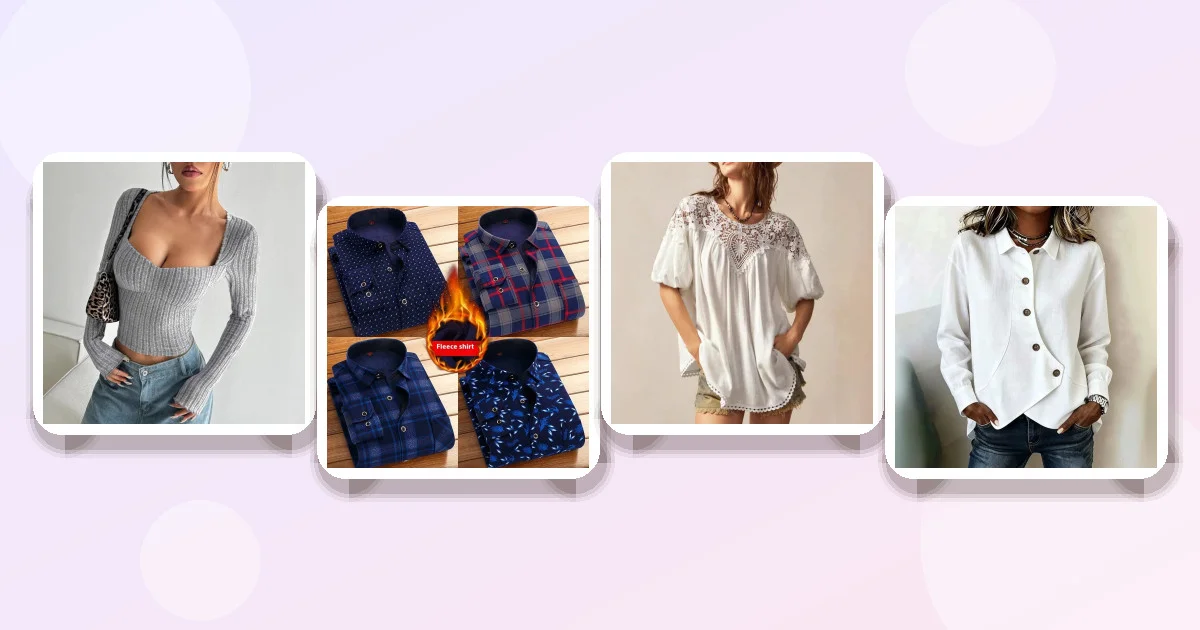
For a base layer that complements a V-neck or crew neck sweater, the Artistic Cotton Yarn Small Plaid Shirt Women's Long Sleeve Is a strong option. It is made from cotton yarn, which is breathable and comfortable. The small plaid pattern adds visual interest without being distracting. The regular sleeve length and loose version ensure it doesn't add bulk. The 50cm length is normal, meaning it will sit at the waist, perfect for tucking in or wearing untucked under a longer sweater. The cotton material is soft against the skin, which is important if you are wearing it for long periods. It is a versatile piece that can be worn alone or as a layering piece.
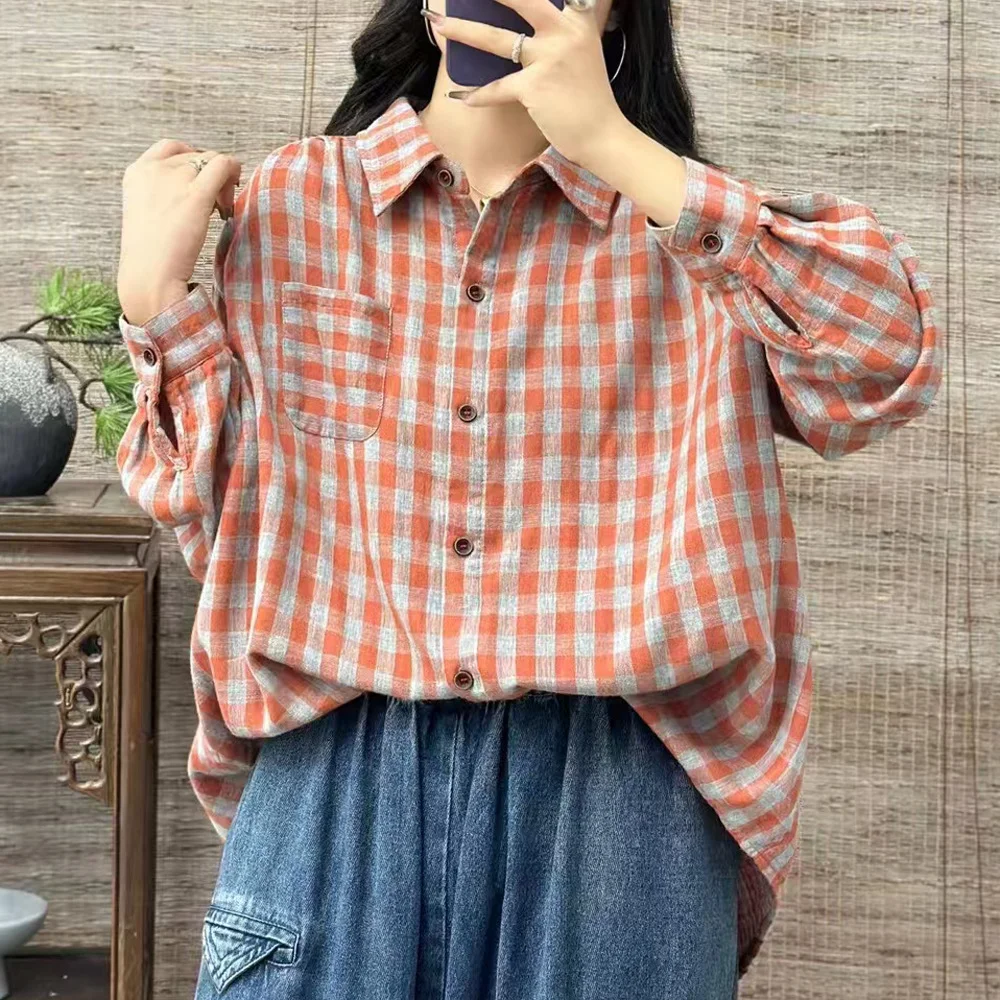
- Cotton yarn fabric is breathable and soft, making it comfortable for all-day wear under a sweater.
- The small plaid pattern is subtle enough for professional settings but adds enough detail to make a plain sweater interesting.
- Con: It is a free size, which may not fit everyone perfectly; check the measurements if you are between sizes to ensure the collar fits correctly.
Fabric Guide: What to Wear for Office Air Conditioning
Fabric is the difference between feeling professional and feeling miserable. The right fabric regulates temperature, wicks moisture, and maintains its shape. The wrong fabric makes you sweat, chill, or look wrinkled. Here is what to look for.
Merino Wool: The Gold Standard
Merino wool is the best fabric for layering in variable temperatures. It is warm in the cold and cool in the heat. It wicks moisture away from your skin, so you don't feel sweaty. It also has natural odor resistance, meaning you can wear it for multiple days without washing. This is a huge time-saver for busy professionals. Merino wool is also fine-gauge, meaning it doesn't add bulk. You can layer a merino sweater over a blouse and under a blazer without looking bulky. Look for sweaters that are 100% merino wool or a high-percentage blend. Avoid acrylic blends if you want temperature regulation. Acrylic traps heat and does not breathe. It is cheap and durable, but it is not comfortable in a variable environment.
Cotton: The Breathable Option
Cotton is a good option for base layers and lighter sweaters. It is breathable and soft. However, cotton does not regulate temperature as well as wool. It absorbs moisture, which can make you feel damp if you sweat. It also wrinkles easily, which can look unprofessional. If you wear cotton, choose a tight weave like poplin or oxford for base layers. For sweaters, look for cotton blends with a bit of elastane for stretch and recovery. Pure cotton sweaters can lose their shape after repeated washing and wearing. They are best for casual offices or for wearing during the day when you don't need a formal appearance.
Synthetic Blends: The Practical Choice
Synthetic fabrics like polyester and nylon are durable and wrinkle-resistant. They are good for base layers that need to hold their shape. However, they do not breathe. If you wear a synthetic sweater, you may overheat. If you wear a synthetic blouse, you may feel sticky. Use synthetic fabrics sparingly. A polyester blend can be a good option for a base layer if you are in a very humid environment, as it dries quickly. But for the sweater itself, natural fibers are almost always better for comfort and professionalism. If you do choose a synthetic sweater, look for one with a breathable weave or a moisture-wicking finish. These are often marketed as "performance" sweaters. They are designed to move moisture away from your body. This can be helpful if you have a long commute or if you are active during the day.
For a base layer that balances breathability and structure, the Elegant Slimming Solid-color Hollow-out Lace-up Fitted Versatile Bell-sleeve Knit Womens Blouse Is a unique option. It is a knit blouse, which means it has some stretch and drape. The hollow-out pattern adds visual interest and allows for airflow. The fitted silhouette means it won't add bulk under a sweater. The bell sleeves are a stylistic choice that adds a touch of elegance. This is a good option for women who want a base layer that is not your standard button-down shirt. It works well under a V-neck sweater where the lace-up detail can peek out. It is a versatile piece that can be worn in many ways.
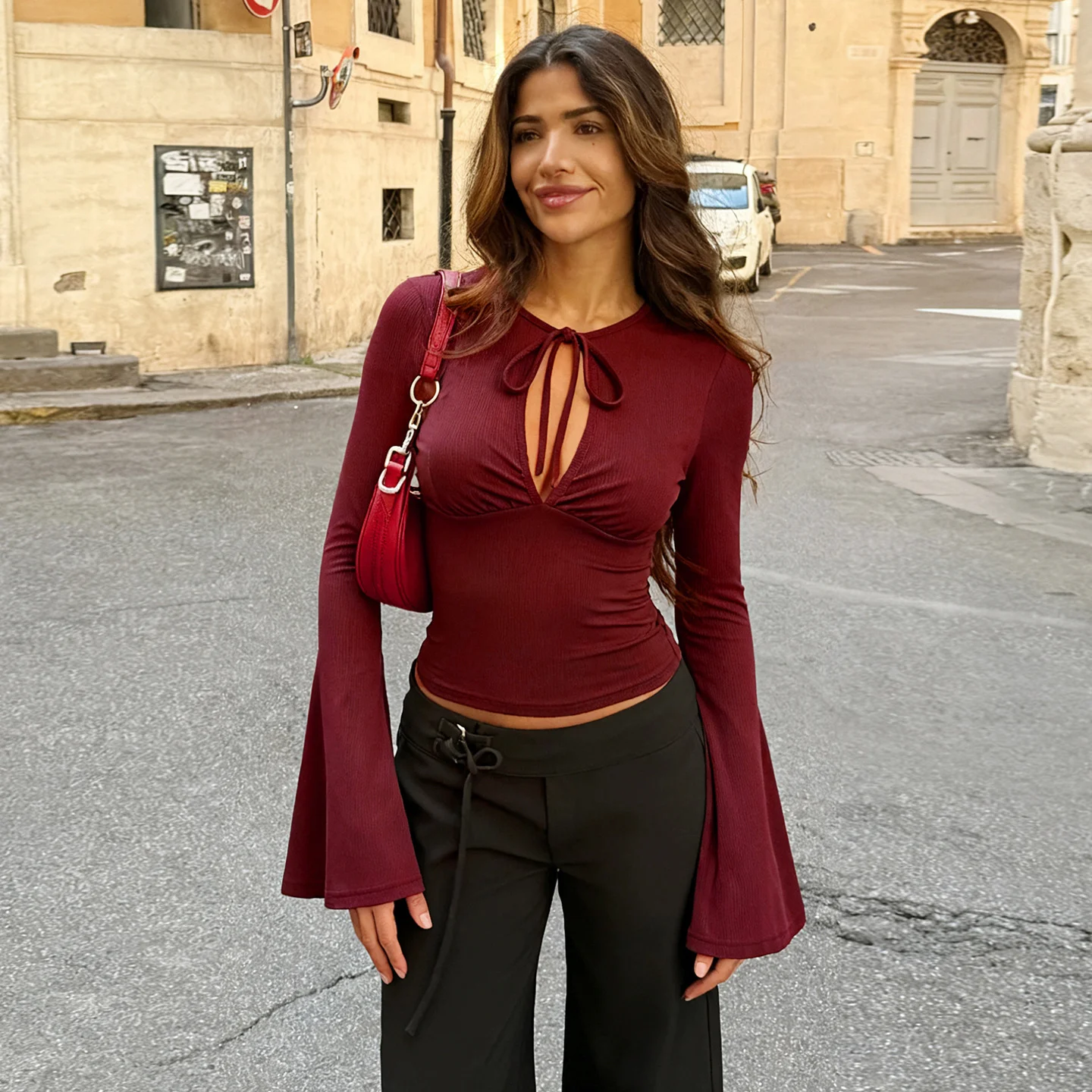
- The fitted silhouette ensures a smooth line under a sweater, preventing the "bulky" look.
- The hollow-out knit pattern allows for airflow, making it more comfortable than a solid, heavy fabric.
- Con: The lace-up detail may be difficult to fasten if you have limited dexterity or if the blouse is very tight; check the fit before committing.
Fit and Proportion: How to Avoid Looking Bulky
The biggest mistake women make when layering is adding too much volume. Each layer adds thickness. If you wear three thick layers, you will look like a balloon. You need to balance volume. If your base layer is loose, your sweater should be fitted. If your sweater is chunky, your base layer should be slim. This creates a streamlined silhouette that looks intentional rather than accidental.
The Hem Rule
The length of your layers matters. Your base layer should be tucked in or hit at the waist. Your sweater should hit at the hip bone. If your sweater is too long, it will bunch up when you sit down. This creates a pile of fabric at your waist that looks messy and unprofessional. If your sweater is too short, it will ride up when you reach overhead or sit down. This can expose your midriff or pull the fabric tight across your stomach. The ideal sweater length is just below the hip bone. This allows you to move freely without the hem riding up or bunching. If you have a longer torso, you may need a sweater that is slightly longer. If you have a shorter torso, you may need a cropped or standard length sweater. Check the measurements before buying. Look for the "body length" measurement. For an average height woman, a sweater body length of 22-24 inches is usually ideal.
Sleeve Length and Cuffs
Sleeve length is another common pitfall. If your sleeves are too long, they will bunch at your wrists. This looks sloppy and can be distracting. If your sleeves are too short, they will pull up when you type or reach. This can expose your wrists or pull the sweater tight across your arms. The ideal sleeve length is just at the base of your thumb. When you hold your arms out straight, the cuff should hit there. If you are wearing a base layer with sleeves, make sure the base layer sleeves are not significantly longer than the sweater sleeves. A difference of more than 1-2 inches is noticeable and can look messy. If you are wearing a long-sleeve base layer, consider rolling the sleeves slightly or choosing a base layer with a shorter sleeve length. This creates a clean line at the wrist.
The Shoulder Seam
The shoulder seam is the most important part of the fit. It should sit exactly on your shoulder bone. If it falls down your arm, the sweater is too big. If it pulls at the neckline, the sweater is too small. A well-fitted shoulder seam creates a clean, sharp line. It provides structure to the outfit. If the shoulder seam is in the wrong place, the whole outfit will look ill-fitting, no matter how good the fabric or color is. When trying on a sweater, check the shoulder seam. It is the one place you cannot adjust with a belt or a tuck. If the shoulder seam is wrong, the fit is wrong. Look for sweaters with set-in sleeves rather than dropped shoulders if you want a more tailored look. Dropped shoulders can be stylish, but they add volume to the upper body. If you have a broad back or shoulders, a set-in sleeve will look more streamlined.
For a base layer that is designed to be flattering and not bulky, the Spring Summer New Elegant Casual Ruffle Off-Shoulder Long-Sleeve Shirt For Women Is an option. It is a long-sleeve shirt with a ruffle detail. The off-shoulder design is bold, but the long sleeves provide coverage. The ruffle adds a touch of femininity without adding bulk to the torso. This is a good option for women who want a base layer that is not a standard button-down. It can be worn under a loose cardigan or a V-neck sweater. The ruffle detail can peek out from the neckline, adding a layer of texture. It is a versatile piece that can be dressed up or down.
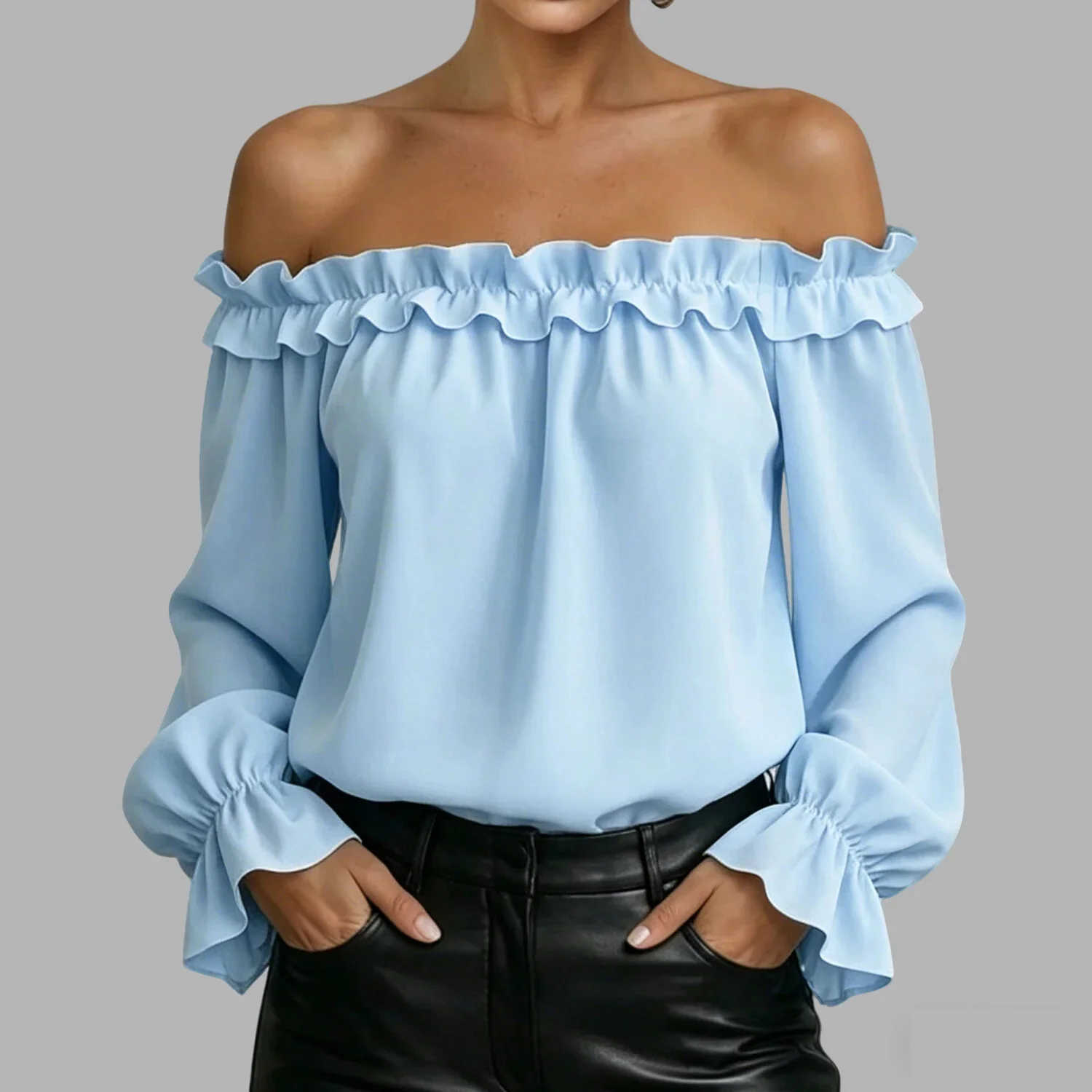
- The ruffle detail adds visual interest and texture, making a plain sweater look more styled.
- The long sleeves provide coverage and can be tucked into the sweater or left out for a layered look.
-
Con: The off-shoulder design may not be suitable for conservative office environments; check your dress code beforeShop the storyAll products from this guide