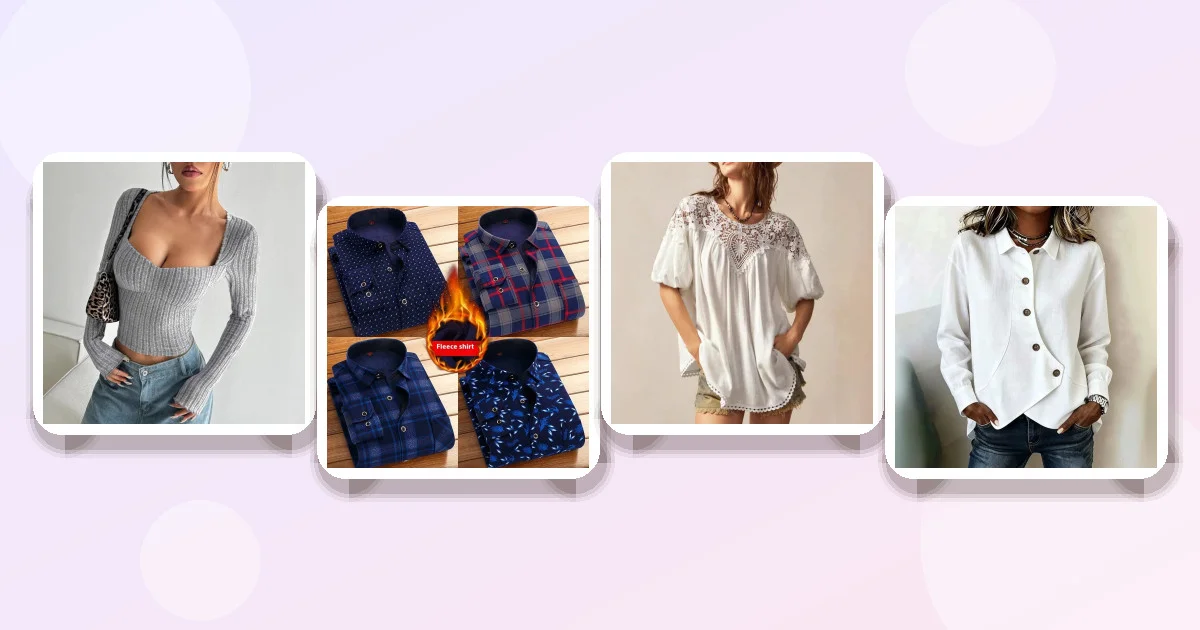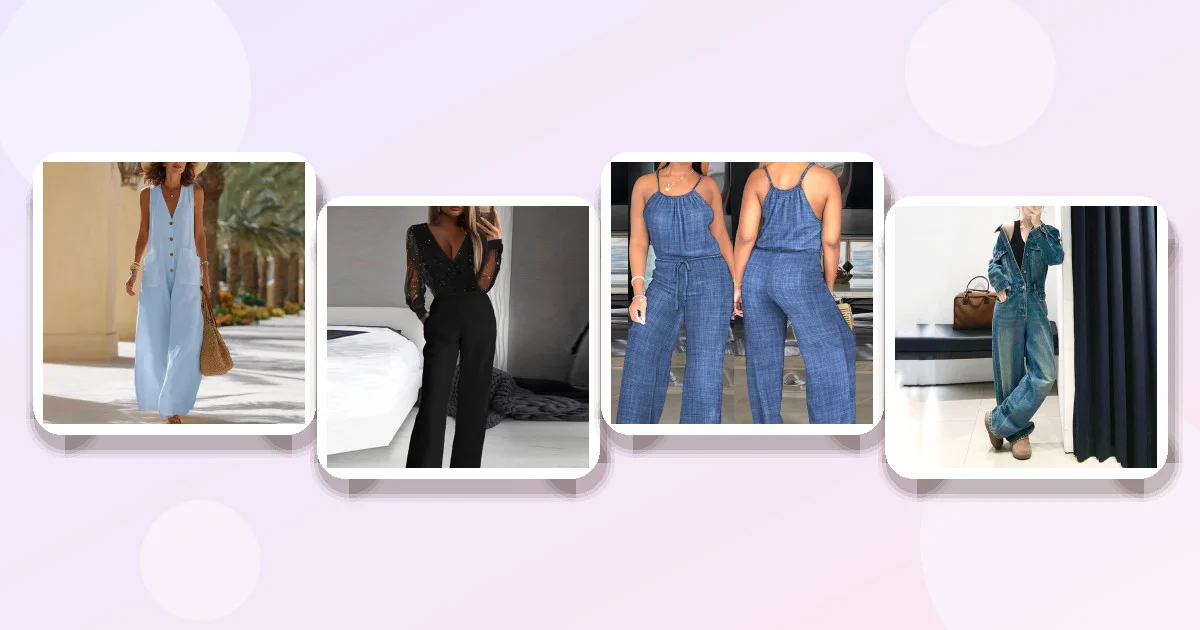
You're heading to the orchard in October and want to stay warm, look good, and move freely among the trees. Below you’ll learn how to pick each piece, why it matters, and which of our curated accessories fit the bill.
Choosing the right basics
Start with a fitted long‑sleeve tee or thin merino shirt. Look for fabrics that breathe (cotton, bamboo) and have a snug but not tight fit—around 1‑2 inches of ease at the shoulders. This layer wicks sweat, preventing chill when you stop moving.
Bottoms
Mid‑weight denim or corduroy leggings work well. Aim for a 28‑30 in waist for most women in their 20s‑40s; the fabric should have a little stretch (2‑4 % elastane) so you can squat for low branches.
Layering without overheating
Think of layers as a sandwich: base, insulation, outer shell. The base handles moisture, the middle traps heat, the shell blocks wind and light rain.
Insulation
A lightweight fleece or knit sweater (around 250‑300 g) adds warmth without bulk. If the temperature hovers near 55 °F, a single sweater is enough; below 45 °F, add a thin down vest (≈150 g).
Outer shell
Choose a jacket with a breathable membrane (e.g., polyester with windproof coating). Look for sealed seams and a length that covers the hips, which protects against orchard wind.
Fall hats that look good with a sweater
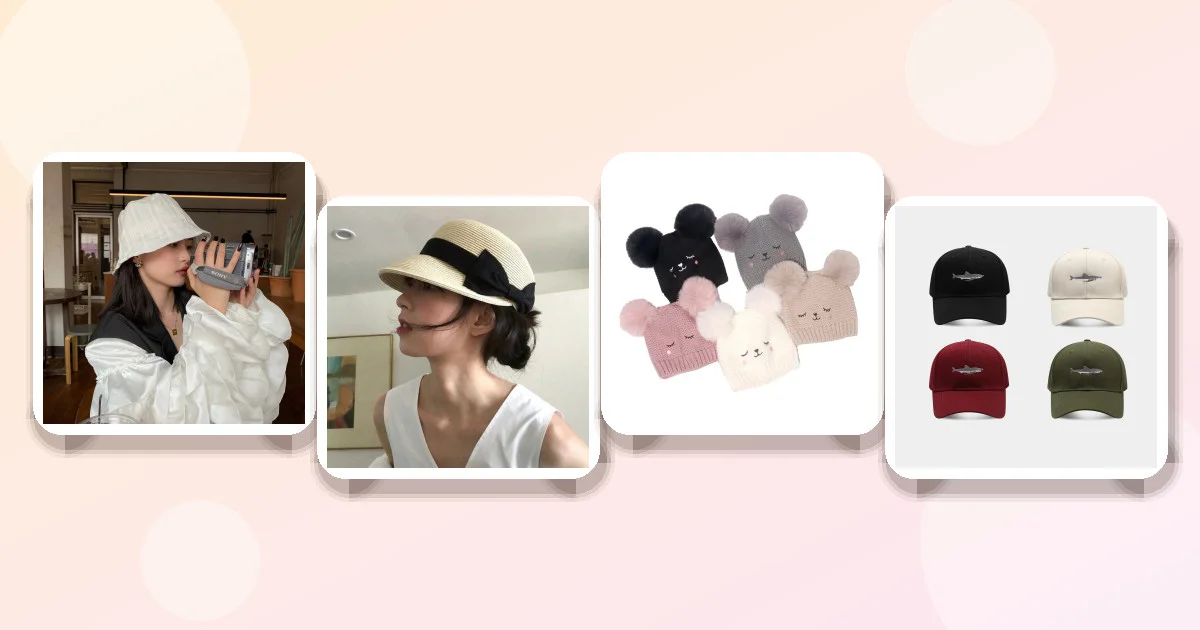
Hats add warmth and a visual anchor for photos. Below are the options we have, each with a quick fit note.
Sunshade Bucket Hat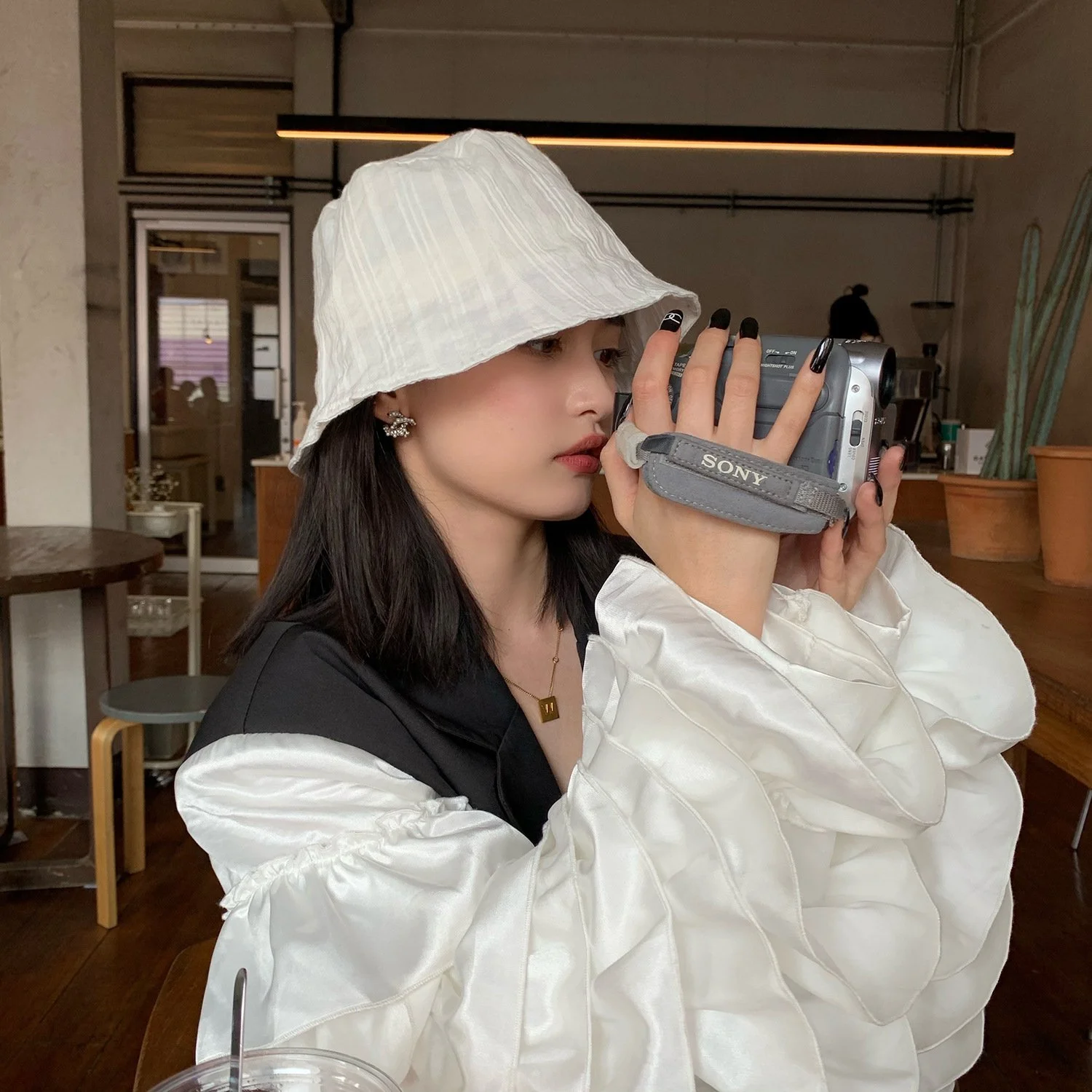
- Casual cotton feel
- Four solid color choices
- Limited to size M; check if you need a larger fit
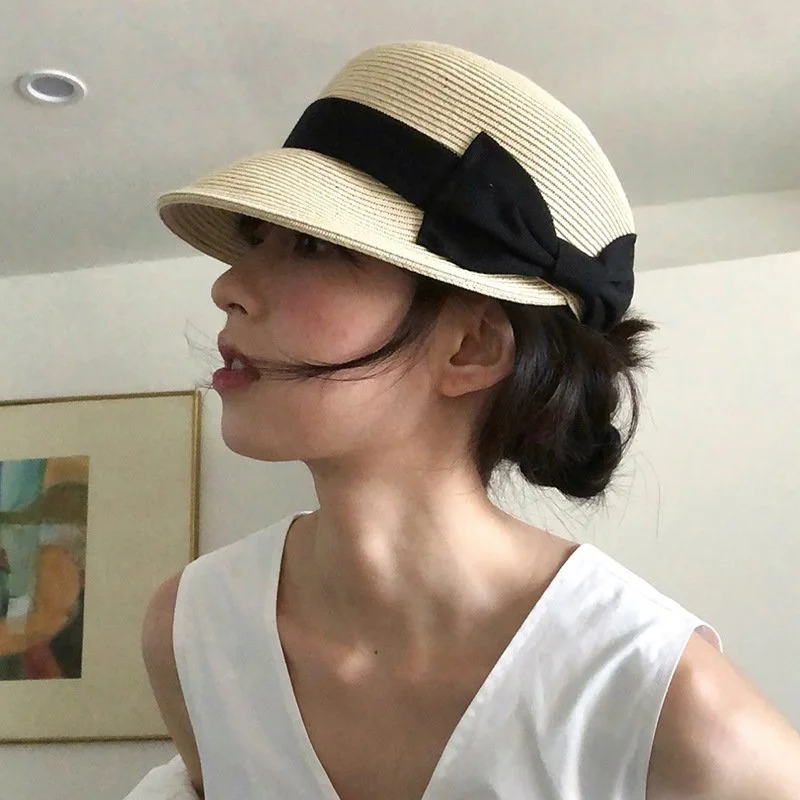
- Straw material breathes well
- Average size fits most
- Not as warm in colder temps
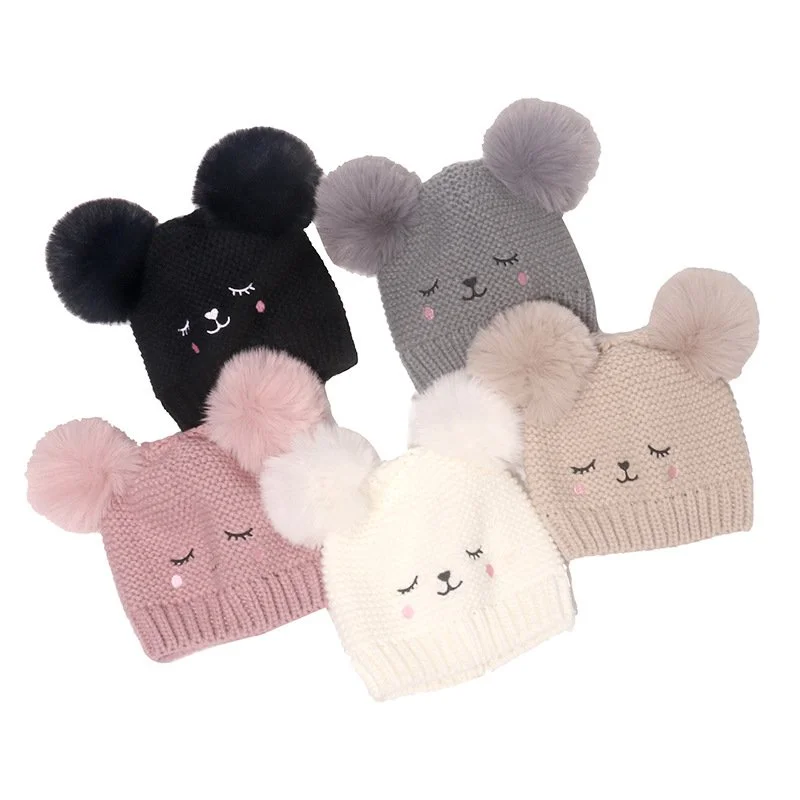
- Knitted, keeps ears warm
- Five color options
- Only one size range (52‑54 cm); may be tight for larger heads
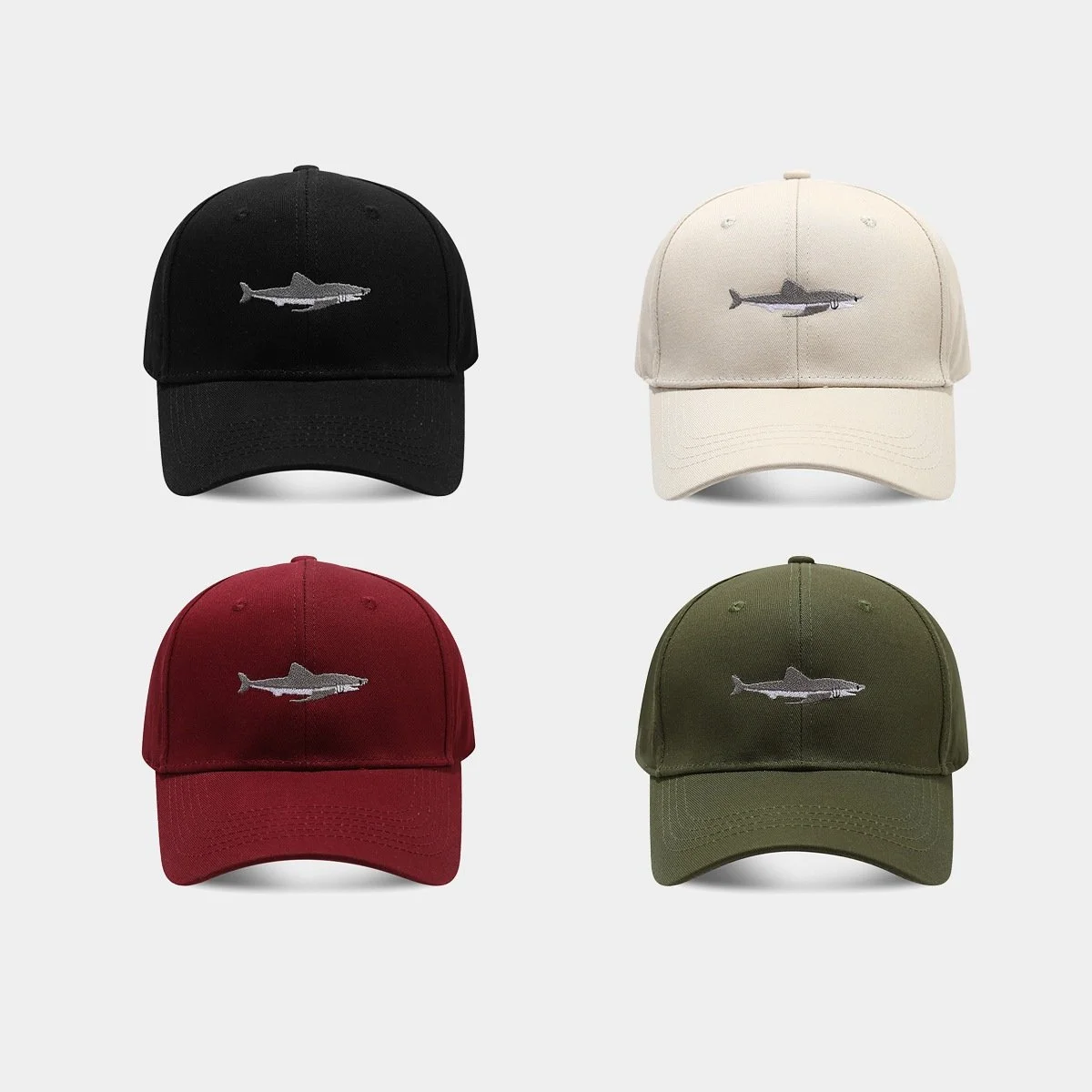
- Breathable cotton
- Adjustable strap fits most
- Not windproof

- Embroidered dome adds visual interest
- One‑size fits most (56‑58 cm)
- Limited color selection
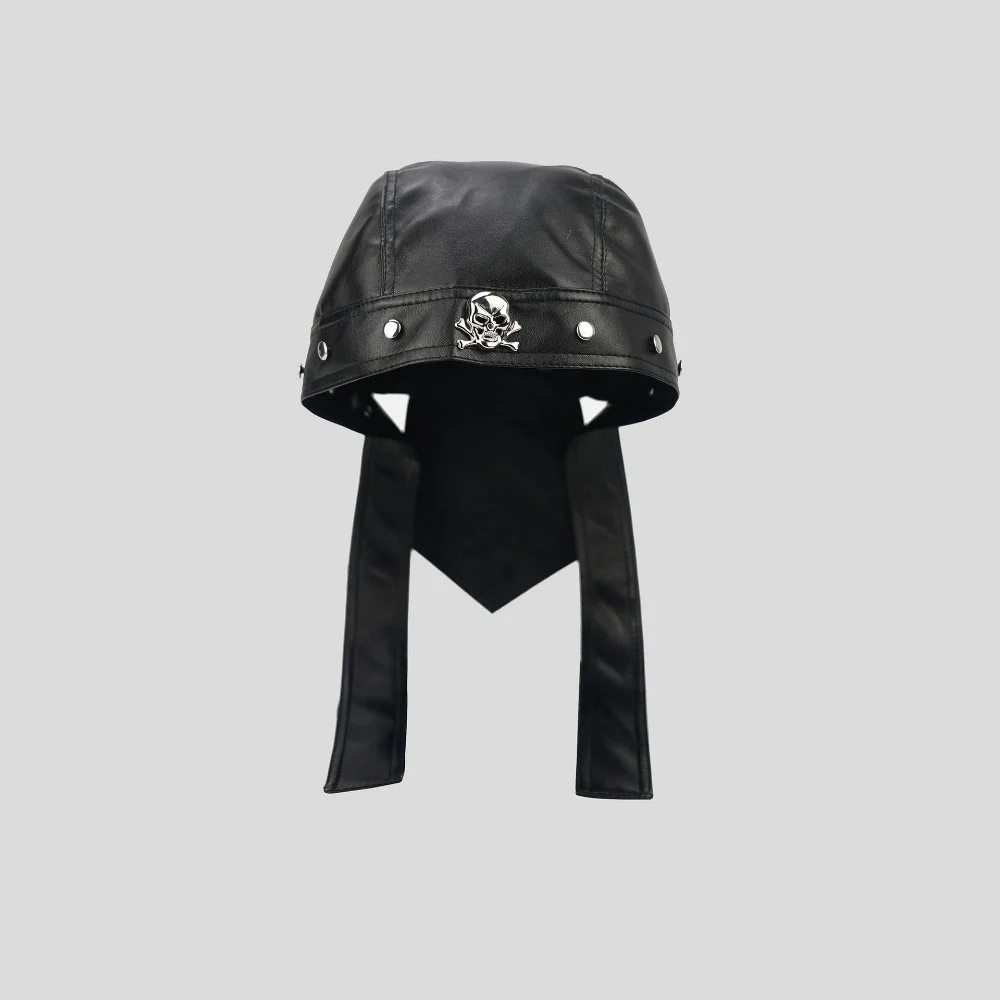
- Artificial leather looks sleek
- All‑season durability
- May feel stiff when cold
Gloves that keep your hands warm while picking apples
Look for gloves with a thin lining (fleece or brushed polyester) and a palm that offers grip. A 3‑mm thickness balances warmth and dexterity. If you plan to use a ladder, choose gloves with reinforced fingertips.
Best women's jackets for early‑fall outdoor activities
Three features matter most:
- Windproof front panel – blocks orchard breezes.
- Water‑resistant coating – light rain won’t soak you.
- Adjustable cuffs – trap heat around wrists.
Typical price range for a reliable mid‑weight jacket is $70‑$130. If you’re on a budget, a polyester shell with a detachable hood works well.
How to choose a comfortable pair of shoes for an orchard walk
Flat, waterproof sneakers or low‑cut hiking boots are ideal. Look for a rubber outsole with at least 5 mm tread depth to grip uneven ground. A breathable liner (mesh or leather) prevents sweaty feet.
Common mistakes to avoid
- Skipping the base layer—sweat stays on skin and cools you down.
- Choosing a jacket that’s too insulated for the day—you’ll overheat and sweat.
- Wearing tight gloves—reduces circulation and makes picking harder.
- Forgetting waterproof shoes—wet feet ruin the whole outing.
Care, styling, and usage tips
After the orchard, shake off debris and air‑dry all outer layers. Cotton hats can be tossed in the washing machine on a gentle cycle; be sure to reshape the beanie while damp. Store gloves flat to keep the lining from bunching.
| Product | Price | Type / Material | Color / Size Options | Best For |
|---|---|---|---|---|
| Sunshade Bucket Hat | $5.92 | Cotton | Black, White, Beige, Light Purple (M) | Sunny, light‑rain days |
| Sun Protection Cap | $8.08 | Straw | Beige, Khaki, White (average) | Sporty look, mild sun |
| Warm Winter Beanie | $8.08 | Knitted | Gray, Pink, Black, White, Khaki (52‑54 cm) | Cold mornings |
| Sunscreen Baseball Cap | $8.08 | Cotton | 6 colors, adjustable | Mixed sun/wind |
| Warm Embroidered Hat | $10.88 | Fabric with embroidery | Black, White (56‑58 cm) | Styled with sweaters |
| Skull Rivet Punk Hat | $14.80 | Artificial leather | Black | Edgy orchard look |
Frequently asked questions
❓ What should I wear for an apple picking trip in October?
Start with a moisture‑wicking tee, add a lightweight fleece sweater, then a wind‑proof jacket; finish with a beanie or bucket hat, insulated gloves, and waterproof ankle boots.
❓ How to layer clothes for a chilly orchard without overheating?
Use a thin base, a single insulating layer (fleece or down vest), and a breathable outer shell; remove the middle layer if you start to sweat.
❓ Which women's hats look good with a sweater for fall outings?
A cotton bucket hat, a knit beanie, or an embroidered dome hat complement a sweater while adding warmth or style.
❓ What gloves keep my hands warm while picking apples?
Choose gloves with a thin fleece lining and a grippy palm; 3 mm thickness offers warmth without sacrificing dexterity.
❓ Best women's jackets for early‑fall outdoor activities?
Look for windproof front panels, water‑resistant coating, and adjustable cuffs; mid‑weight polyester shells in the $70‑$130 range work well.
❓ How to choose a comfortable pair of shoes for an orchard walk?
Flat, waterproof sneakers or low‑cut hiking boots with at least 5 mm tread and breathable liners keep feet dry and stable.
❓ Should I wear socks with my boots?
Yes—thin merino wool socks add warmth and wick moisture, preventing blisters on uneven ground.
❓ Can I wear a scarf in the orchard?
A lightweight, breathable scarf can add style and extra neck warmth, but avoid bulky scarves that restrict movement.
Key takeaways
- Base layer = moisture‑wicking tee; middle = fleece or thin down vest.
- Windproof, water‑resistant jacket protects against orchard breezes.
- Choose a hat that matches temperature: beanie for cold, bucket hat for sun.
- Gloves need thin lining and good grip; avoid overly thick gloves.
- Flat waterproof shoes with good tread prevent slips and keep feet dry.
- Check sizing on hats and gloves before buying; most are one‑size.
How we chose these products: We matched each item’s material, price, and size options to the specific needs of early‑fall apple picking—warmth, wind protection, and Instagram‑ready style.