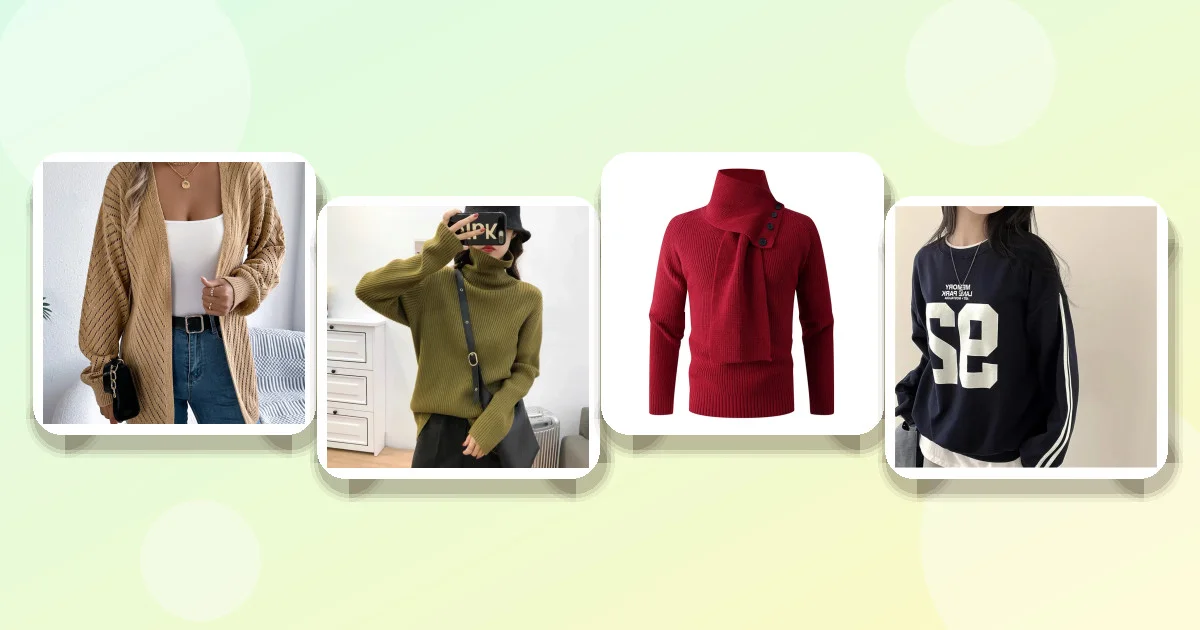
You're hitting the trail on crisp October weekends and need a sweater that traps heat, moves moisture, and still looks good under a jacket. This guide walks you through material choices, fit considerations, and styling tricks, then matches each need to a specific product.
How to choose the right sweater
1. Material matters more than brand
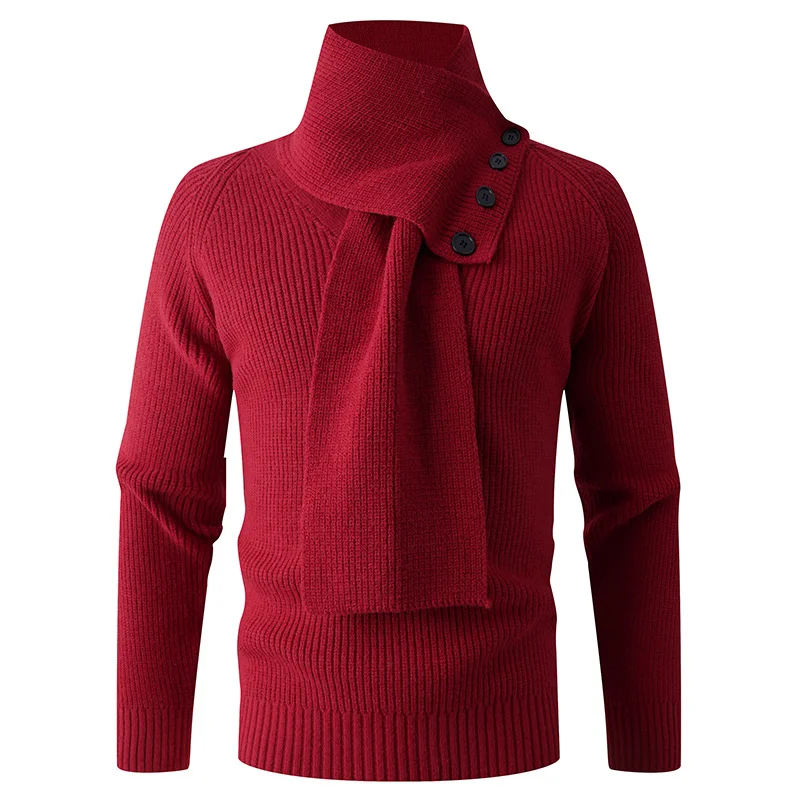
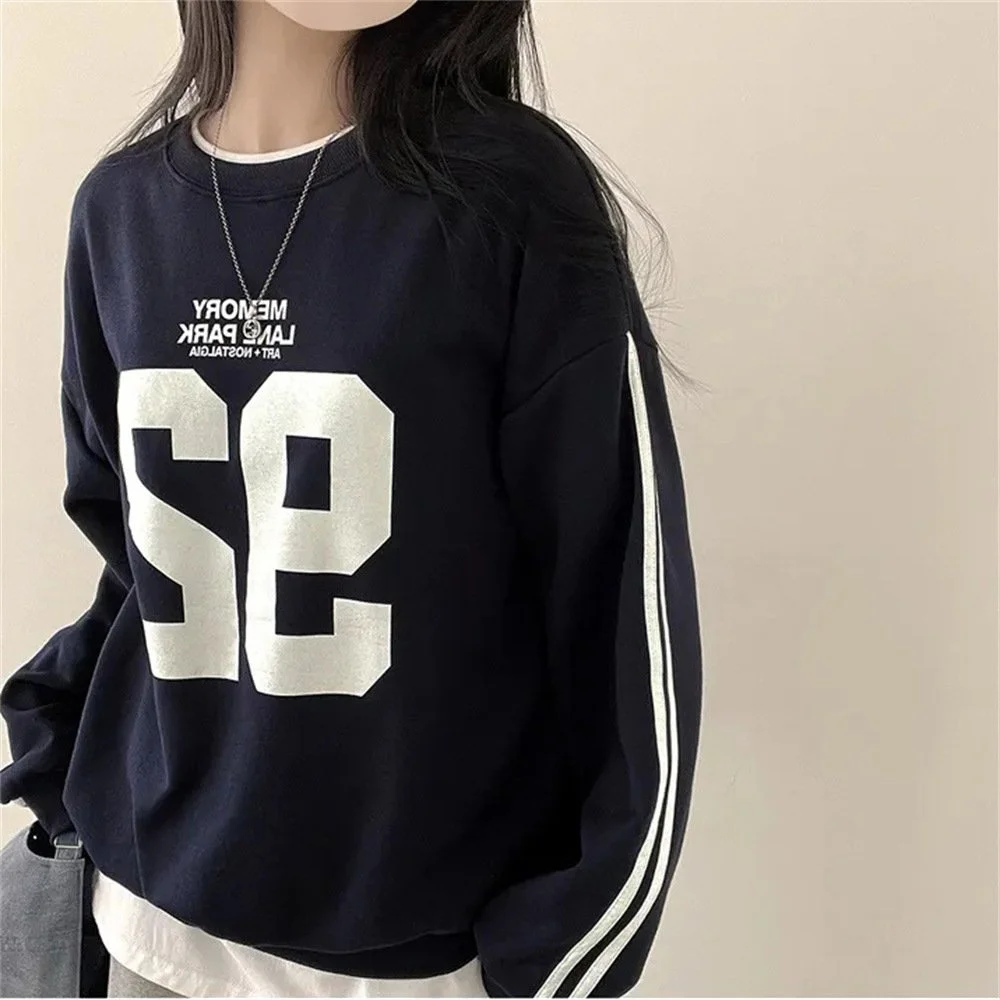
For fall hikes you want a fabric that retains heat but also wicks sweat. Polyester blends (as in the Thick High‑neck Sweater) excel at heat retention and dry quickly. Cotton (the Korean Style Loose Cotton Sweater) feels soft but holds moisture, so reserve it for low‑intensity walks or as a stylish top under a wind‑proof shell.
2. Weight and thickness
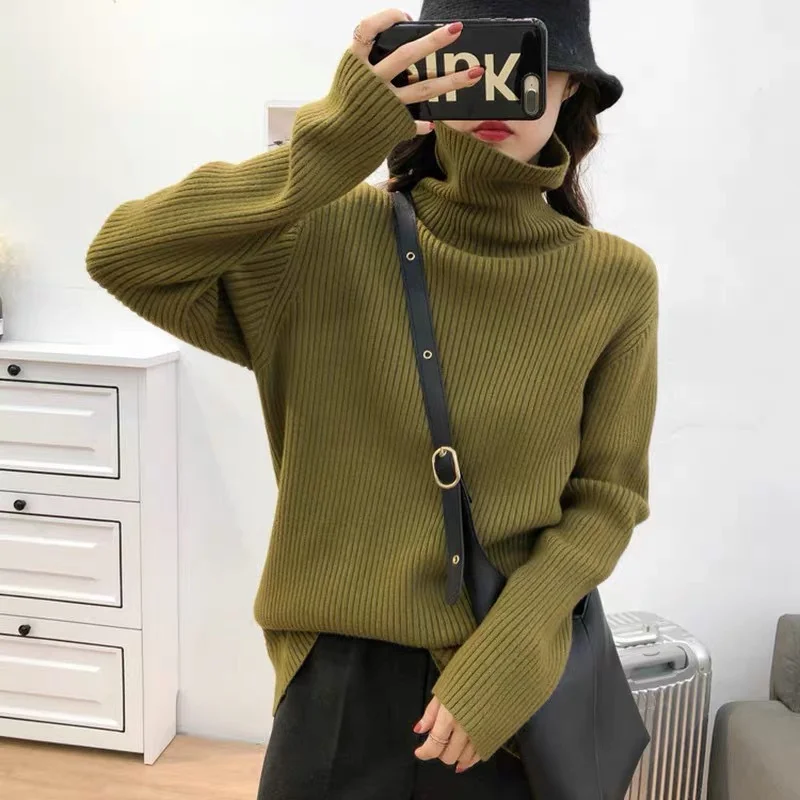
Mid‑weight knits around 300–500 g per square meter provide enough insulation for 45‑55 °F (7‑13 °C) without adding bulk. The Thickening Idle Turtleneck Is labeled “keep warm and emit heat,” indicating a heavier yarn suitable for those temps. If you expect wind or sudden chill, layer a lighter cardigan (Hollow‑out Cardigan) underneath.
3. Fit and layering profile
Pick a sweater that sits close to the body but allows a thin base layer underneath. A slim‑fit fleece V‑neck (Slim‑Fit V‑Neck Fleece) works as a first layer; the high‑neck sweater can be the second layer, and a waterproof jacket completes the system. Avoid oversized pulls that trap air pockets and cause overheating.
4. Length and coverage
Regular length (50–65 cm) keeps your core covered when you bend. The high‑neck sweater’s 50‑65 cm length is ideal; a longer cardigan can slip out of a jacket’s hem, exposing your lower back.
5. Color and visibility
Earth tones (olive, mustard, gray) blend with foliage, while brighter shades (wine red, sapphire blue) improve trail visibility. Choose a color that matches your jacket and also stands out in low light.
Product comparison
| Product | Price | Material | Fit/Length | Best for |
|---|---|---|---|---|
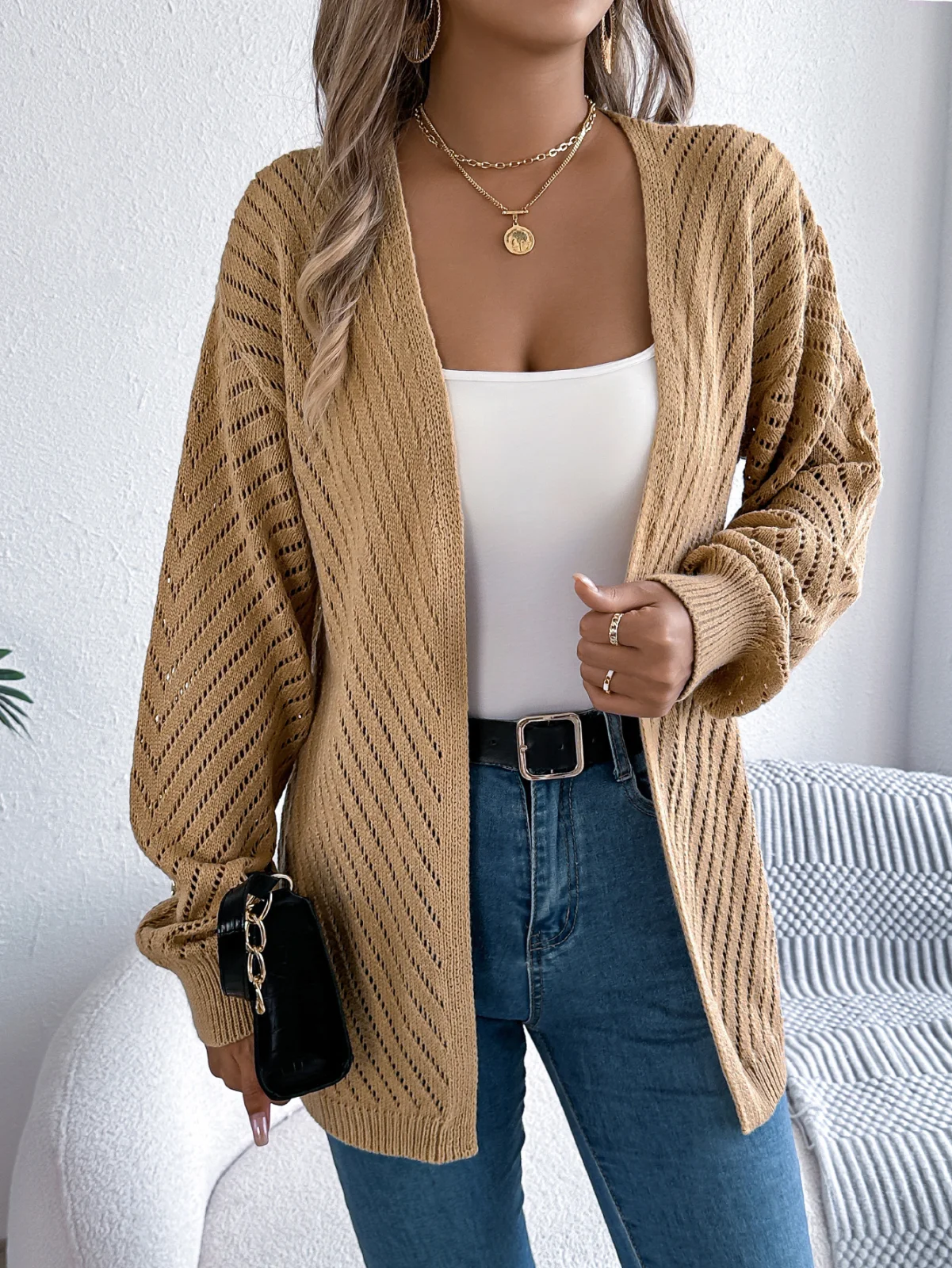
| Hollow‑out Cardigan | $31.96 | Not specified (likely lightweight knit) | Long sleeve, regular length | Light layering under a shell |
| Thickening Idle Turtleneck | $17.84 | Heat‑emitting blend | Solid turtleneck, regular length | Extra warmth for 45‑55 °F |
| Thick High‑neck Sweater | $42.84 | Polyester | Regular length (50‑65 cm) | Mid‑weight core layer |
| Korean Style Loose Cotton | $20.08 | Cotton | Loose, regular length | Casual trail walks, style focus |
| Slim‑Fit V‑Neck Fleece | $20.16 | Fleece | Slim fit, regular length | Base layer under heavier knits |
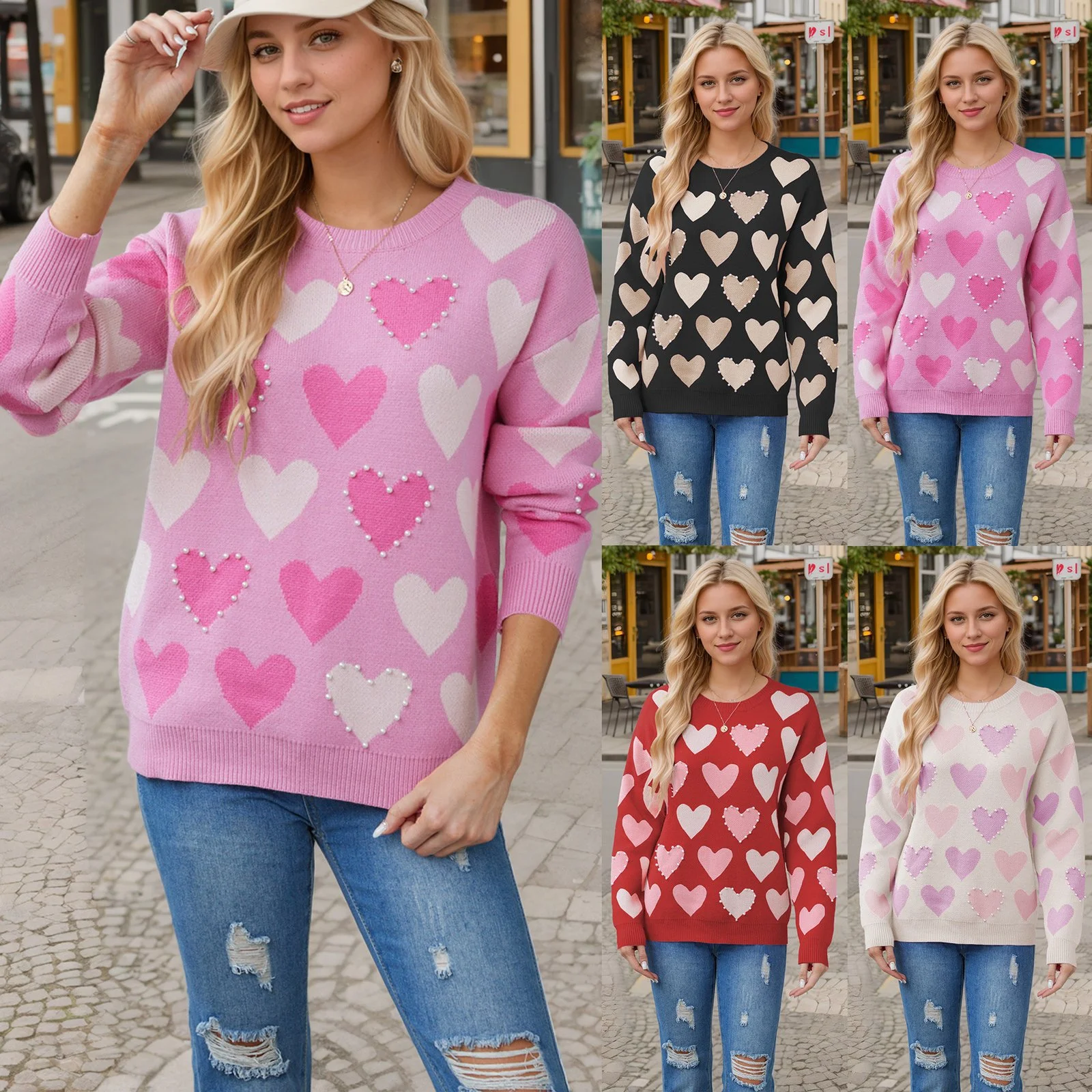
| Beaded Heart Peach Sweater | $39.72 | Viscose fiber | Normal (≈50 cm) | Stylish off‑trail evenings |
Common mistakes to avoid
- Relying on cotton for high‑intensity hikes. Cotton absorbs sweat, making you cold once you stop moving.
- Choosing a sweater that’s too loose. Excess air can be blown away, leaving you colder than a tighter knit would.
- Skipping a base layer. Even a thin fleece (like the V‑neck) adds a moisture‑wicking barrier that prevents the outer sweater from getting damp.
- Ignoring Asian sizing. All listed sweaters run 1–2 sizes smaller than US/EU. If you sit between sizes, order the larger.
Care, styling, and usage tips
Washing and maintenance
Polyester and fleece pieces (high‑neck sweater, V‑neck fleece) can be machine‑washed on a gentle cycle, low heat. Cotton and viscose items should be washed cold and air‑dried to prevent shrinkage.
Layering order
1. Base: Slim‑fit fleece V‑neck for moisture wicking.
2. Mid: Thick high‑neck sweater or turtleneck for insulation.
3. Outer: Waterproof shell or insulated jacket.
Styling on the trail
Pair the Hollow‑out Cardigan In khaki with olive cargo pants for a muted look, or choose the mustard turtleneck for a pop of color against a gray jacket. For a weekend dinner after the hike, swap the cardigan for the beaded heart sweater to add a feminine touch.

Frequently asked questions
❓ What type of sweater is best for layering on a fall hike?
A mid‑weight, breathable knit that fits close to the body without restricting movement works best. Look for polyester blends or lightweight fleece that can trap heat while moving moisture away.
❓ How thick should a hiking sweater be for October temperatures?
Aim for a weight around 300‑500 g/m², which is enough for 45‑55 °F (7‑13 °C). The Thickening Idle Turtleneck falls in this range, offering extra warmth without bulk.
❓ Can I wear a cotton sweater while hiking in the fall?
You can for low‑intensity walks, but cotton holds sweat and can chill you when you stop. For active hikes, choose a synthetic or fleece alternative.
❓ Which women’s sweater fabrics keep me warm but don’t make me sweat?
Polyester knits and fleece provide insulation and moisture‑wicking properties, keeping you warm without excess perspiration.
❓ How to style a sweater with a hiking jacket for a fall trail look?
Wear a slim‑fit base layer, add a mid‑weight high‑neck or turtleneck, then zip a waterproof jacket over the top. Coordinate colors—neutral sweater with a bright jacket or vice versa—for visual balance.
❓ What colors and fits work best for women’s hiking sweaters in autumn?
Earth tones (olive, gray, mustard) blend with foliage, while brighter hues improve visibility. Choose a regular length, close‑to‑body fit for efficient layering.
❓ Do I need a sweater with pockets for trail use?
Pockets are handy for small items, but they add bulk. If you need storage, pick a cardigan with zip pockets rather than a tight turtleneck.
❓ How many layers should I wear on a windy October day?
Three layers work well: a moisture‑wicking base, an insulating mid‑layer, and a wind‑proof outer shell.
Key takeaways
- Pick a mid‑weight polyester or fleece sweater for the best warmth‑to‑breathability ratio.
- Check Asian sizing; order one size up if you’re between sizes.
- Layer a slim‑fit fleece under a high‑neck or turtleneck for flexible temperature control.
- Use earth tones for camouflage and brighter shades for safety.
- Avoid cotton as a primary layer on high‑intensity hikes.
- Maintain sweaters by gentle washing and air drying to preserve fit.
How we chose these products: We matched each sweater’s material, price, and length to the specific layering and styling needs outlined above; prices and availability can change.
===HTML===