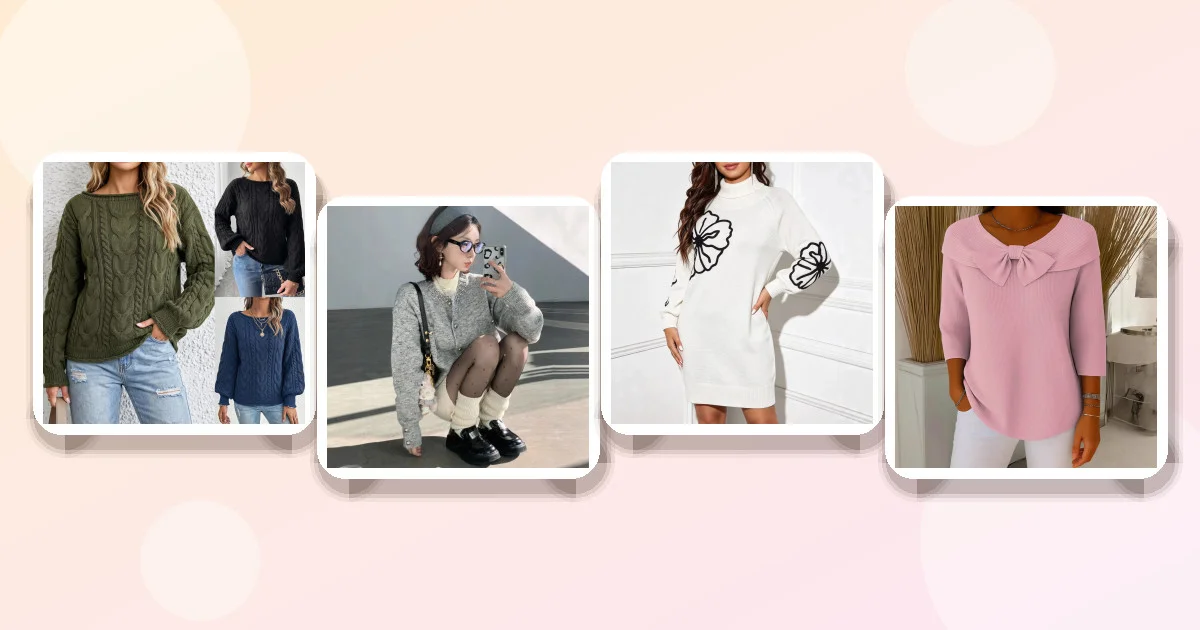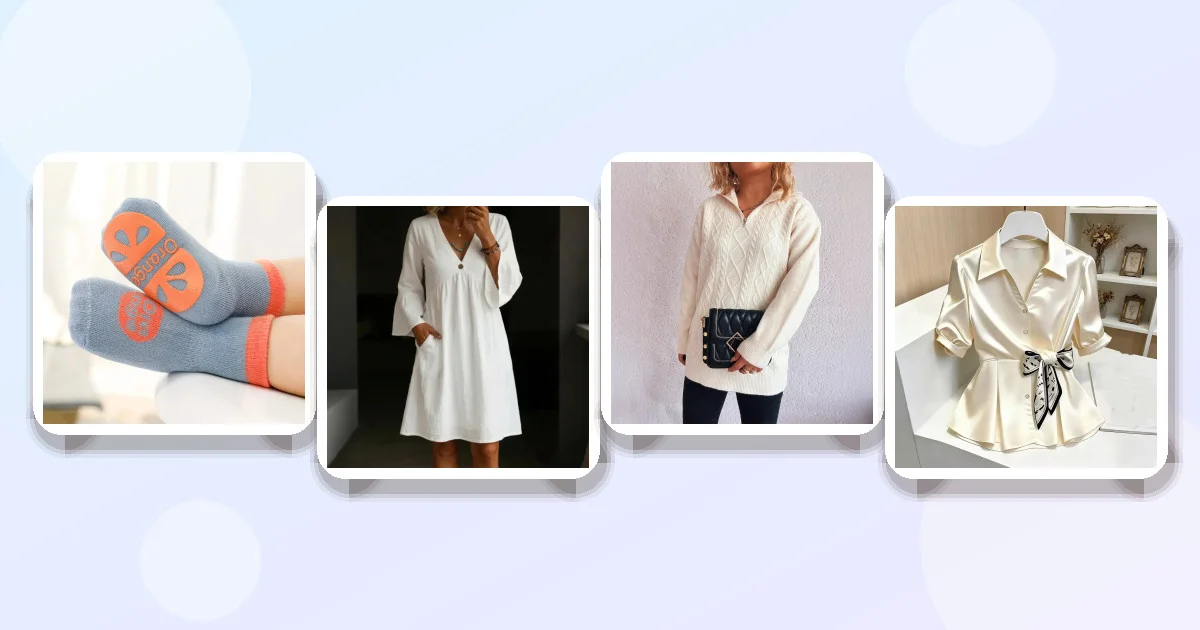
You know the feeling: you step off the train shivering, only to arrive at your desk feeling like you’re wearing a sauna suit. The transition from a crisp, windy morning to a climate-controlled office is one of the biggest challenges in fall fashion. You need a coat that keeps the cold out during your commute but doesn’t trap so much heat that you’re sweating by 9:30 AM. This guide cuts through the noise to help you identify the specific features, materials, and lengths that make a coat functional for daily urban wear. We will look at how to balance warmth with style, how to layer effectively without looking bulky, and which specific product attributes matter most when you are buying for practical, everyday use.
Choosing the Right Material for Cold Weather
The single most important factor in choosing a coat for a cold commute is the fabric. Not all "warm" materials behave the same way in transit. You need a balance of insulation and breathability. If the coat is too insulated, you will overheat quickly once you enter a building. If it is too thin, the wind will cut right through it on the street. Here is how to evaluate the common materials you will encounter.
Wool and Wool Blends
Wool is the traditional standard for fall outerwear. It offers natural insulation without the bulk of synthetic fills. A pure wool coat is breathable, meaning it allows moisture from your body to escape, which prevents that clammy feeling. However, pure wool can be heavy and expensive. For a daily commuter, a wool blend (wool mixed with acrylic or polyester) often provides a better price-to-performance ratio. These blends retain the warmth of wool but are more durable and easier to care for. Look for a fabric weight between 300g and 400g per square meter for true cold-weather protection without excessive weight.
Structured Polyesters and Nylon
Many modern coats use high-quality polyesters that mimic the drape of wool. These fabrics are excellent for their weight-to-warmth ratio. A structured polyester coat often has a smoother surface that repels light rain and drizzle better than wool. This is a significant advantage if you commute in an area with unpredictable fall weather. The downside of polyester is that it is less breathable than natural fibers. If you tend to run hot, look for a coat with a lighter lining or a breathable membrane. Avoid cheap, thin polyesters that crack or pill easily, as these will look worn out after one season of daily use.
Knitted and Fleece-Lined Options
Knitted coats, often made from acrylic or polyester blends, offer a different type of warmth. They are softer and more flexible than woven coats. This makes them ideal for people who sit in cars or trains for long periods, as they do not restrict movement. However, knitted coats generally provide less wind resistance than woven wool or structured polyester. If your commute involves walking a long distance in the wind, a knitted coat may not be enough on its own. It works best as a mid-weight layer or if you are not in a windy environment. Check the label for "fleece-lined" or "brushed interior" to ensure there is a layer of insulation inside the knit.
Determining the Ideal Length and Fit
Length is a functional decision, not just an aesthetic one. The right length protects the parts of your body that are most exposed to the cold and wind. For a fall commute, you generally have three length options: hip-length, mid-thigh, and knee-length. Each serves a different purpose.
Hip-Length Coats
Coats that hit at the hip are the most versatile for mobility. They allow you to sit comfortably in a car or on a train without the fabric bunching up. They are also easier to store in a closet or coat closet. However, they offer the least protection. Your lower back and legs are exposed to the wind. This length is best if your commute is short (under 10 minutes) or if you are driving. If you are walking in the wind, you will feel the chill on your legs.
Mid-Thigh Length
This is the sweet spot for many urban commuters. A mid-thigh coat covers your hips and upper thighs, providing core protection while still allowing you to walk, sit, and move easily. It is long enough to block wind from the side but short enough that you won’t trip over it on stairs or subway grates. This length works well with most pants and skirts. It is a safe choice if you want a balance of warmth and practicality.
Knee-Length and Below
Long coats offer the maximum protection. They shield your entire lower body from the wind. This is ideal if you live in a very windy city or if you walk a long distance. However, long coats can be cumbersome. They can get caught on car doors, bike chains, or subway handrails. They also tend to bunch up when you sit. If you choose a long coat, make sure the front opening is wide enough to zip or button easily without pulling. Also, check if the coat has side vents; these allow the fabric to move with your stride.
Fit and Sizing Considerations
Fit is critical for warmth. A coat that is too tight will compress the air pockets inside the fabric, reducing its insulating ability. A coat that is too loose will let cold air in and hot air out. Aim for a "relaxed fit." You should be able to slip a medium-weight sweater underneath without the coat feeling tight across the shoulders or chest. The sleeves should end at your wrist bone. If the sleeves are too long, they will slide up when you bend your arms, exposing your wrists to the cold. If they are too short, you will pull them down constantly. Always check the specific size chart for the brand you are buying from, as sizing varies significantly between manufacturers.
Mastering Layering for the Commute
The secret to a comfortable commute is not just the coat, but what you wear underneath. Layering allows you to adjust your temperature as you move from outdoors to indoors. The goal is to create a system where you can remove layers easily without getting sweaty.
The Base Layer
Your base layer should be thin and moisture-wicking. Avoid cotton for direct skin contact in cold weather, as it holds moisture against your skin and feels cold when you sweat. Instead, look for thin merino wool or synthetic blends. These materials wick sweat away from your body and dry quickly. A simple, thin turtleneck or crewneck is ideal. It adds a layer of warmth without adding bulk. If you are wearing a collared shirt for work, a thin turtleneck underneath looks professional and adds warmth.
The Mid Layer
The mid layer is where you adjust your warmth. This is where a sweater or light jacket comes in. For a fall commute, a medium-weight knit sweater is usually sufficient. It should be thick enough to keep you warm on the street but light enough to remove when you get to the office. Look for sweaters with a smooth texture that slide easily under a coat. Avoid bulky, chunky knits that create air pockets and make it difficult to button or zip your coat. A zip-up sweater is particularly useful because you can open it to vent heat if you start to feel warm.
The Outer Layer
Your coat is the final barrier. It should be the only layer you truly rely on for wind and rain protection. When you are outside, wear all your layers. When you arrive at your destination, you can remove the coat and potentially the mid-layer if the office is very warm. The key is to choose layers that are easy to remove and store. A coat with a wide armhole makes it easier to take off without pulling your sweater up. A sweater with a smooth neckline makes it easier to take off without getting tangled.
Style and Color Coordination
Functionality doesn’t mean sacrificing style. A well-chosen coat can improve your entire outfit. However, for daily wear, you want versatility. You want a coat that goes with the clothes you already own. Here is how to choose colors and styles that work for a professional and casual setting.
Neutral Colors for Versatility
Neutral colors are the backbone of a functional wardrobe. Black, gray, navy, and beige are the most versatile options. They pair with almost any color of pants, skirt, or dress. Black is the most formal and hides stains well. Gray is a sophisticated option that pairs well with both light and dark colors. Navy is a classic that works in both professional and casual settings. Beige or camel is a warm neutral that brightens up a fall outfit. If you are buying your first winter coat, a neutral color is the safest bet. It will last longer in your wardrobe because it doesn’t clash with trends.
Statement Colors and Patterns
If you prefer a pop of color, consider a statement coat. Burgundy, forest green, or mustard yellow can add personality to your outfit. These colors work well if you keep the rest of your outfit neutral. For example, a burgundy coat looks great with black pants and a white shirt. Patterns like plaid or houndstooth can add visual interest. However, patterns can be harder to match. Stick to small-scale patterns if you want versatility. Large, bold patterns can be difficult to pair with professional clothing. A solid color is generally easier to style for work.
Silhouette and Structure
The shape of your coat affects how it looks and feels. A structured coat with defined shoulders and a tailored waist creates a polished, professional look. It holds its shape well and looks crisp. A relaxed, oversized coat looks more casual and comfortable. It is easier to move in and can be layered more heavily. For an office environment, a structured coat is often more appropriate. It looks put-together and professional. For a more casual office or if you are commuting by bike, a relaxed coat might be more comfortable. Consider your work environment when choosing the silhouette.
Product Comparison and Recommendations
Below is a comparison of the available products based on their specifications. We have selected items that fit different aspects of the fall commute, from outerwear to layering pieces and accessories. Note that prices and availability can change, so always check the current listing before purchasing.
| Product Name | Price | Material | Key Features | Best For |
|---|---|---|---|---|
| Loose Casual Laid-back Style Lapel Sweater Coat | $20.56 | Polyester | Free size, lapel design, available in 5 colors | Light fall days or as a mid-layer under a heavier coat |
| Solid Color Casual Zipper Knitted Sweater for Women | $35.84 | Polyester | S/M/L sizes, zip-up front, long sleeve | Adjustable warmth layer for the commute |
| Loose-fit Casual Vintage Dress for Women | $21.88 | Polyester | S-3XL sizes, loose fit, 6 colors | Wearing a dress to the office under a coat |
| High-Fashion Waist-Cinching Shirt for Women | $16.72 | Polyester | L-5XL sizes, slim fit, bow tie detail | Base layer or standalone top for a polished look |
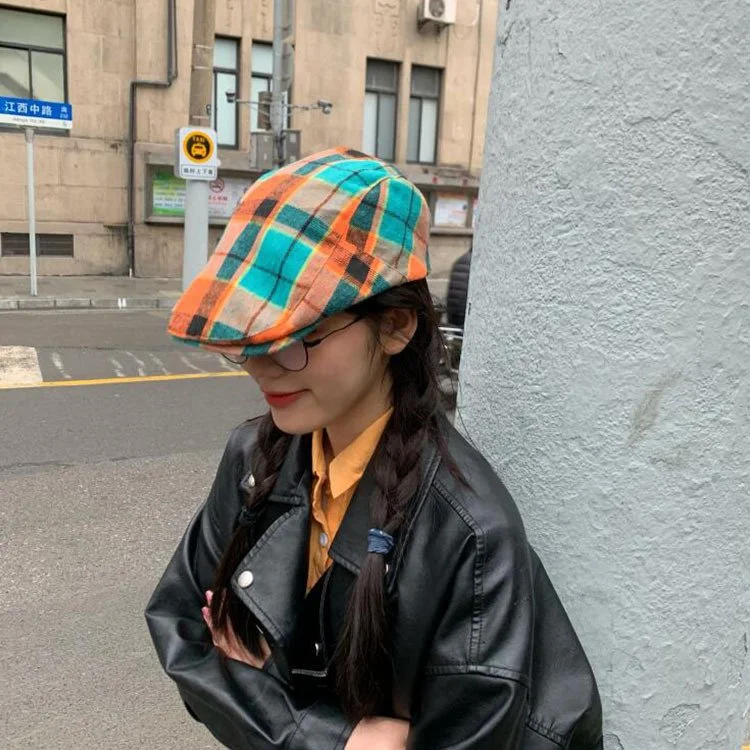
| Versatile Plaid Beret for Women | $9.44 | Cotton | One size (M), 3 colors | Adding warmth and style to your head |
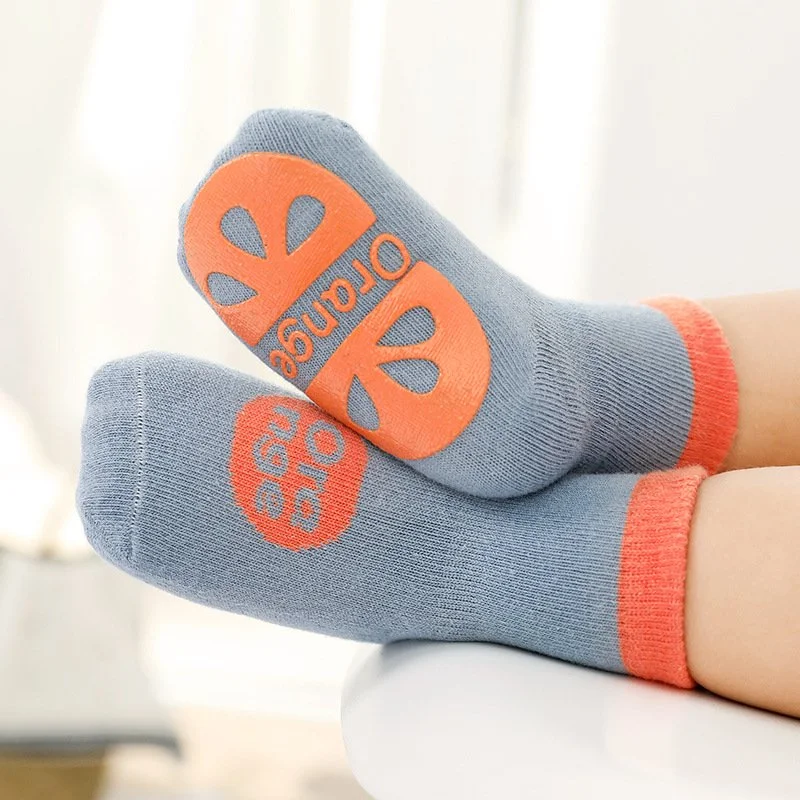
| Kids' Fun Socks | $2.88 | Cotton | Sizes 0-5 years, various colors | Not suitable for adult women's commute wear |
Here is a closer look at how each relevant product fits into your fall commute strategy.
The Outer Layer: Loose Casual Laid-back Style Lapel Sweater Coat
This coat is a lightweight, knitted option made from polyester. It features a lapel design that adds a touch of classic style. Because it is a "free size," it is designed to be loose and accommodating. This makes it a good option for people who want a relaxed fit or who plan to layer heavily underneath. The polyester material is durable and easy to care for, though it is less breathable than wool. It is best used as a mid-weight layer or in mild fall weather. For very cold days, you might need a heavier coat over it or on its own if you run warm.
Loose Casual Laid-back Style Lapel Sweater Coat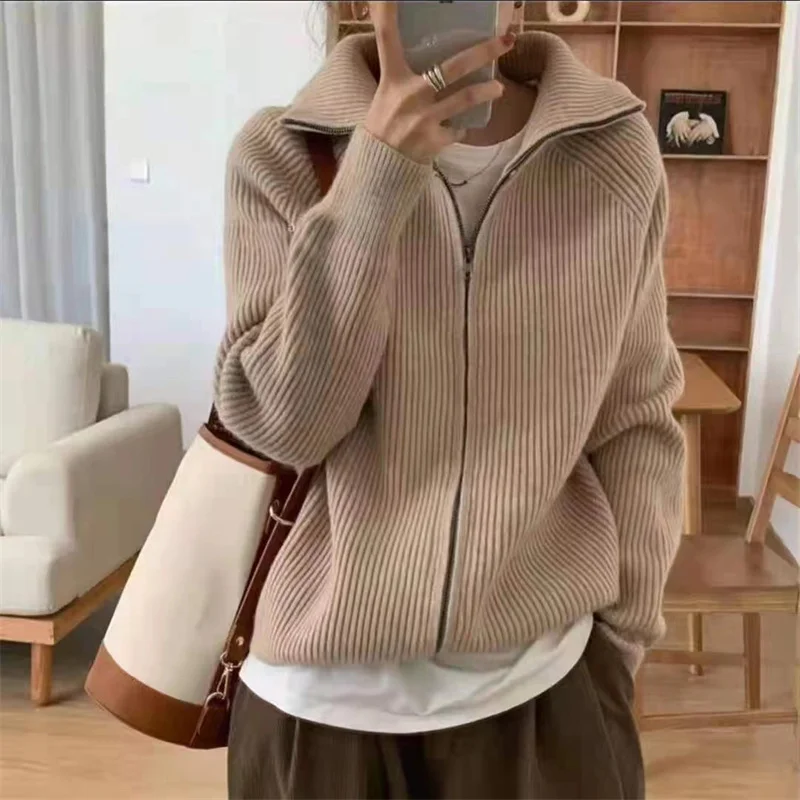
- Pro: The free-size design offers a forgiving fit that accommodates various body types and layering needs without the hassle of finding the exact size.
- Pro: The lapel design adds a structured, stylish element that works well for both casual and semi-professional settings.
- Con/Limitation: Being made of polyester, it may not be as breathable as natural fibers, so it might feel warm if worn in a heated office without removing it.
The Mid Layer: Solid Color Casual Zipper Knitted Sweater for Women
This sweater is a practical mid-layer option. It is made from polyester and comes in standard S, M, and L sizes. The key feature is the zip-up front. This allows you to open the sweater to let in cool air if you start to feel warm, or close it up for extra insulation. The long sleeves provide coverage for your arms. The solid color options (white, pink, black, blue) make it easy to match with other clothes. It is a versatile piece that can be worn with jeans, trousers, or skirts. Check the size chart carefully, as Asian sizing runs smaller.
Solid Color Casual Zipper Knitted Sweater for Women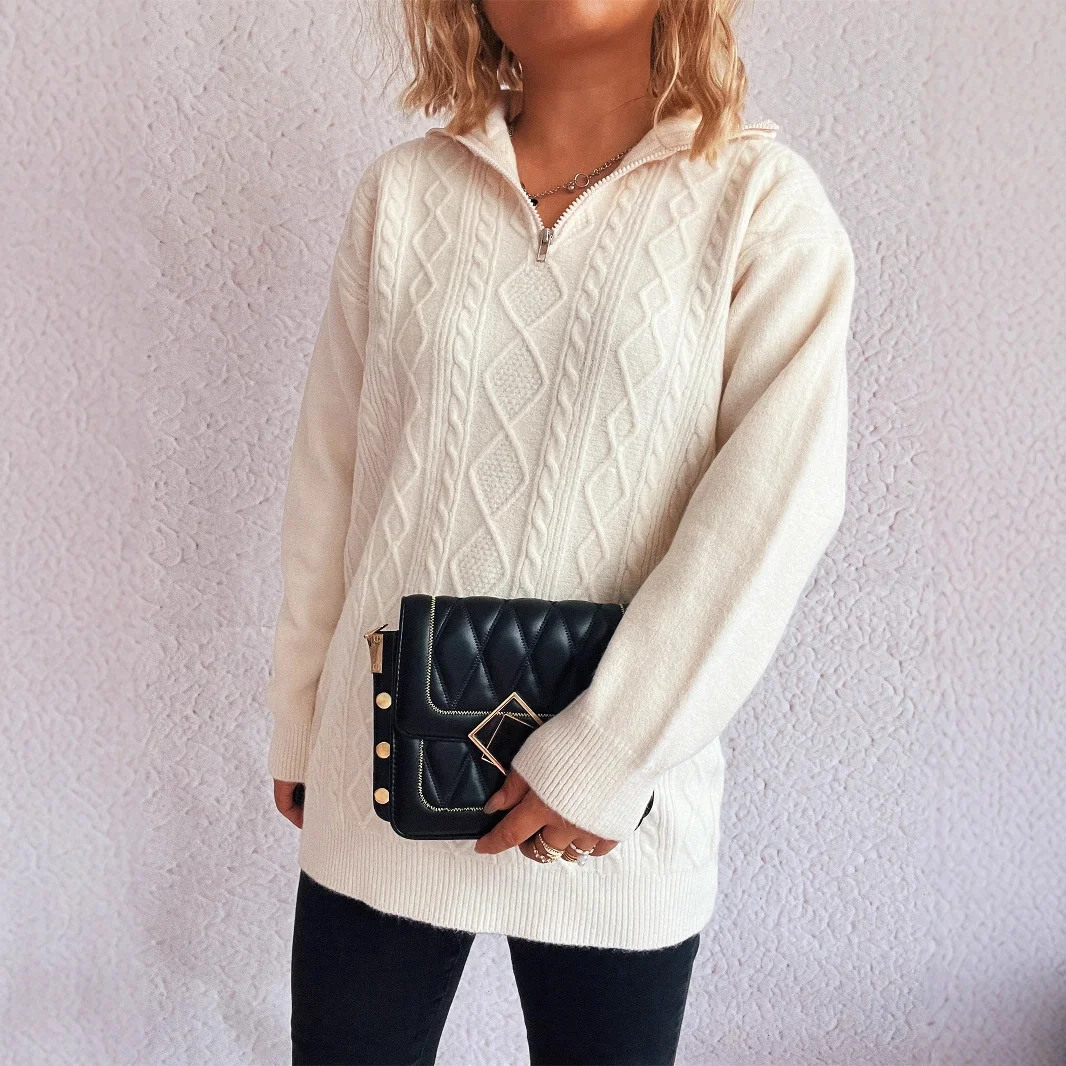
- Pro: The zip-up design offers versatility, allowing you to adjust your warmth level quickly without removing the entire garment.
- Pro: Available in multiple solid colors, making it easy to coordinate with various outfits and coat colors.
- Con/Limitation: The sizing runs 1-2 sizes smaller than US/EU standards, so you must check the specific measurements to ensure it fits over a base layer.
The Base/Outfit: Loose-fit Casual Vintage Dress for Women
Many women prefer to wear dresses to the office. This loose-fit vintage-style dress is a good option for that. It is made from polyester and comes in a wide range of sizes (S to 3XL). The loose fit means it won’t cling to your body, which is comfortable for sitting in a commute. The material is lightweight, so it works well as a base layer under a coat. The color options include white, pink, black, light blue, burgundy, and yellow. This dress is easy to style with boots or shoes and can be tucked or left loose depending on the coat you are wearing.
Loose-fit Casual Vintage Dress for Women
- Pro: The loose fit provides comfort during travel and allows for easy layering with sweaters or cardigans underneath a coat.
- Pro: The wide range of sizes (S-3XL) ensures a better fit for various body types compared to standard sizing.
- Con/Limitation: The polyester material may not breathe as well as natural fibers, so it might feel warm if worn in a very heated office.
The Base Layer: High-Fashion Waist-Cinching Shirt for Women
This shirt is a more structured base layer. It features a slim-fit design and a bow tie detail, giving it a polished look. It is made from polyester and comes in larger sizes (L to 5XL). This is a good option if you want a crisp, professional look under your coat. The short sleeves mean you will need a long-sleeve layer underneath or over it for cold weather. It is best worn as a top with trousers or a skirt. The waist-cinching design creates a defined silhouette, which can look sharp under a structured coat.
High-Fashion Waist-Cinching Shirt for Women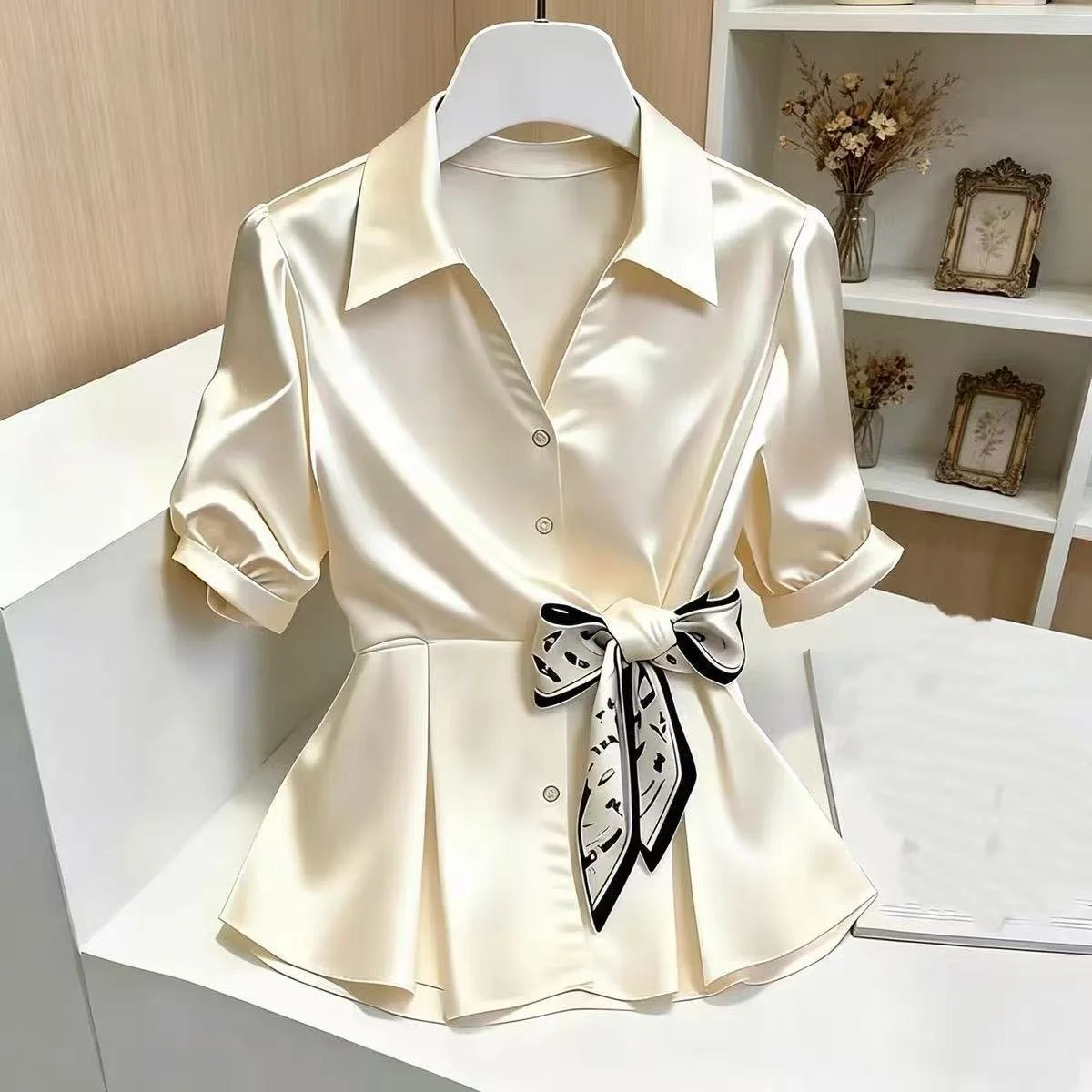
- Pro: The slim-fit and waist-cinching design create a flattering silhouette that looks professional and put-together under a coat.
- Shop the storyAll products from this guide