You're planning weekend hikes when the leaves turn and the air gets crisp. You need a sweater that traps heat, moves sweat away, and still looks good at the trailhead. Below you’ll learn how to read size charts, compare wool and fleece, and avoid common pitfalls, then see six curated options that meet those needs.
How to choose the right sweater
Material matters
Two fabrics dominate the trail market: merino wool and synthetic fleece. Wool fibers naturally regulate temperature—warm when it’s cold, cool when you start to sweat. They also resist odor, which is handy on multi‑day outings. Fleece is lighter, dries faster, and tends to be cheaper, but it can feel “clammy” once you sweat heavily.
Weight and loft
Look for a weight rating between 150‑250 g/m² for fall conditions. Anything lighter may leave you shivering at 50 °F (10 °C); anything heavier can cause overheating on sunny days. A loft of 1–2 cm provides enough trapped air without bulk.
Fit and length
Mid‑length (45‑55 cm) protects your lower back and hips without restricting movement. A relaxed or slim‑fit works best for layering: a slim‑fit wool top under a softshell, or a relaxed fleece over a base layer. Check the product’s size chart; Asian cuts run 1‑2 sizes smaller, so size up if you’re between measurements.
Key features
- Flat‑lock seams – reduce chafing on the shoulders.
- Thumbholes or a slight cuff – keep sleeves from riding up.
- Breathable collar or zip‑neck – lets you vent without removing the whole sweater.
Style and visibility
Autumn trails are a mix of bright foliage and shadowed paths. Earth tones (camel, olive, rust) blend in, while high‑contrast colors like bright orange or neon yellow improve visibility to other hikers. Choose a color that matches your gear palette and safety needs.
Price range
Expect to spend $20‑$60 for a quality hiking sweater. Below $30 you’ll find synthetic fleece options; $50‑$60 usually indicates a natural‑fiber wool piece. Balance cost with how often you’ll wear it on the trail.
Side‑by‑side product comparison
| Product | Price | Material | Length | Best for |
|---|---|---|---|---|
| Women's Wool Skin‑friendly Cross‑collar Top | $56.4 | Wool | Normal (50 cm) | Cool mornings, layered under a shell |
| Women's Plush Coat Double‑sided Diamond Plaid | $22.56 | Polyester Fiber | Medium (65 cm) | Casual trail walks, extra coverage |
| Women's Striped Loose Long‑Sleeve Pullover | $43.2 | Blend (unspecified) | Standard | Style‑focused hikers, low‑intensity treks |
| Women's Fleece‑Lined Casual Hooded Sweatshirt | $26.24 | Polyester (fleece‑lined) | Standard | Cold, windy afternoons |
| Cozy Fleece Women's Hoodie | $37.48 | Polyester fleece | Standard | Easy‑care, quick‑dry stops |
| Bow‑knot Embroidered Lapel Cabled Short Sweater | $33.52 | Unspecified (likely cotton blend) | Short | Warm‑up at the lodge, not core hiking |
Product spotlights
Women's Wool Skin‑friendly Cross‑collar Top
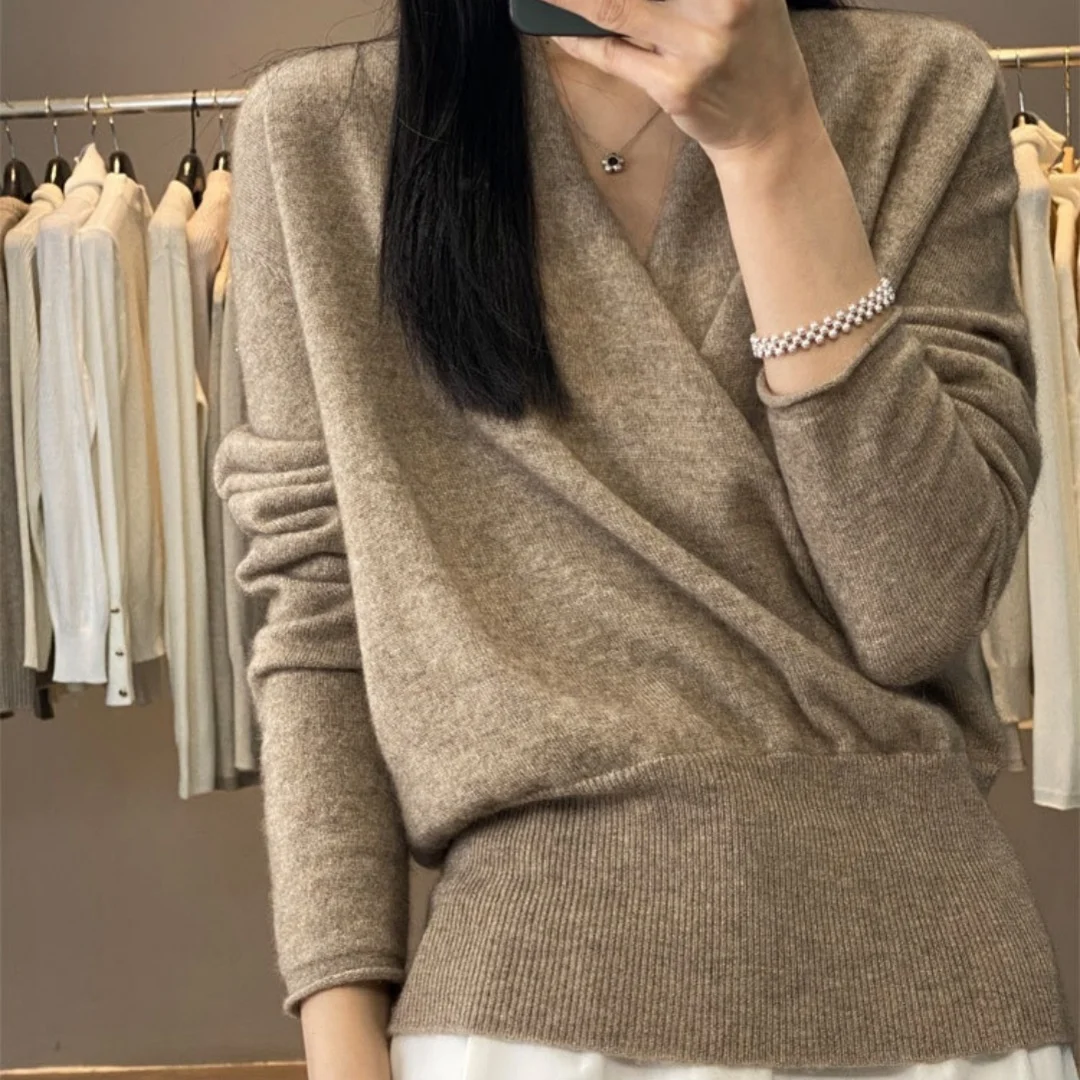
- Pros: True wool warmth, slim fit for easy layering.
- Pros: Multiple camel and rice hues that blend with fall colors.
- Con: Runs small; size up if you’re between measurements.
Women's Plush Coat Double‑sided Diamond Plaid
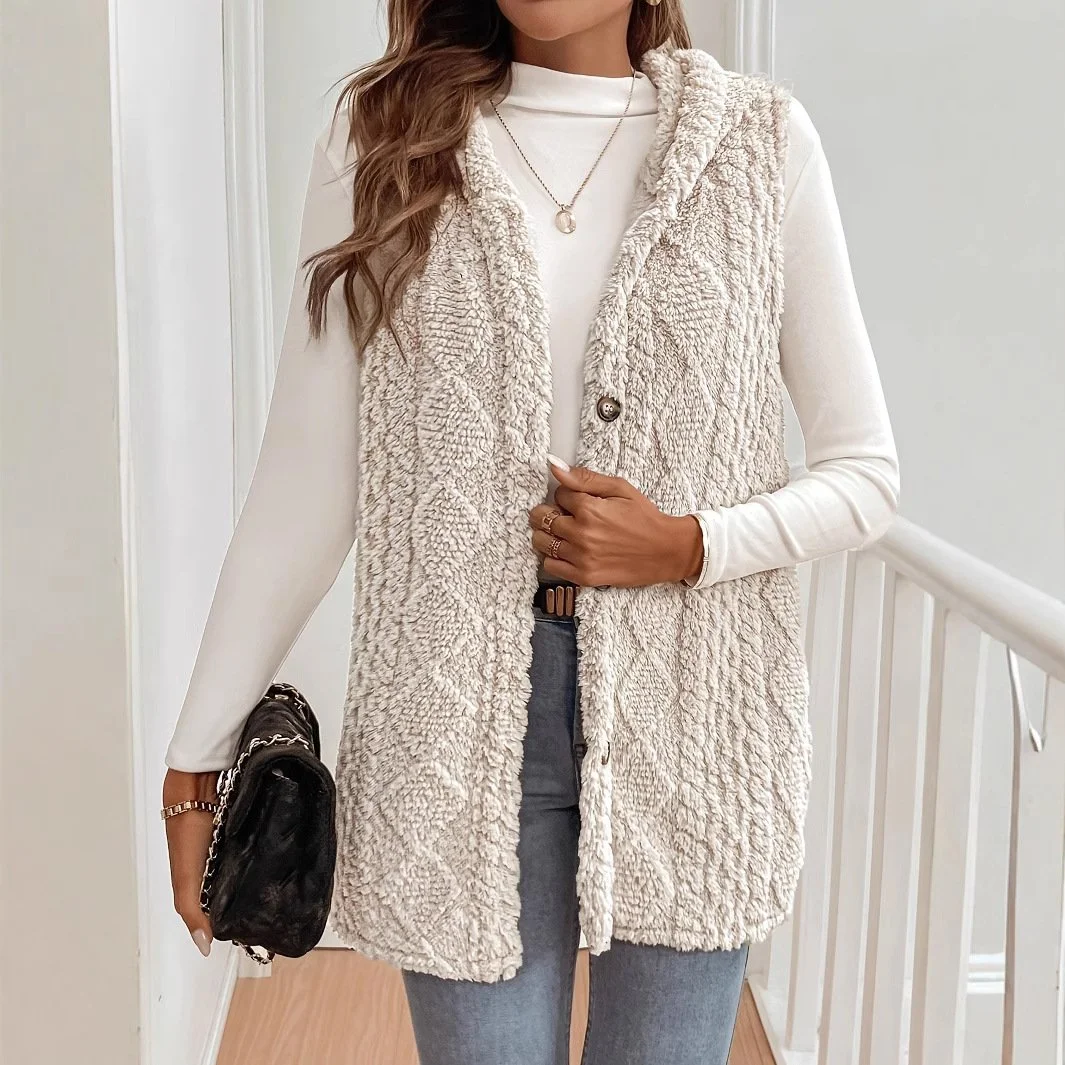
- Pros: Longer cut protects hips.
- Pros: Affordable polyester fiber.
- Con: Not wool, so less odor control on multi‑day trips.
Women's Striped Loose Long‑Sleeve Pullover
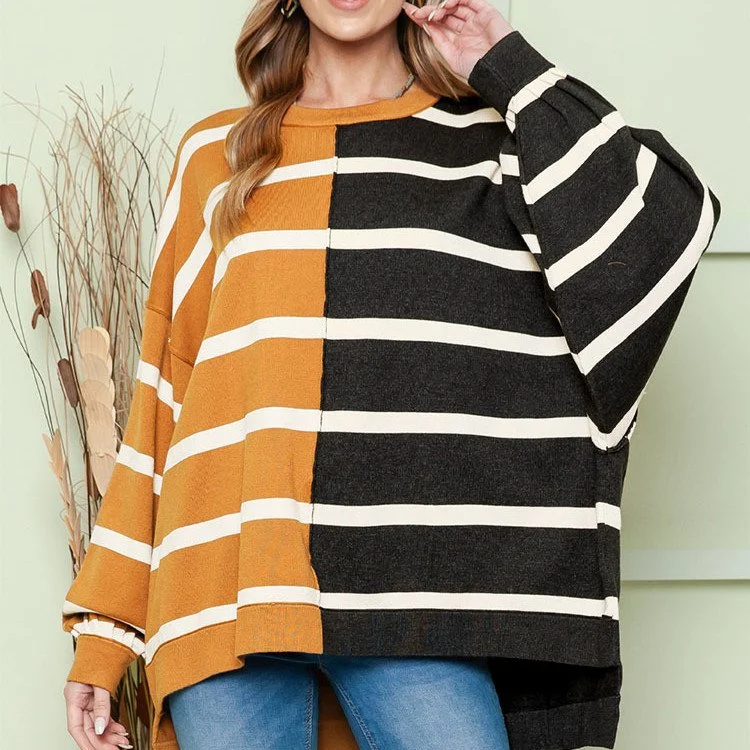
- Pros: Striped design adds visual interest.
- Pros: Loose fit allows easy movement.
- Con: Material details unspecified; check care label for breathability.
Women's Fleece‑Lined Casual Hooded Sweatshirt
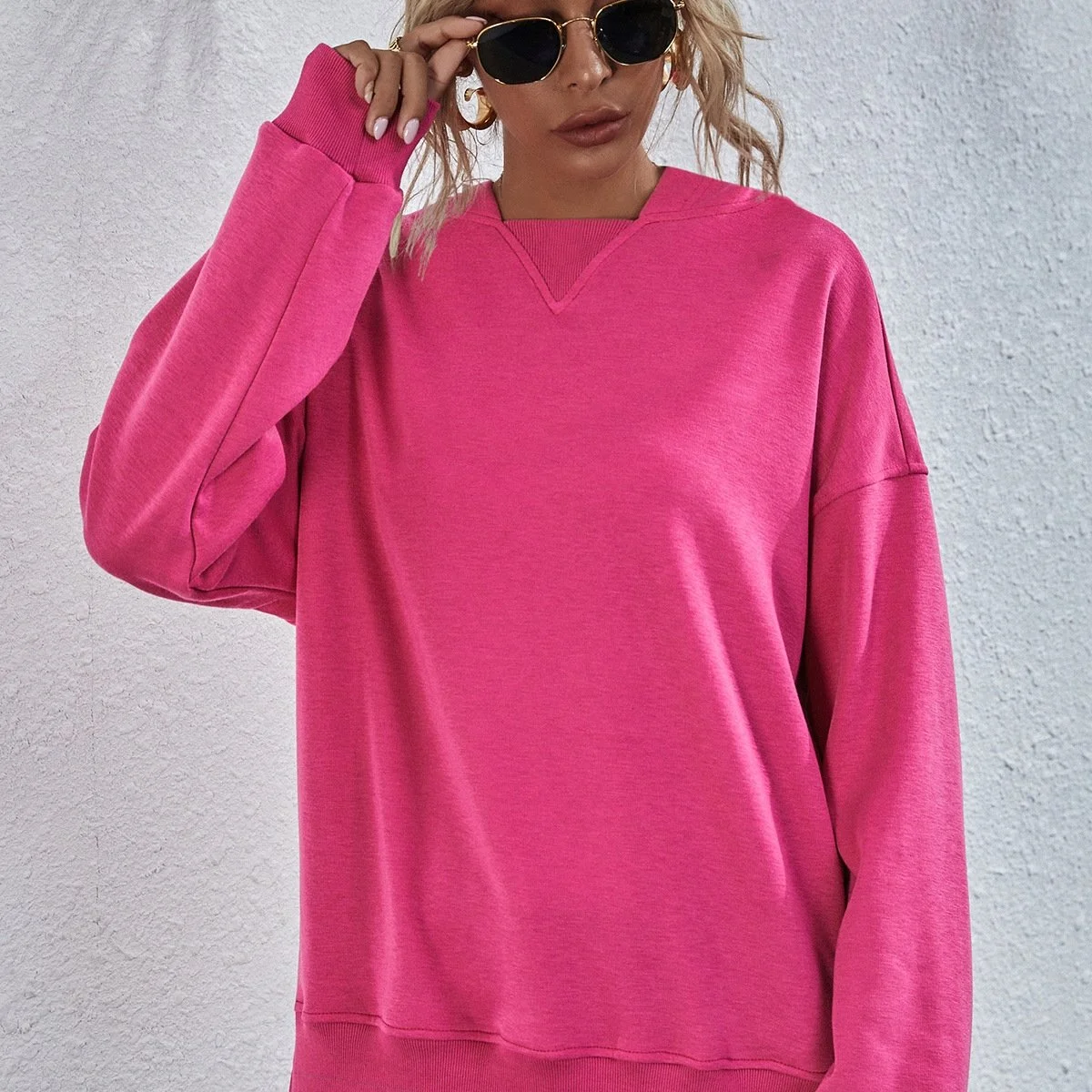
- Pros: Fleece lining adds quick warmth.
- Pros: Hood provides extra protection.
- Con: Bulkier than a thin wool layer.
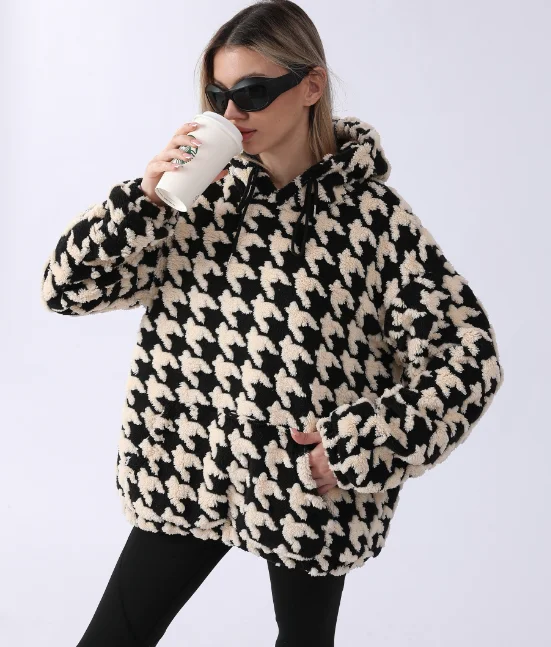
- Pros: Ultra‑soft feel, easy to wash.
- Pros: Neutral colors match most gear.
- Con: Not designed for heavy moisture wicking.
Bow‑knot Embroidered Lapel Cabled Short Sweater

- Pros: Slim fit looks polished.
- Pros: Simple white color pairs with any jacket.
- Con: Short length offers limited coverage on the trail.
Common mistakes to avoid
- Choosing “too heavy.” A 350 g/m² sweater feels like a blanket on a 55 °F day and can cause sweating, which then chills you.
- Ignoring sizing nuances. Asian cuts run smaller; always read the measurement chart and add a size if you fall between ranges.
- Relying on a single layer. Even a warm wool top needs a wind‑proof shell when the forecast calls for gusts.
- Picking colors that blend into the background. Bright accents on cuffs or collars improve visibility without sacrificing style.
- Skipping care instructions. Wool shrinks if washed in hot water; synthetic fleece can pill if tumble‑dried too high.
Care, styling, and layering tips
Layering order
Base layer → wool or fleece sweater → breathable shell (softshell or hardshell). In October, a 0.5 mm merino base, the Wool Skin‑friendly Top, and a lightweight Gore‑Tex shell keep you dry and warm.
Rain protection
Wool repels light rain but will soak if drenched. For a rainy fall hike, wear the sweater under a waterproof jacket and avoid prolonged exposure. Synthetic fleece (like the Cozy Fleece Hoodie) dries faster if it gets wet.
Visibility hacks
Choose a sweater with a contrasting zipper or add a bright neck gaiter. Even a small neon patch on the sleeve can make a big difference in low‑light conditions.
Cleaning after a muddy trek
Shake off excess mud, then spot‑clean with cold water and a mild detergent. Wool pieces should be hand‑washed flat to keep shape. Synthetic items can go in the washing machine on a gentle cycle, but tumble dry low to avoid pilling.
Frequently asked questions
❓ What features should I look for in a women's sweater for fall hiking?
Look for natural‑fiber warmth (merino wool), a mid‑length cut (45‑55 cm), flat‑lock seams, and a slim or relaxed fit that layers under a shell. Breathable collars, thumbholes, and a weight of 150‑250 g/m² balance heat and moisture control.
❓ Is a fleece or a merino wool sweater better for autumn trail walks?
Merino wool excels at temperature regulation and odor resistance, making it ideal for longer hikes. Fleece dries faster and is lighter, so it works well for short, high‑intensity bursts or as a backup layer.
❓ How do I layer a sweater with a jacket for hiking in October?
Start with a moisture‑wicking base, add a mid‑weight wool or fleece sweater, then finish with a breathable, wind‑proof shell. Adjust by opening vents or removing the outer layer if you start to overheat.
❓ Can I wear a women's sweater on a rainy fall hike?
You can, but treat the sweater as an insulating layer under a waterproof jacket. Wool repels light drizzle; synthetic fleece will dry quickly if it gets wet, but both will lose warmth when saturated.
❓ What color sweaters are best for visibility on autumn trails?
High‑contrast colors like bright orange, neon yellow, or even a bold stripe on the cuffs improve visibility. If you prefer earth tones, add a reflective strip or a bright neck gaiter.
❓ How to care for a hiking sweater after a muddy hike?
Shake off mud, spot‑clean with cold water, and follow the label: hand‑wash wool flat, machine‑wash synthetics on gentle, tumble dry low. Avoid hot water and high heat to prevent shrinkage or pilling.
❓ Should I size up for a sweater I plan to wear over a base layer?
Yes, especially with Asian‑sized cuts. If your measurements sit between sizes, choose the larger option to accommodate the extra bulk of a base layer.
Key takeaways
- Merino wool offers the best natural temperature regulation for fall hikes.
- Target a sweater weight of 150‑250 g/m² and a length around 50 cm for coverage without restricting movement.
- Size up if you’re between measurements; Asian cuts run 1‑2 sizes smaller.
- Layer: base → wool/fleece → breathable shell.
- Choose bright accents for visibility, and follow care instructions to preserve performance.
How we chose these products: We matched each item’s material, length, price, and sizing details to the criteria most important for a comfortable, breathable, and visible women's sweater for fall hiking; prices and availability can change.