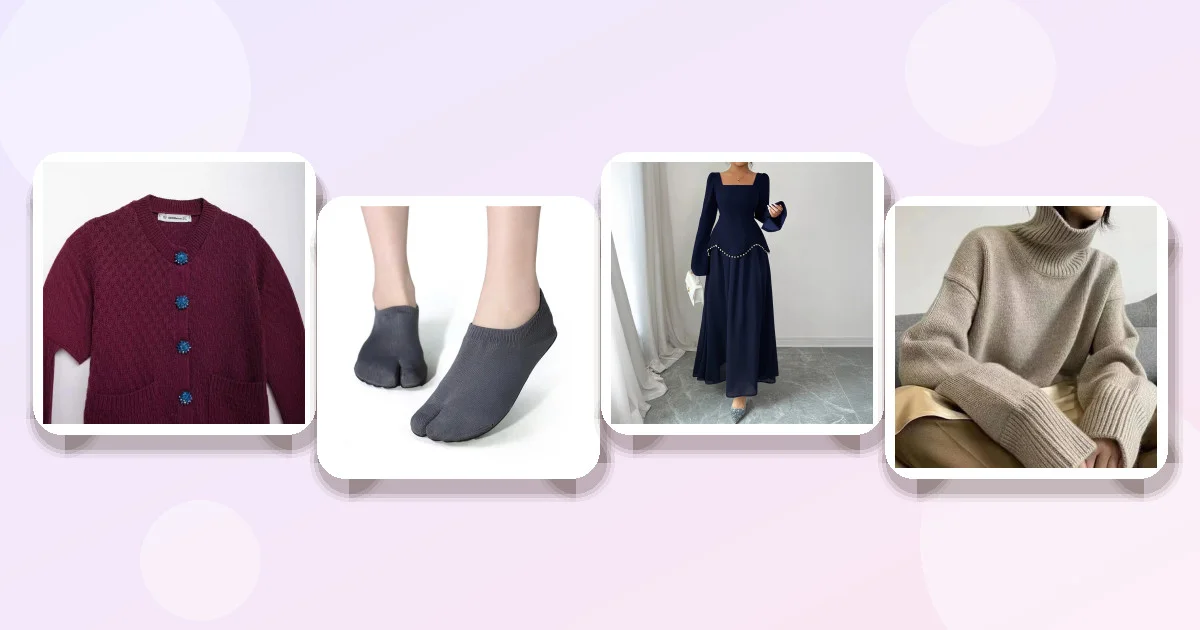
You're planning weekend hikes when the leaves are changing, and you need a coat that keeps you warm without weighing you down. This guide walks you through the exact features to look for, how to size and layer, and which of our listed items fit the bill.
How to choose a women's coat for fall hiking
1. Insulation vs. Breathability
October temperatures on the trail usually sit between 45 °F and 60 °F. A thin synthetic fill (80‑100 g/m²) gives enough warmth for those ranges while still letting sweat escape. Heavy down adds bulk and can trap moisture when you’re active.
2. Wind‑proof and water‑resistant fabrics
Even light rain or a gusty ridge can sap body heat. Look for a coat with a laminated membrane (e.g., a 2‑layer polyester with a DWR finish). It should shed rain but still breathe 5‑8 g/m²/24 h.
3. Length and coverage
A mid‑length coat that ends mid‑thigh protects your lower back and hips, the areas that cool fastest when you sit on a rock. Short jackets leave the hips exposed; long parkas can restrict leg movement on steep climbs.
4. Fit for layering
Pick a relaxed or athletic cut that adds 1‑2 inches of room around the chest and hips. That extra space lets you slip a fleece or a lightweight down vest underneath without feeling cramped.
5. Practical features
- Adjustable cuffs – keep wind out when you raise your arms.
- Two zippered hand pockets – store a map or trail snacks.
- Ventilation zippers under the arms – release heat on steeper sections.
6. Material considerations
Polyester blends are the most common for fall hiking coats because they resist water, dry quickly, and hold insulation well. If you prefer natural fibers, a cotton‑blend jacket can be comfortable but will stay damp longer after a drizzle.
7. Price range
Expect to spend $50‑$120 for a coat that meets the above criteria. Below $40 you’ll find fashion‑focused pieces that lack wind‑proof membranes; above $130 you’ll get premium shells with advanced breathability.
Product comparison
| Product | Price | Type / Material | Fit / Length | Best for |
|---|---|---|---|---|
| Contrast Color Knitted Cardigan | $41.8 | Acrylic fiber, sweater | Cardigan, hip‑length | Casual layering on low‑intensity walks |
| Satin Ruffled‑edge Blouse | $41.72 | Satin (unspecified) | Lightweight, regular length | Dressier base layer for city‑to‑trail transitions |
| Korean‑Style Loose Cardigan | $13.4 | Loose knit, unspecified | Relaxed fit, mid‑thigh | Budget‑friendly casual outer layer |
| Women's Turtleneck Pullover Jacket | $54.4 | Cotton‑blend, sweatshirt | Athletic cut, hip‑length | Core hiking coat with easy layering |
| Leather Jumpsuit Coat | $25.64 | Faux leather, jumpsuit | Full‑body, long | Stylish urban‑trail look, not technical |
| Men's Long‑sleeved Hooded Coat | $19.44 | Cotton, hooded coat | Long, unisex | Budget warm layer for low‑intensity hikes |
Product spotlights
Contrast Color Knitted Cardigan

- Soft acrylic feels warm even when damp.
- Color‑matching pattern adds a touch of style.
- Con: Runs small; choose the larger size if you’re between.

- Lightweight drape keeps you cool.
- Ruffled neck adds visual interest.
- Con: No technical specs; not wind‑proof.

- Loose fit accommodates layers.
- Multiple size options up to 5XL.
- Con: Fabric not described as water‑resistant.
Women's Turtleneck Pullover Jacket
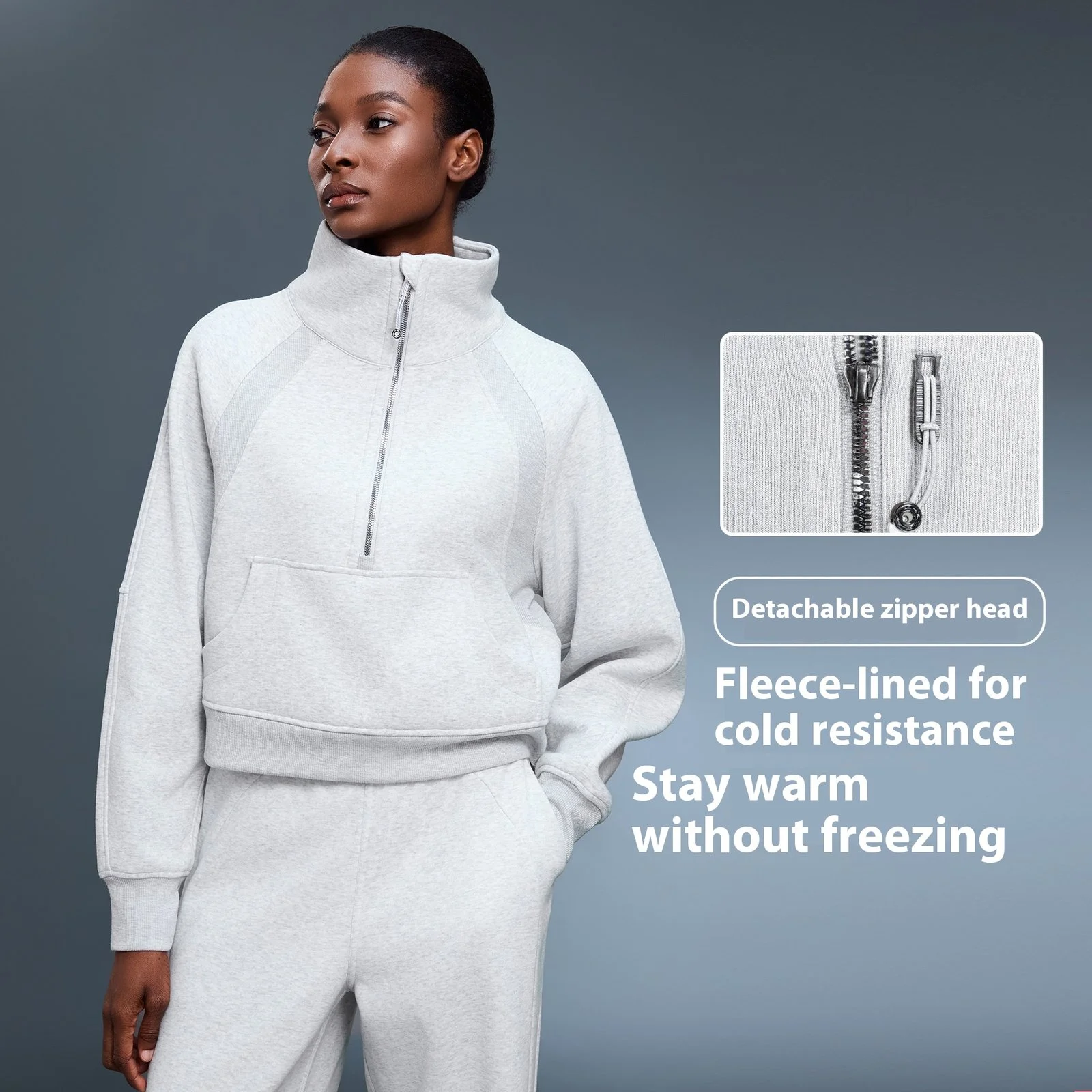
- Soft cotton‑blend feels comfortable on the skin.
- Athletic cut provides movement freedom.
- Con: Asian sizing runs smaller; check size chart.

- Faux‑fur trim adds extra warmth at the collar.
- Zipper closure is easy to adjust.
- Con: Not breathable; best for low‑intensity outings.
Men's Long‑sleeved Hooded Coat

- Soft cotton keeps you cozy.
- Hood adds extra wind protection.
- Con: Not specifically designed for women's fit.
Common mistakes to avoid
1. Choosing a coat that’s too tight. A snug fit blocks airflow, making you sweat and then chill. Aim for a “one‑finger” gap at the chest when you’re wearing a base layer.
2. Skipping ventilation. Even a wind‑proof shell needs under‑arm zippers or a mesh back panel. Without them you’ll overheat on steep climbs.
3. Buying a purely fashion coat. A stylish cardigan looks great in photos but won’t repel wind or light rain, which are common in October.
4. Ignoring the length. A coat that ends at the waist leaves your hips exposed to wind; a coat that reaches the calves can restrict stride length.
Care, styling, and usage tips
Wash synthetic shells in cold water with a mild detergent; avoid fabric softeners because they clog the DWR coating. Re‑apply a DWR spray after every few washes to keep water beading.
For styling, pair a mid‑length coat with leggings or hiking pants and waterproof boots. A bright‑colored cardigan (like the khaki option) can serve as a visual marker on the trail.
When the day ends, hang the coat to air‑dry. Do not store it in a compressed plastic bag; give the insulation room to breathe.
Frequently asked questions
❓ What features should I look for in a women's coat for fall hiking?
Look for wind‑proof membranes, light synthetic insulation (80‑100 g/m²), a mid‑thigh length, adjustable cuffs, and enough room for a fleece layer. These features keep you warm without trapping sweat.
❓ How do I layer clothing under a women's hiking coat for maximum warmth?
Start with a moisture‑wicking base (synthetic or merino), add a mid‑weight fleece or lightweight down vest, then zip your coat on top. Keep each layer snug but not tight, so air can circulate.
❓ Are waterproof women's coats better than wind‑proof for autumn trails?
Wind‑proof is usually enough for October unless you expect steady rain. A coat with a DWR finish repels light drizzle while staying more breathable than a fully waterproof shell.
❓ What length coat is best for staying warm while hiking on cool fall days?
A mid‑thigh coat offers the best balance: it shields the hips and lower back while allowing a full stride. Longer parkas can restrict movement; shorter jackets leave the hips exposed.
❓ How to choose the right size women's coat for outdoor activities?
Measure your chest, waist, and hips, then add 2‑4 inches for layering space. If the product notes Asian sizing runs small, size up by one level.
❓ Which women's coat materials work best for temperature swings in October?
Polyester blends with a thin synthetic fill handle temperature swings well; they trap heat when it’s cold and release it as you warm up. Cotton blends feel soft but stay damp longer.
❓ Can I wear a fashion cardigan as a hiking coat?
A fashion cardigan can work for very easy, short hikes if the weather is dry and wind is light, but it lacks wind‑proof or water‑resistant treatment, so it’s not reliable for variable autumn conditions.
Key takeaways
- Pick a wind‑proof, lightly insulated mid‑thigh coat for October hikes.
- Allow 2‑4 inches of extra room for a fleece or vest layer.
- Check sizing charts; Asian sizes often run small.
- Ventilation zippers prevent overheating on steep climbs.
- Use a breathable synthetic blend for the best temperature regulation.
- Our Women's Turtleneck Pullover Jacket Meets most of these criteria at a reasonable price.
How we chose these products: We matched each item's price, material, and fit to the practical needs of fall hiking, focusing on options that allow layering and provide at least basic wind protection.
===HTML===