You’ve been there: you button up your blazer, look in the mirror, and see a lumpy, uneven silhouette. The blouse underneath is either too thick, too long, or the neckline is fighting with the jacket lapel. For working women transitioning into fall, finding tops that layer neatly under structured outerwear is a specific problem that requires specific solutions. It’s not just about style; it’s about mechanics. How the fabric drapes, how the collar sits, and how the sleeves interact with the blazer determine whether you look polished or just bulky. This guide cuts through the noise to help you identify the exact features needed for a professional fall wardrobe. We will focus on fabric weight, sleeve construction, and neckline geometry to ensure your layers work together, not against each other, in a hybrid work setting where you might shift from a video call to a client meeting and back again.
- Why Fabric Weight Matters More Than Material Name
- Neckline Shapes That Sit Flush Under a Blazer
- Sleeve Length and Fit for Layering
- How to Choose: Specs to Check Before Buying
- Product Comparison: Our Top Picks
- Common Mistakes to Avoid When Layering
- Styling and Care Tips for Hybird Work
- Frequently asked questions
- Key takeaways
Why Fabric Weight Matters More Than Material Name
When shopping for women's blouses for layering, the label saying "silk" or "cotton" tells you very little about how the garment will behave under a jacket. What matters is the weight and drape. A heavy silk can feel stiff and create a visible line under a blazer, while a thin, flimsy cotton can cling to every movement and show through a light blazer. For fall office wear, you want a "medium-weight" fabric. This is a fabric that has enough body to hold its shape and smooth out minor imperfections in fit, but is not so thick that it adds bulk at the shoulders or underarms.
Understanding Drape and Body
Fabric "body" refers to how much the material resists folding. A fabric with high body, like a crisp cotton poplin or a medium-weight linen blend, creates clean lines. When you raise your arm, the fabric doesn't cling to your chest; it moves with you but returns to a smooth plane. This is crucial for layering. If the blouse has too little body, it will bunch up at the waist when you tuck it in, creating a "turtle" effect under the blazer. If it has too much stiffness, it will poke out at the collar or hem. Look for descriptions like "crisp," "structured," or "medium-weight" in product details. Avoid terms like "gauze," "chiffon," or "ultra-light" unless the blazer is very loose, because these fabrics often lack the structure needed to stay smooth under pressure.
The Role of Texture
Texture adds another layer of complexity. A smooth fabric like satin or silk slip material is ideal for sliding over skin and under a jacket, but it can be slippery and hard to tuck. A matte fabric like cotton or linen is easier to tuck and stays in place, but it may show wrinkles more easily. For a professional setting, a matte, medium-weight fabric is usually the safest bet. It hides minor wrinkles better than shiny fabrics and provides a neutral, professional base for your suit. If you choose a textured fabric like a subtle rib-knit or a fine twill, ensure the texture is fine. Large, chunky knits or heavy corduroy will add significant volume and defeat the purpose of a sleek layering piece.
Neckline Shapes That Sit Flush Under a Blazer
The neckline is the most visible part of a layered outfit when the blazer is open. If the neckline is too high, it will bunch up against the blazer collar, creating a crowded, uncomfortable look. If it is too low, it may show too much skin for a conservative office environment, or it may shift when you move. The goal is a neckline that sits just below the blazer lapel, providing a clean, uninterrupted line from the blazer collar to the blouse.
V-Necks and Shirt Collars
The standard shirt collar and the V-neck are the two most reliable choices for layering under a blazer. A shirt collar, particularly one that is not too stiff or wide, works well because it creates a defined shape that the blazer lapel can rest against without overlapping awkwardly. It also provides structure at the neck, which helps frame the face. A V-neck is excellent because it visually elongates the neck and chest, preventing the "boxed-in" feel that a high crew neck can create. When wearing a V-neck under a blazer, the point of the V should sit just below the blazer's button point. This creates a balanced triangle shape that looks intentional and polished.
Round Necks and Scoop Necks
Round necks are versatile but require careful attention to depth. A shallow scoop neck is generally safer than a deep plunge. A deep scoop can be difficult to manage under a blazer because the fabric may shift forward when you lean, revealing more than intended. If you prefer a round neck, look for one with a slight structure or a ruffle that adds a bit of volume at the neckline. This helps the blouse stay in place and provides a visual break between the blazer and the skin. Avoid high crew necks under a blazer unless the blazer has a very wide lapel. The combination of a high neck and a blazer collar can feel restrictive and look cluttered.
Off-Shoulder and Asymmetrical Styles
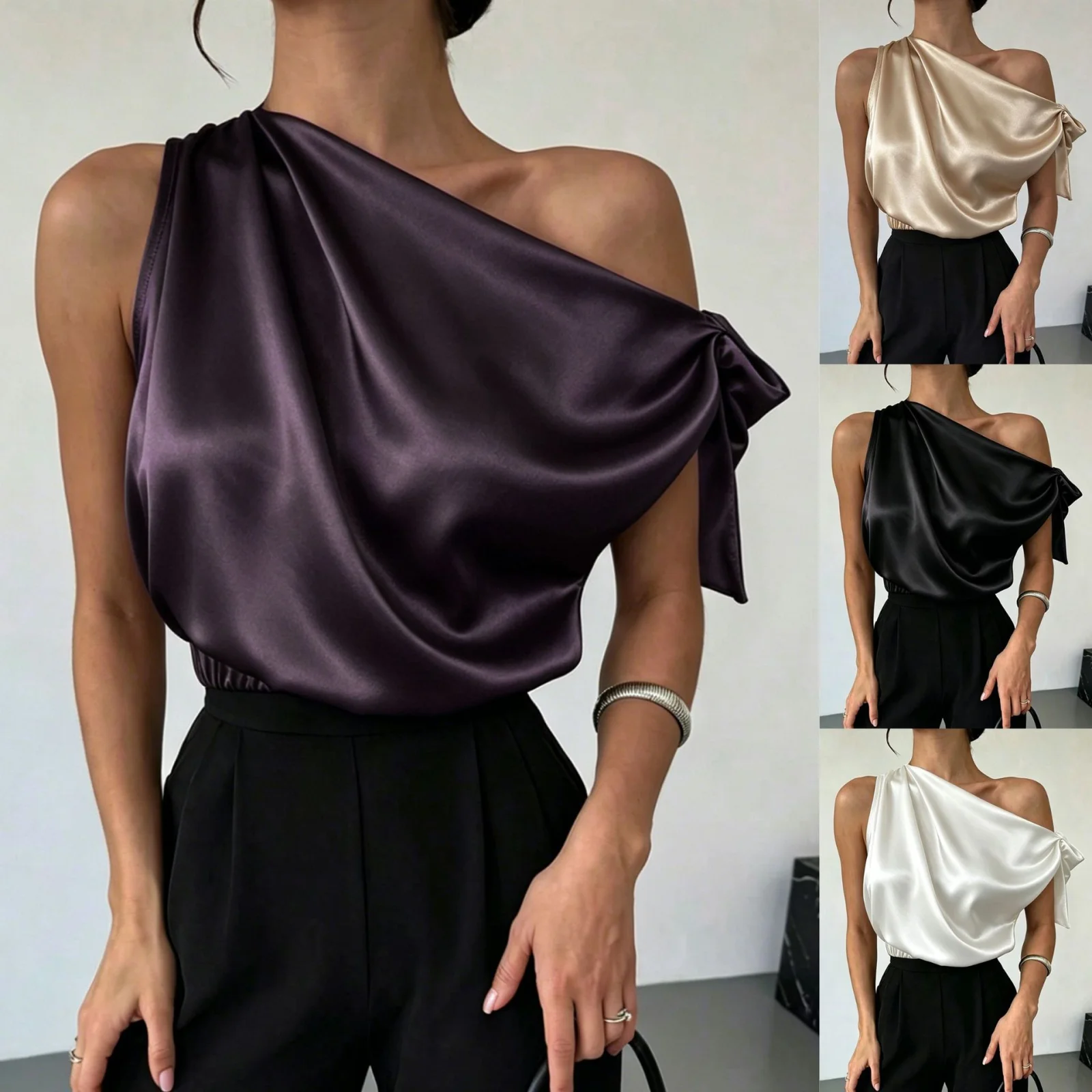
While off-shoulder and asymmetrical necklines are trendy, they are generally challenging to layer under a standard suit jacket. The blazer sleeve and lapel are designed to sit on a standard shoulder and neck line. An off-shoulder top may slip down when you raise your arm, or the blazer may cover the entire neckline, making the detail invisible. If you choose an asymmetrical style, ensure the blazer is loose enough to accommodate the unique shape of the neckline. For most professional settings, stick to symmetrical necklines like the V-neck or standard collar for the most reliable layering experience.
Sleeve Length and Fit for Layering
Sleeve fit is often overlooked, but it is critical for a neat layered look. If the blouse sleeve is too long, it will bunch up at the wrist when you wear the blazer. If it is too short, it will ride up, exposing skin or an undershirt. The ideal blouse sleeve for layering is a slim, close-fitting sleeve that ends just at the wrist bone. This allows the blazer sleeve to fall naturally over it without creating extra bulk at the cuff.
Long Sleeves vs. Short Sleeves in Fall
In October, the weather can be cool enough to require a jacket, but warm enough that you might not want to wear a heavy sweater underneath. Long sleeves are the standard choice for fall layering. They provide warmth and a complete look. However, the cut matters. A loose, billowy long sleeve will add volume under the blazer, making your arms look larger than they are. Look for "slim fit" or "regular fit" long sleeves. Avoid "oversized" or "drapey" sleeves if you are wearing a fitted blazer. Short sleeves are rarely a good option for layering under a blazer in fall, as they expose your arms to the cold and can look unbalanced with the long sleeves of the blazer. If you prefer short sleeves, consider wearing a thin, fitted long-sleeve thermal underneath, but this adds another layer of bulk.
Adjustable Sleeves and Cuffs
Some blouses feature adjustable cuffs or convertible sleeves. These can be useful if you plan to roll up your blazer sleeves for a more casual look. However, for a strict professional environment, a fixed, clean cuff is often better. It ensures that the sleeve stays put and doesn't slip down during the day. If you choose a blouse with a cuff, ensure it is not too wide. A wide, stiff cuff can poke out from under the blazer sleeve, creating a jagged line. A slim, soft cuff is ideal for a smooth transition from blouse to blazer.
How to Choose: Specs to Check Before Buying
Before you add a blouse to your cart, check these specific details in the product description and size chart. These factors will determine whether the blouse actually works for layering or just looks good on its own.
Check the Fabric Composition
Look for a blend that offers both comfort and structure. 100% cotton can be stiff and prone to wrinkling. 100% polyester can feel synthetic and clingy. A cotton-polyester blend often offers the best of both worlds: the breathability of cotton and the wrinkle-resistance of polyester. Linen blends are great for breathability but can be wrinkly. If you are in a climate where you will be moving between air-conditioned offices and cooler outdoor spaces, a linen blend might be too cold. Check the weight if it is listed in grams per square meter (GSM). A medium-weight shirt is typically between 100-150 GSM. If the weight is not listed, look for keywords like "crisp," "structured," or "medium-weight."
Review the Size Chart for Chest and Waist
For layering, fit is everything. You want the blouse to be close to your body without being tight. Check the chest and waist measurements. The blouse should fit snugly enough that it doesn't billow out when you tuck it in, but loose enough that you can move comfortably. If you are between sizes, size down for layering under a fitted blazer, but only if the fabric has some stretch. If the fabric is non-stretch, stick to your regular size or size up if you prefer a looser fit. A blouse that is too tight will pull at the buttons and create tension lines under the blazer.
Look at the Hem Length
The hem length determines how easily the blouse tucks in. A "standard" length is usually designed to be untucked. A "tunic" length is longer and can be tricky to tuck because there is more fabric to manage. For layering under a blazer, a shorter hem is often better. It allows you to tuck the blouse in with less excess fabric, creating a smoother waistline. If the blouse has a side slit, this can help with tucking, as it allows the fabric to move more freely. Check the product images to see where the hem falls on the model. If it falls below the hip bone, expect to have excess fabric when tucked.
Assess the Collar Structure
Look at the collar in the product images. Is it stiff and flat, or soft and drapey? A stiff collar will stand up away from the neck, which can be uncomfortable under a blazer. A soft collar will lay flat against the neck, but it may not provide enough structure to frame the face. A medium-stiffness collar is ideal. It should lie flat but have enough body to maintain its shape. If the collar is very wide, it may overlap with the blazer lapel, creating a crowded look. A narrower collar is safer for layering.
Product Comparison: Our Top Picks
We have selected specific blouses that balance price, style, and layering potential. Below is a comparison of our top picks, focusing on the attributes that matter most for under-blazer wear.
| Product | Price | Type/Material | Options | Best For |
|---|---|---|---|---|
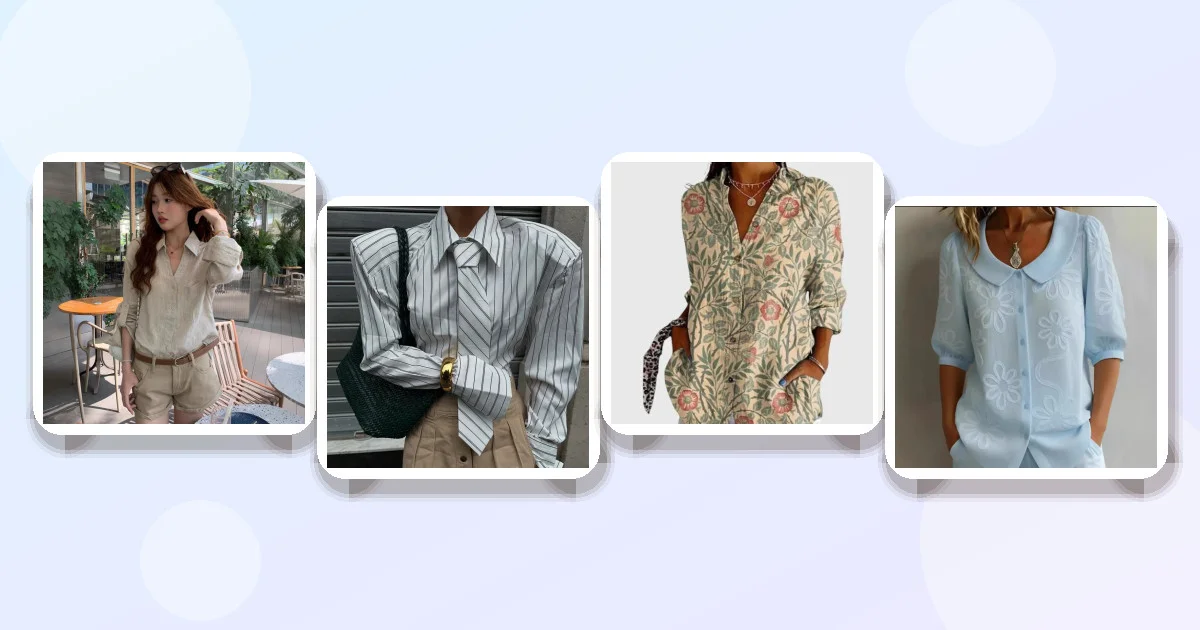
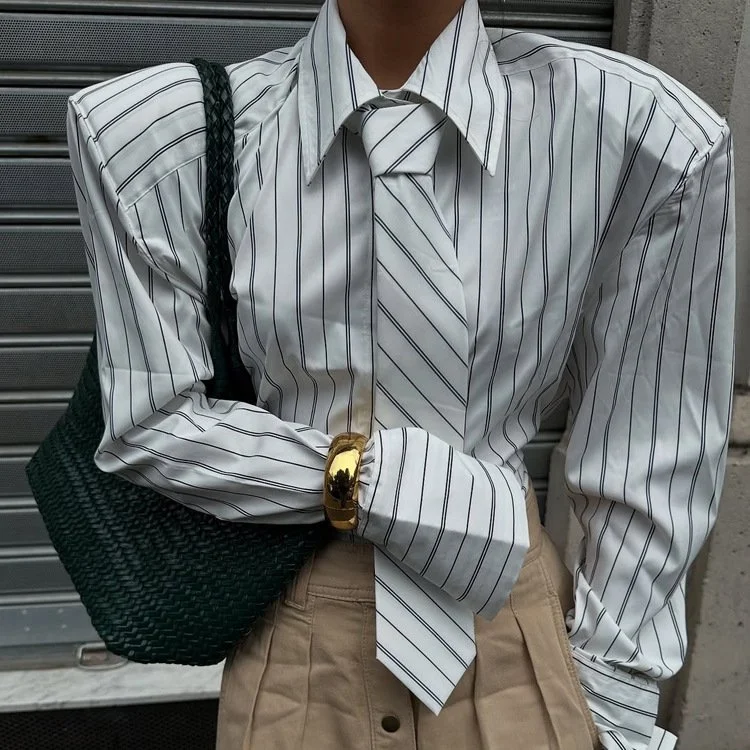
| Formal Striped Cardigan Blazer with Tie Shirt Detail | $43.08 | Medium-weight crisp cotton-blend | 3 (White S, M, L) | Structured layering with a defined collar |
| Women's V-neck Linen Casual Long-sleeve Sun Protection Top | $20.04 | Linen (Casual/Sun Protection) | Not specified in facts | Breathable, V-neck layering for warmer offices |
| Womens Western-style Shirt-collar Pullover | $21.88 | Western-style Shirt-collar | Not specified in facts | Casual-professional look with a unique collar |
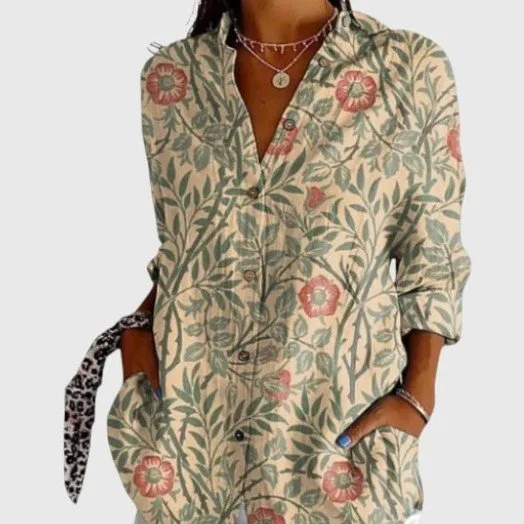
| Loose-fit Retro Buttoned 3D Embroidered Floral Shirt | $21.88 | Loose-fit Buttoned Floral | Not specified in facts | Statement layering for creative offices |
| Satin Off-shoulder Asymmetrical Bow Blouse For Women | $18.12 | Satin Off-shoulder | Not specified in facts | Evening or creative layering with slip dresses |
| Women's Lightweight Summer Long Shirt & Beach Cover-Up | $16.08 | Lightweight Long Shirt | 83 (Styles S-5XL) | Ultra-light layering for hot climates or casual wear |
Detailed Product Recommendations
Formal Striped Cardigan Blazer with Tie Shirt Detail
- Pro: Medium-weight cotton-blend provides the right amount of body to sit smoothly under a blazer.
- Pro: The tie shirt detail adds a unique, professional touch that frames the face well.
- Con: Limited size range (S, M, L) may not fit a wide range of body types.
Women's V-neck Linen Casual Long-sleeve Sun Protection Top
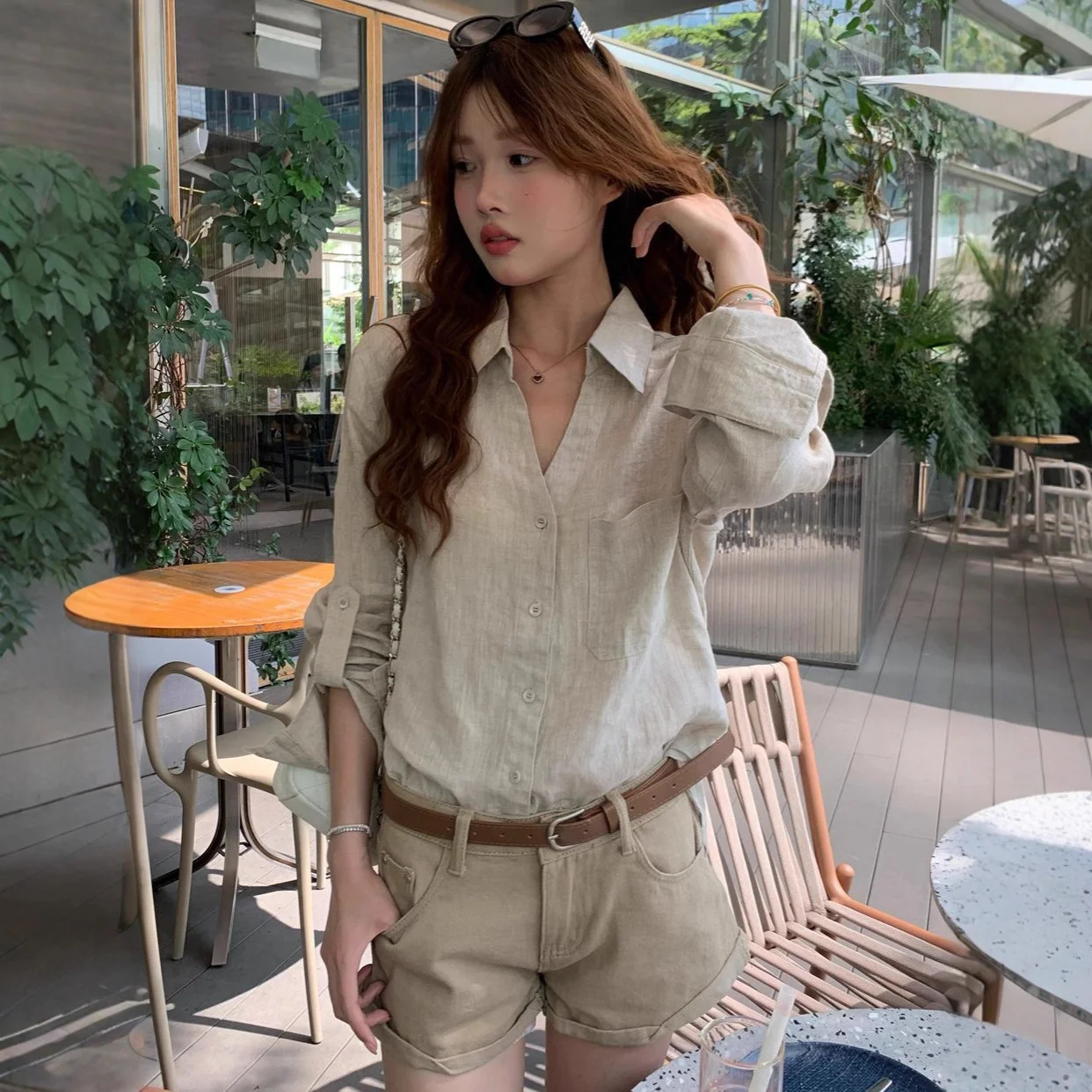
- Pro: Linen is naturally breathable and wicks moisture, keeping you cool in heated offices.
- Pro: The V-neck sits well under blazer lapels, preventing neck bunching.
- Con: Linen wrinkles easily, which may require ironing for a crisp professional look.
Womens Western-style Shirt-collar Pullover
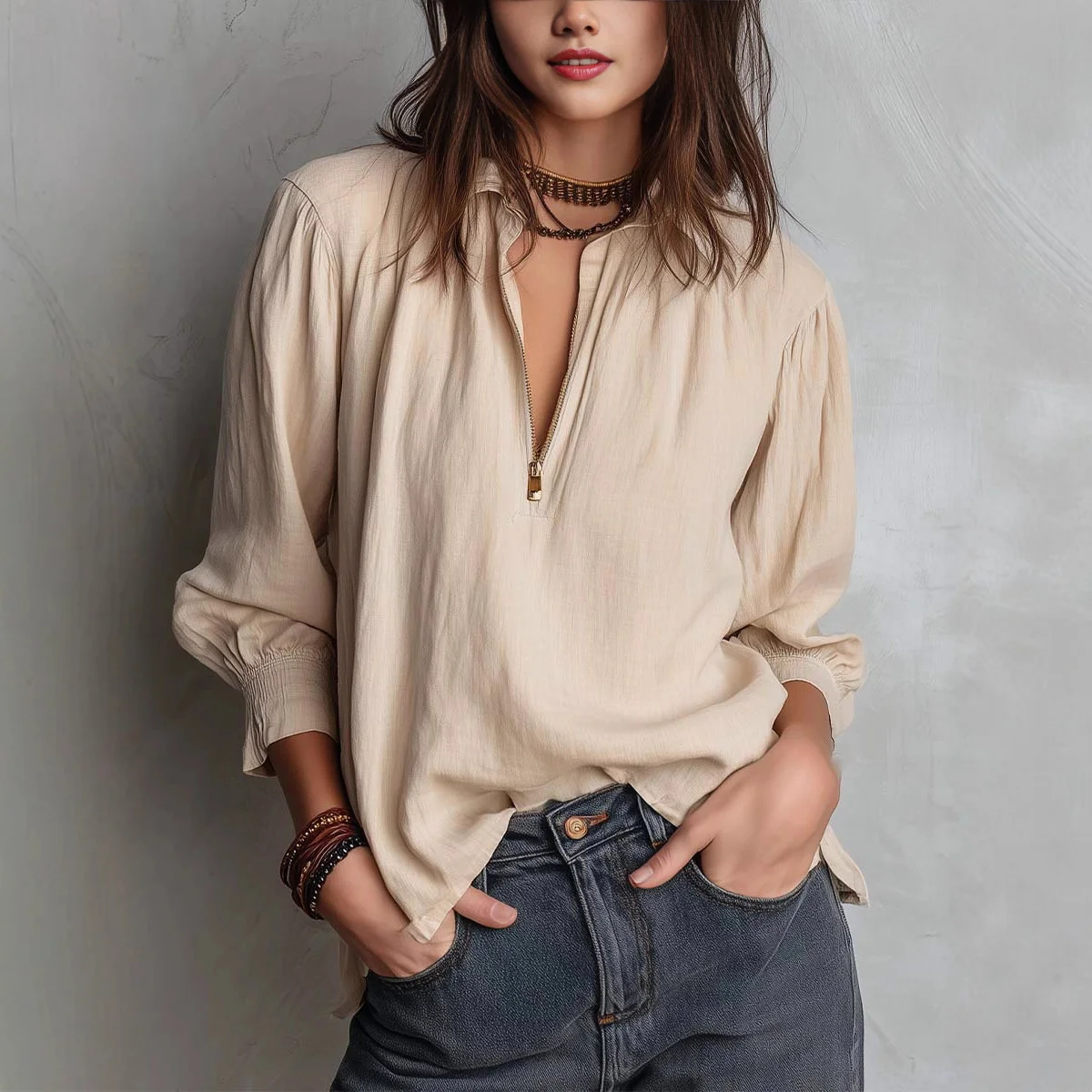
- Pro: Pullover design eliminates front button gaps, creating a smoother front panel.
- Pro: The Western-style collar adds visual interest and frames the face effectively.
- Con: The specific fabric weight is not detailed, so check for thickness before buying to ensure it layers well.
Loose-fit Retro Buttoned 3D Embroidered Floral Shirt
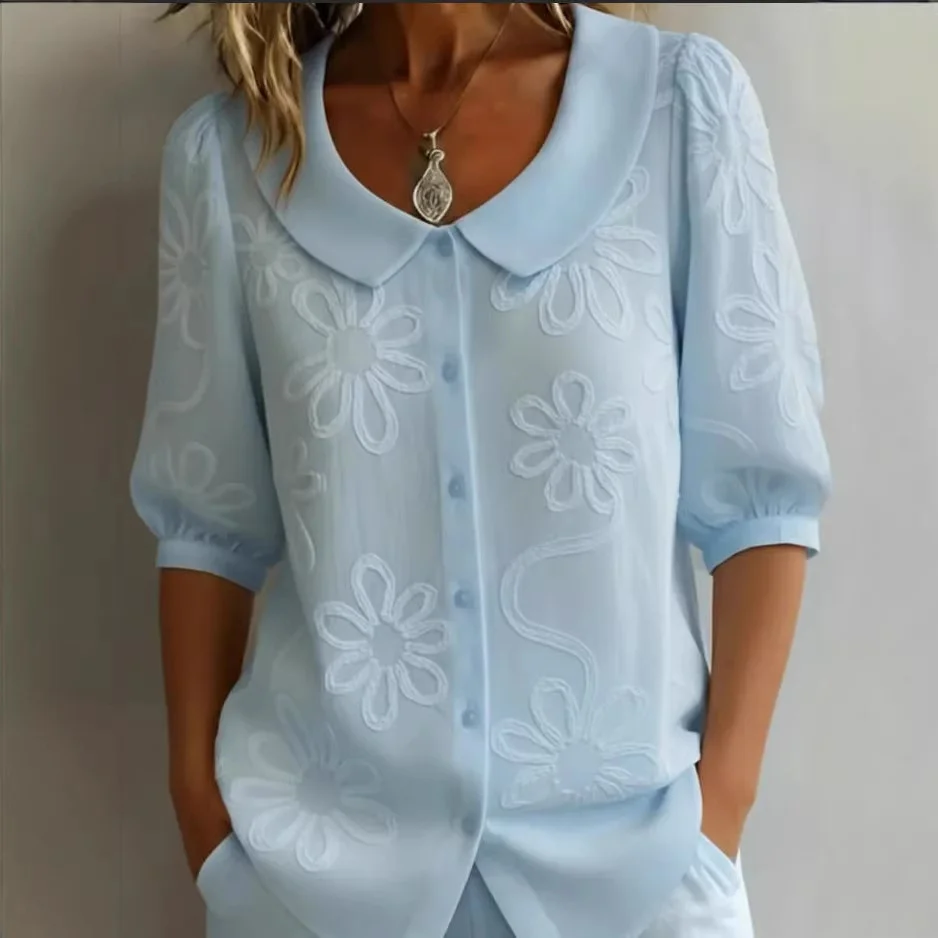
-
Pro: 3D embroidery adds texture and visual interest that stands out underShop the storyAll products from this guide