- Understanding the El Niño Chill
- The Critical Sizing Guide for Winter Layers
- The Core Layers: Sweaters and Pullovers
- Outer Layers: Structure and Protection
- Staying Warm at Home: Textiles and Bedding
- Product Comparison
- Common Mistakes to Avoid
- Care and Styling Tips
- Frequently asked questions
- Key takeaways
Understanding the El Niño Chill
El Niño events typically shift the jet stream, resulting in warmer temperatures in the southern United States and colder, wetter conditions in the Pacific Northwest and northern regions. However, the "chill" is not uniform. It often presents as a combination of low ambient temperatures and higher humidity levels. This humidity can make the air feel colder than the thermometer reads because it affects how quickly your body loses heat through evaporation. For your wardrobe, this means that purely wool-based layers, while warm, may retain moisture if you start to sweat inside a coat. Synthetic blends or air-layer fabrics are often more practical for these conditions because they dry faster and maintain insulating properties even when slightly damp.
The other factor is the duration of cold snaps. An El Niño winter may feature a single, prolonged period of extreme cold rather than a steady, moderate chill. This requires clothing that can be adjusted quickly. You need layers you can remove or add without breaking a sweat. This is where the concept of "onion layering" becomes less about fashion and more about thermal management. The goal is to trap air efficiently while allowing for ventilation if you move from a cold outdoor environment to a heated indoor space.
The Critical Sizing Guide for Winter Layers
One of the most common reasons winter clothing fails to provide adequate warmth is poor fit. If a sweater is too tight, it compresses the insulating fibers, reducing their ability to trap heat. If it is too loose, cold air can circulate freely around your body. However, the biggest hurdle for many shoppers buying affordable winter staples is the discrepancy between Asian and US sizing standards. Many of the products available at budget price points are manufactured in Asia and follow different sizing conventions.
Asian vs. US Sizing
Asian sizing generally runs 1 to 2 sizes smaller than US or EU sizing. For example, a size M in an Asian-manufactured garment may fit like a US size S or XS. A size L may fit like a US M. If you are between sizes, the standard advice is to choose the larger one. This is particularly important for layering. You want enough room between your base layer and your mid-layer to trap air. If you buy a mid-layer sweater that fits like your skin, you will need to buy an even larger outer layer, which can become unwieldy and expensive.
Always check the specific measurements provided in the product description. Look for the chest width and length in centimeters or inches. Measure a similar garment you already own that fits well. Compare those numbers directly. Do not rely solely on the letter size (S, M, L). For instance, if the product description states the chest width for a size L is 50 cm, and your preferred fit is 52 cm, you should size up to XL, regardless of what your usual US size is. This precision prevents the frustration of returning items that do not fit over your other layers.
Why Fit Matters for Warmth
Thermal insulation works by trapping dead air space between the fabric and your skin. This air acts as a barrier against heat loss. If the fabric is compressed against your body, that air space is eliminated, and the insulating value drops significantly. This is why down jackets need to be looser than t-shirts. For knitted sweaters, a "relaxed" or "oversized" fit is often functional, not just a style trend. It allows for a thicker base layer underneath without restricting movement. When selecting sweaters for an El Niño winter, look for descriptions that mention "loose fit" or "oversized." These terms indicate that the garment has been designed with layering in mind.
The Core Layers: Sweaters and Pullovers
The mid-layer is the heart of your winter wardrobe. It provides the bulk of your insulation. For an El Niño winter, you want mid-layers that are soft against the skin, easy to care for, and available in a range of sizes to accommodate different body types. We have selected two specific pullover styles that offer good value and practicality for these conditions.
Soft Cotton and Retro Styles
Cotton is a natural fiber that is breathable and soft. However, pure cotton does not dry quickly. For a mid-layer, this is generally acceptable because you are not usually sweating heavily in a sweater. But if you are active, you might want a blend. The Retro Graphic Print Oversized Pullover Sweater Offers a loose fit that is ideal for layering over a base tee.
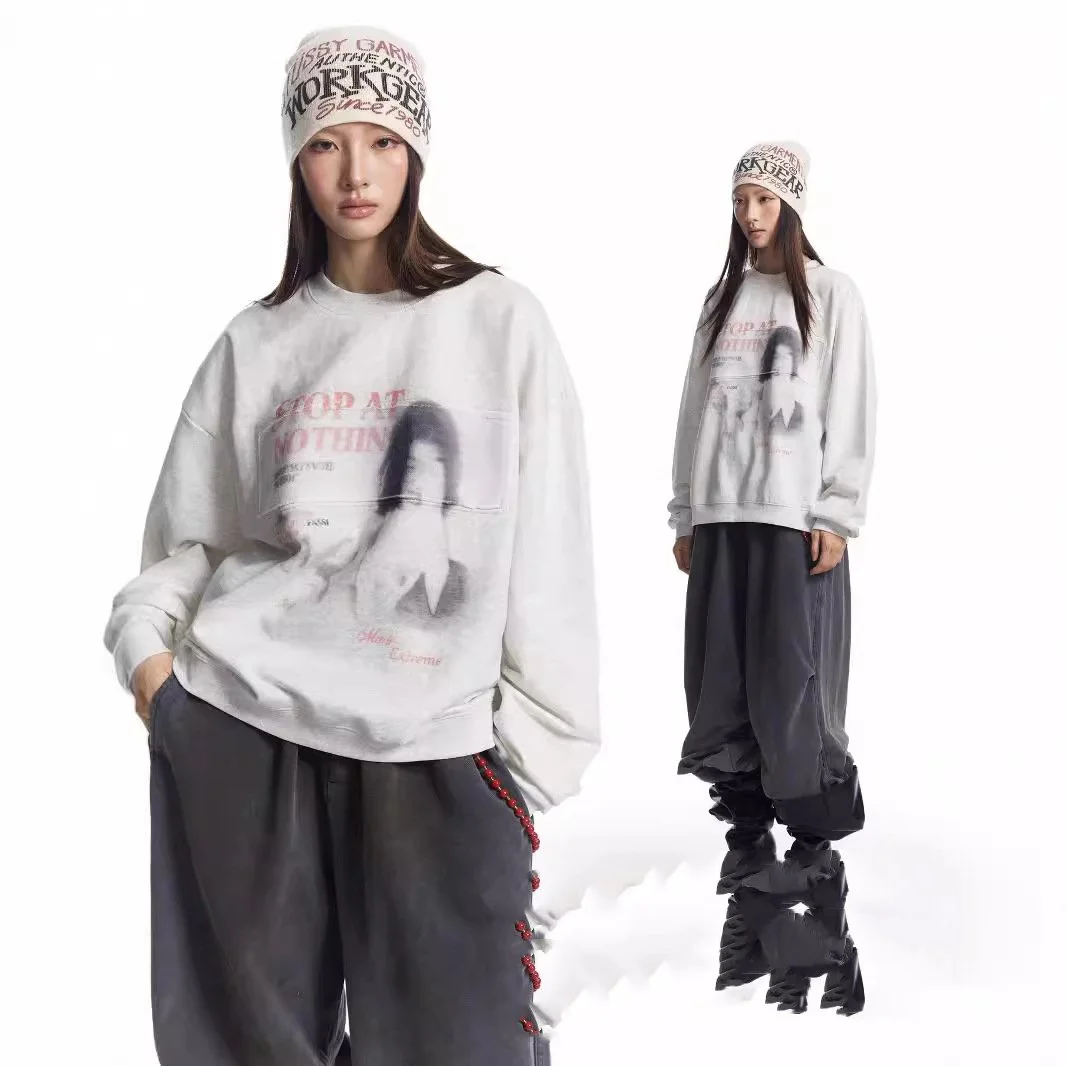
- Pros: The oversized fit allows for easy layering without feeling tight; the soft cotton fabric is gentle on sensitive skin.
- Con: Cotton retains moisture if you get sweaty, so it is not ideal for high-intensity outdoor work.
Polyester Air-Layer Options
Synthetic fabrics like polyester are excellent for winter because they are lightweight, dry quickly, and maintain insulation when wet. The "air-layer" construction mentioned in some product descriptions refers to a knit structure that traps more air, increasing warmth without adding weight. The Cozy Navy Blue V-Neck Long Sleeve Sweater for Women Is a prime example of this.
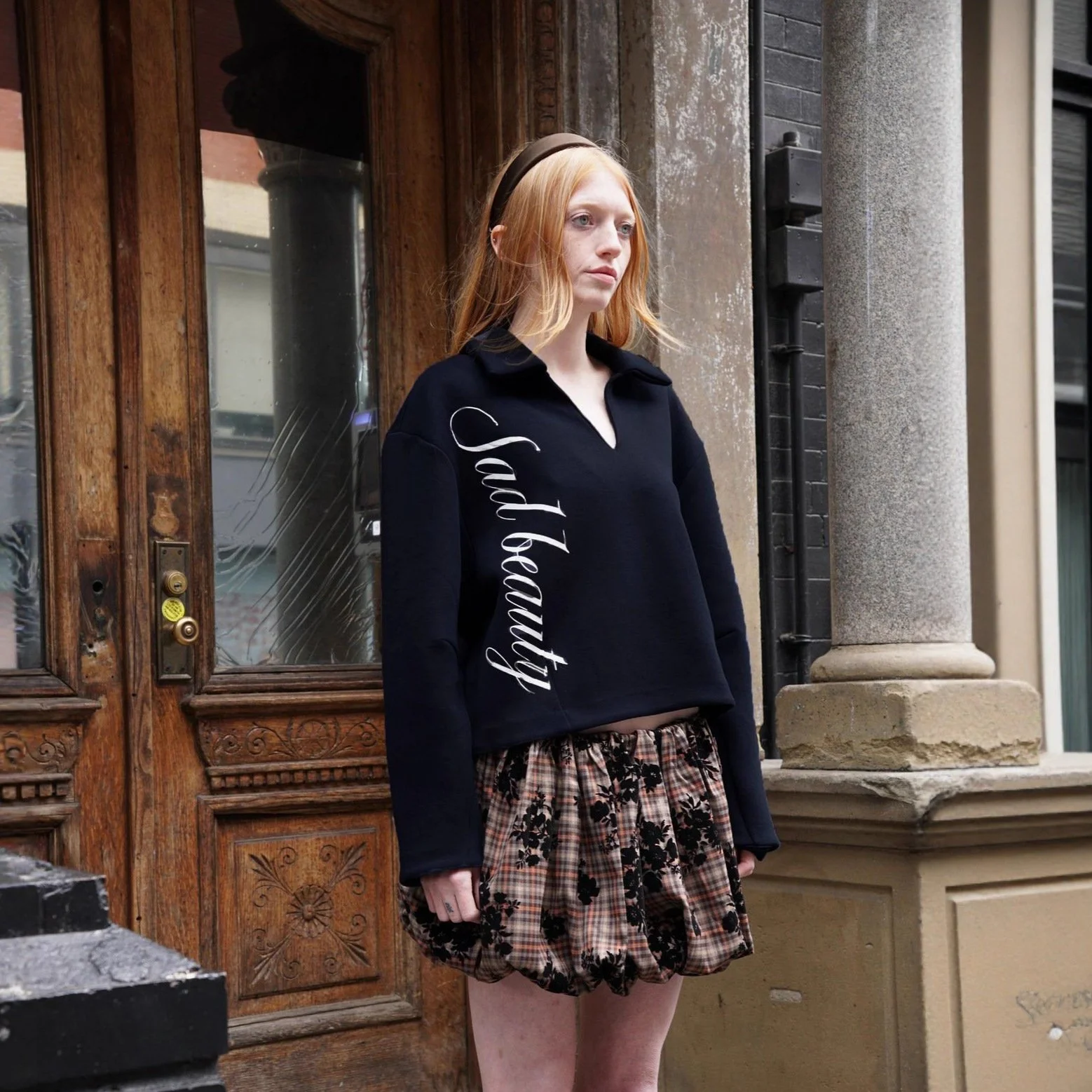
- Pros: Made from soft polyester air-layer fabric, which is warm and quick-drying; available in multiple sizes including XL, offering a wider fit range.
- Con: Asian sizing runs smaller; you must consult the size chart carefully to ensure it fits over your base layer.
Plus Size Considerations
Many standard winter sweaters are not designed with plus-size bodies in mind, leading to a "swim" effect where the sweater is too short or tight across the chest. The Cozy Plus Size Long-sleeved Sweater for Women Addresses this by offering a specific cut for larger sizes.
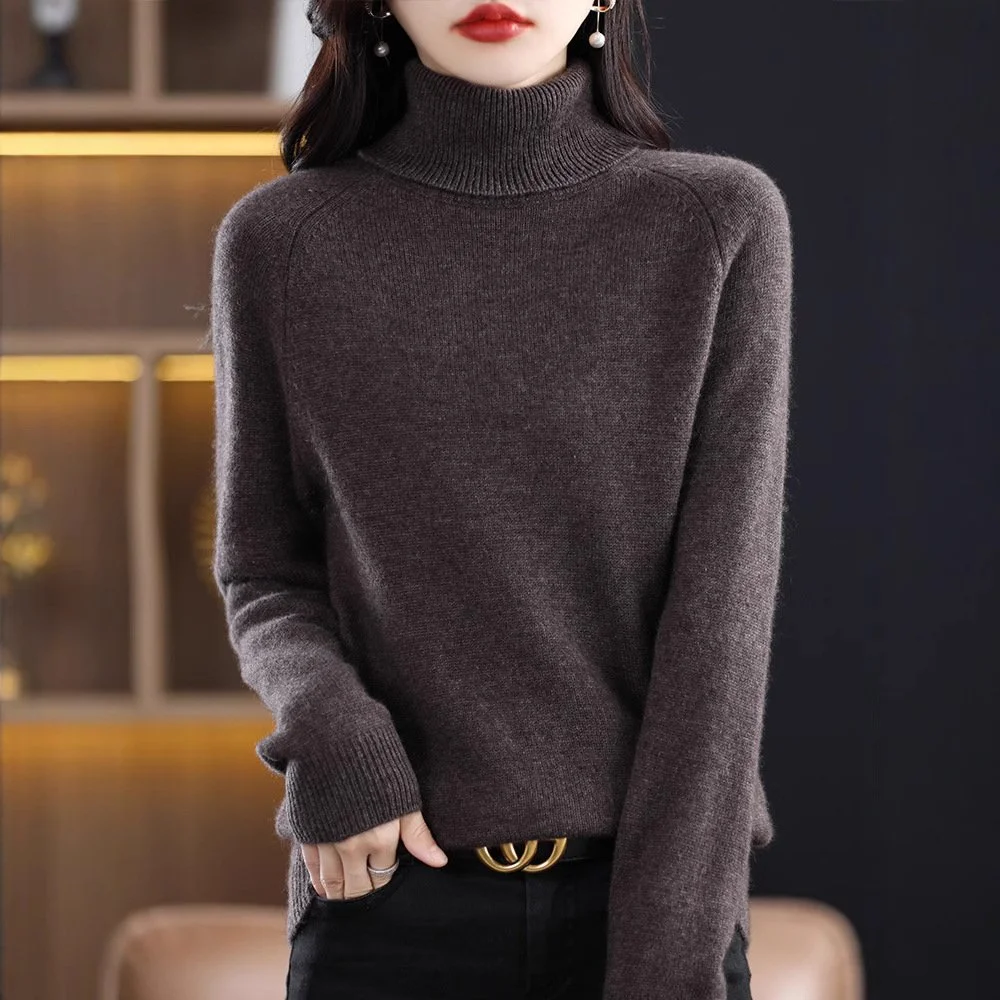
- Pros: Made from soft viscose fiber, which drapes well and feels luxurious; available in a wide range of colors and sizes to suit different preferences.
- Con: Viscose can be less durable than cotton or polyester if not handled gently during washing; check care labels for cold wash instructions.
Outer Layers: Structure and Protection
Once you have a solid mid-layer, you need an outer layer that provides structure and protection from wind and light precipitation. An outer layer does not need to be a heavy winter coat if you are layering effectively. A shirt coat or a structured blouse can serve as a windbreaker and add a layer of thermal mass between your sweater and the cold air.
The Versatility of the Shirt Coat
Shirt coats are often made from thicker cotton or twill fabrics that offer more wind resistance than a standard button-down shirt. They provide a clean line over a sweater, preventing the bulk from looking messy. The Blue Long-Sleeve Women's Shirt Coat Is a versatile option for this role.
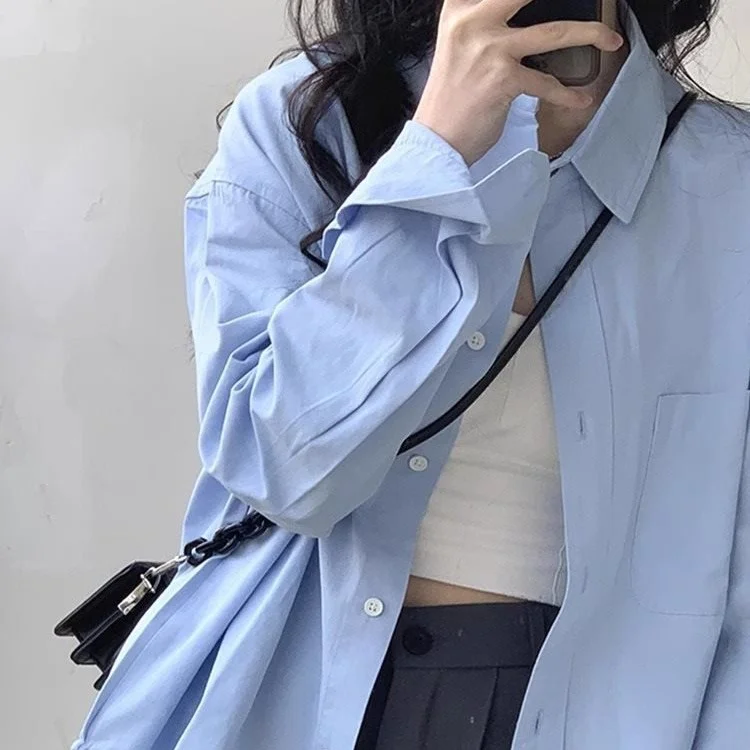
- Pros: Offers effortless style and comfort; provides a structured layer that can be buttoned up for added warmth.
- Con: Not waterproof; it is a windbreaker and light rain protector, not a storm coat.
When choosing an outer layer for an El Niño winter, look for materials that are durable and easy to clean. Darker colors like navy or black tend to hide stains better and absorb more heat from the sun on bright, cold days. Ensure the length of the shirt coat covers your hips. If it ends at the waist, cold air will draft in from the bottom, negating the insulation of your lower body.
Staying Warm at Home: Textiles and Bedding
Staying warm is not just about what you wear outside. The transition from a cold outdoor environment to a heated home can be jarring. However, if your home is not heated to a high temperature to save energy, you need home textiles that provide personal warmth. This is where specialized bedding and throws come in. The key is to choose items that manage moisture and provide consistent insulation without overheating.
Managing Moisture in Bedding
One of the most overlooked aspects of winter comfort is moisture management. If you tend to sweat at night or if there is any risk of incontinence, standard cotton sheets can become damp and cold, leading to restlessness. The Class a Waterproof to Prevent Leakage of Urine Quilted Fitted Sheet Is a practical solution for those who need a barrier against moisture while maintaining a quilted, insulated surface.
Best for Individuals who need a waterproof barrier for personal hygiene or to protect their mattress from spills and moisture.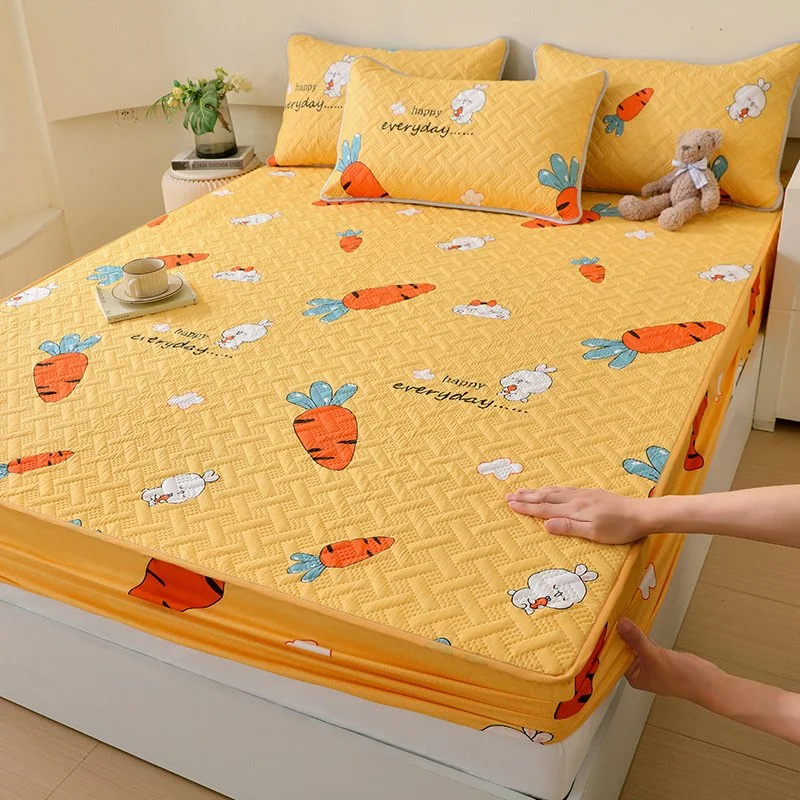
- Pros: Quilted design adds a layer of insulation; waterproof layer prevents leakage from reaching the mattress, keeping the sleeping surface dry and warm.
- Con: Polyester-cotton blend may feel less breathable than pure cotton; asian sizing runs 1-2 sizes smaller, so check the specific dimensions (e.g., 120x200cm) against your mattress size.
When selecting a fitted sheet, accuracy in measurement is critical. A sheet that is too tight will not fit the corners of the mattress, leading to bunching and cold spots. A sheet that is too loose will slip off. For a standard US queen mattress, you typically need a sheet that measures approximately 60 inches by 80 inches plus the depth of the mattress. Always convert the metric sizes provided in product descriptions to inches to ensure a proper fit. The quilted design of this sheet adds loft, which improves insulation by trapping air. This is particularly useful in bedrooms that are kept at a lower thermostat setting to save on heating costs.
The Role of Throws
While the fitted sheet addresses the bed itself, a throw provides an on-demand layer of warmth. You can use a throw to keep warm while reading, watching TV, or napping. Unlike a heavy duvet, a throw is easier to adjust. You can wrap it tighter if you feel cold or loosen it if you start to warm up. When choosing a throw, look for materials that are soft but not itchy. Wool is excellent for warmth but can be irritating to some people. Fleece or brushed cotton are good alternatives. The key is to have a layer that you can easily add or remove without disrupting your sleep or activity.
Product Comparison
The following table compares the selected products based on their key attributes. This helps you quickly identify which item fits your specific needs for an El Niño winter.
| Product | Price | Material/Type | Key Feature | Best For |
|---|---|---|---|---|
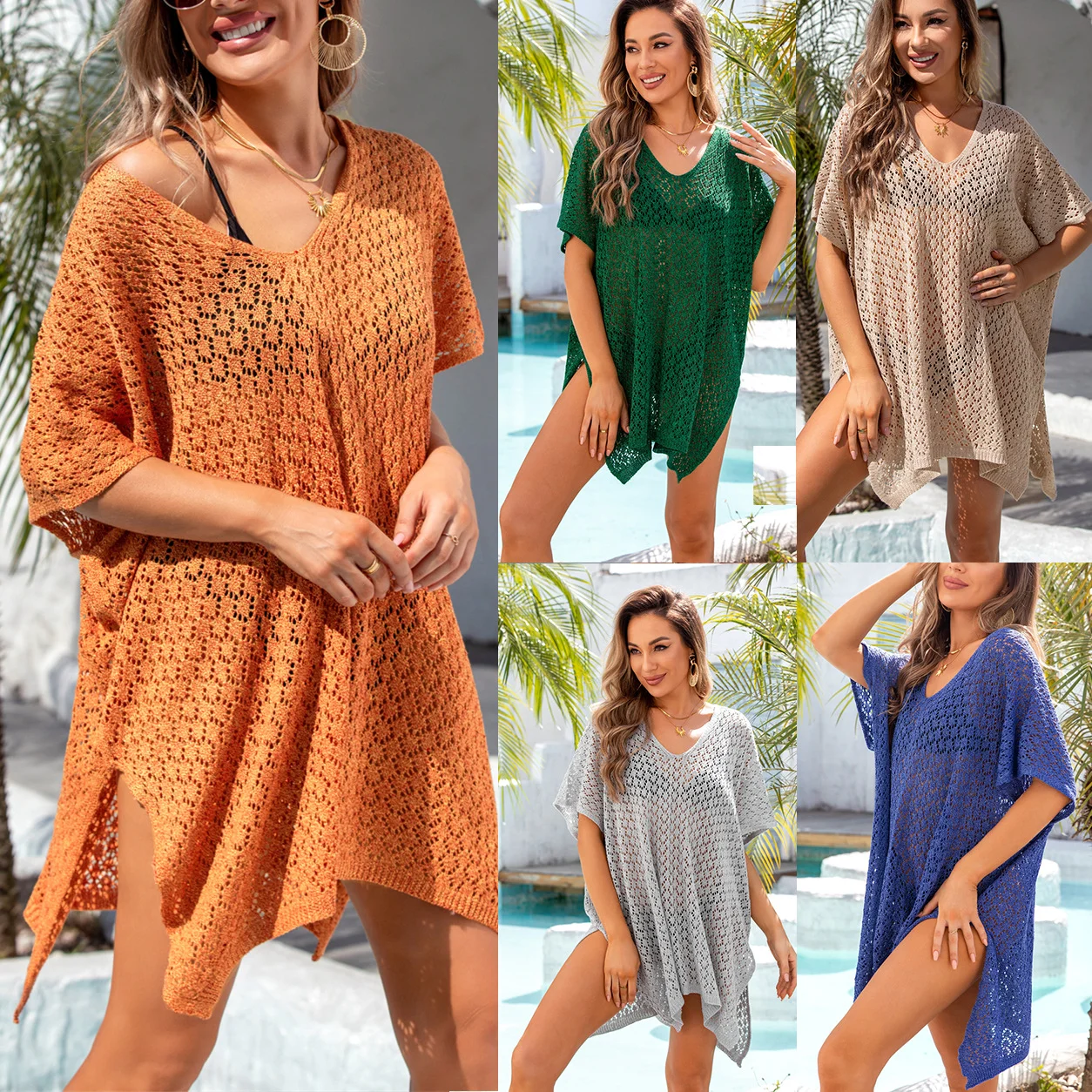
| Beach Cover-up Hollow Sweater | $25.88 | Hollow knit / Sun protection | Lightweight, breathable | Light layering or warm indoor environments |
| Retro Graphic Print Oversized Pullover | $25.64 | Cotton / Loose fit | Retro print, street-style | Casual home wear, light layering |
| Cozy Navy Blue V-Neck Sweater | $29.84 | Polyester air-layer | Warm, quick-drying | Daily cold weather wear, damp conditions |
| Cozy Plus Size Long-sleeved Sweater | $19.12 | Viscose fiber | Plus size cut, soft drape | Plus-size winter layering, commute |
| Blue Long-Sleeve Women's Shirt Coat | $22.64 | Cotton blend / Structured | Wind resistance, style | Outer layer, workwear, wind protection |
| Class a Waterproof Quilted Fitted Sheet | $21.88 | Poly-cotton / Quilted | Waterproof barrier, insulation | Bedding, moisture management, warmth |
Common Mistakes to Avoid
Even with the right items, you can undermine your warmth strategy with common errors. Here are the most frequent mistakes to avoid when preparing for an El Niño winter.
Ignoring the Size Chart
The most common mistake is buying a sweater based on your usual US size without checking the specific measurements for that item. As noted earlier, Asian sizing is smaller. If you buy a size M thinking it will fit like your usual M, it will likely be too tight to layer over a base shirt. This leads to returns, delays in getting ready, and potential discomfort. Always measure the garment flat and compare it to a similar garment you own. If the chest width is less than 10% larger than your base layer, you will not have enough room for effective insulation.
Wearing Too Many Thin Layers
Some people try to stay warm by wearing three or four thin layers instead of two or three substantial ones. While this can work, it creates bulk at the wrists and neck, where heat escapes. It also makes it difficult to adjust your temperature. If you are too hot, you have to remove multiple items. If you are too cold, you have to put them all back on. It is more efficient to have a warm mid-layer and a protective outer layer. This allows for quicker adjustments and a cleaner look. Avoid the "onion" approach of many thin layers; opt for the "sandwich" approach of a base, a warm mid, and a structural outer.
Neglecting Footwear and Accessories
You can wear the warmest sweater in the world, but if your feet are cold, you will feel cold overall. Cold feet signal to your body that it is losing heat, causing vasoconstriction in other parts of the body. Ensure you have warm socks and shoes that fit over them. Similarly, a scarf is not just an accessory; it is a critical component of your thermal envelope. It protects your neck, which is a major area of heat loss. Do not skip these items when layering for an El Niño winter.
Using Incorrect Bedding Sizing
When buying fitted sheets or blankets, ignoring the specific dimensions can lead to a poor fit. A sheet that is too small will not stay in place, and a blanket that is too small will not cover you adequately. Always check the product description for the exact dimensions in centimeters or inches. Convert these to your preferred unit of measurement. If you are between sizes, choose the larger one to ensure full coverage. This is especially important for waterproof sheets, as gaps can allow moisture to reach the mattress.
Care and Styling Tips
Proper care extends the life of your winter clothing and ensures they continue to provide warmth. Different materials require different handling. Here are some tips for the items