It is that time of year when the air turns crisp, but your coat is not yet heavy enough for winter. You reach for a thick sweater, only to find that it bunches uncomfortably under your trench coat or blazer. Or you wear a thin tee and feel the chill on the walk to the train. The problem is not a lack of options; it is a lack of information about which specific weights and necklines actually work for layering. This guide cuts through the noise. We look at five specific sweaters that balance professional aesthetics with practical warmth, helping you build a commute wardrobe that feels as good as it looks.
Understanding Sweater Weight for Layering
Not all knits are created equal. When layering for a 60-70°F commute, the goal is insulation without volume. A sweater that is too thin will not provide enough warmth once you step outside, while a sweater that is too thick will make your coat feel tight and restricted. The sweet spot for this temperature range is a "medium" weight knit. These fabrics are dense enough to trap body heat but thin enough to slide under a structured coat without creating a puffy silhouette.
The 60-70°F Sweet Spot
In this temperature band, you need a base layer that can handle a breeze but does not require heavy insulation. A medium-weight knit typically has a gauge that is neither extremely fine (like a summer cotton tee) nor chunky (like a winter cable knit). Look for descriptions that mention "regular thickness" or "medium" in the product specifications. This weight allows the fabric to drape rather than stiffen, which is crucial for maintaining a professional line under a blazer or trench.
Why Fabric Composition Matters
The material dictates how the sweater feels against your skin and how it interacts with outerwear. Natural fibers like wool are warm but can be itchy or prone to shrinking if not cared for. Synthetic blends, such as polyester or viscose, offer consistency in shape and easier care. For daily commuting, a knit that holds its shape after sitting in a car or standing on a train is often more practical than one that stretches out over time. Viscose, for example, has a drape similar to silk but is more durable for daily wear. Polyester blends resist wrinkles, which is helpful if you are traveling to an office where you need to look polished upon arrival.
Fit vs. Bulk
A common misconception is that loose fits are always better for layering. In reality, a sweater that is too baggy creates excess fabric at the waist and hips, which bunches up when you put on a coat. A "slim" or "regular" fit that follows the body's natural lines without clinging tightly is ideal. This fit minimizes the amount of fabric between you and your outerwear. If you prefer a relaxed look, look for a "loose fit" that is cut with a straighter hem, rather than one that is oversized in the torso. This ensures that when you button your coat, the sweater lies flat against your torso rather than creating a tent effect.
Choosing the Right Neckline
The neckline of your sweater determines how it interacts with the collar of your coat and any underlying shirt. It also affects the overall silhouette of your upper body. A poorly chosen neckline can make your neck look short or cause your coat to gape at the front. Here is how to match necklines to your commute needs.
Crewneck: The Versatile Standard
The crewneck is the most versatile option for layering. It sits at the base of the neck, allowing it to work with both open and closed coat collars. If you are wearing a collared shirt underneath, a crewneck sweater will sit neatly over the collar, creating a clean, layered look. It is also the best choice if you plan to wear a scarf, as it does not compete for space around the neck. For a professional setting, a crewneck in a solid color is a safe bet that pairs well with blazers and trench coats.
V-Neck: For Collared Shirts
If you like to wear a button-down shirt visible at the neckline, a V-neck sweater is your best option. The V-shape creates a frame for the shirt collar, adding a touch of classic professionalism. This style is particularly effective under a blazer, as it elongates the neck and chest area. However, be mindful of the depth of the V. A shallow V is more subtle and easier to style with various collar types, while a deep V may require a shirt with a wider collar to fill the space. For a commute, a moderate V-neck offers the best balance of style and practicality.
Turtleneck and Mock Neck: Warmth and Structure
Turtlenecks offer the most warmth around the neck, which is beneficial on windy days. However, they can be tricky to layer under a coat if the coat collar is also high. A turtleneck can sometimes push the coat collar up or create a bulky stack at the neck. If you choose a turtleneck, ensure it is slim-fitting and not excessively long. A mock neck (a shorter turtleneck) is a good compromise, offering neck coverage without the bulk. This style works well under a trench coat with a lapel, as it provides a clean line without interfering with the coat's structure.
Turn-Down Collars and Unique Shapes
Some sweaters feature unique necklines, such as turn-down collars or lace-up details. These can add a fashion-forward element to your commute outfit. However, they require more effort to style correctly. A sweater with a built-in collar can replace the need for a separate shirt, simplifying your morning routine. Just ensure that the collar of the sweater does not conflict with the collar of your coat. If you choose a sweater with a distinctive neckline, keep the rest of your outfit simple to let that feature shine.
Top 5 Sweaters for Cold Fall Commutes
We have selected five sweaters that offer different styles, fabrics, and fits to suit various preferences. All are priced under $60, making them accessible for building a rotation of layered tops. Remember that all these items use Asian sizing, so always check the specific size chart before ordering.
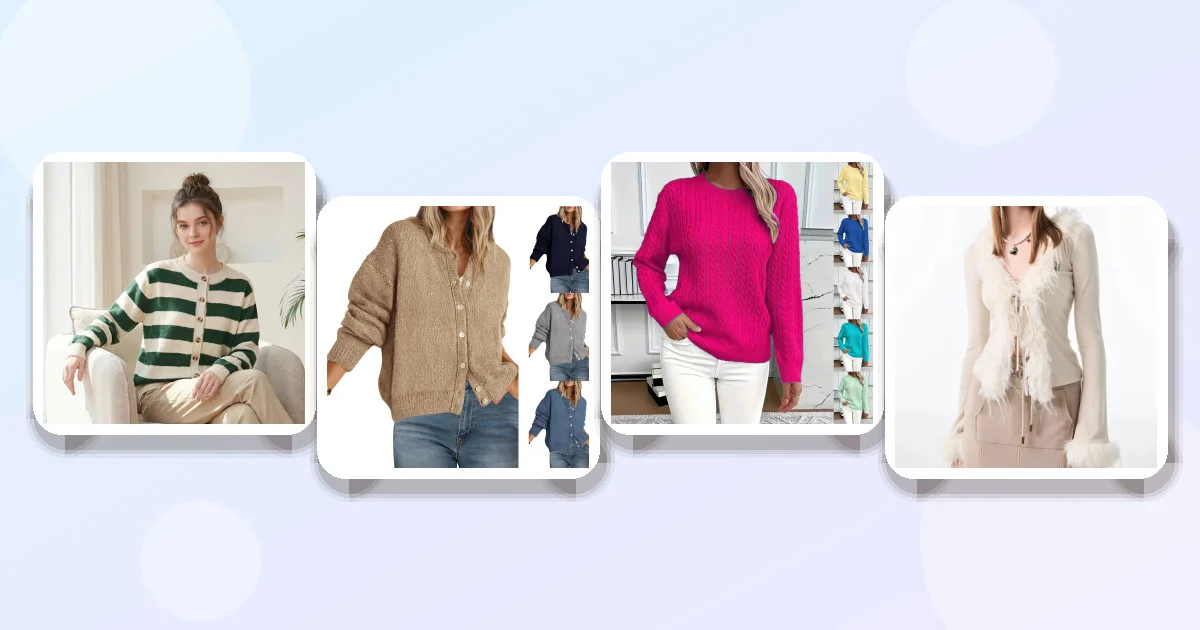
1. Striped Knit Cardigan
This green and white striped cardigan offers a casual yet put-together look. The crewneck design is classic and easy to layer. The button-up front allows you to adjust the warmth level as the day progresses. It is a great option for a more relaxed office environment or for days when you want a break from solid colors.
Striped Knit Cardigan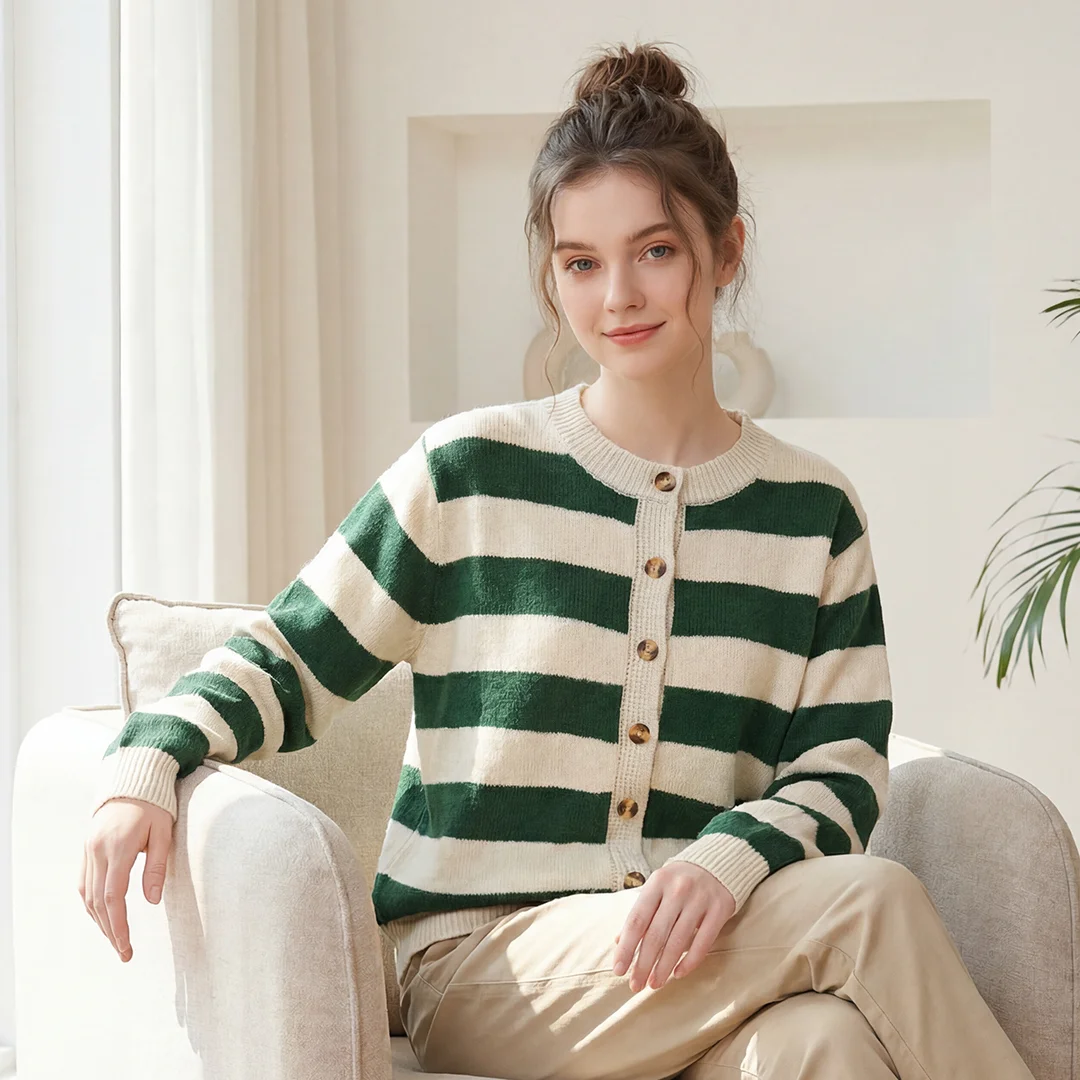
- Pros: The striped pattern adds visual interest without being loud; the button-up design allows for easy temperature adjustment.
- Con: The pattern may be less formal than a solid color, so check your office dress code.
2. Loose Fit Round Neck Cardigan
Available in black or khaki, this cardigan is made from 100% polyester. The loose fit provides a relaxed silhouette that is comfortable for long days. The regular length (50-65 cm) ensures it stays tucked in or lies neatly over high-waisted pants. The solid color makes it a versatile piece for layering under various coats.
Loose Fit Round Neck Cardigan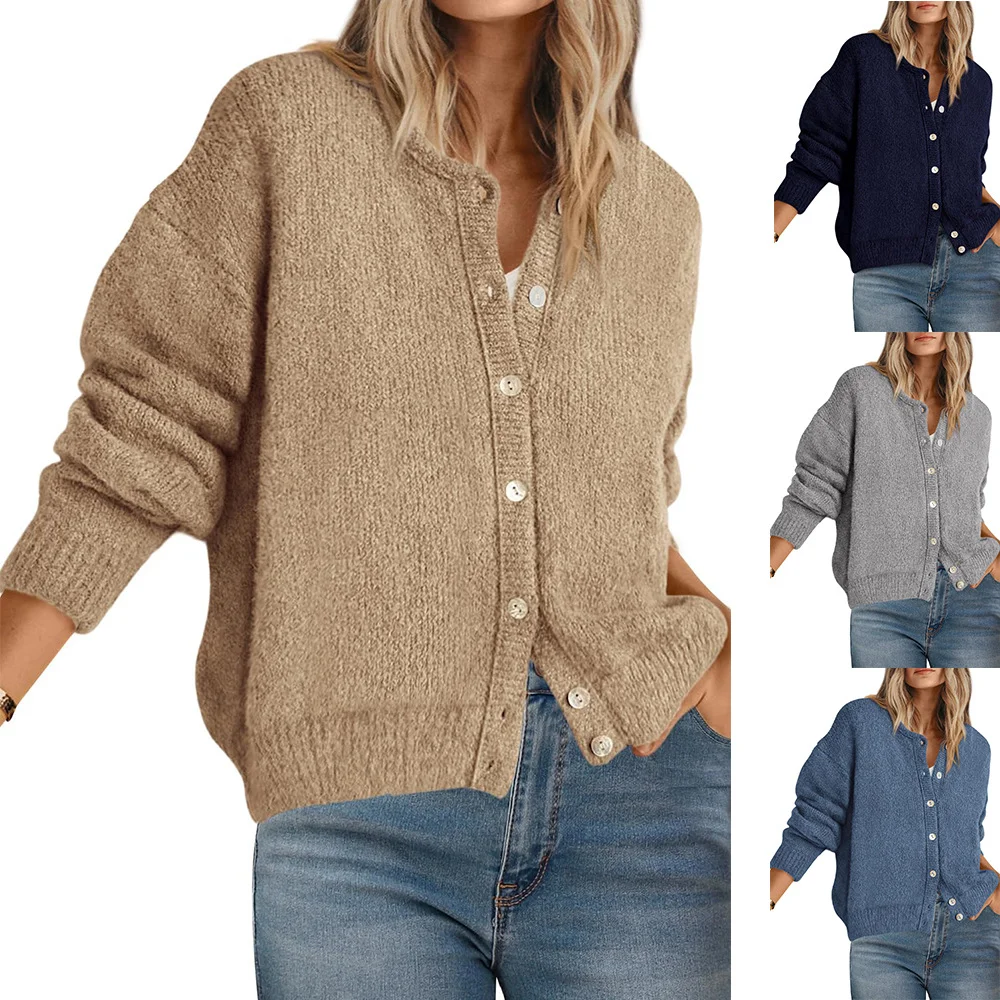
- Pros: 100% polyester fabric is resistant to wrinkles and easy to care for; available in neutral colors that go with everything.
- Con: The loose fit may create more bulk under a fitted coat compared to a slim fit.
3. Ins Twist Round Neck Pullover
This medium-thickness pullover comes in a wide range of colors, including blue and lake blue. The solid color and round neck make it a staple piece for your commute wardrobe. The pullover style is easy to put on and take off, saving you time in the morning. The medium thickness is ideal for the 60-70°F range, providing warmth without excessive bulk.
Ins Twist Round Neck Pullover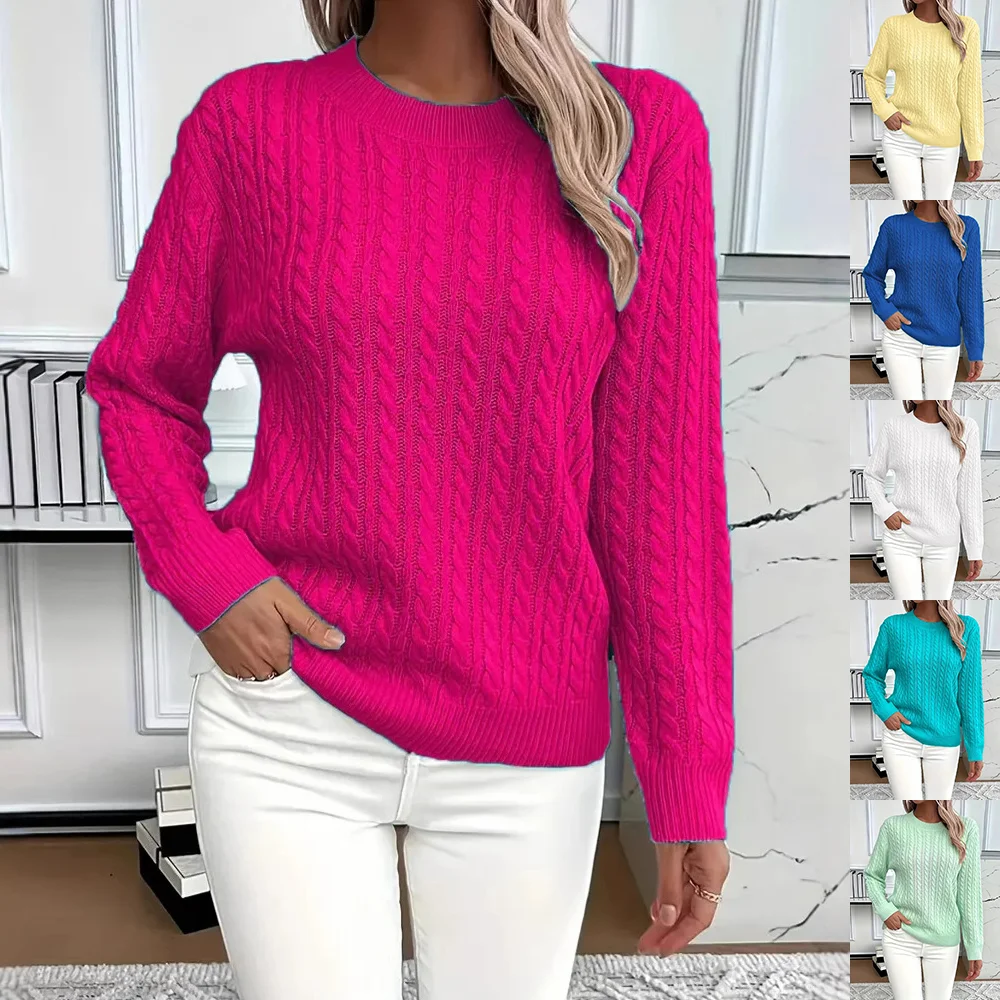
- Pros: Huge color selection (85 options) allows for easy mixing and matching; medium thickness is perfect for transitional weather.
- Con: Pullover style requires you to pull it over your head, which can be less convenient than a cardigan if you are in a rush.
4. Woolen Sweater V-neck Lace Up Cardigan
Despite the name "woolen," this cardigan is made from 90% viscose and 10% spandex. This blend gives it a soft drape and a bit of stretch for comfort. The V-neck and lace-up details add a feminine touch to a standard cardigan style. The viscose fabric is breathable and comfortable against the skin, making it a good choice for those who find wool itchy.
V-neck Lace Up Cardigan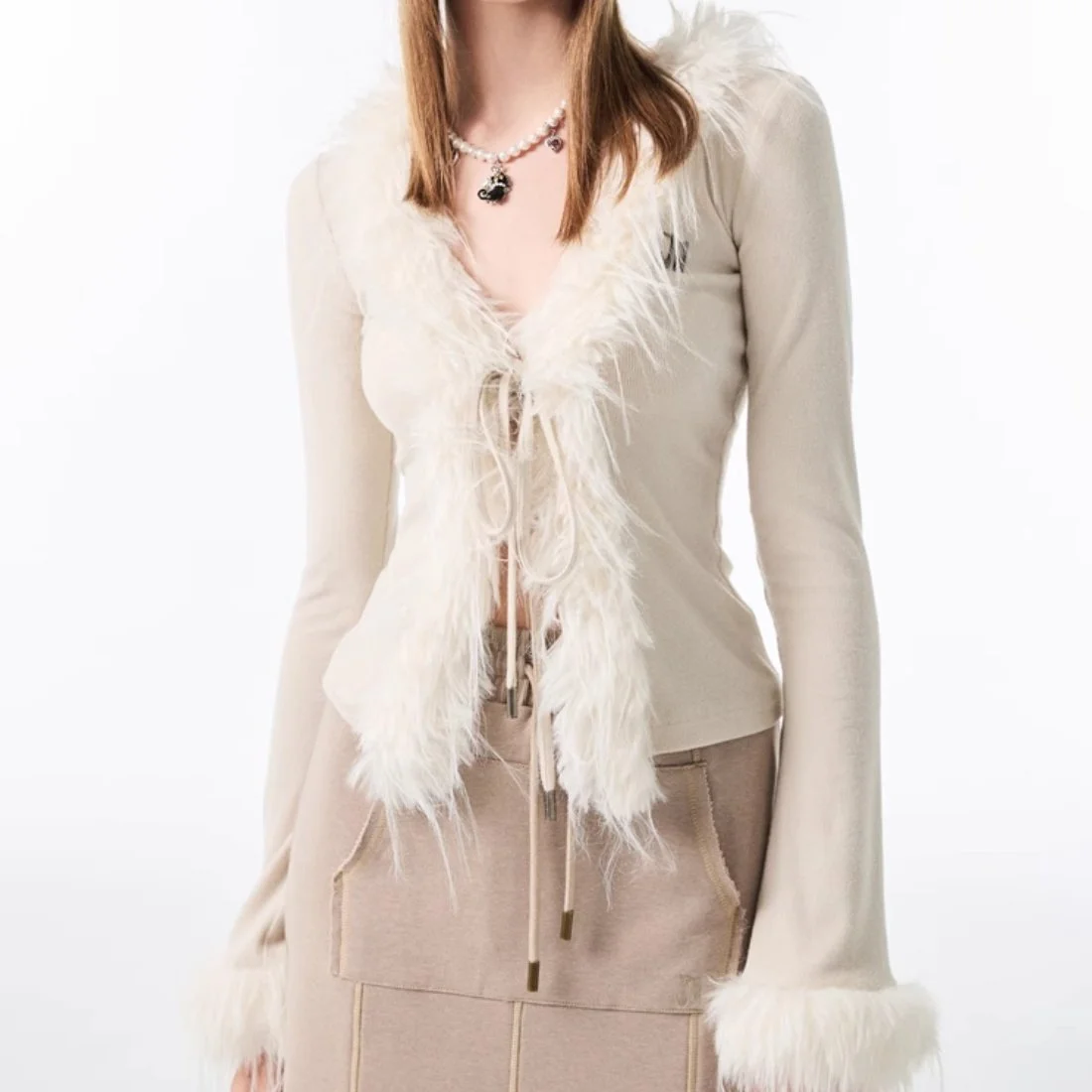
- Pros: Viscose blend is soft and drapes well; the lace-up detail adds a stylish flair.
- Con: The lace-up front may be less practical for quick on-and-off layering compared to buttons or a pullover.
5. Turtleneck Sleeveless Knit Top
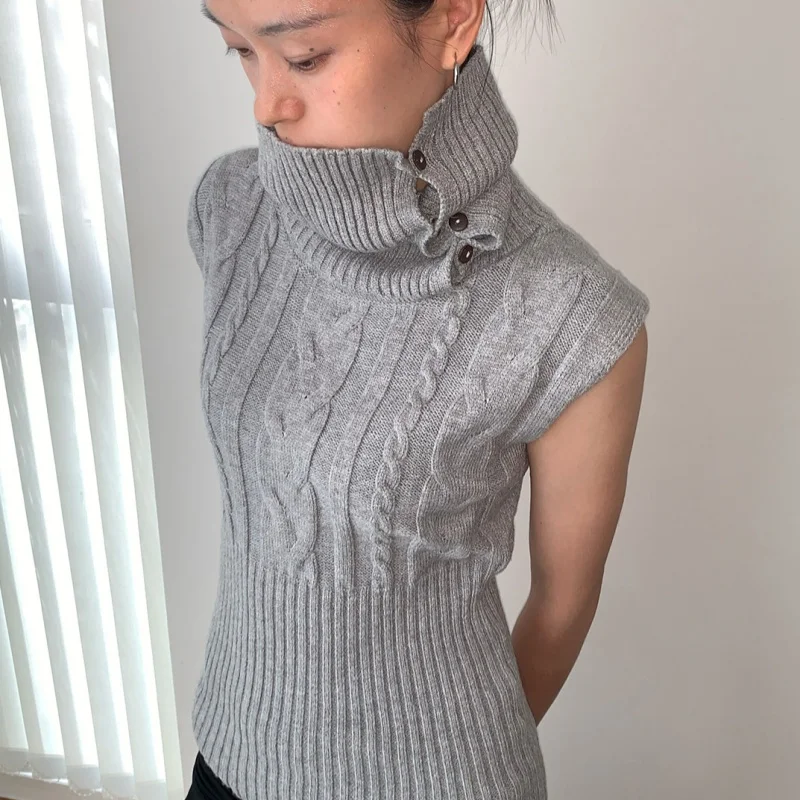
This is a unique option: a sleeveless knit top with a turtleneck and turn-down collar. It is slim-fitting and comes in gray or red. This piece is not a traditional sweater but a knit top that can be layered under a jacket or over a long-sleeve shirt. It is ideal for those who want the look of a turtleneck without the bulk of full sleeves. The slim fit ensures it layers smoothly under structured coats without adding volume to the arms.
Turtleneck Sleeveless Knit Top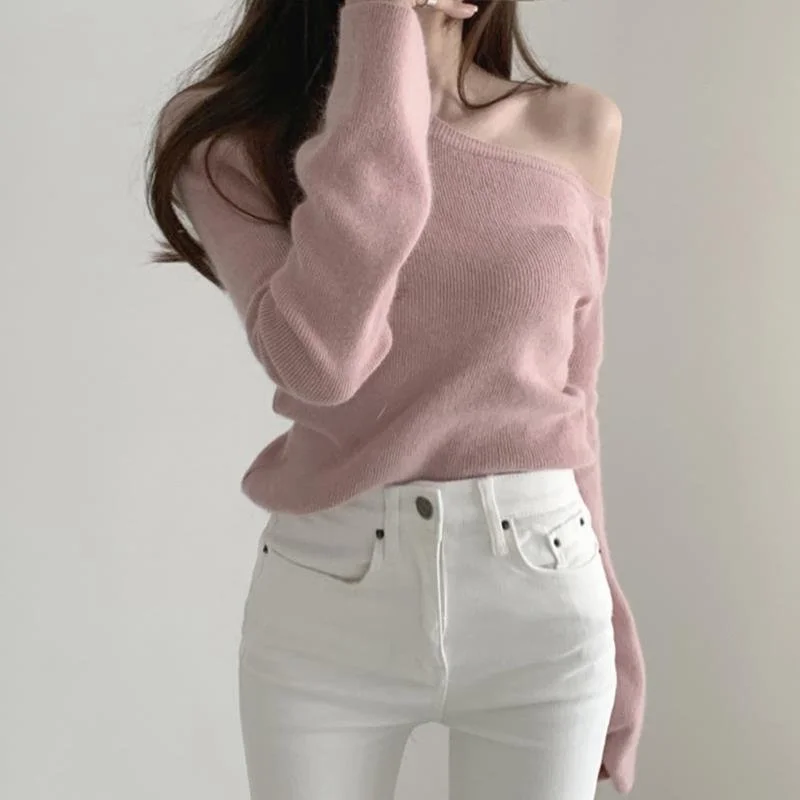
- Pros: Slim fit minimizes bulk under coats; the turtleneck provides warmth for the neck.
- Con: It is sleeveless, so it must be layered over a long-sleeve top, which adds a step to your morning routine.
Comparison Table
To help you decide, here is a side-by-side comparison of the five sweaters. Note that prices and availability can change, so always check the current listing.
| Product | Price | Type/Fabric | Fit/Style | Best For |
|---|---|---|---|---|
| Striped Knit Cardigan | $32.00 | Knit (Unspecified) | Crewneck, Button-Up, Casual | Casual offices, pattern lovers |
| Loose Fit Round Neck Cardigan | $31.84 | 100% Polyester | Loose Fit, Regular Length | Comfort seekers, low-maintenance wear |
| Ins Twist Round Neck Pullover | $22.24 | Knit (Unspecified) | Pullover, Medium Thickness | Building a basic capsule wardrobe |
| V-neck Lace Up Cardigan | $22.48 | 90% Viscose, 10% Spandex | V-Neck, Lace-Up, Slim/Drapey | Feminine details, sensitive skin |
| Turtleneck Sleeveless Knit Top | $59.04 | Knit (Unspecified) | Slim Fit, Turtleneck, Sleeveless | Layering under long-sleeve tops |
Navigating Sizing and Fit
Sizing is the most critical factor when buying online, especially with international brands. All five products listed above use Asian sizing, which runs 1-2 sizes smaller than US/EU standards. This means that if you are a US Medium, you should likely order a Large or XL. Do not rely on your usual size. Instead, measure yourself and compare those measurements to the specific size chart provided in the product listing.
How to Measure Yourself
Use a soft measuring tape. For bust, measure around the fullest part of your chest, keeping the tape level. For waist, measure around your natural waistline. For length, measure from the highest point of your shoulder to where you want the sweater to hit. Keep in mind that knits can stretch, so a slightly smaller fit may conform to your body, while a larger fit will be more relaxed. If you are between sizes and prefer a looser fit for layering, size up. If you prefer a slimmer look, size down, but be cautious as knits can lose shape over time.
Allowing for Variance
These products are measured manually, so there is a 2-3 cm (approx. 1 inch) variance in dimensions. This is normal for handmade or small-batch knitwear. When trying on the sweater, move your arms and sit down to ensure it is comfortable in all positions. A sweater that feels tight when standing may feel very restrictive when you sit in a car or office chair. Also, note that colors may appear slightly different on your screen due to monitor settings. If color accuracy is crucial to your wardrobe, check the seller’s return policy or look for customer photos if available.
Fit for Layering
When choosing a size specifically for layering, consider the volume of your outerwear. If you wear a bulky puffer jacket, a slimmer fit sweater will help balance the silhouette. If you wear a fitted trench coat, a regular or loose fit sweater may create too much bulk at the waist. Try on the sweater with the coat you plan to wear most often. If the coat feels tight at the shoulders or chest, consider a slimmer fit sweater or a larger size of the coat. The goal is a smooth line from shoulder to hem without excessive fabric bunching.
Common Mistakes to Avoid
Even with the right sweater, certain styling and purchasing errors can ruin your commute look. Avoid these common pitfalls to ensure your layers work as hard as you do.
Ignoring the Sizing Chart
The most common mistake is ordering your usual size without checking the specific chart. Because these items use Asian sizing, a US Medium is often an Asian Small. Always measure and compare. If you are unsure, size up. It is easier to hem a sweater that is too long than to manage one that is too short or tight.
Layering Too Many Thick Fabrics
Do not wear a thick thermal base layer under a medium-weight sweater if you are also wearing a heavy coat. This creates a "puffy" look that is both uncomfortable and unflattering. Instead, use a thin, smooth base layer (like a cotton or silk camisole) under your sweater. This adds warmth without bulk. Save the thick thermals for days when you are not wearing a heavy outer layer.
Mismatching Necklines
Avoid wearing a high-neck sweater under a high-collared coat if it creates a visible gap or bunching. If your coat has a high collar, a crewneck or V-neck sweater is usually a better choice. If your coat has a low collar, a turtleneck can provide coverage. Experiment with different combinations to find what works best for your specific outerwear.
Not Caring for the Fabric
Knits can lose their shape if not cared for properly. Always check the care label. Most knits should be hand-washed or machine-washed on a gentle cycle in a laundry bag. Air dry them flat to prevent stretching. Hanging a wet knit sweater will cause it to stretch and distort over time. Proper care ensures your sweater lasts through the season and beyond.
Choosing the Wrong Length
A sweater that is too short will ride up when you sit, exposing your waist. A sweater that is too long