
Packing for winter is a logistical puzzle. You need enough warmth to handle sub-zero temperatures, but you also have a finite amount of suitcase space. Many travelers end up with a bulky coat that takes up half their luggage, leaving no room for souvenirs or additional clothing. Others pack too little, ending up shivering in the airport terminal. The solution lies in understanding how different fabrics and cuts behave under compression. This guide walks you through selecting the right packable women's coats and essential accessories that balance warmth, style, and portability. You will learn what to look for in materials, how to layer effectively, and which specific items fit into a standard carry-on or checked bag without sacrificing comfort.
How to Choose a Packable Coat for Winter Travel
Choosing the right outerwear for winter travel requires balancing three competing factors: insulation, weight, and compressibility. A heavy parka offers superior warmth but is difficult to pack. A thin windbreaker is easy to stuff into a pocket but offers little protection against the cold. The sweet spot for most travelers is a mid-weight coat that can be layered over thermal base layers and under a heavier jacket if needed, or a structured coat that folds neatly into a carry-on bag. Here is what you need to evaluate before making a purchase.
Material and Insulation Type
The material determines how well the coat retains heat and how it behaves when compressed. Down jackets are the gold standard for warmth-to-weight ratio, but they require careful handling to avoid clumping. Synthetic fills, such as polyester fleece or microfiber, are more durable and easier to care for, though they may not pack down quite as small as high-quality down. For travel, look for coats made from blends that offer wind resistance. A windproof outer shell prevents heat loss, which is crucial when you are standing in a queue at the airport or walking between terminals. If you are visiting a region with high humidity or snow, check the water-resistance rating of the fabric. A fully waterproof coat is heavier and often less breathable, which can lead to sweating if you are active. For city travel, a water-repellent finish is usually sufficient.
Fit and Silhouette
The cut of the coat affects both its functionality and how it packs. A slim-fit coat is easier to fold and take up less space in your suitcase. However, if you plan to wear thick sweaters or multiple layers underneath, a slightly looser fit provides more room for movement. Avoid coats with excessive padding or rigid structure, as these are difficult to compress. Look for features like adjustable cuffs and hems, which allow you to customize the fit for different layers. A mock-neck or high collar adds warmth to the neck area without the bulk of a separate scarf, making it a practical choice for travel. If you have a specific body type, pay attention to the shoulder seam placement. A well-tailored coat moves with you, reducing the need for excess fabric that adds bulk when packed.
Length and Versatility
The length of the coat impacts how much coverage you have and how it folds. Long coats are ideal for very cold weather because they cover more of your body, but they are harder to pack. Mid-length coats (hitting at the hip or thigh) offer a balance between coverage and portability. They can be folded in half or thirds to fit into a suitcase compartment. Versatility is key. Look for coats that can be worn in a variety of settings, from a casual airport terminal to a dinner reservation. Neutral colors like black, gray, and navy are easier to match with other clothing in your luggage. If you are planning multiple outfits, a coat that works with at least 70% of your packed clothing is a smart investment.
Storage and Compression
Consider how you will store the coat during your trip. If you are staying in a hotel with a closet, you can hang the coat to maintain its shape. If you are traveling by train or bus, you may need to keep it in a compact bag. Some coats come with a compression bag, which helps reduce their size. Even if a coat does not come with a bag, you can use a vacuum sealer bag or a compression sack to save space. Check the dimensions of the folded coat. A coat that folds down to the size of a book is ideal for carry-on luggage. If the folded size is larger, plan to check your bag or use a large duffel for the outerwear.
Climate Specifics
Not all winter climates are the same. A trip to New York City in January is different from a trip to Aspen, Colorado. In urban environments, you will spend more time indoors, where heating can be intense. A coat that is too hot will make you uncomfortable when you are inside. In mountainous or rural areas, you may be exposed to wind and lower temperatures for longer periods. Adjust your insulation level based on your destination. If you are unsure, it is better to err on the side of slightly too warm, as you can always remove layers indoors. However, if you are prone to overheating, choose a lighter coat and rely on accessories like hats and gloves for extra warmth.
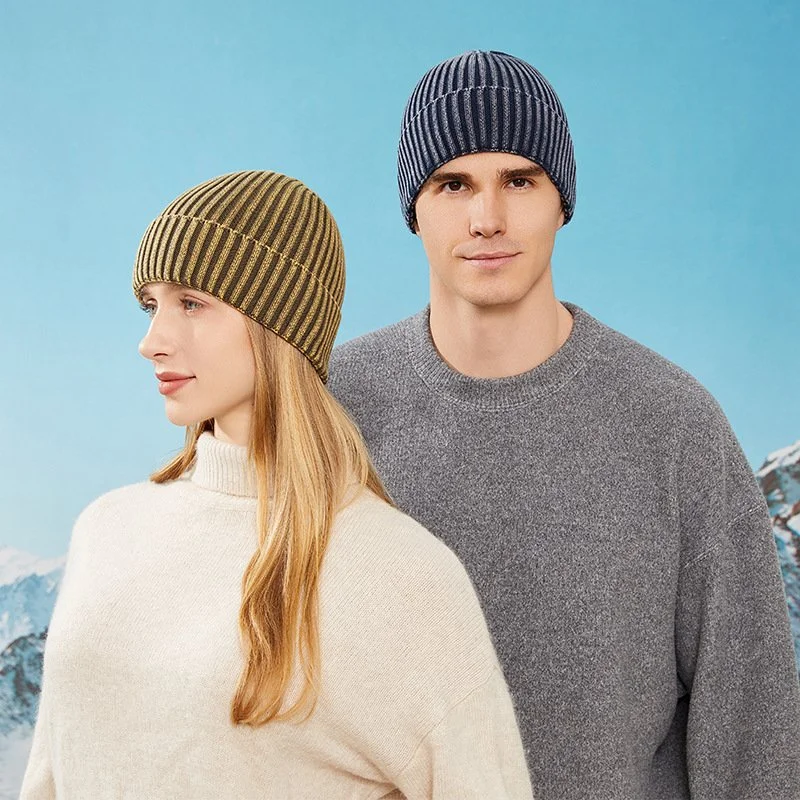
Top 5 Packable Essentials for Winter Travel
While a single coat may not cover every scenario, combining the right outerwear with strategic accessories creates a complete winter travel kit. The following products are selected for their ability to pack small, provide targeted warmth, and complement a range of outfits. These items work together to ensure you are prepared for cold weather without overpacking.
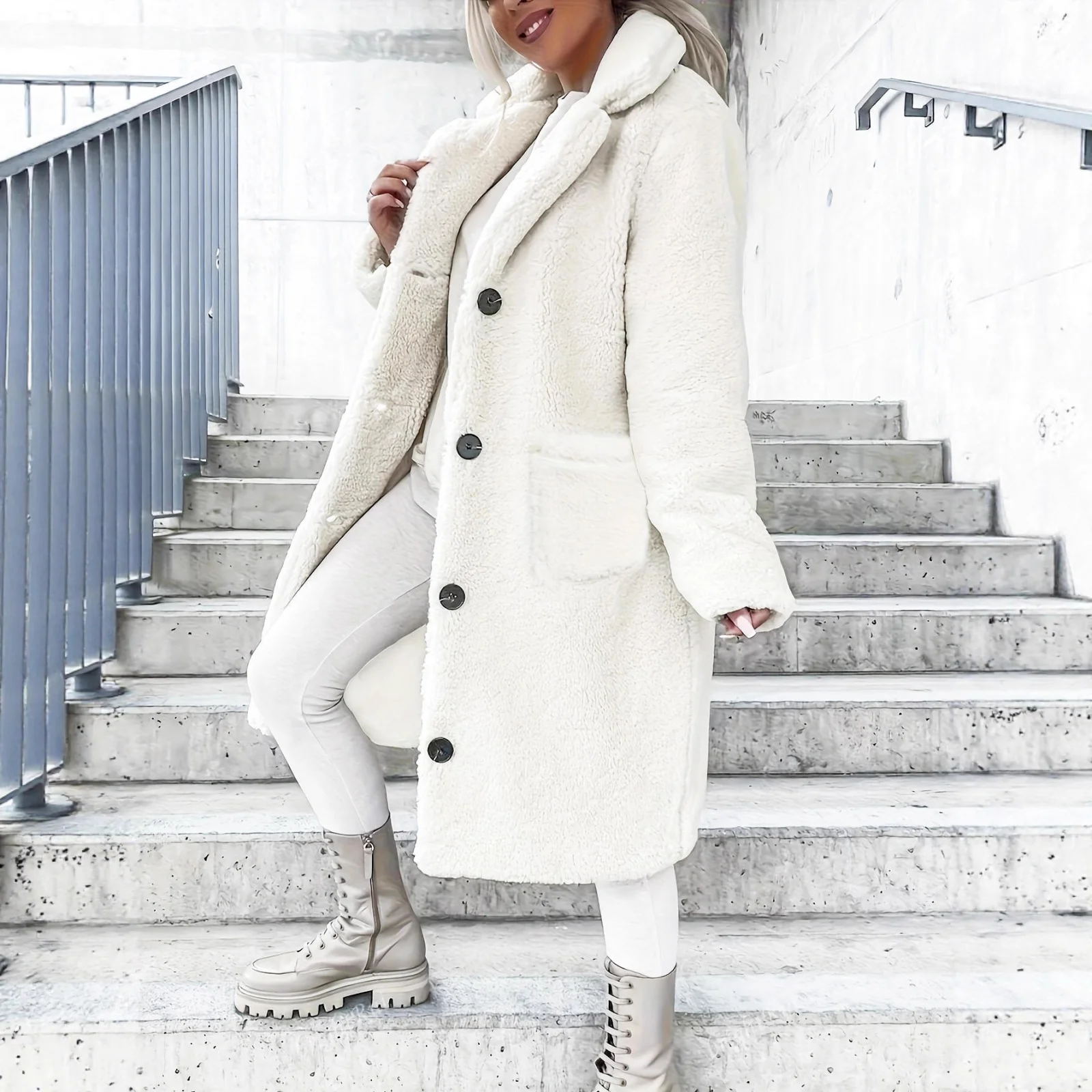
1. Warm Women's Long Coat for Autumn Winter
This long coat is designed for cold autumn and winter days, offering a blend of materials that provide both warmth and style. Its length offers significant coverage, making it a strong choice for travelers who need protection against wind and cold. The design is versatile, allowing it to be worn over sweaters or dresses. Because it is a structured garment, it is important to check how it folds. While it may not compress as much as a puffer jacket, its presence in your luggage provides a polished look for dinners or formal events. It serves as the primary outer layer for days when you are out and about in the city.
Best for Travelers who need a professional, polished outer layer for city visits and dinners that requires significant wind protection.- Pro: Long length provides excellent coverage for the torso and legs, reducing wind chill.
- Pro: Versatile style makes it suitable for both casual and semi-formal winter settings.
- Con: May take up more space in a suitcase compared to shorter, compressible jackets.
2. Lightweight Slim-fit Warm Mock-neck Base Layer
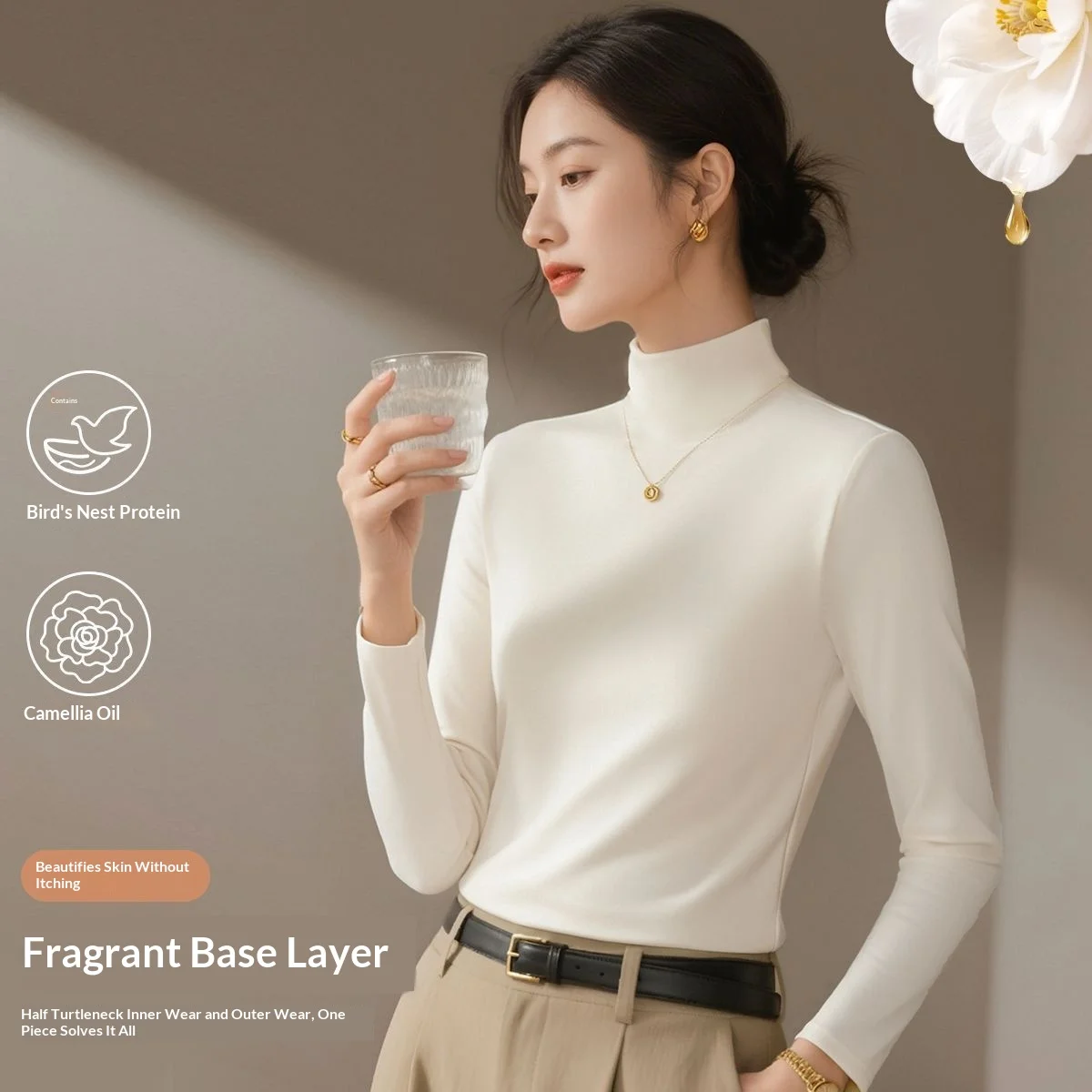
This base layer is a critical component of the layering system. It is lightweight and slim-fitting, designed to be worn directly against the skin or under a sweater. The mock-neck design adds warmth to the neck area, which is often a cold spot. Because it is made from a blend of materials, it likely offers good breathability and moisture management, which is essential for staying comfortable during long flights or walks. It packs easily into a small space in your suitcase, making it an ideal item to have on hand for chilly mornings or nights. This item allows you to adjust your warmth level without adding bulk to your outer layers.
Best for Travelers who need to adjust their warmth level quickly between indoor and outdoor environments.- Pro: Slim fit allows for easy layering under sweaters or coats without adding bulk.
- Pro: Mock-neck provides targeted warmth for the neck and upper chest area.
- Con: Must be worn under other layers; not suitable as a standalone outer garment.
3. Zipper Leg Warmers for Women
These leg warmers are a practical solution for keeping your lower legs warm without wearing heavy pants. Made from soft acrylic, they are comfortable to wear and provide insulation for the calf and shin areas. The zipper design allows for easy on and off, which is convenient in public spaces. They are available in black and white, making them easy to match with various outfits. With a one-size fit that accommodates leg circumferences up to 62cm, they are suitable for many body types. These warmers are particularly useful if you are wearing dresses or thinner pants and need extra warmth without the bulk of tights or leggings.
Best for Travelers wearing dresses or thin pants who need extra leg warmth without adding bulk to their footwear or overall silhouette.- Pro: Easy to put on and remove with the zipper design, convenient in public.
- Pro: Soft acrylic material provides comfort and insulation for the lower legs.
- Con: One-size fit may not be ideal for very thick or very slim legs; check the 62cm circumference limit.

4. Winter Warm Ear Protection Woolen Cap for Women
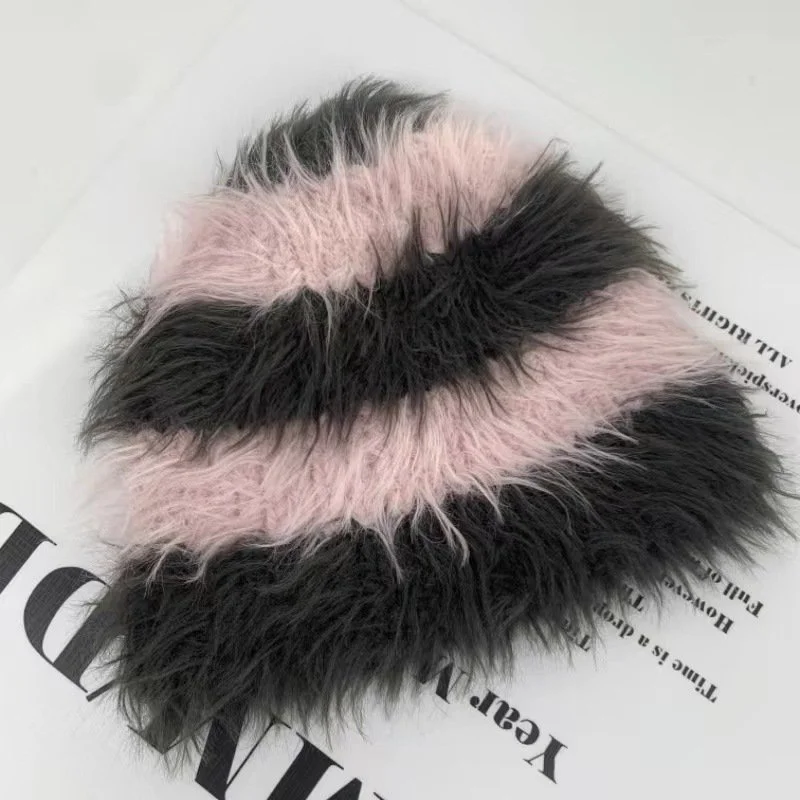
This woolen cap is designed to keep your head and ears warm in cold weather. Made from soft, mink-like wool, it offers breathability and wind protection. The one-size-fits-all design ensures a comfortable fit for most people. It is available in six trendy colors, allowing you to match it with your winter outfits. This cap is a lightweight item that takes up minimal space in your hand or a small pocket. It is an essential accessory for outdoor activities, as heat loss from the head can significantly impact your overall comfort. Pairing this cap with your coat and base layer creates a complete head-to-toe warmth system.
Best for Travelers who need reliable head and ear protection for outdoor activities in windy or very cold conditions.- Pro: Breathable and windproof wool material provides effective warmth without overheating.
- Pro: One-size-fits-all design is convenient for travel, eliminating the need for size-specific fitting.
- Con: Wool can sometimes itch for sensitive skin; check the fiber composition if you have allergies.
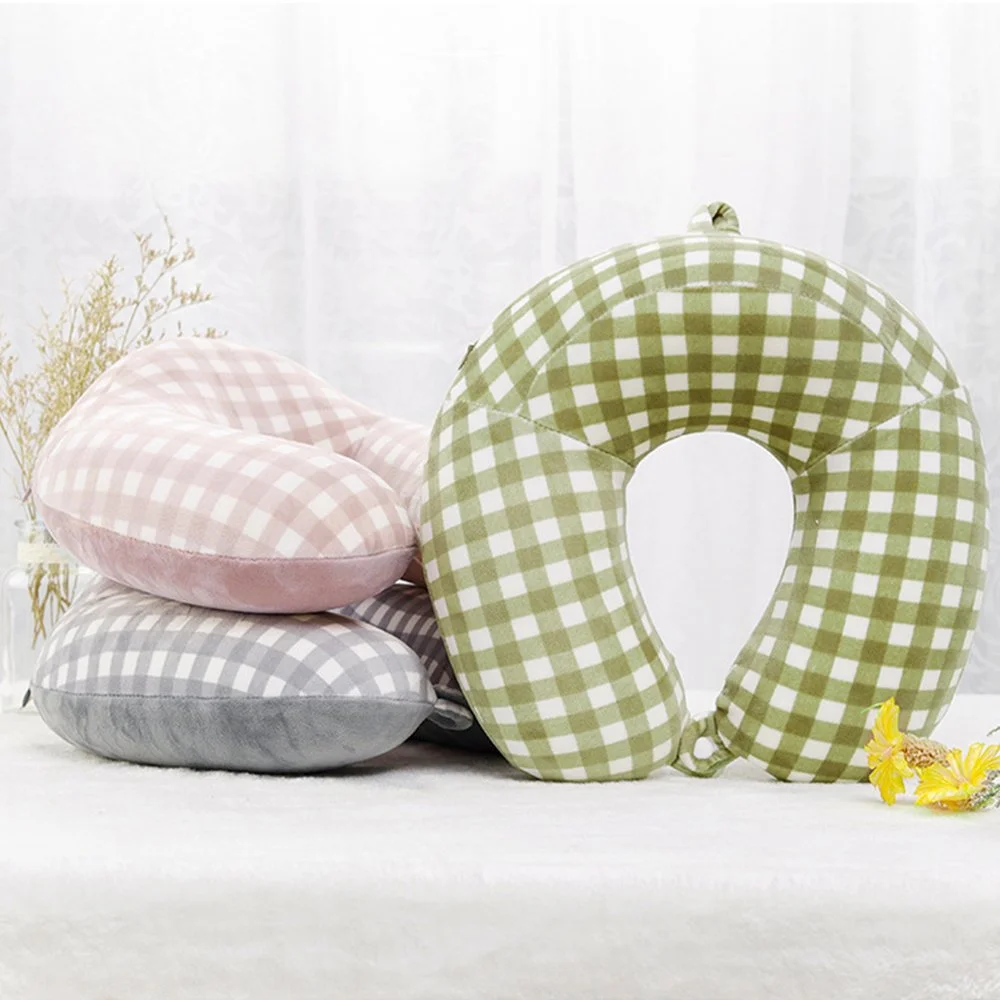
5. Travel Slow Rebound Massage Neck Pillow
While not a coat, this neck pillow is a crucial travel accessory for cold weather. It helps maintain the natural curve of your neck during long flights or train rides, reducing strain and discomfort. Made from polyester fiber, it is lightweight and easy to pack. The pillow height ranges from 10.1 to 15cm, providing support for various neck lengths. It is available in four plaid colors, adding a touch of style to your travel gear. Keeping your neck warm and supported is important for staying comfortable during long journeys, especially when the air conditioning in planes or trains can make the environment feel chilly. This item complements your clothing by addressing a specific area of discomfort.
Best for Travelers on long flights or train rides who need neck support and warmth to stay comfortable during the journey.- Pro: Provides ergonomic support for the neck, reducing strain during long travel periods.
- Pro: Lightweight and compact, easy to pack in a carry-on bag or personal item.
- Con: Polyester filler may not be as breathable as natural materials for some users.
Comparison of Travel Winter Gear
To help you decide which combination of items works best for your trip, the table below compares the key attributes of the recommended products. This comparison highlights the differences in price, material, and intended use. Use this table to plan your packing list based on your specific climate and style preferences.
| Product | Price | Type/Material | Options | Best For |
|---|---|---|---|---|
| Warm Women's Long Coat | $62.12 | Blend of materials | 1 | Primary outer layer for wind and cold |
| Lightweight Mock-neck Base Layer | $11.52 | Blend of materials | 1 | Adjustable warmth under sweaters |
| Zipper Leg Warmers | $7.52 | Soft acrylic | 2 (Black, White) | Extra leg warmth for dresses/thin pants |
| Winter Warm Woolen Cap | $9.64 | Mink-like wool | 6 Colors | Head and ear protection |
| Travel Neck Pillow | $10.08 | Polyester fiber | 4 Colors | Neck support during travel |
Note that prices are subject to change. The total cost of this kit is approximately $101.88, which is a reasonable investment for a complete winter travel wardrobe. You can mix and match these items based on your specific needs. For example, if you are visiting a milder climate, you might skip the long coat and rely on the base layer and cap. If you are visiting a very cold region, you will want to include all items to ensure maximum warmth.
Common Mistakes to Avoid When Packing for Cold Weather
Even with the right gear, poor packing strategies can lead to discomfort and inconvenience. Here are the most common mistakes travelers make and how to avoid them.
Overpacking Heavy Outerwear
Many travelers pack multiple heavy coats, assuming they need one for every day. This is inefficient. Instead, pack one versatile outer layer and rely on accessories like hats, scarves, and gloves to adjust your warmth. A single well-chosen coat can be worn in a variety of settings. If you need more warmth, add a layer underneath rather than swapping the outer coat. This approach saves space and reduces the weight of your luggage.
Ignoring Footwear Bulk
Winter boots are bulky and take up a significant amount of space in your suitcase. If you are traveling to a city where you will be walking a lot, consider wearing your heaviest boots on the plane. This saves space in your luggage and allows you to start your trip ready to go. If you need to pack boots, choose a style that can be folded or has a flexible sole. Avoid rigid, heavy boots that take up too much room. You can also wear thinner socks in the plane and switch to thicker socks when you arrive.
Not Considering Indoor Heating
Airports, planes, and hotels are often heated to a comfortable temperature, but this can feel warm if you are dressed for the cold outside. If you pack too much insulation, you may find yourself overheating indoors. This is why layering is essential. It allows you to remove layers as needed. Avoid wearing a single, very thick coat that is difficult to remove. Instead, use a combination of lighter layers that can be easily adjusted. This keeps you comfortable in both indoor and outdoor environments.
Forgetting Accessories
Accessories like hats, scarves, and gloves are small but provide significant warmth. Many travelers forget to pack them, thinking they are not essential. However, these items can make the difference between a comfortable trip and a chilly one. They are also easy to pack and take up minimal space. Make sure to include a hat, a scarf, and gloves in your packing list. These items can be worn in a variety of ways and add style to your outfit.
Not Checking Fit Before Packing
Buying clothing online without trying it on can lead to fit issues. If a coat is too tight, it will be difficult to layer underneath. If it is too loose, it may not provide adequate warmth. Always check the size chart and read the product description carefully. If possible, try on the item before packing. If you are buying online, consider ordering two sizes and returning the one that does not fit. This ensures that your clothing is comfortable and functional for your trip.
Care, Styling, and Usage Tips
Proper care and styling can extend the life of your travel gear and ensure it looks its best. Here are some tips to help you maintain your items and create cohesive outfits.
Care Instructions
Always check the care label on your clothing before washing. For the woolen cap, hand washing or dry cleaning is often recommended to prevent shrinking or felting. For the acrylic leg warmers, machine washing on a gentle cycle is usually safe. For the base layer, follow the specific fabric care instructions to maintain its shape and elasticity. Store your items in a cool, dry place to prevent mold or mildew. If you are traveling for an extended period, consider using a travel bag to keep your clothing organized and clean. Air out your items regularly to freshen them up.
Styling for Versatility
To maximize the versatility of your travel gear, choose neutral colors that can be mixed and matched. Black, white, gray, and navy are excellent choices. These colors go with almost any other color in your wardrobe. For example, the black leg warmers can be worn with a dress, jeans, or skirts. The woolen cap can be paired with a coat or a sweater. By choosing versatile colors, you can create multiple