Halloween is a night of noise, bright lights, and strange visitors, which can be overwhelming for even the most confident pets. While you want to include your dog or cat in the festivities, the last thing you want is a stressed animal hiding under the bed or a costume that restricts breathing. Many owners make the mistake of prioritizing the "look" of the costume over the animal's physical comfort, leading to unnecessary stress or injury. This guide focuses on practical safety checks, specific sizing metrics, and alternative enrichment strategies that keep your pet secure and engaged without the chaos of a full costume. You will learn how to assess fit, recognize stress signals, and select appropriate toys or furniture to manage the holiday environment safely.
Critical Safety Checks Before Dressing Your Pet
Before you even buy a costume, you must evaluate the physical risks involved. Pet anatomy is different from human anatomy, and designs that look cute on a person can be dangerous on an animal. The primary goal is to ensure the costume does not interfere with natural movement, breathing, or hygiene. If you cannot easily slide two fingers between the costume and your pet's body, it is too tight. This simple check prevents restricted circulation and skin irritation, which can escalate quickly if the pet is active.
Material and Weight
Choose lightweight fabrics like cotton or polyester blends that allow airflow. Heavy materials like thick fleece or dense velvet can overheat your pet, especially in warm indoor environments. A costume should not add significant weight to your pet's back. If the costume has bells, ribbons, or dangling parts, ensure they are securely attached. Loose ribbons are a major entanglement hazard for curious dogs and cats. If a part can be pulled off and swallowed, it is a choking risk. Check every seam and attachment point before putting the costume on.
Head and Eye Protection
Costumes with hoods or headpieces require extra caution. Ensure the hood does not cover the eyes or restrict the field of vision. Many pets rely on peripheral vision to feel safe; blocking this can trigger panic. If the costume has a mask, ensure it does not restrict the nose or mouth. Your pet needs to be able to pant freely to regulate its body temperature. If the nose is covered, breathing becomes difficult, which is a medical emergency waiting to happen. Avoid costumes with hard plastic pieces near the face, as these can cause injury if the pet bumps into furniture or walls.
Harness and Attachment Points
Most pet costumes attach via a harness. Ensure the harness is not too tight around the ribcage or neck. A tight harness can restrict lung expansion, making it harder for your pet to breathe deeply. The straps should allow for a comfortable range of motion when the pet walks, sits, or lies down. If the costume uses a collar attachment, be extremely careful. Collars can dig into the neck or get caught on objects, leading to strangulation. A well-fitted harness distributes pressure across the chest, which is safer for most dogs and cats. Always supervise your pet while they are wearing any attached gear.
Sizing and Fit: Measuring for Comfort
Fitting a costume is not a one-size-fits-all process. You need specific measurements to ensure the garment does not chafe or restrict movement. Most manufacturers provide size charts, but these are often based on human clothing sizes, which do not always align with pet anatomy. Take time to measure your pet accurately with a soft measuring tape. This step is crucial because an ill-fitting costume is more likely to be removed by the pet or cause discomfort.
Measuring Your Dog
For dogs, the three most important measurements are the neck circumference, chest girth, and back length.
- Neck Circumference: Measure around the base of the neck, where a collar would sit. This is less critical for harness-attached costumes but important for collar-attached ones.
- Chest Girth: Measure around the widest part of the chest, just behind the front legs. This is the most important measurement for most costumes. The tape should be snug but not tight. You should be able to slide two fingers underneath the tape.
- Back Length: Measure from the base of the neck (where the head meets the spine) to the base of the tail. This determines the length of the garment. If the costume is too long, it will drag on the ground and get caught on paws. If it is too short, it will ride up and expose the belly, causing discomfort or chafing.
Measuring Your Cat
Cats are more particular about fit than dogs. Their bodies are more flexible, but their tolerance for restriction is lower.
- Chest Girth: Measure around the widest part of the ribcage, just behind the front legs. Cats have a more compact torso, so the measurement is usually smaller than a similarly sized dog.
- Neck to Base of Tail: Measure from the base of the neck to the base of the tail. This helps determine if a full-body suit will be too long or short.
- Leg Length: If the costume has sleeves or leg coverings, measure from the shoulder to the elbow and from the hip to the hock. Ensure the coverings do not restrict joint bending.
Fit Testing
Once you have the measurements, compare them to the manufacturer's size chart. If you are between sizes, choose the larger size. It is better to have a costume that is slightly loose than one that is too tight. A loose costume can be adjusted with Velcro or ties, but a tight one cannot be loosened without removing it. After putting the costume on, observe your pet for five to ten minutes. Watch how they sit, stand, and walk. If they constantly paw at the costume, try to shake it off, or refuse to move, it is not a good fit. Remove it immediately and try a different size or style.
Recognizing Stress: When to Stop
Even a well-fitted costume can cause stress if the pet is not used to wearing clothes. It is essential to know the signs of anxiety and discomfort so you can intervene before the situation escalates. Stress in pets can manifest in subtle ways that are easy to miss if you are focused on the "look." Pay close attention to body language and behavior changes.
Common Stress Signals
- Excessive Panting: While panting is normal for cooling down, rapid, heavy panting in a cool environment indicates stress or overheating. If your pet is panting heavily while wearing a costume, remove it immediately.
- Hiding: If your pet tries to hide under furniture, in a closet, or in a corner, they are feeling threatened. Do not force them out. Let them retreat to a safe space and remove the costume once they are calm.
- Freezing or Stiffness: A pet that freezes in place, with stiff limbs and wide eyes, is in a state of high anxiety. This is a freeze response, which can precede a fight response. Do not touch them or try to adjust the costume. Remove it gently and give them space.
- Aggression: Growling, hissing, or snapping are clear signs that your pet is feeling cornered or threatened. If your pet shows any signs of aggression, remove the costume and do not try to dress them again that day. This indicates that the costume is causing significant distress.
- Refusing to Eat or Drink: If your pet refuses to eat or drink while wearing the costume, it is too tight or uncomfortable. This can lead to dehydration and other health issues. Remove the costume and offer food and water to see if they resume normal behavior.
Gradual Introduction
If you want to dress your pet, introduce the costume gradually. Start by letting them sniff and investigate the costume without putting it on. Reward them with treats for calm behavior. Then, put the costume on for just a few seconds, then take it off. Gradually increase the time they wear it, always monitoring for stress signals. If they show any signs of distress, stop the session and try again another day. Never force a pet to wear a costume if they are not comfortable. The goal is a happy, relaxed pet, not a stressed one in a cute outfit.
Safe Enrichment Alternatives to Costumes
For many pets, especially cats and anxious dogs, a costume is not the best way to celebrate Halloween. Instead, focus on safe indoor enrichment that keeps them engaged and calm. Enrichment activities provide mental and physical stimulation, which can help reduce anxiety during a noisy holiday. These activities are safer than costumes because they do not restrict movement or breathing. They also allow you to control the environment, ensuring your pet is safe from outside disturbances.
Interactive Toys
Interactive toys can keep your pet busy and distracted from the noise outside. Look for toys that encourage natural behaviors like chasing, pouncing, and problem-solving. These activities burn off energy and promote mental health. For cats, toys that mimic prey are particularly effective. For dogs, toys that encourage chewing and fetching are ideal. Choose toys made from durable, non-toxic materials that can withstand enthusiastic play.
Food Puzzles
Food puzzles are a great way to keep your pet occupied and calm. They slow down eating, which is beneficial for digestive health, and they provide mental stimulation. You can hide treats or kibble in puzzle toys to keep your pet engaged for extended periods. This is especially useful during times when you need to focus on other tasks, like preparing for trick-or-treaters. Choose puzzles that are appropriate for your pet's skill level to avoid frustration.
Safe Hiding Spots
Provide your pet with a safe, quiet place to retreat if they feel overwhelmed. This could be a crate, a covered bed, or a specific room in your house. Ensure the space is comfortable and free from disturbances. If your pet chooses to hide, respect their choice. Do not force them out or interact with them if they are not ready. This gives them a sense of control and security during a stressful time.
Product Comparison: Enrichment Options
When selecting enrichment products, consider your pet's species, size, and play style. The following products are specific options that can help keep your pet engaged and safe during Halloween. Each product has unique features that make it suitable for different situations. Review the details below to find the best fit for your pet's needs.
| Product | Price | Type/Material | Best For | Key Features |
|---|---|---|---|---|
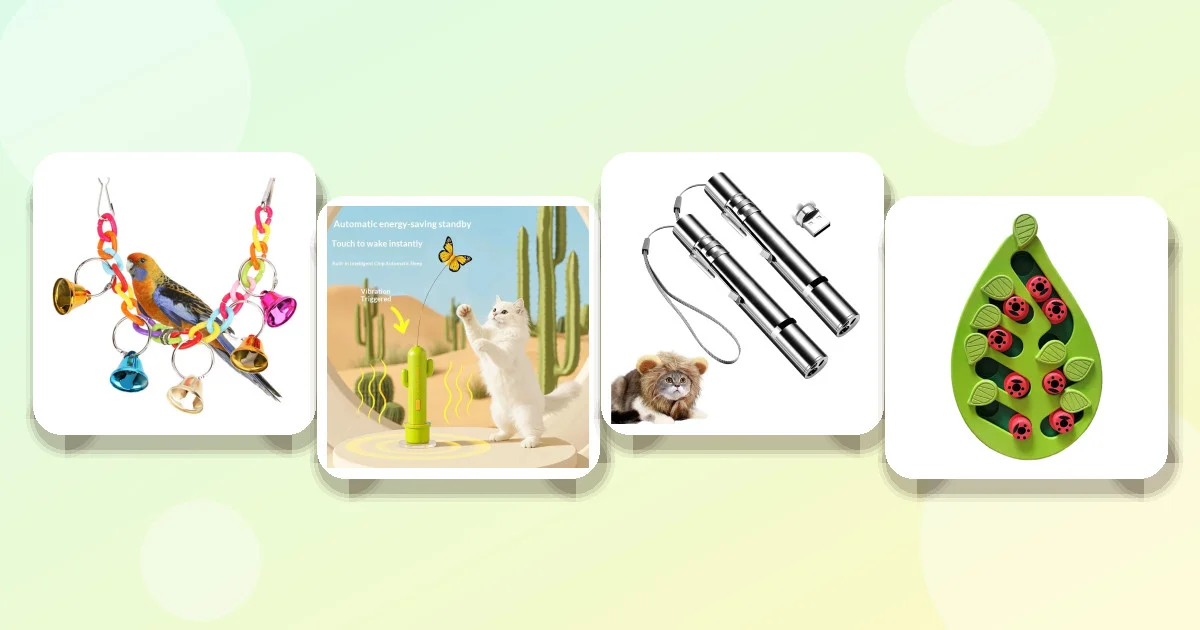
| Wooden Bird Swing and Chew Toy | $3.28 | Wood | Cats and dogs who like chewing and swinging toys | Durable wood, easy to assemble, indoor use |
| Laser Feather Cat Toy | $17.32 | Plastic/Feather | Cats who need exercise and boredom reduction | 2-in-1 infrared laser and feather, promotes exercise |
| Rechargeable Red Light Chasing Toy | $18.92 | Electronic | Indoor cats and puppies who need interactive play | 3 modes, 5 patterns, rechargeable |
| Slow Feeder Puzzle Toy | $19.60 | Plastic | Indoor cats who need mental stimulation and healthy eating habits | Level 2 puzzle, treat game, slows eating |
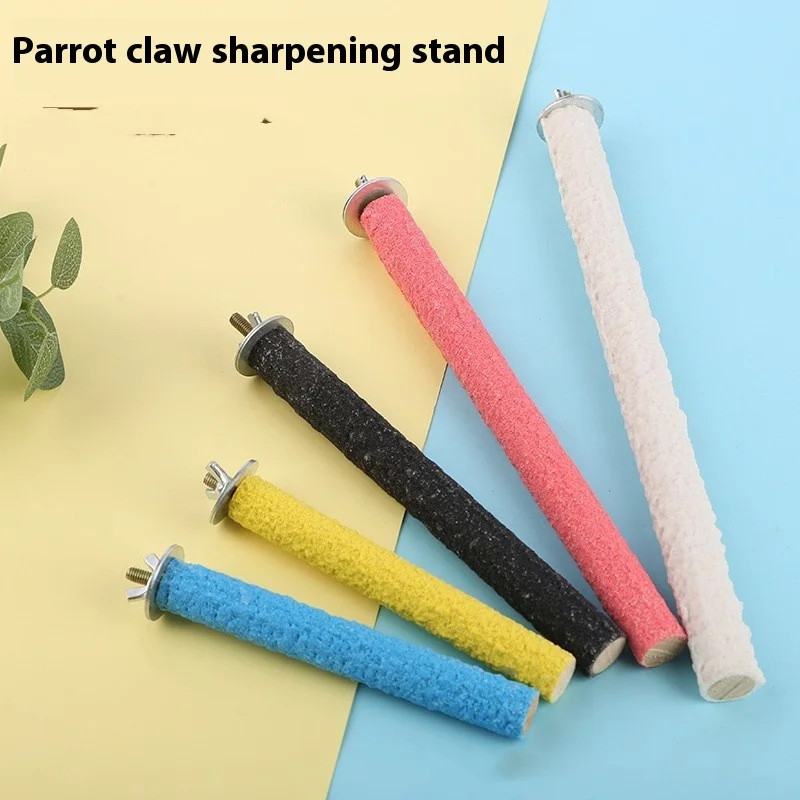
| Parrot Claw Stick | $2.40 | Colorful material | Large parrots and birds with strong beaks | Mental stimulation, beak and claw play |
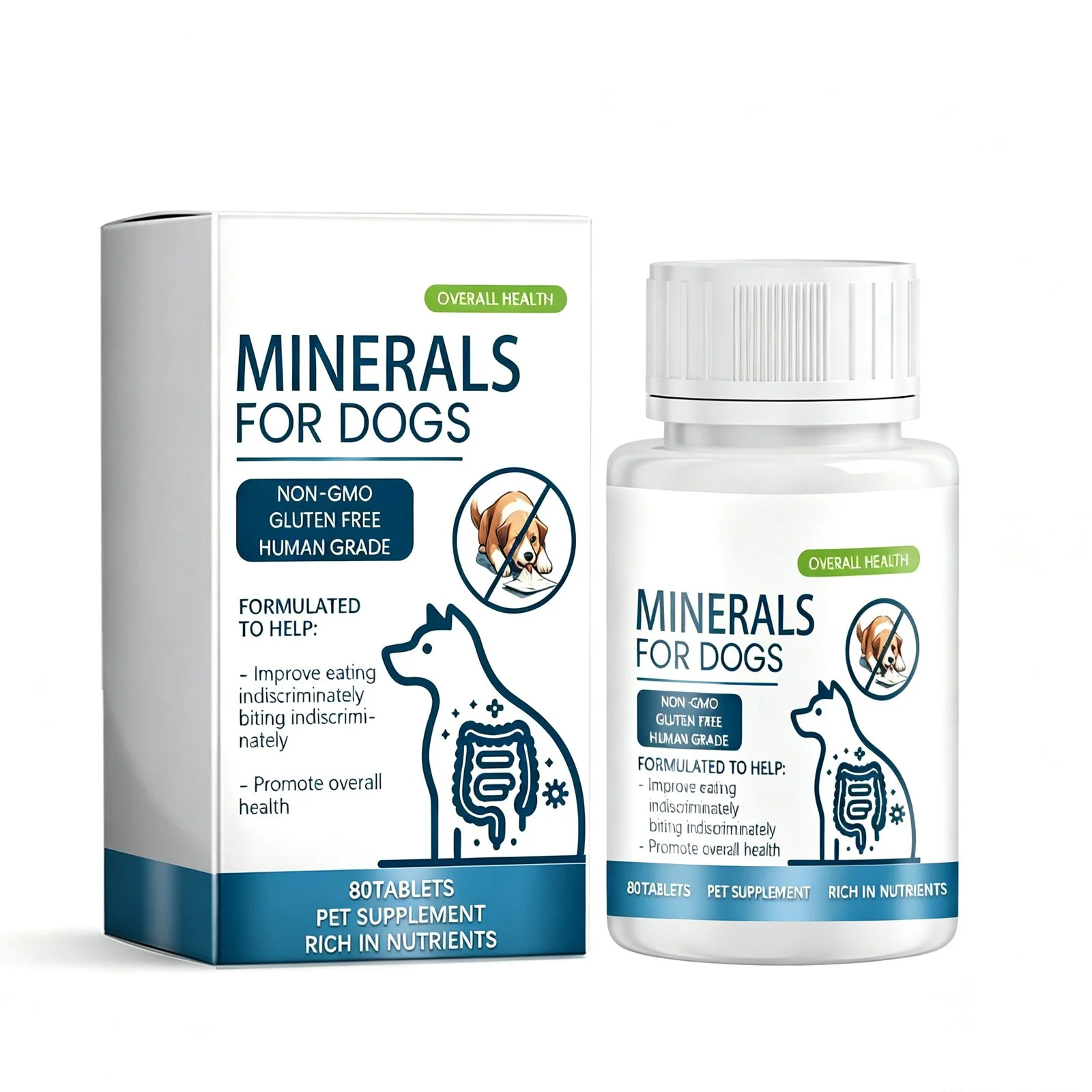
| Pica & Appetite Support for Dogs | $52.00 | Chewable tablets | Dogs with pica or low appetite | Non-GMO, human-grade, 80 tablets, supports metabolism |
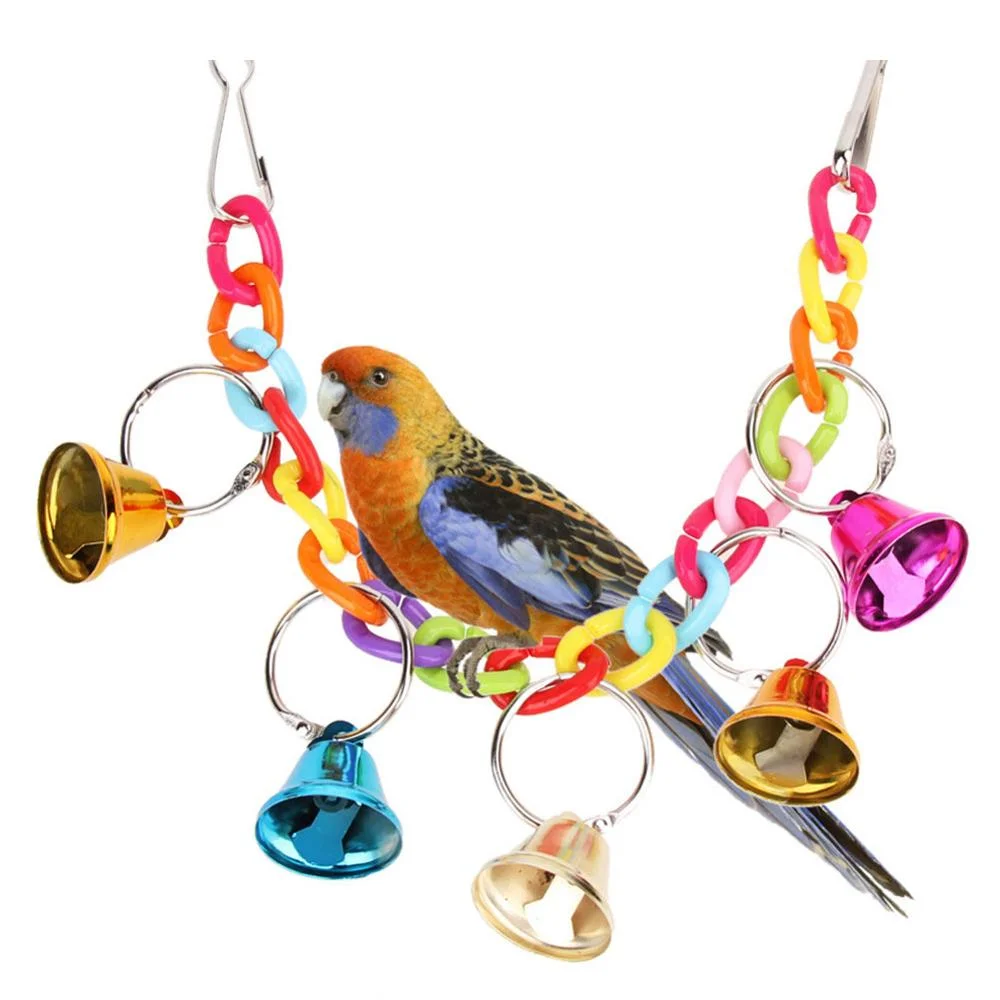
Wooden Bird Swing and Chew Toy
This toy is a simple, durable option for pets who enjoy chewing and interacting with hanging objects. Made from wood, it is sturdy enough to withstand regular use. Best for Owners looking for a low-cost, durable toy for cats or dogs who like to chew and swing toys.
- Pro: Made from durable wood that lasts longer than plastic toys.
- Pro: Easy to assemble and clean, making it convenient for indoor use.
- Con: Not suitable for very aggressive chewers who may splinter the wood.
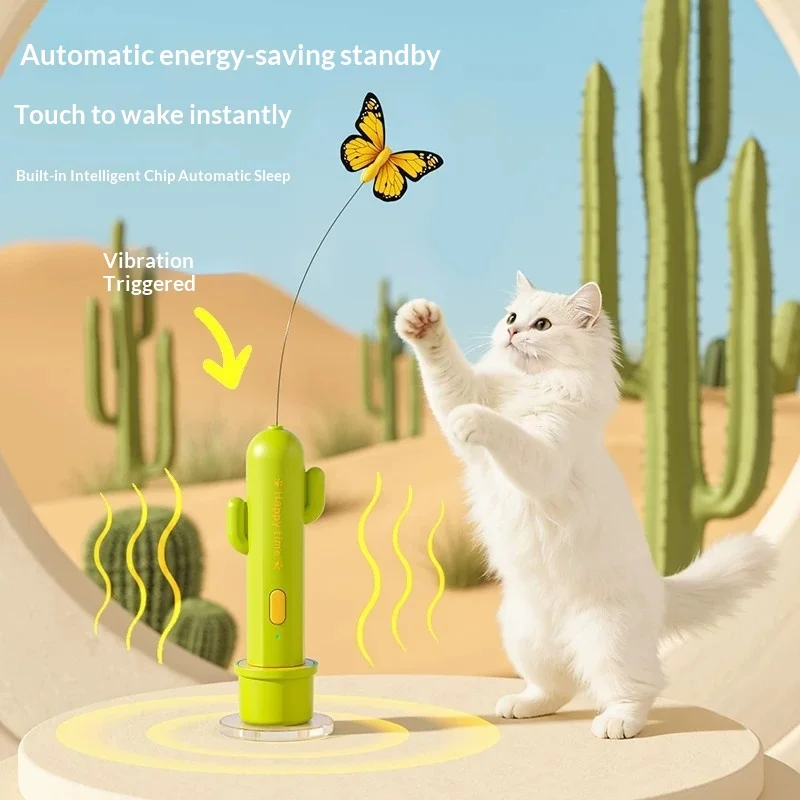
Laser Feather Cat Toy
This 2-in-1 toy combines an infrared laser with a feather attachment to engage cats in active play. The laser provides unpredictable movement, while the feather offers a tangible target for pouncing. Best for Cats who need exercise and mental stimulation to reduce boredom and stress.
- Pro: Combines two types of play in one device, offering varied stimulation.
- Pro: Promotes physical exercise, which can help reduce anxiety.
- Con: Requires batteries or charging, and the laser should not be pointed directly at the eyes.
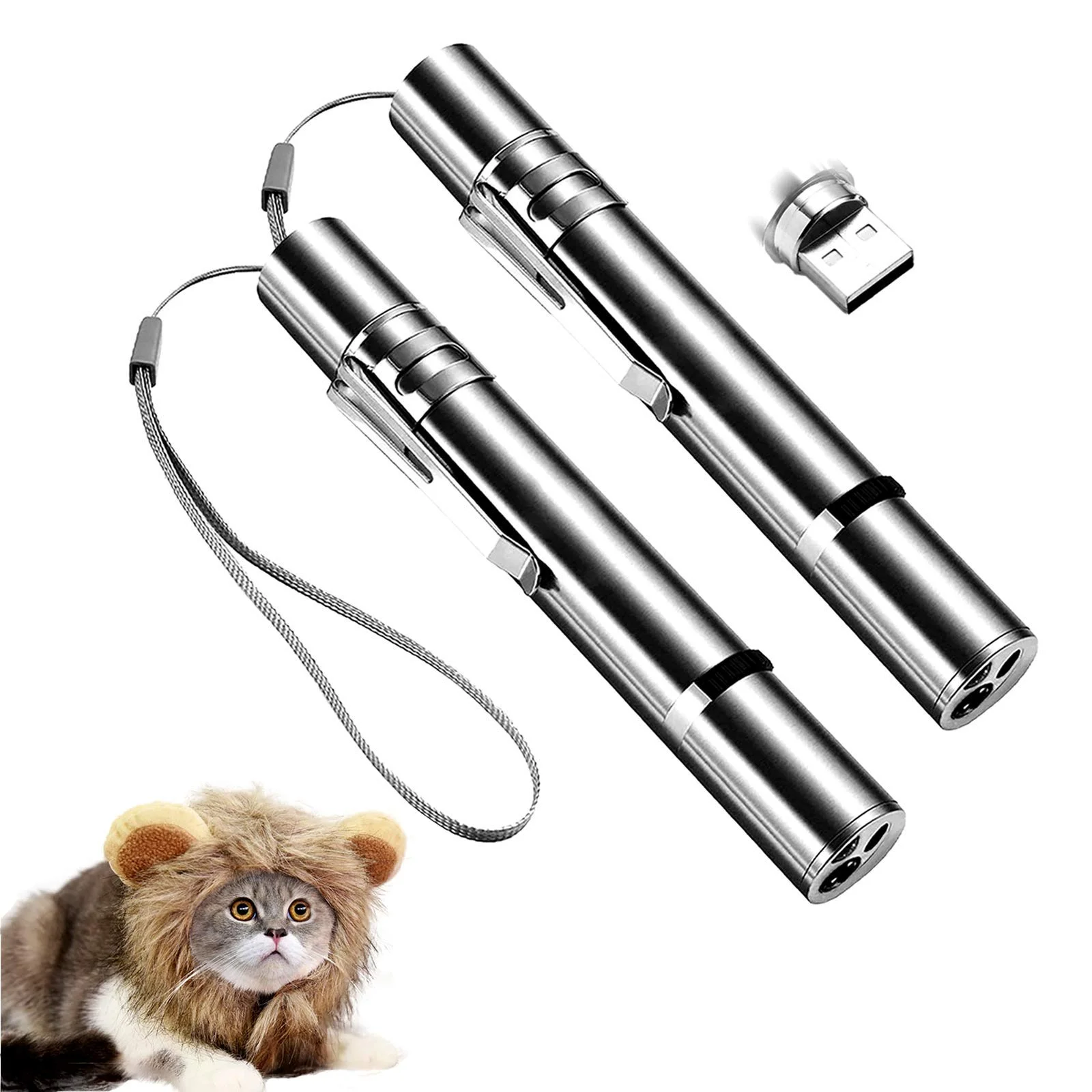
Rechargeable Red Light Chasing Toy
This electronic toy offers three modes and five moving patterns to keep indoor pets engaged. The red light is designed to mimic prey movement, encouraging chasing behavior. Best for Indoor cats and puppies who need interactive play to burn off energy and stay mentally sharp.
- Pro: Rechargeable, making it cost-effective and convenient for long-term use.
- Pro: Multiple modes and patterns provide endless fun and variation.
- Con: The light may be too bright for some pets, so monitor their reaction.
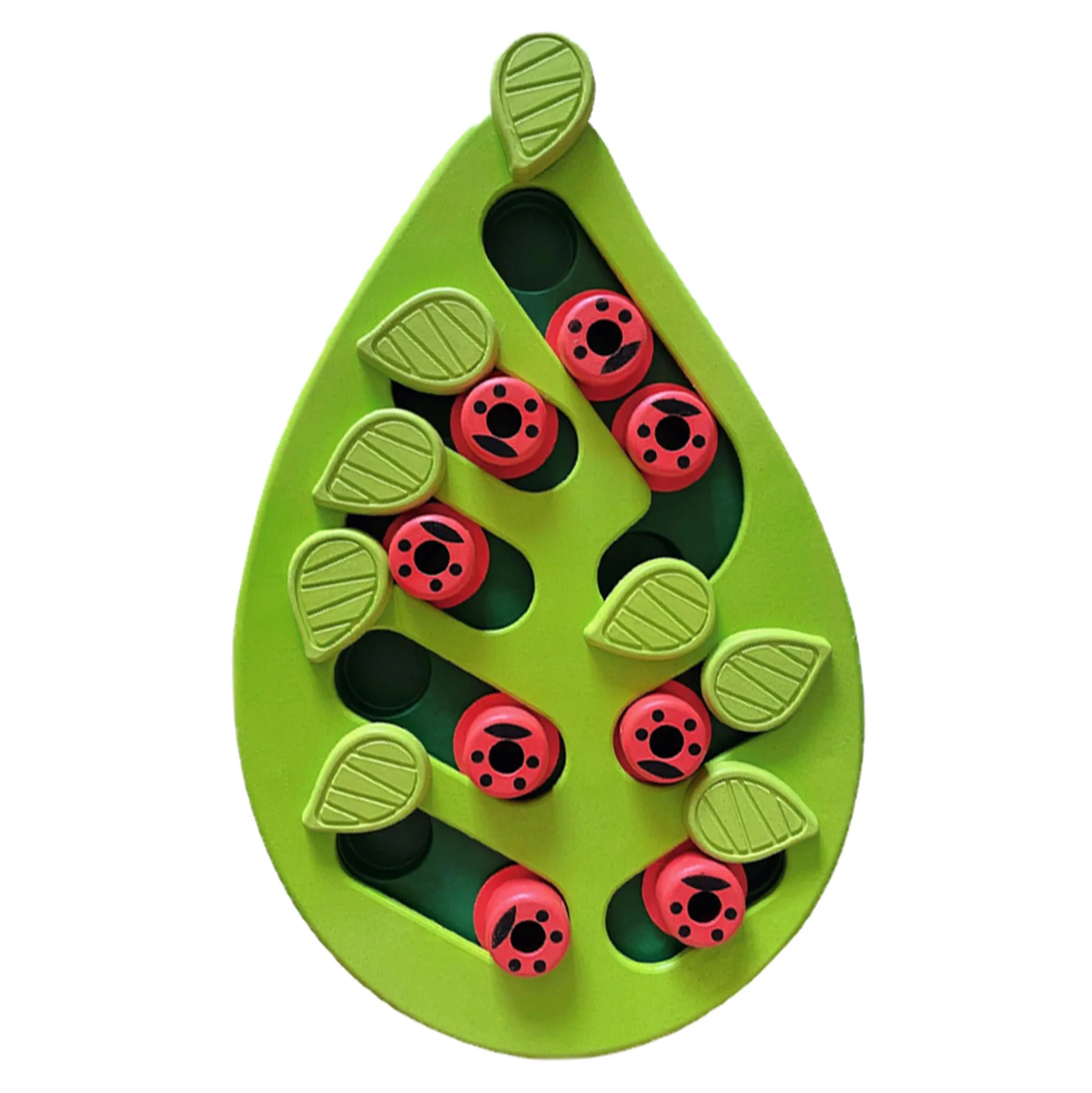
Slow Feeder Puzzle Toy
This level 2 puzzle toy challenges your cat's problem-solving skills while slowing down eating. It is designed to provide mental stimulation and promote healthy eating habits. Best for Indoor cats who eat too quickly or need mental engagement to stay calm.
- Pro: Encourages slow eating, which is better for digestion.
- Pro: Provides mental stimulation, which can reduce stress and boredom.
- Con: May be frustrating for cats who are not used to puzzle toys, so start with easier challenges.
Parrot Claw Stick
This colorful claw stick is designed to provide mental stimulation and exercise for parrots and other large birds. It is made from high-quality materials suitable for strong beaks. Best for Bird owners looking for a durable toy to keep their parrot engaged and healthy.
- Pro: Durable and suitable for birds with strong beaks.
- Pro: Promotes natural beak and claw play, which is essential for bird health.
- Con: Only suitable for larger birds; small birds may not be able to interact with it effectively.
Pica & Appetite Support for Dogs
This supplement is designed to help dogs with pica (eating non-food items) and low appetite. It contains non-GMO, human-grade ingredients infused with meat extracts and zinc methionine chelate. Best for Dog owners whose pets exhibit pica behavior or have a poor appetite.
- Pro: Helps address the root cause of pica, which can be a safety hazard.
- Pro: Supports metabolism and ideal body shape, promoting overall health.
- Con: Requires consistent use to see results, and it is not a substitute for veterinary care for severe cases.
Common Mistakes to Avoid
Even well-intentioned pet owners can make mistakes when preparing for Halloween. Avoiding these common errors will help ensure a safe and enjoyable holiday for your pet.
Leaving Pets Unsupervised in Costumes
Never leave your pet unattended while they are wearing a costume. Even if the costume fits well, things can go wrong. Your pet may get caught on something, or the costume may shift and become uncomfortable. Supervision allows you to intervene immediately if a problem arises. If you need to step away, remove the costume first.