There is nothing more frustrating than pulling a favorite sweater out of the dryer only to find it stretched out, shrunken, or covered in fuzzy pills. Many people treat knitwear like their everyday t-shirts, tossing them into the wash without checking the fabric type or selecting the right settings. This approach works for sturdy cotton, but it often destroys the delicate structure of wool, cashmere, and fine knits. The difference between a sweater that lasts for years and one that looks worn after a few wears usually comes down to how you clean and dry it. Knowing the specific needs of your garment allows you to keep the texture soft, the shape intact, and the color vibrant. This guide breaks down exactly how to wash women's sweaters, step by step, so you can extend the life of your wardrobe without needing a dry cleaner’s help.
- Understanding Your Fabric: Wool vs. Polyester
- Pre-Wash Preparation: Spot Cleaning and Sorting
- Step-by-Step: How to Hand Wash Delicate Knits
- When to Machine Wash: Settings and Safety
- Drying and Storage: Preventing Stretch and Moths
- Comparing Sweater Styles and Materials
- Common Mistakes to Avoid
- Frequently Asked Questions
- Key Takeaways
Understanding Your Fabric: Wool vs. Polyester
Before you submerge any sweater in water, you need to identify what it is made of. The two most common materials in women’s knitwear are natural fibers like wool and synthetic fibers like polyester. Each reacts differently to heat, agitation, and detergents. Getting this distinction wrong is the primary cause of ruined sweaters. Understanding the material helps you choose between hand washing and machine washing, and it tells you how much agitation the fabric can handle.
Wool and Natural Fibers
Wool is a protein fiber that has a natural scale structure on the outside of each strand. When exposed to heat, water, and agitation—often called the "Felt Triangle"—these scales interlock permanently. This process is called felting. Once a wool sweater felts, it cannot be un-felted. The fabric becomes dense, stiff, and smaller. This is why wool sweaters require gentle handling. They are also prone to pilling, which is when loose fibers tangle together on the surface. While pilling is a sign of wear, it is not a defect in the material; it is a natural part of how wool fibers interact with friction. However, proper care can minimize the rate at which pills form. Wool also absorbs moisture well, which is why it feels warm even when damp, but this means it can hold odors longer than synthetics if not washed correctly.
Polyester and Synthetic Blends
Polyester is a plastic-based fiber that is highly durable and resistant to stretching and shrinking. Unlike wool, polyester does not felt. You can machine wash it, tumble dry it on low, and it will generally retain its shape. However, polyester is prone to static electricity and can trap odors against your skin. Because it is synthetic, it does not breathe as well as wool, which can lead to faster odor buildup. Polyester knits are usually more affordable and easier to care for, making them a practical choice for everyday wear. They are less likely to pill than wool, but when they do, the pills are often more difficult to remove because the synthetic fibers are stronger and do not break away as easily. When caring for polyester, the main concern is heat. High heat can melt or warp the fibers, so always use low heat settings for drying.
Blends and Mixed Fabrics
Many modern sweaters are blends, combining wool with acrylic, nylon, or polyester. These blends are designed to balance the warmth of wool with the durability and lower cost of synthetics. A wool-acrylic blend, for example, will be less prone to felting than pure wool but may still require hand washing to prevent the acrylic from becoming brittle over time. Always check the care label for the specific blend ratio. If the garment is predominantly wool (over 50%), treat it as a wool sweater. If it is predominantly synthetic, you can likely machine wash it, but hand washing is still the safest option for longevity.
Pre-Wash Preparation: Spot Cleaning and Sorting
Skipping the prep stage is a common mistake that leads to uneven cleaning or permanent stains. Sweaters absorb liquids quickly, so a small spill can spread if you wait too long to address it. Proper preparation also ensures that you are not mixing colors that might bleed or fabrics that might damage each other. Taking ten minutes to prepare your sweaters before washing can save you from having to replace them later.
Spot Cleaning Stains
Address visible stains before washing the entire garment. Use a clean, white cloth to blot the stain, not rub. Rubbing pushes the stain deeper into the fibers and can break the delicate knit structure. For protein-based stains like blood or dairy, use cold water only. Heat sets protein stains permanently. For oil-based stains like makeup or food grease, apply a small amount of gentle detergent directly to the stain and let it sit for five to ten minutes. Gently work the detergent into the fabric with your fingertips. Rinse the area with cold water. If the stain persists, repeat the process. Do not use bleach on wool or colored knits, as it can weaken the fibers and cause discoloration. For cashmere or very fine knits, be extra gentle to avoid pulling on the yarn.
Sorting and Emptying Pockets
Always check pockets for items like receipts, keys, or makeup. A key left in a pocket can snag the knit and create a hole that spreads with each wash. A receipt can leave a damp mark that may stain the fabric. Empty all pockets before turning the sweater inside out. Turning the sweater inside out before washing is a crucial step. It protects the outer surface from direct agitation, which reduces the formation of pills. It also helps keep the color looking vibrant by shielding the outer fibers from detergent and friction. If your sweater has buttons, button them up to prevent them from snagging other garments or the washing machine drum. If it has a zipper, zip it up for the same reason.
Checking for Snags
Inspect the sweater for any existing snags or loose threads. If you find a snag, do not pull it. Pulling a snag will stretch the surrounding fibers and create a visible hole. Instead, use a tapestry needle to gently push the snagged loop back inside the fabric. Secure it with a tiny knot if necessary. Fixing snags before washing prevents them from catching on other items in the wash or becoming larger holes. This simple step can save a sweater that would otherwise be discarded.
Step-by-Step: How to Hand Wash Delicate Knits
Hand washing is the gold standard for cleaning wool, cashmere, and delicate knits. It gives you full control over the agitation and temperature, minimizing the risk of felting or stretching. It takes more time than machine washing, but it is the only way to ensure your sweaters last for many seasons. Here is the precise method to follow.
Step 1: Fill a Basin with Cold Water
Use a clean sink, bathtub, or large basin. Fill it with cold water. Cold water is essential for wool because hot water causes felting. The water should be just enough to fully submerge the sweater. Add a small amount of gentle detergent designed for delicates or wool. Avoid using standard laundry detergent, which can be too harsh and strip natural oils from wool. If you do not have a specific wool detergent, a mild baby shampoo or a gentle castile soap is a safe alternative. Mix the water gently to distribute the detergent. Do not create suds; you just need the water to be soapy.
Step 2: Soak the Sweater
Submerge the sweater in the soapy water. Press it down gently to ensure it is fully saturated. Let it soak for 10 to 15 minutes. Do not let it soak for longer than 30 minutes, as prolonged exposure to water can weaken the fibers. During this time, the detergent will loosen dirt and oils trapped in the fibers. If the water becomes dirty, you may need to refill the basin with fresh soapy water. Do not wring, twist, or scrub the sweater. Agitation is the enemy of knitwear. Let the soaking do the work.
Step 3: Rinse Thoroughly
Drain the soapy water. Fill the basin with clean, cold water. Submerge the sweater again. Press it gently to release the soapy water. Repeat this process until the water runs clear and no suds are visible. It is important to remove all detergent residue, as leftover soap can make the sweater feel stiff and attract more dirt. Use a gentle pressing motion, not a twisting one. You can squeeze the sweater against the side of the basin to remove excess water, but never wring it out. Wringing stretches the fibers and distorts the shape.
Step 4: Remove Excess Water
Lay the sweater flat on a clean, dry towel. Roll the towel and the sweater together, like a burrito. Gently press down on the roll to absorb excess moisture. This method removes water without stretching the fabric. Unroll the towel and the sweater. If the sweater is still very wet, repeat the process with a fresh towel. The sweater should be damp, not dripping, when you move to the drying stage. Removing as much water as possible before drying helps prevent stretching and speeds up the drying time.
Step 5: Dry Flat
Lay the sweater flat on a drying rack or a clean towel on a flat surface. Reshape it to its original dimensions. Smooth out the sleeves and body to ensure even drying. Avoid hanging the sweater, as the weight of the water will stretch the shoulders and body, causing the garment to lose its shape. Keep the sweater out of direct sunlight, which can fade colors and weaken fibers. Turn the sweater over halfway through the drying process to ensure even drying on both sides. Wool sweaters can take 24 to 48 hours to dry completely. Do not use a hairdryer or place the sweater near a heat source, as this can cause felting or shrinkage.
When to Machine Wash: Settings and Safety
Not all sweaters require hand washing. Polyester knits and sturdy wool blends can often be machine washed with the right precautions. If you choose to machine wash, you must control the agitation and temperature to protect the fabric. Using the wrong settings can destroy a sweater in a single cycle. Here is how to do it safely.
Use a Mesh Laundry Bag
Place the sweater inside out in a mesh laundry bag. The bag acts as a barrier, reducing the friction between the sweater and the washing machine drum. It also prevents the sweater from tangling with other items. Use a medium or large bag to ensure the sweater has enough room to move without being compressed. Do not overload the bag; one or two sweaters per bag is ideal. This step significantly reduces the risk of pilling and snagging.
Select the Gentle Cycle
Set your washing machine to the delicate or gentle cycle. This cycle uses less agitation and slower spin speeds. Use cold water only. Hot water can shrink wool and melt polyester. If your machine has a "wool" setting, use that. This setting is specifically designed to minimize agitation and protect delicate fibers. Avoid the normal or heavy-duty cycles, as they are too aggressive for knitwear. The spin cycle should be on the lowest setting, or you can skip the spin cycle entirely if your machine allows it. A high-speed spin can stretch the sweater out of shape.
Use the Right Detergent
Use a mild, liquid detergent. Powder detergents can leave residue on delicate fibers and may not dissolve fully in cold water. Avoid detergents with bleach or optical brighteners, as these can damage the fabric and colors. Use half the amount of detergent you would normally use for a regular load. Too much detergent can be difficult to rinse out and can make the sweater feel stiff. If you have hard water, consider using a water softener or a rinse aid to help remove mineral deposits that can make the fabric feel rough.
Limit the Load Size
Do not wash sweaters with heavy items like jeans, towels, or shoes. The weight and abrasion of these items can damage the delicate knit. Wash sweaters with other lightweight, delicate items like silk or lace. If you are only washing one sweater, run the cycle with a few towels to balance the load. An unbalanced load can cause the machine to vibrate and shake, increasing agitation. A balanced load ensures a smoother, gentler wash.
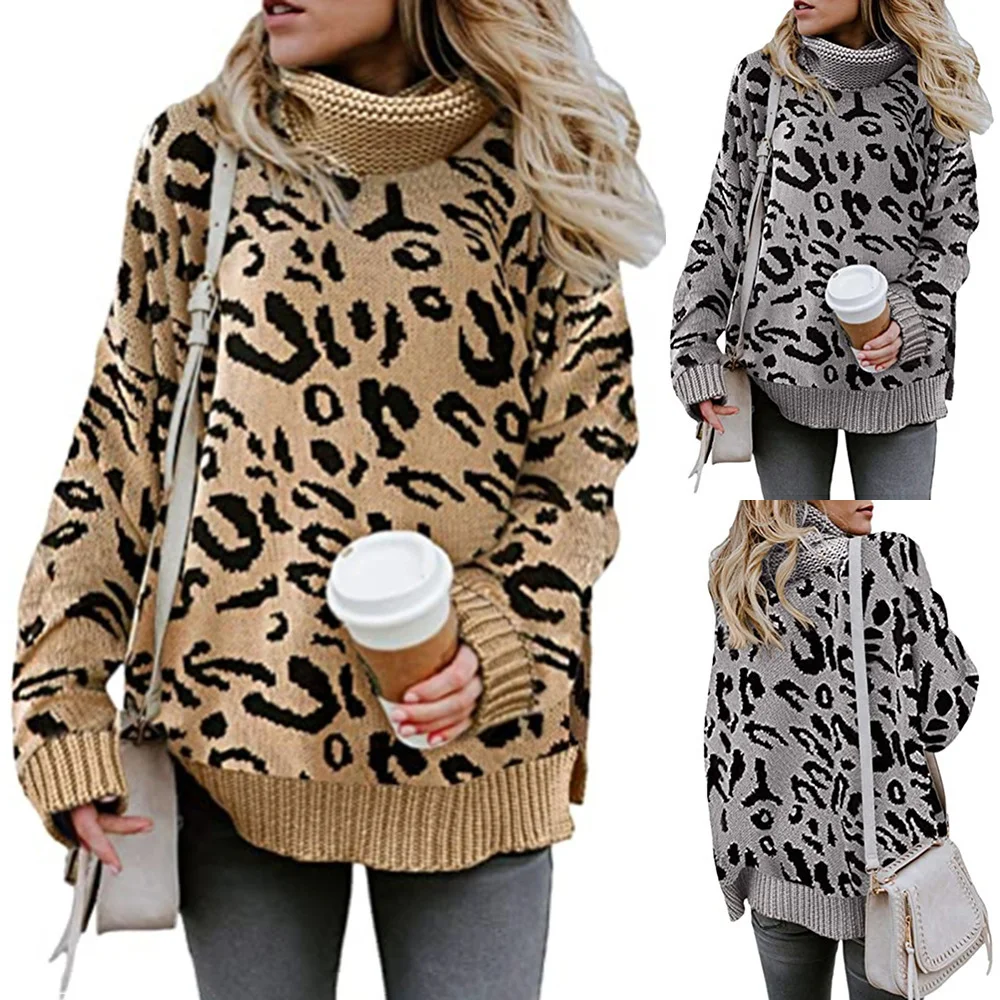
Drying and Storage: Preventing Stretch and Moths
Washing is only half the battle. How you dry and store your sweaters determines whether they keep their shape and remain free from pests. Many people ruin their sweaters during the drying and storage phases. Following these steps ensures your garments are ready for the next season in perfect condition.
Dry Flat, Always
Never hang a wet sweater. The weight of the water will pull on the fibers, stretching the shoulders and lengthening the body. This is especially true for heavier knits. Always dry sweaters flat on a drying rack or a clean towel. Reshape the sweater as it dries to maintain its original dimensions. If the sleeves are twisted, gently straighten them. If the body is bunched up, smooth it out. This takes a few minutes but makes a significant difference in the final fit. Avoid using a clothes dryer, even on low heat. The heat and tumbling action can felt wool, shrink polyester, and cause pilling. Air drying is the safest and most effective method for all knitwear.
Store Properly to Prevent Moths
Before storing sweaters for the off-season, ensure they are completely dry and clean. Moths are attracted to the oils and sweat left on fabrics. Wash or dry clean your sweaters before storing them. Fold the sweaters neatly to prevent creasing. Do not hang them on hangers, as this can stretch the shoulders over time. Store them in a cool, dry place. Avoid attics or basements, which can be humid and attract pests. Use cedar blocks or lavender sachets in your storage area to deter moths naturally. Avoid using mothballs, as their chemical smell can linger in the fabric and be difficult to remove. If you have a large collection of sweaters, consider using vacuum storage bags to save space, but ensure the sweaters are clean and dry before sealing them.
Refresh Between Wears
You do not need to wash your sweater after every wear. Wool has natural antibacterial properties and can freshen up with air. After wearing a wool sweater, hang it on a padded hanger in a well-ventilated area for 24 to 48 hours. This allows the fibers to recover their shape and lets any odors dissipate. You can also use a garment steamer to remove wrinkles and refresh the fabric. Steam kills odors and bacteria without the need for water or detergent. This extends the time between washes, reducing wear and tear on the fibers. For polyester sweaters, airing out is less effective because the fabric traps odors more easily. However, you can still air them out to reduce the frequency of washing.
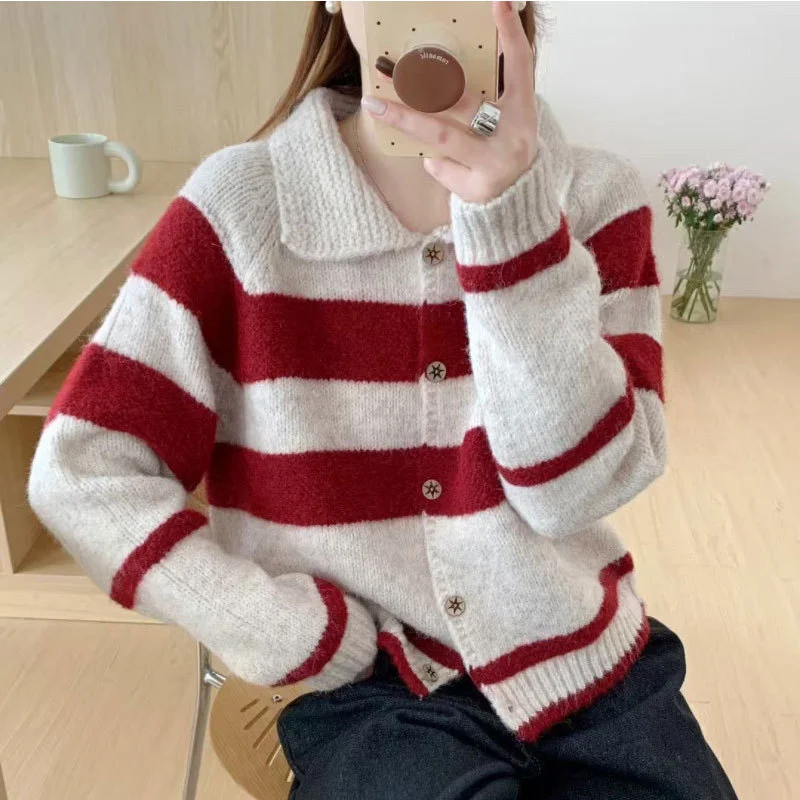
Comparing Sweater Styles and Materials
Different sweaters serve different purposes and require different levels of care. Understanding the specific features of each type helps you choose the right garment for your needs and care for it appropriately. Here is a comparison of common sweater styles and their care requirements.
| Product | Material | Price Range | Best For | Care Difficulty |
|---|---|---|---|---|
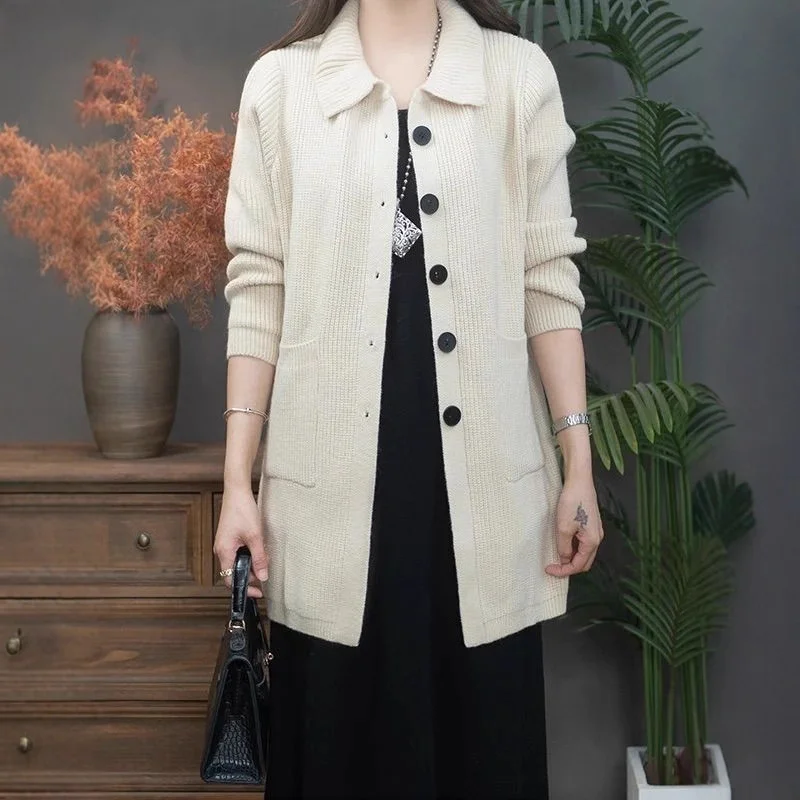
| Women's Knitted Wool Cardigan | Wool | $134 | Layering in cold weather | High (Hand Wash) |
| High Polo Collar Sweater | Polyester | $31.16 | Everyday casual wear | Low (Machine Wash) |
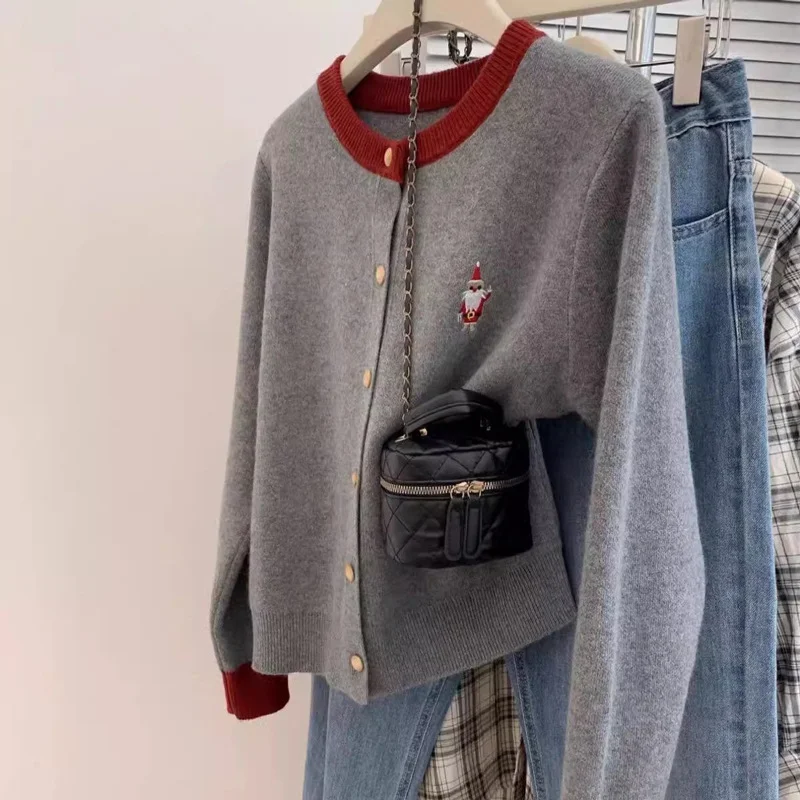
| Christmas Red Cashmere Base | Wool | $84.92 | Special occasions | High (Hand Wash) |
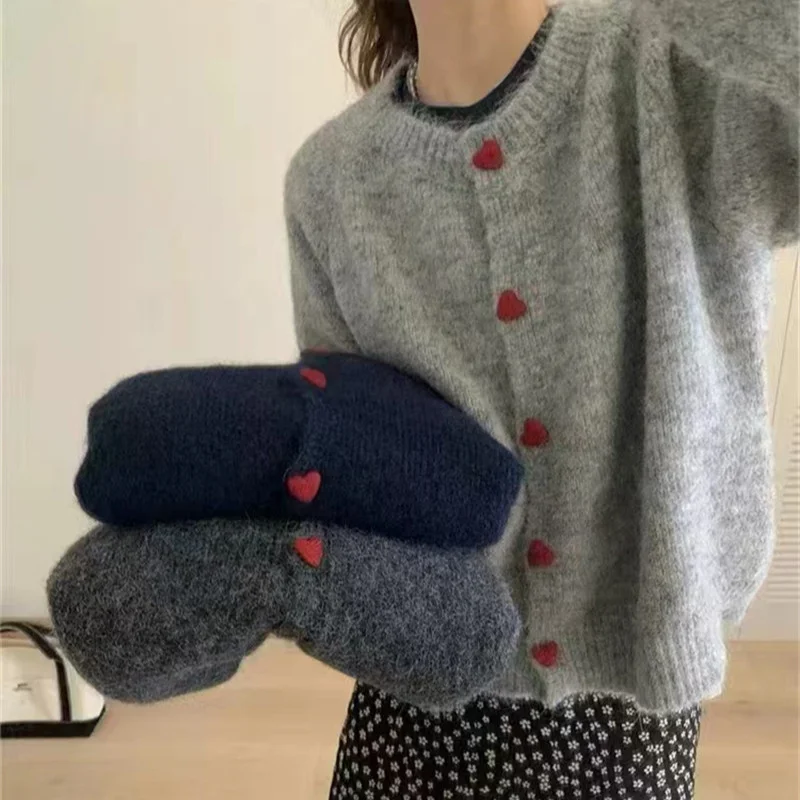
| Round Neck Buckle Cardigan | Polyester | $31.84 | Stylish layering | Low (Machine Wash) |
| Split-Neck Double Collar | Polyester | $27.88 | Statement pieces | Low (Machine Wash) |
| Retro Striped Lapel Cardigan | Polyester | $31.84 | Retr0 styling | Low (Machine Wash) |
Wool sweaters, like the Women's Knitted Wool Cardigan Autumn and Winter Sweater, offer superior warmth and breathability. They are ideal for cold climates and layering. However, they require careful hand washing and flat drying to maintain their shape and texture. The price reflects the quality of the material and the labor involved in knitting. These sweaters are an investment in longevity if you are willing to put in the care effort.

Poly