Adding layers in the fall often feels like a math problem for curvy bodies. You need enough insulation to stay warm, but not so much fabric that you look like a rolling pin. The goal is to create depth without adding visual width. This guide walks you through the specific mechanics of stacking clothes on a plus size figure. You will learn which fabrics hold up under stress, how to adjust sizing for different garment types, and how to combine specific pieces for a polished look. Whether you are heading to an office, a campus, or a weekend brunch, these strategies ensure you stay comfortable and stylish.
Understanding Fit and Silhouette for Layering
Layering works best when you understand how different cuts interact. A tight base layer under a tight mid-layer creates horizontal lines at the waist and hips. These lines can make your body look wider than it is. Instead, aim for a "column" effect. This means the layers should follow the natural line of your body without cutting across it prematurely.
The Importance of Drape
Drape refers to how fabric falls over the body. For plus size layering, you want fabrics that have weight and movement. A stiff, boxy sweater can look like a tent if the layer underneath is also bulky. A sweater with a slight stretch or a knit that hangs straight down creates a smoother line. Look for pull-on styles that have a relaxed fit rather than an oversized fit. Oversized cuts can swallow your frame, while a relaxed cut hits at the natural waist or just below, providing structure without excess fabric.
Length Proportions
Matching the length of your layers is crucial. If your top layer is too short, it will ride up when you move, especially if you have a midsection. If your bottom layer is much longer than your top, it can create a choppy silhouette. Aim for your mid-layer (like a sweater) to hit at the upper thigh or right at the hip bone. Your base layer (like a blouse) should hit at the waist or just below. This creates a balanced proportion that flatters most body types.
Strategic Bulk Placement
You cannot avoid bulk entirely when layering, but you can control where it appears. Avoid bulk at the waist and midsection. Instead, let bulk exist in the sleeves or the hem. A slightly wider sleeve provides warmth and style without adding width to your torso. A hem that is slightly wider than the chest creates a flattering A-line shape. This technique is particularly effective for women with wider hips, as it balances the upper and lower body.
Choosing the Right Fabrics for Warmth and Drape
Not all warm fabrics are created equal. Some trap heat effectively but trap bulk just as efficiently. Others provide warmth through insulation without adding thickness. Understanding the difference helps you choose pieces that keep you warm without making you feel stuffed.
Knits and Sweaters
For mid-layers, look for knits with a medium gauge. Very fine knits can be see-through and offer little warmth. Very chunky knits are heavy and hard to layer. A medium-gauge knit, often made from a blend of acrylic, polyester, or cotton, offers the best balance. These fabrics have enough weight to hang straight but are thin enough to fit under a jacket. Check the fiber content. Blends with a small percentage of elastane or spandex add stretch, which helps the fabric conform to your shape rather than ballooning out.
Base Layers and Blouses
Your base layer needs to be thin but breathable. Cotton is a classic choice, but it can retain moisture if you are active. Polyester blends are excellent for layering because they are thin, dry quickly, and resist wrinkling. Linen blends offer a textured look that adds visual interest without adding bulk. When choosing a blouse for layering, avoid stiff cottons that stand away from the body. Instead, look for fabrics that have a slight drape, like a soft rayon or a lightweight polyester. These fabrics skim the body and do not create a "puffy" effect under a sweater.
Outer Layers and Hoodies
If you are using a hoodie or sweatshirt as your outer layer, the fabric weight matters. A heavy fleece can be too thick to layer over a sweater. A lightweight cotton or cotton-polyester blend is better for stacking. These fabrics are soft, breathable, and flexible. They allow you to move freely and do not create a rigid box around your torso. Fleece-lined options are great for colder days, but be mindful of the total thickness. If the fleece is thick, keep the layer underneath very thin.
Transparency and Sheen
Light-colored fabrics, especially white or pastels, can be more transparent than dark colors. If you are layering a light blouse under a light sweater, consider adding a camisole or tank in between to prevent see-through issues. This adds a layer of protection without adding significant bulk. Darker fabrics tend to be more opaque, which makes them easier to layer over without additional underlayers. However, dark colors can absorb heat, so they are great for chilly days.
The Plus Size Layering Sizing Guide
Sizing is the most common point of failure in layering. Many women buy their base layer in their usual size and their mid-layer in their usual size, only to find that the combination is too tight. The key is to think in terms of "room for movement" rather than "snug fit."
Base Layer Sizing
Your base layer should fit true to size or slightly larger. If you are between sizes, choose the larger size. This ensures that the fabric does not pull at the underarms or waist. A base layer that is too tight will create horizontal lines that show through the mid-layer. It will also make it difficult to pull the mid-layer over your head. If the mid-layer is a pullover, you need enough slack in the base layer to slide it over without stretching. Check the size chart for chest and waist measurements. Add 2-3 inches to your actual measurements to allow for the layer underneath.
Mid-Layer Sizing
Your mid-layer, such as a sweater or hoodie, should be one size larger than your usual fit. This extra room is necessary to accommodate the base layer. If you usually wear a Medium in sweaters, try a Large for layering. This does not mean you need an oversized look. It simply means the fabric has room to drape over the layer below. If the mid-layer is too tight, it will compress the base layer, creating a puffy appearance. It will also restrict your movement, making it hard to raise your arms or bend. A slightly roomy fit allows the fabric to hang straight, creating a cleaner line.
Outer Layer Sizing
If you are adding a jacket or coat over the sweater and blouse, you need to go up another size. The outer layer must be able to open easily without pulling at the mid-layer. Check the shoulder width and chest circumference of the jacket. The chest should be at least 4-6 inches larger than your actual chest measurement to allow for the two layers underneath. If the jacket is too tight, it will create a "tent" effect at the hem, which can look bulky. A well-fitted outer layer should skim the body, not hug it.
Measuring for Fit
Always measure yourself before buying. Use a soft measuring tape. Measure your chest at the fullest part, your waist at the narrowest point, and your hips at the widest point. Compare these numbers to the size chart of the specific garment. Do not rely on the size label alone, as sizing varies between brands and styles. If the garment has a model wearing it, look at the model’s measurements. If the model is the same size as you, the garment will likely fit as shown. If the model is smaller, expect the garment to be tighter.
Product Comparison: Our Recommended Pieces
Below is a comparison of the specific products we recommend for building your fall layering wardrobe. Each piece serves a different purpose in the layering stack. Use this table to decide which items to prioritize based on your current wardrobe gaps.
| Product | Price | Type/Material | Size Range | Best For |
|---|---|---|---|---|
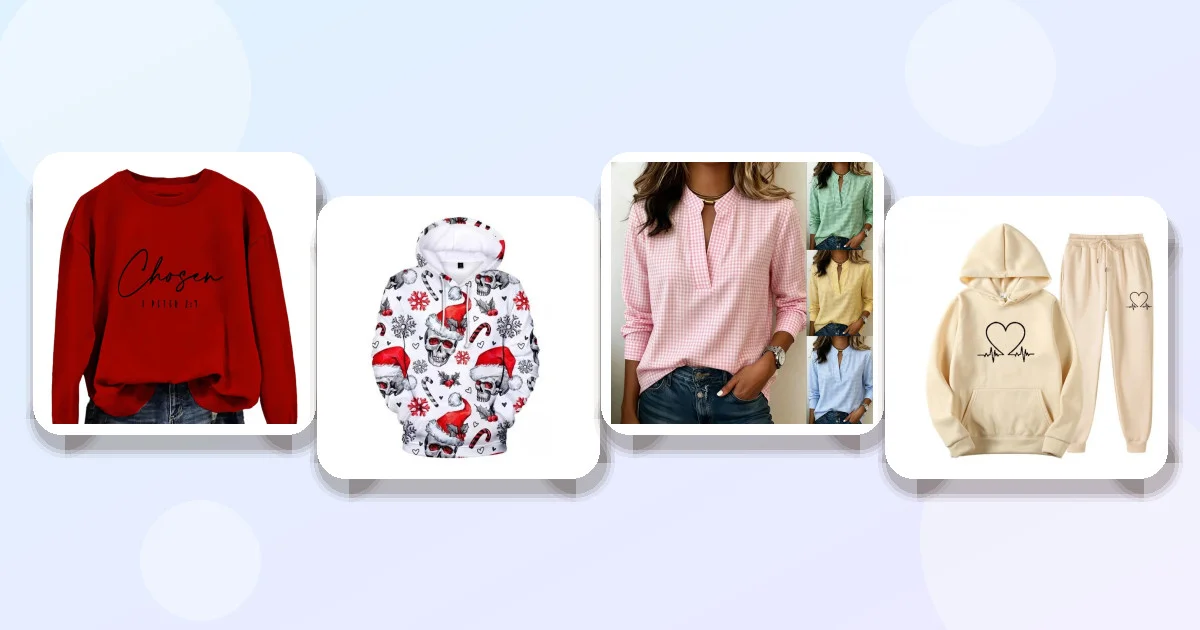
| Trendy Plus Size Sweaters | $12 | Pullover Sweater | S-XXXL | Casual streetwear, hipster chic, bold colors |
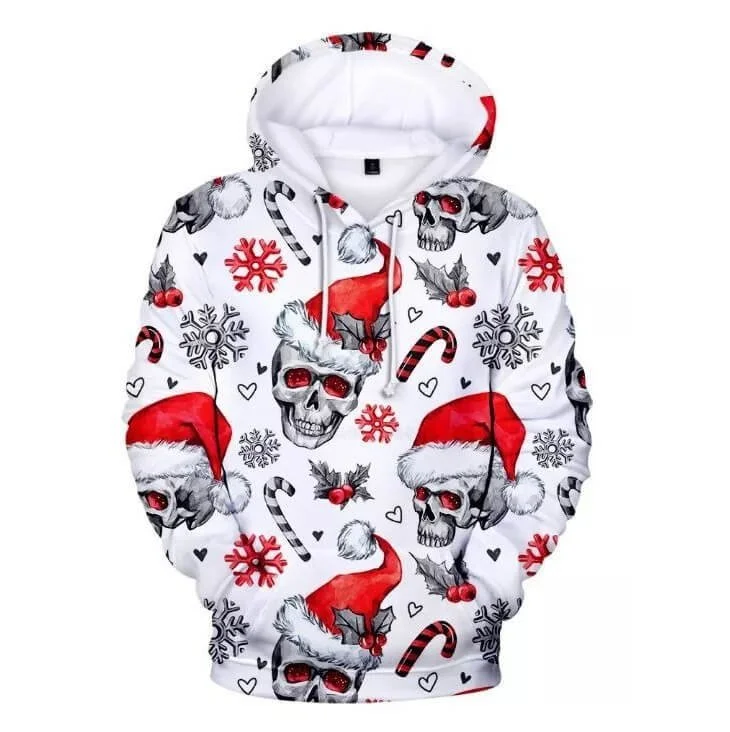
| Casual Solid Color Loose Hooded Sweatshirt | $25.08 | Hoodie, Soft Fabric | S-5XL | Everyday wear, classes, relaxing at home |
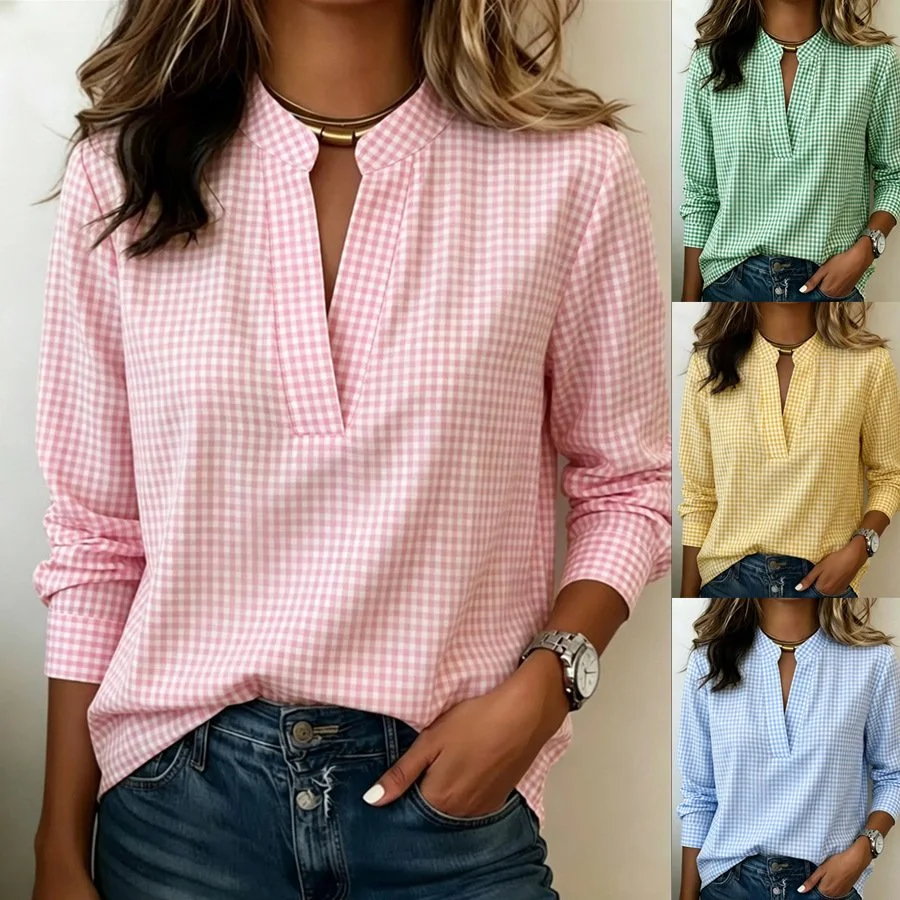
| Elegant Long-sleeve Plaid Blouse | $19.44 | Blouse, Loose Fit | S-3XL | Casual street fashion, everyday wear, elegant plaid pattern |
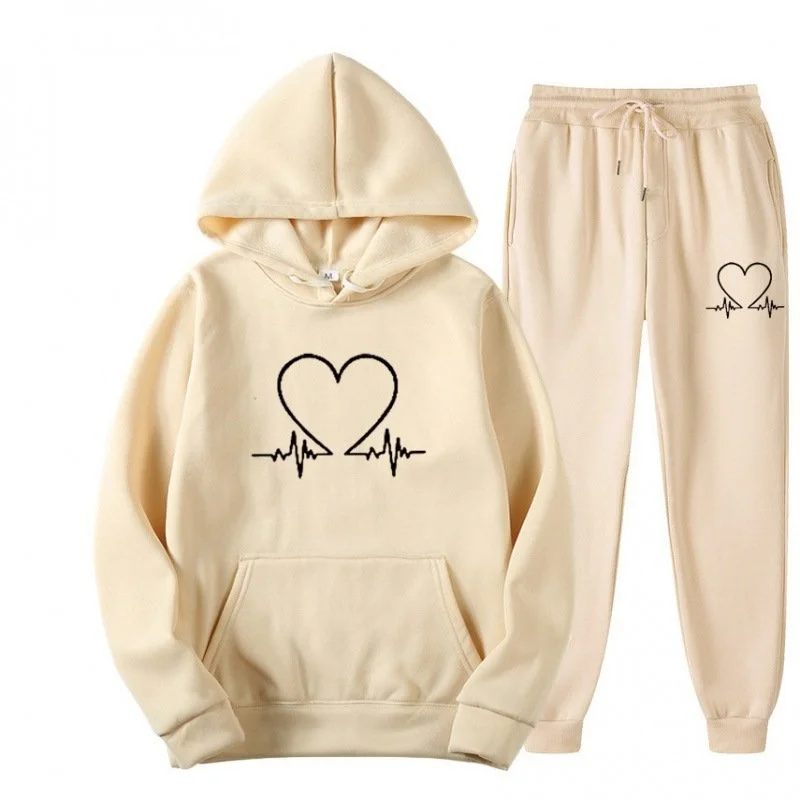
| Cozy Fleece Hooded Sweatshirt & Jogger Set | $21.88 | Fleece Set | S-3XL | Workouts, lounging, casual daily wear |
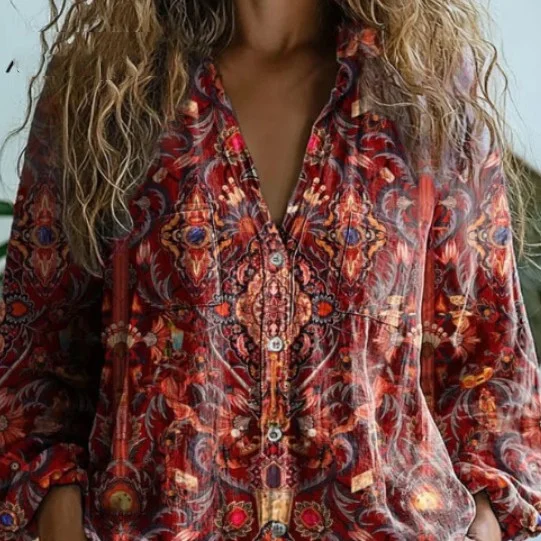
| Women's Top V-neck Printed Exquisite Linen | $18.12 | Polyester, Linen Look | S-5XL | Lightweight base layer, breathable, V-neck |
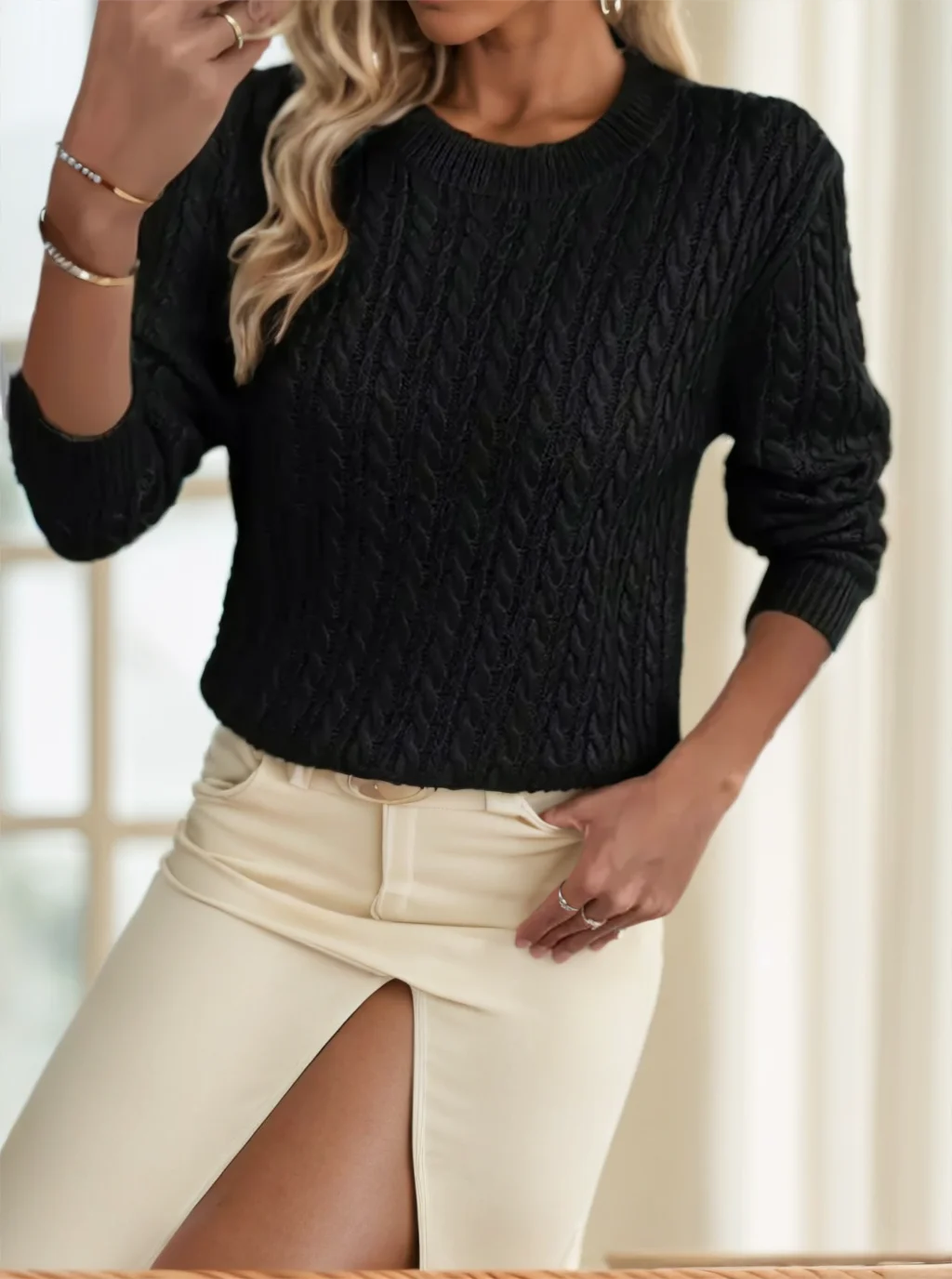
| Solid Color Crew Neck Pullover Sweater | $20.92 | 100% Polyester | S-3XL | Basic mid-layer, regular fit, solid color |
Trendy Plus Size Sweaters for Women Are loose-fitting pullovers available in bold colors. They are designed for casual streetwear or hipster chic styles.
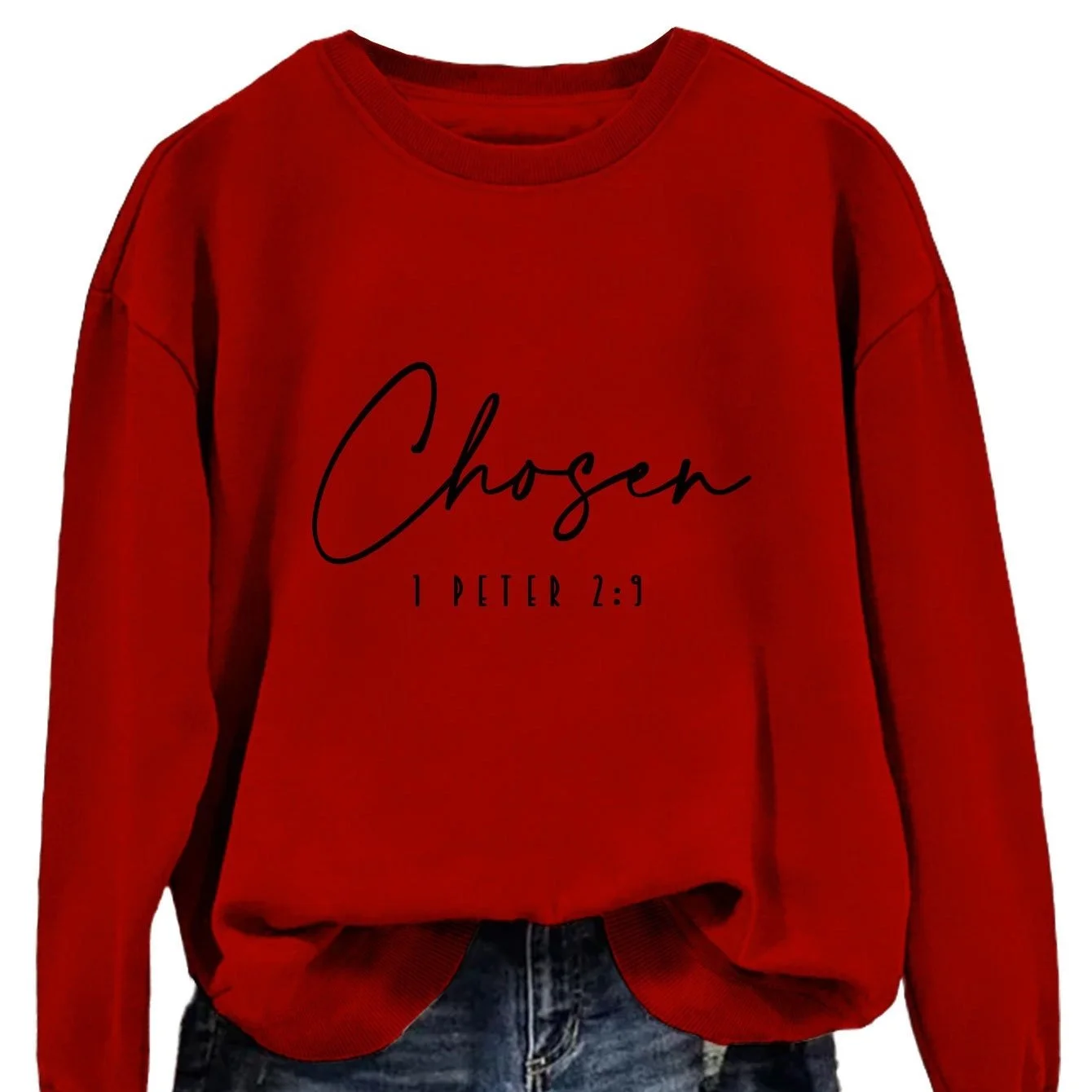
- Pro: Available in 98 color and size options, giving you plenty of variety to match your wardrobe.
- Pro: The loose fit ensures comfort and allows room for a base layer underneath.
- Con👍 Recommended👍 RecommendedShop the storyAll products from this guide