

It is 5:45 a.m. The air is crisp, but you are standing on a crowded subway platform or walking through a park that has turned golden. You need to look like you just stepped out of a warm office, not like you are wearing a sleeping bag. The challenge of fall commuting is simple: you need enough insulation for the outdoor cold, but you must look sharp enough for the office. Many women solve this by adding too many layers, resulting in a look that feels heavy and unpolished. Others skip the base layer and end up freezing on the train. This guide breaks down the mechanics of layering a sweater and blouse to get the balance right. You will learn which fabrics work best, how to handle sizing to avoid bulk, and specific ways to style these pieces for a professional environment. By the end, you will have a repeatable formula for your morning routine that saves time and keeps you looking intentional.
- The Foundation: Choosing the Right Blouse Base
- Selecting the Sweater: Weight, Fit, and Structure
- Fabric Science: Why Material Matters for Commuting
- Step-by-Step Styling Guide for the Office
- Product Comparison: Blouses for Layering
- Common Mistakes to Avoid
- Care and Maintenance for Layered Pieces
- Frequently asked questions
- Key takeaways
The Foundation: Choosing the Right Blouse Base
The blouse is the most critical component of this outfit. It is the layer that touches your skin and sets the visual tone for the rest of the ensemble. If the base layer is too thick or has a complicated texture, the entire outfit will look bulky before you even add the sweater. For a professional commute, you want a blouse that fits close to the body without being tight. This is often referred to as a "slim fit" or "body-con" in sizing charts. A loose, boxy blouse under a sweater creates volume that is difficult to manage. It pushes the sweater away from your body, making you look larger than you are. Instead, look for a cut that follows the natural line of your torso. The length should also be considered. A mid-length blouse, typically measuring around 65cm from the shoulder, is ideal because it tucks in easily or sits neatly at the waist without pulling when you sit in a car or train. If the blouse is too long, it will bunch up at your hips. If it is too short, it may ride up when you stretch or reach for your bag. A normal length, around 50cm, is also acceptable if you plan to wear it untucked with a cropped or fitted sweater, but for most office environments, a tuckable length is safer.
Neckline Considerations
The neckline of your blouse determines how much of it is visible and how it interacts with the sweater. A round neck is the most versatile option. It provides a clean, simple frame for the face and works with almost any sweater style. A V-neck is another excellent choice because it adds a vertical line to your torso, which can be slimming. When layered under a crew neck sweater, the V of the blouse creates a subtle triangle shape that breaks up the solid block of color. If you choose a high-neck or turtleneck blouse, be aware that this adds volume to the neck area. This can be elegant, but it requires careful consideration of the sweater’s neckline. A high-neck blouse under a high-neck sweater can feel constricting and can make the neck look shorter. If you prefer the warmth of a high neck, look for a knit that is thin and smooth, rather than chunky. The goal is to have the blouse sit flush against the skin, acting as a second skin that provides warmth without adding bulk.
Sizing and Fit Details
When shopping for a base layer, pay attention to the fit description. Terms like "slim fit" indicate that the garment is cut close to the body. This is what you want for layering. If a product is described as "regular fit" or "loose fit," it may be too voluminous to wear under a sweater. Check the size chart for specific measurements if possible. Chest width is a key metric. For a layering piece, you want enough room to move comfortably, but not so much that it creates ripples of fabric. A common mistake is buying a blouse in your usual size without realizing that layering requires a slightly tighter fit. If you are between sizes, size down for the base layer. You will be wearing it under another garment, so a snug fit is better than a loose one. Also, consider the sleeves. Long sleeves are standard, but ensure they are not too tight at the wrist. You will be wearing a sweater over them, so the wrist area of the blouse should be smooth. If the blouse sleeve is too long, it will bunch up inside the sweater sleeve, creating discomfort. If it is too short, it will pull when you move your arms. A standard sleeve length that ends at the wrist bone is ideal.
Selecting the Sweater: Weight, Fit, and Structure
The sweater is the outer shell of this layering combination. Its primary job is to provide warmth and structure. For a fall commute, you do not need a heavy winter coat, but you do need a sweater that can block the wind and retain heat. The weight of the sweater is the most important factor. A thin, lightweight sweater may not provide enough warmth for a cold morning walk. A very thick, chunky sweater may be too hot for an air-conditioned office. The sweet spot is a mid-weight knit. This type of sweater is thick enough to provide insulation but thin enough to wear over a blouse without creating excessive bulk. Look for sweaters with a smooth texture. Ribbed knits are a popular choice because they have a degree of stretch. This stretch allows the sweater to conform to the shape of the blouse underneath, rather than sitting loosely on top. A smooth, flat-knit sweater is also a good option, especially if you want a sleek, minimalist look. Avoid sweaters with large patterns or heavy textures if you are wearing a patterned blouse. The combination can become visually overwhelming. A solid color sweater is the most versatile choice for office wear. It allows the blouse to be the focal point of the outfit. You can mix and match different blouses with the same sweater, creating multiple outfits from just two pieces. This is efficient for a busy commuter who wants to look polished without spending hours getting dressed.
Fit and Silhouette
The fit of the sweater is just as important as its weight. A sweater that is too tight will compress the blouse underneath, creating wrinkles and making the outfit look messy. A sweater that is too loose will look sloppy and can catch on other people or objects in a crowded space. The ideal fit is relaxed. The sweater should hang on your body without clinging. It should be long enough to cover the waistband of the blouse, but not so long that it looks like a dress. If you are wearing the sweater tucked in, it should not pull at the shoulders. If you are wearing it untucked, it should end at the hip bone. The shoulder seam is a critical area. It should sit right at the edge of your shoulder. If the seam drops down your arm, the sweater is too large. If the seam sits above your shoulder, it is too small. A well-fitted sweater provides structure to the outfit. It holds the layers together and creates a cohesive look. For professional settings, a sweater with a clean neckline and minimal detailing is best. Avoid sweaters with large logos, excessive embellishments, or frayed edges. These details can distract from the professional appearance of the outfit. Keep the sweater simple so that the focus remains on your overall silhouette and the subtle details of the blouse.
Neckline and Layering
The neckline of the sweater interacts directly with the blouse. A crew neck sweater is the most common choice for layering. It provides a clean, rounded frame for the face and works well with both round neck and V-neck blouses. If you are wearing a V-neck blouse under a crew neck sweater, the V of the blouse will be visible, adding a subtle detail to the outfit. If you are wearing a round neck blouse, the sweater will cover most of it, creating a solid block of color. A V-neck sweater is another option. It allows more of the blouse to be visible, which can be beneficial if you are wearing a patterned or textured blouse. However, a V-neck sweater can be less forgiving in terms of fit. It can show more of the layering beneath, so you need to ensure that the blouse is smooth and free of wrinkles. A high-neck or turtleneck sweater adds warmth but can be tricky to layer. It requires a blouse with a lower neckline to avoid bunching at the neck. If you choose a high-neck sweater, opt for a blouse with a round neck or a shallow V-neck. This creates a smooth transition from the blouse to the sweater. Avoid wearing a high-neck blouse under a high-neck sweater, as this can create a bulky, constricting look around the neck. The goal is to have a smooth, continuous line from the neck down to the torso.
Fabric Science: Why Material Matters for Commuting
The fabric of both the blouse and the sweater determines how comfortable the outfit will be during your commute. You are moving from a cold outdoor environment to a warm indoor environment. This change in temperature requires fabrics that can regulate heat and moisture. Cotton is a natural fiber that is breathable and soft against the skin. It is a good choice for a base layer because it wicks moisture away from the body. However, cotton can be thin and may not provide enough warmth on its own. It is best paired with a warmer sweater. Polyester is a synthetic fiber that is durable and resistant to wrinkles. It is often used in base layers because it holds its shape well and does not shrink easily. Polyester can be less breathable than cotton, so it may feel warmer in a hot office. If you tend to run hot, look for a blend of cotton and polyester or a polyester fabric with a smooth, cool-touch finish. Linen is a natural fiber that is breathable and lightweight. It is a good choice for early fall when the weather is mild. However, linen wrinkles easily, which can be a problem for a commute that involves sitting in a car or train. If you choose a linen blouse, be prepared to smooth out wrinkles when you arrive at work. A blend of cotton and linen combines the breathability of linen with the durability of cotton. This is a versatile option for fall layering. The sweater fabric is equally important. Wool is a natural fiber that is warm and moisture-wicking. It is an excellent choice for a fall sweater because it provides warmth without being too heavy. Merino wool is a high-quality wool that is soft and odor-resistant. It is a good investment for a professional wardrobe. Cashmere is another natural fiber that is soft and warm. It is more expensive than wool, but it is a luxurious option that adds a touch of elegance to your outfit. Acrylic is a synthetic fiber that is often used in sweaters because it is affordable and durable. It is not as warm as wool or cashmere, but it is a good option for mild fall weather. The key is to choose fabrics that work together. A cotton or polyester blouse under a wool or cashmere sweater is a classic combination. It provides a balance of breathability and warmth. Avoid wearing heavy, thick fabrics on both layers. This will trap heat and make you uncomfortable. Instead, layer thin, smooth fabrics to create a streamlined look that is warm and professional.
Moisture Management
Commuting can cause you to sweat, especially if you are walking to the train or waiting in a cold car. Fabrics that wick moisture away from the skin help keep you dry and comfortable. Cotton and polyester are both good moisture-wicking fabrics. Wool and cashmere also wick moisture, but they can feel damp if they become saturated. If you are a heavy sweater, look for a base layer made from a high-performance fabric. These fabrics are designed to move moisture away from the body quickly. This helps prevent chafing and discomfort. It is also important to consider the finish of the fabric. A smooth finish reduces friction between the layers, which can prevent irritation. A rough or textured finish can cause chafing, especially if you are moving a lot during your commute. Look for fabrics with a soft hand feel. This means the fabric should feel smooth and comfortable against the skin. Avoid fabrics that feel scratchy or stiff. These can be uncomfortable to wear for long periods. By paying attention to the fabric of your layers, you can create an outfit that is not only stylish but also comfortable for your daily routine.

Step-by-Step Styling Guide for the Office
Now that you understand the components, let’s put them together. Here is a step-by-step guide to creating a chic fall commute outfit.
Step 1: Choose Your Base Layer
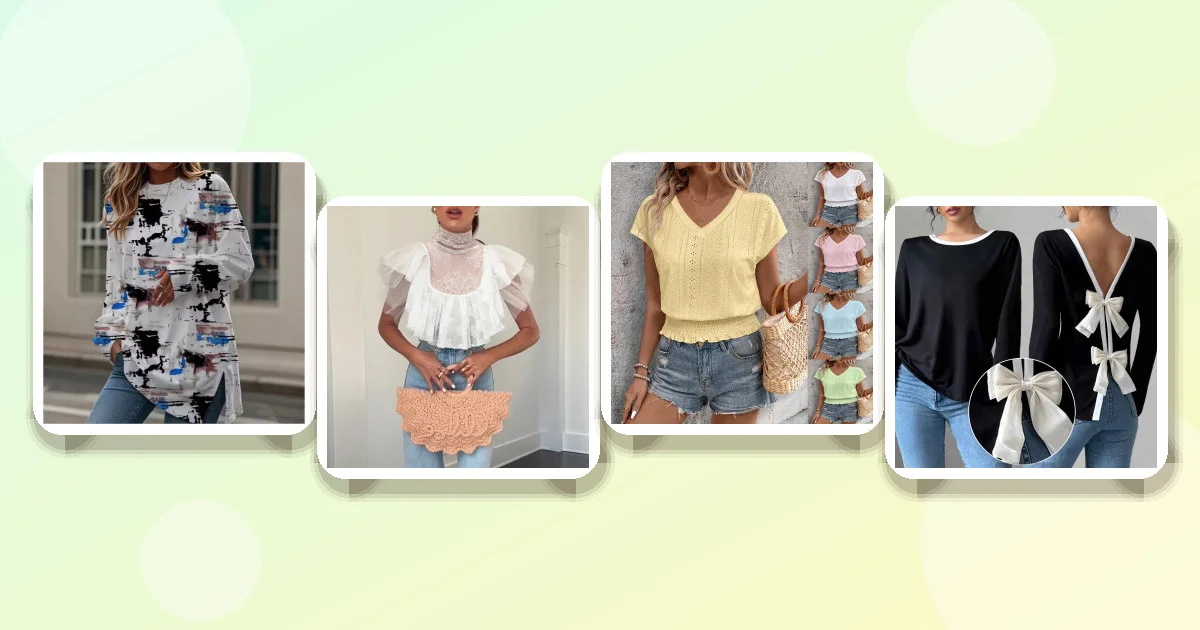
Start with a slim-fit blouse in a neutral color or a subtle pattern. A white or black blouse is the most versatile option. It goes with every sweater in your closet. If you want to add some interest, choose a blouse with a subtle print or a textured fabric. For example, a lace mesh top can add a feminine touch without being too flashy. A floral patchwork top can add a pop of color and pattern. These options are available in our product list. The Women's Top Fashion Print Round Neck T-shirt Is a good option for a casual, professional look. It features a painting pattern and a slim fit, which makes it ideal for layering.

- Pros: Slim fit reduces bulk; neutral white color is versatile.
- Con: Polyester may feel less breathable in a hot office.
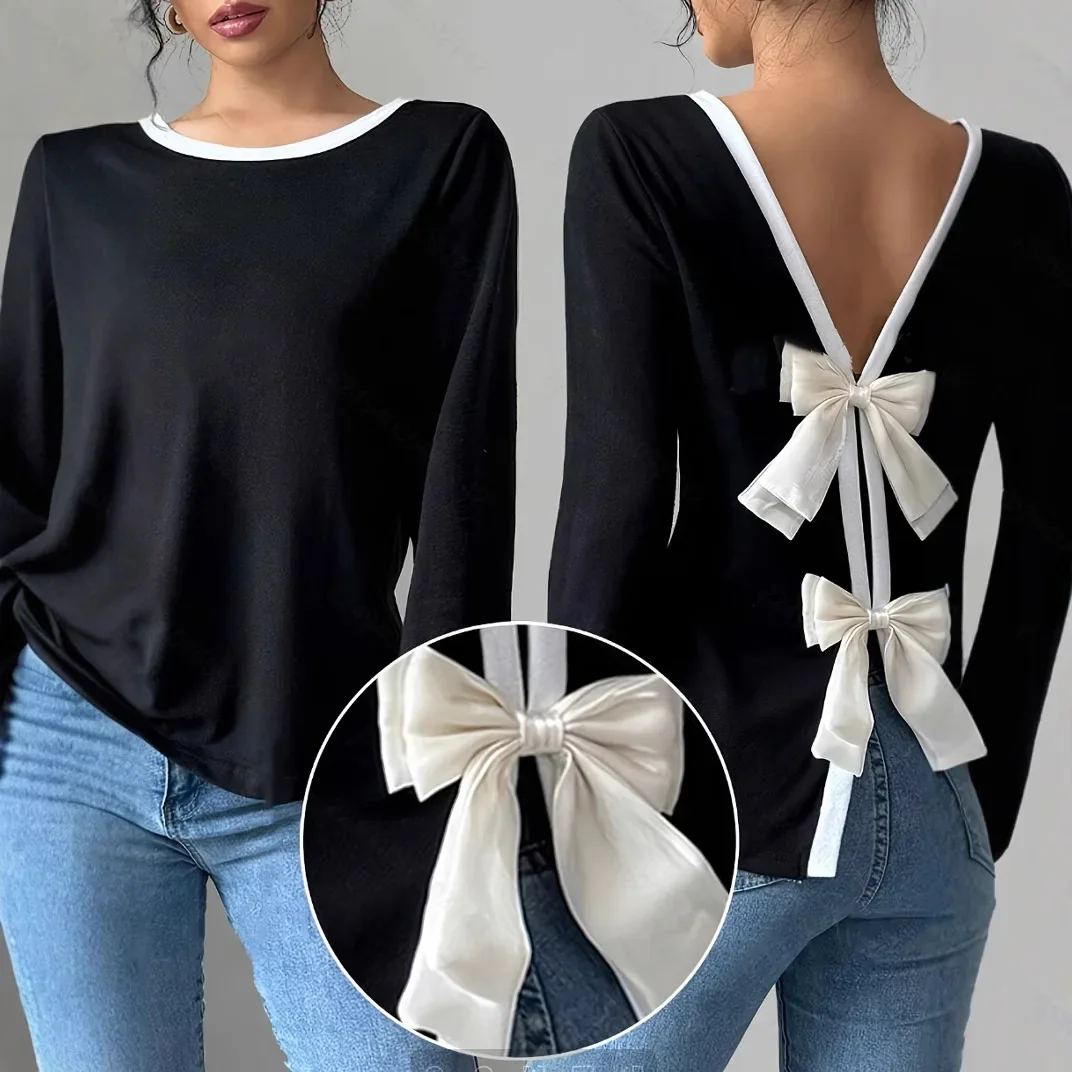
- Pros: Comfortable to wear; normal length (50cm) is easy to tuck or leave out.
- Con: Limited color options compared to other blouses.
Step 2: Select Your Sweater
Choose a mid-weight sweater in a solid color that complements your blouse. If your blouse is patterned, choose a solid sweater. If your blouse is solid, you can choose a sweater with a subtle texture or pattern. The sweater should be long enough to cover the waistband of the blouse. It should be loose enough to move comfortably, but not so loose that it looks sloppy. A cardigan is a great option for layering because it can be worn open or buttoned. An open cardigan adds a vertical line to your outfit, which is slimming. A buttoned cardigan creates a more enclosed, cozy look. For a professional look, a crew neck or V-neck sweater is a safe bet. Avoid sweaters with large logos or excessive embellishments.
Step 3: Add Accessories
Accessories can complete your look. A scarf can add warmth and style. Choose a thin, lightweight scarf that can be wrapped loosely around your neck. A hat can also add warmth, but be careful to choose a style that is appropriate for the office. A beanie is a casual option that can be worn on the commute and removed once you arrive at work. The Winter Sun Protection Ski Hat for Women Is a minimalist bell-shaped hat that offers wind-resistant and sun-shading protection.
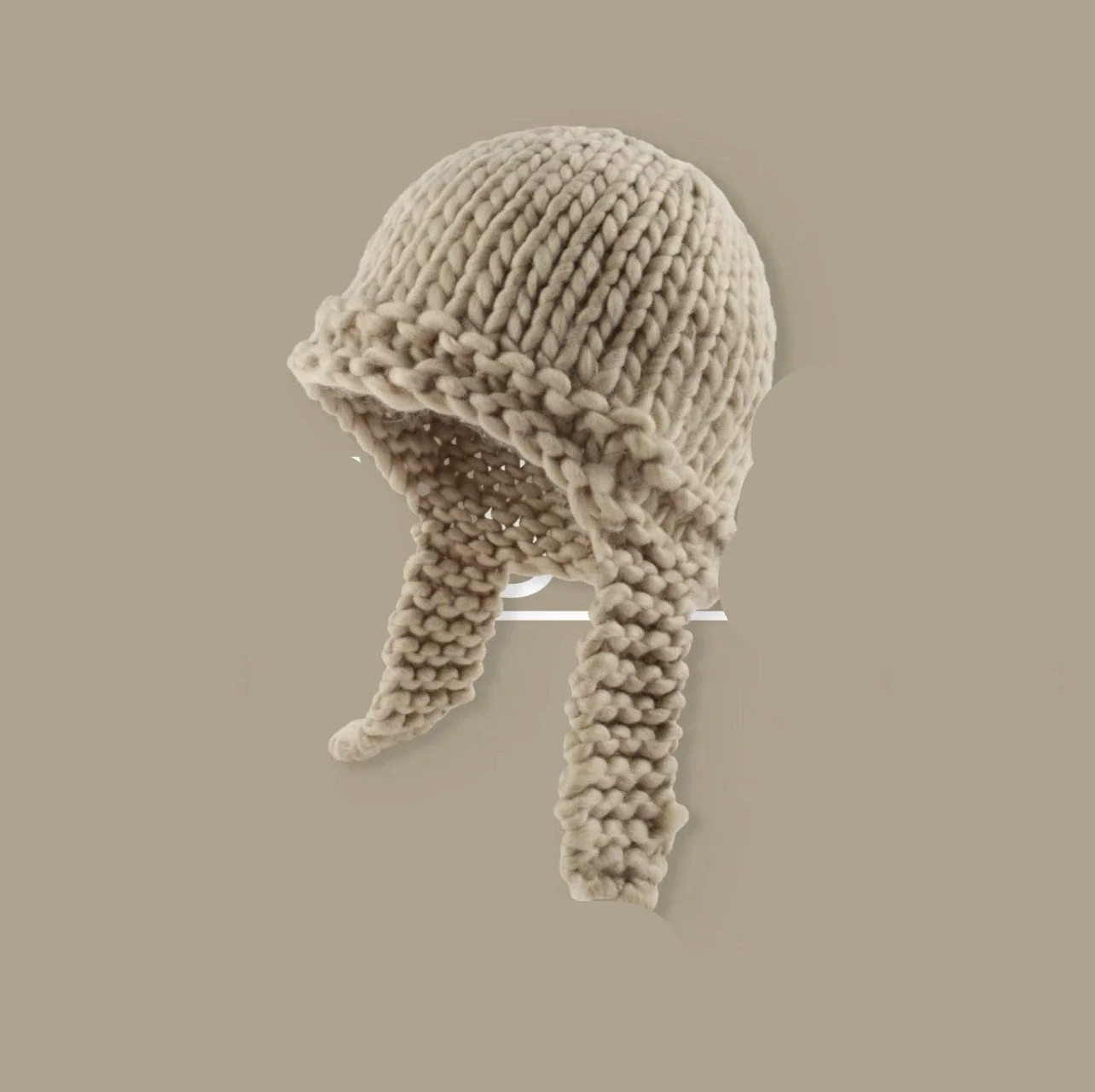
- Pros: Breathable and wind-resistant; one-size fits most.
- Con: Bell shape may not suit all face shapes; not as warm as a heavy knit beanie.
Step 4: Final Adjustments
Before you leave the house, check your outfit in the mirror. Make sure the blouse is smooth and free of wrinkles. Tuck it in neatly if you are wearing the sweater untucked. Smooth out the sweater to ensure it is not pulling or bunching. Check your sleeves to make sure they are not too long or too short. Make sure your overall silhouette is balanced. You want to look polished and put-together, not messy or bulky. By following these steps, you can create a chic fall commute outfit that is warm, professional, and comfortable.
Product Comparison: Blouses for Layering
Choosing the right blouse is the first step in layering successfully. Here is a comparison of the products available in our list, based on their key attributes. Use this table to decide which blouse best fits your style and needs.
| Product | Price | Type/Material | Options | Best For |
|---|---|---|---|---|
| Women's Top Fashion Print Round Neck T-shirt | $16.08 | Polyester, Painting Pattern | 5 (White, S-XXL) | Casual, artistic office look |
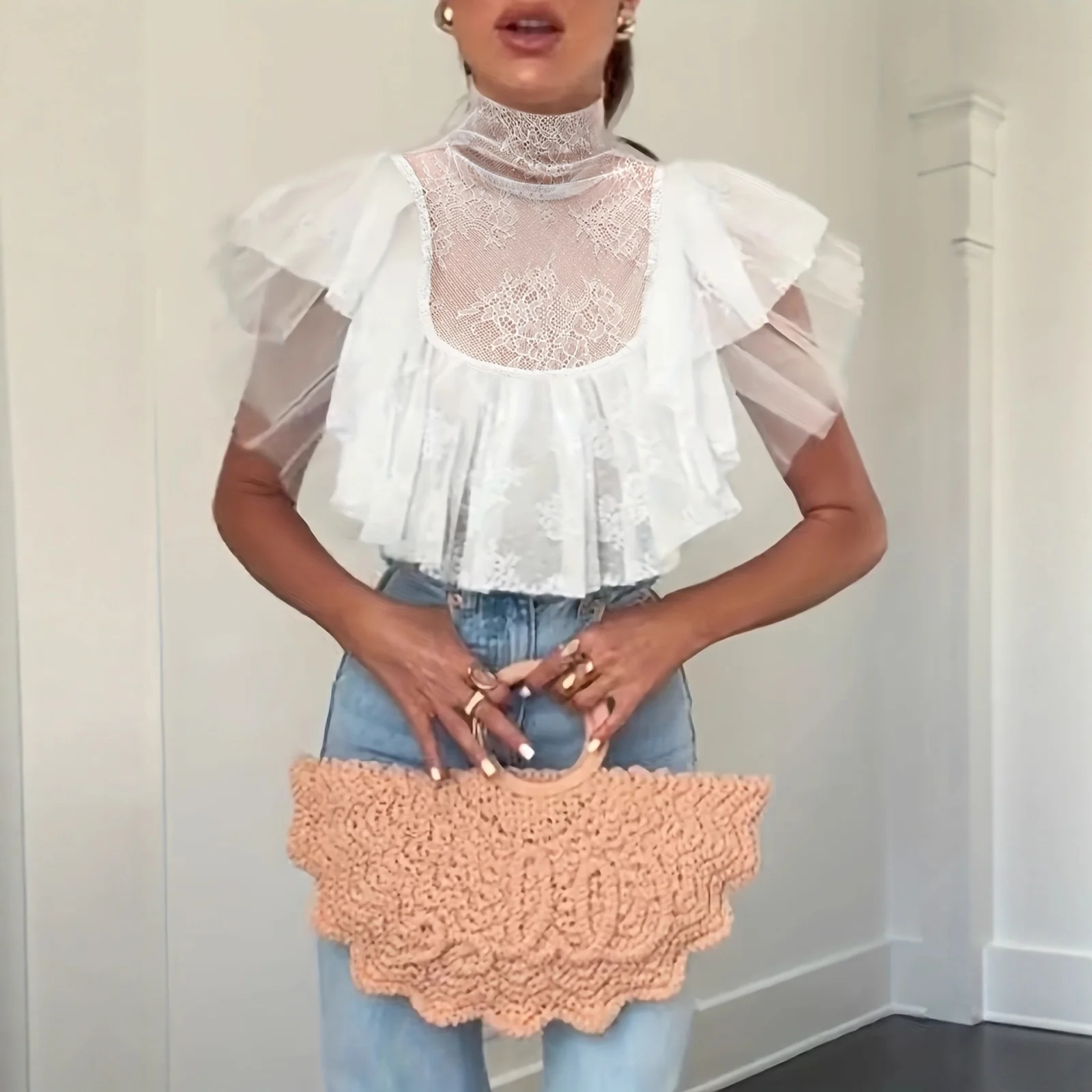
| High-neck Lace Mesh Sheer Layered Patchwork T-shirt | $29.52 | Lace Mesh, Sheer | Not specified | Feminine, layered look with high neck |
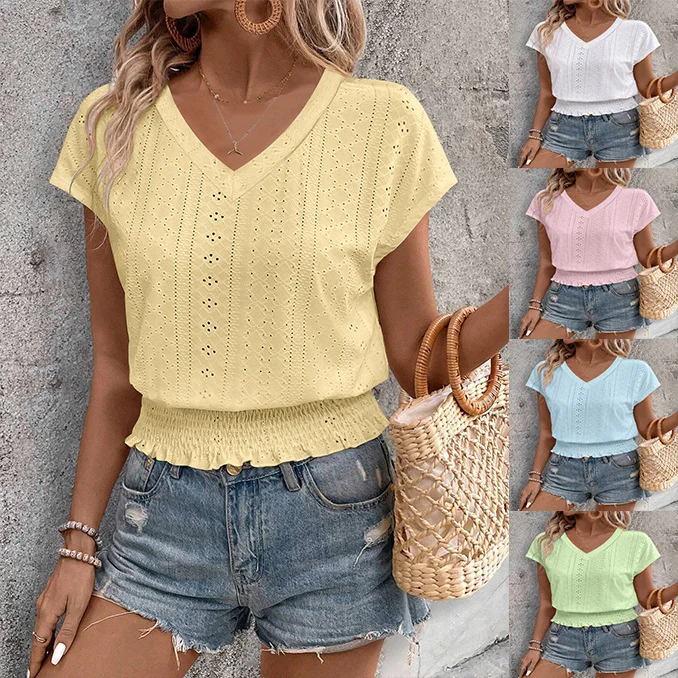
| V-neck Hollow-out Smocking Short-sleeved T-shirt | $14.64 | Hollow-out Smocking | Not specified | Short-sleeved base for warmer days |
| Women's Trend Shop the story
All products from this guide
|


