You’re ready to swap summer tees for chunky knits, but the closet is already full. This guide shows you how to measure, choose material, and arrange storage bags so your fall pieces stay fresh and your space stays tidy.
How to choose the right size and material
Measure your garments
Lay a sweater flat, measure width across the chest and length from shoulder to hem. Most adult pullovers are 20‑24 in wide and 26‑30 in long. A bag that’s at least 2 in larger on each side lets the fabric breathe without being crushed.
Bag types and why they matter
- Breathable fabric bags (cotton or bamboo): let air circulate, ideal for wool and cashmere that can develop mildew.
- Zip‑top plastic bags: keep out dust and moisture, great for synthetic knits that don’t need airflow.
- Vacuum‑seal bags: save space but compress fibers; use only for sturdy cotton flannels, not delicate knits.
Material checklist
| Feature | Breathable (cotton/bamboo) | Zip‑top plastic | Vacuum‑seal |
|---|---|---|---|
| Moisture control | Good | Excellent | Excellent |
| Fiber compression | None | None | High |
| Space savings | Low | Medium | High |
| Best for delicate fabrics | Yes | Sometimes | No |
Price range to expect
Basic breathable bags run $10‑$20 for a set of three; zip‑top bags are $5‑$12 per pack; vacuum sets start around $15 for a dozen. The products we recommend sit in the mid‑range, offering durability without premium markup.
Product comparison
| Product | Price | Material / Type | Options | Best for |
|---|---|---|---|---|
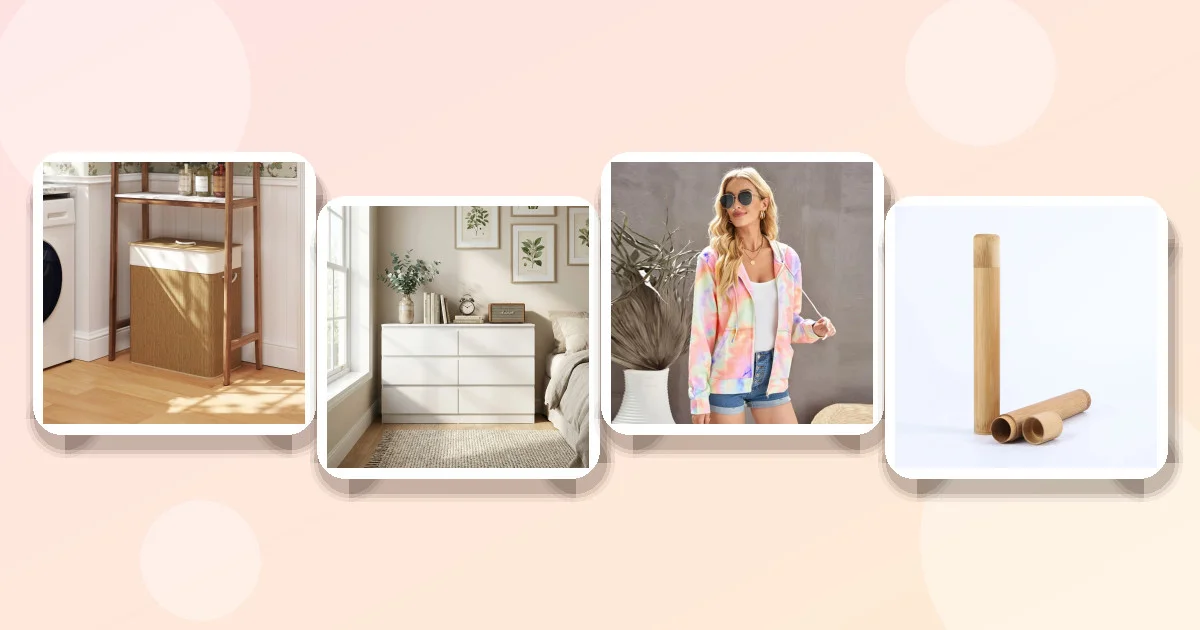
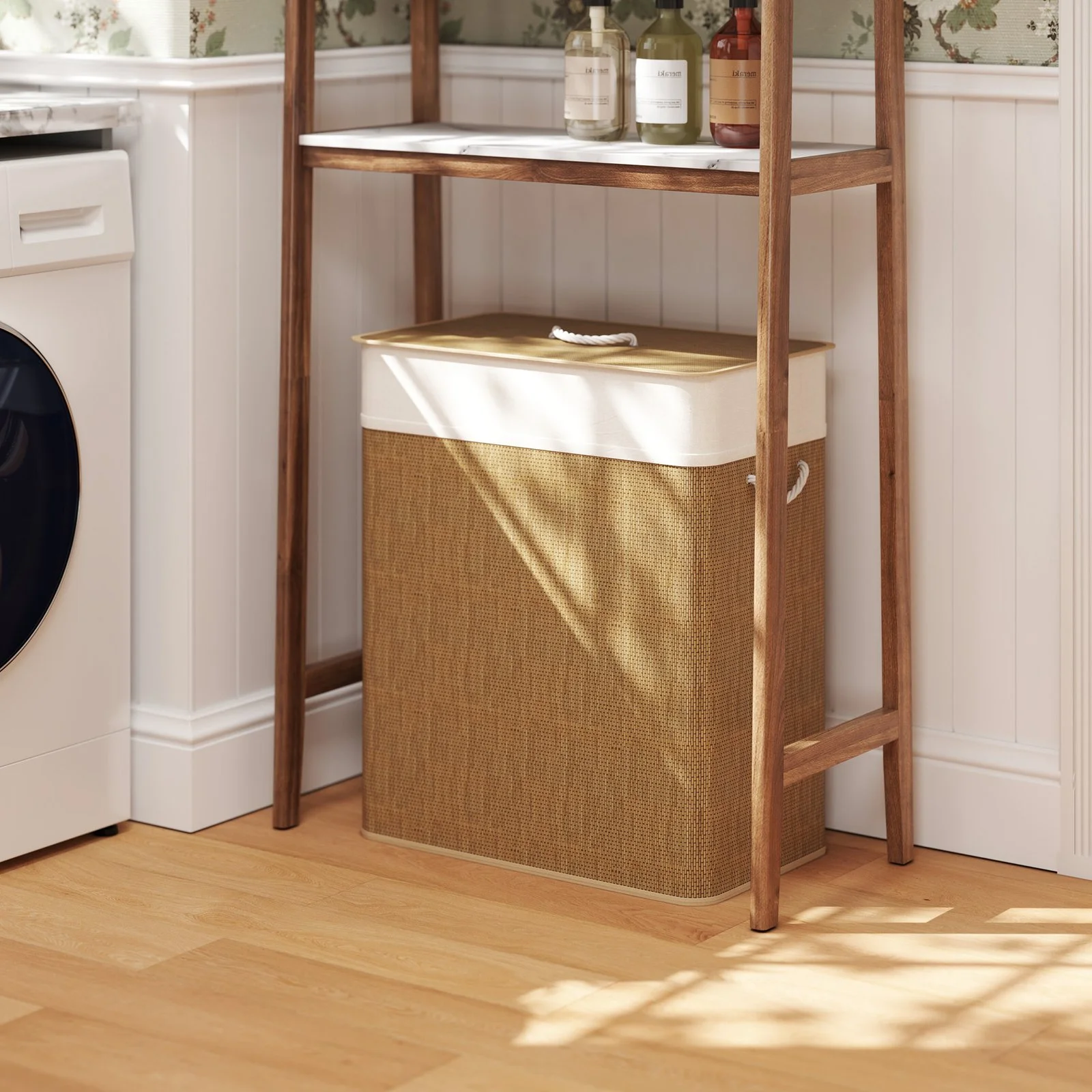
| Double Laundry Basket with Lid | $151.96 | Bamboo, 26.4 gal | Brown, Cream, White | Large bulk storage of sweaters and blankets |
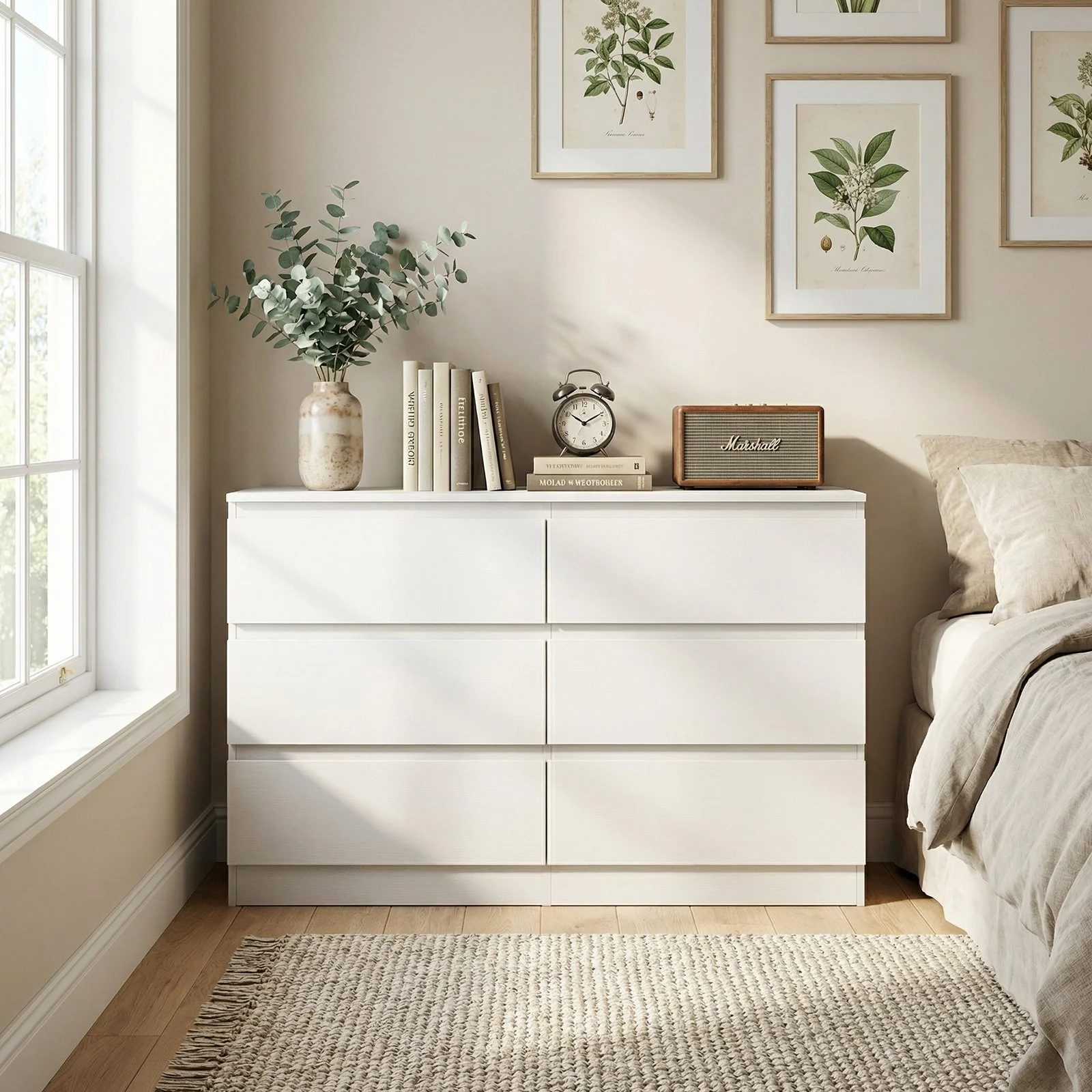
| 6 Drawer White Dresser | $612.80 | MDF | White | Organizing folded tops and accessories |
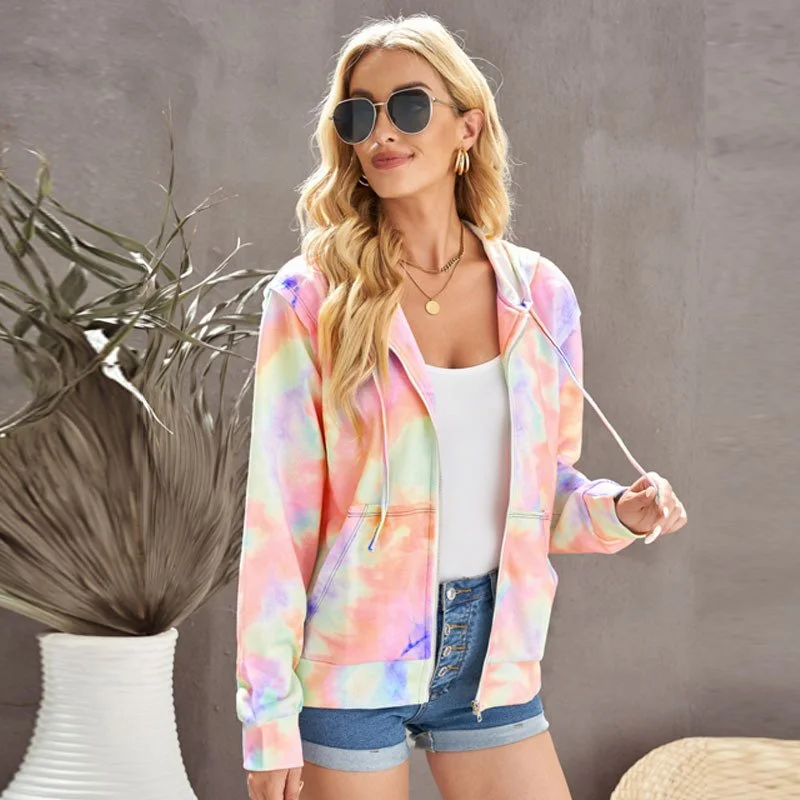
| Minimalist Hooded Zippered Top | $26.08 | Polyester | Multiple colors & sizes | Everyday layering piece (not a storage bag) |
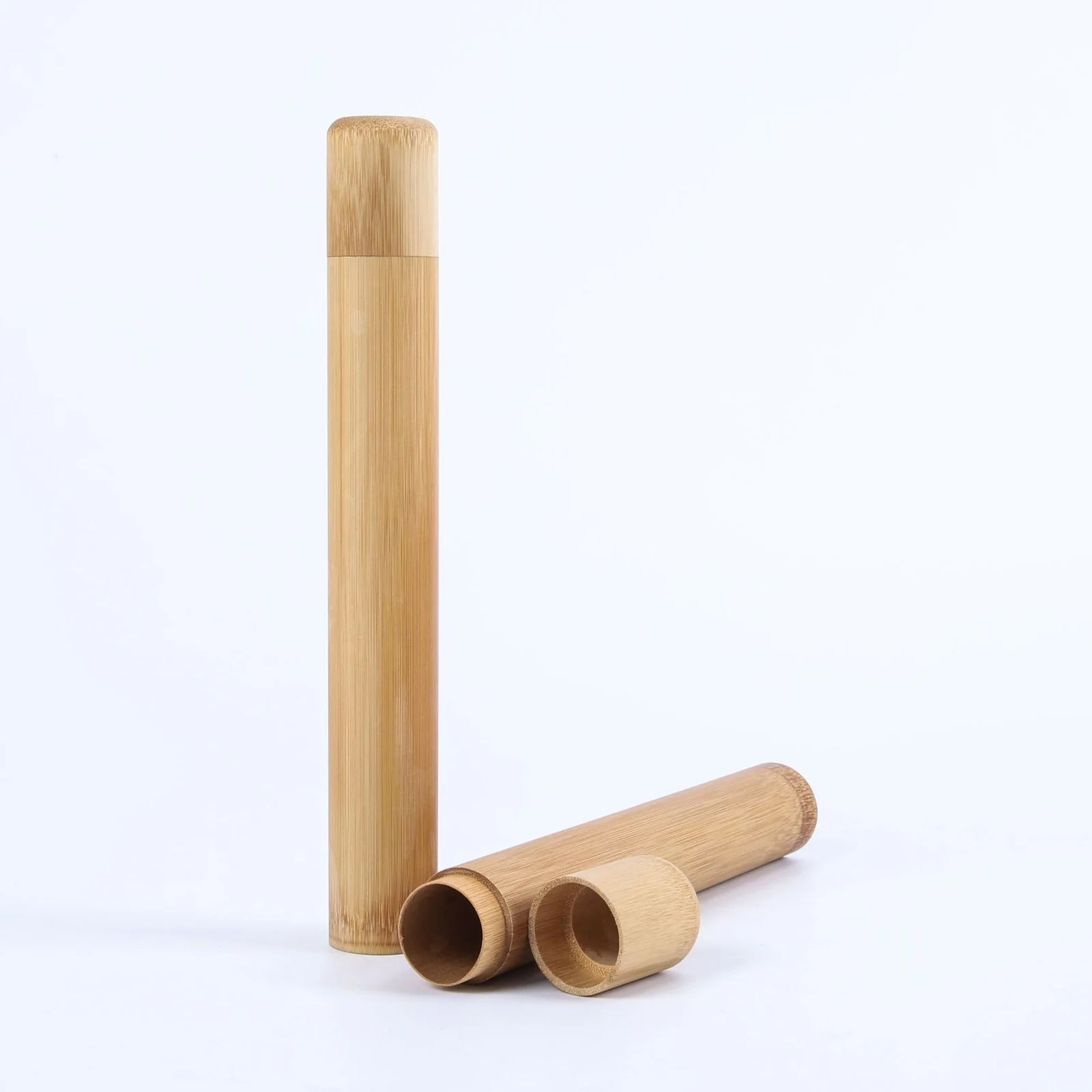
| Bamboo Toothbrush Set | $7.76 | Bamboo | Bamboo | Eco‑friendly accessory, not a storage bag |
| Women's Long Sleeve Pleated Jumpsuit | $30.64 | Polyester | White, Black, Fluorescent Green | Stylish workwear (example of garment to store) |
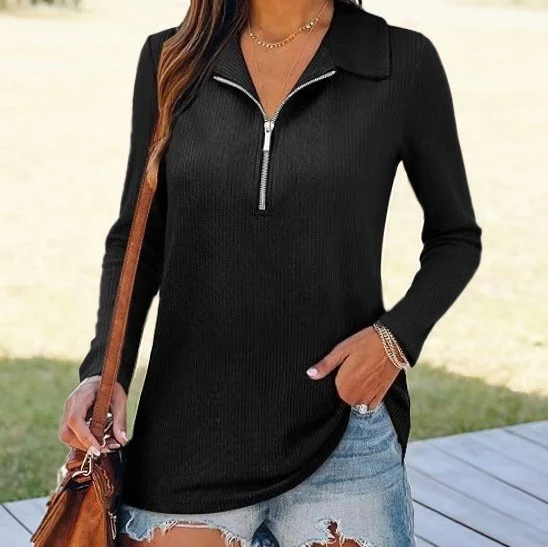
| Women's Casual Knitted Lapel Zipper Top | $21.16 | Polyester knit | Multiple colors & sizes | Cozy knit to store in breathable bag |
Why the Double Laundry Basket with Lid shines for fall storage
The 26.4‑gallon bamboo hamper holds up to ten medium‑size sweater bags without crushing them. Its lid keeps dust out while the removable liner makes cleaning easy.
Best for Anyone with a sizable closet and a need to keep bulk items together.- Sturdy bamboo construction lasts years.
- Large capacity reduces the number of individual bags.
- Con: Takes up floor space; not a bag you can stack on a shelf.
When a 6‑drawer dresser complements your bag system
Use the deep drawers for folded cardigans and scarves that don’t need a bag. The MDF body is smooth, so fabric slides in without snagging.
Best for Renters who prefer furniture over floor‑level storage.- Six drawers give flexible organization.
- Concealed handles keep the look sleek.
- Con: Heavier to move; not portable.
Other items in the lineup
We include a few non‑storage items to illustrate the kind of clothing you’ll be protecting. The Minimalist Hooded Zippered Top Is a lightweight polyester layer that can go straight into a zip‑top bag. The Long Sleeve Pleated Jumpsuit And Casual Knitted Lapel Top Are examples of pieces that benefit from breathable storage.
Common mistakes to avoid
- Over‑compressing knits. Vacuum bags squeeze fibers, causing pilling later. Reserve them for sturdy cotton flannels.
- Choosing bags that are too tight. A bag that fits the garment exactly traps heat and moisture, leading to mildew.
- Storing in damp basements. Even zip‑top bags can trap humidity; aim for a climate‑controlled closet.
- Forgetting to label. When you pull out a bag after months, you’ll waste time guessing what’s inside.
Care, freshness, and stacking tips
Keeping clothes fresh
Place a small sachet of cedar chips or a dryer sheet inside each bag. Cedar repels moths, while a dryer sheet adds a light scent without chemicals. Replace sachets every three months.
Stacking safely
If you must stack, choose bags with reinforced walls (often the zip‑top variety). Stack no more than three high; the bottom bag should bear weight evenly to avoid crushing the fabric inside.
Periodic airing
Every 4‑6 weeks, open each bag for 15 minutes and let the garments breathe. This prevents stale odors and catches any early signs of moisture.

Frequently asked questions
❓ What size storage bag should I use for sweaters?
Choose a bag that is at least 2 in wider and longer than the sweater’s dimensions; for a typical 22 in wide, 28 in long sweater, a 24 × 30 in bag works well. This extra room prevents crushing and allows airflow.
❓ How do I keep my fall clothes fresh in storage bags?
Add a cedar sachet or dryer sheet, store bags in a cool dry closet, and open each bag for 15 minutes every month to let air circulate.
❓ Are zip‑top storage bags better than vacuum bags for seasonal clothing?
Zip‑top bags protect against dust and moisture without compressing fibers, making them the safer choice for knits and delicate fabrics; vacuum bags are best for sturdy cotton pieces when space is limited.
❓ How many storage bags do I need for a typical fall wardrobe?
A modest fall closet (about 15 items) usually requires 4‑6 medium‑size bags: two for sweaters, one for scarves, one for light jackets, and one for accessories.
❓ Can I stack storage bags in a closet without damaging them?
Yes, if the bags have reinforced walls and you limit the stack to three layers; the bottom bag should support the weight evenly.
❓ What are the best storage bags for protecting delicate fabrics?
Breathable cotton or bamboo‑lined bags are ideal; they let moisture escape while shielding fabrics from dust.
❓ Should I wash my sweaters before storing them?
Always clean garments before storage; lingering sweat or oils attract moths and cause odors.
❓ Do I need to use a liner inside my storage bag?
A removable liner, like the one in the Double Laundry Basket, makes cleaning easier and adds an extra barrier against dust.
Key takeaways
- Measure each garment and add 2 in on every side for the ideal bag size.
- Prefer breathable bamboo or cotton bags for knits; zip‑top bags work for synthetics.
- Use the Double Laundry Basket with Lid for bulk storage of multiple sweater bags.
- Stack only up to three reinforced bags and keep the stack on a stable shelf.
- Refresh bags monthly with cedar or dryer sheets and air them out.
- Avoid vacuum sealing delicate fabrics to prevent fiber damage.
How we chose these products: We matched each item’s specifications, price, and material to the storage needs of a typical fall wardrobe, focusing on durability, capacity, and ease of use.