

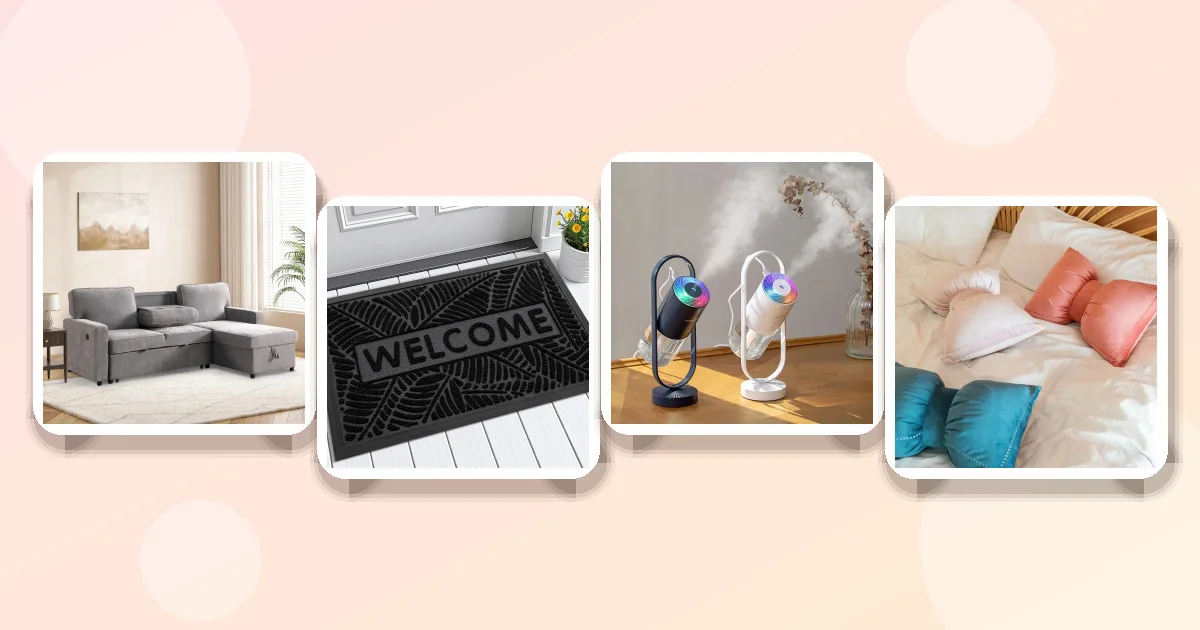
Fall is the season when your apartment feels the most crowded. You are bringing in heavier coats, swapping out summer linens, and dealing with the natural accumulation of daily life in a confined space. If you live in a small urban apartment, every square inch matters, and generic storage advice often fails because it ignores the reality of limited square footage. In this guide, we look at seven specific storage solutions that maximize vertical space and utilize hidden areas you might have overlooked. These are not just aesthetic choices; they are functional tools designed to keep your living area navigable and clutter-free as the days get shorter.
- Assessing your space: What actually takes up room?
- Maximizing vertical space without drilling
- Multi-functional furniture: Storage that sits under your feet
- Small closet organization: Density over size
- Kitchen storage without cabinets
- Common mistakes to avoid in small space organization
- Product comparison table
- Care and maintenance tips
Assessing your space: What actually takes up room?
Before buying a single bin, you need to understand where your clutter lives. In small apartments, clutter rarely exists in one place; it migrates. It starts on a kitchen counter, moves to a living room side table, and eventually gets shoved into a closet or under a bed. The first step to effective home storage and organization Is identifying these migration paths.
The "Hot Zones" of a Small Apartment
Most small spaces have three primary "hot zones" where clutter accumulates fastest: the entryway, the kitchen perimeter, and the main living area. The entryway is often the worst offender because it is the first place you drop keys, mail, and shoes. If these items have no defined home, they spill into the living room. The kitchen is the second culprit. Without sufficient cabinet space, small appliances, spices, and cleaning supplies tend to live on countertops, making the space feel cramped even when it is clean.
The living room is the final trap. In a studio or small one-bedroom, the living room is also your office, dining area, and social space. This multiplicity means that storage solutions here need to be discreet. You cannot have a large, loud storage unit dominating the view. Instead, you need storage that integrates into the furniture or the walls. When assessing your space, measure the vertical height of your walls. Many renters ignore the space above eye level. If your ceilings are standard eight feet, you have at least two feet of unused vertical space above your shelves or doors. This is prime real estate for seasonal items like holiday decorations or spare linens.
Measuring for Fit
Before purchasing any storage item, measure the specific space where it will live. Do not rely on visual estimates. Use a tape measure to check the width, depth, and height of your closets, under-bed spaces, and wall corners. For example, if you are looking at an over-the-door shelf, measure the distance from the top of the door to the floor. Most standard doors are 68 to 80 inches tall. If you buy a shelf that is too long, it will drag on the floor and collect dust. If it is too short, you waste valuable vertical space. Similarly, when looking at under-bed storage, measure the clearance between the floor and the bottom of your bed frame. You need at least 12 inches of clearance to fit most standard shoe boxes, but check your specific furniture to be sure.

Maximizing vertical space without drilling
For renters, drilling into walls is often a no-go due to lease agreements or the desire to avoid damage deposits. This does not mean you cannot use your walls for storage. There are several non-invasive ways to utilize vertical space that are as effective as permanent fixtures. The key is to use tension, gravity, or adhesive systems that do not require screws or anchors.
Over-the-Door Organizers
Over-the-door organizers are the most efficient tool for small spaces. They turn the back of a door—a dead space—into a vertical storage unit. These organizers come in various configurations: some have clear pockets for shoes, others have hanging hooks for bags, and some have shelves for books or toiletries. When choosing an over-the-door organizer, look for one with a sturdy metal frame. Plastic frames can bend under the weight of heavy items like winter coats or full-sized shoes. Also, pay attention to the material of the pockets. Clear vinyl is easy to see into, but it can tear if you are not careful. Canvas or fabric pockets are more durable but make it harder to find specific items at a glance.
Adhesive Shelves and Hooks
Modern adhesive hooks and shelves have come a long way. Brands like Command and similar competitors offer products that can hold significant weight without leaving residue or damage. For a small apartment, these are ideal for organizing a bathroom or a small entryway. You can use adhesive hooks to hang towels, robes, or even small bags. Adhesive shelves are great for displaying plants, books, or small decorative items. However, you must follow the weight limits strictly. If a hook is rated for 5 pounds, do not hang a 10-pound coat on it. The adhesive may fail, and the item will fall. Always clean the surface with alcohol before applying the adhesive to ensure a strong bond.
Wall-Mounted Baskets and Shelves
If you have a landlord who allows minor modifications, wall-mounted baskets and shelves are a big upgrade. They free up counter space in the kitchen and floor space in the bathroom. For the kitchen, you can mount a rack for pots and pans or a shelf for spices. For the bathroom, a wall-mounted basket can hold towels, toiletries, and first aid supplies. When installing these, use a level to ensure they are straight. A crooked shelf looks sloppy and can cause items to slide off. Also, consider the depth of the shelf. In a small space, a deep shelf can protrude too far into the room, making it difficult to walk by. A shallow shelf, about 6 to 8 inches deep, is usually sufficient for most items.
Multi-functional furniture: Storage that sits under your feet
In a small apartment, every piece of furniture should earn its keep. This means choosing items that serve more than one purpose. A regular sofa only provides seating. A storage sofa provides seating and hidden storage space. This dual function is critical for maximizing your limited square footage. When shopping for furniture, look for pieces with built-in compartments, lift-up seats, or drawers.
The Storage Sectional
Sectional sofas are popular in small spaces because they provide ample seating without taking up as much floor space as a traditional sofa and loveseat combination. Many modern sectionals come with built-in storage compartments. These compartments are typically located under the seat cushions or in the chaise section. They are perfect for storing remote controls, blankets, magazines, and other small items that tend to clutter coffee tables. When choosing a storage sectional, check the dimensions of the storage compartments. Make sure they are large enough to hold the items you plan to store. Also, check the material of the upholstery. In a small apartment, you want a fabric that is easy to clean and resistant to stains. Chenille is a popular choice because it is soft, durable, and available in a variety of colors.
Upholstery Sleeper Grey Sectional Sofa with Storage Space, Usb Port, 2 Cup Holders on Back Cushions
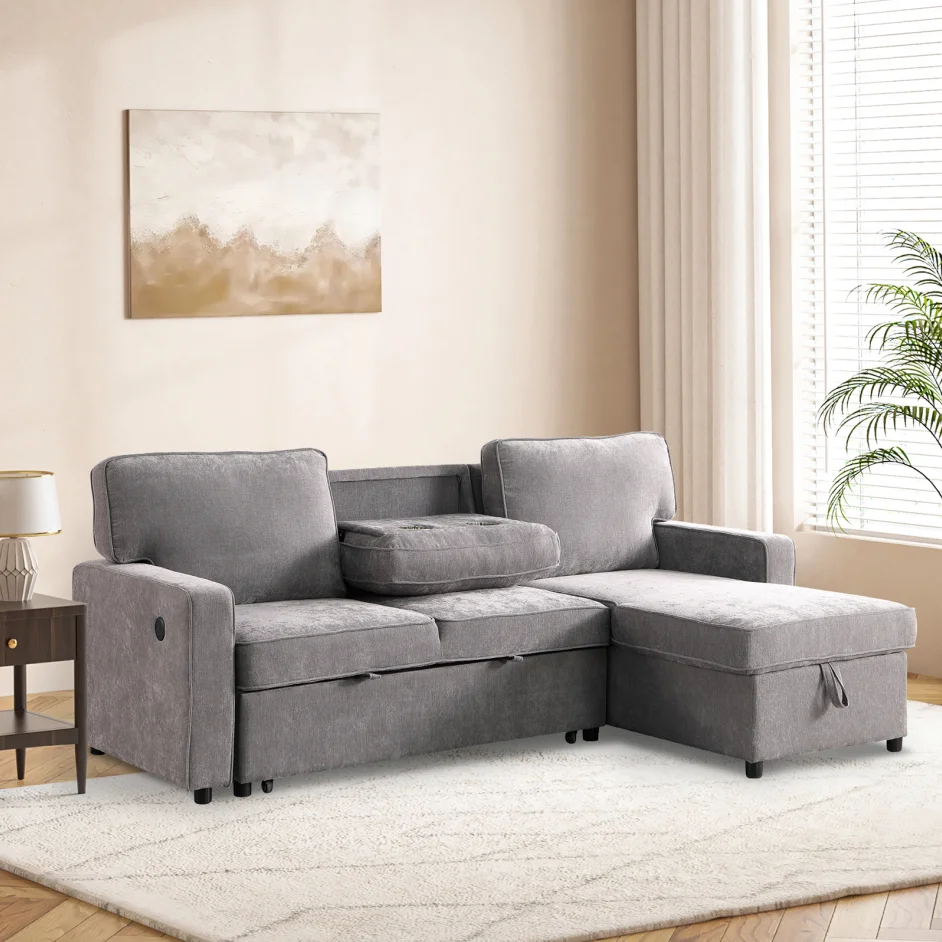
- Pros: Built-in storage compartments hide daily clutter; USB port and cup holders add functional convenience for guests and daily use.
- Pros: Chenille upholstery is durable and soft, suitable for high-traffic living areas.
- Con: At $3,893.04, this is a significant investment; ensure the dimensions fit your specific apartment layout before purchasing.
Bed Frames with Storage
If your bedroom is small, consider a bed frame with built-in drawers or lift-up storage. These frames allow you to store seasonal clothing, linens, and shoes under the bed, freeing up closet space. When choosing a storage bed, check the clearance under the frame. You want enough space to fit sturdy storage bins. Also, check the weight capacity of the drawers or lift-up mechanism. You do not want the drawers to sag or the mechanism to fail under the weight of your stored items. If you are on a budget, you can buy a standard bed frame and add under-bed storage bins separately. This is often a more cost-effective solution.
Desks with Drawers
For home offices, choose a desk with built-in drawers or shelves. A desk with drawers allows you to hide office supplies, documents, and electronics away from view. This keeps the workspace looking clean and organized. If you are working in a small living room, a desk with a fold-down top or a wall-mounted desk is a good option. These desks can be folded up or tucked away when not in use, freeing up floor space for other activities. When choosing a desk, check the size of the drawers. You want enough space to hold your laptop, notebook, and other essentials. Also, check the material of the desk. Wood is durable and classic, but it can be heavy. Metal or glass desks are lighter and can make a small space feel more open.

Small closet organization: Density over size
Small closets are often the first place clutter goes to die. The problem is usually not the amount of clothing you own, but the inefficiency of the storage system. In a small closet, you need to maximize the use of every inch of space. This means using vertical space, utilizing the door, and choosing the right hangers and bins.
Uniform Hangers
One of the easiest ways to make a small closet look bigger is to use uniform hangers. Mixing wooden, plastic, and wire hangers creates visual clutter and takes up more space than necessary. Switching to a single type of slim, non-slip hanger can free up significant space. Slim hangers take up less width than standard hangers, allowing you to fit more clothes on a single rod. Non-slip hangers have a rubber coating that prevents clothes from sliding off, especially silk and satin items. When choosing hangers, look for ones that are sturdy enough to hold the weight of your clothing. Cheap plastic hangers can bend and break, causing clothes to fall to the floor.
Stackable Bins
Stackable bins are essential for small closets. They allow you to store folded items, such as sweaters, jeans, and t-shirts, in a neat and organized manner. Look for bins that are transparent or have clear fronts so you can see what is inside without having to open them. This saves time and keeps the closet looking tidy. Choose bins that are the same size to ensure they stack neatly. You can use these bins on shelves, in the back of the closet, or even on the floor if you have the space. Label the bins to make it easy to find what you need. You can use a label maker or simply write on a piece of paper and tape it to the front of the bin.
Door Storage
The back of your closet door is often wasted space. Use an over-the-door organizer to store shoes, accessories, and small items. Look for organizers with multiple pockets and hooks. You can use the pockets for shoes and the hooks for belts, scarves, and bags. This frees up shelf space for clothing. When choosing an over-the-door organizer, check the dimensions to ensure it fits your door. Measure the width of your door and the distance from the top of the door to the floor. Make sure the organizer is not too wide or too long. Also, check the weight capacity. If you plan to store heavy items, choose an organizer with a sturdy frame.

Kitchen storage without cabinets
Many small apartments have kitchens with limited cabinet space. This means you need to get creative with storage. The goal is to keep countertops clear and organized while maintaining easy access to frequently used items. This requires a mix of vertical storage, hidden storage, and smart organization.
Vertical Racks
Vertical racks are perfect for storing pots, pans, and dishes. They can be placed on the counter or mounted on the wall. Counter-top racks are easy to move and adjust, while wall-mounted racks save counter space. When choosing a vertical rack, look for one that is sturdy and can hold the weight of your cookware. Also, check the material. Stainless steel is durable and easy to clean, while wood adds a warm touch to the kitchen. If you are mounting a rack on the wall, make sure you have the right tools and anchors. Use a level to ensure the rack is straight.
Tension Rods
Tension rods are a versatile and inexpensive storage solution. They can be used to store towels, cleaning supplies, or even small appliances. They can be placed in cabinets, on shelves, or in corners. Tension rods are easy to install and adjust, making them perfect for renters. You can use them to create additional shelf space in a cabinet or to hang items in a corner. When choosing a tension rod, measure the space where you plan to use it. Make sure the rod is the right length and can hold the weight of the items you plan to store.
Under-Counter Storage
The space under your counter is often underutilized. Use rolling carts or shelves to store items that you do not use every day. You can store small appliances, baking supplies, or cleaning supplies in this space. Rolling carts are easy to move and can be tucked under the counter when not in use. Shelves can be mounted on the wall or placed on the floor. When choosing under-counter storage, check the dimensions of the space. Measure the width, depth, and height of the space under your counter. Make sure the storage unit fits comfortably without blocking access to other items.

Common mistakes to avoid in small space organization
Even with the best storage solutions, it is easy to make mistakes that undermine your organization efforts. Here are some common mistakes to avoid when organizing a small apartment.
Buying Too Many Bins
It is tempting to buy a lot of bins and boxes to organize your space. However, if the bins are too large or too many, they can take up more space than the items they are meant to store. Choose bins that are the right size for your items. If you have small items, use small bins. If you have large items, use large bins. Avoid buying bins that are larger than necessary. You can always buy more bins later if you need them.
Ignoring Vertical Space
Many people focus on floor space and ignore the vertical space above their heads. This is a missed opportunity. Use shelves, hooks, and wall-mounted storage to utilize the vertical space in your apartment. This frees up floor space and keeps your living area open and airy. When choosing vertical storage, make sure it is sturdy and safe. Do not place heavy items on high shelves where they could fall.
Not Labeling Your Storage
If you do not label your storage containers, you will not be able to find what you need. This leads to clutter and frustration. Label your bins, boxes, and shelves so you can easily identify what is inside. You can use a label maker, stickers, or simply write on a piece of paper and tape it to the container. Labeling your storage takes a little time, but it saves you time in the long run.
Overcrowding Your Counters
In a small kitchen, every inch of counter space is precious. Do not let your counters become a dumping ground for small appliances, spices, and cleaning supplies. Use vertical storage, drawers, and cabinets to store these items. Keep only the items you use daily on your counters. This keeps your kitchen looking clean and organized. If you have a small kitchen, consider investing in a few high-quality storage solutions rather than lots of cheap ones.
Product comparison table
The following table compares the specific products recommended in this guide. Use this table to help you decide which items best fit your needs and budget.
| Product | Price | Type/Material | Options | Best For |
|---|---|---|---|---|
| Upholstery Sleeper Grey Sectional Sofa | $3893.04 | Chenille / Polyester / Acacia | Gray | Living room storage & seating |
| Welcome Front Door Mat | $167.96 | Durable entryway material | Black (29.5 X 17 Inches) | Entryway dirt & clutter control |
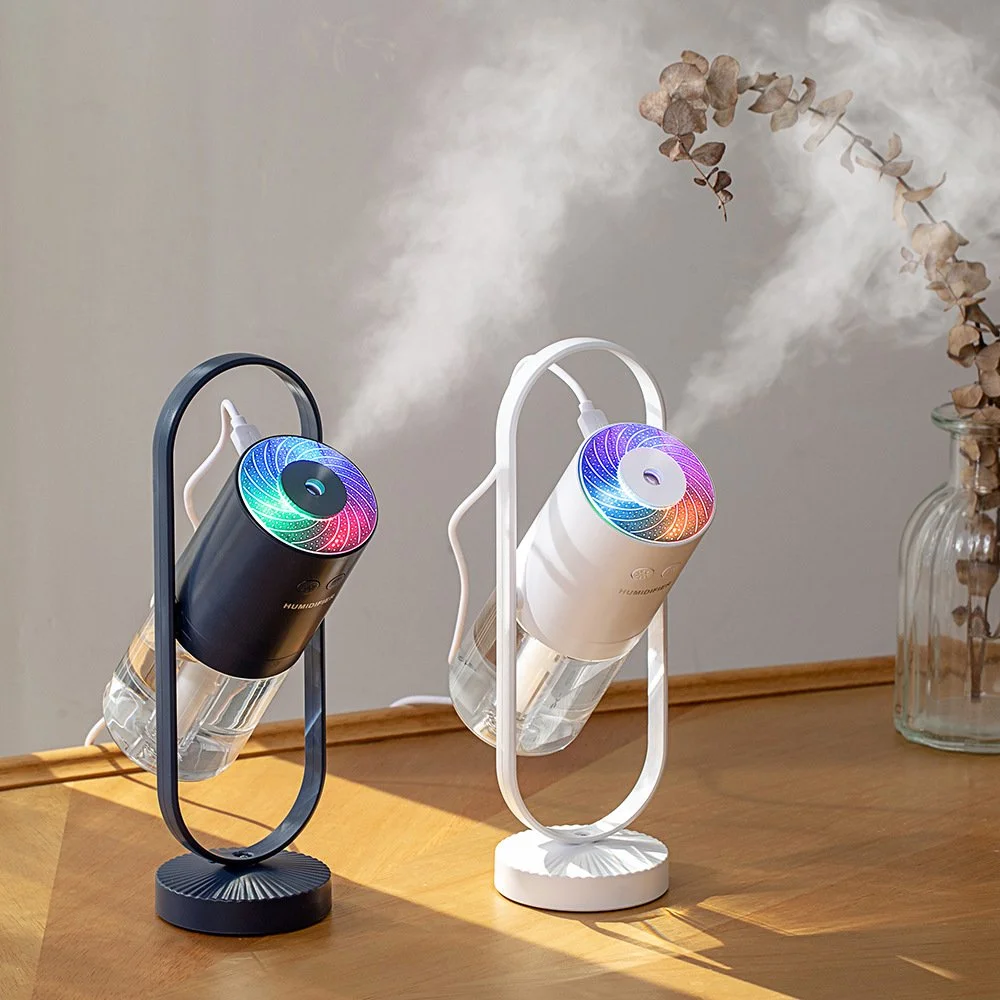
| Magic Shadow Usb Air Humidifier | $2.96 | ABS + PP + PE + Silicone | Multiple colors & sets | Desk/office small space comfort |
| Nordic Simple Bowknot Pillow | $17.84 | Italian Velvet / Fiber | Pink, Peacock blue, Brick red (35x50cm) | Decorative accent & soft storage buffer Shop the story
All products from this guide
|


