
Thanksgiving dinner is a marathon of cooking, hosting, and cleaning. The moment the last plate is cleared, the real work begins: dealing with mountains of leftovers, scattered party supplies, and a kitchen that needs to be reset. Most people struggle with this phase because they haven't planned for the storage logistics beforehand. You end up cramming hot food into mismatched bowls or losing track of where the napkins and decorations went. This guide cuts through the noise to help you select the right tools for the job. We focus on practical solutions that address specific pain points, from finding the right size bin for a whole turkey to organizing your kitchen for the weeks of leftovers that follow. You will learn how to evaluate materials, sizes, and features to make informed choices that save time and reduce stress.
How to Choose the Right Storage Solution
Choosing the right storage for Thanksgiving requires looking beyond just "bins." You need a system that handles three distinct categories: food preservation, temporary workspace, and long-term organization. Each category demands different materials and dimensions. Understanding these distinctions prevents the common mistake of buying generic plastic boxes that don't fit the actual needs of the holiday.
Material Considerations
For food contact, safety and durability are paramount. Glass is often preferred for hot foods because it does not absorb odors or stains, and it is safe for microwave reheating. However, glass is heavy and can shatter if dropped. Plastic is lighter and more shatter-resistant, making it ideal for freezer storage, but cheaper plastics can retain smells like gravy or turkey broth. Stainless steel is the gold standard for work surfaces and heavy-duty storage because it is non-porous, easy to sanitize, and extremely durable. It does not react with acidic foods like cranberry sauce. When selecting items, look for BPA-free plastics if you are using them for food, and ensure any metal surfaces are food-grade to avoid leaching issues.
Size and Dimension Planning
Size is the most critical factor in storage efficiency. A container that is too large leaves too much air space, which accelerates oxidation and spoilage. A container that is too small forces you to use multiple bins, complicating labeling and retrieval. For a standard 12-15 pound turkey, you need a container that can hold the carcass and bones, which typically requires a deep, wide vessel or a specialized turkey storage bag. For side dishes like mashed potatoes, you need shallow, wide containers to allow for rapid cooling. Deep, narrow containers trap heat in the center, keeping the food in the "danger zone" (40°F to 140°F) for too long. Always measure your largest expected food item before buying. If you are buying furniture for organization, check the dimensions carefully. Furniture measurements can vary by a few centimeters due to manual production processes, so allow for a 2-3 cm variance to ensure it fits your space.
Features That Matter
Look for features that directly address the workflow of cleanup. Airtight seals are non-negotiable for food storage to maintain freshness and prevent freezer burn. For work tables, mobility is key; wheels with brakes allow you to move the table to the fridge, the sink, or the dishwasher without lifting heavy loads. Adjustable shelves in cabinets or work tables provide flexibility for different items, from tall bottles to flat platters. In furniture, look for solid construction that can support the weight of multiple bins or boxes. A sideboard with adjustable shelves lets you customize the interior for party supplies or kitchenware, maximizing vertical space.
Capacity and Volume Estimates
Estimating volume helps you buy the right quantity. A standard 4-6 quart container holds about 2-3 cups of liquid or a similar volume of solid food. A whole turkey carcass, once deboned, can yield several quarts of meat and broth, requiring a large, deep container or a specific turkey storage bag. Mashed potatoes, being dense, occupy less volume than their weight suggests, but they should be spread thin for cooling. Party supplies like plates, napkins, and decorations are bulky but light, requiring wide, shallow bins rather than deep, narrow ones. Plan for at least two to three large containers for the main course, and several medium-sized ones for sides. This approach ensures you have enough space without overcrowding your refrigerator.
Setting Up the Cleanup Command Center
The most efficient cleanup starts before the first plate is cleared. Designating a specific area as your "command center" for sorting, wiping, and storing items prevents the chaos of running back and forth across the kitchen. This area should be adjacent to the fridge, sink, and dishwasher. A sturdy, mobile work table is the backbone of this setup. It provides a clean, improve surface for wiping down dishes, sorting cutlery, and staging items before they go into storage.
The Importance of a Stable Work Surface
Countertops are often too low and cluttered for effective sorting. A work table at a comfortable height allows you to stand and work without hunching. It also keeps the workspace separate from the cooking area, which is likely covered in grease and food scraps. A stainless steel surface is ideal because it is easy to wipe clean with a damp cloth and does not absorb stains from gravy or wine. The non-porous nature of steel means you can sanitize the surface quickly, which is important when handling raw turkey juices and then moving on to clean dishes. Look for a table with a heavy-duty frame that can support the weight of stacked dishes and full bins of food. A table with wheels allows you to move it to the fridge to load leftovers, then back to the sink for washing. This mobility saves steps and reduces fatigue during the long cleanup process.
Mobility and Stability
When selecting a work table, check for wheels with brakes. Wheels without brakes can roll away when you lean on the table, which is dangerous when handling hot pots or heavy containers. Brakes provide stability when you need a firm surface for chopping or assembling. The table should also have a level surface to prevent items from sliding off. A three-stage adjustable shelf system on the table allows you to store cleaning supplies, sponges, and trash bags underneath the main surface, keeping them within reach without cluttering the workspace. This organization is crucial for maintaining a smooth workflow. You don't want to be searching for a trash bag or a sponge while holding a stack of dirty plates. The table should be large enough to accommodate a few large platters and a sink basin if you are doing a two-basin wash system. Measure your kitchen space to ensure the table fits comfortably without blocking walkways or doorways.
Product Recommendation: The Work Table
For this role, the Vevor 30x36x34 Inch Stainless Steel Work Table Is an excellent choice. It offers a durable, food-grade stainless steel surface that is easy to clean and resistant to corrosion. The three-stage adjustable shelf provides ample storage for supplies, and the four wheels with brakes ensure it stays in place when you need it. This table is designed for commercial use, meaning it can handle the heavy loads and frequent use that come with a large holiday cleanup.
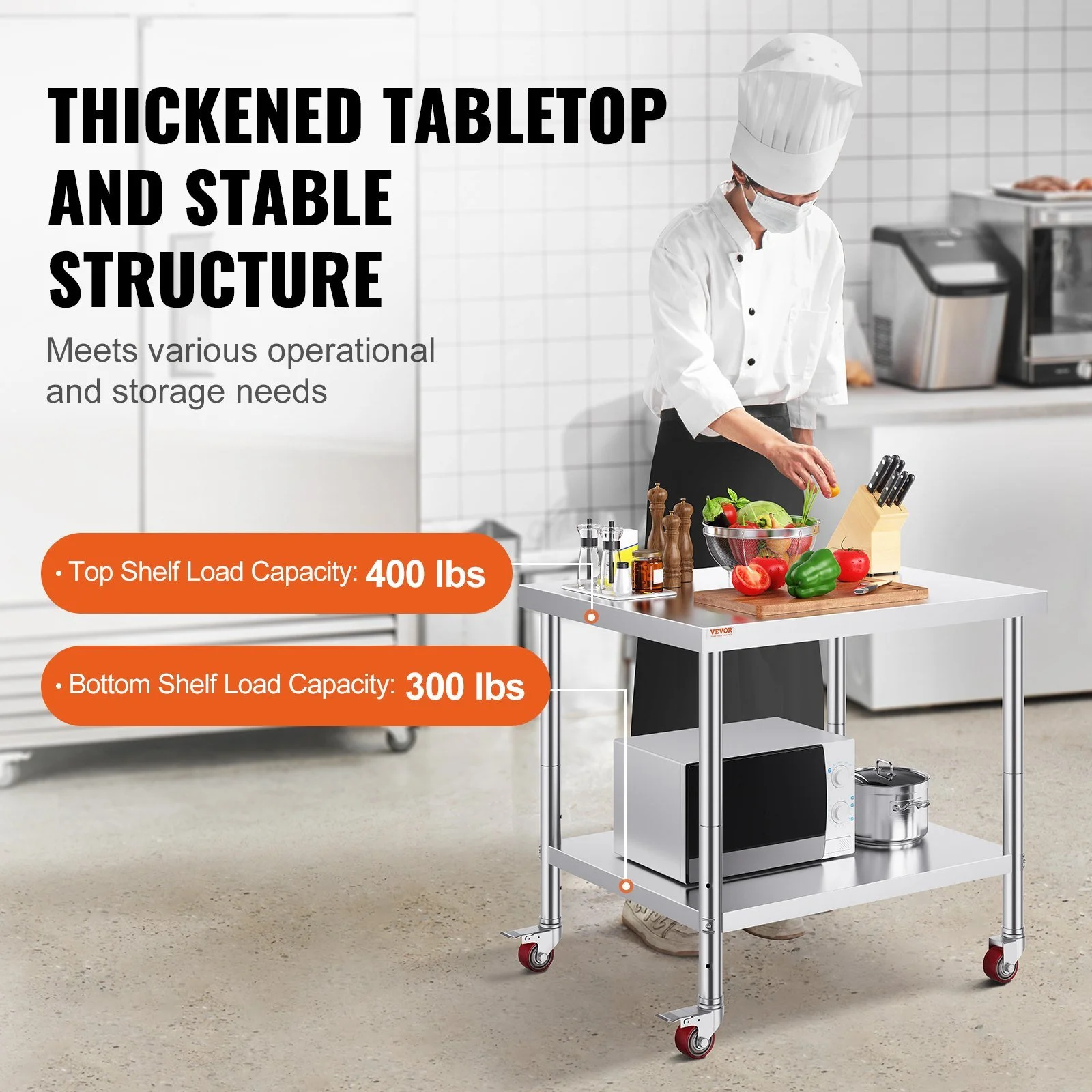
- Heavy-duty stainless steel construction ensures durability and easy sanitation.
- Adjustable shelves and wheels with brakes offer flexibility and stability.
- Limitation: The metal surface can be cold to the touch in winter, and it requires a bit more effort to keep streak-free than a coated surface.
Food-Specific Storage Strategies
Storing Thanksgiving leftovers safely and efficiently requires matching the container to the food's characteristics. Different foods have different cooling rates, moisture levels, and flavors. Using the wrong container can lead to spoilage, flavor transfer, or wasted space. This section breaks down the best practices for storing the main components of a Thanksgiving meal.
Storing the Turkey
The turkey is the largest and most complex item to store. Once the turkey is cooked and rested, it should be deboned as soon as possible to allow for faster cooling and easier reheating. The carcass and bones can be stored in a large, airtight container or a heavy-duty freezer bag. The meat should be sliced or shredded and stored in shallow, airtight containers. Shallow containers are critical because they allow the meat to cool quickly. A deep container with a full turkey inside will take hours to cool, leaving the food in the temperature danger zone where bacteria can grow. Aim to cool the turkey to 40°F or below within two hours of cooking. If you are storing the whole turkey for later carving, use a container that fits the shape of the bird to minimize air space. Label the container with the date and contents. Turkey meat stays fresh in the refrigerator for three to four days and in the freezer for up to four months. Bones and carcass can be frozen for up to six months for making broth.
Storing Mashed Potatoes and Starchy Sides
Mashed potatoes, sweet potatoes, and other starchy sides have a high water content and can become watery when reheated. To prevent this, store them in shallow, airtight containers. Spread them out to a thickness of no more than one to two inches. This allows them to cool rapidly and prevents the formation of a skin on the top. When reheating, add a splash of milk or cream to restore the creamy texture. Label these containers clearly, as mashed potatoes can be mistaken for other white foods in the fridge. They stay fresh in the refrigerator for three to five days and in the freezer for up to two months. If you are freezing them, leave some headspace in the container to allow for expansion. Starchy sides are dense, so they take up less space than their weight suggests, but they still require adequate volume to be stored safely.
Storing Gravy and Sauces
Gravy is one of the most popular leftovers, but it is also one of the trickiest to store. Gravy separates when it cools, with the fat rising to the top. To store gravy, pour it into airtight containers while it is still warm. Do not refrigerate it in the pot, as this can lead to uneven cooling and potential bacterial growth. Let the gravy cool to room temperature before sealing the container. The fat layer on top actually helps to protect the gravy from air, so you do not need to skim it off before storing. When reheating, stir the gravy gently to recombine the fat and liquid. Gravy stays fresh in the refrigerator for three to four days and in the freezer for up to three months. Use small containers for gravy to avoid thawing more than you need. You can also freeze gravy in ice cube trays for easy portioning, which is useful for adding to soups and stews later in the year.
Storing Vegetables and Salads
Green beans, corn, and other vegetables should be stored in airtight containers with a damp paper towel on top to maintain moisture. This prevents them from drying out in the refrigerator. Salads, on the other hand, should be stored without the dressing. Store the greens in a dry, airtight container and the dressing in a separate small container. This keeps the greens crisp and fresh for longer. Root vegetables like carrots and beets can be stored in the refrigerator for up to two weeks. They do not require airtight containers, but they should be kept in a plastic bag to prevent moisture loss. Label all vegetable containers with the date and contents. Vegetables are generally safe to eat for three to five days in the refrigerator, depending on the type. If you have a large amount of vegetables, consider freezing them. Most vegetables freeze well, but they may become softer when thawed. Blanching vegetables before freezing helps to preserve their color and texture.

Organizing Party Supplies and Decorations
After the food is dealt with, the next challenge is packing up the party supplies. Plates, napkins, cutlery, and decorations can be bulky and difficult to store. A systematic approach to organizing these items can save you time and frustration when you need to set up for your next event. The goal is to group similar items together and store them in a way that makes them easy to find and access.
Grouping and Sorting
Start by sorting the party supplies into categories: dining (plates, bowls, cutlery), beverage (glasses, pitchers), and decor (centerpieces, candles, table runners). Within each category, group items by type and size. For example, keep all the dinner plates together, all the salad plates together, and so on. This makes it easier to pack the items into bins and know exactly what is in each bin. Use clear bins or bins with clear lids so you can see the contents without opening them. Label each bin with the contents and the date you packed it. This helps you keep track of what you have and when you last used it. If you have a large quantity of items, consider using a numbering system. For example, label the bins "Dining 1," "Dining 2," and so on. Then, create a master list that details what is in each bin. This list can be kept in a notebook or a digital file.
Choosing the Right Bins
For party supplies, you need bins that are durable and stackable. Plastic bins with locking lids are a good choice because they protect the contents from dust and pests. Glass jars are good for storing smaller items like napkins, napkin rings, or place cards. They are aesthetically pleasing and can be displayed on a shelf. Wicker baskets are good for storing soft items like table runners or napkins. They are breathable, which helps to prevent mildew. When choosing bins, consider the size and shape of the items you are storing. For example, use a wide, shallow bin for flat items like placemats, and a deep, narrow bin for tall items like candlesticks. Make sure the bins are clean and dry before storing the items in them. Moisture can lead to mold and mildew, which can damage the items and create an unpleasant odor. If you are storing items for a long time, consider using silica gel packets to absorb moisture.
Product Recommendation: The Sideboard
For a dedicated space to store these organized supplies, the 60.5 Mid Century Modern Sideboard Buffet Cabinet Is an excellent option. It provides ample storage with four doors and adjustable shelves, allowing you to customize the interior for your specific needs. The solid wood and MDF construction ensures durability, while the walnut finish adds a touch of elegance to your dining room or living room. This cabinet is not just functional; it is also a stylish piece of furniture that enhances the aesthetic of your home.
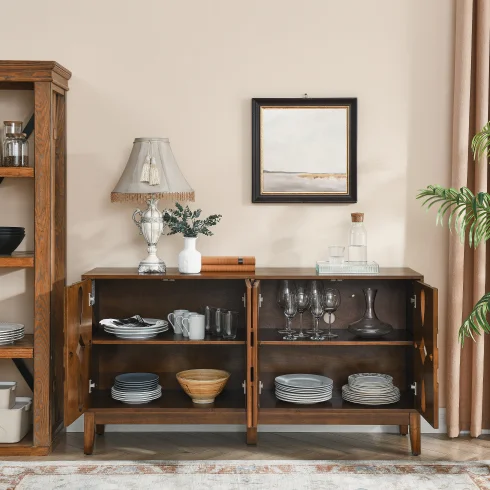
- Spacious interior with four doors and adjustable shelves for flexible organization.
- Solid wood and MDF construction offers durability and a premium look.
- Limitation: The large size requires significant floor space, and the manual measurement variance of 2-3 cm means you should measure your space carefully before purchasing.
Product Comparison
Below is a comparison of the recommended products based on their key attributes. This table helps you quickly identify which product best fits your specific needs and budget.
| Product | Price | Type/Material | Options | Best For |
|---|---|---|---|---|
| Vevor 30x36x34 Inch Stainless Steel Work Table | $319.68 | Stainless Steel, Metal | 1 Size: 30x36x34 Inch | Mobile workspace for cleanup and food prep. |
| 60.5 Mid Century Modern Sideboard Buffet Cabinet | $1082.20 | Solid Wood + MDF | 1 Color: Walnut | Dedicated, stylish storage for party supplies. |
Both products serve different but complementary roles in the Thanksgiving cleanup and organization process. The work table is a functional tool that facilitates the active cleanup phase, while the sideboard is a storage solution that helps you maintain organization long after the holiday. If you are looking to invest in a long-term solution for your kitchen and dining room, the sideboard is a worthwhile investment. If you are looking for a practical tool to make your next holiday easier, the work table is an excellent choice. You can also consider combining these products with other storage solutions, such as clear plastic bins and glass jars, to create a comprehensive system.
Common Mistakes to Avoid
Even with the right tools, it is easy to make mistakes that can lead to wasted food or disorganization. Here are some common pitfalls to watch out for.
Overfilling Containers
One of the most common mistakes is overfilling containers. This leaves no room for expansion, which can cause the lid to pop off or the container to crack. It also makes it difficult to seal the container airtight. Always leave at least an inch of headspace in the container. This is especially important for foods that expand when frozen, such as sauces and soups. Overfilling can also make it difficult to stack containers, which can lead to instability and potential spills.
Neglecting to Label
Labeling is often overlooked, but it is one of the most important steps in food storage. Without labels, it is easy to forget what is in a container or when it was stored. This can lead to food waste, as you may throw away food that is still good, or eat food that has gone bad. Use a marker to write the contents and the date on the lid or a label sticker. For freezer storage, use a marker that is designed for plastic, as regular markers can fade