You are the host. You are moving between the kitchen and the living room, lifting hot trays, and welcoming guests, all while trying to look presentable. The standard advice of "wear something nice" fails here because it ignores the physical reality of hosting. You need clothing that acts as a shield against the heat of the oven and the chill of the hallway, without looking like you are in pajamas. This guide breaks down exactly how to construct a look that balances professional elegance with the mobility required for a twelve-hour day of service.
Building the Foundation: Breathable Base Layers
The most critical error hosts make is wearing a thick, non-breathable layer directly against their skin. Cooking generates significant body heat. If your base layer traps that heat, you will overheat, sweat, and feel uncomfortable by 2 PM. You need a base layer that wicks moisture or at least allows airflow, while still covering your arms and torso to prevent grease splatters from staining your outer layers.
Why Loose Fit Matters for Mobility
A tight-fitting t-shirt may look sleek in a mirror, but it restricts your range of motion when you are reaching for high shelves or bending to check a turkey. A loose fit creates a small air gap between your body and the fabric, which helps regulate temperature. It also makes it easier to tuck in or out depending on the bottom you choose. For hosting, you want a silhouette that drapes rather than clings.
Material Choices for All-Day Wear
Look for fabrics described as breathable or mesh. These materials allow air to circulate, reducing the clammy feeling that comes from standing near a hot stove. Cotton is a standard, safe choice, but synthetic blends with moisture-wicking properties can be superior if you run hot. Avoid heavy wool or thick knits for the base layer; save those for the outer layer where you can remove them if you get too warm.
One practical option for this layer is the Women's 3D Printed Casual Long-Sleeve Shirt.
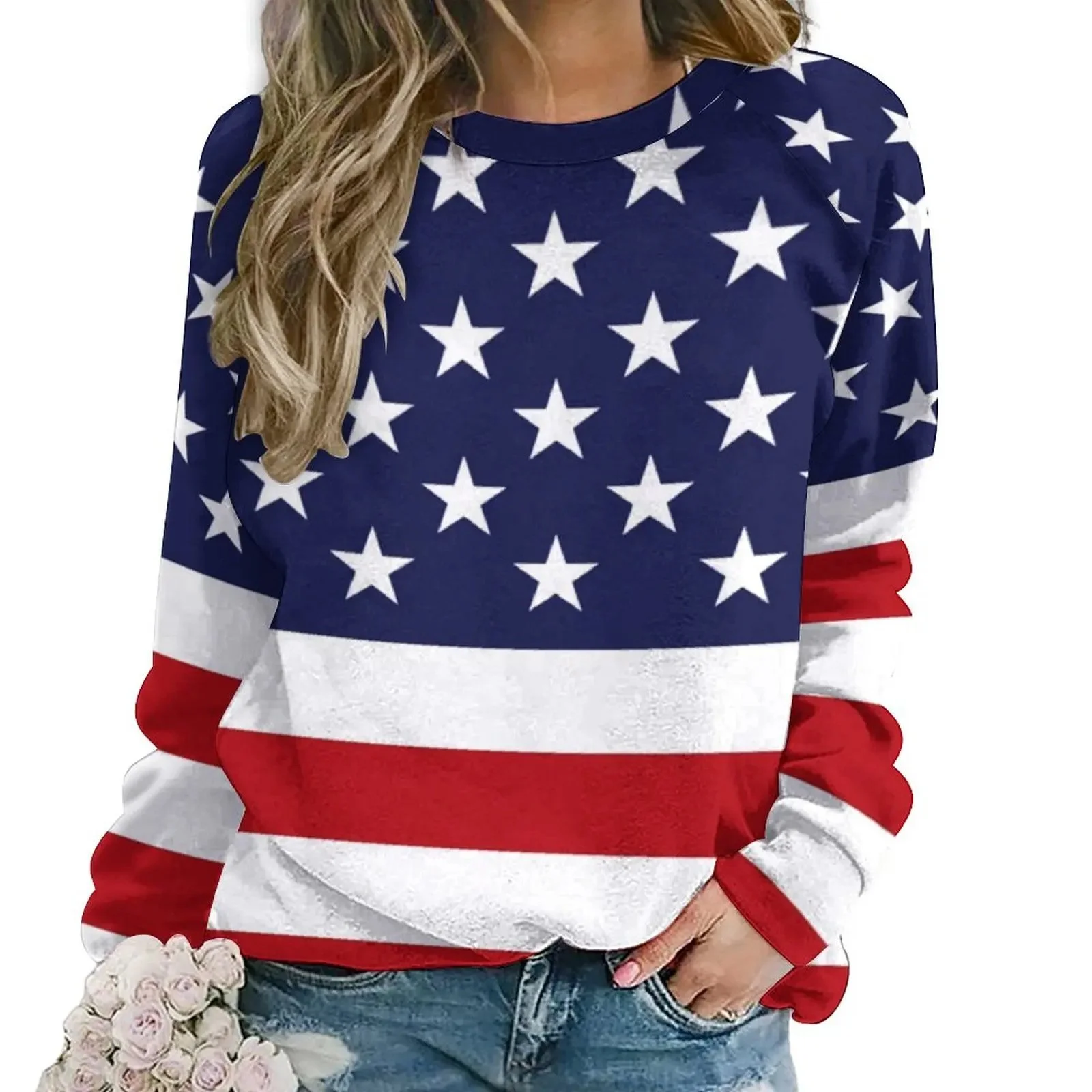
- Pros: Breathable mesh fabric helps prevent overheating; loose fit allows for unrestricted movement.
- Con: The graphic design may be too casual for very formal dinner parties; check the specific print style before purchasing.
If you prefer a cleaner, more minimalist look that transitions easily from kitchen to table, consider a solid color option. The Women's Solid Long-Sleeve Pocket Shirt Offers a versatile solid color design.
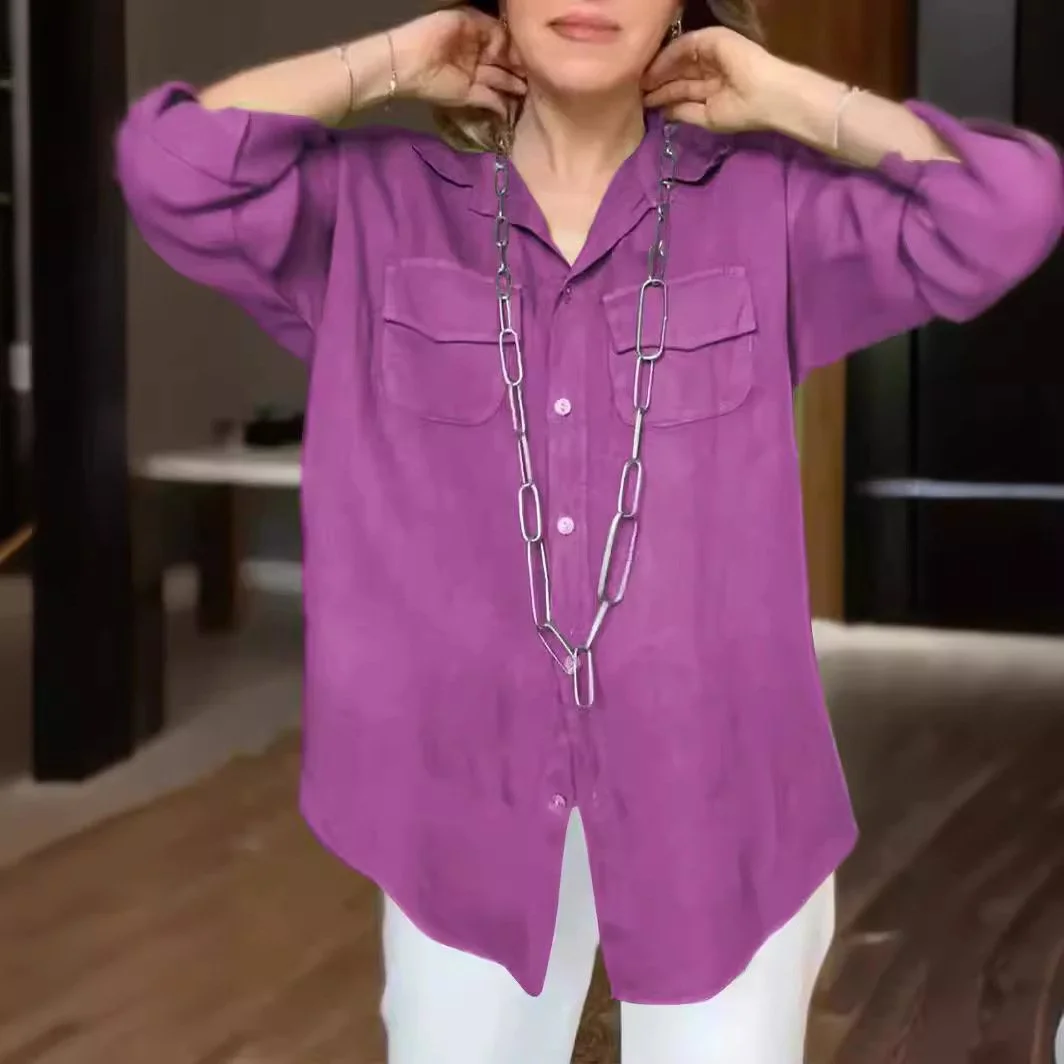
- Pros: Solid color is easy to match with any outer layer; front pocket adds practical utility for keeping essentials close.
- Con: The material weight is not specified, so if you run very hot, you may still want to layer a thin wicking tank underneath.
The Cardigan Strategy: Warmth Without Bulk
Once you have your base layer, you need an outer layer for warmth. This is where the cardigan becomes your most important tool. Unlike a sweater, a cardigan can be unbuttoned or removed entirely if the room gets too warm. This flexibility is key for a host who moves between different temperature zones, such as a cold entryway and a hot kitchen.
Choosing the Right Thickness
You want a cardigan that is thickened enough to provide insulation but not so heavy that it feels like a weighted blanket. A thickened cardigan offers "temperature lock" properties, helping to retain body heat when you step away from the stove. However, it should still be lightweight enough to layer over a long-sleeve shirt without creating bulk around the shoulders. Look for a relaxed fit that does not restrict your arms when you are lifting trays.
Color and Style Considerations
For a host outfit, neutral colors are your safest bet. Khaki, black, and gray are versatile because they can be dressed up with jewelry or a belt, or kept casual with simple accessories. These colors also hide minor food splatters better than white or pastels, which is a practical advantage when you are handling hot liquids and sauces. A solid color cardigan is easier to style than a patterned one, as it acts as a neutral background for the rest of your outfit.
A reliable option for this layer is the Casual Thickened Cardigan Sweater for Women.
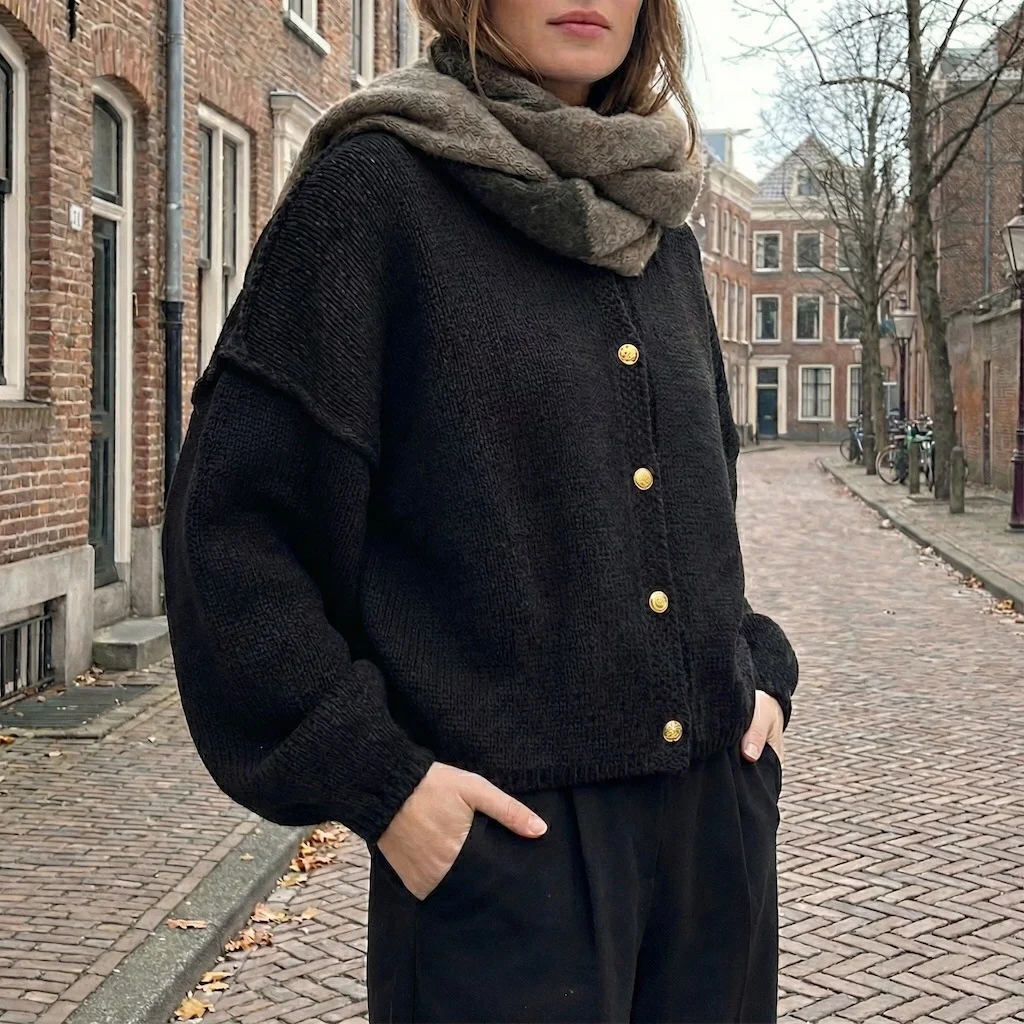
- Pros: Thickened fabric provides excellent warmth; solid colors are versatile and hide minor stains.
- Con: Asian sizing runs 1–2 sizes smaller than US/EU standards; you must size up if you are between sizes to ensure a comfortable fit.
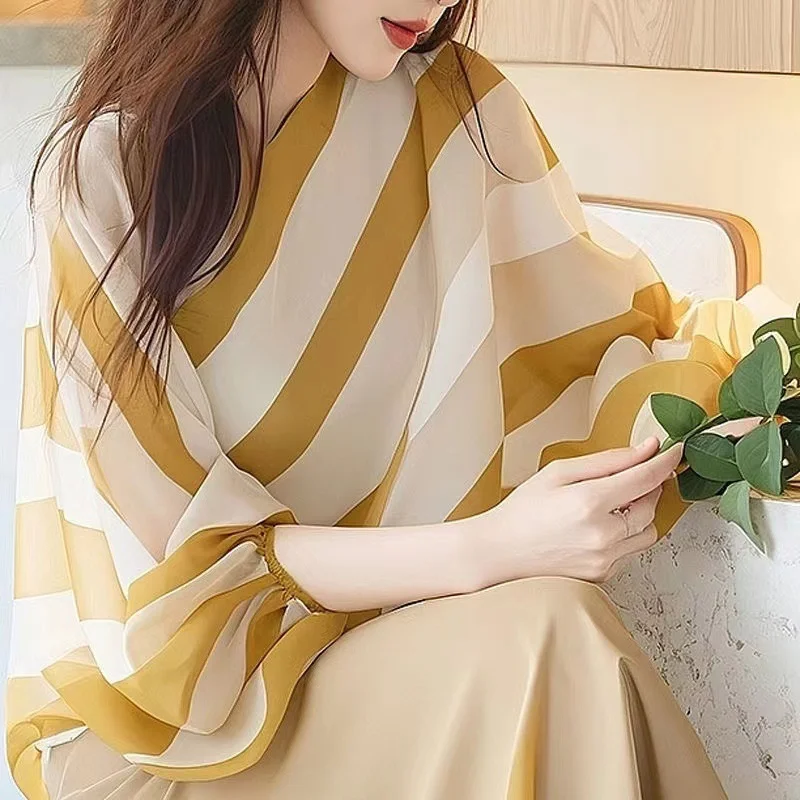
If you prefer a different texture or a more unique style for your base or light layer, you might consider a printed top. The Custom Photo Digital Print Long-Sleeve Top Is crafted from soft, breathable polyester.
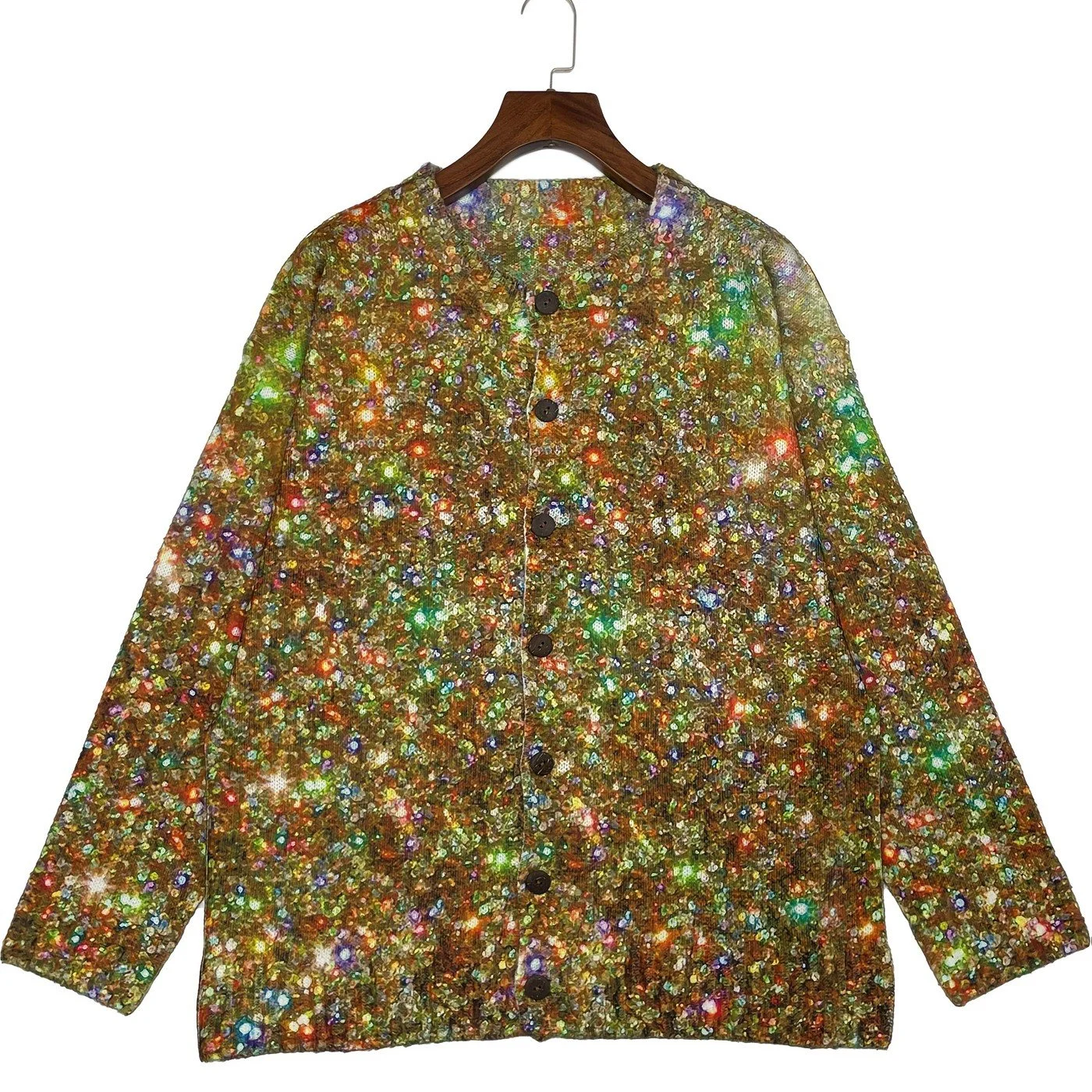
- Pros: Soft, breathable polyester fabric is comfortable for all-day wear; custom print adds a personal style element.
- Con: Polyester can retain odors more than natural fibers; ensure you have a way to wash it effectively after a day of cooking.
Footwear for the Host: Comfort and Safety
Hosts often neglect their feet, assuming that no one else will see them. This is a mistake. You will be on your feet for 8 to 12 hours. Hard, slippery floors become a safety hazard when you are carrying hot dishes. Your footwear needs to provide cushioning for your joints and grip for your safety.
The Importance of Anti-Slip Soles
Many indoor shoes have smooth soles that slide on tile or hardwood. This is dangerous when you are moving quickly or carrying weight. Look for footwear with an anti-slip sole. This feature is not just a comfort add-on; it is a safety requirement for anyone moving around a kitchen. The soles should have a textured pattern that grips the floor, reducing the risk of falls.
Warmth and Cushioning
Thickened footwear provides "temperature lock," keeping your feet warm without needing heavy socks. This is important because cold feet can lead to general discomfort and distraction. The cushioning should be sufficient to absorb the impact of standing on hard floors for long periods. You do not need a hiking boot, but you do need a shoe that feels supportive and insulated.
A practical choice for this role is the Warm Feet Anywhere Footwear option.
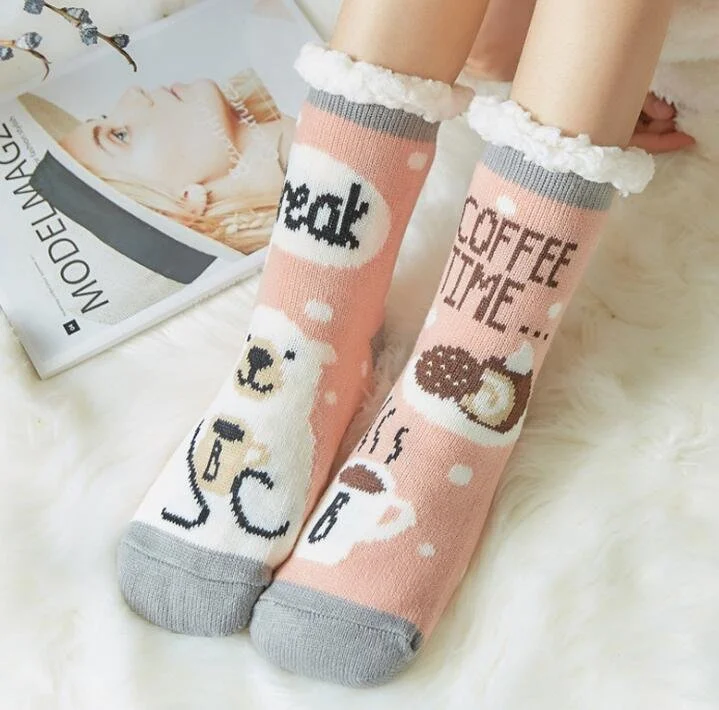
- Pros: Anti-slip soles improve safety on hard floors; thickened design provides warmth and cushioning.
- Con: The style is casual and may not match a very formal host outfit; check the size availability for your foot length.
Product Comparison and Price Analysis
Let’s look at the specific products recommended in this guide side-by-side. This table helps you understand the value proposition of each item based on price, type, and specific features.
| Product | Price | Type/Material | Key Features | Best For |
|---|---|---|---|---|
| Casual Thickened Cardigan Sweater for Women | $37.08 | Thickened Knit (Solid) | Warmth, Japanese-Korean casual style, S/M/L | Outer layer for warmth and versatility |
| Warm Feet Anywhere | $17.20 | Thickened Footwear | Anti-slip, temperature lock, soft | Safe, comfortable indoor footwear |
| Women's 3D Printed Casual Long-Sleeve Shirt | $12.20 | Mesh Fabric (Graphic) | Breathable, loose fit, unique design | Base layer for hot-running hosts |
| Women's Solid Long-Sleeve Pocket Shirt | $21.28 | Solid Shirt | Front pocket, versatile, office-casual | Structured, neutral base layer |
| Custom Photo Digital Print Long-Sleeve Top | $23.88 | Polyester (Custom Print) | Soft, breathable, custom design | Personalized mid-layer or standalone top |
Notice the price range. You can build a complete three-piece host outfit (base, outer, footwear) for under $70 using the specific items listed. This is significantly cheaper than buying a single "fancy" dress that may not be comfortable for cooking. The value here is in functionality. You are not paying for a designer label; you are paying for specific features like anti-slip soles, breathable mesh, and thickened insulation that solve real problems.
Common Mistakes to Avoid When Dressing to Host
Even with the right pieces, you can ruin the experience if you make these common styling and practical errors.
Ignoring Sizing Standards
Many international brands, including the cardigan recommended above, use Asian sizing standards. These run 1–2 sizes smaller than US or EU standards. If you usually wear a Medium in the US, you likely need a Large in these items. Do not guess. Check the specific measurement charts if available, or size up. A cardigan that is too tight will restrict your movement when you are reaching for shelves or holding trays. It will also feel restrictive and uncomfortable after a few hours.
Choosing Non-Breathable Fabrics for the Base
Wearing a thick cotton t-shirt or a wool sweater as your base layer is a recipe for overheating. When you are standing near a hot oven, your body generates heat. If your base layer traps that heat, you will sweat. This leads to discomfort and can cause the fabric to cling to your skin. Always choose a breathable base layer, such as the mesh shirt or a lightweight polyester, to allow heat to escape.
Forgetting Footwear Safety
Wearing smooth-soled slippers or bare feet is a safety hazard. Kitchens are wet and slippery. A fall while carrying a hot dish can result in serious burns. Always wear footwear with an anti-slip sole. This is not an optional comfort feature; it is a safety requirement. If you prefer to be barefoot in your own home, consider wearing socks with non-slip grips, but dedicated anti-slip footwear is the safer option.
Over-Dressing for the Activity
Wearing a delicate silk blouse or a structured blazer that you cannot bend in is impractical. You will be bending, reaching, and moving quickly. If your clothing restricts your movement, you will feel stressed and self-conscious. Choose fabrics that drape and move with you. A loose-fitting shirt and a cardigan allow for a full range of motion without looking sloppy.
Care, Styling, and Practical Usage Tips
Once you have your outfit, how you care for it and style it can extend its life and ensure it looks its best for years to come.
Styling for Versatility
The beauty of layering is that you can adjust your look throughout the day. Start with the base shirt and cardigan for cooking. When you are ready to sit down for dinner, you can add a belt to the cardigan to define your waist, or add a simple necklace. If you are wearing the solid pocket shirt, you can tuck it in for a more polished look or leave it untucked for a casual vibe. The cardigan can be worn open or closed. This flexibility allows you to transition from "cooking mode" to "hosting mode" without changing your entire outfit.
Care Instructions for Longevity
Check the care label on each item. For the thickened cardigan, it is likely best to wash it on a gentle cycle with cold water and dry it flat to prevent stretching. For the mesh shirt and polyester top, machine washing on a normal cycle is usually fine. Avoid using high heat in the dryer, as this can damage elastic fibers and cause shrinkage. If you have a custom print, check if it is recommended to wash inside out to protect the design. Proper care ensures that the colors stay vibrant and the fabric maintains its shape.
Practical Usage Tips for Hosting
Keep a small towel or apron handy. Even with a solid color cardigan, you may get splatters. A quick wipe-down can save your outfit. If you are using the pocket shirt, use the pocket to hold your phone or a small thermometer, so you don't have to set them down on potentially dirty counters. Keep your footwear clean; if they get dirty in the kitchen, a quick wipe with a damp cloth can keep them looking presentable when you move to the living room.
Adjusting for Temperature
Monitor your body temperature. If you start to feel hot, unbutton the cardigan or remove it entirely. If you feel cold, button it up or pull the sleeves down. The layered approach allows you to regulate your own comfort level without relying on the thermostat. This is especially useful if your home has uneven heating, with the kitchen being warmer than the living room.
Frequently asked questions
❓ What should I wear to host Thanksgiving dinner in 2026?
For 2026, focus on functional layering. Wear a breathable long-sleeve base, a thickened cardigan for warmth, and anti-slip footwear. This combination balances style with the physical demands of cooking and entertaining, ensuring you stay comfortable and look polished.
❓ Best comfortable sweaters for hosting holiday dinners
Look for thickened cardigans in solid, neutral colors. They provide warmth without bulk and can be easily removed if you overheat. Avoid heavy, non-breathable knits. A loose fit is essential for mobility while moving around the kitchen and living room.
❓ How to dress for Thanksgiving if I am cooking all day
Prioritize breathability and mobility. Choose a loose-fitting base layer made of mesh or lightweight polyester. Add a cardigan for warmth. Wear anti-slip footwear for safety. Avoid tight fabrics that restrict movement or trap heat. This approach keeps you cool and safe while cooking.
❓ Cozy yet elegant outfits for holiday hosting
Combine a solid, structured shirt with a thickened, neutral cardigan. Tuck the shirt in and add a belt or simple jewelry for elegance. The cardigan provides coziness. Choose dark or neutral colors to hide minor stains. This look is put-together without being restrictive or overly formal.