Fall is the season where your wardrobe needs to work harder. The temperatures drop, but you don't want to look like you're wearing a sleeping bag. Many women struggle with the balance between staying warm and looking polished. You want to wear that cozy chunky knit, but you're worried it will look shapeless under your blazer or too heavy over a dress. This guide cuts through the noise. It provides three specific, repeatable layering formulas that use standard fall wardrobe staples. You will learn which fabrics work together, how to manage sizing to prevent bulk, and how to style specific items from our inventory to create outfits that look intentional, not accidental.
The Three Core Layering Formulas
Mastering women's sweater layering comes down to understanding how different volumes interact. You are not just stacking clothes; you are building a silhouette. Here are three formulas that work for most body types and weather conditions in early fall.
Formula 1: The Work-Ready Blazer Stack
This is the go-to formula for office environments where you need to look professional but stay warm. The key here is structure over softness. A blazer provides a sharp line that cuts through the softness of a knit. If you wear a bulky sweater under a blazer, the blazer will stretch and lose its shape. Instead, choose a mid-weight knit or a fine gauge turtleneck. The goal is a clean line from shoulder to hem. The blazer should fit comfortably over the sweater without pulling at the buttons. If the buttons strain, the sweater is too thick for that specific blazer. This formula works best with straight-leg trousers or tailored pants. The contrast between the structured jacket and the soft knit creates a balanced look that feels put-together without trying too hard.
Formula 2: The Casual Knit-and-Shirt Combo
For weekends or casual Fridays, you can relax the structure. Start with a button-down shirt as your base layer. Leave the collar and a small portion of the cuffs visible. This adds visual interest and a touch of classic style. Over the shirt, wear a loose-fitting sweater. The looseness is important here. If the sweater is too tight, it will hug the shirt underneath and create a messy, layered look that feels cluttered. You want the sweater to drape slightly. This formula is forgiving. It works with various shirt styles, from crisp white oxfords to softer cotton blends. The visible collar breaks up the block of color from the sweater, making the outfit look more dynamic. Pair this with jeans or chinos for a complete casual look.
Formula 3: The Dress-and-Turtleneck Layer
When the weather dips below 50 degrees, a dress alone is not enough. A turtleneck is the best base layer for dresses because it covers the neck and chest, which are areas that lose heat quickly. Choose a slim-fit turtleneck. If the turtleneck is bulky, it will add inches to your waist and hips, ruining the fit of the dress. The turtleneck should disappear into the dress, or peek out slightly at the neckline if the dress has a lower cut. This formula works best with slip dresses, shirt dresses, or midi dresses. The knit adds warmth without adding significant volume. It is a simple way to extend the life of your spring dresses into fall. You can also swap the turtleneck for a thin long-sleeve top if you are only mildly chilly.
How to Choose the Right Sweater for Layering
Not all sweaters are created equal when it comes to layering. The fabric, weight, and fit determine whether a sweater works as a base, a mid-layer, or a statement piece. Here is what to look for before you buy.
Understanding Fabric Weight
Fabric weight is measured in grams per square meter (GSM), but you do not need to know the exact number. You need to know the feel. Light-weight knits are thin and drape closely to the body. These are best for under blazers or over dresses. Mid-weight knits have some body but are not thick. They are versatile and work as standalone pieces or under light jackets. Heavy-weight knits are thick and provide maximum warmth. These are best for outer layers or standalone wear. If you are layering, you generally want to start with light or mid-weight pieces. Adding a heavy knit as a base layer creates bulk that is hard to manage. Look for labels that indicate the material composition. Natural fibers like wool and cashmere are breathable and regulate temperature well. Synthetic fibers like polyester are often more affordable and easier to care for, but they may not breathe as well. For layering, a blend can be a good compromise, offering warmth and ease of care.
Fit and Sizing Considerations
Fit is critical for layering. A sweater that fits you perfectly on its own may not work when layered. If you are wearing a sweater under a blazer, you need a bit of room in the blazer. The blazer should not be skin-tight. It needs to accommodate the extra volume of the sweater. If you are wearing a turtleneck under a dress, the turtleneck needs to be slim-fitting. A loose turtleneck will create lumps and bumps under the dress fabric. Always check the size chart for specific garments. Many online retailers use Asian sizing, which runs 1–2 sizes smaller than US/EU standards. If you are between sizes, choose the larger one. This is especially important for knits. A knit that is too small will stretch out over time and lose its shape. A knit that is slightly larger can be styled with a belt or tucked in to create a defined waist. Check the measurements for chest, waist, and length. Compare these to a similar garment you already own that fits well. Do not rely solely on the size label (S, M, L). Measure yourself and the garment.
Material and Care
Consider how the garment will be cared for. Wool sweaters require gentle washing and air drying. They can shrink if exposed to heat. Polyester sweaters are more durable and can often be machine washed. If you plan to layer a sweater frequently, you will be washing it often. Choose a material that fits your lifestyle. If you have a busy schedule, a synthetic or blend may be more practical. If you prioritize natural fibers, be prepared to hand wash or use a delicate cycle. Check the care label before buying. Some knits are prone to pilling. This is normal but can be managed with a fabric shaver. Darker colors hide pilling better than lighter colors. If you are buying a light-colored sweater for layering, be prepared for more maintenance.
Product Comparison: Sweaters and Tops
Below is a comparison of the available items from our inventory. These items can be used in the layering formulas described above. Note that prices and availability can change.
| Product | Price | Material/Type | Key Features | Best For |
|---|---|---|---|---|
|
Casual Wide-Leg Jumpsuit with Pockets
🏆 Top pick
|
$18.00 | Polyester / Jumpsuit | Wide-leg, multiple pockets, various colors | Casual outings, streetwear, relaxed evenings |
|
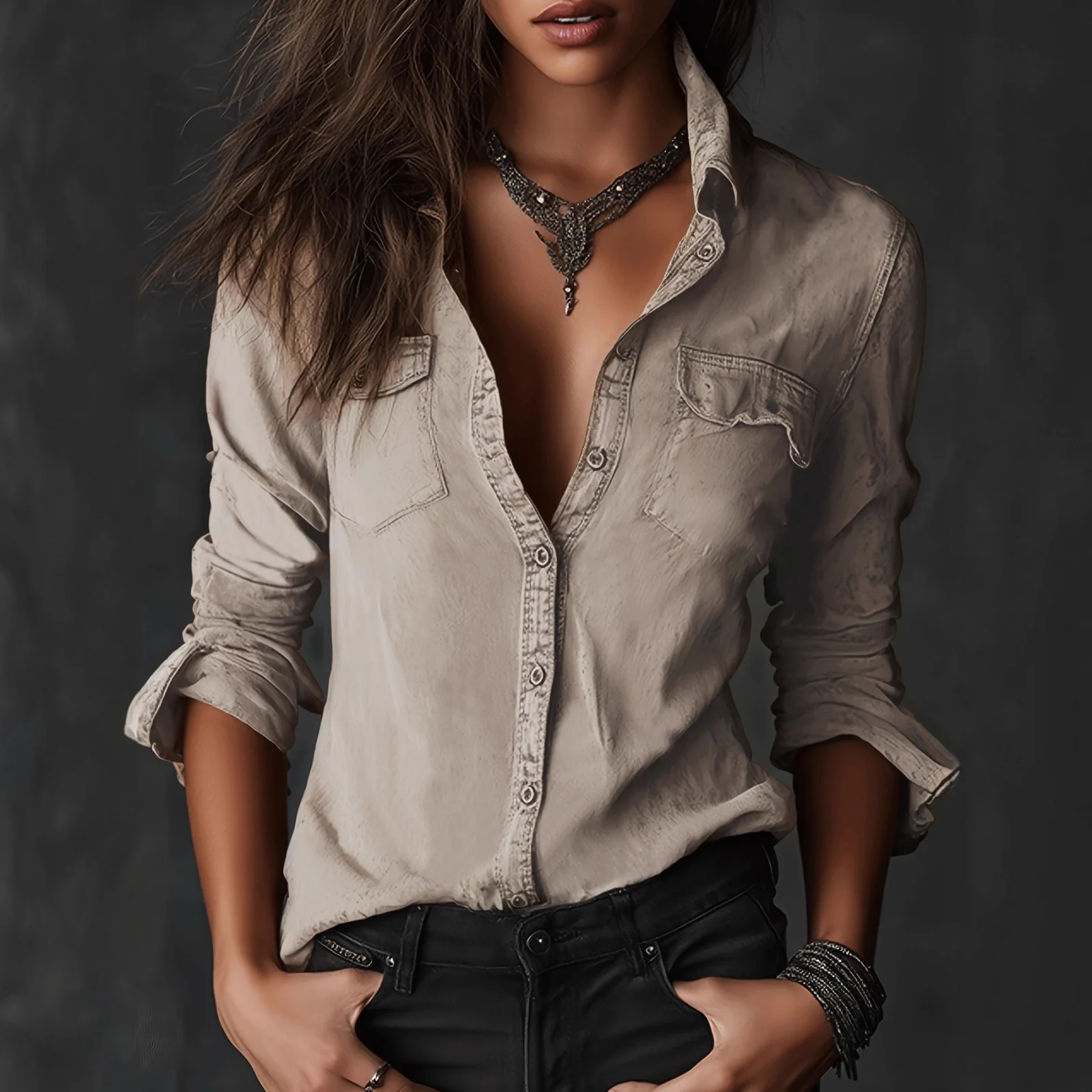
Women's Casual Vintage-style Distressed Long-sleeve Shirt
⭐ Editor's pick
|
$31.16 | Not specified / Shirt | Vintage style, distressed details, long sleeve | Base layer for casual knit-and-shirt combo |
|
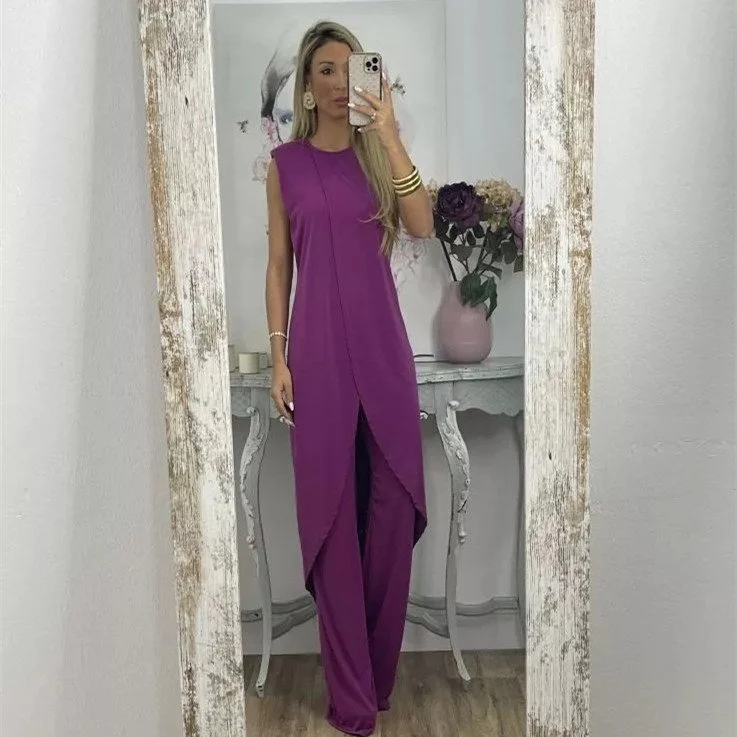
Summer Two-piece Set for Women - Elegant & Casual
⭐ Editor's pick
|
$29.28 | Polyester / Two-piece Set | Sleeveless, loose round neck, breathable | Summer wear, layering base in mild fall |
|
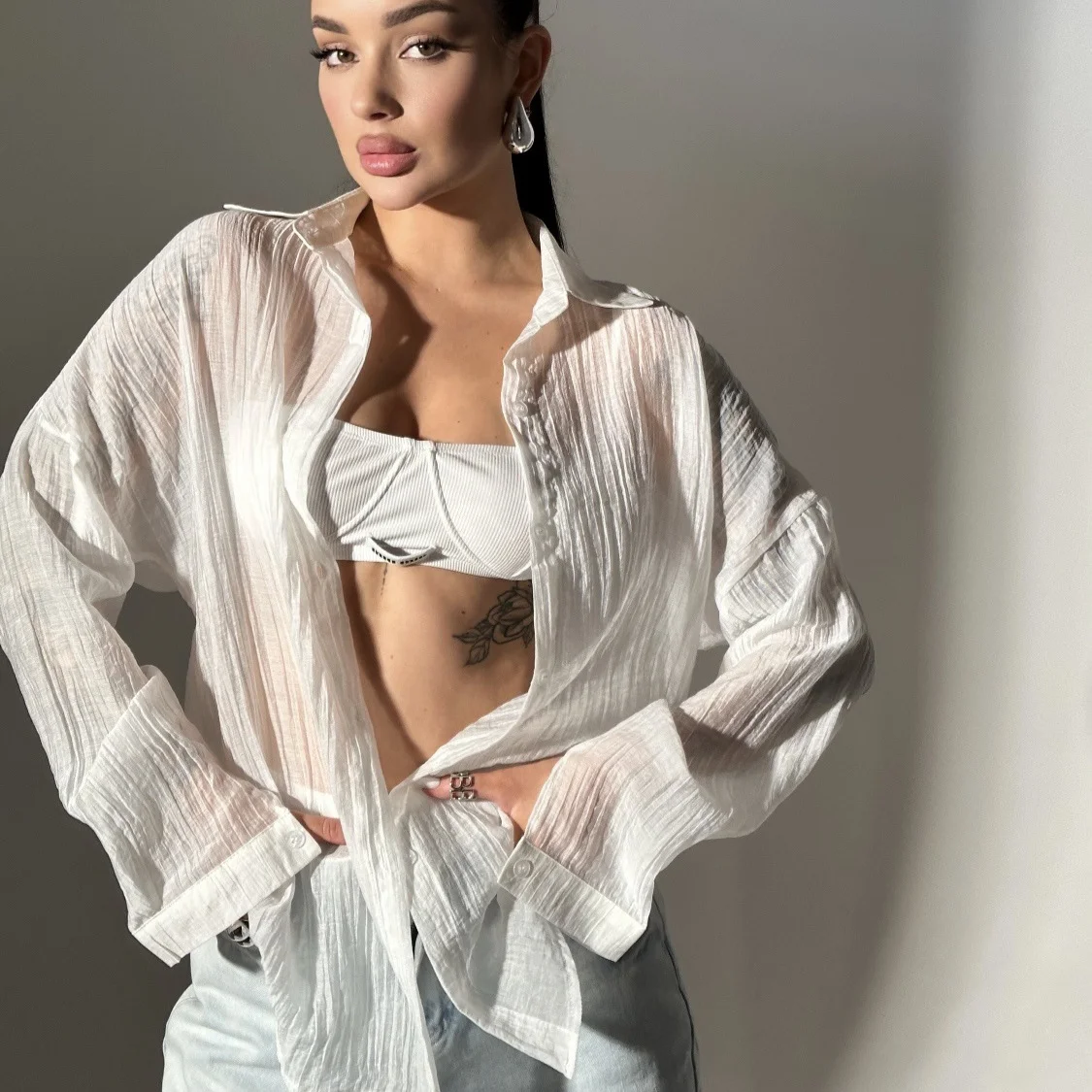
Comfortable Collar Decorated With Buttons Casual Top
⭐ Editor's pick
|
$16.76 | Not specified / Top | Collar with buttons, casual style | Workwear base layer, office casual |
|
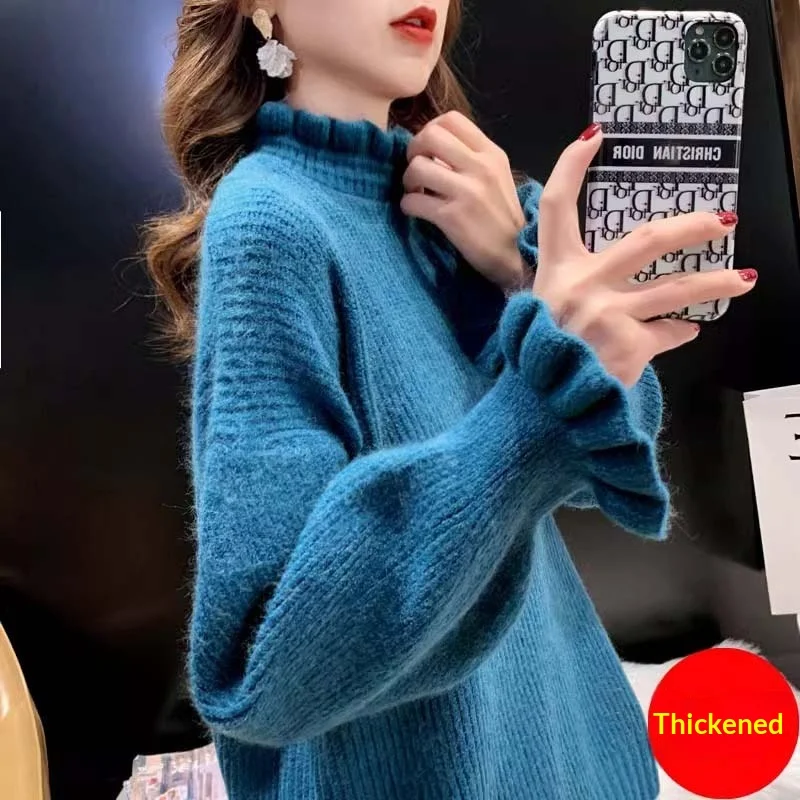
New Loose-fit Figure-flattering Thickened Knit Bottoming Top
⭐ Editor's pick
|
$225.68 | Polyester / Knit Top | Thickened knit, loose fit, solid color, Asian sizing | Standalone winter wear, cozy home wear |
|
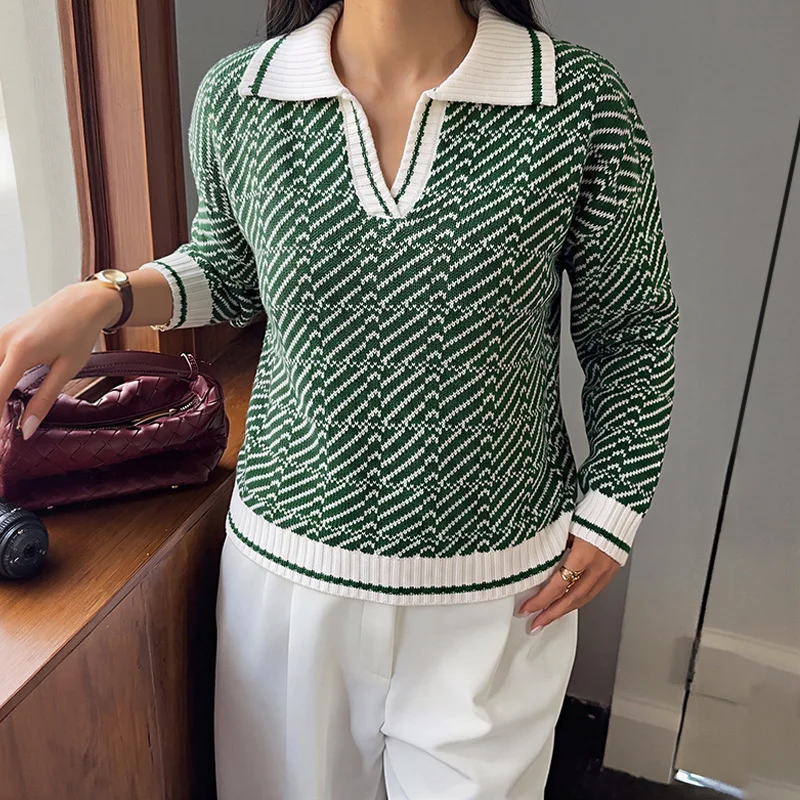
Color-block Polo-collar Loose-fitting Sweater with a Half-placket
⭐ Editor's pick
|
$31.84 | 100% Polyester / Sweater | Color-block, polo collar, loose fit, half-placket | Casual layering, transitional weather |
Product Details and Recommendations
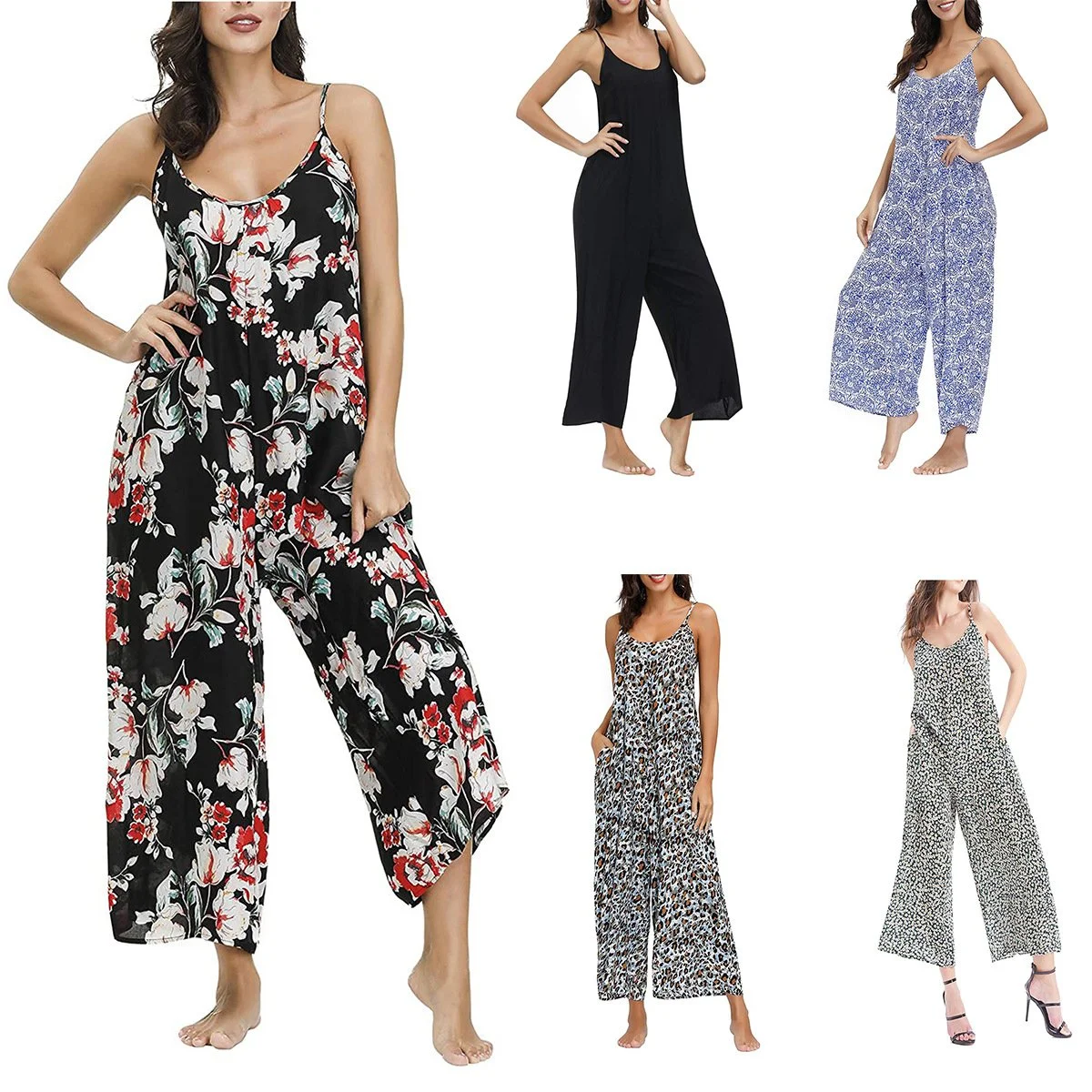
Casual Wide-Leg Jumpsuit with Pockets This is a one-piece garment made from soft polyester fabric. It features a wide-leg design and multiple pockets for utility. It comes in various colors and prints, with options ranging from S to 2XL in red and black. Best for Women who want a quick, low-effort outfit for casual outings or streetwear.
- Pro: Multiple pockets offer convenience for carrying essentials without a bag.
- Pro: Wide-leg cut provides a relaxed, comfortable silhouette.
- Con: Polyester may not breathe as well as natural fibers during warmer fall days.
Women's Casual Vintage-style Distressed Long-sleeve Shirt This long-sleeve shirt features a vintage-style distressed look. It is designed for casual wear and can serve as a base layer. Specific fabric composition is not listed, so check the product page for details. Best for Building a casual layering look with a vintage aesthetic.
- Pro: Distressed details add visual interest to simple outfits.
- Pro: Long sleeves provide coverage for cooler mornings and evenings.
- Con: Distressed fabric may not be as durable as standard cotton or polyester blends.
Summer Two-piece Set for Women - Elegant & Casual This is a sleeveless loose round neck two-piece set made from breathable polyester. It is designed for summer but can be used as a base layer in mild fall weather. It comes in vibrant colors and multiple sizes. Best for Women who need a breathable base layer for transitional weather or indoor office settings.
- Pro: Breathable polyester keeps you cool in warmer environments.
- Pro: Loose fit allows for easy layering without adding bulk.
- Con: Sleeveless design requires a jacket or cardigan in cooler temperatures.
Comfortable Collar Decorated With Buttons Casual Top This casual top features a collar decorated with buttons. It is designed for comfort and can be worn in office-casual settings. Specific fabric details are not provided, so verify the material for comfort and care instructions. Best for Women who want a professional look with a relaxed fit.
- Pro: Buttoned collar adds a structured element to casual wear.
- Pro: Comfortable fit suitable for long workdays.
- Con: Lack of specified fabric details makes it hard to predict durability and breathability.
New Loose-fit Figure-flattering Thickened Knit Bottoming Top This is a thickened knit top made from polyester. It has a loose fit and is available in solid colors. The sizing is Asian, running 1–2 sizes smaller than US/EU standards. It is designed to be figure-flattering despite the loose cut. Best for Women who prioritize maximum warmth and a cozy, relaxed fit for colder days.
- Pro: Thickened knit provides excellent insulation for cold weather.
- Pro: Available in extended sizes up to 3XL.
- Con: High price point compared to other items in this guide.
Color-block Polo-collar Loose-fitting Sweater with a Half-placket This sweater is made from 100% polyester and features a color-block design with a polo collar and half-placket. It has a loose fit and is available in sizes S, M, and L. The length is regular (50 cm < length ≤ 65 cm). Best for Women who want a sporty, casual look with added visual interest from color-blocking.
- Pro: Color-block design makes it a statement piece that stands out.
- Pro: Polo collar offers a versatile neckline that looks good under or without a jacket.
- Con: Limited size range (S-L) may not fit all body types.
Common Layering Mistakes to Avoid
Even with the right items, layering can go wrong. These are the most common errors that result in a bulky or unflattering look.
Ignoring Fabric Weight
The biggest mistake is combining two heavy fabrics. If you wear a thick turtleneck under a thick cardigan, you will create a block of fabric that restricts movement and adds significant weight. This looks bulky and feels uncomfortable. Always pair a heavy layer with a light layer. For example, a thick wool coat over a thin silk blouse. Or a mid-weight knit over a thin cotton shirt. The contrast in weight creates a balanced silhouette. If you are unsure, hold the fabrics up. If one is significantly thicker than the other, they are likely good candidates for layering. If they are similar in weight, consider wearing them separately.
Choosing the Wrong Fit
Wearing items that are too tight or too loose is a common error. Tight layers create constriction and can make you feel uncomfortable. Loose layers can add unnecessary volume. The goal is a fit that allows for ease of movement without adding bulk. For base layers, a slim or regular fit is best. For mid-layers, a regular or slightly loose fit works well. For outer layers, a tailored or relaxed fit is ideal. Avoid wearing multiple oversized items together. If you wear an oversized sweater, pair it with fitted pants or a fitted base layer. If you wear an oversized coat, keep the layers underneath closer to the body. This creates a line that flows rather than puffs out.
Overlooking Neckline Compatibility
The necklines of your layers must work together. A high-neck turtleneck under a high-neck sweater will look stuffed and uncomfortable. A V-neck over a crew neck can look messy if the proportions are off. Pay attention to how the necklines interact. If you are layering, you usually want the base layer to be visible at the neckline. For example, a shirt collar peeking out from a sweater neckline. Or a turtleneck tucking into a dress neckline. If the necklines clash, consider adjusting the layers. You can roll down a collar or tuck in a neckline to create a cleaner look. Experiment with different combinations to see what works for your personal style.
Neglecting Length Proportions
The length of your layers matters. If your sweater is too long, it can swallow your frame, especially if you are petite. If it is too short, it can ride up when you sit or move. Aim for a length that hits at the mid-hip or just below the hip. This is a versatile length that works with both high-waisted and mid-rise pants. If you are wearing a longer coat, ensure the layers underneath do not create a bunching effect at the waist. You can use a belt to define the waist, or choose a fitted layer to counterbalance the length of the coat. Pay attention to how the layers move when you walk or sit. Adjust the lengths as needed to maintain a clean silhouette.
Care and Styling Tips for Longevity
Proper care ensures your layered wardrobe lasts for multiple seasons. Here are some tips to keep your sweaters and tops in good condition.
Washing and Drying
Always check the care label before washing. For polyester items, machine washing